REVIEW · TOKYO
Tokyo: Nikko Kegon Falls Lake Chuzenji Toshogu Temple & More
Book on GetYourGuide →Operated by Travels Luxurious Japan · Bookable on GetYourGuide
Nikko hits fast, and then it lingers. I love the private driver setup that lets you set the pace, and the close-up artistry of Nikko Toshogu inside a quiet forest. One thing to plan for: this is a long 10-hour day from Tokyo, and traffic or weather can push the schedule.
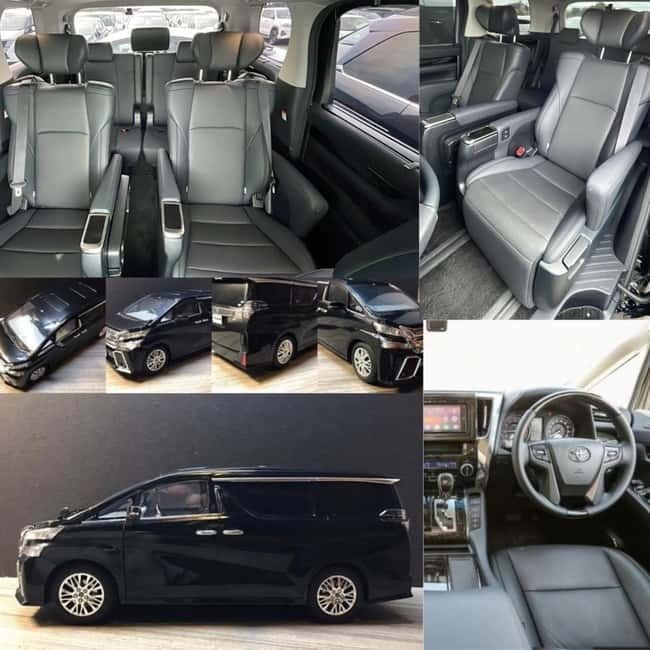
The best part is how the trip is run. You ride in a luxury Land Cruiser/Crown/Vellfire-style vehicle with Wi‑Fi and get guided time at the big sights, plus photo stops that actually make sense. If you have a sensitive back or prefer minimal walking, this day may feel a bit busy.
You’ll also get variety in one loop: shrine architecture, a bridge that’s pure photo bait, volcanic views over Lake Chuzenji, and the big finale at Kegon Falls. Then it’s off to Edo Wonderland for an Edo-period themed break with a short guided overview and safety briefing.
In This Review
- Key things that make this trip work
- Private Tokyo-to-Nikko routing with a driver who keeps it easy
- Nikko Toshogu shrine and Futarasan jinja: where to spend your attention
- Shinkyo Bridge and the Jizo pathways near the Daiya River
- Ropeway views up toward Mount Nantai and over Lake Chuzenji
- Kegon Falls at 97 meters: best ways to enjoy the viewpoint
- Edo Wonderland in Nikko: an Edo-period break that’s actually structured
- Price, what’s included, and the meal and fee reality check
- Should you book this Nikko day trip?
- FAQ
- Is this tour private, and how many people can join?
- Where does pickup happen in Tokyo, and how long will the driver wait?
- How long is the tour, and is there walking?
- What’s included, and are meals and attraction fees covered?
- What languages can the driver-guide speak?
- What are the cancellation and payment options?
Key things that make this trip work
- Private door-to-door comfort: Tokyo hotel pickup and a luxury vehicle for up to 6 people
- Nikko Toshogu time that matters: focused viewing of the carvings and famous gate details
- Jizo statues along the Daiya River area: a peaceful walk with strong atmosphere
- High views from the Akechidaira Ropeway area: Mount Nantai and the lake-and-falls combo
- Kegon Falls at 97 meters: a major waterfall viewpoint year-round
- Edo Wonderland included: Edo-period theme park with guided time (not just a drop-off)
Private Tokyo-to-Nikko routing with a driver who keeps it easy
This is a private Nikko day trip built around one simple idea: stop fighting transportation. From your hotel lobby in Tokyo (Tokyo’s 23 wards), you get picked up and sent to UNESCO-listed Nikko sights without the usual transfers, ticket lines, and station puzzles.
The ride is part of the experience. You’ll be in a luxury vehicle (Land Cruiser, Crown, or Vellfire are listed), with air-conditioning and onboard Wi‑Fi. It’s a nice fit if you’re traveling with family, friends, or a small group who wants conversation time on the way out and not just exhaustion.
Timing is the only catch. The tour lasts about 10 hours including commuting, and Japan traffic can stretch the day. The driver waits up to 60 minutes past the scheduled pickup time, so if you’re late, you can’t count on much flexibility. Bring a calm mindset and comfortable shoes, and you’ll enjoy the flow.
I also like that the driver-guide can operate in multiple languages (English, Hindi, Japanese, Urdu, Arabic, Punjabi). In practice, that means you can ask questions and get practical context without guesswork.
You can also read our reviews of more tours and experiences in Tokyo.

Nikko Toshogu shrine and Futarasan jinja: where to spend your attention
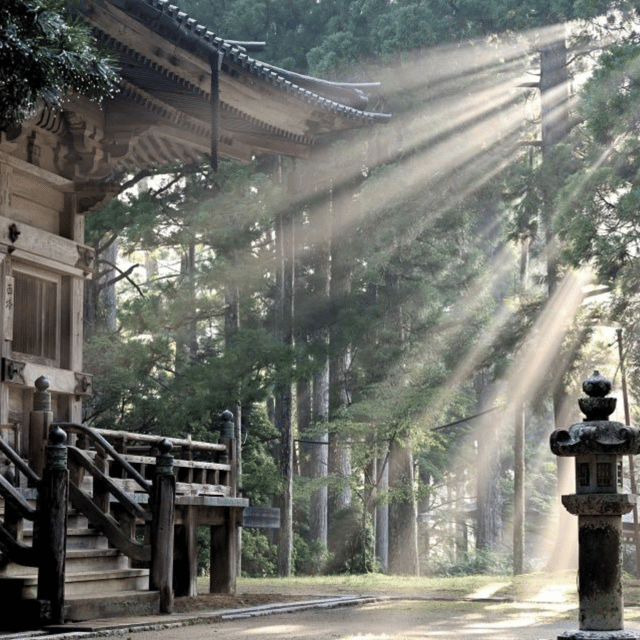
Your day centers on Nikko’s shrine complex world. The first big “wow” stop is Nikko Toshogu, dedicated to Tokugawa Ieyasu. This is the place where the details really reward you: ornate carvings, vivid colorwork, and architecture that looks busy at first glance—then becomes clearer as you slow down.
If you only have about an hour here, I’d focus on three things:
- The Yomeimon Gate, often singled out for its craftsmanship
- The sleeping cat sculpture, which people remember because it feels playful against all the grandeur
- The surrounding forest setting, because Toshogu isn’t on an open street. You’re in a woodland zone, so the mood is calmer than you might expect
Earlier in the shrine area, you’ll also stop at Nikko Futarasan jinja, a shrine stop that helps you connect the broader Nikko spiritual landscape before you go fully into Toshogu. That sequencing matters because it makes Toshogu feel less like a standalone monument and more like part of a whole system of sacred spaces.
One possible drawback: with a private schedule, you may still feel “one-and-done” pressure if you want to linger for photos, sketches, or slower shrine etiquette. If you’re the type who likes to sit with a place, consider returning to Nikko for a second day later.
Shinkyo Bridge and the Jizo pathways near the Daiya River
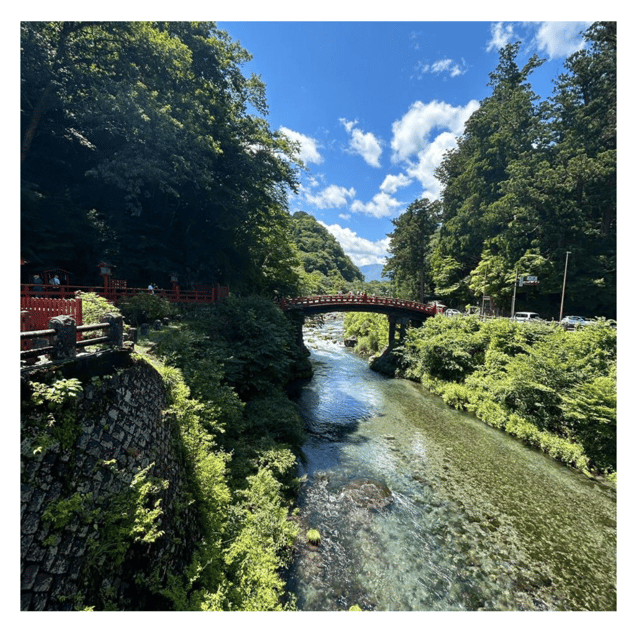
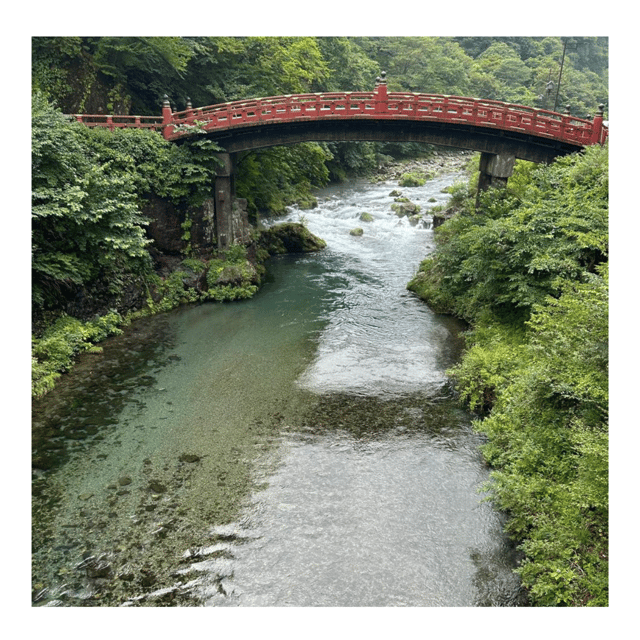
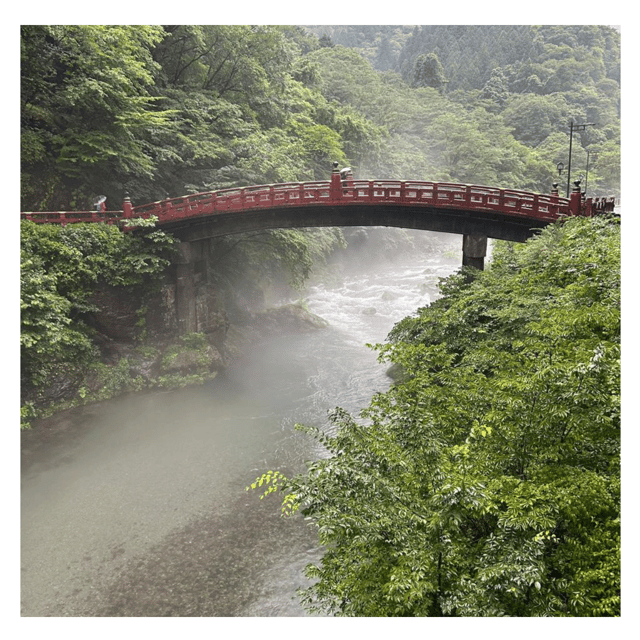
After Toshogu, the trip shifts from buildings to nature-and-ritual views. Shinkyo Bridge is next, and it’s famous for a reason. It’s a wooden bridge spanning the Daiya River, and it’s often photographed with Nikko’s greenery in the background. The key value here isn’t just the picture—it’s the sense that the bridge is a gateway. It’s tied to the tradition of reaching the Nikko shrines.
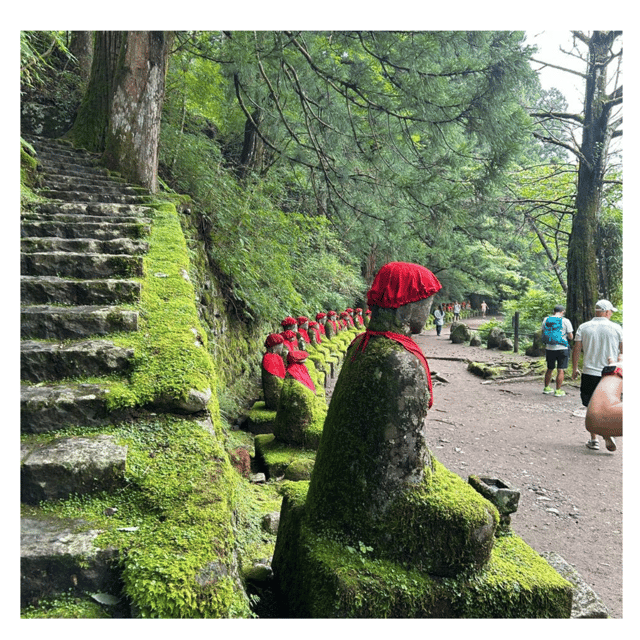
From there, you move into a quieter walking mood with the Jizo statue areas. You’ll see “Narabi Jizo” and also the Kanmangafuchi Abyss area described as a pathway lined with 70+ Jizo statues. These Jizo are associated with the spirits of children and travelers, which turns what could be a random photo stop into something more reflective. The path atmosphere is helped by the nearby river sounds, so it feels less like sightseeing and more like a short walk with a purpose.
Then there’s Jiünji Hondo Temple, mentioned as a small temple retreat connected to the Jizo area. The practical benefit? It gives you a chance to sit, look up, and reset your attention before the day gets more outdoorsy again.
If you want fewer stairs and less standing, your comfort depends on how you move through these stops. There are walking segments, so plan for some outdoor time and bring shoes with grip.
Ropeway views up toward Mount Nantai and over Lake Chuzenji
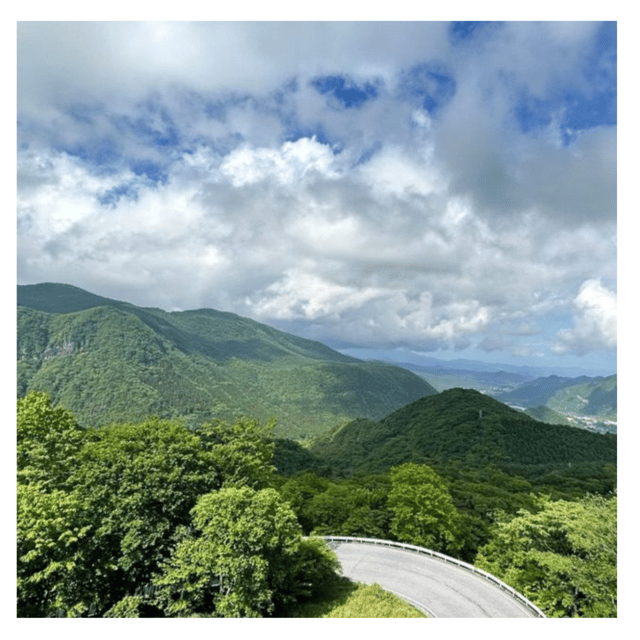
One of the best payoff moments is the Akechidaira Ropeway area. The point isn’t just a ride—it’s the jump from ground-level sights to wide views. From the observation deck, you can see Mount Nantai, Lake Chuzenji, and the area linked to Kegon Falls.
This is the kind of viewpoint that makes your day feel like a complete story: shrine rituals earlier, then volcanic highlands and the scale of the falls later.
From there, you head to Lake Chuzenji, a highland lake formed by volcanic activity. The draw here is the setting—crystal-clear lake water and mountain surroundings—plus the fact that you’re high enough to feel a different climate from Tokyo.
In autumn, the foliage around the lake is famous, and the area becomes a magnet for visitors. In winter, conditions can change quickly, which matters because later you’ll see Kegon Falls possibly freezing. If you’re visiting in colder months, don’t just pack a jacket—also pack patience. You want time to watch the scenery rather than race it.
If you’re hoping to do lots of independent hiking during this day trip, you may find you have less time than you want. This is a guided day with planned stops, so your best strategy is to use each stop for one strong experience: a viewpoint, a short walk, and a photo set—then move on with the group.
Kegon Falls at 97 meters: best ways to enjoy the viewpoint
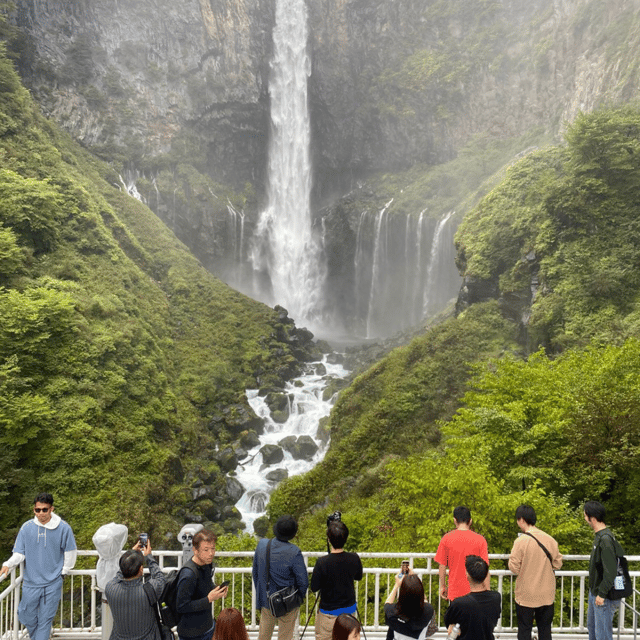
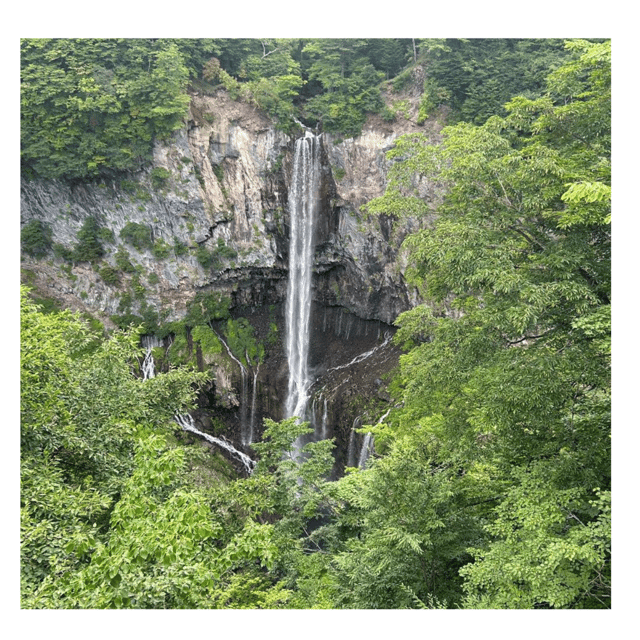
Kegon Falls is the headline waterfall: 97 meters dropping into a rocky gorge. The itinerary gives you a walkable route from the lake area to the falls, and the main viewing platform is where you want to aim your time.
What I like about this part of the day is how it stays impressive across seasons:
- Year-round, it’s a big, clear waterfall experience
- In winter, the falls can freeze, creating ice formations that look like a different natural feature entirely
Because it’s a major sight, expect that you’ll want good positioning for photos. I’d treat Kegon Falls like your “commitment stop”: arrive with time to settle your eyes, breathe for a minute, then take pictures from your best angle rather than snapping while walking.
A practical note: you’ll be doing outdoor walking, and you’ll be near wet ground. Comfortable, non-slip shoes matter here more than at many other stops. If your back is already irritated from travel, this is also the moment where you’ll notice it most.

Edo Wonderland in Nikko: an Edo-period break that’s actually structured
After nature and shrines, the day switches to a fun, controlled stop: Edo Wonderland. This is a theme park designed to recreate the atmosphere of the Edo period (1868), and it’s positioned as a guided visit rather than a free-for-all.
The included activities point to what you’re most likely to do there:
- A guided tour with a safety briefing (about 45 minutes)
- Traditional craft workshops and performances
I think this stop is a smart counterbalance. You’ll have walked, climbed, and stared at stone and wood earlier in the day. Edo Wonderland gives you something more theatrical: costumed settings, period-style scenes, and a chance to experience the Edo theme as more than a caption on a shrine wall.
Possible drawback: if you strongly prefer quiet nature or hardcore temple time, the theme park portion may feel like the “less authentic” part of the day. Still, it can be a good reset, especially if you’re traveling with kids or a group with mixed interests.
Price, what’s included, and the meal and fee reality check
The price is listed as $361 per group up to 6 for about a one-day 10-hour outing. That’s the value story: you’re paying for door-to-door transport plus guided time at several major stops, and you’re splitting the cost across a small group.
What’s included that helps your budget:
- Hotel pickup and drop-off in Tokyo’s 23 wards
- Luxury transportation (with Wi‑Fi, air-conditioning, and highway tax)
- Coffee/tea
- Guided tours with historical and cultural commentary
- Photography support and photo stops
- Access to nature viewpoints and trails tied to the day’s plan
Where people can get surprised:
- Meals are listed as not included
- Attraction fees are listed as not included
- Yet the highlights specifically call out a Japanese lunch in Nikko
So, here’s the practical advice: before you go, confirm whether lunch is actually part of your chosen booking package. If it’s not included, plan on budgeting lunch nearby during your Nikko time.
Also note what’s not included: airports and ports pickup/drop-off. You’ll start from Tokyo accommodation instead, which is good if you’re staying in central wards, but not ideal if you’re trying to time it from a port.
Should you book this Nikko day trip?
Book it if you want a one-day Nikko hit with low stress: private pickup, a luxury ride, and guided time at the big, high-impact sites like Nikko Toshogu, Shinkyo Bridge, Kegon Falls, and Edo Wonderland. It’s a strong choice for couples, friends, and small families who don’t want to wrestle trains and schedules in one of Japan’s most popular day-trip regions.
Skip or reconsider if you:
- Have back problems or prefer very light walking
- Want a slow, deep exploration where you spend half the day in just one place
- Are sensitive to schedule changes, since traffic and weather can reschedule the plan
If you do book, my best tip is simple: wear supportive shoes and plan your photos around viewpoints, not while rushing between stops. With that mindset, you’ll leave Nikko feeling like you saw the core of the region without wasting your day on logistics.
FAQ
Is this tour private, and how many people can join?
Yes, it’s a private group experience. The day is set up to serve up to 6 people.
Where does pickup happen in Tokyo, and how long will the driver wait?
Pickup is available from accommodations within Tokyo’s 23 wards. You should wait in your hotel lobby for 10 minutes before pickup, and the driver will not wait more than 60 minutes past the scheduled pickup time. Pickup isn’t available from airports or ports.
How long is the tour, and is there walking?
The tour lasts about 10 hours total, including commuting time. The experience includes sightseeing with walking at multiple stops, so you should wear comfortable shoes. It’s not suitable for people with back problems.
What’s included, and are meals and attraction fees covered?
Included items include hotel pickup/drop-off, luxury transportation (with Wi‑Fi and air-conditioning), highway tax, coffee/tea, and guided tours. Meals are listed as not included, and attraction fees are listed as not included. The highlights mention a Japanese lunch, so it’s worth confirming what your exact booking includes.
What languages can the driver-guide speak?
The driver can communicate in English, Hindi, Japanese, Urdu, Arabic, and Punjabi.
What are the cancellation and payment options?
You can cancel up to 24 hours in advance for a full refund. There’s also a reserve now, pay later option to keep your plans flexible.