REVIEW · TOKYO
Tokyo: Sumo Morning Practice with Photo Banzuke and Guide
Book on GetYourGuide →Operated by VAS LLC · Bookable on GetYourGuide
Watching sumo practice is pure power.
This tour gives you close-seat viewing during morning training, plus a photo banzuke moment that helps you connect what you see to the rankings and rhythm of sumo. I like that it’s designed around real observation, not just a quick photo stop. The main drawback is timing: this is a group tour, so if you’re late, it can slow things down and the day may feel long.
After practice, your local English guide breaks down the sport in plain terms. I especially like the short lesson that turns spectacle into understanding, so you leave with the basics you can actually use back home. You’ll also appreciate the small-group feel, limited to 9 people, which makes it easier to hear the guide and stay organized.
One more thing to plan around: this activity isn’t set up for kids under 9. If that’s your situation, you’ll need to choose something else—or go with a different age-appropriate experience.
In This Review
- Key Things I Think You’ll Notice
- A Rare Tokyo Morning Inside a Sumo Stable
- Meeting at Kiyosumi-shirakawa Exit B1 (And Why Being Late Matters)
- Guided Orientation Before You Watch the Real Training
- What You’ll See During the Sumo Practice (Strength, Technique, No Weight Class)
- Photo Banzuke: A Snapshot That Adds Meaning
- The Walks Between Spots (And How to Keep Your Day Comfortable)
- The Short Sumo Basics Lesson After Practice
- Timing: A Full 7 Hours, With a Real Morning Pace
- Price and Value: Is $115 Worth It?
- Who This Tour Is Best For (And Who Might Want to Skip It)
- Returning to Kiyosumi-shirakawa Station
- Should You Book This Sumo Morning Practice Tour?
- FAQ
- Where do we meet for this tour?
- How long is the experience?
- What language is the tour guide?
- How big is the group?
- Is the tour suitable for children?
- Do I need to buy tickets separately?
- What should I bring?
- Is it wheelchair accessible?
- What if I’m running late?
Key Things I Think You’ll Notice
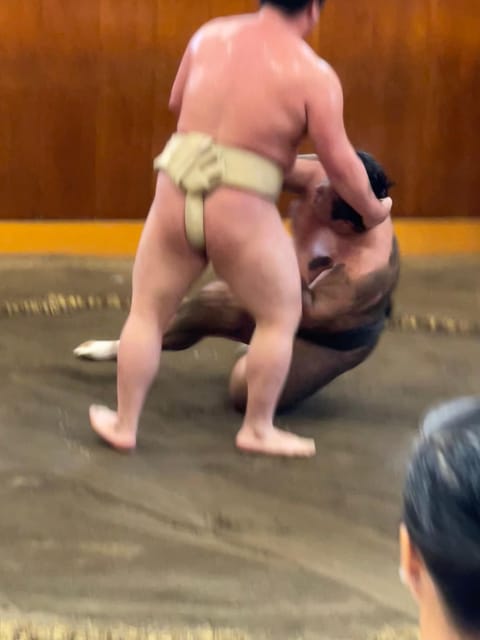
- Close chairs for active training time: You watch practice unfolding, not just standing at the edges.
- Photo moment tied to the banzuke: You get a memorable visual linked to sumo’s structure.
- A local English guide who explains the why: You learn history and traditions, plus basics after the session.
- A rare guest-access stable: Only a select few stables let visitors observe morning practice.
- Small group, up to 9 people: Easier pace control and better attention from your guide.
A Rare Tokyo Morning Inside a Sumo Stable
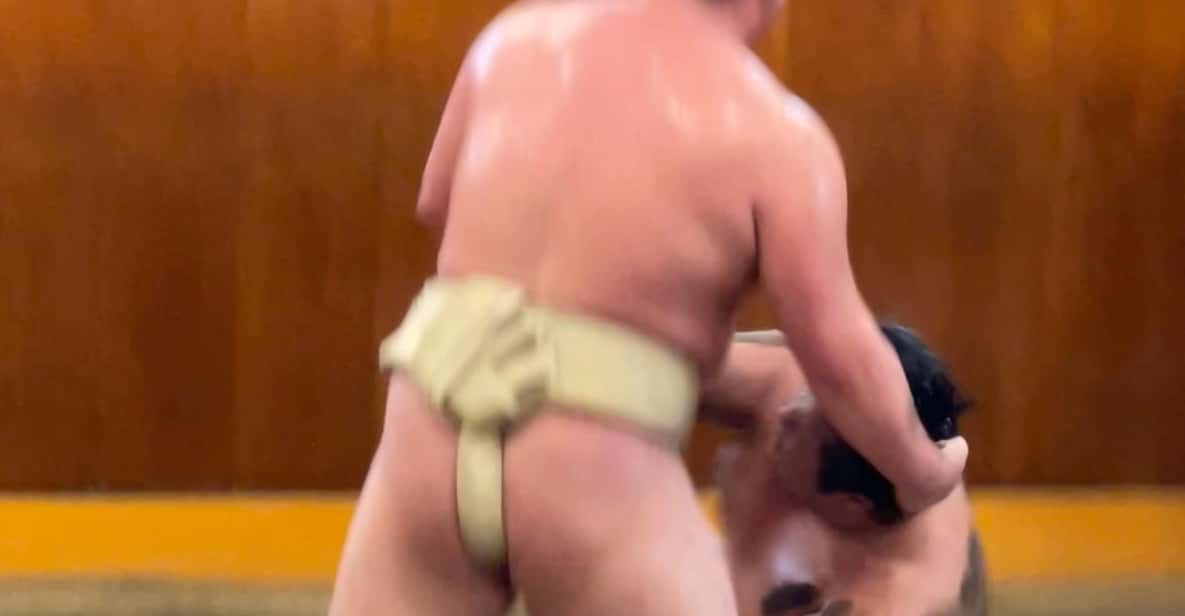
Tokyo sumo practice is one of those experiences that feels simple on paper and surprisingly big in real life. Sumo is Japan’s national sport, and tournaments run only about 90 days a year—so seeing a morning session is a genuine window into the sport as it’s lived day to day.
What makes this tour special is the access. There are many sumo stables in Japan, but only a few allow guests to observe morning practice. That access matters because you’re not getting a staged demo. You’re seeing wrestlers prepare for their next match in the way they train.
Also, sumo has no weight class. That changes how you watch everything. You’re not counting pounds; you’re tracking balance, timing, strength, and technique. Once you understand that mindset, the practice looks less random and more like a craft.
You can also read our reviews of more guided tours in Tokyo


Meeting at Kiyosumi-shirakawa Exit B1 (And Why Being Late Matters)
Your meeting point is specific: Exit B1 at Kiyosumi-shirakawa Station, near a FamilyMart convenience store. The tour’s instructions are clear about why: the meeting spot is placed so people arriving by taxi won’t accidentally miss the group.
Here’s the practical advice: build in buffer time and aim to be there early enough to find the guide easily. This is a group tour, so the operator has to prioritize the group over individual delays. If you think you’ll be late, contact the team so they can try to adjust, but don’t count on a perfect workaround.
If you like smooth logistics, you’ll likely appreciate the “meet at Exit B1” simplicity. If you like to arrive at the last second, this tour will remind you that “close” isn’t the same as “on time.”
Guided Orientation Before You Watch the Real Training
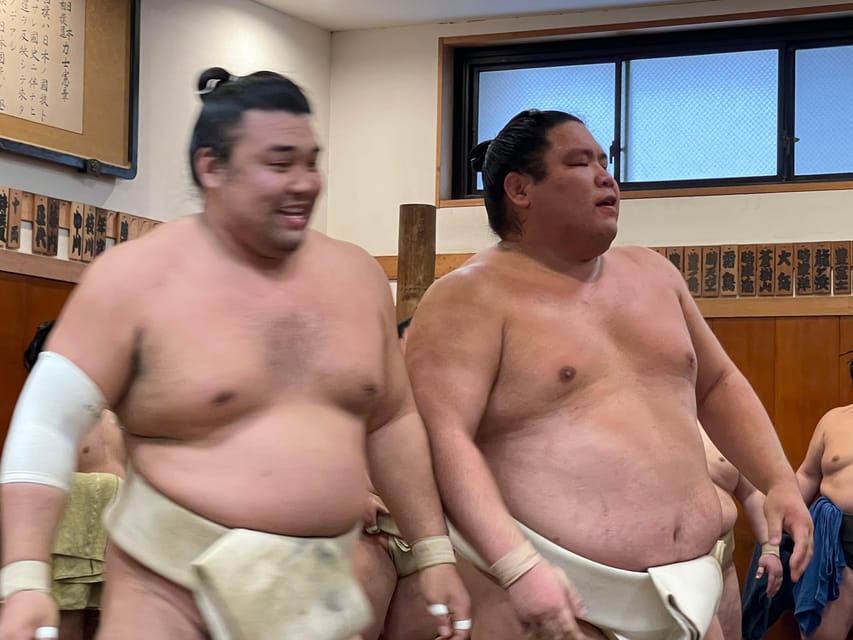
The day starts with a short guided orientation, about 15 minutes. This part matters more than it sounds. When you show up to sumo practice without context, you can miss how the session is structured and what you should be looking for.
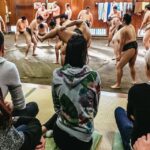
After that, you’ll settle in for the main observation window, roughly 2.5 hours of guided viewing. This isn’t a quick in-and-out. It’s long enough for you to start noticing patterns: how wrestlers warm up, how they repeat drills, and how they move under pressure.
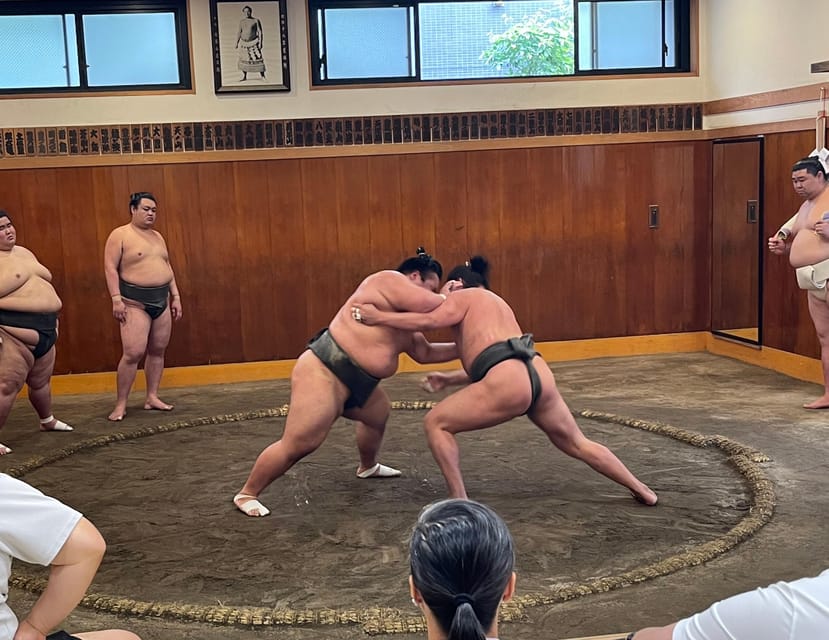
You’ll also be seated in chairs, which is a huge deal in practice viewing. Standing around with your neck craned is exhausting, and you want your eyes free to watch footwork, grips, and timing.
What You’ll See During the Sumo Practice (Strength, Technique, No Weight Class)
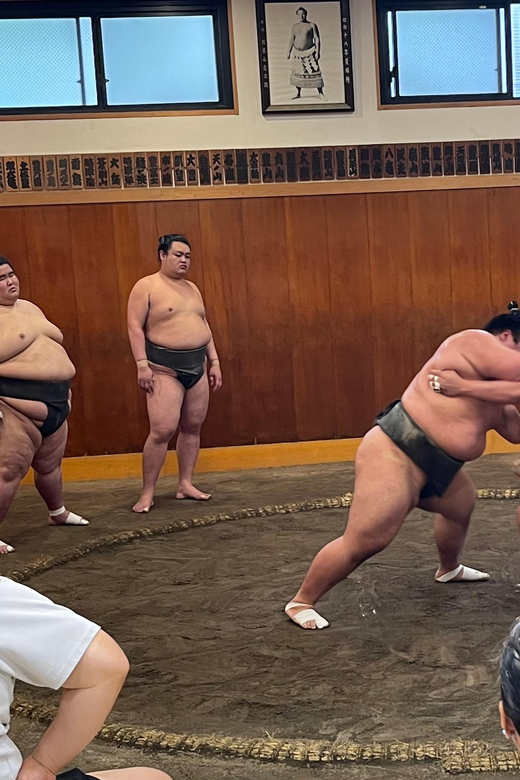
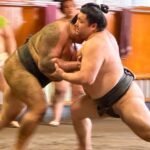
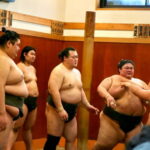
This is the heart of the experience: watching sumo wrestlers train and compete in a traditional stable setting. The moment you see the intensity up close, you get what people mean by titans clashing—this isn’t a gentle sport.
Expect a lot of action focused on technique and control. Even without getting lost in terminology, you can still follow what matters: how wrestlers set their stance, how they test balance, and how they commit power in short, decisive bursts.
Because there’s no weight class, the training has a different flavor than sports that bucket athletes by size. A smaller wrestler can still win with leverage and timing. That makes the practice more interesting to watch, because you’re not predicting outcomes just by body type.
If you bring a camera, this is when it pays off. You’ll have plenty of chances to capture the movement and the atmosphere of training, especially from a seated viewpoint.
Photo Banzuke: A Snapshot That Adds Meaning
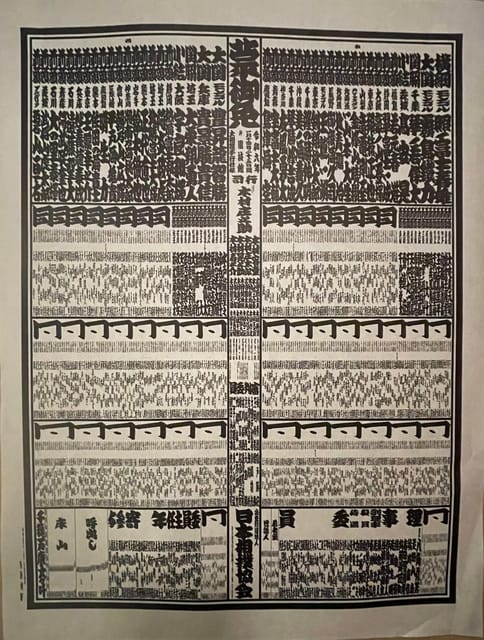
The tour includes a photo stop connected to the banzuke. If you’re not familiar with sumo ranking, this photo moment is still useful because it links what you’re seeing today to what sumo values in the larger tournament picture.
What I like about including this is that it turns a photo into understanding. Instead of only leaving with images of big men moving fast, you also get a tangible piece of sumo culture to remember.
And because you’re doing it in the middle of the day while the sport is fresh in your mind, the guide’s explanations (both during the session and after) land better.
You can also read our reviews of more tours and experiences in Tokyo
The Walks Between Spots (And How to Keep Your Day Comfortable)
Your schedule includes short on-foot segments—two stretches of about 10 minutes each. These walks aren’t long, but they can add up in a 7-hour day, especially if you’re also moving around for photo angles or to stay positioned.
Plan for comfortable shoes. This isn’t a museum where you can hover; it’s an active morning around a stable. You’ll want to stay nimble enough to follow your guide’s flow without worrying about sore feet or blisters.
This is also where group size helps. With a small group (up to 9), you’re more likely to move efficiently instead of being stuck in a slow-moving crowd.
The Short Sumo Basics Lesson After Practice
Once the training viewing wraps up, you’ll get a short presentation on the basics of sumo wrestling. The goal is simple: you shouldn’t leave with only photogenic sights. You should be able to explain what you just watched and understand the sport’s core logic.
Your guide covers history and traditions too, which adds context for why certain behaviors and rituals matter. Even if you’re a brand-new sumo fan, you’ll have something to connect to the next time you see a match.
This “teach me in plain terms” part is one of the biggest reasons this tour feels like more than a viewing session. It turns the experience into knowledge you can carry home.
Timing: A Full 7 Hours, With a Real Morning Pace
The total duration is 7 hours, and it’s structured around morning practice viewing plus explanation time. That’s a full day, but it makes sense if you want actual exposure to the session rather than a quick, watered-down taste.
One thing to consider: a portion of the day involves waiting your turn to settle into the right viewing rhythm and then staying present through the main observation window. If you prefer very light, short activities, this may feel like a commitment.
The upside is that you see enough to get beyond one moment or one clip. You start to recognize repeated drills and training beats, and that’s what makes the practice feel like an event rather than a stop on your itinerary.
Price and Value: Is $115 Worth It?
At $115 per person for a 7-hour guided small-group experience, you’re paying for three things:
1) Rare access to a stable that allows guests to observe morning practice.
2) A live English guide who explains traditions and basics, not just points at what you’re seeing.
3) The structure that keeps you from wasting time figuring things out on your own.
You’re also getting practical perks like skipping the ticket line, which helps you spend more of your day in observation mode.
Is it expensive compared to casual city tours? Yes. But it’s also not a generic “Tokyo culture walk.” This is a sport-specific access experience with a tight group and real instruction built in—exactly the kind of tour value that makes sense for people who care about authenticity.
Who This Tour Is Best For (And Who Might Want to Skip It)
This tour is ideal if you want:
- real observation of sumo training from chairs, with time to watch patterns
- a guide-led explanation that helps you understand what’s happening
- a small-group setting so you can actually hear and focus
It’s not suitable for children under 9, so if you’re traveling with younger kids, you’ll need an alternative that matches their attention and the tour’s rules.
If you’re the type who loves sports, Japanese traditions, or you’re curious about how athletes prepare behind the scenes, this has strong appeal. And if you don’t care about learning basics and just want photos, you might find the explanation portion less satisfying—but it’s still part of the deal.
Returning to Kiyosumi-shirakawa Station
The tour ends back where it started, arriving back at Kiyosumi-shirakawa Station. This matters for planning your afternoon. You’re not being dropped into an unfamiliar area far from transit.
A tip for the rest of your day: treat this as a morning-centered experience with a steady schedule. If you try to stack another major activity immediately afterward, you may find you’re rushing. Let the day breathe a little so the sumo experience can actually settle in.
Should You Book This Sumo Morning Practice Tour?
I’d book it if you want the sport as lived—not just a quick look. The mix of close viewing, a banzuke photo moment, and a guide-led basics lesson is the combo that turns this from entertainment into something you understand.
Skip it if you’re easily thrown off by fixed schedules, you hate group pacing, or you’re traveling with kids under 9. Also, if you’re the type who expects to arrive late and still glide through without affecting the group, this tour is going to feel strict.
If you’re on time, comfortable on your feet for short walks, and you want a real Tokyo morning around sumo tradition, this is a strong use of your day.
FAQ
Where do we meet for this tour?
You meet at Exit B1 of Kiyosumi-shirakawa Station, near a FamilyMart convenience store.
How long is the experience?
It lasts 7 hours total.
What language is the tour guide?
The live guide speaks English.
How big is the group?
It’s a small group limited to 9 participants.
Is the tour suitable for children?
No. It isn’t suitable for children under 9.
Do I need to buy tickets separately?
There’s a skip-the-ticket-line feature included.
What should I bring?
Wear comfortable shoes and bring a camera if you want photos.
Is it wheelchair accessible?
Yes, the tour is wheelchair accessible.
What if I’m running late?
The tour asks you not to be late because it’s a group experience. If you’re late, contact the operator so they can try to accommodate you, but the group plan has to come first.