REVIEW · TOKYO
Tokyo: Sumo Morning Practice Tour at Sumida City
Book on GetYourGuide →Operated by Japan Wonder Travel · Bookable on GetYourGuide
Sumo is louder than you expect. In Sumida, near Oshiage and Tokyo Skytree, this early tour gets you into the world of sumo morning practice with an English guide and close-up access to real training. I like that you’re not stuck behind a fence, so you can watch technique, timing, and sheer power from very near the ring.
Two things I really enjoy here: the way the guide explains rules and rituals while you’re still fresh and ready to learn, and the chance to ask questions after practice when the stable master has time. Guides like Tadashi, Kiyomi, and Yuriko (seen leading groups) tend to make the experience feel clear and organized, not vague.
One drawback to plan for: this is early and serious. You meet at 7:15AM, walk in to the stable, then sit on the floor for about 1.5 hours with no chairs and no bathroom breaks during practice.
In This Review
- Key things to know before you go
- Why This Sumida Morning Practice Feels Like Training, Not a Show
- Getting There: Oshiage Meet-Up, Tokyo Skytree Town, and the Shoe-Off Reality
- The Main Event at the Stable: Rules, Rituals, and How Watching Works
- The 7:30AM Flow: What Happens in the Guided Portion
- Q&A With the Stable Master: The Part You’ll Remember
- Photo and Etiquette Rules (So You Don’t Accidentally Break the Spell)
- Price and Timing: Is $116 Worth Two Hours of Early Morning?
- What to Bring (and What Will Make You Miserable)
- Who Should Book This Sumo Morning Practice Tour
- Should You Book the Tokyo Sumo Morning Practice Tour at Sumida City?
- FAQ
- What time do I meet, and when does the tour start?
- How long is the tour?
- Is hotel pickup or drop-off included?
- What’s included in the price?
- Can I take photos or videos?
- Are there restrooms available during the practice?
- When are morning practice tours not held?
- What’s the minimum age, and is it suitable for kids?
Key things to know before you go
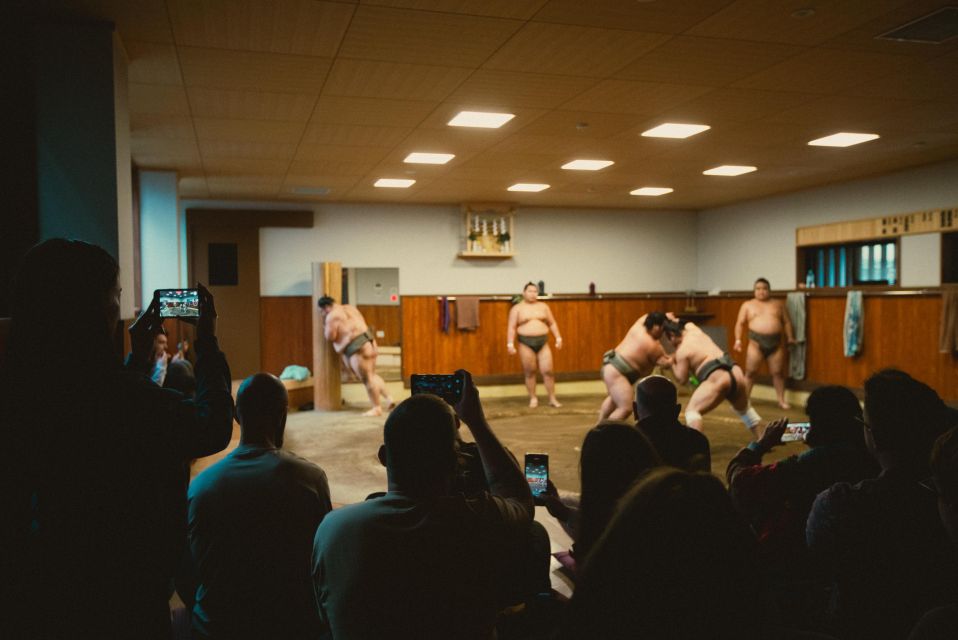
- Close seats by a working ring: you watch training from very near, not from afar
- Silent, respectful observation: it’s focused practice, not a casual show
- Q&A with the stable master: real answers about life in the stable
- You can take photos, but with limits: no flash, and no social media uploads
- Shoes off + floor time: bring easy footwear and be ready to sit cross-legged
- Not every month runs: practice tours don’t run in March, July, and November
Why This Sumida Morning Practice Feels Like Training, Not a Show
This tour works because it treats sumo like what it is: daily work with rules, rhythm, and respect. You’ll be watching a stable’s morning routine, not a performance built for photos. That changes everything. The intensity feels immediate when you’re close enough to notice footwork, breath, and how routines repeat.
I also like that the learning isn’t tacked on as a lecture. You get context about what you’re seeing—history, basic rules, and the purpose behind the rituals—while the action is happening. You start to read the training instead of just watching bodies collide. Afterward, the Q&A gives you the personal layer: how wrestlers train, what matters to them, and how the stable runs day to day.
If you come expecting a big spectacle, you might feel slightly underdressed for the seriousness. But if you like real culture and watching discipline in action, this one hits hard.
You can also read our reviews of more city tours in Tokyo


Getting There: Oshiage Meet-Up, Tokyo Skytree Town, and the Shoe-Off Reality
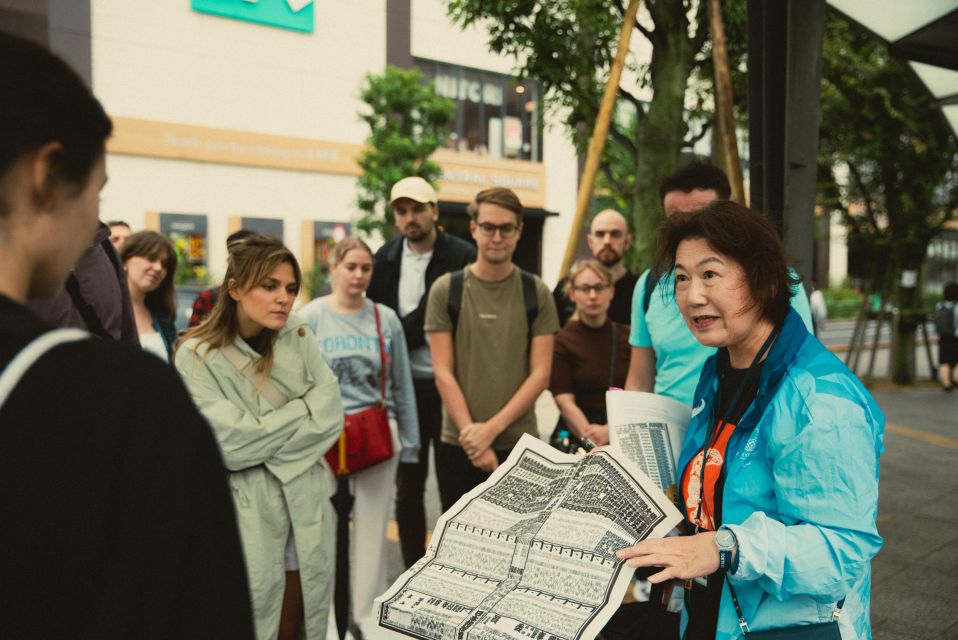
The morning starts in the Oshiage area. You meet at 7:15AM at Tokyo Metro Oshiage (Skytree Mae) Station on the Toei-Asakusa Line, Exit A1 (ground floor). The tour begins at 7:30AM, so I’d treat 7:15 as non-negotiable.
From there, you’ll walk through the Tokyo Skytree Town area briefly (about 5 minutes), then continue on toward the sumo stable. The total walk from the meeting point to the stable is typically 15–20 minutes. That matters because you’ll arrive before you’re fully awake, and you’ll likely want your footwear to be easy to remove afterward.
Plan for shoes-off time. One of the most practical tips from past participants: wear shoes that slip on and off without a struggle. You’ll also want a towel if the weather is wet; the route can get soggy and you’ll be wiping feet before you settle in.
Late arrival is handled with a clear system. If you can’t make it on time, you’ll need to contact the provider for the stable address so you can get there—but you should not assume you can just walk into the stable without coordinating.
The Main Event at the Stable: Rules, Rituals, and How Watching Works
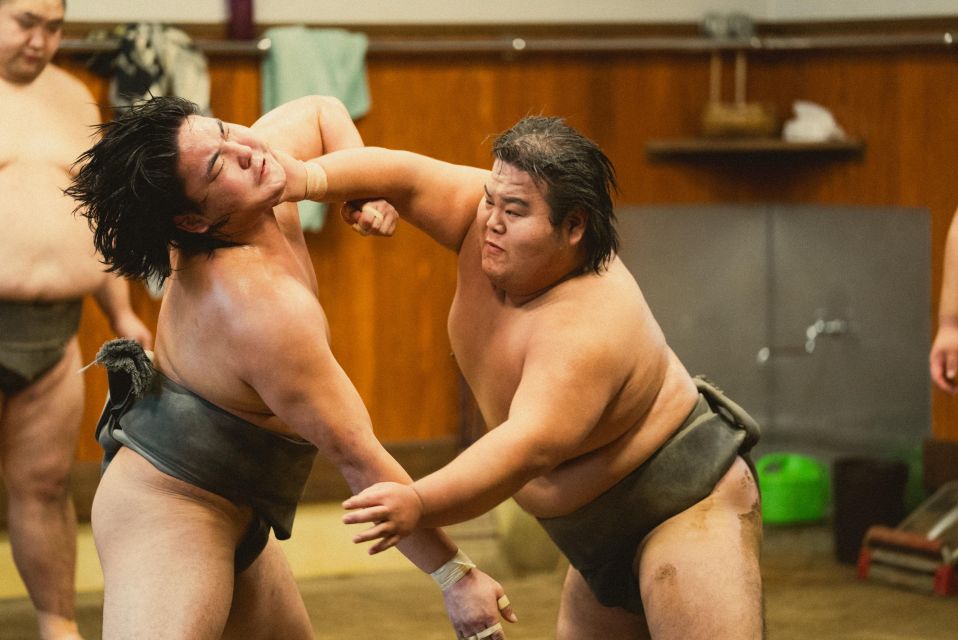
Once you’re inside, the tour becomes simple: watch closely, stay quiet, and let the rhythm land. The stable environment has its own rules, and you’re expected to follow them. You cannot use the toilet during practice, so you’ll want to use the restroom before the session starts. This is a big deal, because the practice window is when you’re locked into respectful silence.
You’ll also have to accept the physical reality of the space. There are no chairs, and you’ll sit on the floor for about 1.5 hours. That includes cross-legged sitting for most of the time, unless the guide helps you adjust with your group. If that position won’t work for you, take the provider’s recommendation seriously and consider skipping this tour. It’s not about comfort at all costs; it’s about being able to stay seated and still.
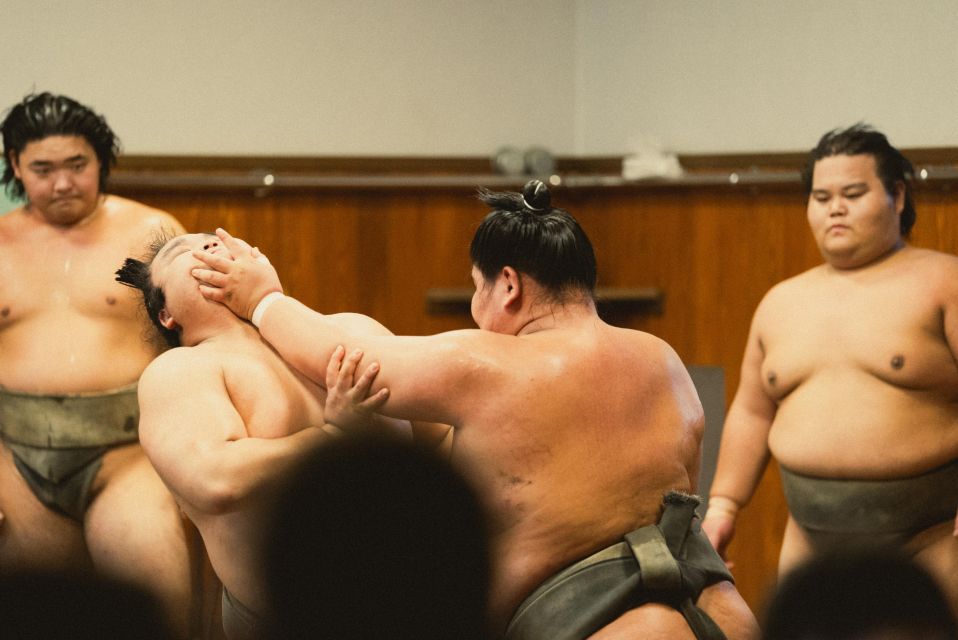
What makes the viewing special is the closeness. Training happens near you, so you get a better feel for how strong and agile these athletes are. You’ll see the intensity of their drills—practice that’s all about control, timing, and repeatable technique. It’s also a reminder that sumo isn’t just size; it’s footwork, balance, and leverage.
You’re not meant to treat this like a photo safari. Flash photography is not allowed, and the expectation is silent focus. You can still take photos and videos without flash, and many people enjoy getting a few solid clips of movement rather than trying to capture every second.
The 7:30AM Flow: What Happens in the Guided Portion
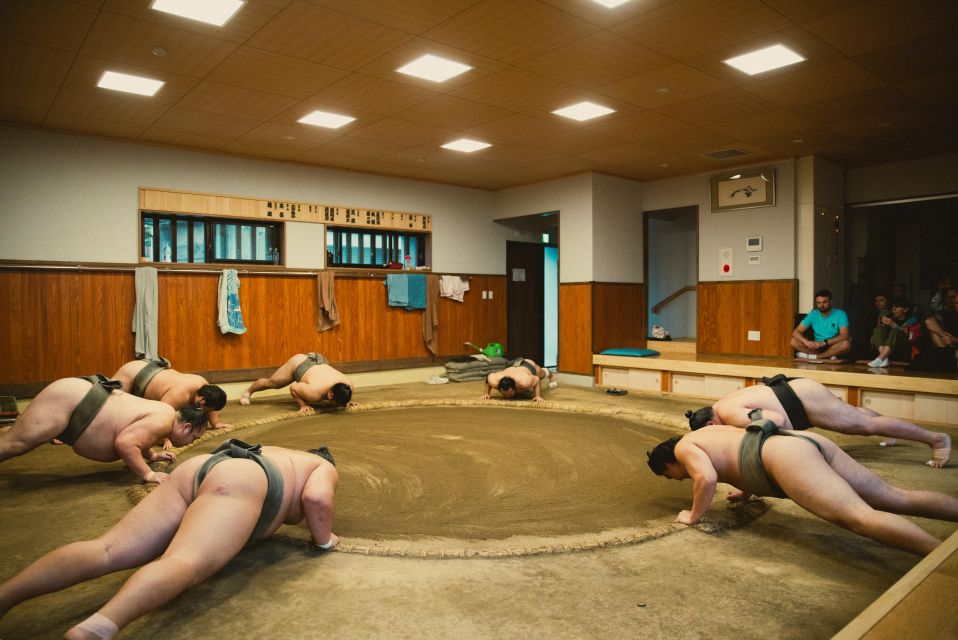
A lot of the value comes from how the morning is structured. After the 7:30AM start, you move as a group and receive guidance so you know what you’re looking at. That’s where the “secret stop” part fits in: a guided segment where you’ll get explanations about what comes next and how sumo works in real life.
This guided time is where the tour earns its keep. Sumo can look mysterious if you only see highlights on TV. In the stable, the details matter: why certain rituals happen, how training progresses, and what the wrestlers’ behavior signals. The guide helps connect those dots.
One useful takeaway from the way guides have led groups is that they tend to set expectations about behavior and timing clearly. That makes the experience easier to enjoy because you’re not constantly scanning for what you’re supposed to do. You’ll also likely get a short period after practice for photos and questions, so the day doesn’t end abruptly when training stops.
Sound can be a factor. In some sessions, guides may speak softly or groups may be large enough that hearing takes effort. If you care about understanding every detail, stand where you can hear, and don’t be shy about shifting position early so you’re set up for clearer audio.
Q&A With the Stable Master: The Part You’ll Remember
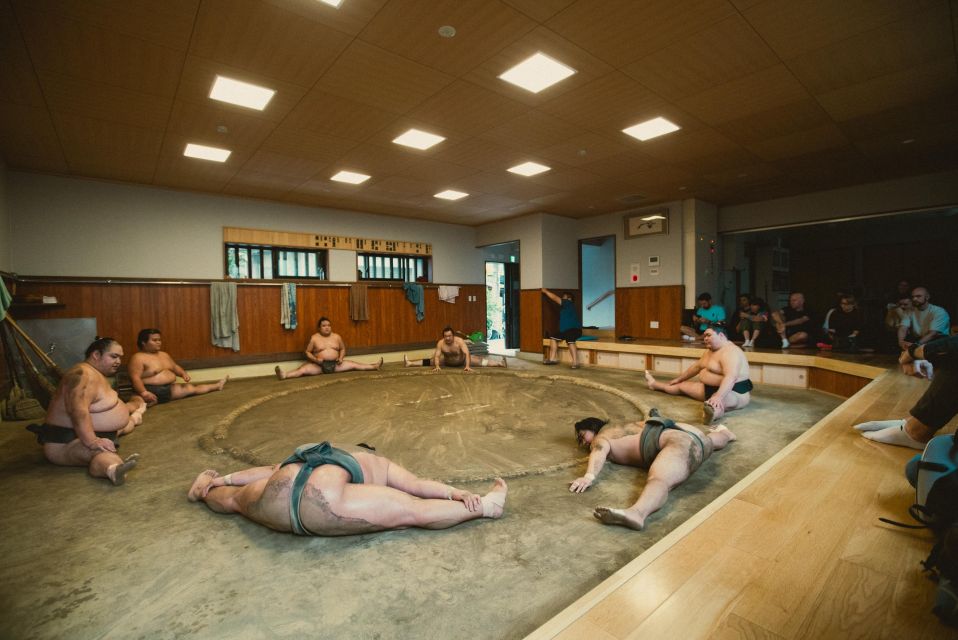
The best part for many people is what happens after practice. Once the session ends, you get a chance to ask questions of the stable master. This is one of those rare travel moments where you’re not just consuming culture—you’re interacting with someone who lives it.
The Q&A time is valuable because it turns sumo into human stories and daily structure. You can ask about training culture, the meaning behind rituals, and what life in the stable actually looks like. The energy here feels different than before: wrestlers and staff are more settled, and questions land better.
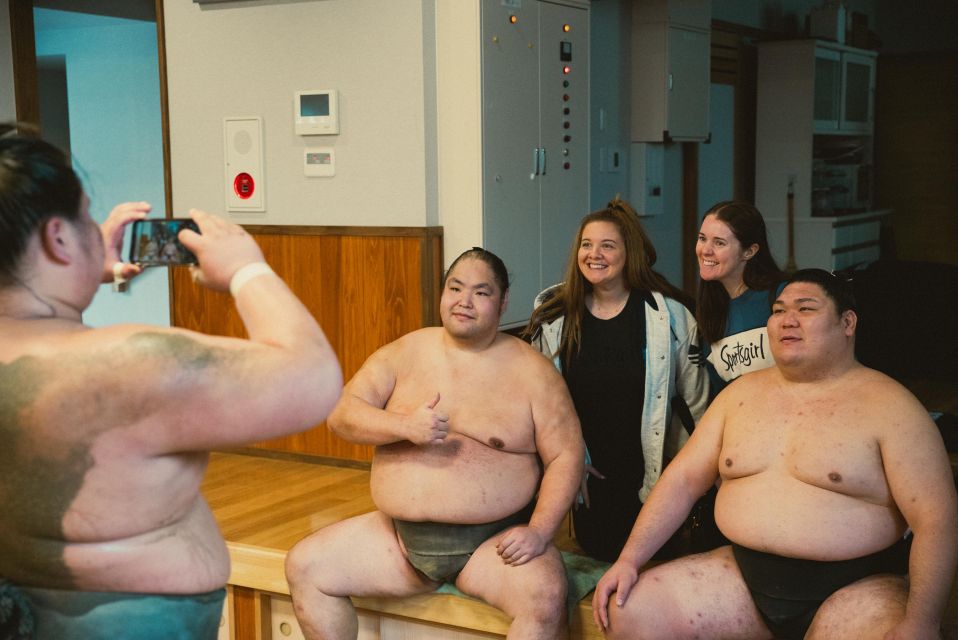
It’s also the moment for that special photo possibility. You may get the chance to take pictures alongside wrestlers, and the vibe tends to be friendly. I’d treat this as a bonus rather than a guaranteed moment, but it’s common enough that it’s worth being ready with your camera settings and a calm approach.
Another detail I like: the stable itself often feels welcoming rather than guarded. You’re there to observe and learn, and the master’s willingness to answer makes the morning feel complete.
You can also read our reviews of more tours and experiences in Tokyo
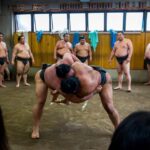
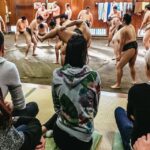
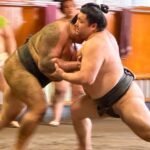
Photo and Etiquette Rules (So You Don’t Accidentally Break the Spell)
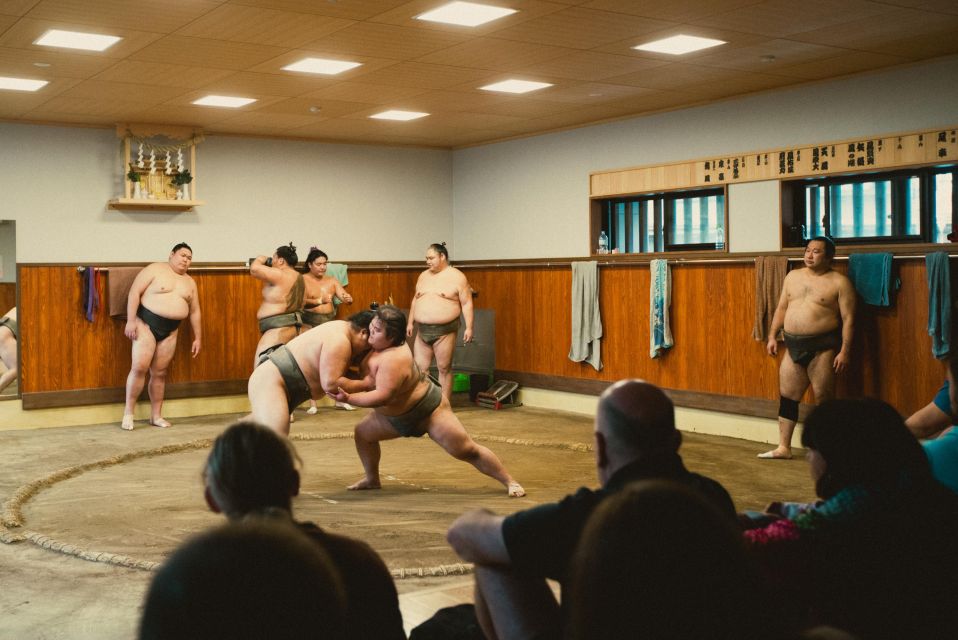
This tour has strict guidelines because the stable’s concentration is part of the experience.
Here’s what you should remember:
- No flash photography
- No sunglasses, hats, or food
- No baby strollers
- No large luggage or big bags
- Keep the practice silent and respectful
- You may take photos and videos without flash or shutter sounds, but you cannot upload them to social media
That social media restriction is easy to miss if you’re used to posting instantly. Plan to keep your photos on your phone or camera until after you’re away from the stable rules. It’s also a reminder that the tour is about learning, not broadcasting.
Also, think about body language. You’ll be close enough that your movements matter. If you’re shifting constantly or talking, it breaks the shared focus. This is one of those mornings where good manners are part of the logistics.
Price and Timing: Is $116 Worth Two Hours of Early Morning?
At $116 per person for about 2 hours, this isn’t a budget impulse buy. You’re paying for access—entrance to the stable plus an expert English-speaking guide—plus the cultural context that turns random watching into understanding.
The value is strongest if you meet it halfway:
- You show up on time (this is a 7:15AM meeting)
- You’re willing to sit on the floor for the full practice window
- You’re curious enough to ask questions during the Q&A time
If your goal is a relaxed breakfast-and-stroll vibe, you might feel the price and the stiffness of the early schedule. But if you want a real Tokyo experience—one tied to discipline and ritual, not crowds and souvenirs—this tour makes sense. The closeness to training and the stable master’s Q&A are the two parts you can’t easily replicate on your own without knowing how to behave and where to stand.
And there’s a seasonal reality check. Morning practice tours don’t run in March, July, and November because Grand Sumo tournaments are outside Tokyo then. You’ll want to check schedules ahead of time, since dates are typically known about one to two months in advance.
What to Bring (and What Will Make You Miserable)
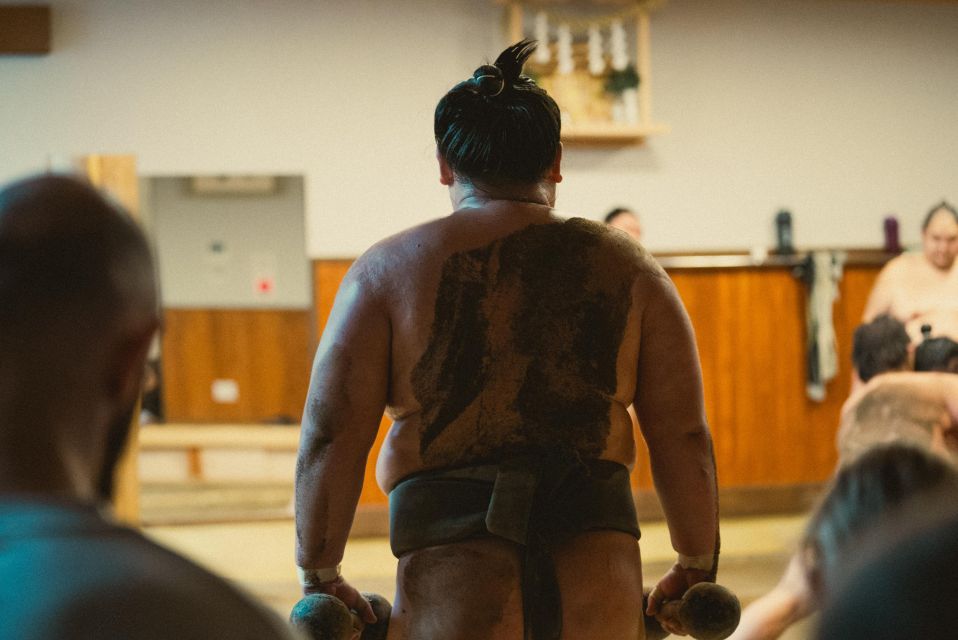
Pack for the stable, not for the city.
Bring:
- Comfortable clothes for sitting still
- Shoes that you can remove easily
- A towel if rain or wet pavement is likely
- Your patience for an early start
Leave behind:
- Sunglasses and hats (not allowed)
- Food (not allowed inside)
- Large bags or luggage
- Anything that makes it hard to stay quiet and still
Most importantly, prepare your body for floor seating. If cross-legged sitting for about 1.5 hours isn’t doable, this is the kind of thing that turns a cultural highlight into a test of endurance.
Accessibility note: this experience is not suitable for people with mobility impairments based on the stable’s setup and the requirement to watch quietly from the floor. If you’re in that category, it’s worth choosing a different sumo option that matches your mobility needs.
Who Should Book This Sumo Morning Practice Tour
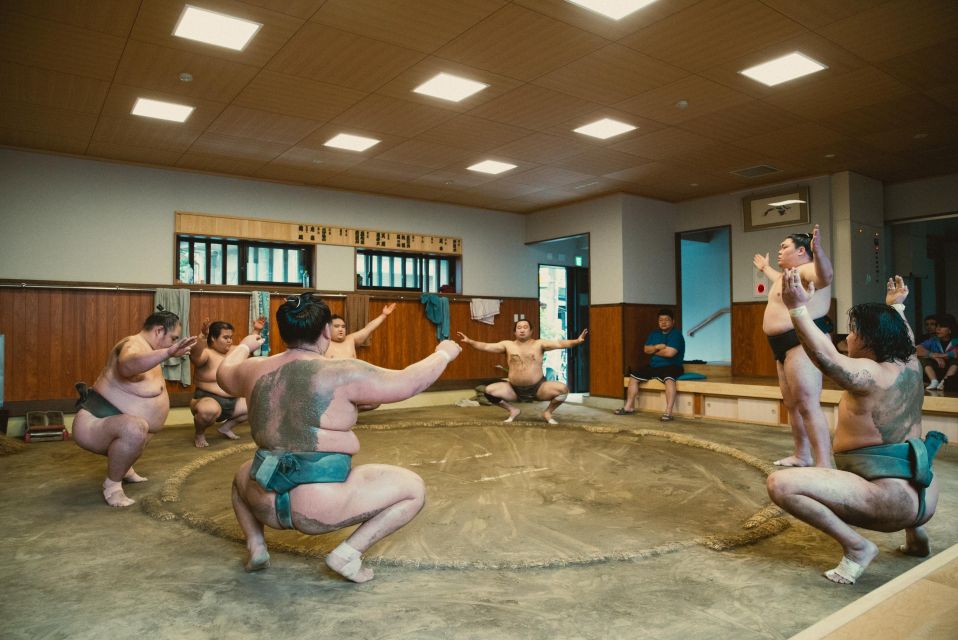
This tour is a great fit if you:
- Love Japanese culture beyond the typical checklist
- Want to see discipline up close, not just big-name spectacle
- Are comfortable following clear rules in a quiet space
- Enjoy learning systems and rituals as you watch them happen
It’s also a good family option for older kids. The minimum age is 6 years old, and noisy kids may be asked to leave during the tour. If your child can sit quietly and respect the environment, it can be a memorable way to teach etiquette and effort.
If you dislike early mornings, hate sitting on the floor, or need frequent breaks, you’ll probably struggle with the format. In that case, there are other ways to enjoy sumo in Tokyo that fit your energy better.
Should You Book the Tokyo Sumo Morning Practice Tour at Sumida City?
I’d book it if you want one early, meaningful morning that connects you to sumo as a living practice. The best reasons are simple: close-up training, an English guide who explains what you’re seeing, and the stable master Q&A that adds depth fast.
Skip it if you can’t handle the no-chair floor setup, need bathroom access during the practice period, or aren’t comfortable following quiet rules. Also, double-check that your travel month is one where practice tours run.
If you’re on the fence, aim for this tour when you can do the basics perfectly: arrive early, dress for comfort and shoe removal, and keep your phone flash off and social posts for later.
FAQ
What time do I meet, and when does the tour start?
You meet at 7:15AM at Tokyo Metro Oshiage (Skytree Mae) Station on the Toei-Asakusa Line, Oshiage Station A1 Exit (ground floor). The tour starts at 7:30AM.
How long is the tour?
The tour lasts about 2 hours.
Is hotel pickup or drop-off included?
No. Hotel pickup and drop-off are not included.
What’s included in the price?
The price includes an expert English-speaking guide and the entrance fee to the sumo stable.
Can I take photos or videos?
Yes, you can take photos and videos without flash. Flash photography is not allowed, and you cannot upload the photos/videos on social media.
Are there restrooms available during the practice?
No. You’re advised to use the restroom before joining, and you cannot go during the practice.
When are morning practice tours not held?
Morning practice and tours will not be held in March, July, and November.
What’s the minimum age, and is it suitable for kids?
The minimum age is 6 years old. If children are noisy, move around, or can’t watch quietly, they may be asked to leave the stable during the tour.