REVIEW · TOKYO
Tokyo: Asakusa Kimono Rental Experience
Book on GetYourGuide →Operated by Sunrise Adventure · Bookable on GetYourGuide
Kimono changes how you see Asakusa. Walking in a real traditional kimono while you head toward Sensoji Temple feels like you’ve stepped into old Tokyo, without needing any complicated planning. This is a hands-on experience: you pick your outfit, get dressed by caring staff, then spend your time exploring in it.
What I like most is the human side. Kazune helps you put the kimono on so it fits comfortably and looks right, and there’s also a Japanese National Certified Kimono Dresser working with the team. In practice, that means you’re not left wrestling fabric by yourself, and the end result usually looks sharp even for first-timers.
One thing to consider: you’ll need to return the kimono to the shop by 17:30 the same day (with a next-day option for an extra fee). If your day in Tokyo is a tight clock race, build in enough buffer time.
In This Review
- Key Things to Know Before You Go
- Why Asakusa Kimono Rental Feels Like More Than a Photo Op
- Finding the Shop Near Asakusa Station (So You Don’t Start Late)
- Choosing Your Kimono and Getting Dressed by Kazune
- What’s Included in the Full Set (And What That Really Gives You)
- Walking Asakusa Streets in Kimono: Comfort, Photos, and Etiquette
- Sensoji Temple in Traditional Dress: How to Enjoy the Main Event
- Time Limits, Optional Add-Ons, and Avoiding Stress
- Who This Suits (And Who Might Want to Skip It)
- Value Check: Is $47 Worth It?
- Should You Book This Asakusa Kimono Rental Experience?
- FAQ
- Where is the meeting point?
- How close is the shop to Sensoji Temple?
- What time should I arrive?
- What time do I need to return the kimono?
- Can I keep the kimono longer than one day?
- What is included in the rental price?
- Are rickshaw rides and tea ceremony included?
- Is transportation included?
- Who can participate?
- Is there a refund if I cancel?
Key Things to Know Before You Go
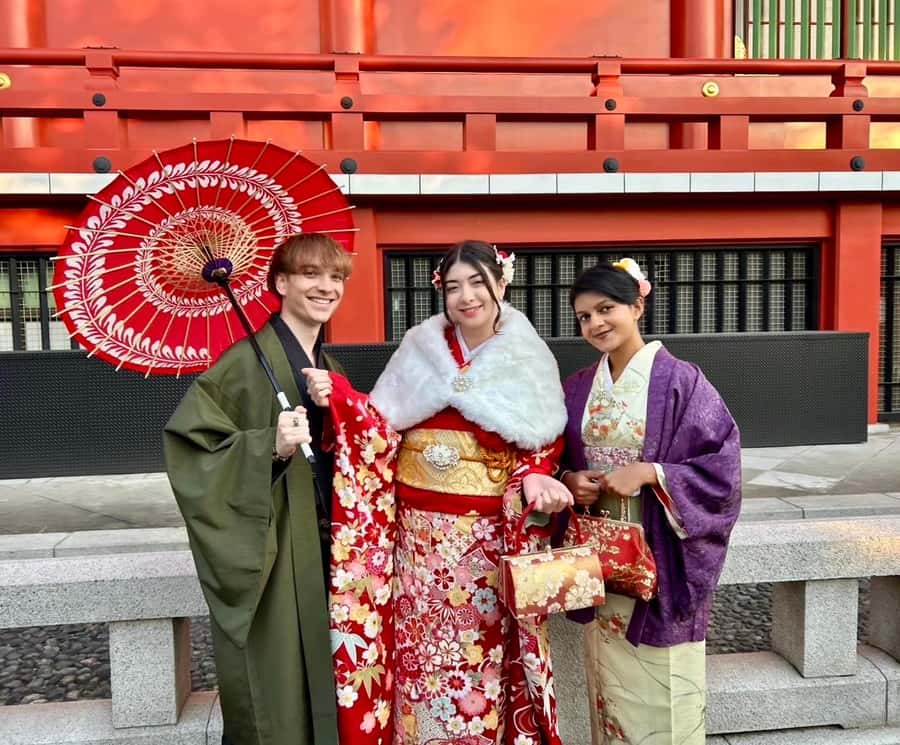
- Just a short walk to Sensoji: the shop is about a 3-minute walk from the temple area.
- Arrival timing matters: show up at least 10 minutes early so the fitting and prep go smoothly.
- A real fit, not a costume struggle: dressing help is built into the experience.
- Full set included: kimono plus obi, sandals (zori), and a bag.
- You get lightweight styling: simple hairstyling is included.
- Optional extras are available: rickshaw and tea ceremony can be added on site for extra fees.
Why Asakusa Kimono Rental Feels Like More Than a Photo Op
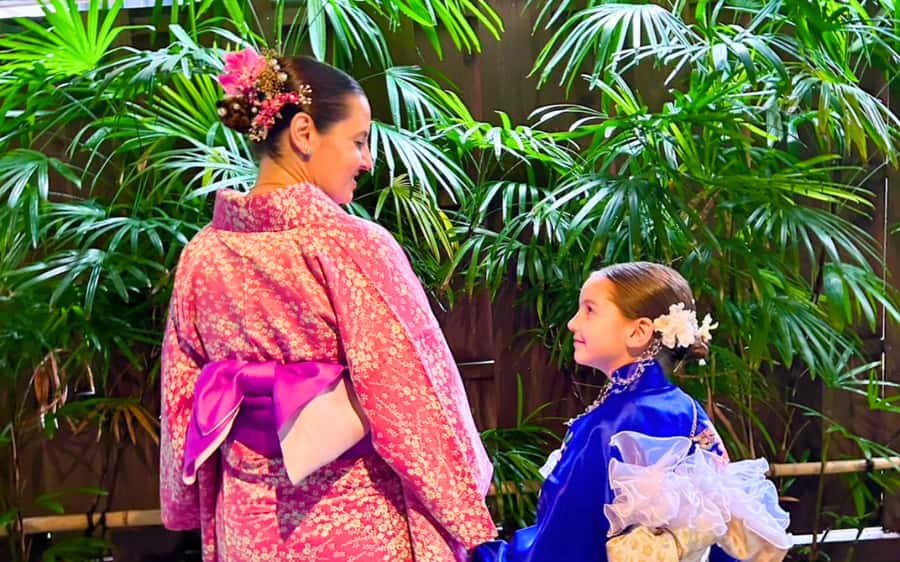
Asakusa is one of those places where your photos can easily look great even if you do everything “wrong.” But a kimono nudges you into doing things a little differently—in a good way.
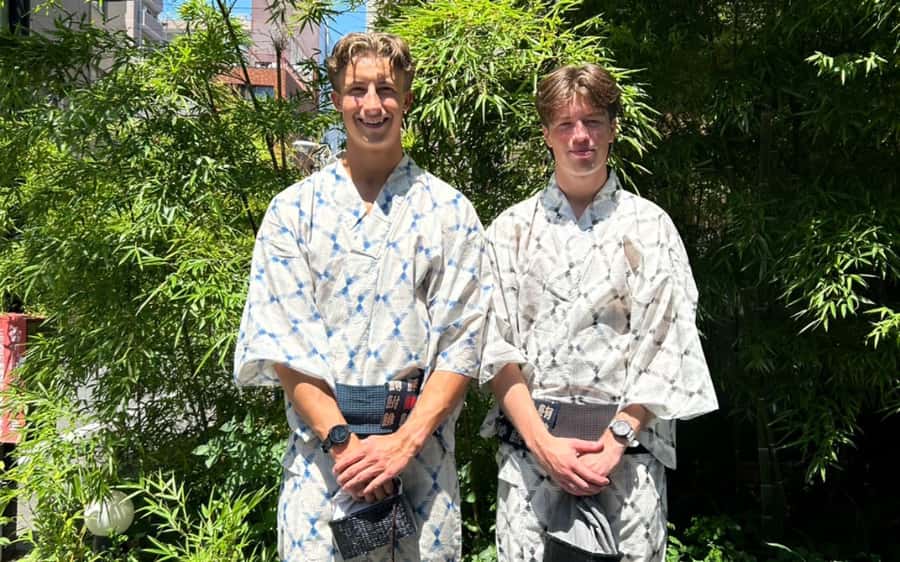
First, there’s the look. This is not a borrowed costume with vague instructions. You choose a kimono from an authentic collection, then you wear the full outfit: kimono, obi, zori sandals, and a bag. That “complete” feeling matters because it changes how you move and how you carry yourself through the streets.
Second, there’s the support. The staff includes Kazune, who grew up in Asakusa and helps you get dressed so everything fits comfortably and looks perfect. Reviews also highlight team members like Wako, and the presence of a Japanese National Certified Kimono Dresser means the dressing skills are taken seriously. For your first time, that’s the difference between looking passable and looking genuinely put together.
The spirit of the experience is simple: get dressed like a local, then take your time in historic Asakusa around Sensoji.
You can also read our reviews of more tours and experiences in Tokyo.


Finding the Shop Near Asakusa Station (So You Don’t Start Late)
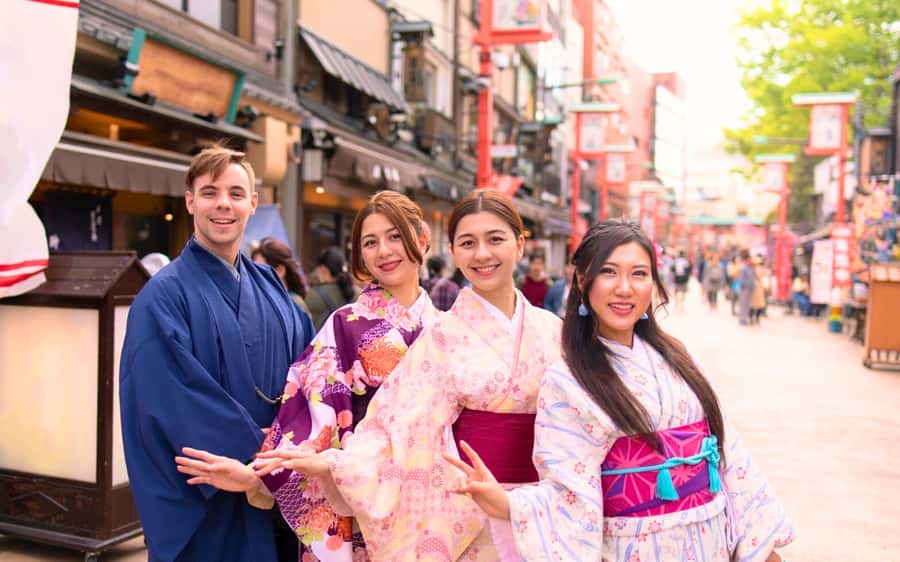
Getting lost at the start can wreck the mood, and this experience runs on timing. The meeting point is just a few minutes’ walk from Asakusa Station (Tokyo Metro Ginza Line / Toei Asakusa Line).
Look for a specific entrance: a building entrance with a black-and-white checkered pathway and a silver metal gate. Walk through the gate into the elevator area, where staff will greet you.
If you’re even slightly worried about navigation, save the emergency contact number provided after booking. That way, you’re not stuck trying to read street signs while your fitting time ticks by.
And yes: you should plan to arrive at least 10 minutes before your booking. That buffer helps you get in, choose your kimono smoothly, and get dressed without rushing.
Choosing Your Kimono and Getting Dressed by Kazune
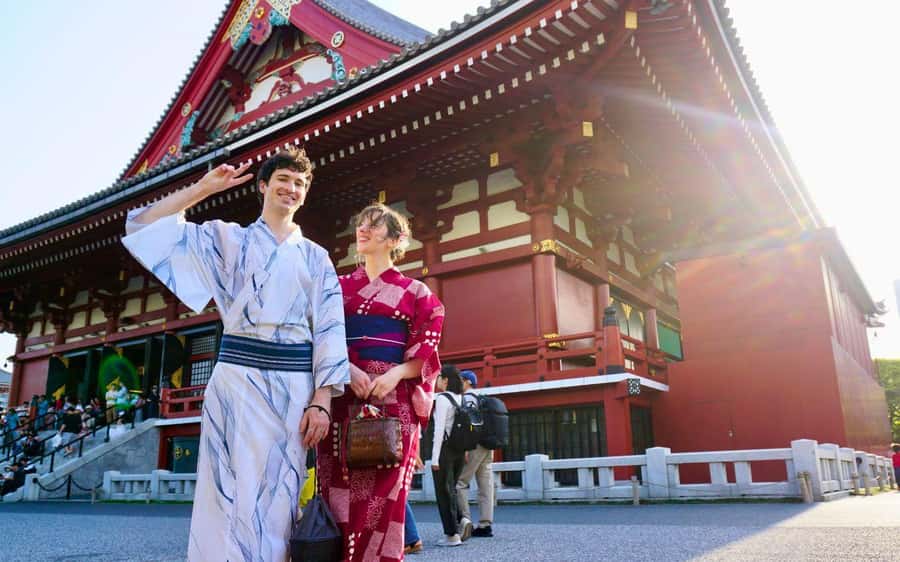
The most “real” part of this experience happens before you step outside.
At the shop, you’ll pick a kimono from the authentic collection. Then Kazune (and the rest of the team) guides the process of putting it on, making sure it fits comfortably and looks right. The goal isn’t just getting dressed. It’s getting dressed correctly enough that you can actually enjoy walking afterward.
Here’s what makes this valuable for you: when your clothes fit well, your day feels easy. When they don’t, you constantly adjust fabric, worry about your wrap, and lose time. Having a certified dresser on the team—along with assistants who are friendly and patient—means you’re more likely to end up comfortable for the stretch of sightseeing at Sensoji.
You’ll also get simple hairstyling as part of the full experience. That matters because hairstyles change the overall silhouette. Even a basic touch makes the kimono look more intentional, and it’s a nice personal upgrade.
Practical note: plan to keep things simple on your feet. You’ll be in zori sandals, which are normal for kimono wear but feel different from sneakers. If your itinerary includes lots of uneven walking, treat this as a “slow stroll day,” not a sprint.
What’s Included in the Full Set (And What That Really Gives You)
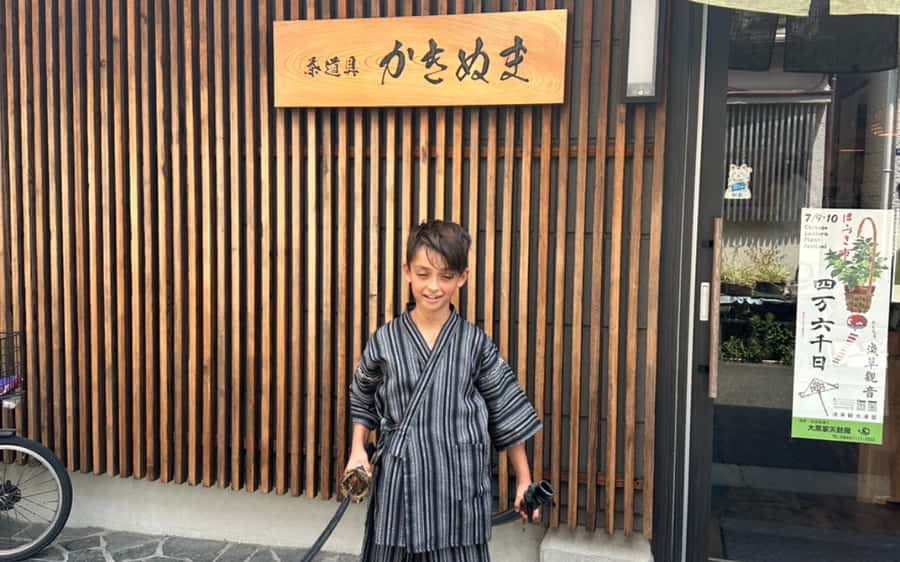
This rental is priced at $47 per person, and it’s not just about the clothes. The “value” is in what’s taken care of for you.
Included:
- Kimono rental (full set)
- Obi belt
- Sandals (zori) and a bag
- Dressing assistance
- Storage for your clothes and belongings
- Simple hairstyling
- Optional on-site add-ons: rickshaw ride experience and tea ceremony experience
That storage piece is bigger than it sounds. You’re leaving your regular clothes somewhere while you explore. Having a designated storage setup at the shop keeps you from dragging a bag all day or trying to juggle belongings during your photos.
The sandals and bag are also practical. You’re not showing up with your own gear and then figuring out what doesn’t match. The outfit is built as a set, so your look holds together as you move through old streets.
Optional add-ons can be a nice “bonus day” choice if you’re already in the kimono mood. If tea ceremony or a rickshaw fits your schedule, it’s there—rather than needing you to book something separate far in advance.
Walking Asakusa Streets in Kimono: Comfort, Photos, and Etiquette
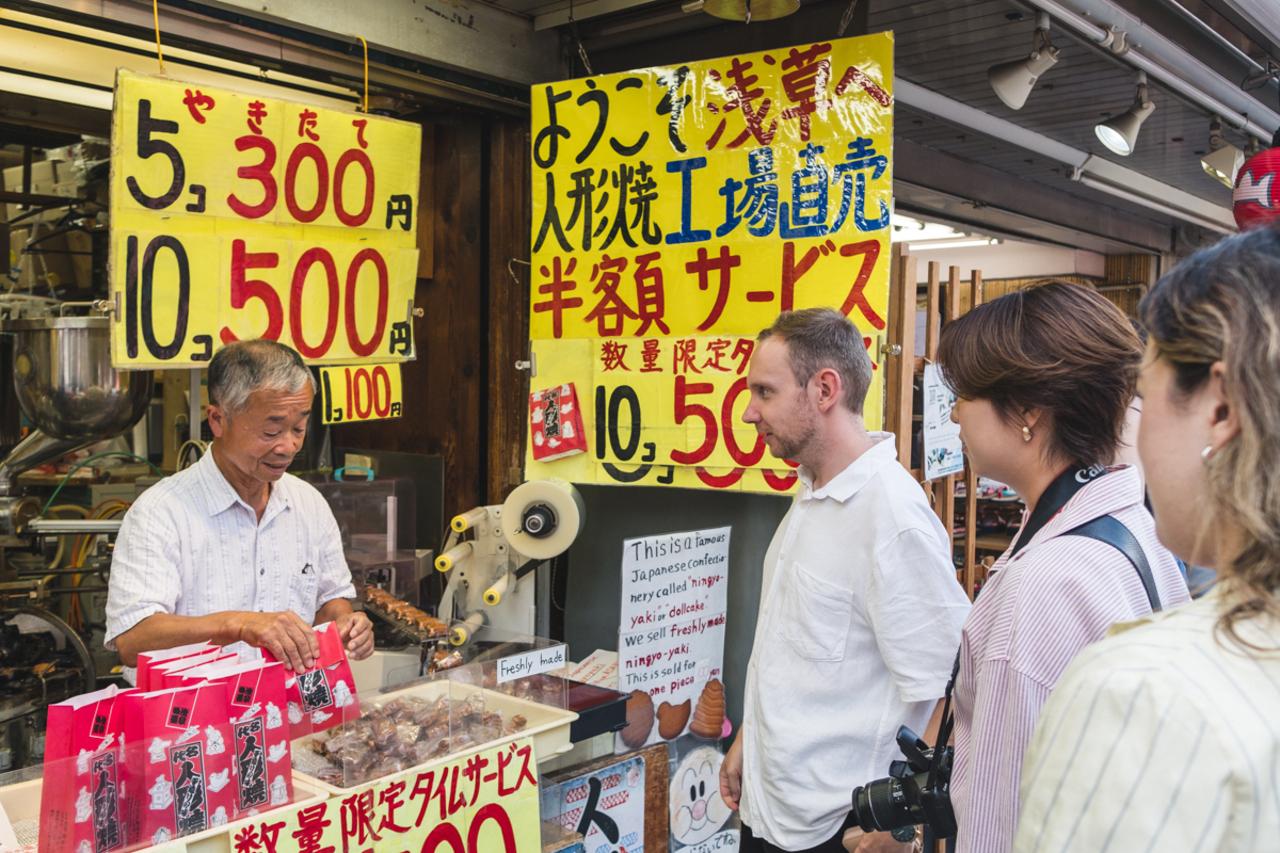
Once you’re dressed, you head out to explore the old streets of Asakusa and visit Sensoji Temple. This is where the experience becomes more than a rental.
How to think about the walk:
- You’ll want to go at a slower pace than normal. Kimono and zori sandals don’t reward rushing.
- Photos will be easier than you expect. The outfit and the streets are a natural match, and you’ll have plenty of chances for memorable shots while you wander.
- You’re dressed in a way that encourages you to notice details. Shopfronts, street rhythm, and temple surroundings feel more “connected” when your clothing matches the setting.
Etiquette-wise, nothing here requires you to perform. Your main job is to be respectful and mindful as you move through a popular temple area. If you’re unsure about anything, watch how locals handle their pace and conversation volume.
One more practical idea: keep your plan flexible. When you’re in a kimono, small stops—like taking one more photo near a lantern-lined street—feel worth it. This experience is best when you’re not racing to cram in every stop on a list.


Sensoji Temple in Traditional Dress: How to Enjoy the Main Event
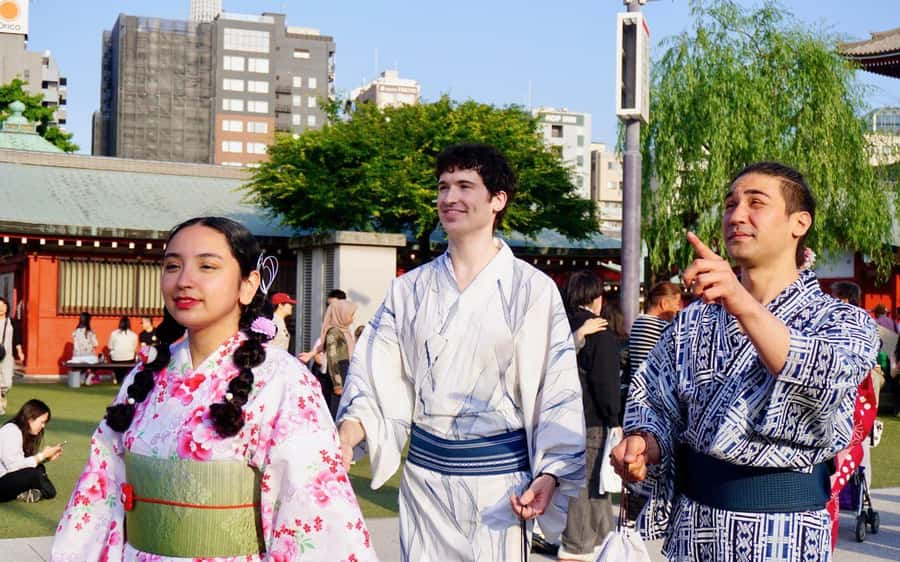
Sensoji is the big draw, and wearing a kimono there changes the experience immediately. The temple area already feels historical, and your outfit adds to the atmosphere in a way that’s hard to replicate with normal travel clothes.
Because the shop is only about a 3-minute walk away, you’re not spending your best time traveling in between. You can get dressed, step out, and start soaking up the vibe quickly.
How to make the most of your time at Sensoji:
- Build in time to wander around rather than only hitting one photo spot.
- Treat it like a stroll with breaks, not a checklist.
- If you’re taking photos, plan short pauses. You’ll get better shots without feeling rushed.
Also, because you need to return the kimono by 17:30 the same day, you’ll want a gentle back-of-mind schedule. The temple area can be busy, and walking in sandals takes a little extra care. Don’t aim for a late-night sprint.
Time Limits, Optional Add-Ons, and Avoiding Stress
This experience runs on a clean, simple timetable, and knowing it helps you enjoy it.
- You should arrive at least 10 minutes early.
- You must return the kimono to the shop by 17:30 on the same day.
- You can return the kimono the next day for a small extra fee.
- There’s a special exception on July 22 for a fireworks festival in Katsushika, where kimono rental can run until 21:30.
If you’re wondering how to plan your day: think of kimono time as a “block” you protect. If you schedule long commutes, you might feel rushed at the end. If you keep the rest of your day lighter, you’ll feel calm enough to enjoy the streets instead of watching the clock.
Two optional upgrades are available at the shop:
- Rickshaw ride (extra fee)
- Tea ceremony (extra fee)
These can work well if you want to turn the day into a more rounded cultural experience. Just make sure you still leave yourself enough time for the return deadline.
Language support is also practical. The staff can help in English and Japanese, which makes the fitting and any add-on decisions much easier.
Who This Suits (And Who Might Want to Skip It)
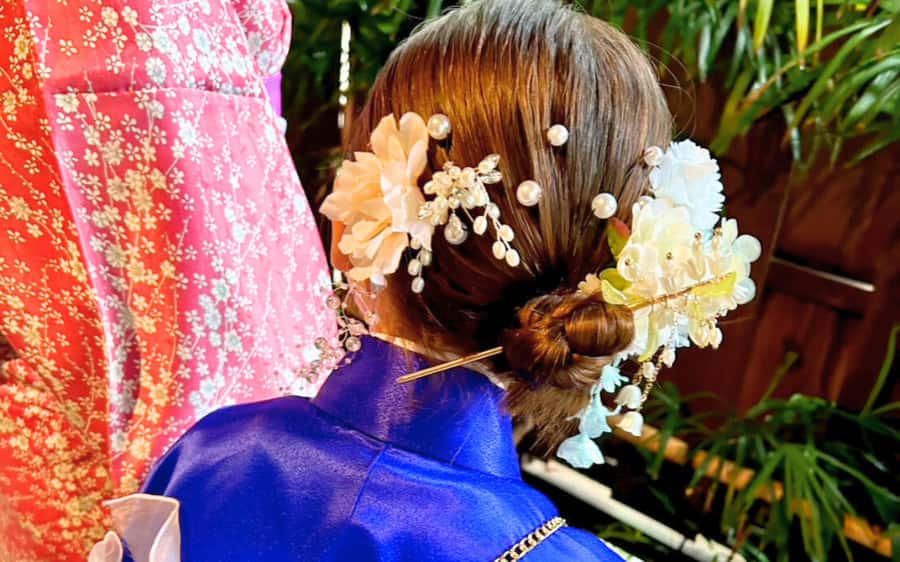
This is a great fit if you want an authentic kimono experience with real dressing support and an easy connection to Asakusa’s most iconic area.
You’ll likely love it if:
- You’re visiting Asakusa and Sensoji anyway and want to make the day more memorable.
- You’ve never worn a kimono and want hands-on help.
- You want the full set taken care of: obi, zori sandals, bag, storage, and simple styling.
You should consider skipping or choosing another option if:
- You use a wheelchair (not suitable).
- You’re above 264 lbs (120 kg) (not suitable).
- Your group includes children under 2 years or babies under 1 year (not suitable).
That’s not to be picky. It’s just that the experience is built around comfort and safe handling during dressing and walking.
Value Check: Is $47 Worth It?
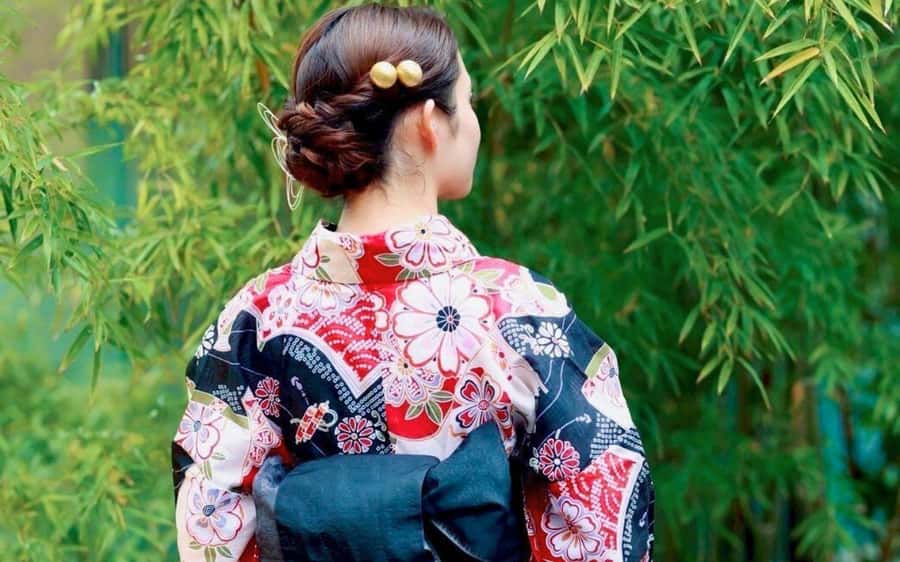
At $47 per person, the question isn’t whether it’s the cheapest thing you can do in Tokyo. It’s whether it gives you something you can’t easily DIY.
Here’s the value logic:
- You’re paying for a full, matching kimono set, not just a garment.
- You’re paying for expert dressing support (the hard part for first-timers).
- You’re getting storage and simple hairstyling, which are time-savers and mood-savers.
- You’re saving planning because the shop is so close to Sensoji—about a 3-minute walk.
If you’ve ever tried to rent anything complex abroad without guidance, you know how quickly that turns into stress. This experience is priced to remove that stress. For many first-time kimono wearers, that’s exactly what makes it feel worth it.
Should You Book This Asakusa Kimono Rental Experience?
Book it if your dream day includes walking to Sensoji Temple in a real kimono and you want staff like Kazune (and other trained dressers, including team members such as Wako) to handle the fitting. The combination of an authentic outfit, dressing assistance, and a super-close location makes it feel efficient and memorable.
Skip it if your schedule is too tight for a same-day 17:30 return or if your needs don’t match the stated limits (wheelchair use or higher weight restrictions). Also, if you truly hate wearing any restrictive clothing, you may find it less enjoyable than you’d like.
If you’re flexible with your pacing and you want your photos and your memories to feel genuinely tied to place, this is an easy yes.
FAQ
Where is the meeting point?
The meeting point is a few minutes’ walk from Asakusa Station. Look for a building entrance with a black-and-white checkered pathway and a silver metal gate, then go to the elevator area where staff will greet you.
How close is the shop to Sensoji Temple?
The shop is about a 3-minute walk from Sensoji Temple.
What time should I arrive?
Please arrive at least 10 minutes before your booking time so the team can prepare you smoothly.
What time do I need to return the kimono?
You need to return the kimono to the shop by 17:30 on the same day.
Can I keep the kimono longer than one day?
Yes. You can return it the next day for a small extra fee, arranged directly at the shop.
What is included in the rental price?
The kimono rental includes the full set, including an obi belt, sandals (zori), and a bag, plus dressing assistance, storage for your belongings, and simple hairstyling.
Are rickshaw rides and tea ceremony included?
They are not included by default, but you can add them for an extra fee directly at the shop.
Is transportation included?
No. Transportation to and from the meeting point is not included.
Who can participate?
It is not suitable for children under 2 years, babies under 1 year, wheelchair users, or people over 264 lbs (120 kg).
Is there a refund if I cancel?
You can cancel up to 24 hours in advance for a full refund.