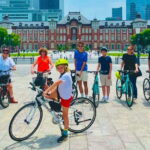
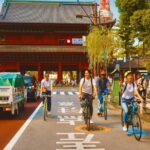
Tokyo on two wheels is a shortcut to real life.
This 5-hour guided bike tour strings together Edo-era Tokyo with practical, local stops instead of just a sightseeing checklist. I like that it leans into daily culture—shrines, a Buddhist temple, and a museum that explains how people lived—while still giving you big-name scenery like Sumida River views and Kaminarimon. One thing to consider: it’s bike-based, so you’ll want comfortable shoes and you should be ready to keep moving at a steady pace for the whole ride.
The route starts near Asakusabashi and flows through places tied to long-running traditions, like Edo-era travel culture around Asakusa, then onward toward Ryogoku (the sumo neighborhood) and into Fukagawa. A potential drawback is dietary limits: lunch is included, but vegetarian choices can be limited because many restaurants aren’t set up for full vegetarian menus.
In This Review
- Key reasons this bike tour works
- Edo Tokyo on a bike: how the day is built
- Meeting point and bike basics at Asakusabashi Station
- Stop 1: Asakusabashi Station to Bandai and the toy-giant photo moment
- Kaminarimon Gate and Sensō-ji: seeing a classic without getting stuck
- Riding the Sumida River: sky-high views and Sumo-town energy
- Lunch in Ryogoku: a real break, not just a break in name
- Fukagawa Fudōdō: the temple stop that feels like daily practice
- Fukagawa Edo Museum: understanding the Edo world you just rode through
- A final café stop and the ride back to Asakusabashi
- Price and value: what $96 buys you in real terms
- Things to watch: weather, vegetarian limits, and being on time
- Who this tour fits best (and who should skip it)
- Should you book this Tokyo bike tour?
- FAQ
- Where do I meet the guide?
- How long is the tour?
- Is the tour offered in English?
- How many people are in the group?
- What’s included in the price?
- What should I bring?
- Are vegetarian meals available?
- Do I need my own cycling gear?
- Can I store luggage at the rental bike office during the tour?
- Is the tour suitable for kids?
Key reasons this bike tour works
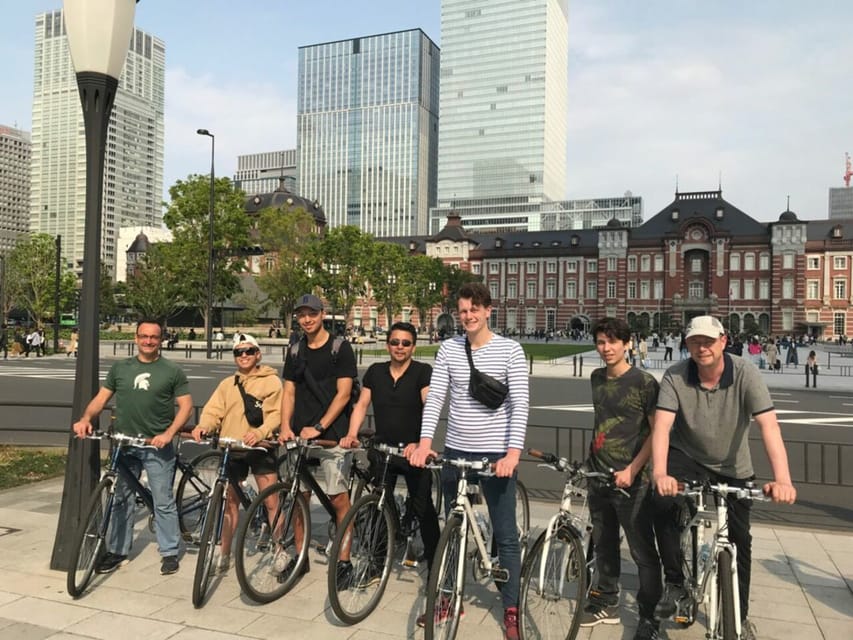
- Small group size (up to 5) keeps the ride calmer and easier to follow
- Bike rental + lunch + museum entry means fewer logistics on your day
- Shinto and Buddhist stops give you contrast, not just pretty buildings
- Sumida River riding turns transit time into sightseeing time
- Edo Museum helps you understand what you’re seeing, not just where to stand
Edo Tokyo on a bike: how the day is built
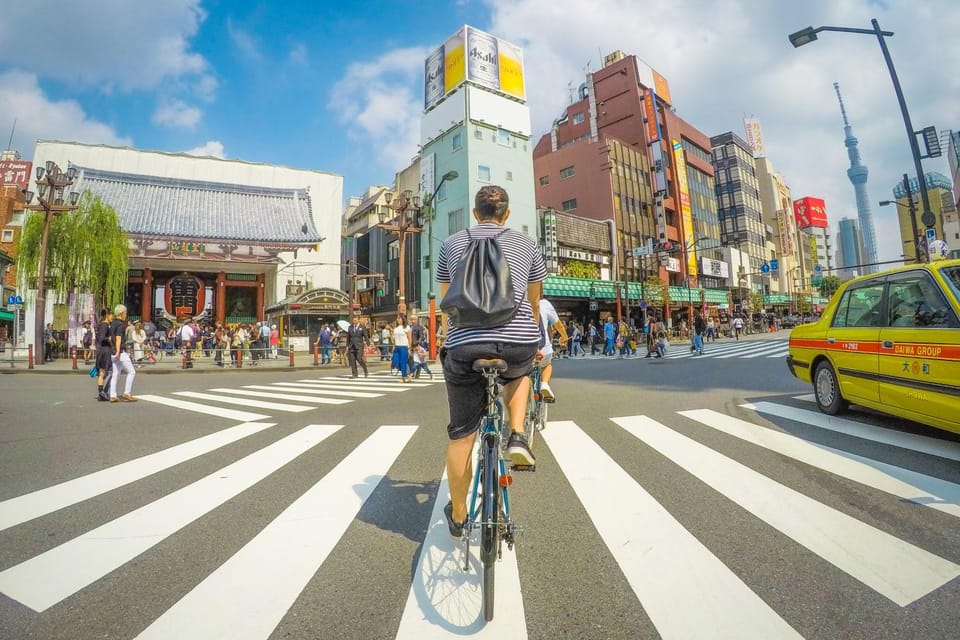
The best part of this tour is how it uses cycling to change your perspective. Tokyo traffic can be intense, and standing still all day is tiring. Here, you trade some of that for motion—small streets, river views, and quick stops that actually add up to a coherent story.
You’re also not just rushing through famous sights. The day is built around how Tokyo looked and worked in the Edo period (1603–1868), then connects that past to what’s still visible today. You get a Shinto shrine and a Buddhist temple, plus an Edo-period museum stop where you can see daily life with your own eyes.
The guide—named Shogun in the experience descriptions—also matters. The way the ride is planned keeps the flow moving, so you get historical context without turning the day into a slow parade.
You can also read our reviews of more cycling tours in Tokyo
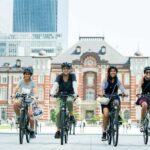
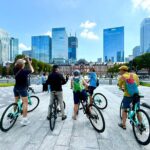
Meeting point and bike basics at Asakusabashi Station
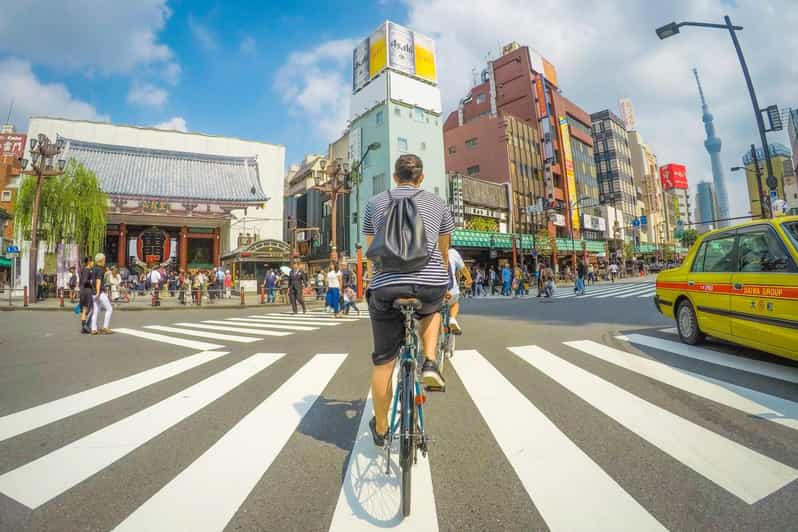
You meet at Asakusabashi Station Exit A3 (Toei Asakusa Line). The guide waits outside Exit A3, and that matters because the tour has a strict start time. If you’re late, you won’t be able to join the group and you also won’t get a refund or reschedule.
This is a smooth setup for most visitors because the meeting point is transit-friendly. You don’t need to find a separate bike shop first and you don’t need to coordinate lockers on the fly during the ride—just plan ahead.
A couple practical notes:
- Bring comfortable shoes. The tour does include walking at multiple stops.
- Don’t plan to carry extra luggage on the bike. You can’t leave luggage at the rental bike office during the tour. Store it in lockers before you start instead.
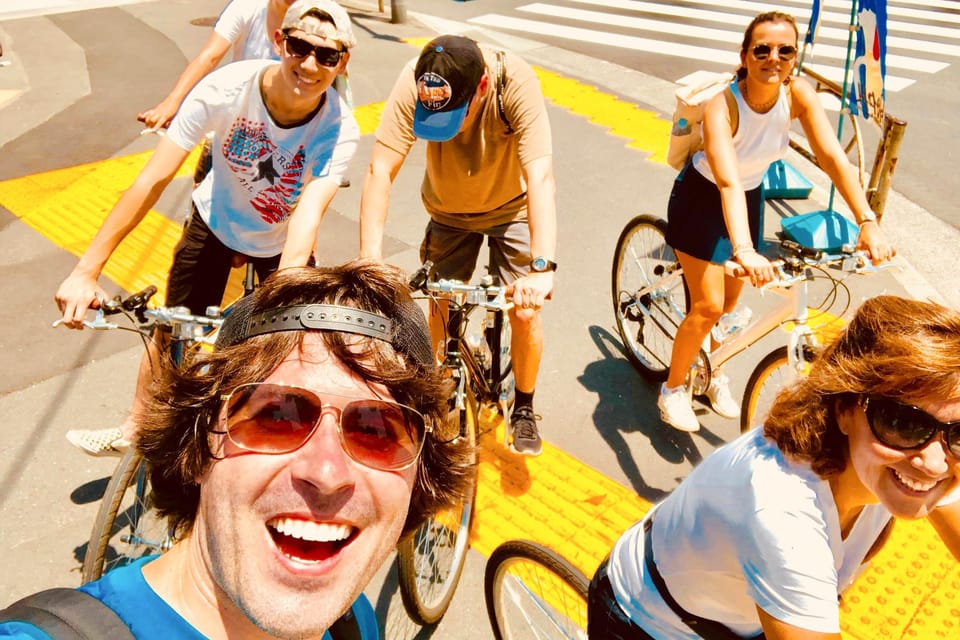
All levels are welcome. That doesn’t mean it’s a sightseeing stroll, though. You should expect continuous riding segments and short walks, so pace yourself and keep your focus on the route.
Stop 1: Asakusabashi Station to Bandai and the toy-giant photo moment
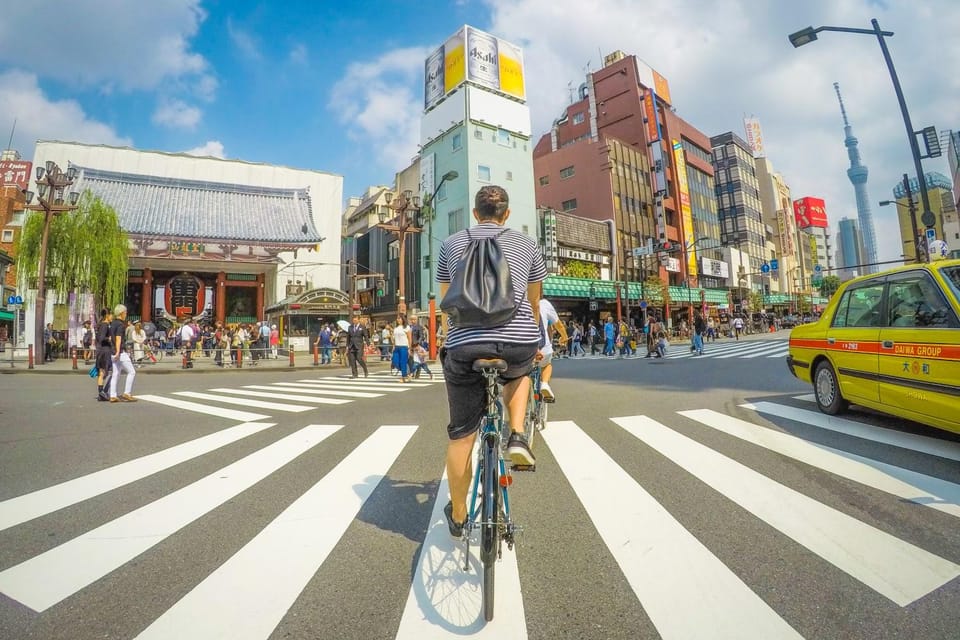
After a brief lecture on Japanese traffic rules, you’ll head out toward the Asakusa area. That rules talk is more than a formality. It helps you understand what cyclists need to watch for in Japan—especially if you’re not used to riding in a busy, orderly system.
The next major stop is BANDAI CO., LTD. Head Office for about 20 minutes. This isn’t a long museum visit. It’s a quick hit: you see huge anime-related figures, including Dragon Ball and Doraemon, and you get time to take photos.
Why this works: it gives you a modern Tokyo anchor that still fits the day’s theme of culture. You’re not only looking back at Edo; you’re also seeing how Tokyo’s storytelling powers today.
Kaminarimon Gate and Sensō-ji: seeing a classic without getting stuck
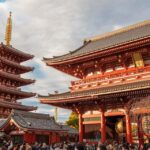
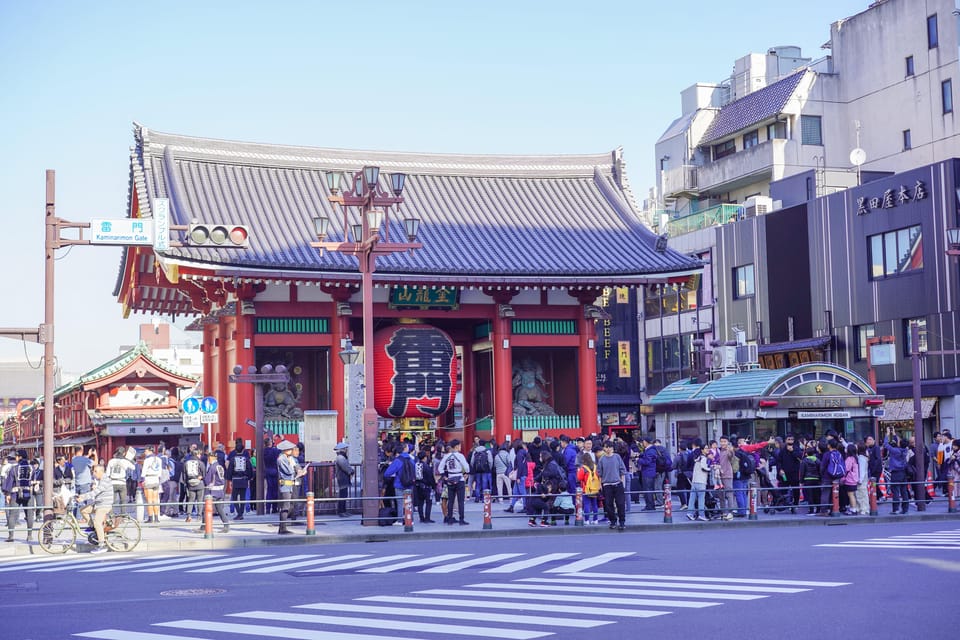
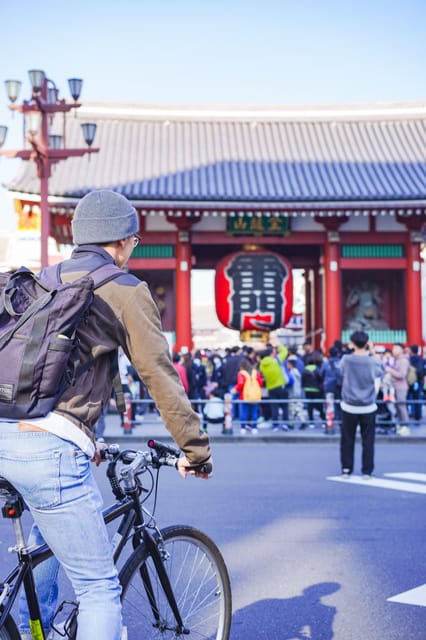
From the toy stop, you reach Kaminarimon (about 10 minutes). This is the “postcard gateway” into Asakusa, and it sets the tone for the rest of the area.
Then you move to Sensō-ji Temple for roughly 30 minutes. This is one of Tokyo’s best-known temple complexes, and time is limited, so your guide’s job is to help you see what matters most and keep you moving. You’ll get a chance to notice details without spending your whole visit jostling for a perfect angle.
Here’s the value angle for you: Sensō-ji is famous for a reason, but the bigger win on a tour like this is understanding how the area’s older traditions still shape Tokyo’s daily flow.
Riding the Sumida River: sky-high views and Sumo-town energy
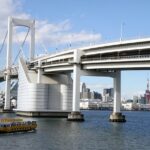
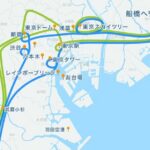
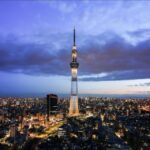
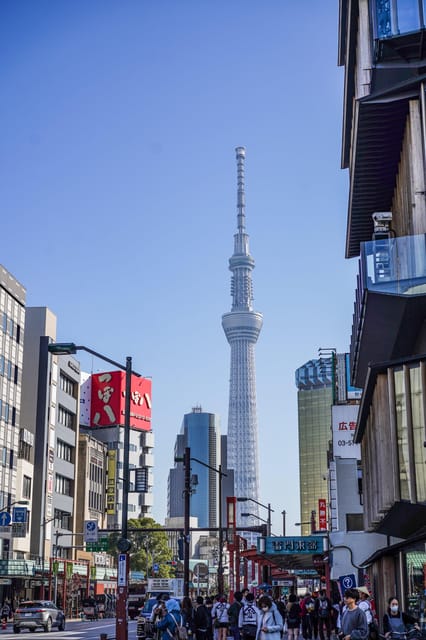
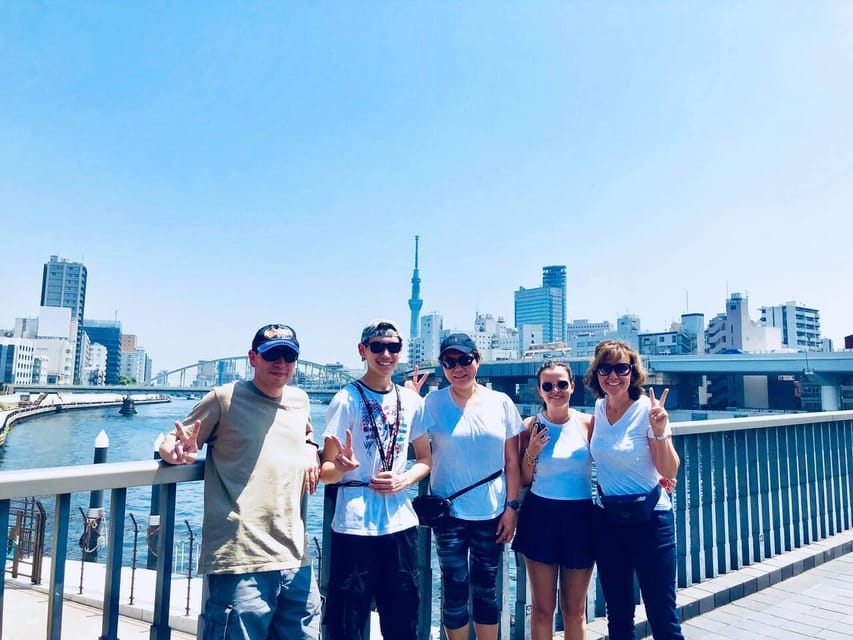
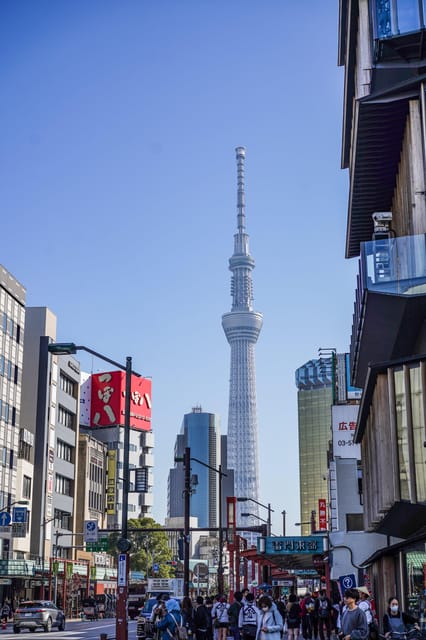
After Asakusa, you’ll ride across bridges with major skyline views, including a clear look at Tokyo Skytree, which is 634 meters tall. You’ll also cycle along the Sumida River, which is a welcome break from street-level congestion.
Then you head toward Ryogoku, known as the sumo neighborhood. You’ll do a bit of sightseeing around Asakusa, then transition toward Ryogoku so the day feels like it’s progressing geographically and thematically: temple culture, then Edo-era entertainment and sport.
This part is also where cycling shines. The ride turns “getting from one place to another” into something you can actually enjoy.
You can also read our reviews of more guided tours in Tokyo
Lunch in Ryogoku: a real break, not just a break in name
Lunch happens at a local restaurant for about 45 minutes. Ryogoku makes sense for food because it has a distinct neighborhood identity; you’re not eating at a tourist-surface spot just because it’s convenient.
What you should know: vegetarian options can be limited. Japan’s restaurant menu style isn’t always built for full vegetarian meals, so the tour notes limited vegetarian choices. If you’re vegetarian, plan your expectations and be ready to adapt.
Still, lunch is included, which improves the value a lot. When you’re spending time in two or three zones, included food means you avoid decision fatigue and you keep the schedule tight.
Fukagawa Fudōdō: the temple stop that feels like daily practice
After lunch, you’ll head to Naritasan Fukagawa Fudōdō (about 35 minutes). This is a Japanese-style Buddhist temple stop, and the tour framework is about more than architecture. You’re there to see how people worship in daily life.
This is one of the most meaningful switches in the itinerary: Shinto earlier, Buddhist temple here, then a museum to connect it all back to how life worked in Edo times. Even if you’re not a history fanatic, the contrast can be surprisingly grounding.
It’s also a good moment to slow down. You’ll do some walking, but this stop is less about rushing to a view and more about noticing how the place functions.
Fukagawa Edo Museum: understanding the Edo world you just rode through
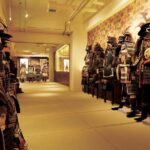
Next is Fukagawa Edo Museum for about 45 minutes. This is the “why does this look like this?” stop. The tour is designed around Edo-period life, and the museum focuses on how people lived roughly 150 years ago, which gives you a clear mental model for what you’ve been seeing outside.
The practical benefit: when you come away from the museum, temple details and neighborhood layouts start to make more sense. You’re not just recognizing famous landmarks—you’re connecting them to ordinary routines, household life, and the structure of a city.
If you like cultural tours that explain what you’re looking at, this is the payoff segment of the day.
A final café stop and the ride back to Asakusabashi
After the museum, you’ll make a short stop at a local café (about 15 minutes). This is a simple reset before you ride back to the starting area.
Then the tour returns to Asakusabashi Station, bringing you full circle. Ending where you started keeps the day easy. You’re not trying to puzzle out trains with a group that’s already wound down.
Price and value: what $96 buys you in real terms
At $96 per person, you’re paying for a packed day that includes:
- Bike rental
- Live English guide
- Lunch
- Edo Museum entry
- Insurance
The value story here isn’t just the math. It’s the reduced friction. If you tried to build this on your own, you’d spend extra time figuring out bike rental logistics, entry tickets, and a route that makes sense between Edo-themed stops.
Also, the group size is limited to 5 participants, which matters. Smaller groups typically get more attention and less waiting, especially during short visits like Kaminarimon and the photo stop at Bandai.
If you’re the kind of traveler who wants Tokyo that feels personal and structured—without hiring a private guide—this price can feel fair.
Things to watch: weather, vegetarian limits, and being on time
A few reality checks so you’re not surprised:
- Weather can cancel the tour for safety reasons. If it’s unsafe to ride, the operator may cancel.
- Vegetarian options are limited, since restaurants may not offer full vegetarian menus.
- Plan to be punctual. The guide needs to start on time, and late arrivals won’t be admitted even if you show up right after.
- You should not bring luggage you can’t store. Since you can’t leave luggage at the rental bike office during the tour, use lockers before starting.
If you’re traveling with heavy bags or you hate strict timing, this might feel a little intense. But if you like structure, it’s a good match.
Who this tour fits best (and who should skip it)
This bike tour is a strong fit if you want:
- A mix of history + religion + neighborhood character
- A day that uses cycling to connect stops
- An English guide and museum time that clarifies what you’re seeing
It’s also noted as not suitable for children under 15. Anyone over 150 cm (4’11”) can join, and the tour says all levels are welcome—so it’s not only for hardcore cyclists.
If you dislike bikes, have mobility limits that make walking difficult, or you need lots of dietary flexibility, you may want to consider a different style of tour.
Should you book this Tokyo bike tour?
I’d book it if you want a guided day that actually teaches you something, not just a photo-and-go route. The strongest reasons are the combo of Shinto + Buddhist sites, the Sumida River cycling, and the Fukagawa Edo Museum stop that turns the Edo theme from vague to concrete.
Book it especially if you like small-group tours and you want included logistics handled for you—bike rental, lunch, and museum entry are all taken care of.
Skip it if you’re sensitive to limited vegetarian choices, you can’t follow the schedule closely, or you’d rather spend the day mostly at a single landmark instead of riding between several.
If the idea of learning Edo-era Tokyo while moving through the city on a bike sounds like your kind of day, this tour is a solid choice.
FAQ
Where do I meet the guide?
You meet at Asakusabashi Station Exit A3 (Toei Asakusa Line). The guide is waiting outside Exit A3.
How long is the tour?
The tour lasts about 5 hours.
Is the tour offered in English?
Yes, the live tour guide speaks English.
How many people are in the group?
It’s a small group limited to 5 participants.
What’s included in the price?
Bike rental, the guide, lunch, Edo Museum entry fee, and insurance are included.
What should I bring?
You should bring comfortable shoes.
Are vegetarian meals available?
Vegetarian choices are limited because many Japanese restaurants are not fully set up for vegetarian menus.
Do I need my own cycling gear?
The tour includes bike rental, but cycling clothing and shoes are not included.
Can I store luggage at the rental bike office during the tour?
No. You can’t leave luggage at the rental bike office during the tour, so use lockers before the tour if needed.
Is the tour suitable for kids?
It’s not suitable for children under 15 years old, and anyone over 150 cm can join.