REVIEW · TOKYO
Tokyo: 3-Hour Bike or E-Bike City Highlights Tour
Book on GetYourGuide →Operated by Tokyo Rental Bicycle · Bookable on GetYourGuide
Tokyo’s a big city. A bike tour keeps it friendly. You roll from classic sights to modern streets in just 3 hours, guided by locals who know what to look for and how to move safely through a real metropolis. I especially like the mix of temples and power centers with Shibuya’s nightlife-ready energy, and the fact that you can choose a standard bike or an e-bike based on your stamina.
What I love most is how the ride is built for momentum: photo stops, short guided explanations, then back on the saddle. You also get high-quality bikes (Bianchi and Fuji cross bikes) or an e-bike if you prefer less effort, plus a mini pouch on the bike for your phone and wallet. The vibe is practical, not precious.
The one drawback to consider is simple: this is not a casual walk. You need to be able to ride, and you may encounter traffic interaction as you switch between quieter parks and city roads. Helmets cost extra (+¥1,000/unit), and the tour is not suitable for people with back problems or for pregnant women.
In This Review
- Key highlights that make this tour worth your time
- Starting at the Statue of Commodore Perry and getting your bearings fast
- A note on road confidence
- Zojo-ji Temple and Hibiya Park: the calm-meets-iconic opening stretch
- Imperial Palace photos, Ōte-mon Gate, and Chidorigafuchi break time
- Why this portion matters for first-time Tokyo visits
- Tokyo Station and the edges of big-city movement
- Akasaka Palace, New National Stadium, and the “old meets new” middle
- From Aoyama St. Grace Cathedral to Cat Street: style, side streets, and short stops
- A quick reality check on “hidden gem” stops
- Shibuya Crossing, Tower Records, and the part you remember after dark
- Cat Street to Shibuya: the emotional payoff
- Bikes, e-bikes, helmets, and staying safe on real streets
- Who should avoid the standard bike
- Value for $45: what 3 hours buys you in Tokyo
- Practical tips so your ride feels smooth, not stressful
- Should you book this Tokyo Bike Highlights tour?
Key highlights that make this tour worth your time
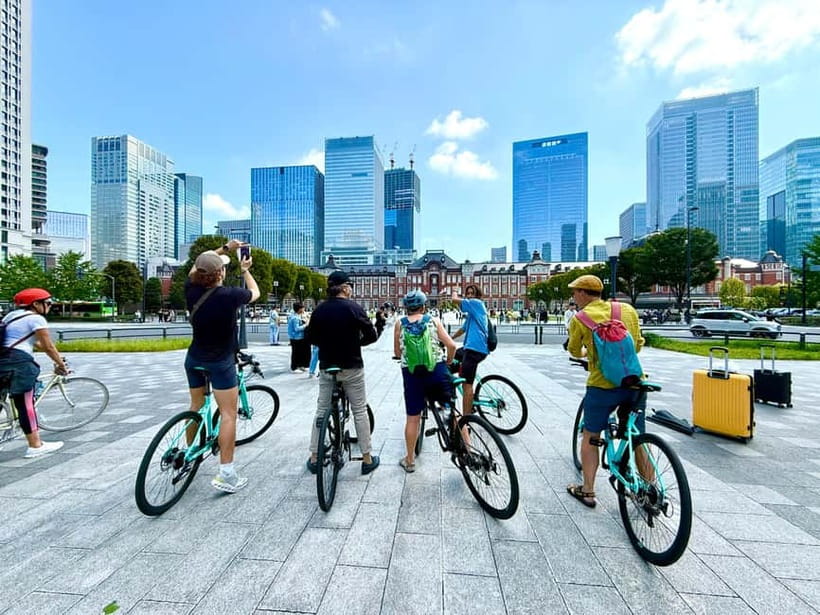
- Bianchi/Fuji cross bikes or e-bikes: choose the effort level that fits your day
- A tight 3-hour route: you hit major landmarks plus calmer neighborhoods without wasting time
- English-speaking guides (plus Japanese support): clear stories at each stop
- Photo stops with short guided time: you get context without losing the ride
- Safety-focused pacing: guides keep the group together and moving sensibly
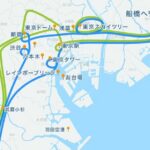
- Tokyo Station to Shibuya to Tower Records: the route reads like a city orientation map
Starting at the Statue of Commodore Perry and getting your bearings fast
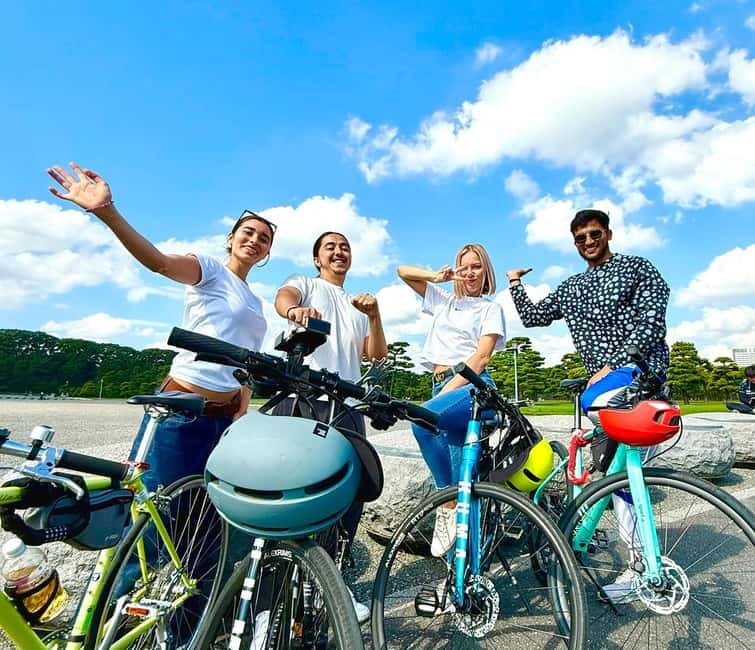
The experience kicks off around the Statue of Commodore Perry, a short walk (about 3 minutes) from Daimon Station, exit A6. It’s a smart starting point because it puts you in the wider central area right away, where you can begin moving through Tokyo instead of burning half the morning figuring out transit.
Once you meet your guide and get your bike sorted, you’ll quickly understand the tone: this is a sightseeing ride, not a training camp. The bikes come from the operator’s fleet and include Bianchi and Fuji cross bikes for standard options, or an e-bike option if you want the same route with less pedal strain.
The group setup matters too. It’s offered as private or small groups, and that often means fewer bottlenecks when stopping for photos or moving through busier intersections. One rider noted that the team can split larger groups into smaller units for easier maneuvering, which is exactly what you want in a city where sidewalks and crossings can get tight.
You can also read our reviews of more cycling tours in Tokyo

A note on road confidence
Tokyo can feel bike-friendly in many stretches, but you still need road comfort as you go from parks to main streets. One parent noted it could feel stressful for them on the road segments, so be honest about your comfort level. If you’re choosing between standard and e-bike, the e-bike option is there for a reason.
Zojo-ji Temple and Hibiya Park: the calm-meets-iconic opening stretch
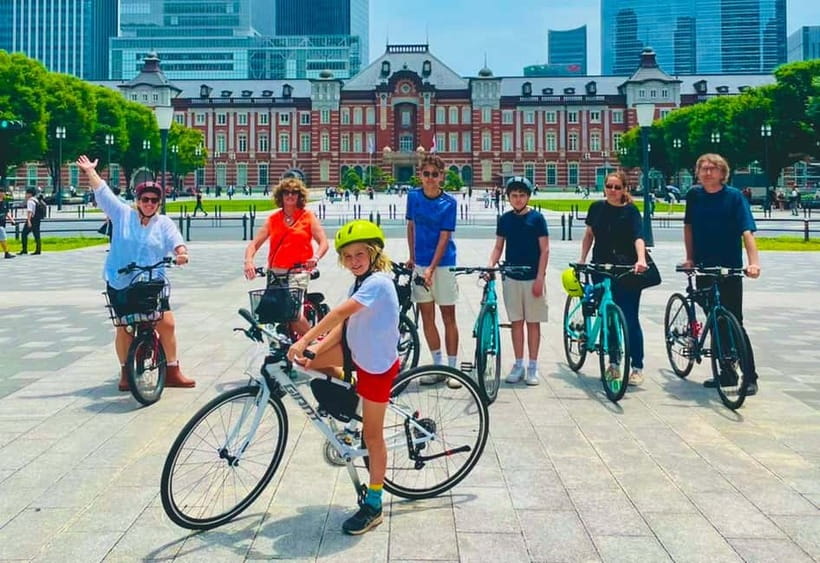
After the start point, you head into the old-meets-central rhythm of Tokyo. A key early stop is Zojo-ji Temple, where you get a photo stop plus a guided visit (about 15 minutes). Temple areas in Tokyo are where the city’s scale feels most human. You slow down naturally here, and the guide’s job is to point out what you should notice so you don’t just snap pictures and move on.
From there, you move toward Hibiya Park for a short visit (around 3 minutes). This kind of quick green pause does two useful things. First, it gives your legs a moment to reset. Second, it helps you switch mental gears from monument mode to neighborhood mode, which is the whole trick of a bike highlights tour.
If you like your sightseeing with a mix of beauty and context, this opening sequence is strong. You get a recognized landmark (Zojo-ji), then a breather (Hibiya Park), then the tour keeps building toward bigger symbols of Japanese life and modern Tokyo.
Imperial Palace photos, Ōte-mon Gate, and Chidorigafuchi break time
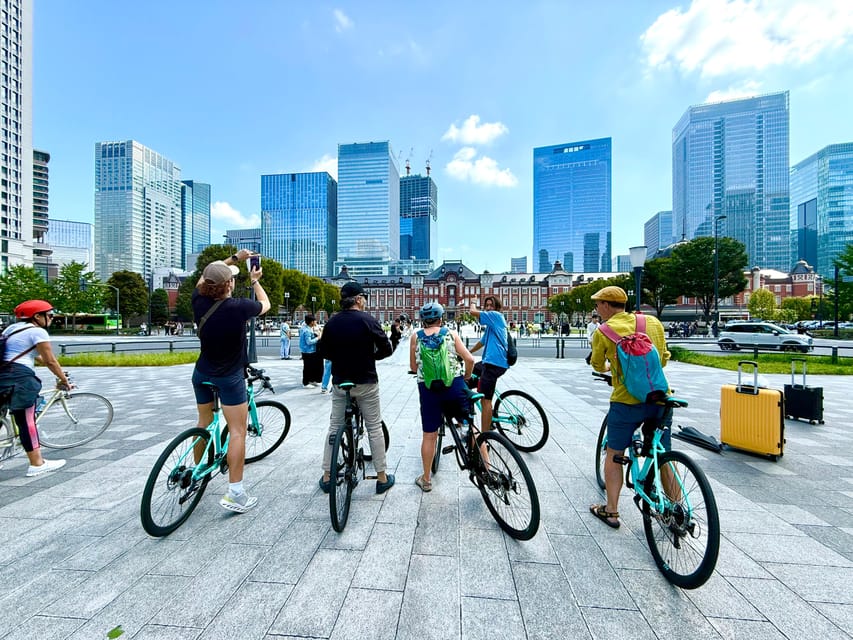
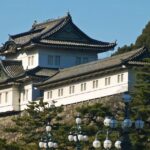
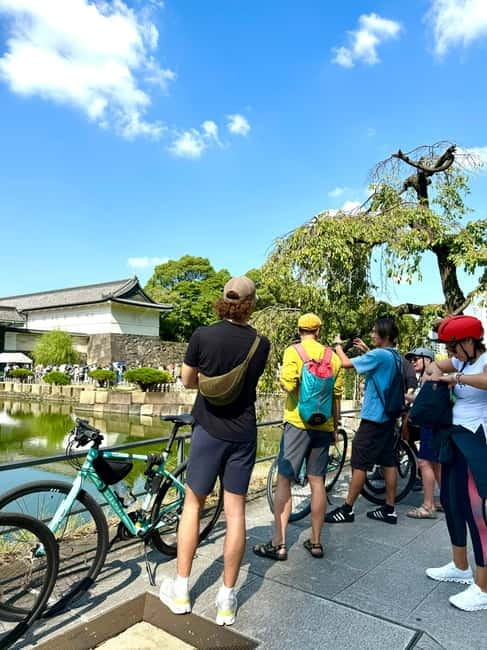
Next comes the Tokyo Imperial Palace area. You’ll have a photo stop plus a guided visit for about 15 minutes. Even if you don’t go deep into palace history, this stop works because it shows you Tokyo’s power geography: gates, boundaries, and the way the city organizes space around major institutions.
You also stop by the Ōte-mon Gate area for a shorter photo stop and visit (about 5 minutes). This is the kind of stop that helps you recognize the Imperial Palace perimeter later when you’re walking around on your own. Think of it as orientation you can actually see.
Then you hit Chidorigafuchi for a break time plus photo stop (around 5 minutes). Short breaks are part of what makes a 3-hour tour feel doable. Tokyo’s weather can change your energy fast, and having a scheduled pause means you don’t end up paying for the day with cranky legs later.
Why this portion matters for first-time Tokyo visits
This central loop is useful because it teaches your eyes how to read Tokyo from street level. You see how major landmarks connect to surrounding neighborhoods, and you learn what directions feel natural on a bike. That pays off later, when you’re choosing train stations and planning your next day.
You can also read our reviews of more city tours in Tokyo

Tokyo Station and the edges of big-city movement
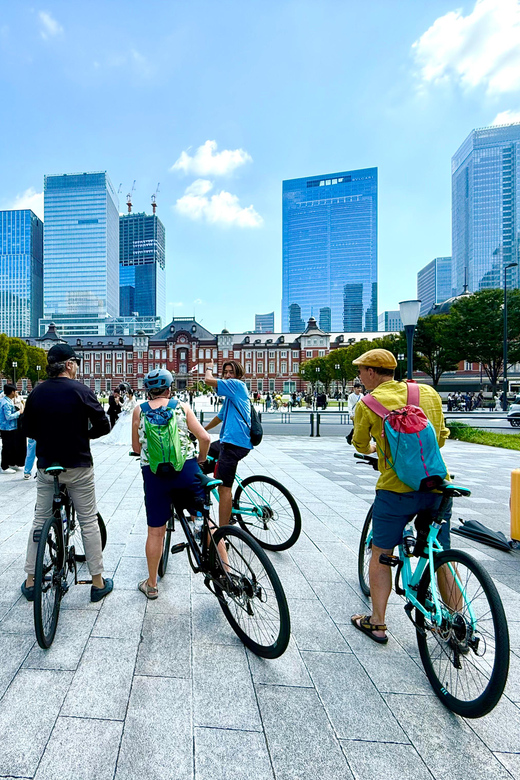
You’ll also make a stop at Tokyo Station for a photo stop and visit of about 10 minutes. Tokyo Station is one of those places where just seeing it once helps you understand the city’s layout. It’s also a practical waypoint: the tour keeps you close to the areas where transit, shopping, and business districts overlap.
In reviews, people often describe this tour as a fast way to get their bearings early in their trip. I get that. Tokyo can be intimidating because neighborhoods feel like separate worlds. A ride like this stitches them together in your mind.
This segment is also where your pacing discipline matters. The route moves quickly through stops, which is great for time efficiency, but it means you should be ready to walk a little, stop for photos, then remount without taking a long detour.
Akasaka Palace, New National Stadium, and the “old meets new” middle
The tour continues into the area around State Guest House Akasaka Palace, with a photo stop (about 10 minutes). Even if you’re not touring inside, the exterior stop gives you a sense of scale and formality. It’s a different kind of Tokyo sight—less neon, more official.
Then you roll toward New National Stadium for another photo stop and visit (about 10 minutes). Sports architecture and Tokyo’s modern infrastructure are a good counterbalance after temple and palace areas. It keeps the ride from turning into one long streak of ceremonial spaces.
This middle portion is where the route earns its value. You get variety without spending time traveling between far-flung districts. In a city this spread out, that efficiency is not small.
From Aoyama St. Grace Cathedral to Cat Street: style, side streets, and short stops
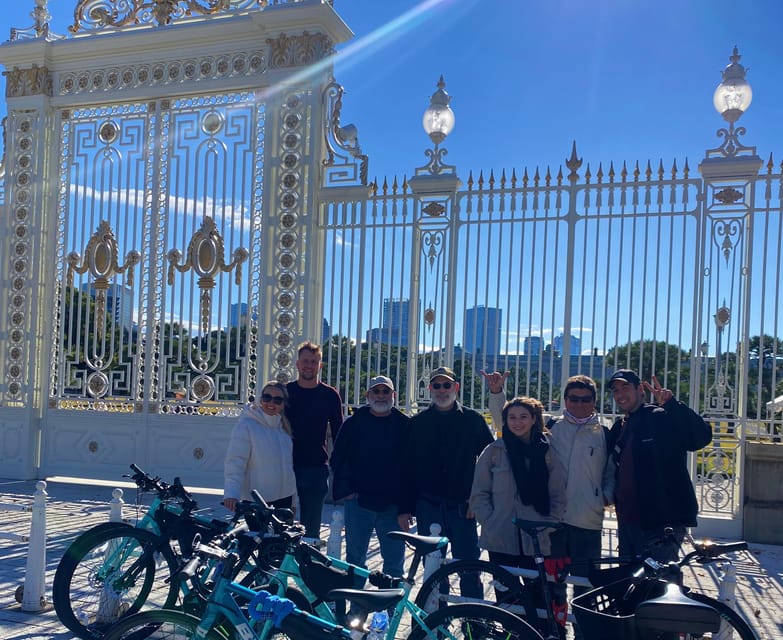
After the big public landmarks, you switch to neighborhood Tokyo. You’ll have a photo stop and sightseeing at Aoyama St. Grace Cathedral (about 3 minutes). The stop is quick, but it’s timed well: you’re right where the city starts to feel more personal and street-level.
Then you head to Cat Street for a visit (around 5 minutes). Cat Street is the kind of place you can keep exploring on your own later, but the tour gives you an entry point without overwhelming you. This is the value of “short visit” stops. You get enough to remember the vibe, then you’re free to dig deeper later if you want.
A quick reality check on “hidden gem” stops
The route includes one hidden gem stop described as a visit with a guided component (about 15 minutes), but it isn’t named here. That said, the tour’s pattern is consistent: you’ll get a real reason to pay attention, usually through context and local perspective rather than just an extra photo opportunity.
Shibuya Crossing, Tower Records, and the part you remember after dark
If the first half of the tour helps you understand Tokyo’s structure, the second half puts you in the city’s spectacle zone. The big highlight is Shibuya Crossing, where you’ll do a photo stop and a guided tour (about 10 minutes). This is the intersection Tokyo is famous for, and being there on a bike route makes it feel like the whole city is flowing around you.
You also stop at Tower Records Shibuya for about a 3-minute photo stop. It’s a small moment, but it anchors Shibuya in pop culture rather than just traffic and lights. One rider specifically pointed out that timing can matter, with some groups cycling through Shibuya at night when the neon is at its peak. If you can, match your booking to the time of day you want.
Cat Street to Shibuya: the emotional payoff
The ride from style streets to the crossing is a clean narrative arc. You move from quieter local atmosphere (Cat Street) to one of the most recognizable modern scenes on Earth (Shibuya Crossing). If you want Tokyo in one quick story, this ending works.
Bikes, e-bikes, helmets, and staying safe on real streets
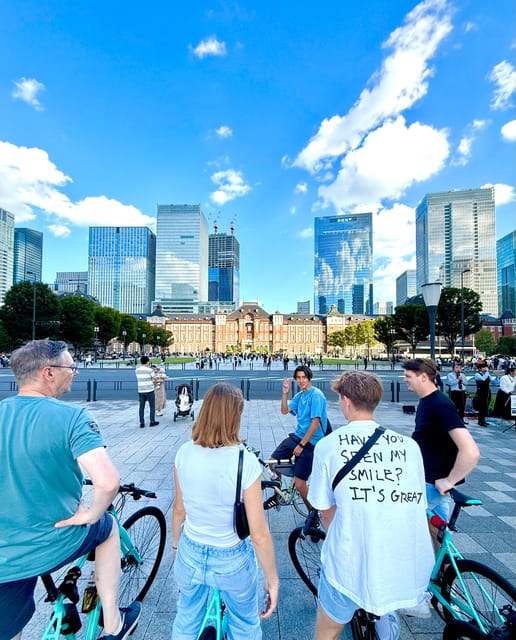
You’ll choose your ride when booking. Standard bikes are Bianchi and Fuji cross bikes, and there’s an e-bike option for people who don’t want the effort of longer distances or who don’t cycle often. If you’re not sure, I’d lean e-bike. It’s the difference between enjoying the ride and bargaining with your legs.
Helmets are the one extra cost you should plan for. Helmets are not included, but they’re available on-site for ¥1,000 cash per unit. Bike insurance is included, and there’s also a mini pouch attached to the bike so you can keep your phone and small items handy while you ride.
Safety is clearly part of the design. Guides are expected to keep the group together and manage pacing. In multiple accounts, riders felt protected and watched, which matters because Tokyo’s street layout can be confusing if you’re trying to do everything yourself.
Who should avoid the standard bike
This tour is not suitable for people who can’t ride a bike, and it’s not suitable for people with back problems or pregnant women. If you’re close to the edge of comfort—especially if you’re worried about traffic—choose the e-bike and keep your expectations realistic. This is street riding, not closed-course biking.
Value for $45: what 3 hours buys you in Tokyo
At $45 per person for a 3-hour ride, the value comes from compression. Tokyo is big. A bike tour like this helps you cover central areas quickly while still stopping enough to actually see things.
You’re paying for more than transportation. You get:
- an English-speaking guide (with Japanese support),
- bike equipment (standard cross bikes or an e-bike),
- bike insurance,
- small on-bike storage for essentials,
- guided context at multiple major stops,
- and skip-the-ticket-line benefits.
The skip-the-ticket-line item matters most when a sight has entry constraints. Even if you’re only doing photos or short visits, reducing friction keeps your time on the bike instead of in queues.
It’s also a good “first-day or early-stay” purchase. Multiple riders suggested doing it early because it quickly turns Tokyo from a set of names into real geography you can navigate later.
Practical tips so your ride feels smooth, not stressful
Bring comfortable shoes, water, and comfortable clothes. That trio sounds basic, but it’s what makes the difference between enjoying stops and regretting them.
Also pay attention to the rules of the ride. No smoking, no alcohol or drugs, and no littering. You’ll be on the move for the full 3 hours, so keep your day’s snacks simple and your trash minimal.
Weather matters too. One practical tip from a rider: if rain shows up, pick up a cheap poncho from a convenience store like Family Mart. You’ll stay warmer and avoid scrambling at the last minute.
Finally, if your main goal is learning Tokyo fast, don’t treat every stop as a photo contest. Listen to the guide’s short explanations. That’s where the tour earns the “highlights” label.
Should you book this Tokyo Bike Highlights tour?
Book it if you want a structured, time-efficient way to see major Tokyo landmarks from street level, and you like the idea of learning while you ride. It’s especially smart early in your trip because you’ll leave with a mental map of central Tokyo.
I’d pass if you can’t confidently bike in city conditions, or if you fall into categories listed as not suitable, like back problems or pregnancy. And if you hate extra costs, note that helmets cost extra and need cash on-site.
If you’re booking with stamina in question, choose the e-bike option. For $45 and 3 hours, the biggest win is that you get variety without sacrificing comfort too much.