REVIEW · TOKYO
From Tokyo: Mt.Fuji, Lake Kawaguchi, Oshino Hakkai Day Tour
Book on GetYourGuide →Operated by Japan Holiday Travel · Bookable on GetYourGuide
Fuji in a single day sounds crazy, and this tour makes it realistic. You get a guided Mount Fuji area day with major stops planned around timing, weather, and views. I especially like how it mixes big-name photos with smaller, calming moments, like the matcha time at Kawaguchiko and the pond stroll at Oshino Hakkai.
Mount Fuji views are the headline here, and the itinerary also includes a matcha experience you actually sit down for. The only thing to keep in mind is that the schedule depends on conditions, and there’s walking—most notably a longer walk up to the shrine viewpoint.
If you’re visiting Japan for the first time, I like that you’re not left to figure out transit between distant spots. With an English and Mandarin-speaking guide, you get help understanding what you’re seeing and where to stand for photos. That guidance matters on a day where buses are moving and weather can change fast.
The main drawback: this is a full-day bus plan with sightseeing walking, so it’s not ideal if you want a slow, low-step day. Also, the Mount Fuji 5th Station can be replaced (seasonally) with Oishi Park, so your exact “Fuji experience” depends on when you go and what the guide decides on the day.
In This Review
- Key things I’d circle on this Mount Fuji day tour
- A One-Day Fuji Loop From Tokyo Mode Gakuen
- Mount Fuji 5th Station (summer/spring) or Oishi Park (winter): what you’re really buying
- Lake Kawaguchiko: a simple matcha ceremony that’s short but satisfying
- Oshino Hakkai: eight ponds, calmer pacing, and easy photo angles
- Hikawa Clock Shop and the Arakura Fuji Sengen Shrine walk: views with a price in steps
- Price and value: what $51 includes, and what you still need to budget
- Who this tour fits best (and who should skip it)
- Simple tips to make the day feel smooth
- Should you book this Mount Fuji day tour?
- FAQ
- What time does the tour meet and depart?
- Where is the meeting point?
- Do you get hotel pickup or drop-off?
- Is lunch included?
- How long is the matcha experience at Lake Kawaguchiko?
- When do you visit the Mt. Fuji 5th Station?
- Are there entrance fees included?
- What languages are spoken on the tour?
- Is the tour wheelchair friendly?
Key things I’d circle on this Mount Fuji day tour
- Seasonal Fuji swap: the 5th Station becomes Oishi Park in winter months, so you’re not stuck with disappointment.
- Matcha that isn’t rushed: you get a guided tea-making experience plus snacks, for about 30 minutes.
- Oshino Hakkai’s eight ponds: a clear, scenic walk that feels calmer than the bigger crowds.
- Shrine viewpoint time: you’ll visit the Arakura Fuji Sengen Shrine area, with a longer walk included.
- Guides with personality: names like Arpan, Toni, and Diffany show up as examples of friendly, attentive guide styles.
- Practical group pacing: multiple photo stops are built in, so you can photograph without missing the next leg.
A One-Day Fuji Loop From Tokyo Mode Gakuen
This is a classic “hit the highlights” day trip: you start at Tokyo Mode Gakuen, then ride the bus out into the Mount Fuji region and work your way through the main sights. You meet at 7:50 and depart at 8:10, with a long bus stretch early (about 2.5 hours), so plan to treat the morning as travel-first, caffeine-second.
The tour includes an English and Mandarin-speaking guide and transportation by bus. That combination is worth something on this route, because the stops are spread out and you’ll want help knowing when to move, where to stand, and how to keep time without stressing.
Also, keep expectations realistic: this is a one-day plan in a large area. The itinerary times are a guide, and they can adjust based on traffic and weather. That’s not a failure; it’s how you keep the day functional in real Japan weather.
You can also read our reviews of more tours and experiences in Tokyo.

Mount Fuji 5th Station (summer/spring) or Oishi Park (winter): what you’re really buying
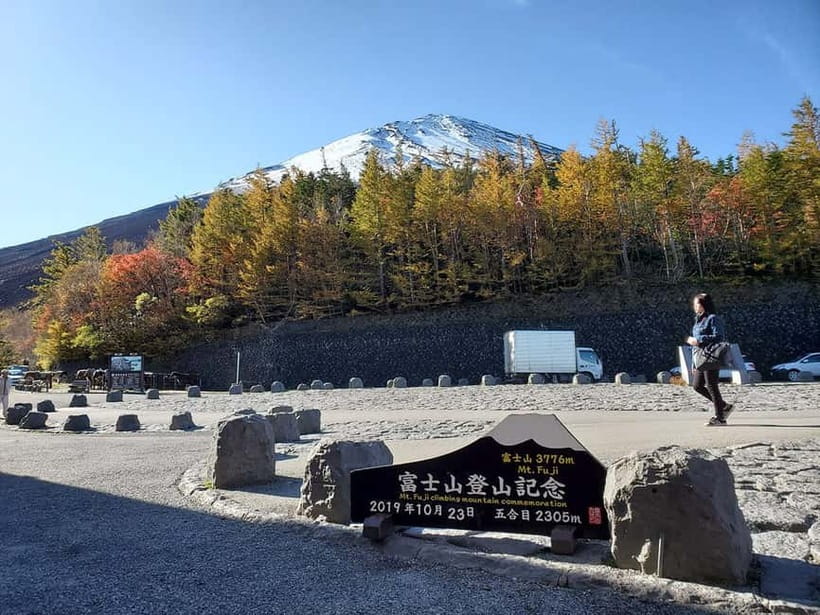
Mount Fuji is the reason people book. This tour aims at the best available “high view” moment, but it’s honest about the seasonal switch.
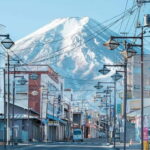
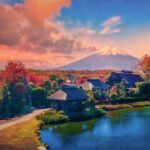
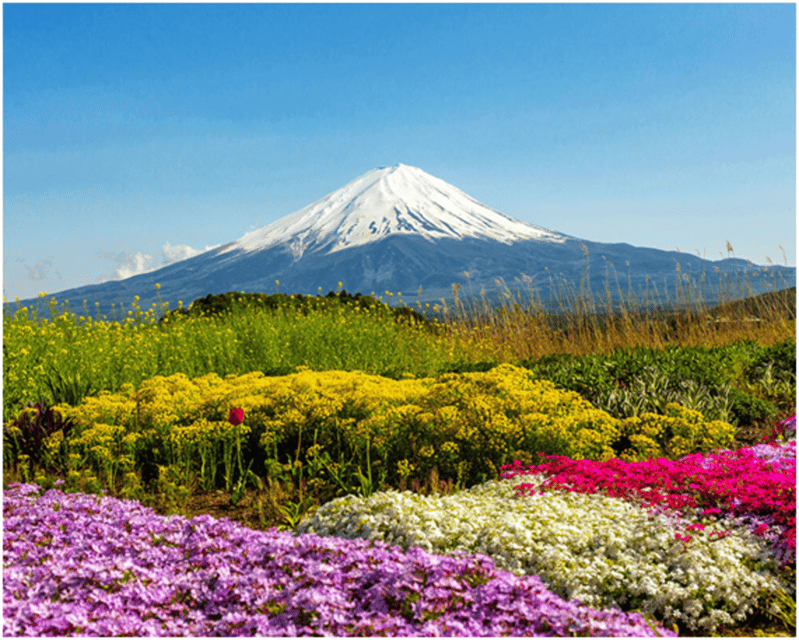
During summer and spring, you visit the Mt. Fuji 5th Station for about one hour, with a photo stop plus a visit. This is the closest you’ll get in a day trip to that dramatic “Fuji towering over everything” feeling that posters love—especially when the sky is clear and visibility is good.
In winter months (around mid-November through April of the next year), the 5th Station visit can be replaced with a trip to Oishi Park. In other words, you’re not paying for a single fixed spot that might be closed or unsafe. You’re paying for the plan to adapt, so you still get a chance at Fuji views even when conditions make the higher station unrealistic.
Weather is the big variable. If cloud cover rolls in, even the best viewpoint can look flat. Still, I like this tour’s approach because it doesn’t pretend the mountain is predictable. The guide’s job is to steer you toward the best practical view for the day.
Lake Kawaguchiko: a simple matcha ceremony that’s short but satisfying
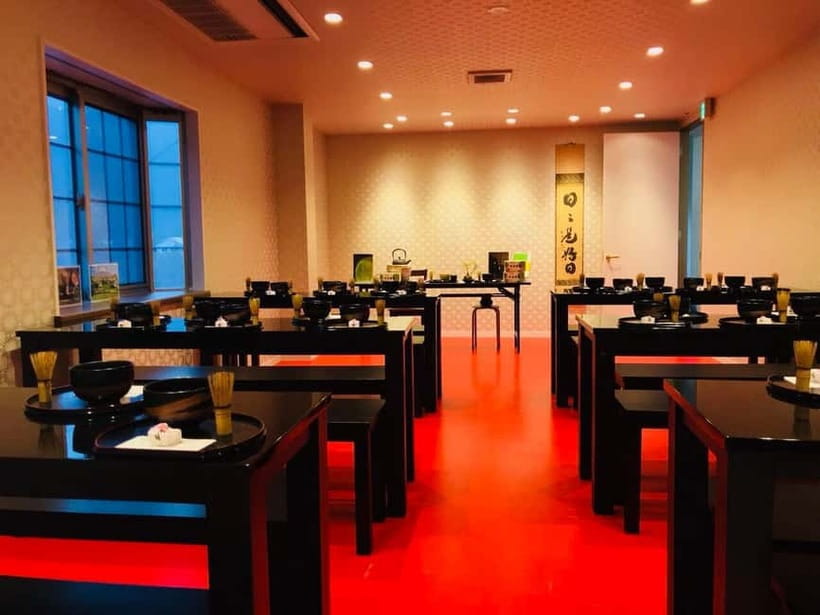
One of the smartest parts of the itinerary is Lake Kawaguchiko, because it breaks up the day between “big photo spots.” You get a scenic stop, then a matcha experience that lasts about 30 minutes.
This isn’t a full cultural immersion day. It’s a straightforward tea ceremony where the teacher leads you through making matcha, and you’ll also get Japanese snacks. That’s the key: you’re not just watching. You’re participating, and you’re eating something local along the way.
For your day-trip brain, 30 minutes is the sweet spot. Long enough to feel real, short enough that it doesn’t steal the rest of your itinerary. If you’re the type who gets tired of “photo-stop-only” tours, this is your reset moment.
Practical tip: treat it like a small break in a travel day. Use it to slow down, hydrate if you can, and get your energy back before you move again.
Oshino Hakkai: eight ponds, calmer pacing, and easy photo angles
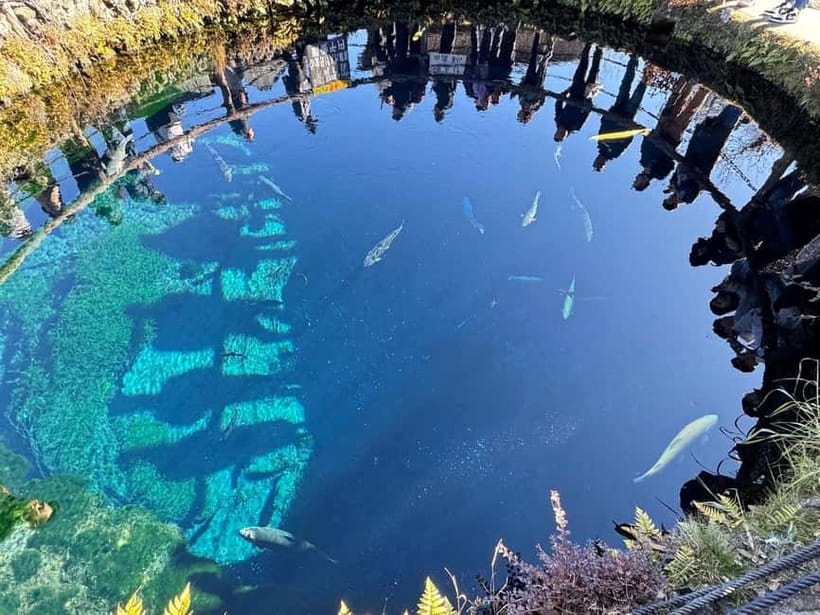
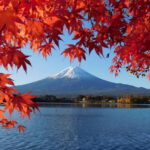
After Kawaguchiko, the tour heads to Oshino Hakkai, known for its collection of eight ponds formed by melted waters linked to Mount Fuji. You get about one hour here, including a photo stop, plus sightseeing time.
What I like about Oshino Hakkai is that it feels more “meandering” than the higher-energy spots. You’re not constantly looking up at a single viewpoint. You can wander, find angles, and enjoy the pond reflections when the conditions cooperate.
This stop also helps your overall Fuji story make more sense. Mount Fuji isn’t just a mountain you see once; it’s part of a water system that shapes the area. Even if you only catch small details, the ponds give you something tangible and scenic beyond the typical skyline shots.
If you’re prone to rushing, set a gentle pace here. One hour is enough to enjoy it without feeling like you’re being dragged from one corner to another, as long as you don’t spend all your time hopping between the closest stalls.
Hikawa Clock Shop and the Arakura Fuji Sengen Shrine walk: views with a price in steps
The later part of the tour gets more “viewpoint and photos.” You’ll have a photo stop and sightseeing near the Hikawa Clock Shop (about 10 minutes on this schedule). It’s a short stop, so approach it like a quick break rather than a destination that needs lingering.
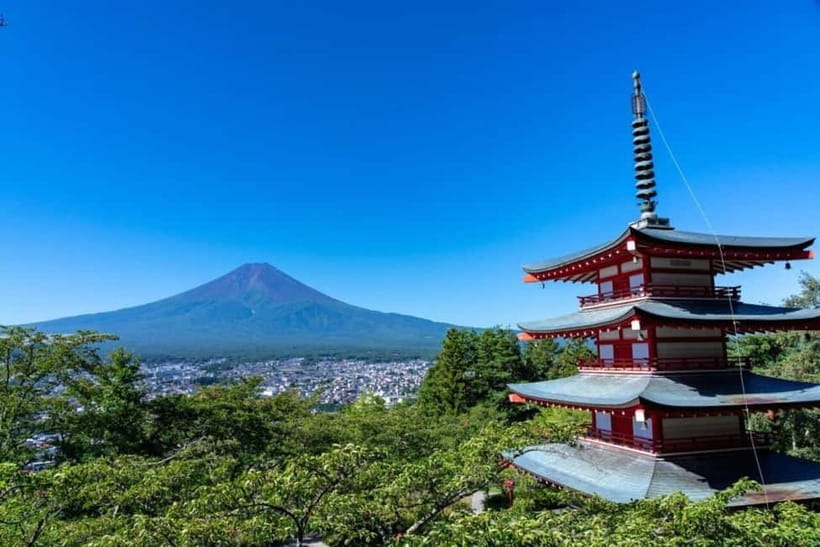
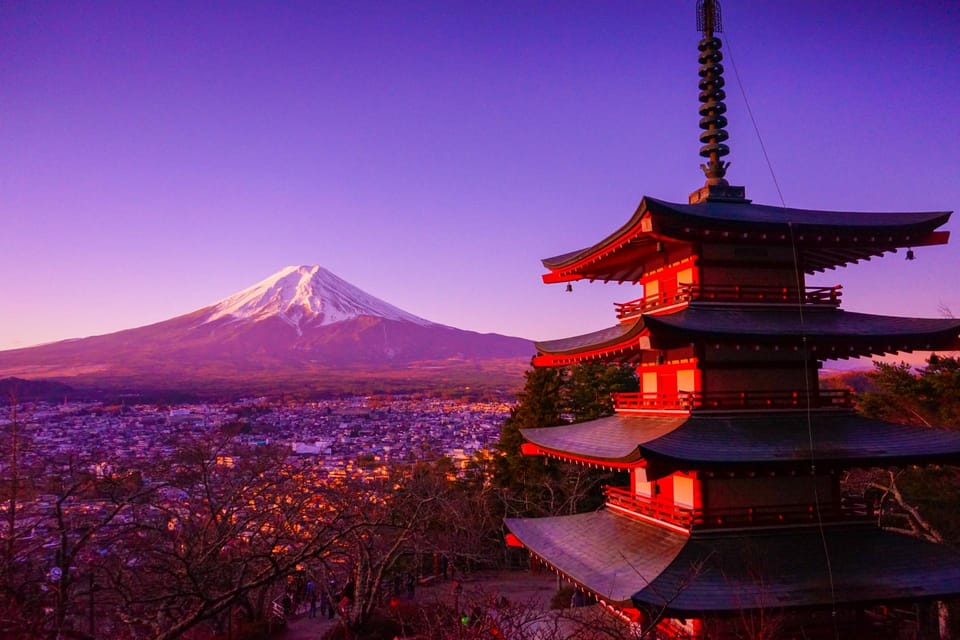
Then comes the part that you should plan for: Arakura Fuji Sengen Shrine. You’ll do a guided tour and sightseeing here, with about 40 minutes listed for the shrine area visit. But the important detail is the walking time: you’ll need to walk for about 25 minutes from the shopping street to the shrine viewpoint.
That walk is your main “effort tax” of the day. If you’re comfortable walking for 20-plus minutes, you’ll likely find it manageable. If you’re not, consider bringing supportive shoes and pacing yourself. The view is often the payoff, but the body has to do its part first.
Also note the tour highlight references Shinkura Fuji Asama Shrine as one of the best view spots. The itinerary includes Arakura Fuji Sengen Shrine, which suggests the day is aimed at the famous viewpoint area around the Arakura complex. Either way, you’re being directed toward a classic Mount Fuji panorama spot—just be ready for the route on foot.

Price and value: what $51 includes, and what you still need to budget
At around $51 per person for a full-day guided bus tour, the value comes down to what’s included versus what’s missing.
Included:
- English and Mandarin-speaking guide
- Transportation by bus
- The guided stops (with the time the itinerary gives you at each location)
Not included:
- Hotel pickup and drop-off
- Lunch
- Attraction entrance fees
- Personal expenses
That means you should budget for food on your own and be ready that some places may cost extra depending on what’s required on the day. Because lunch isn’t included, I recommend planning a snack strategy: carry something simple if allowed by your comfort level, especially on winter mornings when you might feel the cold while waiting.
Is the price cheap? On paper, it’s a reasonable cost for a one-day Fuji route with a bilingual guide. The bigger question is whether you want this level of structure. If you’d rather move at your own pace, you might spend more time and planning doing it independently. If you want an “arrive, see the key spots, and don’t worry about routing,” this kind of guided day trip is a solid bargain.
Who this tour fits best (and who should skip it)
This is built for travelers who want a well-paced overview of the Mount Fuji area without the stress of organizing buses and transfers. I think it’s a strong match if you:
- are short on time in Tokyo,
- want major sights with guided context,
- like having photo stops built into the schedule,
- and can handle a full day with some walking.
It’s less ideal if you:
- need a fully low-walking day (the shrine access includes a longer walk),
- have mobility limitations or stamina concerns,
- are bringing an infant (babies under 1 year aren’t suitable),
- or are over 75 (the tour lists people over 75 as not suitable).
One more note: the info states the tour is wheelchair accessible, but it also lists wheelchair users as not suitable. If you’re using a wheelchair or need mobility support, you’ll want to confirm directly with the provider before booking so you understand the real walking and any step requirements at viewpoints.
Simple tips to make the day feel smooth
This tour runs on timing, so small choices help a lot.
- Wear walking shoes. That 25-minute walk to the shrine is the day’s biggest physical challenge.
- Dress in layers. Mountain weather changes fast, even when Tokyo feels mild.
- Bring a light snack plan. Lunch isn’t included, and you’ll likely want something between long bus legs.
- Use the guide for photo timing. The guide’s job includes steering the group through time windows and weather reality.
- Don’t plan extra add-ons the same day. The tour ends back at Tokyo Mode Gakuen after a bus ride (about 2 hours), so keep your evening open.
If you want the best chance at Fuji views, keep your mind flexible. Clear sky is great, but if it’s cloudy, you can still enjoy the ponds, shrines, and tea break just by staying present in each stop.
Should you book this Mount Fuji day tour?
If you want the highlights of the Fuji region in one efficient day, this tour is a good fit. The guide plus bus setup is the big value driver, and the itinerary includes more than just standing for photos—especially with the matcha-making stop and the Oshino Hakkai ponds.
I’d book if you can handle a full day and you’re okay with the fact that Mount Fuji 5th Station may be swapped for Oishi Park depending on season and conditions. I’d think twice if you’re very sensitive to walking or you need a low-effort day, because the shrine route includes a meaningful walk.
Bottom line: this is a practical “get the Fuji story” day trip. If you’re there for one main view day and you want it organized for you, it’s an easy yes.
FAQ
What time does the tour meet and depart?
You meet at 7:50 and depart at 8:10 from Tokyo Mode Gakuen.
Where is the meeting point?
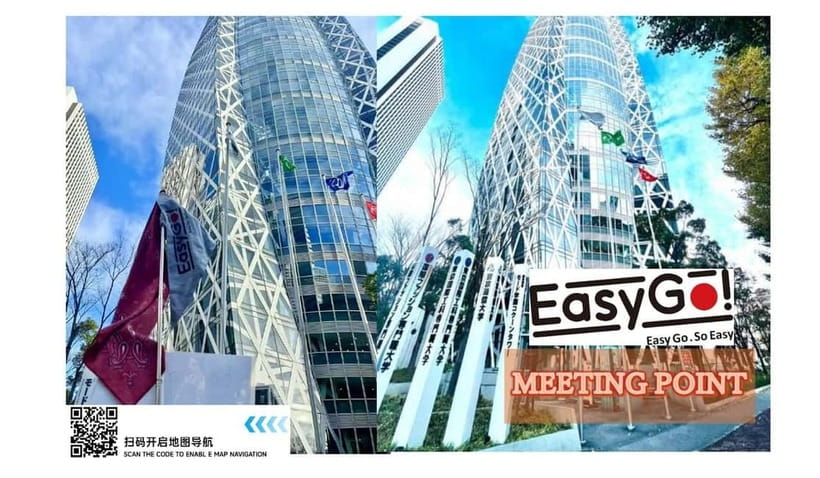
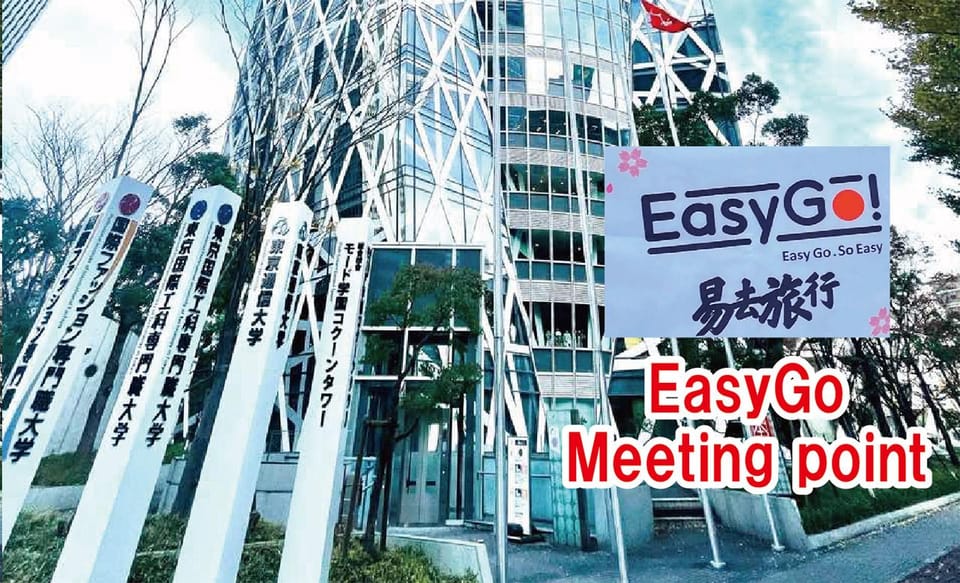
The meeting point is at Tokyo Mode Gakuen. You should find the guide holding an EASYGO flag.
Do you get hotel pickup or drop-off?
No. Hotel pickup and drop-off are not included.
Is lunch included?
No. Lunch is not included.
How long is the matcha experience at Lake Kawaguchiko?
The tea ceremony/matcha experience includes about 30 minutes on-site.
When do you visit the Mt. Fuji 5th Station?
The tour visits the Mt. Fuji 5th Station during summer and spring. In winter (around mid-November to April), it can be replaced with Oishi Park.
Are there entrance fees included?
No. Attraction entrance fees are not included.
What languages are spoken on the tour?
The guide speaks English and Mandarin (Chinese). Other languages aren’t supported.
Is the tour wheelchair friendly?
The info includes wheelchair accessible, but it also lists wheelchair users as not suitable. If you rely on a wheelchair, you should confirm details with the provider before booking.