REVIEW · FUJIKAWAGUCHIKO MACHI
Mt Fuji Area: In-depth Guided Adventure in English or French
Book on Viator →Operated by NaturaBase · Bookable on Viator
Kayak past Mt Fuji, then wander lava forest. This private 5-hour outing around Fujikawaguchiko is built for real views and real pacing: I like the hotel pickup that cuts the stress, and I like the small private group up to 8 that lets your guide steer the day. The only real heads-up is weather—this experience needs good conditions, so you’ll want a flexible plan.
You’ll meet at 4010 Funatsu in Fujikawaguchiko, start at 10:00 am, and end either at Kawaguchiko Station or back at your local Kawaguchiko hotel. The guide plans the whole sequence and you won’t split up, which is exactly what you want if your goal is Mt Fuji plus a forest that feels far from tourist loops.
In This Review
- Key points that make this Mt Fuji tour work
- Why Fujikawaguchiko is a smart home base for Mt Fuji views
- Meeting point, timing, and what private really means here
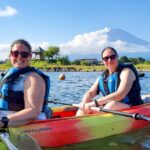
- Stop 1: Lake Kawaguchiko kayaking with on-water Mt Fuji ecology
- Stop 2: Saiko Iyashi no Sato Nemba and artisan craft time
- Stop 3: Aokigahara Forest—lava origins, caves, and a quieter pace
- Price and value: what you’re paying for (and why it can be worth it)
- Who should book this Mt Fuji area adventure
- Should you book this tour?
- FAQ
- What’s included in the tour?
- How long is the tour?
- Is this a private tour?
- What are the main stops?
- What time does the tour start, and where do we meet?
- What happens if the weather is bad?
Key points that make this Mt Fuji tour work
- Private guide, up to 8 people: you get personal attention instead of rushing with a crowd
- Hotel pickup and easy drop-off options: start from 4010 Funatsu and finish at Kawaguchiko Station or your hotel
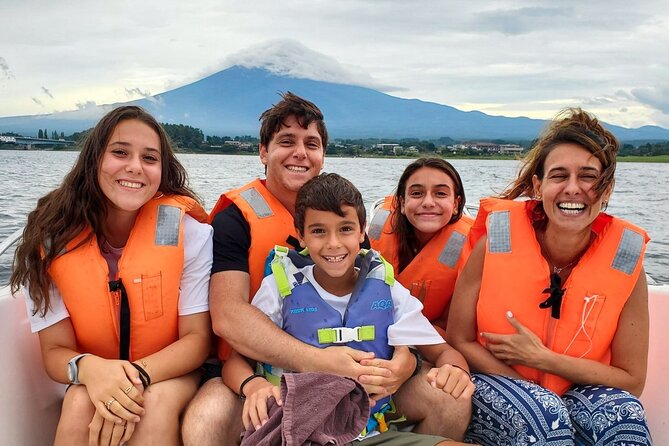
- Lake Kawaguchiko kayaking: 2 hours on the water with local commentary about Mt Fuji’s ecosystem
- Saiko Iyashi no Sato Nemba village stop: thatched-roof scenery and artisan craft time with Mt Fuji in the frame
- Aokigahara Forest walk: lava-based terrain, caves tied to an eruption about 800 years ago, and a guide who sets the tone
- No lunch included: you’ll likely want to plan snacks, since lunch is not part of the package
Why Fujikawaguchiko is a smart home base for Mt Fuji views
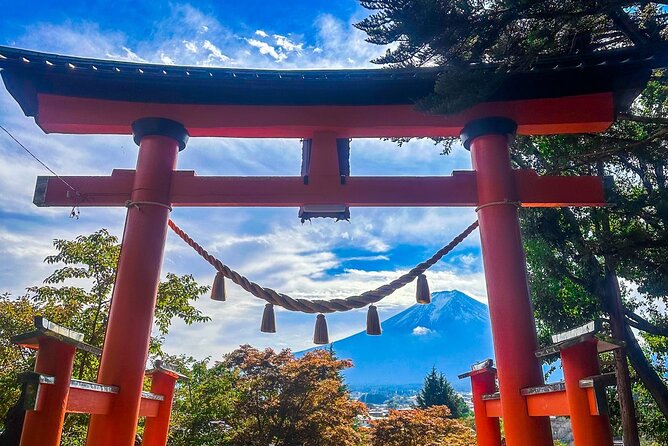
Fujikawaguchiko is one of those areas where you can see Mt Fuji without feeling trapped in the same single-photo routine. This tour leans into that. Instead of only standing at one overlook, it strings together three very different environments: open water, a preserved-looking village, and a forest that grew on lava.
That mix matters because Mt Fuji changes the whole mood. On the lake, you’re dealing with reflections and wind. In a village like Saiko Iyashi no Sato Nemba, you get the calm of slow walking and craft displays. Then Aokigahara Forest brings the darker, stranger side of the mountain—trees and rock shaped by volcanic history.
I also like that the schedule is tight enough to feel focused (about 5 hours including travel time), but not so frantic that you can’t slow down. In the feedback for guides associated with this operator, people highlight how guides adjust to weather and keep the day paced. Names that come up include Grahame and Kato, and the common theme is thoughtful, calm hosting rather than marching-you-through-it.
You can also read our reviews of more guided tours in Fujikawaguchiko machi

Meeting point, timing, and what private really means here
This is a true private tour: only your group goes with the guide. That sounds like marketing, but in practice it changes everything—especially in a place where weather can shift fast. With a private setup, you’re not stuck waiting for the slowest person in a big bus group. The guide can adjust the day to keep the best experience possible.
Here are the practical nuts and bolts:
- Start time: 10:00 am
- Meeting point: 4010 Funatsu, Fujikawaguchiko
- End location: Kawaguchiko Station or your Kawaguchiko hotel
- Language options: guided in English or French
- Mobile ticket: provided
- Group behavior: you follow the chosen itinerary; splitting up isn’t allowed
The tour runs about 5 hours total, and that includes travel time. So if you’re planning other stops on the same day, treat this like your anchor activity—not a quick add-on.
The other practical side: lunch is not included. That’s normal for guided excursions in Japan, but it does affect how you should plan your day. If you have low patience for waiting around, bring a small snack so you’re not hunting for food mid-route.
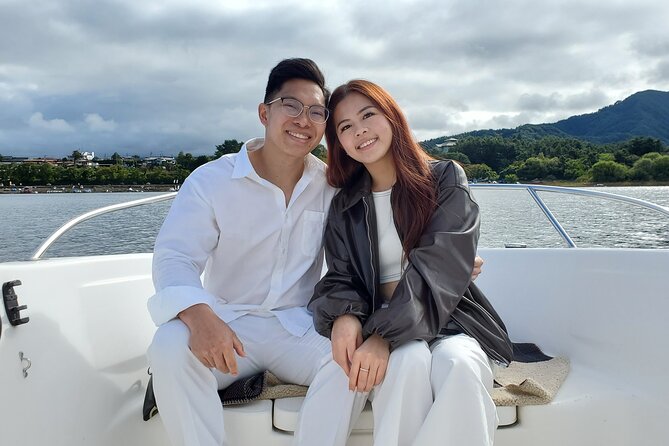
Stop 1: Lake Kawaguchiko kayaking with on-water Mt Fuji ecology
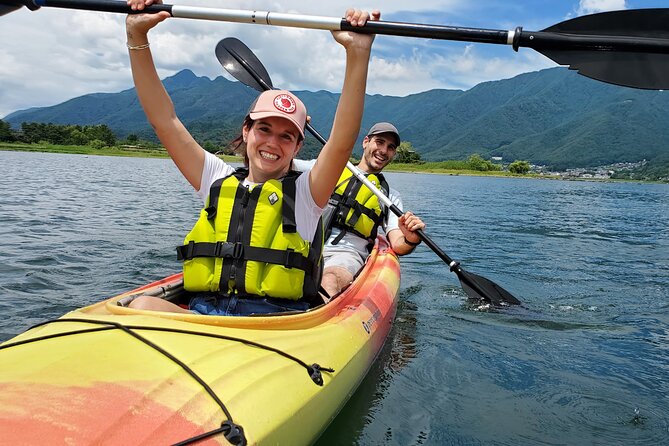
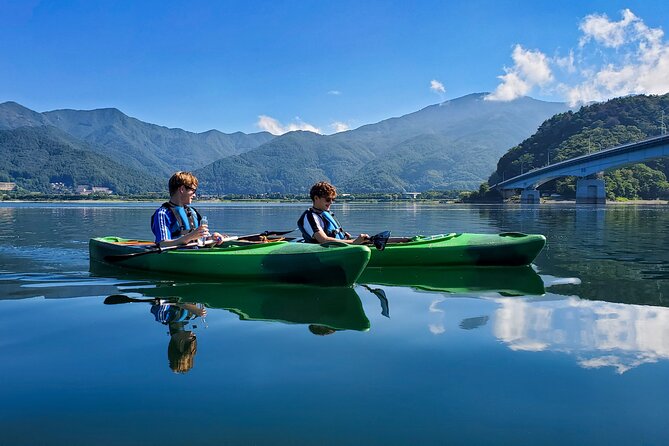
The day’s energy starts on Lake Kawaguchiko. You get about 2 hours on the water, and that time is more than just paddling around. The guide shares insights about the local area and the ecological features connected with Mt Fuji—exactly the kind of context you miss when you only look at a photo from shore.
Kayaking also gives you a different angle on Mt Fuji. From the lake, you get a sense of scale: the mountain doesn’t feel like a distant backdrop; it feels close enough to be part of the air you’re breathing. And the water surface can make Mt Fuji look sharp and symmetrical—or softened by haze and movement. Either way, it’s engaging.
One detail that helps your budgeting: the kayak tour fee is included. Bottled water is included too, and it lists water as free as part of the tour. Since you’ll be out for part of the day actively moving, that kind of built-in refreshment is a real time-saver.
The possible drawback is also linked to the setting: wind and conditions matter on lakes. The operator notes that the experience requires good weather. If the forecast looks rough, I’d plan a backup day in your itinerary so one cancellation or shift doesn’t derail your Mt Fuji goals.
Stop 2: Saiko Iyashi no Sato Nemba and artisan craft time
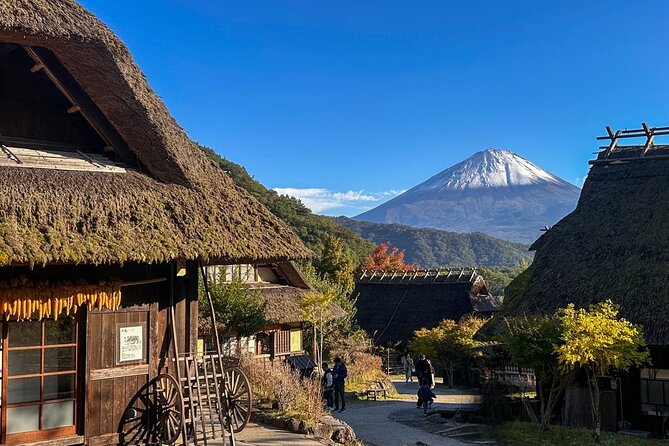
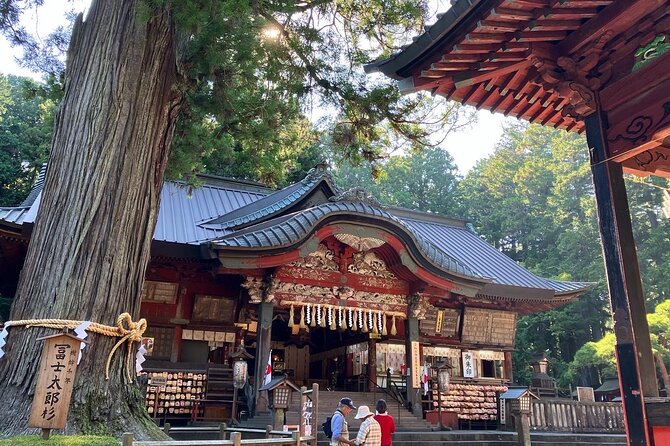
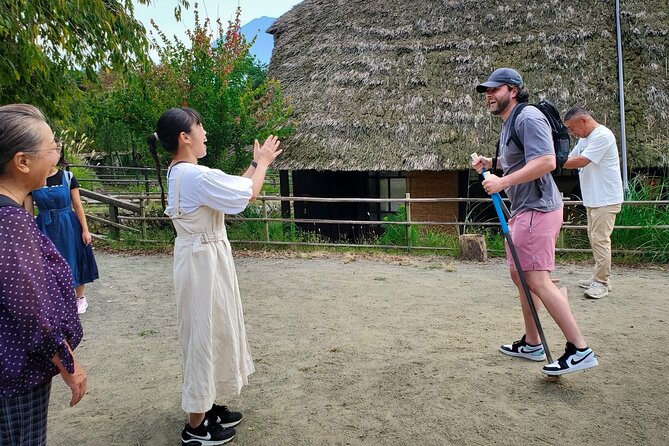
Next you move to Saiko Iyashi no Sato Nemba, a village known for thatched-roof houses and the feeling of stepping into another era. You’ll spend about 1 hour 30 minutes here, and the time isn’t just for photos.
This stop is valuable because it’s hands-on with culture. You’ll meander through the village, and there are artisan crafts on display that give you something to look at beyond buildings. It’s also an easy rhythm to enjoy after kayaking—you’re walking, browsing, and letting your eyes adjust.
The time window is also realistic. At 1.5 hours, you can appreciate the thatched-roof architecture, take your photos, and still have time to slow down if you see something you actually want to buy or learn about. The ticket for this stop is included.
If you’re the type who hates forced shopping stops, you’ll probably like this format better. It reads more like exploration plus craftsmanship, not a checklist.
Wear-wise, it’s a village walk. If your shoes are already tired from earlier sightseeing, this isn’t the moment to test brand-new sneakers. Comfortable walking shoes will save you from the end-of-day stomp.
Stop 3: Aokigahara Forest—lava origins, caves, and a quieter pace
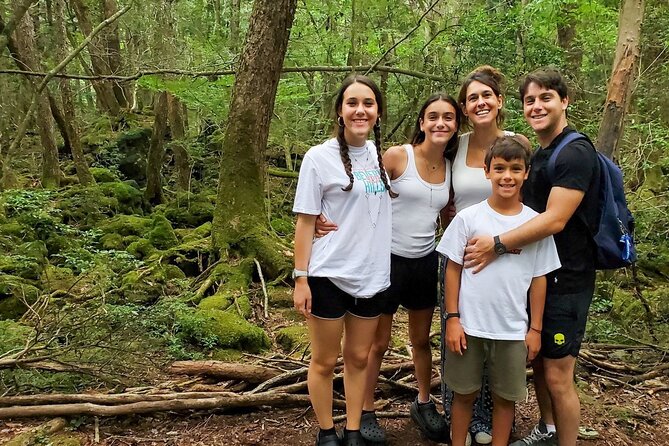
After the village, you head into Aokigahara Forest, where the setting shifts from human-made charm to geology. You’ll have about 1 hour 30 minutes here, and the guide talks you through what makes the forest unusual.
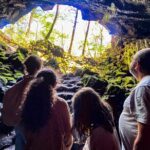
The big theme: this forest grew on lava. That means the ground and rock feel different underfoot, and the terrain creates shapes and pockets that make the forest feel like it has its own rules. The tour also points out caves created by an eruption of Mt Fuji roughly 800 years ago—a history you can’t really get from a simple drive-by.
This stop works best when you’re in “quiet curiosity” mode. You’re not just ticking off another sight; you’re letting the forest design set the pace. When the guide is doing their job well, you’ll hear the explanation in a way that makes the walking make sense instead of feeling like random trivia.
The admission for this stop is included. Like the other two areas, the guide’s presence matters because Aokigahara can feel confusing on your own—especially if you’re trying to understand why certain paths, rock shapes, or cave-like areas exist.
As with the lake, conditions affect comfort. If it’s wet or chilly, you’ll want layers and shoes that handle uneven ground.

Price and value: what you’re paying for (and why it can be worth it)
The price is $395.33 per group (up to 8 people). That’s not cheap in the way a single bus ticket is cheap. But it’s also not just buying a ticket. You’re paying for:
- A private guide for the full 5 hours (including travel time)
- Hotel pickup and drop-off flexibility
- Kayak tour fee included
- Village and forest admissions included
- Bottled water / free water included
So the real question is whether you’d rather spend money on a private experience in one tight day, or spend more time juggling separate tickets and transit. If you’re traveling with family, friends, or anyone who hates wasting time, private often wins.
Also consider timing. This tour is typically booked around 71 days in advance, which tells you there’s demand for this exact combination of activities and pacing. If you want a specific date, don’t wait until the last minute.
One cost factor you should plan for: lunch is not included. That’s where your day can either stay smooth or get annoying, depending on your hunger level and your ability to find food nearby without disrupting the tour flow.
Who should book this Mt Fuji area adventure
Book it if you want:
- A private, guided day that blends water, culture, and forest
- A guide who pays attention to the weather and pace
- A Mt Fuji experience that goes past the usual one-stop photo moment
It’s also a good fit if you’re in Fujikawaguchiko for a short stay and you want one well-managed plan. This tour is near public transportation and lists that most travelers can participate, so it isn’t built only for extreme athletes. Still, it includes an active kayaking portion and outdoor walking in a forest, so go in with reasonable comfort outdoors.
If you hate being on a tight schedule, the good news is that the tour is paced around your day. The potential downside is that you can’t split activities, so you’ll need to accept the full sequence as planned.
Should you book this tour?
I’d book it if Mt Fuji is the star of your trip and you want a day that feels intentional: kayaking on Lake Kawaguchiko, a real village stop at Saiko Iyashi no Sato Nemba, then the volcanic, quieter side of Aokigahara.
I’d think twice if your schedule is rigid and you hate weather risk. Since the experience requires good conditions, keep a flexible day in your pocket. If you can do that, this private setup gives you more than the standard checklist tour: it gives you context, pacing, and a guided way to see Mt Fuji’s region as a living place.
FAQ
What’s included in the tour?
The tour includes the kayak tour fee, bottled water (and free water), and admission tickets for the village and the forest. Lunch is not included.
How long is the tour?
It’s about 5 hours total, and the duration includes travel time.
Is this a private tour?
Yes. It’s private, and only your group participates (up to 8 people).
What are the main stops?
You’ll visit Lake Kawaguchiko (for kayaking), Saiko Iyashi no Sato Nemba, and Aokigahara Forest.
What time does the tour start, and where do we meet?
The tour starts at 10:00 am. The meeting point is 4010 Funatsu, Fujikawaguchiko, and the tour ends at Kawaguchiko Station or at your Kawaguchiko hotel.
What happens if the weather is bad?
The experience requires good weather. If it’s canceled due to poor weather, you’ll be offered a different date or a full refund. You can cancel for a full refund up to 24 hours before the experience’s start time.