REVIEW · ODAWARA
Odawara: Guided Ninja & Samurai Tour of Odawara Castle
Book on GetYourGuide →Operated by Odawara Tourism Association · Bookable on GetYourGuide
A ninja tour that happens in real castle space. You’ll walk Odawara Castle Park, meet the samurai world at the museum stops, then finish with a hands-on ninja workshop led by experts. It’s part history tour, part practice session, and the mix is what makes it fun.
I really like how tangible the experience feels. You get to see authentic samurai armor and helmets up close, and the ninja training includes real tools and technique practice rather than only watching.
One thing to consider: there’s no food or drinks included. The activity is 150 minutes of walking plus training, so you’ll want to plan a snack break or bring water nearby.
In This Review
- Key things to know before you go
- Starting at Odawara Castle Ninja Centre: where the tour begins
- Walking Odawara Castle Park and the Hojo clan connection
- Tokiwa Kimon Samurai Center: armor you can actually look at
- Samurai tour stops that make the walking worth it
- Ninja Museum workshop after hours: training in the right setting
- The ninja training: breath, meditation, movement, and weapons practice
- Real guide names and why it matters for your day
- Price and value at about $116 for 150 minutes
- Timing: how to plan Odawara as a day trip
- Who this Odawara ninja and samurai tour is best for
- Rainy day durability and class energy
- Should you book this Odawara Guided Ninja & Samurai Tour?
Key things to know before you go
- Hands-on ninja training after regular hours, with ninja attire provided
- Real samurai armor and swords at the Samurai Museum stop
- Hojo clan stories tied to the castle keep and the Sengoku period
- Expert guidance in English, with named guides like Jeff and Naoya showing up in the experience
- Expect an active class with breathing, meditation, movement, shuriken practice, and iconic hand gestures
Starting at Odawara Castle Ninja Centre: where the tour begins
The tour meets at the entrance of the Odawara Castle Ninja Centre (the Ninja Museum). That’s a nice setup because you start right at the action—not out in a street somewhere guessing where things are.
From there, you walk as a group through the park area with an English live guide. In multiple passes of this experience, guides like Jeff and Naoya are described as friendly and quick to explain what you’re seeing, which matters because Odawara can feel a bit calmer than the big Tokyo crowds. You’ll get your bearings fast, then the story connects to real places.
Walking Odawara Castle Park and the Hojo clan connection

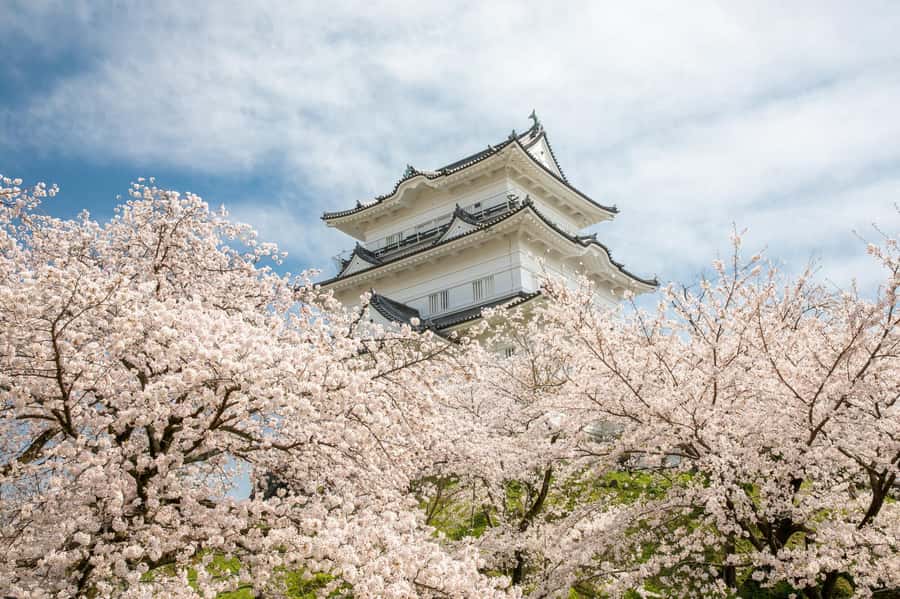
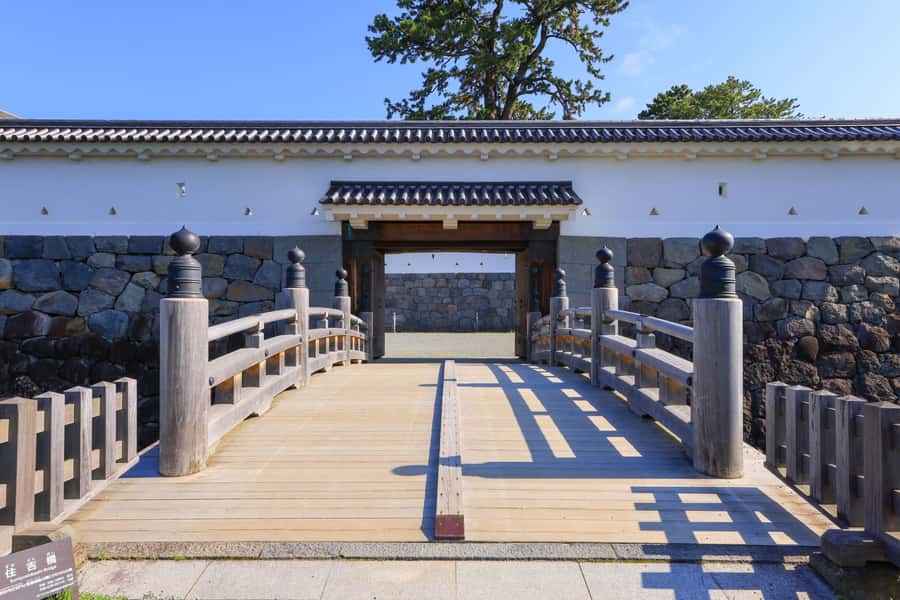
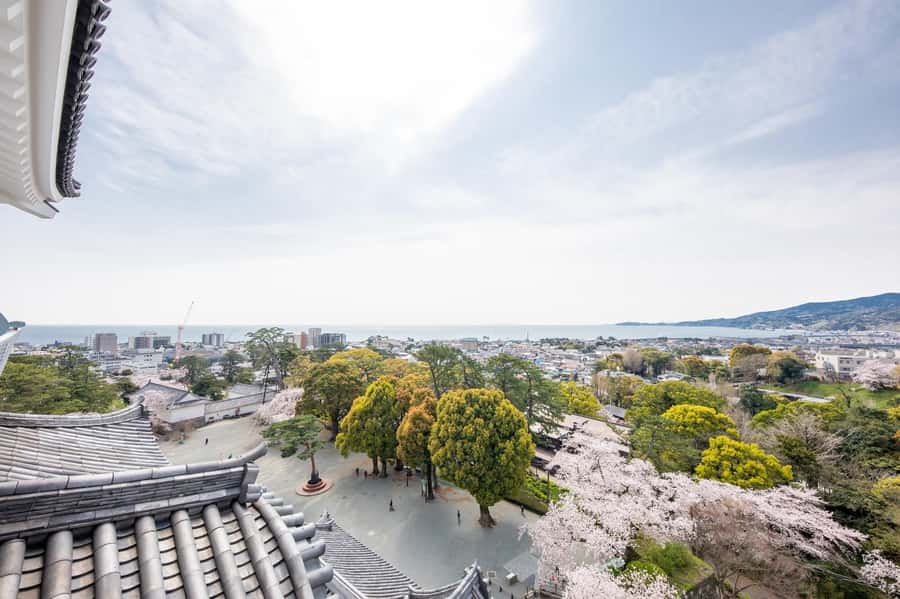
Odawara Castle Park is the stage for the main atmosphere of this tour. You’re not just taking photos. You’re moving along the grounds while the guide connects what you see to feudal Japan—especially the Hojo clan.
The centerpiece is the Castle Main Keep area. This is where you’ll hear the background of the Hojo clan ruling the region for five generations during the Sengoku period. That detail is more than trivia. It gives you a reason to pay attention to the layout and the fortress feel, because it’s describing how power actually worked in that era: control of territory, strongholds, and the constant pressure of the period.
If you’re visiting around seasonal blossom time, the park mood adds another layer. The grounds can feel like a living stage—walking through it makes the “ninjas and samurai” theme feel less like a costume concept and more like a place where people really lived.
Tokiwa Kimon Samurai Center: armor you can actually look at
Before the ninja training, you visit the Samurai Museum (listed as the Samurai Museum and also connected with the Tokiwa Kimon Samurai Center stop). This part is important because it grounds the whole theme.
Instead of the usual generic souvenir-shop “samurai,” you’re looking at authentic samurai artifacts: armor, helmets, and swords. Seeing the gear in person changes the way you imagine the stories. Armor is bulky in a way that photos can hide, and helmets and sword forms look different when you’re standing close enough to notice shape and structure.
The guide also frames what these items meant culturally—what role they played and why they mattered in daily warrior life. It’s the kind of museum stop that helps you connect the training you’ll do later with the real context of conflict and discipline in feudal Japan.
Samurai tour stops that make the walking worth it
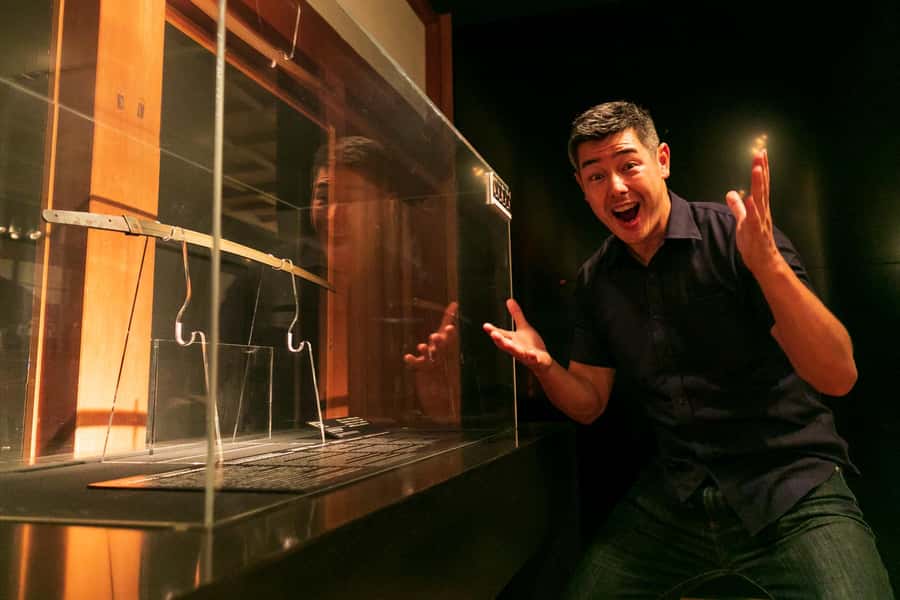
This experience is built around walking segments in and around the castle area, plus guided time at the museum sites. That’s a good format for most people, because you’re not stuck in one room for 90 minutes straight.
The trade-off is simple: you’re on your feet. The walking time is broken into chunks, and you’re grouped with the guide so it’s not stressful. Still, if you’re planning a very packed day, you’ll want to treat this as a real activity block, not something to squeeze in between shopping.
Also, the route is paced well for families. In one account, the ninja trainer was described as patient and kind while participants fumbled through weapon practice—so even if your coordination is less than stellar, you’ll still get through it with encouragement.
Ninja Museum workshop after hours: training in the right setting
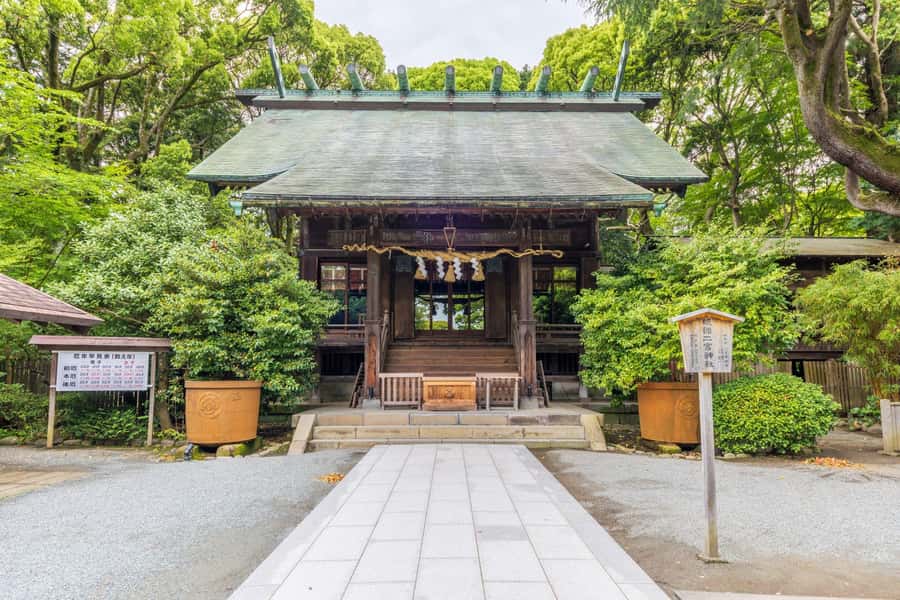
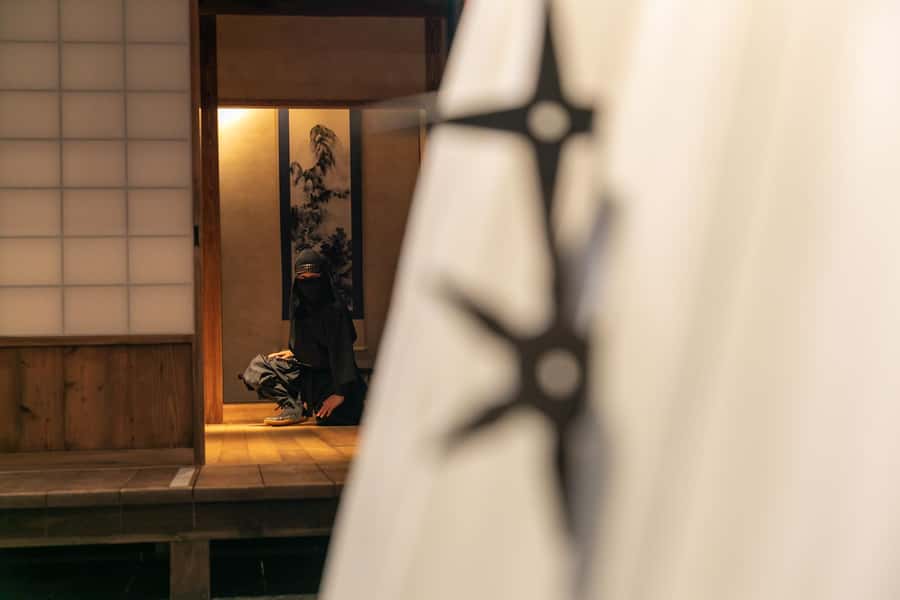
The best part for many people is the Ninja Museum workshop at the Odawara Castle Ninja Centre after regular hours. That “after closing” detail matters. You’re not sharing the space with a line of casual passersby. The environment feels more like a class and less like a stop-and-go attraction.
You also skip the ticket line. That’s a small detail, but it helps keep the energy up right from the start, especially if you’re visiting on a busy day or you don’t want to spend your limited time in Japan queueing.
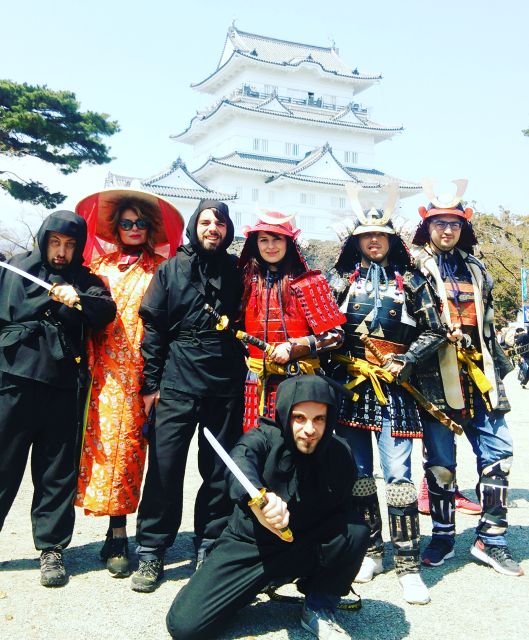
Once you enter the workshop space, the pacing shifts from sightseeing to practice. You’ll be given ninja attire for the training workshop, and that changes the mood immediately. The class becomes a shared activity where everyone is doing the same steps.
The ninja training: breath, meditation, movement, and weapons practice
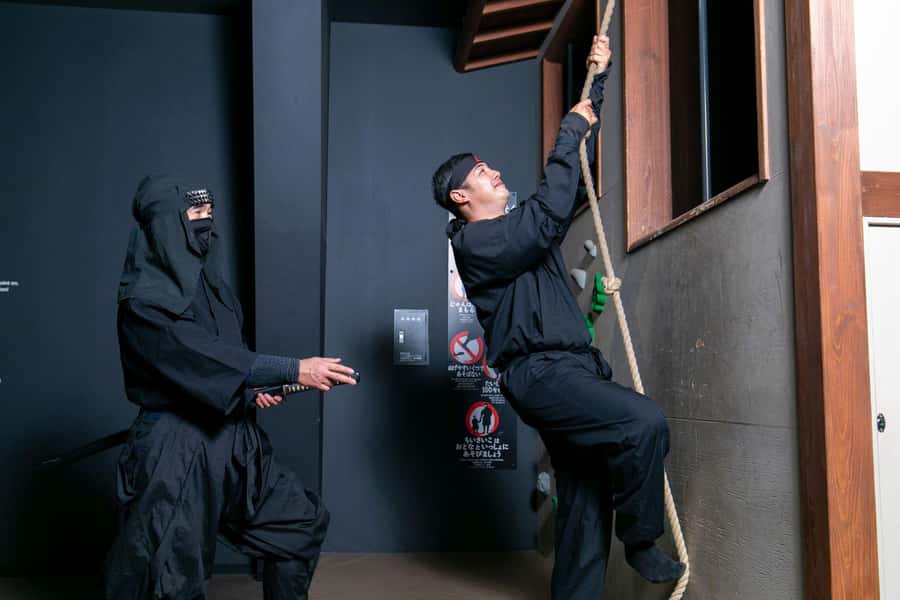
The workshop is hands-on and structured. You’ll learn fundamental techniques tied to ninja practice, including breathing, meditation, and movement. This isn’t presented like “magic ninja powers.” It’s taught as basics—how to control your body and your focus.
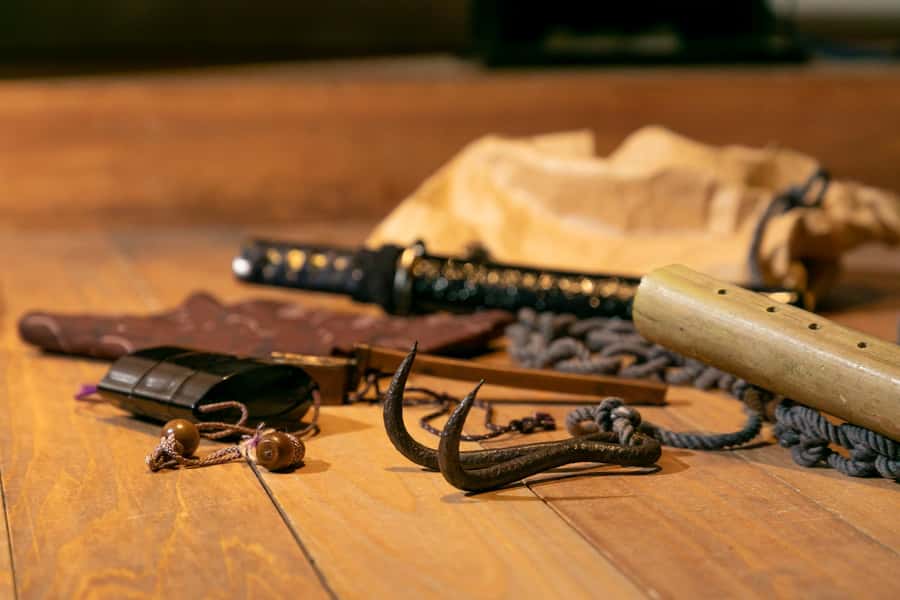
Then comes the fun part: practice with ninja tools and weapons. You’ll work with items such as shuriken and sword, and in multiple accounts people mention blowing darts and throwing ninja stars at targets. That’s a big reason the tour gets strong marks: you’re not only learning hand gestures. You’re applying skills under guidance.
The training culminates with the iconic ninja hand gestures. If you’re the kind of traveler who loves anime-inspired traditions, this is where it stops being a theme and becomes a real technique lesson you can repeat later as a party trick.
What I think you’ll appreciate is the teacher’s approach. Across the experience, the ninja instructor is described as energetic and encouraging, with humor and patience. That combination is what makes weapon practice feel safe and approachable for kids and adults alike.
Real guide names and why it matters for your day
This type of tour can be hit or miss depending on the guide’s tone. What’s consistently praised here is the human factor: the guide and trainer don’t just recite facts—they interact.
In particular:
- Jeff is mentioned as a history-focused guide who answers questions well before the ninja training starts.
- Naoya shows up as a tour guide nickname and is also mentioned as taking photos during the experience.
- Shidou is specifically mentioned as an incredible ninja instructor who made the training feel like a highlight.
When guides are warm and helpful, the castle walking feels more meaningful, and the workshop becomes more comfortable. You’re more likely to ask questions and actually learn something you’ll remember, not just collect photos.
Price and value at about $116 for 150 minutes
At $116 per person for 150 minutes, the price is not “cheap,” but it’s also not just paying for standing in a line. You’re paying for several concrete items:
- A live English guide
- Entry tickets to the Samurai Museum
- Entry tickets to the Ninja Museum
- Ninja attire for the training workshop
The value logic is straightforward: the class portion (tools practice plus guided technique) costs real instructor time and equipment setup. The museum stops cost real admission, and you’re not on your own guessing which displays to focus on.
For day-trippers, especially if you’re coming from Tokyo, it can be a smart spend because you’re getting two themed experiences in one block—castle/feudal story context plus hands-on training—without bouncing between multiple independent tickets and unclear meeting points.
Timing: how to plan Odawara as a day trip
Odawara is conveniently located just south of Tokyo, between the Pacific Ocean and the mountains of Hakone. That positioning makes it a practical escape if you want something distinct from central Tokyo but still don’t want to commit to a full overnight.
This tour itself is 150 minutes. That’s a manageable chunk of time, but you should still plan your day so you’re not rushing the start. Start with the museum meeting point, then let the group pace carry you through the walking and workshop.
If your schedule is tight, this is the kind of activity that helps you use time well: you won’t be left with long empty gaps where you’re wondering what to do next. It moves you from castle grounds to samurai artifacts and ends with the workshop practice.
Who this Odawara ninja and samurai tour is best for
This is a good fit if you want more than a photo stop. You’ll like it if:
- You enjoy hands-on learning and short drills you can repeat later
- You’re curious about how shinobi stories connect to real Japanese history and artifacts
- You’re traveling with kids who like action, targets, and costumes
It’s also appealing for adults who are a bit more history-minded, because you’re not only doing training. You get stories about the Hojo clan and the castle keep, plus context at the Samurai Museum with authentic gear like armor and helmets.
One note: if you’re sensitive to physical activity or you prefer purely passive sightseeing, this may feel more demanding than a standard museum tour since it includes movement practice and weapon/tool handling.
Rainy day durability and class energy
This experience seems built to handle different conditions. One account specifically notes they were able to fit people in on a rainy day, which suggests the workshop and guide-led portions aren’t dependent on perfect weather.
As for vibe: the guides and ninja trainer are described as casual-but-informative and energetic. The class tone can feel a bit like a friendly performance—humor, encouragement, and lots of guidance. That matters because you’re learning coordination tasks in a group, and comfort level increases when the instructor keeps the atmosphere light.
If you want a tour that feels fun without being sloppy, this is the kind of structure that can deliver.
Should you book this Odawara Guided Ninja & Samurai Tour?
Yes, I’d book it if you want a day in Odawara that mixes real castle setting, authentic samurai artifacts, and actual practice time with ninja tools. The workshop is the main draw, and the fact that it includes fundamentals like breathing and meditation makes it feel more grounded than just entertainment.
Skip it (or look for a lighter option) if you hate active classes, don’t want any movement practice, or you’re counting on food being included—this tour doesn’t include meals, so you’ll need a plan for hydration and a snack.
If you’re doing Japan for the first time and want one experience that feels both memorable and specific to place, this is a strong pick—Odawara’s castle atmosphere plus a guided ninja workshop is a combo you won’t replicate in Tokyo.