REVIEW · TOKYO
Ginza: Traditional Musubi-Making Class with Japanese Grandma
Book on GetYourGuide →Operated by GRAN-MUSUBI · Bookable on GetYourGuide
A grandma turns lunch into a lesson. In Ginza, you learn traditional musubi techniques from an 80-year-old Japanese grandma, then you eat what you make with a full homemade teishoku meal and English support from the host (like Yuko).
I love the hands-on format: you’ll get step-by-step shaping guidance, and you’ll also learn the practical difference between musubi and onigiri before you start. I also like that the class doesn’t end at the cooking station; you sit down to a proper lunch with miso soup, salad, dessert, and a beverage.
One thing to plan around: this is a real meal, not a tiny taste. It’s not suitable for vegans or vegetarians, and it’s not for children under 6—so come ready to eat, and check diets first.
In This Review
- Key things that make this musubi class worth your time
- A rice-snack class that feels like visiting family
- The 90 minutes: what you’ll actually do
- Musubi vs onigiri: why that lesson is more than trivia
- Your hands-on musubi-making moment
- Practical tip: go slow with the rice
- The fillings: choose your combos and build your own
- The teishoku feast: why the meal is a big part of the value
- Vegan and vegetarian travelers: please check first
- Small-group energy in a 6-person class
- Price and value: is $38 actually fair?
- Who this class is best for
- When to book: fit it into your Tokyo day
- Should you book this musubi class?
- FAQ
- How much does the musubi-making class cost?
- How long is the experience?
- Is it a small group?
- What language support is provided?
- How many musubi will I make?
- What’s included with the class besides cooking?
- Who should not book this experience?
Key things that make this musubi class worth your time
- Grandma-led technique: learn the “been done for generations” method from an 80-year-old instructor.
- You make 3 musubi: not just watching—your hands shape the rice.
- Six filling choices: pick your combinations and fill your musubi your way.
- Musubi vs onigiri clarity: you’ll know what’s different before you take your first bite.
- Homemade teishoku meal included: miso soup, salad, dessert, plus a drink.
- Small group (max 6): easier pace, more personal attention with English translation support.
A rice-snack class that feels like visiting family
If you want a “Tokyo experience” that isn’t just a photo stop, this musubi class hits the sweet spot. You show up, you wash your hands, and in the span of 90 minutes you go from learning basics to making three classic Japanese musubi with your own hands.
What makes it work is the teaching style. An elderly grandma leads the process, with translation assistance so the steps land clearly in English. The result feels warm and real—like you’re getting a family recipe explained in plain terms, not a performance.
You can also read our reviews of more tours and experiences in Tokyo

The 90 minutes: what you’ll actually do
The timing matters here: 90 minutes is long enough to teach, shape, and eat, but not so long you feel stuck in a classroom. You’ll rotate through a few clear stages, with hands-on practice and plenty of time to ask questions through the translator.
First comes the setup. You’ll wash your hands, get a quick intro to musubi, and learn the difference between musubi and onigiri. That little bit of context is useful because it helps you stop treating both foods like the same thing.
Then you move into the choice phase. You’ll select from six filling options for the musubi you’ll make. After that, you’ll shape and fill three musubi with guidance right in front of you—so you’re not guessing what “good” looks like.
Finally, you eat. While you’re working on your musubi experience, the meal portion is coming. After you finish, you’ll enjoy a homemade Japanese teishoku with miso soup, salad, dessert, and a beverage.
Musubi vs onigiri: why that lesson is more than trivia
In Japan, rice snacks are everywhere, so it’s easy to blur names and shapes. This class gives you the kind of clarity that makes your future meal orders feel confident.
You’ll learn the difference between musubi and onigiri before you start shaping. That matters because it changes how you notice the foods on your next day of eating—whether you’re at a convenience store, a station shop, or a casual cafe.
Even if you already think you know, you’ll probably pick up at least one practical detail: how the food is presented, how it’s handled, or how people talk about it. In a city where menus can be fast and crowded, a small naming lesson pays off.
Your hands-on musubi-making moment
This is the part you’ll remember. Watching someone shape food is fine, but shaping it yourself is where you actually learn.
You’ll follow step-by-step instructions from the grandma while an assistant helps translate everything into English. That translation support is key, especially for technique-based cooking where a single sentence can change how you press, fold, or position the filling.
You’ll make three musubi, and the class keeps the process structured: grandma demonstrates, you try, then you adjust. The small group size (limited to 6) helps here because you’re not competing for attention.
Practical tip: go slow with the rice
Rice is forgiving, but it’s also easy to over-handle. If you rush, you can end up with musubi that feel too tight or too loose. The teaching style here pushes you toward control, not speed.





The fillings: choose your combos and build your own
The class gives you six filling options, and you choose what goes into your three musubi. That choice is part of the fun because it turns the class from one-size-fits-all into something personal.
Just as important: it helps you understand how fillings change the final bite. Even when the rice technique is the same, the flavor contrast makes each musubi feel distinct.
If you like tasting new things, treat this as your “try mode” meal. If you’re picky, pick one filling you’re curious about plus one you already trust, then see how they work together.
The teishoku feast: why the meal is a big part of the value
This class doesn’t stop at cooking. You eat a homemade Japanese teishoku that includes miso soup and salad, plus dessert and a beverage.
That sounds simple on paper, but here’s the real advantage: you get a complete lunch rhythm. You’re not standing around holding food; you sit down and eat in a way that matches how Japanese meals are actually paced.
Also, it’s a lot of food. Multiple people have warned to not eat beforehand, and I think that’s excellent advice. If you arrive already full, you’ll miss the best part—tasting the meal while the musubi experience is still fresh.
Vegan and vegetarian travelers: please check first
This class is not suitable for vegans or vegetarians based on the provided information. If your diet is plant-based, you’ll want to choose a different cooking experience rather than hope the meal can be adjusted.
Small-group energy in a 6-person class
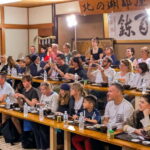
A group capped at 6 changes the feel of the whole workshop. You can see the grandma clearly, you get translation access without long waits, and you’re more likely to get help when something feels off.
It also makes the experience social in a good way. You’re not packed into a big room where everyone becomes background noise. Instead, it stays conversational and focused on what you’re doing.
The host support (English and Japanese) is there for more than translation words. It helps you understand what to aim for, which is important when you’re building a rice shape with technique.
Price and value: is $38 actually fair?
At $38 per person for 90 minutes, you might initially wonder if that’s “just a workshop.” In practice, it’s more than a demonstration because you make three musubi yourself, you eat a full homemade teishoku lunch afterward, and the class includes English translation support.
If you’ve done similar food experiences, you know the split: either you pay for cooking time, or you pay for a meal. Here you get both, with the meal included and designed as part of the experience.
So for most people, the value comes from the total package:
- Hands-on musubi making (not just watching)
- Multiple filling choices
- A full lunch you didn’t have to plan or find nearby
Who this class is best for
This experience is a strong match for travelers who want something practical and cultural at the same time. If you like learning techniques you can actually reuse later—shaping and eating the result—you’ll feel satisfied.
It’s also great for people who enjoy meeting warm hosts and getting food explained in plain, calm steps. The grandma teaching style is the heart of the experience, and the translation support helps you follow without struggling.
Families can work too, as long as the children meet the age guideline. The class is not suitable for children under 6, but kids 6 and up may be able to handle the hands-on format and the meal pace (based on the age guidance you have here).
When to book: fit it into your Tokyo day
This is a lunch-style activity. You’ll want a clear plan for timing so you don’t overlap meals. If you arrive hungry, you’ll enjoy both the making and the eating more.
It can also be a smart choice on a rainy day, since it’s indoor and structured. You’ll get something active to do, and you won’t be stuck chasing weather-proof plans.
Because the group is limited (up to 6), booking ahead makes sense when your schedule is fixed. If you’re flexible, you can wait for times that fit your sightseeing rhythm.
Should you book this musubi class?
Yes, you should book it if you want a genuinely hands-on Japanese food experience with a real payoff meal. The combination of shaping practice, learning musubi vs onigiri, and eating a homemade teishoku is strong value for the price.
Skip it if your diet doesn’t match the requirements (it’s not suitable for vegans or vegetarians), or if you’re traveling with kids under 6. Also, if you hate meals that are filling, plan to eat lightly beforehand—this is not a light snack event.
If you’re trying to understand everyday Japanese food beyond labels and photos, this class gives you the skills and the context in one sitting. You’ll leave with a full stomach and a clear idea of what you ate and why.
FAQ
How much does the musubi-making class cost?
The class costs $38 per person.
How long is the experience?
It lasts 90 minutes.
Is it a small group?
Yes. It’s limited to 6 participants.
What language support is provided?
The class is taught with English translation support, and Japanese is also used.
How many musubi will I make?
You’ll make 3 musubi.
What’s included with the class besides cooking?
You’ll get a homemade Japanese teishoku meal, including miso soup, salad, dessert, and a beverage.
Who should not book this experience?
It’s not suitable for children under 6, and it’s not suitable for vegans or vegetarians.