REVIEW · TOKYO
Tokyo: Day Trip to Kamakura in Spanish – Spanish
Book on GetYourGuide →Operated by NIPONEANDO · Bookable on GetYourGuide
Kamakura feels like a reset from Tokyo. In one full day, you’ll see old temples, ride an of-their-time tram, and get a real sense of how faith and street life overlap in Japan.
I especially like the Spanish narration—clear, story-driven, and broken into moments you can actually follow at temple pace. I also like that the route mixes big sights with the quieter parts where the legends make more sense as you walk.
One thing to plan around: transportation and temple tickets aren’t included in the listed price, so your final day cost will be a bit higher than you might expect at checkout.
In This Review
- Key highlights you’ll feel on the day
- Tokyo to Kamakura in Spanish: what the day actually delivers
- Getting to Kamakura: Tokyo Station to tram-to-temple flow
- Hase-dera Temple: myths, legends, and why you should slow down
- Kotoku-in: meeting the second-largest bronze Buddha in Japan
- The Kamakura shopping street: lunch, browsing, and local pacing
- Guides matter: what the experience feels like with real people
- Price and value: where the $86 really fits
- Logistics that affect comfort: bags, pacing, and who this works for
- A simple day-plan mindset (so you don’t feel rushed)
- Should you book this Kamakura day trip in Spanish?
- FAQ
- How long is the Kamakura day trip?
- Where do I meet for the tour?
- Where does the tour end?
- Is the tour in Spanish?
- Does the price include transportation and temple tickets?
- What temples will we visit?
- Do I need to pay for food and drinks?
- Do we use public transportation?
- Are there restrictions on luggage?
- Is this tour suitable for wheelchair users or hearing-impaired people?
Key highlights you’ll feel on the day
- Spanish-first guide experience with clear temple explanations and practical tips
- Old tram ride in Kamakura, one of Japan’s oldest tram lines still running
- Hase-dera Temple with myths and legends that reward slow wandering
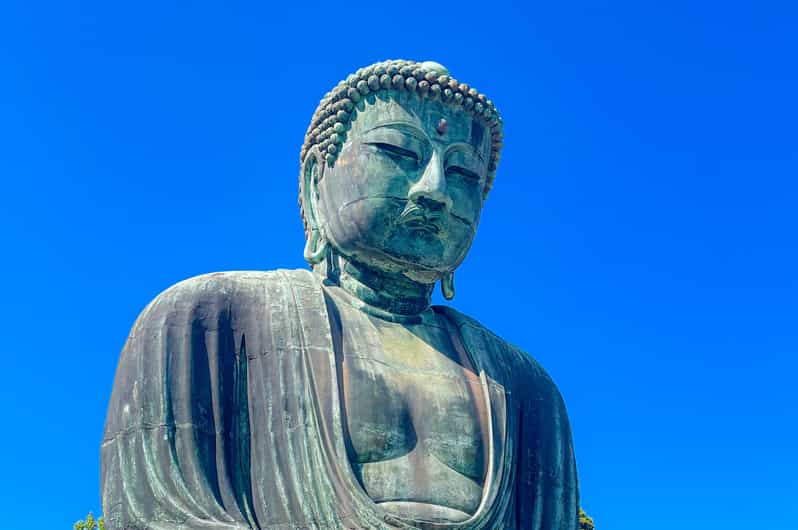
- Kotoku-in giant bronze Buddha at 13 meters and 121 tons
- Time for lunch and browsing the main shopping street for the Kamakura atmosphere
- Guides who stay friendly and personalized, like Emi, Camila, Nikita, Nerea, Paula, and Ori.n
Tokyo to Kamakura in Spanish: what the day actually delivers
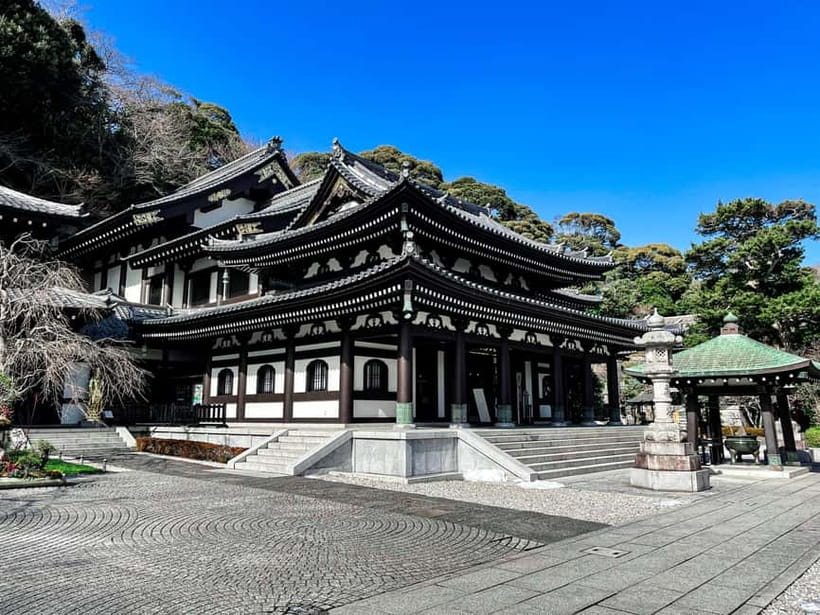
This day trip is built for people who want more than a checklist. You’re not only getting photos of temples. You’re getting context—stories, symbolism, and little “wait, that’s why” moments as you move from place to place.
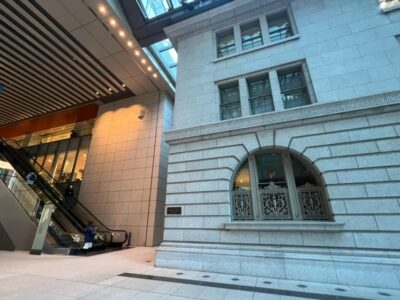
The trip starts at Tokyo Station, in a very easy-to-find spot: in front of the Tokyo Station facade, in Marunouchi Square (central exit). From there, you head to Kamakura by train, then you switch to a historic tram for the first major temple stop. It’s a nice rhythm. Train to old town. Tram to temple. Walk to Buddha. Then back to street life.
And yes, it’s specifically a tour experience in Spanish. Most of the time it’s Spanish-led throughout, but one detail you should know: at least one guide also used English when needed. So if you’re counting on Spanish 100% of the time, keep a little flexibility in your expectations.
You can also read our reviews of more tours and experiences in Tokyo


Getting to Kamakura: Tokyo Station to tram-to-temple flow
At the start, you meet at Tokyo Station’s Marunouchi area. It’s central, and it’s the kind of meeting point that keeps your morning stress low. No hunting, no complicated station puzzles.
Transportation isn’t included in the base price. You’ll pay public transport costs (listed as ¥2,300). That matters because it’s one more line item, and it affects how you judge value. Still, the trade-off is that you’re using real public transit rather than some private logistics bubble, which tends to feel more “Japan” and less “tour bus.”
Once you reach Kamakura, you take one of the oldest trams still in operation in Japan. That tram ride isn’t just a transfer. It’s part of the experience—your first hint that Kamakura still moves at a slower, more local tempo.
Hase-dera Temple: myths, legends, and why you should slow down
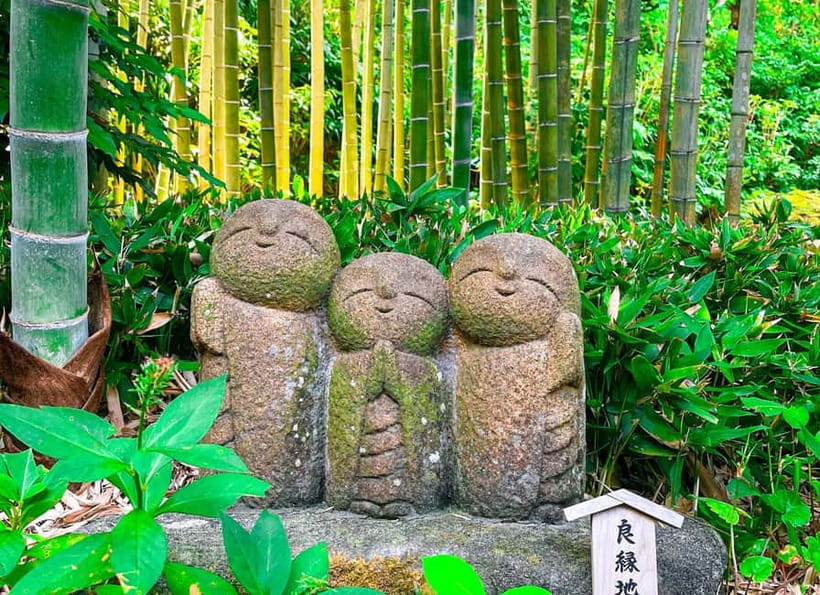
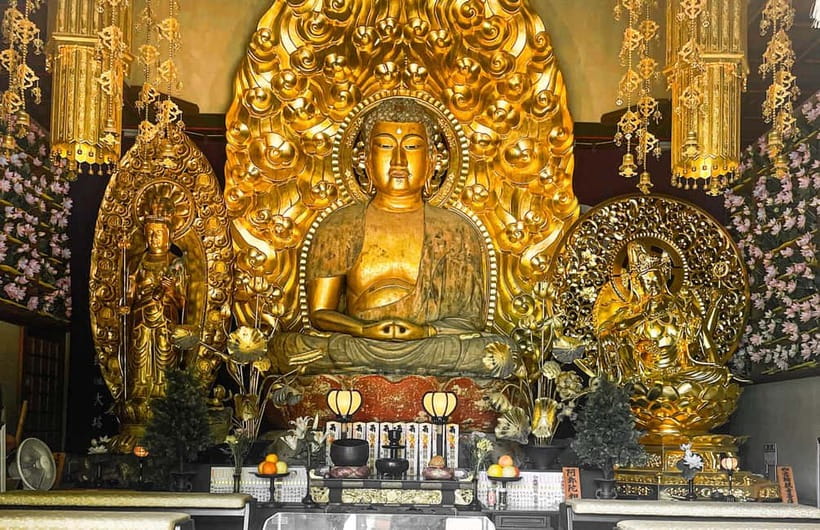
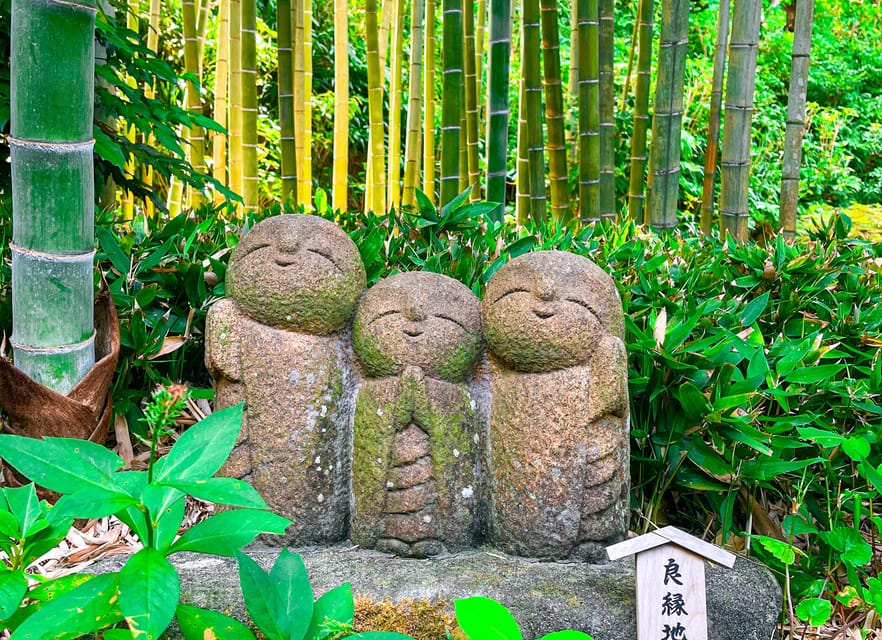
Hase-dera Temple is your first big stop after the tram. The vibe here is part spiritual, part storybook. You’re not only looking at buildings. You’re learning the myths and legends that surround the place.
This stop works well because it’s a temple where exploring helps. The information you hear isn’t just “here’s the fact.” It’s more like: pay attention as you walk, because the meaning shifts when you move between areas. The result is that you feel oriented in the temple rather than just passing through it.
Practical tip: wear shoes that can handle uneven ground and a lot of walking. This day has multiple temple areas and then another big walk to the next site. If your plan is to keep a smooth pace, you’ll enjoy Hase-dera a lot more.
One more cost note: temple tickets are not included in the base price (listed as ¥700). That’s normal for Japan temple visits, but it’s worth factoring in now so there are no surprises mid-day.
Kotoku-in: meeting the second-largest bronze Buddha in Japan
Next you walk to Kotoku-in Temple. This is the “whoa” moment.
Kotoku-in houses Japan’s second largest bronze Buddha—about 13 meters tall and 121 tons. That’s not small. Even if you’ve seen Buddha statues before, the scale here changes how you stand and look. It’s the kind of sight that makes your guide’s stories land differently, because your brain can’t help but take in the size first.
Why it’s such a good stop: it’s easy to remember. Hase-dera is atmospherics and legends. Kotoku-in is scale and presence. Put together, they give you two different ways to understand Kamakura’s spiritual identity.
If you’re traveling with anyone who likes facts, this is your anchor point. If you’re traveling with someone who prefers calm visuals over lectures, this is your reward. Either way, Kotoku-in is the center of gravity on this day.
The Kamakura shopping street: lunch, browsing, and local pacing
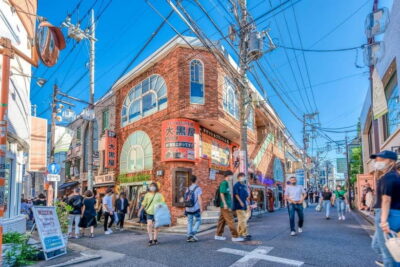
After Kotoku-in, the day shifts from temples to street life. You head to the main street of Kamakura, lined with shops and a unique atmosphere.
This part is valuable because it gives your brain a break. You’ve done heavy cultural viewing. Now you get normal human activity: snack stops, casual browsing, and the kind of wandering where you actually notice what towns sell and how people move through them.
You’ll have time for lunch and exploring the shops. Meals and drinks aren’t included, so bring a plan. If you like choices, go hungry enough to browse. If you prefer predictable timing, you might want to pick a place early in the shopping time window.
The street scene also helps you understand Kamakura beyond religion. Temples are important, but so is the town’s everyday pulse—and the best tours give you both.



Guides matter: what the experience feels like with real people
The most consistently praised element is the guiding. The tone isn’t stiff or robotic. It’s friendly and responsive.
From the names in the field, you can see the human variety: Emi, Camila, Nikita, Nerea, Paula, and Ori.n. What connects them is the same core skill: turning temples into a story you can follow.
Some guides even adjust to the group pace. One example stood out with a guide who stayed patient and friendly with kids, keeping the experience moving without rushing. That kind of pacing control matters if you don’t want the day to feel like a sprint.
Also, you get what feels like practical support, not only history. Guides share tips and recommendations so you can keep enjoying your trip after the tour ends. That’s a big deal in cities like Tokyo, where one good suggestion can save time later.
Price and value: where the $86 really fits
The listed price is $86 per person, and it’s for the 8-hour excursion in Spanish.
Now the honest math: transportation costs (¥2,300) and temple tickets (¥700) are separate. Also, drinks and food aren’t included. So your day will cost more than the base price, depending on what you eat and drink.
So is it worth it? For me, yes—if you value a Spanish-speaking guide and a well-paced route that combines tram + temple + town street time.
You’re not just paying for translation. You’re paying for:
- someone guiding your time efficiently from Tokyo Station to Kamakura and back,
- temple context that helps you “get it” while you’re there,
- and a schedule that gives you real browsing time rather than just quick stop-and-go.
If you’re the kind of traveler who loves planning routes alone, you could build a DIY day in Kamakura. But you’d lose the guided story thread, and you’d be paying temple entry separately anyway. This tour is best when you want the calm confidence of a plan with context attached.
Logistics that affect comfort: bags, pacing, and who this works for
A few rules shape how you should pack and who this tour suits.
You can’t bring luggage or large bags. Keep it light. That matters because temple areas and crowded shopping streets are not where you want to wrestle a big suitcase.
Also, unaccompanied minors aren’t allowed. If you’re traveling with teens, you’ll need to be with them.
This tour is not suitable for wheelchair users and not suitable for hearing-impaired people. That doesn’t mean you won’t have a great day, but it does mean the physical route and communication format may not match those needs.
If you’re fine with walking and you want Spanish explanations, you’ll probably find this day trip hits the right pace.
A simple day-plan mindset (so you don’t feel rushed)
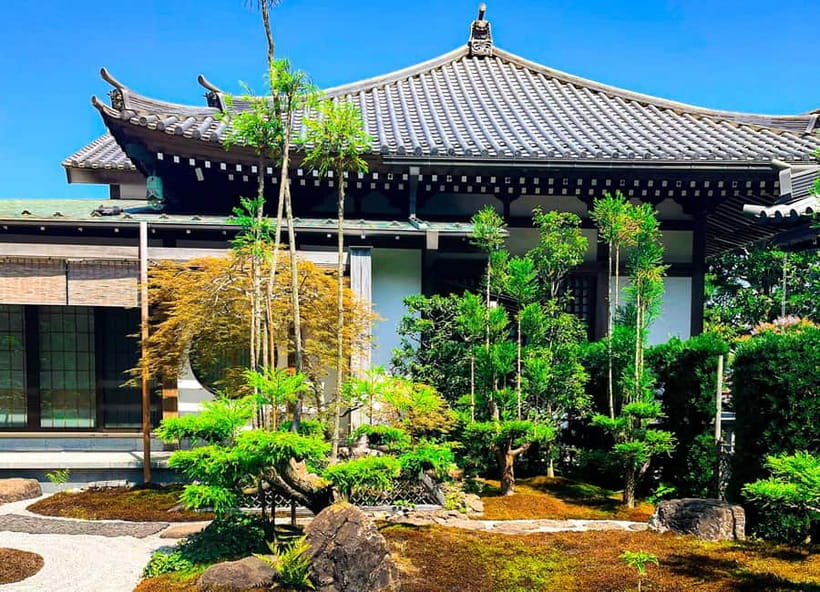
Here’s the best way to approach it: treat it like you’re doing one “theme” day, not eight separate mini-attractions.
- Start strong with Hase-dera, and give yourself permission to wander inside it.
- Use Kotoku-in as your big scale moment.
- Let the shopping street be the reset button where you slow down and choose your own snacks.
If you keep that mindset, the day feels cohesive. If you go in expecting only big photo targets, you might miss some of the satisfaction that comes from the legends and the walking.
Should you book this Kamakura day trip in Spanish?
Book it if:
- you want Spanish guidance through Kamakura’s main temple sites,
- you like stories that explain what you’re seeing (not just dates),
- and you want a smooth, low-stress day from Tokyo Station with real time to browse the town.
Skip it (or choose another option) if:
- you need a plan that includes transportation and temple tickets in the starting price,
- you can’t handle long walking segments or you require wheelchair access,
- or you rely on accommodations beyond standard tour formats.
If you fall into the first group, this tour looks like a very solid deal: the combination of tram ride, Hase-dera storytelling, Kotoku-in’s giant Buddha, and Kamakura street time is exactly the kind of day trip that makes you feel you visited somewhere real—not just passed through.
FAQ
How long is the Kamakura day trip?
It’s an 8-hour excursion.
Where do I meet for the tour?
You meet in front of the Tokyo Station facade, in Marunouchi Square (central exit).
Where does the tour end?
The tour ends back at the same meeting point near Tokyo Station.
Is the tour in Spanish?
Yes. The tour language is Spanish.
Does the price include transportation and temple tickets?
No. Transportation costs are ¥2,300 and temple tickets are ¥700, and both are listed as not included.
What temples will we visit?
You’ll visit Hase-dera Temple and Kotoku-in Temple.
Do I need to pay for food and drinks?
Yes. Drinks and food aren’t included.
Do we use public transportation?
Yes. The excursion uses public transportation.
Are there restrictions on luggage?
Yes. Luggage or large bags are not allowed.
Is this tour suitable for wheelchair users or hearing-impaired people?
No. It is not suitable for wheelchair users and not suitable for hearing-impaired people.