REVIEW · FUJIKAWAGUCHIKO MACHI
Private Local Hiking to enjoy the nature and culture of Mt.Fuji
Book on Viator →Operated by Yuki(ゆうき) · Bookable on Viator
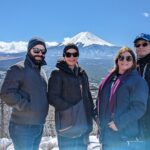
At the foot of Mt. Fuji, you feel it. This private tour mixes shrine history with lakes, forest, and real viewpoints led by Yuki, a local mountain guide who has climbed Fuji 40+ times. I particularly like the full “nature + culture” route (not just a single lookout), and I also love the pacing: steady hiking with time to stop, look, and learn. One thing to keep in mind is simple: good weather matters for seeing Fuji clearly, and the pickup only works if you’re staying in the right area.
You’ll start around 9:00am and spend about 5 to 6 hours on a moderate trail—roughly 1 hour up and about 30 minutes down for the main hike segment, plus shorter walks and stops. The good part? You get rental hiking gear (including rain protection), so you’re not scrambling for the right equipment before you go.
If you’re hoping for an easy stroll with zero challenges, this may feel a bit more active than expected. Still, the route is described as suitable for all ages, with the longer viewpoint hike (Sankodai) framed for outdoor beginners—just plan to bring the energy for forest paths and stairs.
In This Review
- Key things you should know before you go
- Why this private Mt. Fuji hike feels more real
- Pickup and the 9:00am start: how to plan your timing
- The 5–6 hour route: shrine, lakes, lava cave, and Sankodai views
- Fuji framing by Lake Kawaguchiko
- Stop 1: Fuji Omuro Sengen Shrine
- Stop 2: Saiko Lake (a quieter lake moment)
- Stop 3: Aokigahara Forest and the Jukai sea of trees
- Stop 4: Ryugudoketsu-iriguchi (the sacred cave approach)
- Stop 5: Sankodai viewpoint hike (Fuji, Jukai, and Lake Saiko together)
- Stop 6: Menkyo-kaiden local food stop
- Stop 7: Fujisan Onsen Hotel Kaneyamaen garden and matcha
- The “moderate” hike level: what that means in real life
- Weather reality: how to still have a great day
- Food, matcha, and why the local breaks matter
- Price and value: what $131.38 includes (and what it doesn’t)
- Who should book this Mt. Fuji nature and culture hike
- Should you book this tour?
- FAQ
- How long is the Mt. Fuji private hiking tour?
- Is pickup included?
- What’s the hike difficulty?
- What gear is provided?
- Is lunch included in the price?
- Are the shrine and sightseeing stops free?
- Is the Mt. Fuji view guaranteed?
- Is the matcha and sweet included?
- What happens if the weather is bad?
Key things you should know before you go
- Yuki’s local authority: certified mountain guide with 40+ Mt. Fuji climbs, plus a licensed local hunter for nature-focused storytelling.
- A real Mt. Fuji “foot-of-the-mountain” day: shrine, lakes (Kawaguchiko and quieter Saiko), Aokigahara’s Jukai forest, and a sacred cave stop.
- Viewpoints depend on the sky: the tour is built around seeing Fuji from the trail when conditions are clear.
- Gear is handled for you: trekking shoes, poles, rain jackets/pants, and gloves are included.
- Food is built into the route: Yoshida udon is highlighted, plus additional optional local treats during the day.
Why this private Mt. Fuji hike feels more real
Most Mt. Fuji days are built around a single photo spot. This one is different. You’re moving through the region’s layers—worship sites tied to volcanic eruptions, quiet lake perspectives, and the Aokigahara forest people call Jukai (sea of trees). That makes the morning feel like a story with footsteps.
Two things make it especially appealing. First, the guiding style. Yuki is known for being friendly and patient, and in past outings he’s also brought small extras like coffee, chocolate, and snacks for breaks. Second, you’re not just looking outward; you’re learning what you’re standing on—shrines placed to “settle” eruptions and cave areas treated as spiritually meaningful on the way to the mountain.
The other practical advantage is that it’s private. That means you can move at your group’s pace and ask questions without feeling like you’re part of a conveyor belt.
You can also read our reviews of more private tours in Fujikawaguchiko machi
Pickup and the 9:00am start: how to plan your timing
The tour starts at 9:00am. If you want pickup, it’s only available for people already staying in the Kawaguchiko or Fujiyoshida area. If you’re not staying there, you’ll need to make your own way to the meeting point zone.
This matters because it changes how “low-stress” your day can be. If you’re in the Kawaguchiko/Fujiyoshida corridor, you can treat this like a guided outing with less logistics. If you’re elsewhere, factor in travel time to get yourself ready on time—especially because the schedule assumes daylight for hiking and viewpoints.
Also note: it’s a private activity, so it’s only your group on the hike and stops.
The 5–6 hour route: shrine, lakes, lava cave, and Sankodai views

Think of the itinerary as three chunks: (1) Fuji framing and cultural foundations, (2) forest and cave—nature with meaning, and (3) a viewpoint hike plus food and a garden unwind.
Fuji framing by Lake Kawaguchiko
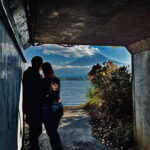
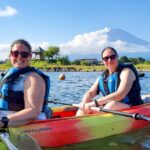
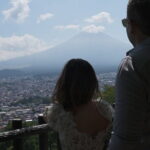
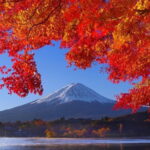
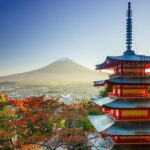
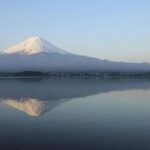
You begin with the area’s most famous “Fuji lake” setting: Lake Kawaguchiko. This is the most popular of the Fuji Five Lakes, and it’s famous for the classic Mt. Fuji-and-lake pairing. The point here isn’t only the photo—it’s orientation. From the start, you’ll get a sense of how Mt. Fuji’s shape and the lake basins define the whole region.
Then you head toward trail-side views when conditions are right. The plan explicitly aims for seeing the iconic mountain from the route on sunny days.
Stop 1: Fuji Omuro Sengen Shrine
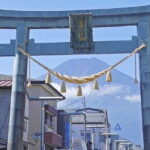
Next is Fuji Omuro Sengen Shrine, an ancient shrine with a deep connection to Mt. Fuji worship. The story tied to it is volcanic: ancestors built the shrine to help settle a major eruption, and worship followed.
This stop is short—about 15 minutes—and free. Even if you’re not a shrine person, it’s a meaningful way to understand why this mountain isn’t just a peak. It’s treated as something you approach with respect, not just sightseeing.
You can also read our reviews of more hiking tours in Fujikawaguchiko machi
Stop 2: Saiko Lake (a quieter lake moment)
After the shrine, you shift to Saiko Lake. Compared with Kawaguchiko, Saiko is described as much quieter, and the payoff is the view of lake water with Mt. Fuji in the background when the weather plays along.
This is another free admission stop, and the timing works like a reset button: short, calm, and ideal for a breath before the more “forest-heavy” segments.
Stop 3: Aokigahara Forest and the Jukai sea of trees
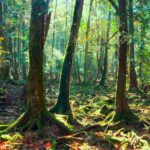
Then comes the forest: Aokigahara Forest, also known as Jukai, the sea of trees. The region’s eruption history is part of what shapes this landscape. One of the major eruptions happened about 1200 years ago, and the forest formed afterward—so you’re literally walking through geology that turned into atmosphere.
The itinerary keeps this as a focused stop, about 15 minutes, with free admission. In practice, this is where you’ll feel the tour’s nature-and-culture blend most clearly: it’s not just “trees,” it’s trees with a volcanic origin story.
Stop 4: Ryugudoketsu-iriguchi (the sacred cave approach)
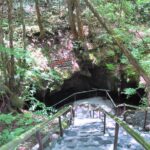
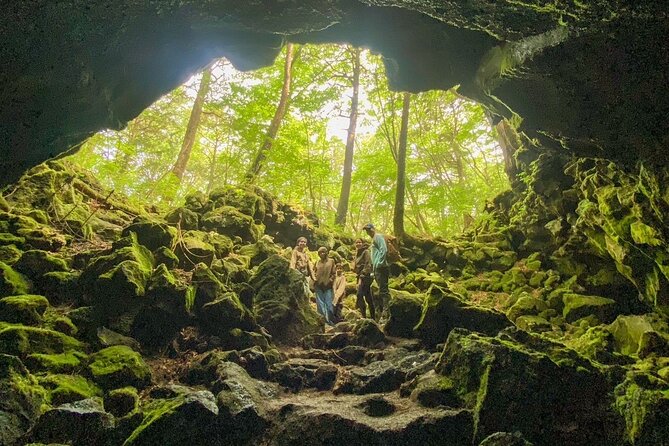
Next is Ryugudoketsu-iriguchi, described as a sacred cave where people used to pray for the goddess of Mt. Fuji before climbing. The belief was that the inside of the cave represented the inside of the goddess—so the space functioned like a spiritual threshold.
This stop runs about 30 minutes and is also free. If you want to understand the mindset of pre-modern Fuji worship, this is the moment that does it best.
Stop 5: Sankodai viewpoint hike (Fuji, Jukai, and Lake Saiko together)
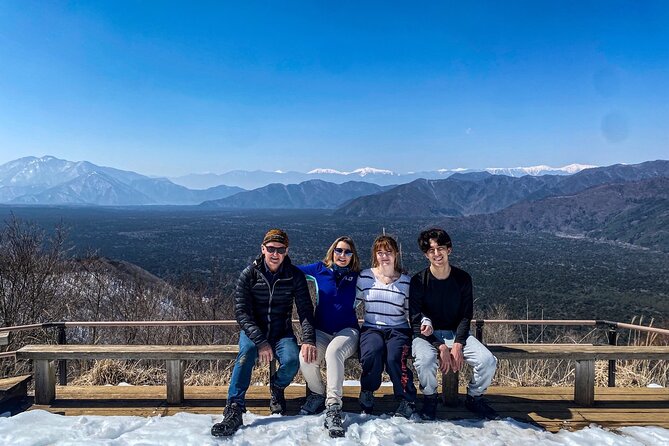
Now for the hike with the big payoff: Sankodai. The trail is described as suitable for outdoor beginners, with about an hour and a half on the hiking leg to reach the viewing area (the itinerary frames it as roughly 1 hour 30 minutes for the one-way/segment planning). The view is the triple combo: Mt. Fuji, the Jukai sea of trees, and Lake Saiko—all from one viewpoint.
Two helpful clues from the experience description and past guide outcomes: the general hike difficulty is moderate, and one prior outing described the hike as about 2 hours round trip with a break at the top. So you should expect a steady climb, then reward time at the summit area.
Stop 6: Menkyo-kaiden local food stop
After the viewpoint, you’ll eat at Menkyo-kaiden—a local restaurant where the guide takes you to a place tourists often miss. The cost is about 1,000 yen per person (not included).
This is where the tour becomes more than scenery. The area’s signature food connects you back to the everyday life around Fuji, not just the religious and natural sides.
Stop 7: Fujisan Onsen Hotel Kaneyamaen garden and matcha
To close, you relax in a Japanese garden at Fujisan Onsen Hotel Kaneyamaen, described as one of the oldest hotels in Fujiyoshida with a public-open garden space. You can enjoy matcha with a Japanese sweet for about 1,000 yen per person (optional), or simply enjoy the garden atmosphere with tea.
The timing here is about 30 minutes. It’s the perfect landing after walking—quiet, scenic, and designed for cooling down.
The “moderate” hike level: what that means in real life
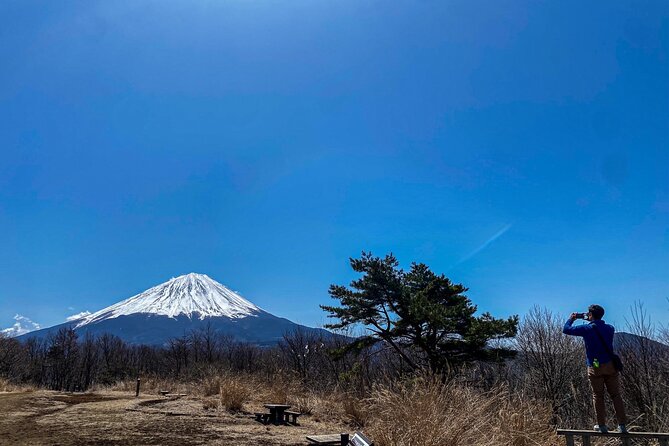
The tour calls the main hike moderate, with about 1 hour up and 30 minutes down. It also notes that the trail is suitable for all ages, and that the Sankodai hike is appropriate for outdoor beginners.
In other words: this isn’t a technical climb. It’s more about endurance and comfort with paths through forest terrain. If you prefer flat walking only, you might find some uphill segments slower. If you’re fine with a steady climb and want a payoff view, this is a very workable outing.
Also, the tour includes trekking shoes and trekking poles, plus rain jackets and pants and gloves. That’s a big value point because it reduces the friction of hiking in a changing mountain climate.
Weather reality: how to still have a great day
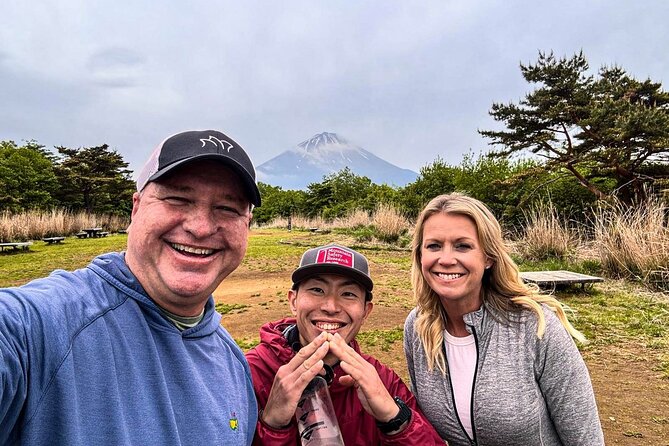
This experience requires good weather. The plan aims for Mt. Fuji views from the trail when it’s sunny, and Lake-and-mountain visuals depend on the sky clearing.
If weather isn’t cooperative, you’re not left hanging. The experience can be moved to another date or you can get a full refund. That’s one of the few “big comforts” in a Fuji itinerary, where mist and clouds can change everything quickly.
My practical advice: if Fuji is your must-see, treat a clear day as the best opportunity to book this.
Food, matcha, and why the local breaks matter
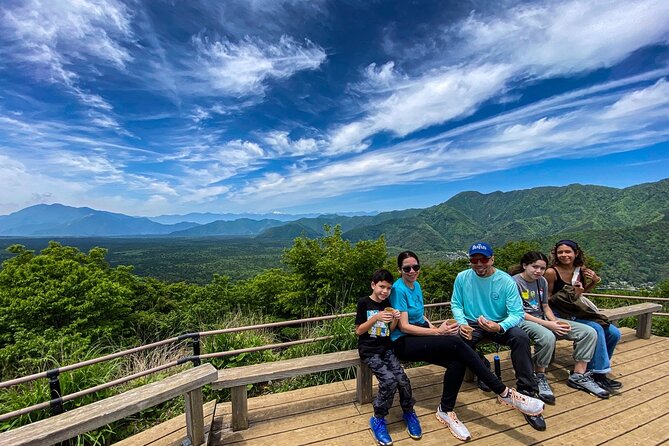
I like tours that don’t treat food like a souvenir afterthought. This one treats meals and tea as part of the route.
You’ll specifically be guided to local dining, including the area’s famed Yoshida Udon (highlighted in the tour overview) and the Menkyo-kaiden stop, where the guide brings you to a place you might not find on your own. Then you end with matcha and a sweet in a garden setting.
Even if you’re not hunting for strict “Michelin-level” dining, you’re getting something more useful: a taste of what locals do after being outside, plus a calm setting to reflect on what you just hiked.
Price and value: what $131.38 includes (and what it doesn’t)
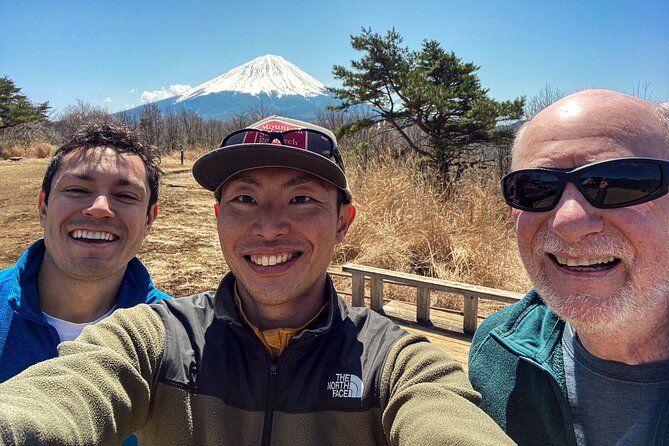
At $131.38 per person, this tour includes:
- Private transportation
- Guide fee
- Trekking shoes, poles
- Rain jackets/pants and gloves
- The guiding time through the main cultural and nature stops
What’s not included is mostly what you’d expect: lunch (around 1,000 yen) and insurance. You also have optional paid extras: another ~1,000 yen for the matcha sweet option.
Here’s the real value calculation: you’re not only paying for a hike. You’re paying for a guided route that links shrine history, volcanic landscape context, and viewpoint pacing, plus transportation and gear. If you’d otherwise rent equipment, pay for local transport, and try to coordinate stops yourself, the bundled approach makes sense.
And because it’s private, your group doesn’t have to fit into someone else’s schedule.
Who should book this Mt. Fuji nature and culture hike
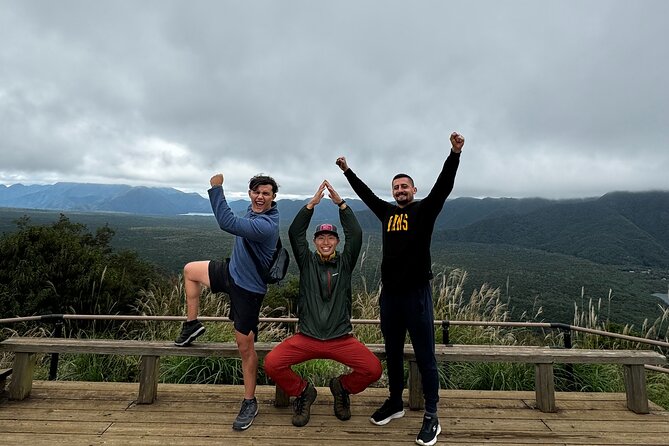
This tour is a strong match if you want:
- Mt. Fuji without the usual crowd-only approach
- A mix of lakes, forest (Jukai), and shrine/cave culture
- A guide who can explain what you’re seeing, led by Yuki
- A day that ends with real downtime in a Japanese garden
It’s also a good fit if your group includes people who want varied interests—someone who loves hiking will get viewpoints, and someone who prefers culture will have multiple meaningful stops.
If your group has very limited mobility or prefers purely flat walking, I’d think twice. The description calls it moderate and suitable for all ages, but it’s still a hike through natural terrain.
Should you book this tour?
If your idea of a “Mt. Fuji day” includes more than one photo spot, I’d book it. You get a guided route that connects where Fuji worship comes from, how eruptions shaped the land, and what a viewpoint feels like after time on the trail. The gear and transportation help make it an easy decision.
Book it with one clear expectation: the best Fuji photos depend on the weather. If you can be flexible on your date (and you’re okay with the possibility of rescheduling), this is a satisfying, well-rounded way to experience Fujikawaguchiko and Fujiyoshida beyond the main circuits.
If you tell me your travel dates and where you’re staying (Kawaguchiko vs elsewhere), I can help you judge whether the pickup will simplify your day.
FAQ
How long is the Mt. Fuji private hiking tour?
It lasts about 5 to 6 hours (approx.).
Is pickup included?
Private transportation is included, but pickup is available only for guests staying in the Kawaguchiko or Fujiyoshida area. If you’re not there, you’ll need to come to the area on your own.
What’s the hike difficulty?
The trail is described as moderate. The main hike is about 1 hour up and about 30 minutes down, and the Sankodai viewpoint hike is suitable for outdoor beginners.
What gear is provided?
You get trekking shoes, trekking poles, and rain jackets/pants plus gloves.
Is lunch included in the price?
No. Lunch is not included and is around 1,000 yen.
Are the shrine and sightseeing stops free?
The stops listed (including Fuji Omuro Sengen Shrine, Saiko Lake, Aokigahara, Ryugudoketsu-iriguchi, and Sankodai) show free admission.
Is the Mt. Fuji view guaranteed?
No. The tour is dependent on good weather, and the iconic view of Fuji from the trail is specifically noted when it’s sunny.
Is the matcha and sweet included?
Matcha with a Japanese sweet is optional at the end, with an estimated cost of about 1,000 yen per person.
What happens if the weather is bad?
If it’s canceled due to poor weather, you’ll be offered a different date or a full refund.