REVIEW · HAKONE
Hakone Hachiri: Old Tokaido Highway Hiking Tour
Book on GetYourGuide →Operated by Coconuts Hike Japan · Bookable on GetYourGuide
Hakone Hachiri is a day of history you can feel in your legs. This hike takes you along old Tokaido country where travelers once climbed between Kyoto and Edo, with Lake Ashi views and Edo-era landmarks like the Hakone checkpoint. A big plus is that the route is beginner-friendly overall, though you still need solid footing for a few cobbled and rooty sections.
I especially like two things: the amasake tea house stop (400 years old) and the chance to look for Mt Fuji from multiple angles when the weather behaves. You also get a certified Japan Mountain Guide who explains what you’re seeing, not just where you’re going. The only real catch is that food isn’t included, and the day is still a walking day (about 5–6 hours on foot, around 8 km total).
If you want a totally flat, stroller-style walk, this probably isn’t your match. It’s mostly gentle or cobbled paths, but some parts can feel a bit steep or slippery, and it’s not suitable for mobility impairments.
In This Review
- Key things to know before you set off
- Why Hakone Hachiri feels different from the usual Hakone stops
- Meeting at Hakone-Yumoto and the taxi-to-trail rhythm
- Hatajuku and the 400-year amasake tea house
- Cobbled old Tokaido Highway to Lake Ashi: Mt Fuji photo chances
- The Hakone checkpoint and the cedar avenue with 400-year trees
- Past Hakone Pass: lunch time, castle ruins, and pacing choices
- Mishima Taisha, Genbe River, and finishing at Mishima Station
- What the hike is like: 8 km, beginner-friendly, and shoe rules
- Value and what’s included in a $167 day
- Who this Hakone Hachiri tour suits best
- Should you book this Hakone Hachiri hike?
- FAQ
- How long is the Hakone Hachiri hiking tour?
- Where does the tour start and where do you finish?
- How much do you hike during the day?
- Is this hike suitable for beginners?
- What languages is the guide speaking?
- Will you see Mt Fuji during the hike?
- What’s included and what should I budget for?
Key things to know before you set off
- Hakone Hachiri = Edo travel on foot: you walk parts of the difficult “eight ri” mountain route and skip the steepest stretches by bus.
- 400-year amasake stop: you’ll taste traditional sweet rice drink at a tea house tied to the old road.
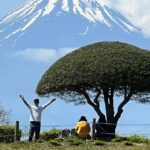
- Mt Fuji views depend on weather: you’ll have several photo chances around Lake Ashi when visibility is good.
- A cedar avenue older than your travel photos: the tree-lined stretch is famous for age and shade.
- Small-group feel (up to 6): easier pacing and more guide attention on tricky spots.
- You finish in Mishima or Odawara: perfect for moving on by train afterward.
Why Hakone Hachiri feels different from the usual Hakone stops
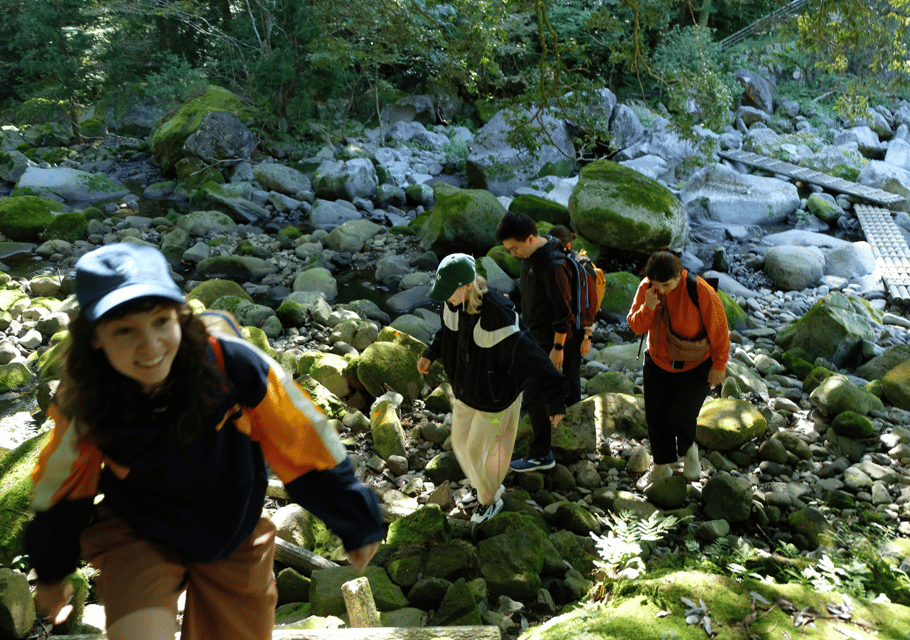
Hakone is famous for scenic lakes, shrines, hot springs, and a lot of postcard-friendly photo stops. This tour gives you something else: the sense of moving like an Edo-period traveler. You’re not just looking at the Hakone region—you’re walking through the same travel logic that shaped how people connected Kyoto and Edo (today’s Tokyo).
The biggest “aha” for me is how the day mixes effort with meaning. You climb on foot through sections of the old Tokaido Highway, then you get short breaks in the spots travelers would’ve used to regroup—tea houses, checkpoints, lake views, and shrine areas. It’s a history lesson where the classroom is the trail.
You also get practical pacing. The hike is described as beginner-friendly with gentle slopes and cobbled paths. And the guide is a nationally certified mountain guide with wilderness advanced first aid training. That matters because even “easy” hikes can have slick cobblestones, exposed roots, and uneven surfaces.
You can also read our reviews of more hiking tours in Hakone
Meeting at Hakone-Yumoto and the taxi-to-trail rhythm
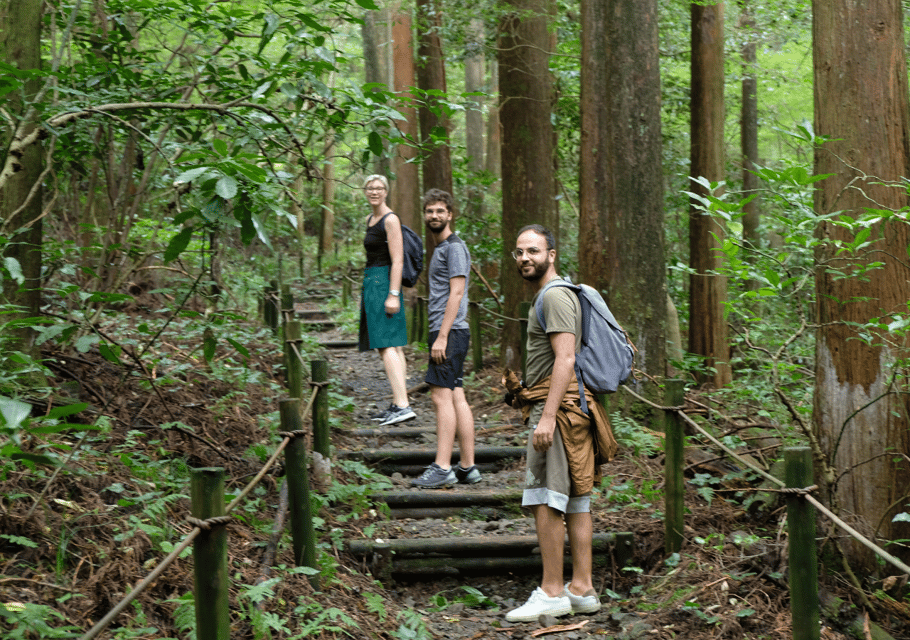
You start at Hakone-Yumoto Station, and the guide waits at the ticket gate. From there, you take a short taxi together to reach the trailhead, and then the walking begins.
This taxi start is more than convenience. It helps the group focus on the most interesting parts of the old route instead of wasting time on transit-only segments. In a small group (up to 6), it also keeps the mood calm. You’re not juggling crowds, luggage, or complicated meeting points.
Timing-wise, expect the full day to run around 7 hours, with the hike itself around 5–6 hours of on-foot time. You’ll also have snack and meal breaks, plus multiple local bus segments between key areas.
Hatajuku and the 400-year amasake tea house
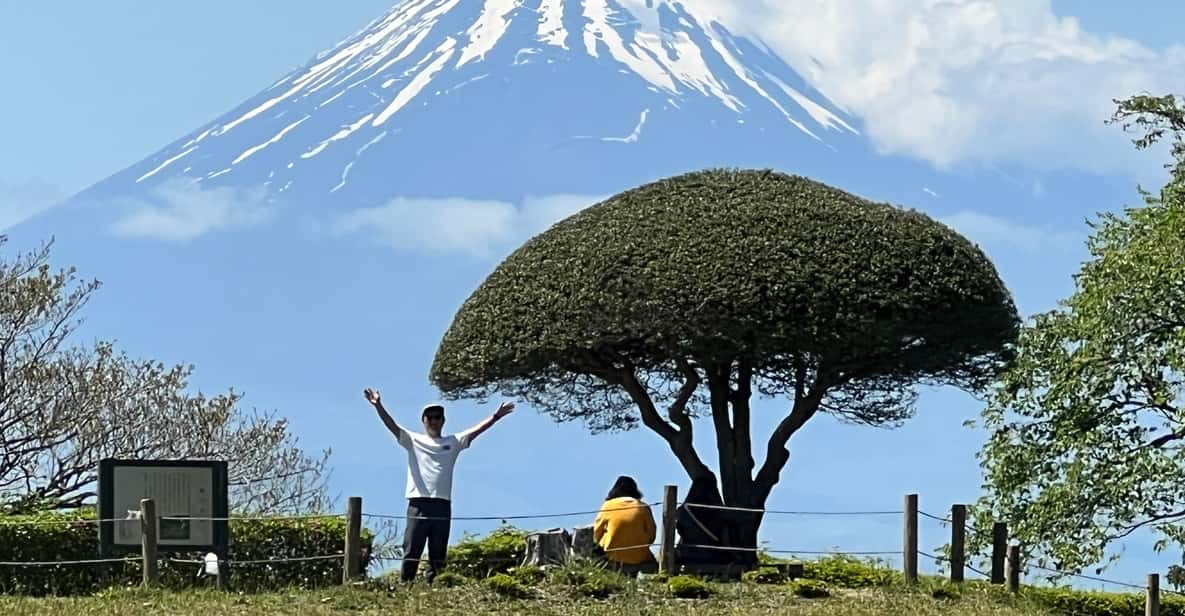
One of the first “human-scale” moments comes at Hatajuku. This is where you’ll connect with the old Tokaido Highway story in a way that goes beyond signs and maps. You’re also given time for shopping and wandering around the area.
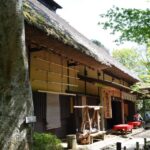
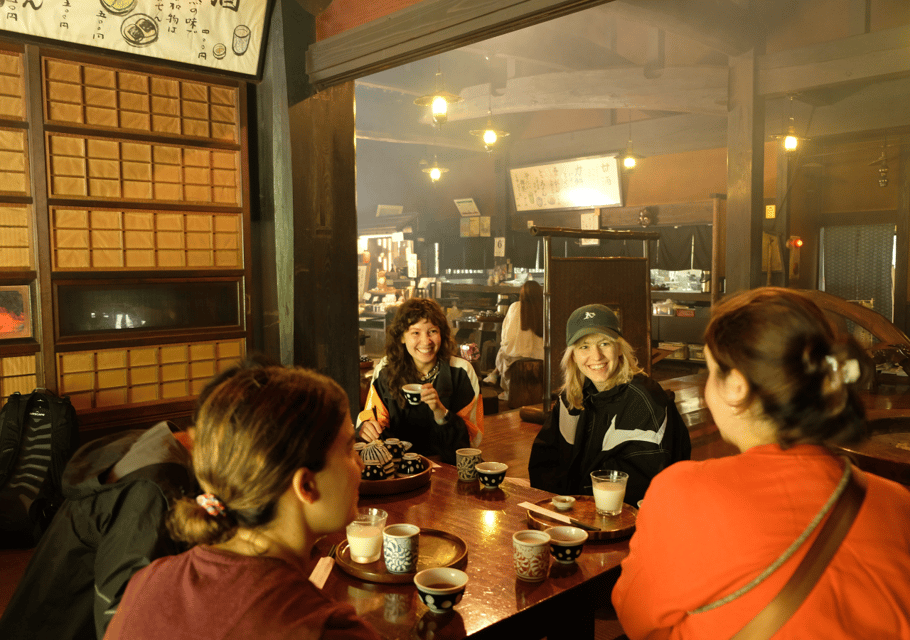
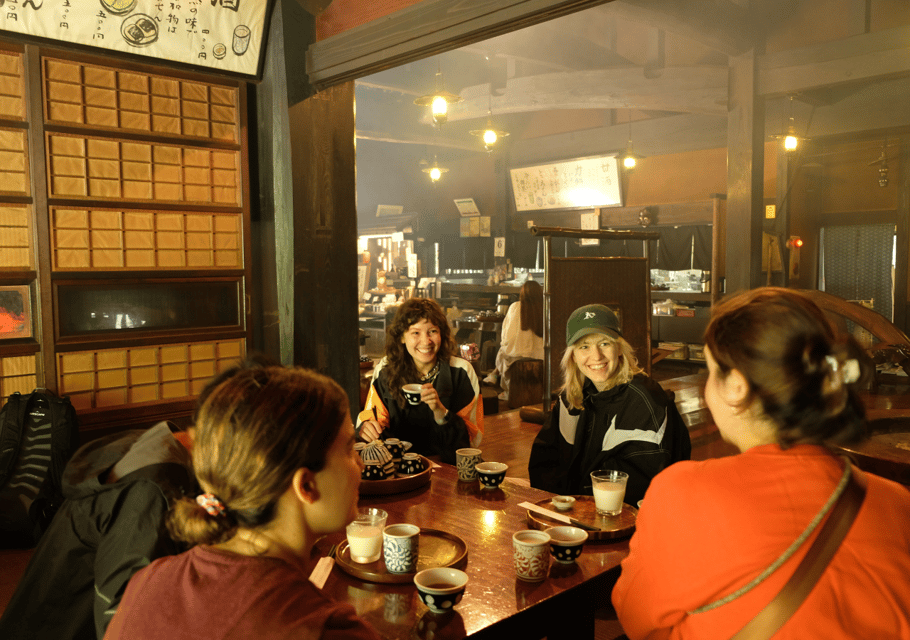
Then comes the star stop: the Amasake Tea House, part of the old Tokaido route and known for about 400 years of history. Amasake is a traditional sweet, lightly fermented drink made from rice. Here, it’s served as a warm, energizing pick-me-up after your initial walking.
Why this matters: you’re not just tasting a snack. You’re getting a feel for how travelers managed energy between villages—especially in mountainous terrain. Even if you’re not a “foodie,” tasting something local at a historic stop makes the route feel real.
Practical tip: treat this like your first proper reset. If you’re sensitive to cold or you tend to get low energy, this is the moment to hydrate and refuel before the longer scenic stretches.
Cobbled old Tokaido Highway to Lake Ashi: Mt Fuji photo chances
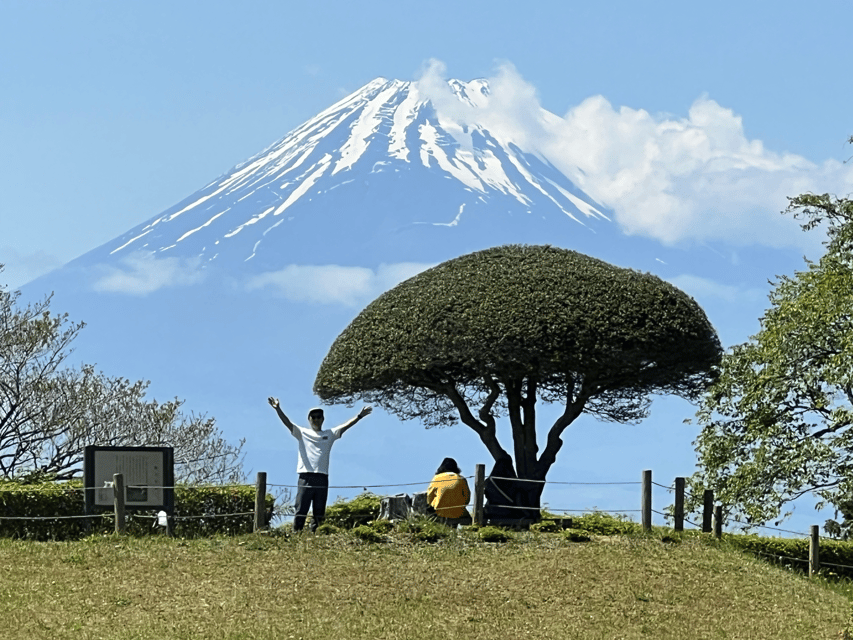
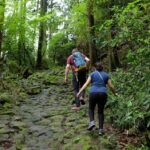
After the tea-house stop, you’ll walk on cobblestones along the old Tokaido Highway toward Lake Ashi. This is where you’ll start to see the route’s character shift—less village strolling, more steady walking with frequent view breaks.
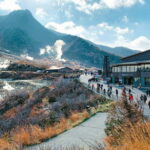
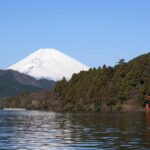
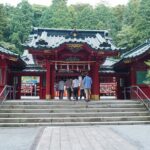
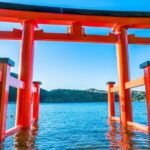
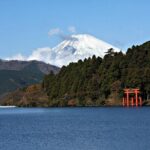
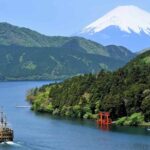
Lake Ashi is the heart of the postcard Hakone experience: you’ll get a break with scenic views, and you may spot the Torii gate of Hakone Shrine (the one people recognize from photos). And yes, Mt Fuji may appear—but only if the weather allows. Plan your photos, but don’t plan your day around a guarantee.
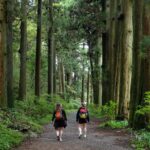
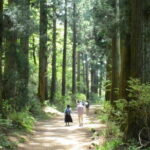
From here you’ll also pass through a famous feature: the ancient cedar avenue, with trees over 400 years old. Even if you’ve seen “old trees” before, this stretch tends to feel different because it’s part of an active travel corridor. It’s not a park stroll; it’s shade and atmosphere on a working travel route.
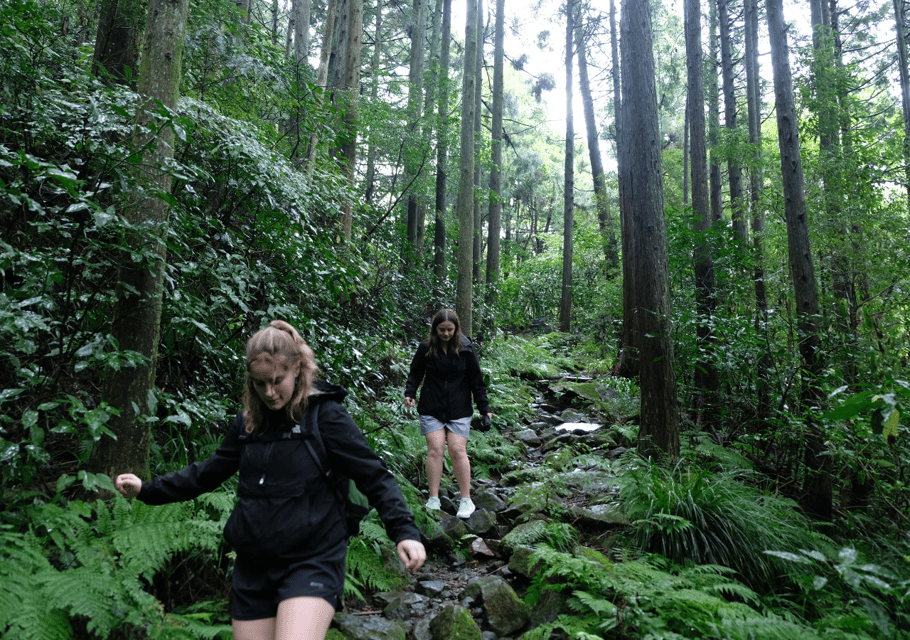
What to watch for: cobblestones can be slippery when damp, and the trail surface can vary. Your guide should help with the safer lines, especially if you hit roots or uneven patches.
The Hakone checkpoint and the cedar avenue with 400-year trees
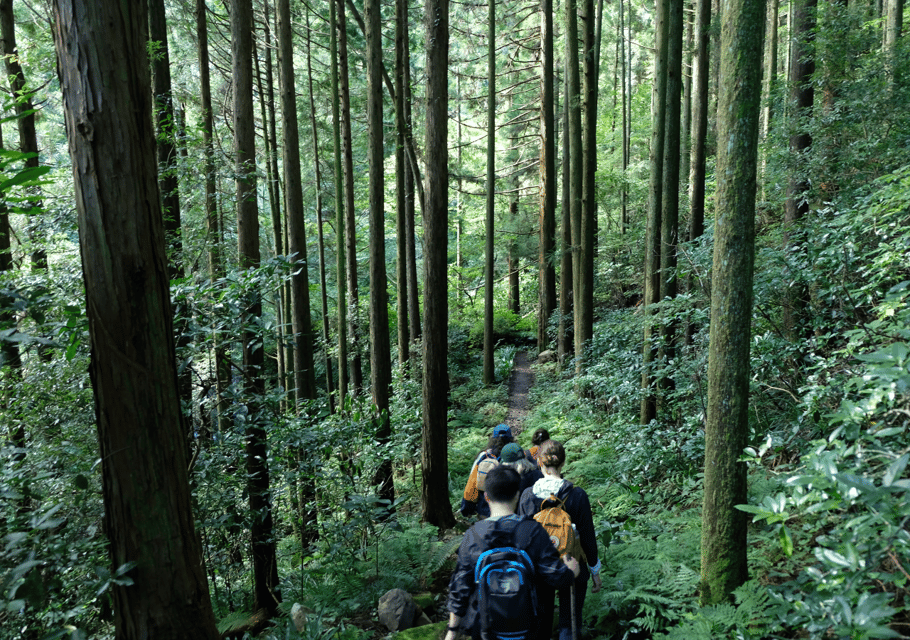
You’ll reach the Hakone Checkpoint, a gate where the Edo government controlled traveler movement. This is one of those stops that’s easy to glance at, but it lands better once you’ve already walked the physical route.
Here’s the context that makes it click: checkpoints weren’t just for travel logistics; they were part of how authority shaped who moved, where they stopped, and how information traveled through the country. Standing near a checkpoint after walking the approach makes the system feel less abstract.
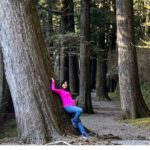
Then there’s the cedar avenue—likely your favorite “slow down and look up” moment. The trees are old enough that you can feel the time depth. It’s also a natural break from steep thinking; you can relax into your pace and keep your eyes on the path and the sky at the same time.
Photo note: the avenue is a good place for photos that don’t look like you’re only chasing scenery. The trees and the corridor-like feel help you show the route, not just the view.


Past Hakone Pass: lunch time, castle ruins, and pacing choices
After the lunch area around Lake Ashi, you’ll take a bus to get past Hakone Pass and then visit Yamanaka Castle Ruins.
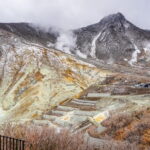
This bus transfer is part of the “old route with modern help” formula. The difficult Hakone mountain sections were historically much tougher; today, you skip the steepest parts by bus so you can still experience the flavor of the journey without turning the day into a hardcore climb.
At Yamanaka Castle Ruins, you’ll get a different kind of history—less travel infrastructure, more strategic geography. Ruins like this tend to reward a slow look. Even with limited time, you’ll usually leave with a clearer sense of why people built where they did: elevation, sightlines, and control of movement.
From there, you’ll choose the second half depending on pace and preference. The tour can include:
- Mishima Taisha Shrine, with a photo stop plus time to walk and see
- And/or the Mishima area details around the Genbe River
This flexibility is a real benefit on a day like this. If you’re feeling strong, you can lean into the extra walking. If you want a more comfortable rhythm, your guide can adjust.
Mishima Taisha, Genbe River, and finishing at Mishima Station
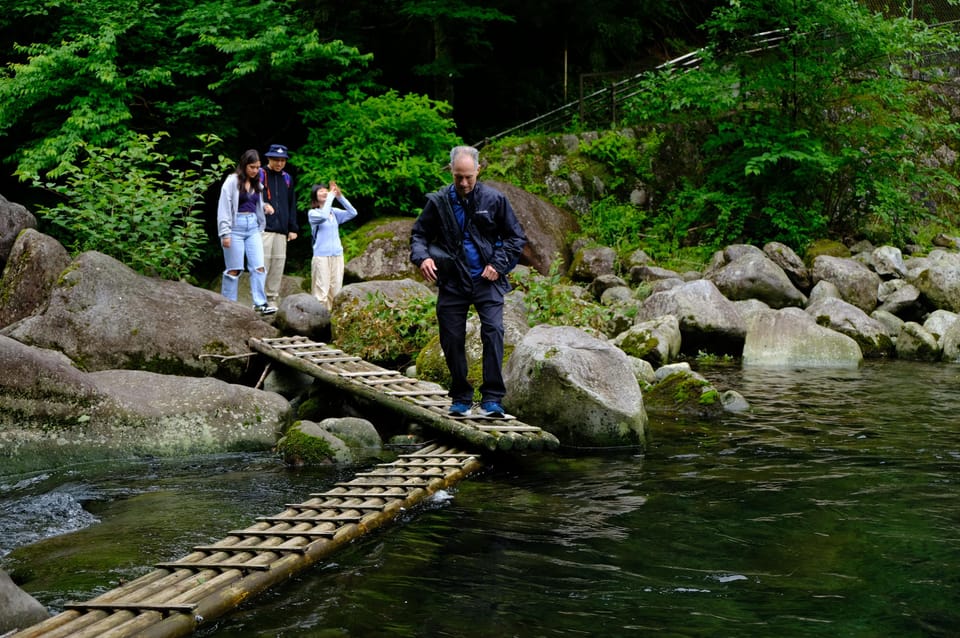
Your day wraps up around 4:00 pm, with the finish at Mishima Station (and there are also options related to Odawara Station). This finish matters because it keeps your travel flow easy—no complicated late-day bus hops from the middle of nowhere.
Mishima Taisha Shrine is one of those places where you can take 30 minutes and still feel like you did something meaningful. It’s a good contrast after the mountain-route walking: a calmer atmosphere, time to sit, and a chance to photograph shrine details you might otherwise skip.
Next comes 源兵衛川 (Genbe River), where you get time for sightseeing and walking. The river stop acts like a gentle landing after the day’s historical “movement” theme. You’ll likely have enough energy to enjoy the area without pushing your pace.
If you want to continue your journey, there’s a note that the Shinkansen ride between Mishima and Odawara isn’t included. It’s described as about 15 minutes and costing under 3,000 yen—handy if you’re building the rest of your trip around Odawara connections.
What the hike is like: 8 km, beginner-friendly, and shoe rules
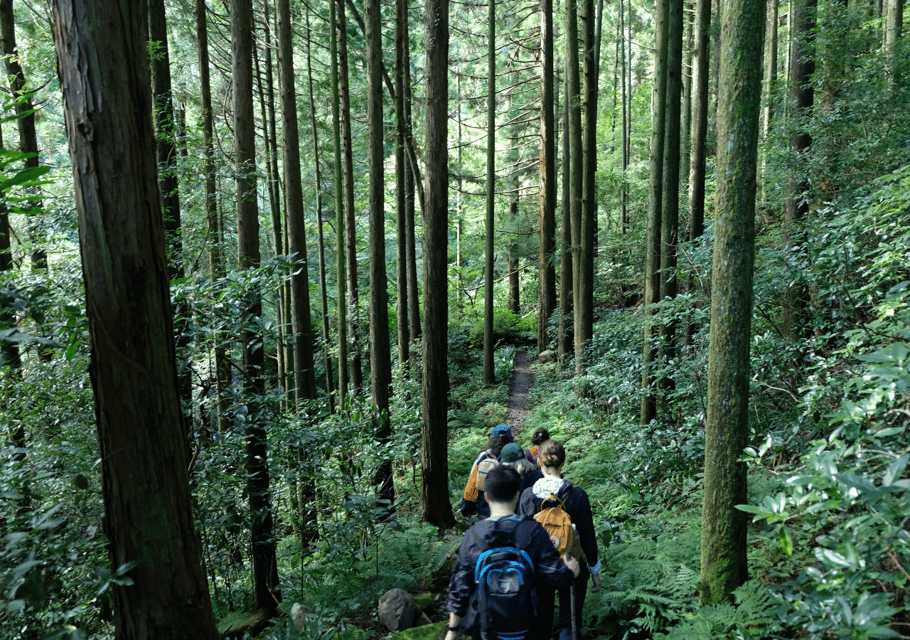
This is listed as a hike around 8 km, with about 5–6 hours walking time. The route is described as beginner-friendly, with gentle slopes or cobbled paths. That said, don’t treat “beginner-friendly” as “no effort.”
One of the most useful things you can do is plan for real trail surfaces. Some sections can be steeper than they look on a map, and reviews associated with this tour describe tricky parts involving stones, roots, and occasional slippery spots. The guide’s job here is to keep you safe and moving—so pay attention to their advice and don’t rush.
Here’s what you should wear and bring:
- Comfortable, supportive shoes (hiking shoes are ideal)
- A sun hat
- A plan for weather shifts (Hakone can feel cooler at higher points)
If you’re going in winter, you might find the higher areas colder, but the day can still be workable with the right clothing and warm layers.
Value and what’s included in a $167 day
At $167 per person, you’re paying for more than a scenic walk. You’re paying for:
- A nationally certified Japan Mountain Guide with wilderness advanced first aid training
- A day that blends historic-route experience with structured breaks and navigation support
- A group size capped at 6, which makes it easier to keep steady pacing and stay together
Where value shows up: you’re not left to figure out the old-road pieces on your own. You also get context as you go—especially around Edo travel, Hakone’s geography, and how checkpoint control worked. That kind of guided explanation turns “I saw a gate and a lake” into “I understand why these places mattered.”
What isn’t included matters for budgeting. Lunch and drinks are not included, and meals are described as happening at local restaurants. Also, transportation between sites is by local bus (and you’ll use taxi at the start), so budget for any extra food choices rather than expecting everything to be bundled.
Who this Hakone Hachiri tour suits best
This tour fits best if you want a day with both motion and meaning.
You’ll probably love it if you:
- Enjoy walking but don’t want a totally grueling mountain ordeal
- Like history that connects to geography, not just plaques
- Want the chance to see Mt Fuji if weather permits
- Prefer a small-group experience with a guide who can explain as you go
It’s likely less ideal if you:
- Need step-free or mobility-friendly routes (it’s stated as not suitable for people with mobility impairments)
- Want a fully low-effort stroll
Also, if you’re traveling as a first-time Japan visitor, the mix of trail time plus Edo context can feel like a shortcut to understanding the country beyond cities. And if you’re already a Japan repeat traveler, the old Tokaido-Hakone connection offers a different angle than the usual temple-and-train rhythm.
Should you book this Hakone Hachiri hike?
If your ideal Hakone day includes walking, historical context, and a realistic shot at Mt Fuji views, I’d say yes. The combination of old Tokaido cobbles, the Hakone checkpoint, and the 400-year amasake stop gives you multiple “anchoring moments” across the day, not just one big scenic payoff.
Book it if you can handle uneven ground and you’re happy to move at a steady hiking pace with breaks. If you’re chasing comfort-only sightseeing, you may find the walking time less fun than you hoped.
One smart move before you go: treat your shoes like part of your itinerary. Good footwear reduces stress on cobbles and roots, and it lets you enjoy the views without constantly thinking about your footing.
If you want, tell me when you’re traveling (month is enough) and your walking comfort level (easy flat walks vs. hiking with some hills). I can help you decide if this is the right day-and-pace for you in Hakone.
FAQ
How long is the Hakone Hachiri hiking tour?
The tour is listed at about 7 hours, with walking time described as around 5–6 hours.
Where does the tour start and where do you finish?
You meet the guide at Hakone-Yumoto Station (at the ticket gate). The tour finishes at Mishima Station around 4:00 pm.
How much do you hike during the day?
You’ll hike around 8 km during the experience.
Is this hike suitable for beginners?
Yes. The hike is described as beginner-friendly with gentle slopes or cobbled paths, though you should still expect uneven, outdoor walking surfaces.
What languages is the guide speaking?
The live guide is listed as English and Japanese.
Will you see Mt Fuji during the hike?
You’ll have chances to see Mt Fuji from different angles, but it depends on the weather.
What’s included and what should I budget for?
The tour includes a certified mountain guide with wilderness advanced first aid training. Lunch and food/drinks at local restaurants are not included. Transportation between sites is handled by taxi/bus as part of the tour, but extra train transport details like Shinkansen between Mishima and Odawara are not included.