REVIEW · TOKYO
Tokyo: Wagyu and Sushi Gastronomic Journey
Book on GetYourGuide →Operated by TriX Co. Ltd. · Bookable on GetYourGuide
The highlight for me is the Wagyu and sushi pairing with expert live guidance, plus the chance to walk Shinjuku’s food streets and alley bars. I also like how the tour blends serious food technique with Tokyo’s backstreets, so you’re not just eating—you’re figuring out what you’re eating and why. One thing to consider: it’s a 3–3.5 hour night out with walking and standing, and the transport to the meeting area is on you.
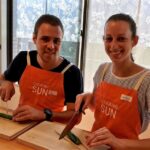
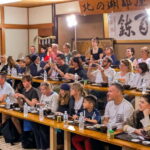
This is a small-group Tokyo evening (max 10 people) with an English-speaking live guide, and the vibe tends to feel friendly and personal. I especially noticed guide energy like Emma’s—people mention she’s warm and good at explaining what matters at the table. The price is $154 per person, and what you get is dinner plus two food venues, with alcohol available if you’re 20+.
In This Review
- Key points to know before you go
- Tokyo Wagyu and sushi in Shinjuku: what you’re really signing up for
- Price and timing: is $154 good value for 3 hours?
- Meeting point and getting oriented fast: 3rd Burger and Nishishinjuku
- Kabukicho at night: neon, energy, and why it fits a food tour
- Sushi with guidance: how the chef’s precision becomes understandable
- Wagyu beef in Shinjuku: history, flavor, and regional differences
- Omoide Yokocho: tiny bars and the yakitori rhythm
- Hanazono Shrine: a quiet break inside a loud neighborhood
- Shinjuku Golden Gai: over 200 bars in a maze of stories
- The Godzilla moment: Shinjuku Toho Building icon stop
- The guide factor: what makes this tour feel personal
- Who should book this Shinjuku food walk?
- Should you book: my take on the “yes, if” checklist
- FAQ
- How long is the Tokyo Wagyu and sushi tour in Shinjuku?
- What does the tour cost, and what’s included in that price?
- Is transportation included from my hotel?
- Where do I meet the guide?
- Is the tour offered in English?
- How big is the group?
- Can I cancel if my plans change?
Key points to know before you go
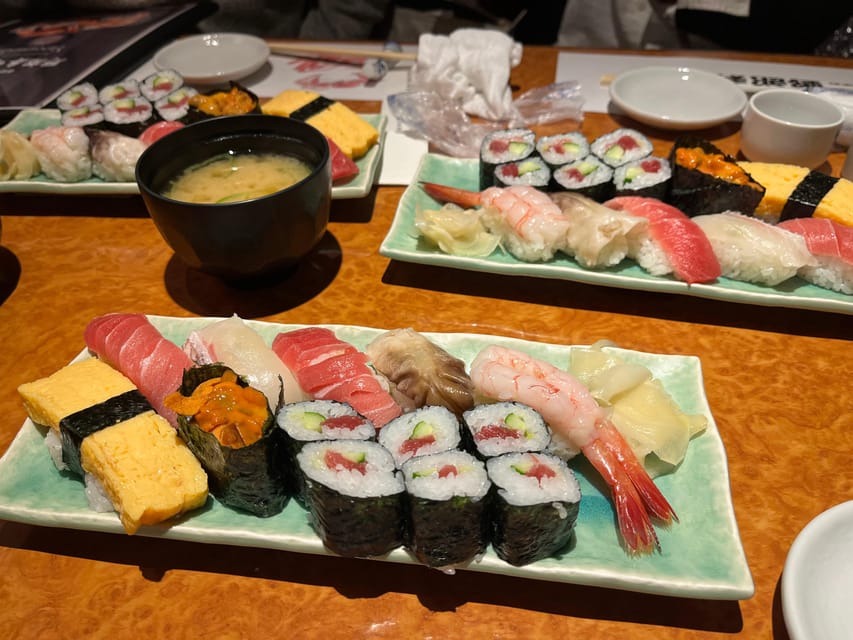
- Wagyu + sushi meal structure, with a chef-like focus on technique and fresh seasonal ingredients
- Shinjuku backstreets: Kabukicho scenes, Golden Gai alleys, and the small-bar culture around Omoide Yokocho
- Stop-by-stop context so the food isn’t just delicious, it also makes sense
- Golden Gai’s scale: over 200 tiny bars in a maze of post-war history and themed spaces
- Tranquil contrast: Hanazono Shrine offers a breather from neon
- Small group of 10 for a calmer pace and more Q&A with your English guide
Tokyo Wagyu and sushi in Shinjuku: what you’re really signing up for
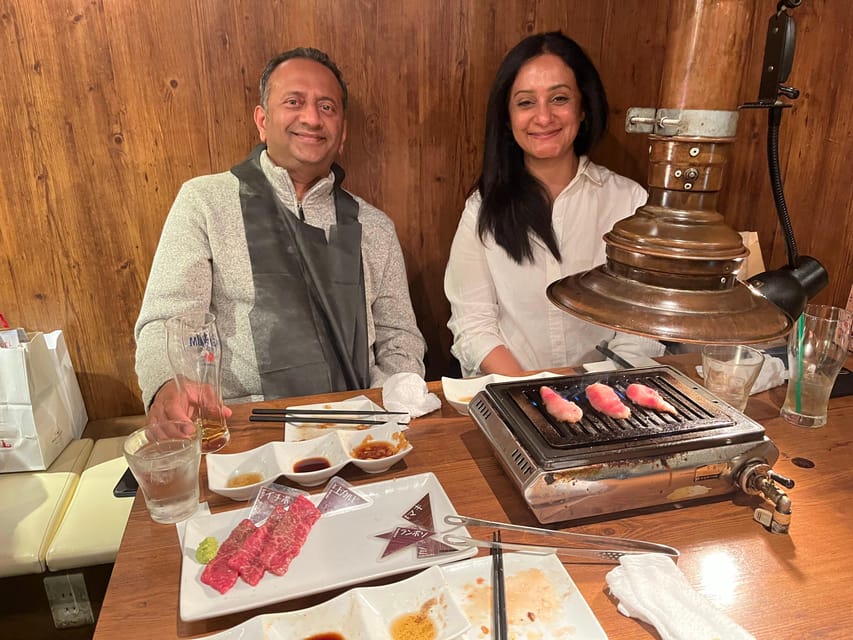
This tour is built for people who want more than a food stop. You’re sampling top-tier comfort food—Wagyu and sushi—while walking through the Shinjuku areas that make Tokyo feel like Tokyo. That matters, because the flavor of a great meal lands harder when you understand the culture behind it.
You’ll also get the kind of guidance that helps first-timers. Sushi can feel intimidating if you don’t know what you’re looking for, and Wagyu can be even harder to judge if you’ve only had it cooked at home. Here, the point is to help you eat with your full attention, not just with hunger.
You can also read our reviews of more cooking classes in Tokyo

Price and timing: is $154 good value for 3 hours?
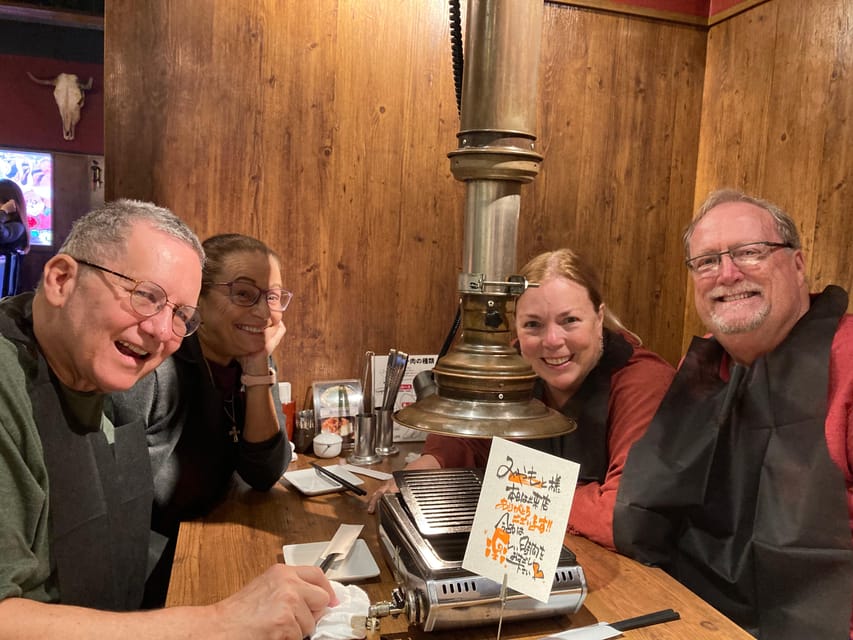
$154 for about 3 hours is not a budget deal, but it also isn’t just “pay extra for fancy food.” You’re paying for a local guide, dinner, and visits to two distinct food venues. Alcohol is available for participants aged 20 and above, which can add real value if you plan to drink.
The timing is also important. A 3–3.5 hour evening works well in Tokyo because it’s long enough to feel like an experience, but short enough that you won’t lose your whole night to logistics. The route is concentrated in Shinjuku, so you’re not spending half your time riding trains you could have avoided.
One more practical note: transportation to the meeting area isn’t included and may run from 200 yen to 800 yen depending on where you start. If you’re staying nearby, that cost stays small. If you’re coming from farther out, factor it in.
Meeting point and getting oriented fast: 3rd Burger and Nishishinjuku
You meet just in front of the 3rd Burger. The tour also lists a starting location in Nishishinjuku (7-chōme-10-5 Nishishinjuku), which matches the overall feel: this is a Shinjuku-focused night, not a cross-Tokyo marathon.
Why this matters: Shinjuku is huge, and a clean meeting spot helps you avoid stress. If you’re arriving by subway, I’d give yourself a little buffer time so you can spot your landmark without rushing. Being calm makes the first food stop more enjoyable.
Kabukicho at night: neon, energy, and why it fits a food tour
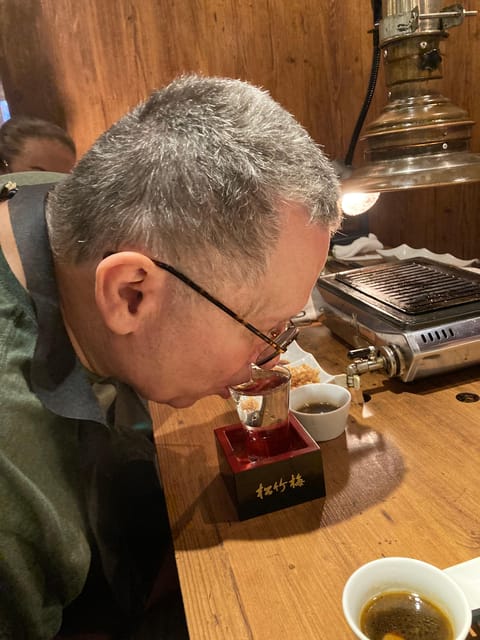
Kabukicho is Tokyo entertainment district energy—bright signs, busy streets, and a constant stream of people moving. On this tour, Kabukicho isn’t just sightseeing. It sets the mood for the meal portion of the evening, because food in Japan often includes the social theater around it: where you stand, who you see, and how the night flows.
The guided portion here is about 1.5 hours, and it’s a good chunk of time. That gives your guide room to point out what to notice while you walk—things you’ll likely miss on your own.
Potential drawback: Kabukicho can feel loud and crowded. If you’re sensitive to noise, you’ll want to keep a slower pace and lean into short breaks whenever you can.
Sushi with guidance: how the chef’s precision becomes understandable
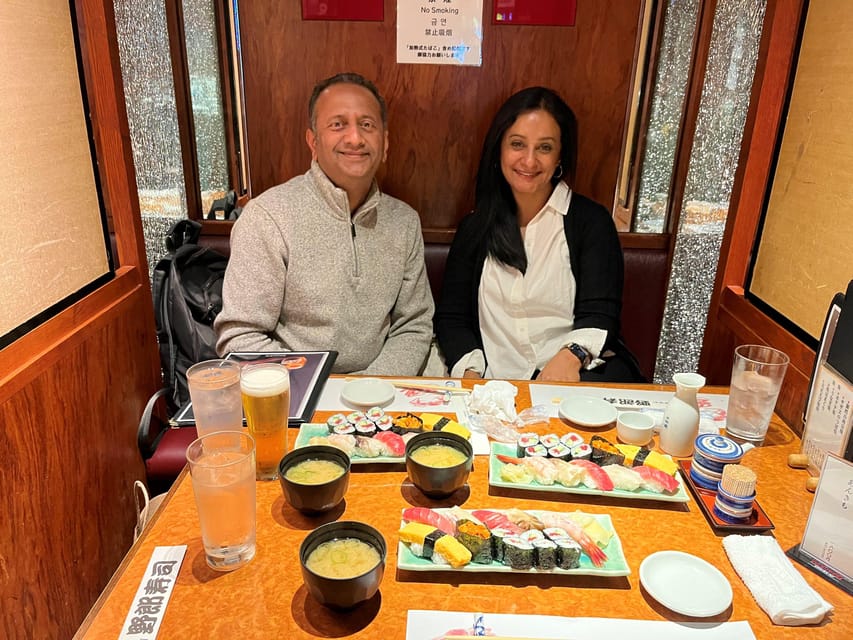
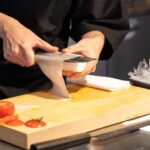
Sushi is one of those foods where people expect the result, but not the process. The benefit of eating it with a guide is that you’ll get a framework for appreciating what you’re tasting. You’ll learn about sushi techniques and see the masterful precision that goes into each delicate piece.
The tour also emphasizes fresh seasonal ingredients and traditional methods. That’s not just marketing—seasonality is one of the main reasons sushi feels different from place to place. If you usually order by habit, a guided experience helps you shift from autopilot to attention.
What to expect at the table: you’ll be sampling authentic sushi with expert guidance, so plan to ask questions. If you’ve never had sushi beyond the basics, don’t worry. The guide’s job here is to translate what’s happening so you can taste the difference instead of guessing.

Wagyu beef in Shinjuku: history, flavor, and regional differences
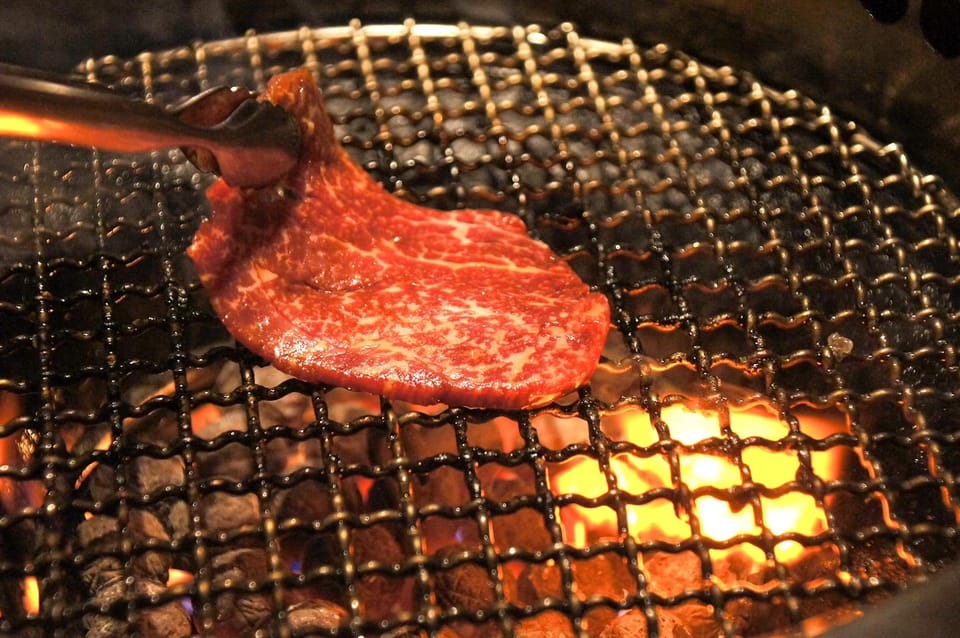
Wagyu can taste like luxury, but the smarter way to experience it is with context. The tour is designed to explain Wagyu beef’s history, its flavor profile, and regional variations. That matters because Wagyu isn’t one single taste. Different breeding and local styles can change how the fat renders and how the beef feels on your tongue.
Also, the best part of a guided Wagyu experience is learning how to judge it in real time—how texture changes as you eat, and how seasoning and cooking method affect richness. This tour keeps the evening grounded in food sense, not just facts.
If you love steak but feel worried you might not know what makes premium Wagyu premium, this is exactly the kind of structured tasting that helps. You don’t need to be a beef expert. You just need to eat slowly and listen.
Omoide Yokocho: tiny bars and the yakitori rhythm
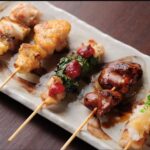
Omoide Yokocho is the kind of Tokyo alley you can’t fully appreciate from outside. It’s known for narrow lanes lined with tiny bars and eateries, where you’ll find yakitori and other comfort foods. The walls feel close, the energy feels local, and it’s where Shinjuku’s food culture shows its everyday side.
This is one of my favorite types of stops for first-time visitors because it’s not a polished show. It’s more like a living snack street. You’ll get a chance to see how Japanese casual drinking and eating works at small scale—short stays, repeated bites, and a social atmosphere that pulls you in.
Hanazono Shrine: a quiet break inside a loud neighborhood
Right after neon and alley bars, Hanazono Shrine gives you a breather. The tour highlights it as a tranquil oasis amid Shinjuku’s busy streets, and that contrast is the point. You get a moment of calm that helps you reset your senses before the final stretch.
This stop is also valuable because it adds a different layer to the night. Food is one part of culture, religion and ritual are another. Even if you don’t go deep on ceremony, a shrine visit reminds you that Tokyo isn’t only nightlife.
Shinjuku Golden Gai: over 200 bars in a maze of stories
Golden Gai is tiny-bar Tokyo at its most focused. The tour frames it as a maze-like area with over 200 small bars, each with unique themes. That number matters because it explains the experience: it’s not one bar and done. It’s an entire neighborhood of micro-venues.
The guided portion here runs about 1.5 hours, which feels right. You need time to walk the alleys, absorb the atmosphere, and understand why the area carries post-war culture weight.
Practical note: Golden Gai is packed into tight spaces. If you hate crowds or standing in line, go with the mindset that you’re here to look, sip, and move. You can still enjoy the vibe without forcing it to become a long hangout.
The Godzilla moment: Shinjuku Toho Building icon stop
There’s also an iconic pop-culture visual built into the night: the Godzilla Head atop the Shinjuku Toho Building. It’s the kind of quick stop that makes the whole walk feel fun, especially at night when the surrounding lights make the area feel extra cinematic.
It also anchors your sense of place. Tokyo neighborhoods can blur together, but landmarks like this help your brain file the experience away as clearly Shinjuku.
The guide factor: what makes this tour feel personal
A big chunk of the rating strength comes from guide energy and explanation. You’ll be with a live English guide, and the small group size (limited to 10) keeps the evening from feeling like a conveyor belt.
In the feedback you’ll see repeat themes: guides who are personable, who share helpful context about dining in Tokyo, and who make the food feel less mysterious. Emma is specifically named as a guide who brings a friendly vibe and keeps explanations practical. Even if you don’t get Emma, the pattern matters: the tour is designed for conversation, not just silent walking.
If you prefer tours where you can ask small questions—what to taste first, what technique changed the flavor, how to order with confidence—this structure fits that style.
Who should book this Shinjuku food walk?
This is a great match if:
- You want Wagyu and sushi without needing prior knowledge
- You like food that comes with context, not just menus
- You’re curious about Shinjuku beyond the main streets
- You enjoy small-group evenings where you can talk to the guide
You might skip it if:
- You hate crowded nightlife areas like Kabukicho
- You want a quiet, museum-style pace
- You’re not interested in alcohol and don’t want to factor 20+ drinking rules into your plan
Also, it helps if you like contrast. You get neon energy, alley bar culture, and a shrine calm moment in the same evening.
Should you book: my take on the “yes, if” checklist
Book this tour if you’re serious about tasting quality food and want help turning that into real understanding. At $154, you’re paying for guided eating and two food venues plus dinner, not just for walking around.
I’d also book it if your Tokyo time is limited and you want Shinjuku in a compact, sensible loop: Kabukicho energy, Golden Gai alleys, Omoide Yokocho snacks, and a shrine breather—wrapped around Wagyu and sushi.
Skip it only if you’re likely to be overwhelmed by nightlife crowds or you’d rather build your own itinerary with no guidance. In that case, you could eat well in Shinjuku on your own. But you won’t get the structured tasting explanations that help you appreciate the details.
FAQ
How long is the Tokyo Wagyu and sushi tour in Shinjuku?
The duration is listed as 3 hours (about 3–3.5 hours in practice). Check availability to see starting times.
What does the tour cost, and what’s included in that price?
It costs $154 per person. Included are a local guide, alcohol beverages available for participants aged 20 and above, dinner, and visits to two distinct food venues.
Is transportation included from my hotel?
No. Transportation costs are not included and may range from 200 yen to 800 yen. Hotel pickup and drop-off are also not included.
Where do I meet the guide?
You meet just in front of the 3rd Burger. The tour also lists a Nishishinjuku starting location address.
Is the tour offered in English?
Yes. The live tour guide language is English.
How big is the group?
This is a small group limited to 10 participants.
Can I cancel if my plans change?
Yes. Free cancellation is available up to 24 hours in advance for a full refund. If there is no contact from you by the day of the tour, the tour may be canceled and you’d receive a full refund.