REVIEW · TOKYO
Tokyo: Easy Ramen Cooking Experience in Kabukicho, Shinjuku
Book on GetYourGuide →Operated by Bancre Inc. · Bookable on GetYourGuide
One bowl, one hour, and you cook ramen. This easy ramen class in Shinjuku Kabukicho focuses on the basics you actually need: choosing your soup and toppings and following a clear, short process so you can finish and eat without a half-day kitchen marathon. I also like how they frame the meal with ramen’s origins and key techniques, not just instructions. The main catch: the soup is made with pork, chicken, and beef, so this isn’t for vegans, vegetarians, or anyone with gluten intolerance.
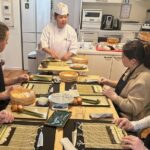
You’ll do this right in Shinjuku, at the Shinjuku Ale meeting spot, an upstairs setup that keeps the mood casual and local. Expect a small group experience (often capped at 6), step-by-step guidance, and plenty of interaction—even when English isn’t perfect and a translator machine is used.
In This Review
- Key Points Before You Go (Shinjuku Ramen, One Hour)
- Shinjuku Ale: finding the upstairs ramen bar in Kabukicho
- The 1-hour ramen reality: what you actually do in class
- The ramen lesson they teach (and why it’s useful)
- Choosing soup and building your toppings like a pro
- What’s in the bowl: secret broth, meats, and dietary limits
- Guides, language help, and the small-group advantage
- Venue perks: photos, water, and takeaway
- Price and value: is $29 worth it in Shinjuku?
- Drinks, alcohol rules, and optional extras you might see
- Who should book this class (and who should skip it)
- Should you book this $29 Shinjuku ramen class?
- FAQ
- Where is the meeting point for the ramen experience?
- How long does the class last?
- What’s included in the price?
- What should I bring or prepare for check-in?
- Is the ramen suitable for vegans or vegetarians?
- Is it okay for gluten intolerance?
- Are there age restrictions?
- Is there an elevator at the location?
- What language support do they offer?
- Can I cancel if my plans change?
Key Points Before You Go (Shinjuku Ramen, One Hour)
- Upstairs venue, no elevator: you’ll need to handle stairs to get to the second floor.
- Trial reservation check-in: when you arrive, tell staff you’re making a trial reservation.
- History + technique in a shortcut format: ramen is traditionally slow, but your class is designed to fit about an hour.
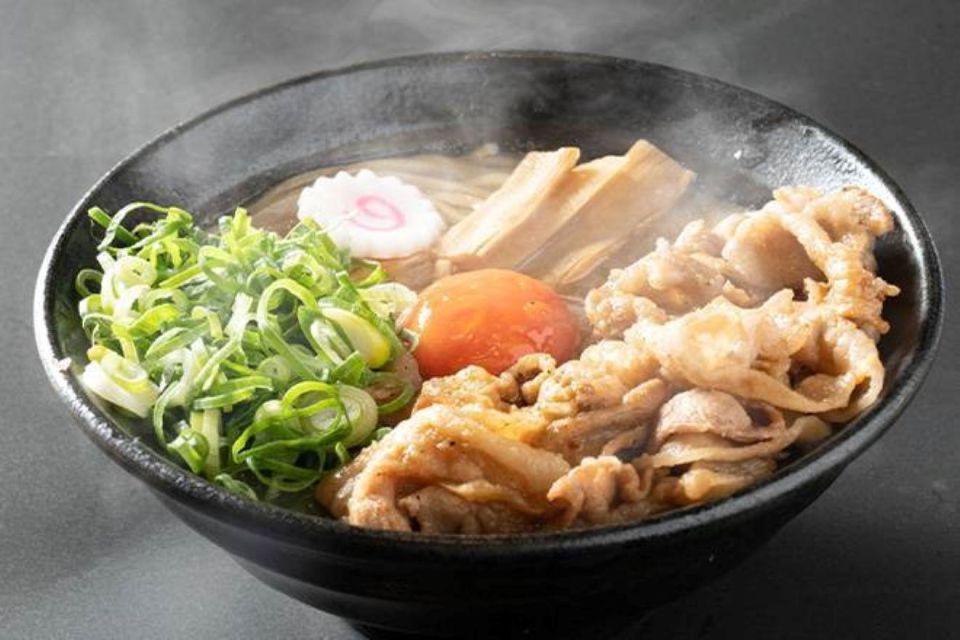
- Build-your-own bowl: pick a soup, boil noodles, then add your toppings.
- Small group size: classes are limited (often max 6), so it stays personal.
- Diet limits are real: the soup contains pork, chicken, and beef, and gluten intolerance is a no-go.
Shinjuku Ale: finding the upstairs ramen bar in Kabukicho
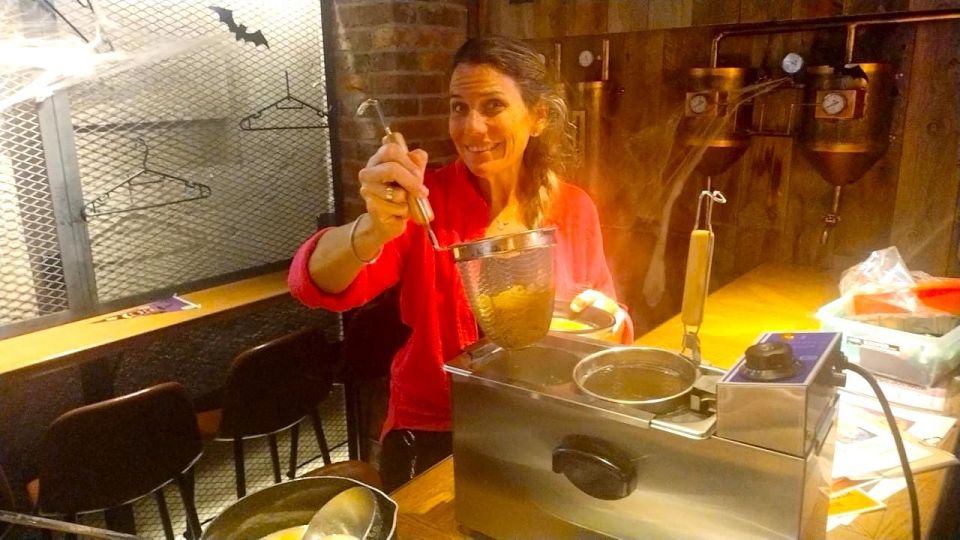
This experience meets at Shinjuku Ale in the Kabukicho area of Shinjuku. When you get there, don’t overthink it—just tell the staff you’re making a trial reservation so they can slot you in smoothly.
One practical point matters more than you’d think: the class happens on the second floor and there’s no elevator. Give yourself a little extra time to locate the stairway and settle in, especially if you arrive right at your start time or you’re coming from the maze of Shinjuku Station.
Inside, the vibe is part restaurant, part bar. Some classes are held in a characterful upstairs room where the space feels more like you stepped into a local hangout than a formal classroom. If you’re already roaming around Shinjuku’s neon, this makes it easy to fit the class into a food-focused evening.
You can also read our reviews of more cooking classes in Tokyo



The 1-hour ramen reality: what you actually do in class
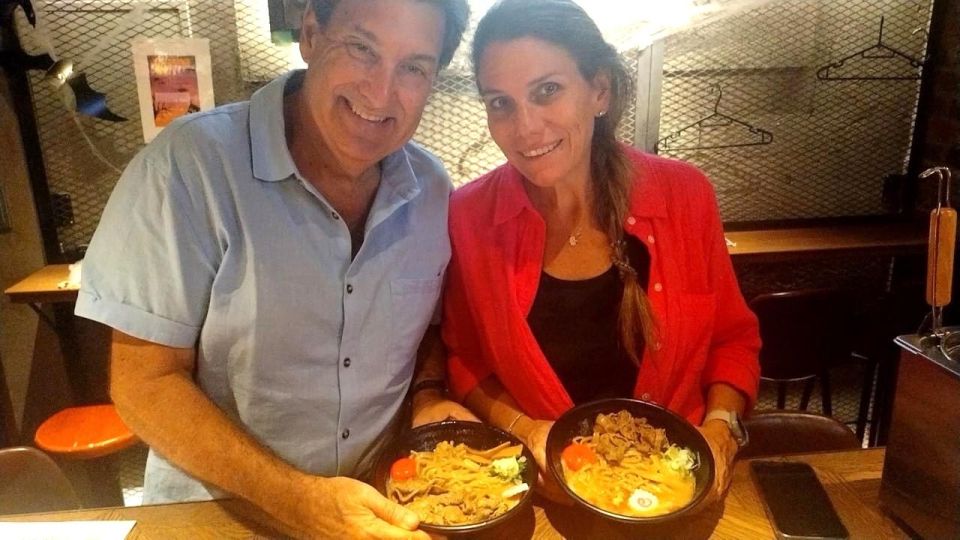
Even though ramen-making can be a long, multi-day process, this class is built as a shortened recipe. That’s not a gimmick; it’s the only way you can learn what matters and still sit down to eat within about an hour.
Here’s the flow you can expect:
- You’ll start with an explanation of ramen’s background and what makes a ramen bowl work.
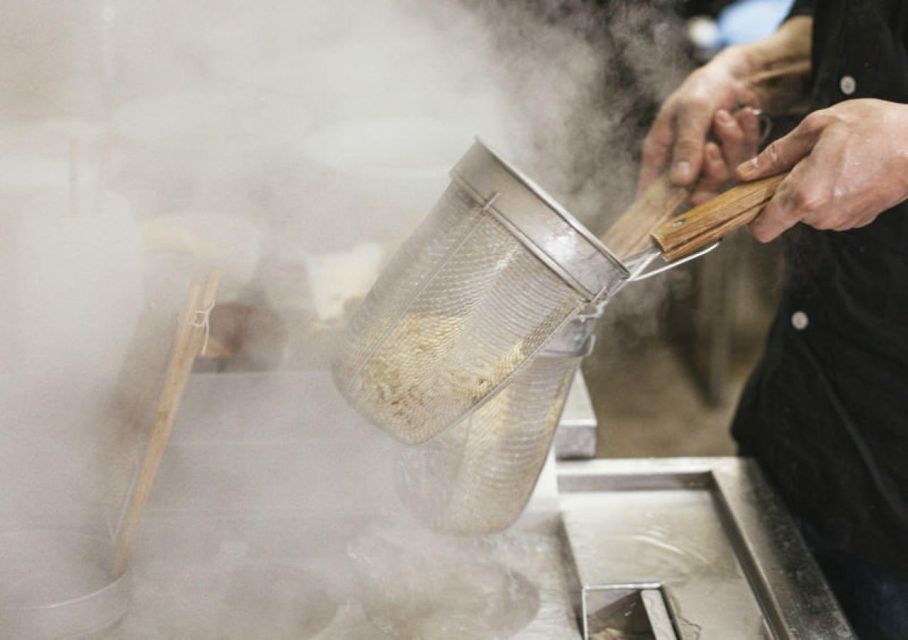
- Then you’ll move into cooking steps, where you choose your soup, boil your noodles, and assemble your bowl with your selected ingredients.
- Finally, the experience ends when you finish eating.
So instead of spending hours grinding through every traditional step, you focus on the parts that translate to real-life ramen skills: timing noodles, balancing the bowl, and understanding how the soup base connects everything.
The ramen lesson they teach (and why it’s useful)
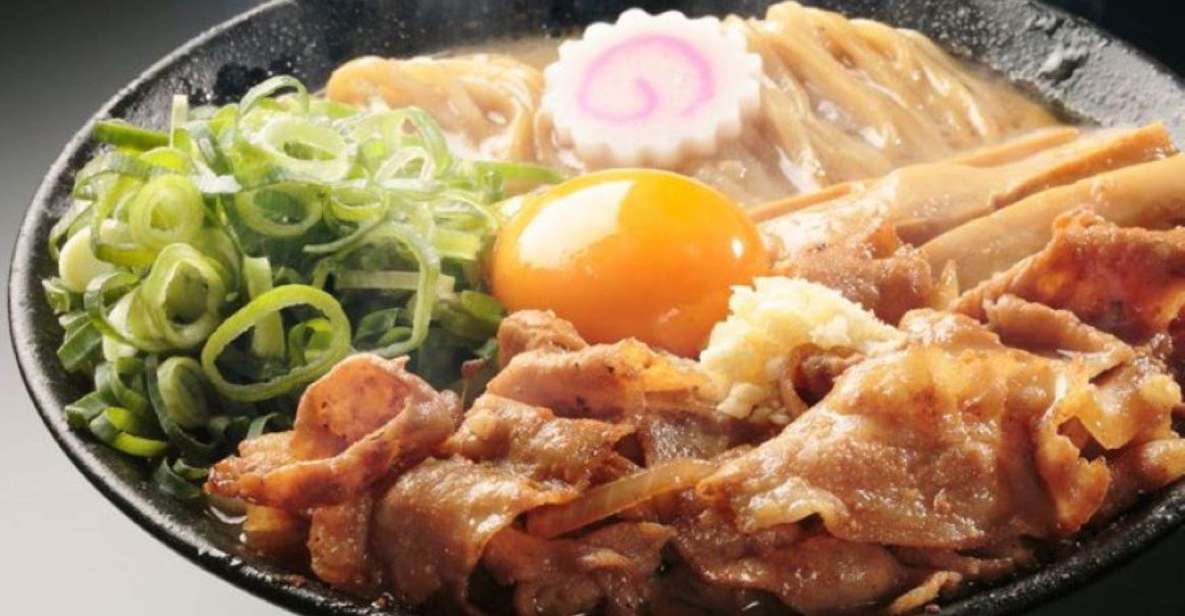
What I like about this class is that it treats ramen as a system, not just a dish. Yes, you’ll end up eating something delicious—but the teaching is about why ramen takes time and what each component contributes.
They’ll talk about how ramen can be served as a main dish or even as a side-style comfort food, depending on the context. More importantly, you learn that a bowl usually comes together from noodles plus a soup base, with meat, eggs, and other ingredients playing supporting roles.
Ramen’s signature comes down to restraint and patience—especially the soup base and noodles, which typically take multiple days in a full traditional process. In this class, they use a shortcut because you’re learning in one session, but the explanation helps you understand what would take longer if you were making everything from scratch at home.
You’ll also hear the reminder that the soup recipe is kept as a secret recipe. That means you don’t get a full ingredient list for the broth, and you’re expected to taste what you’ve been served and focus on the method rather than DIY recreations on day one.
Choosing soup and building your toppings like a pro
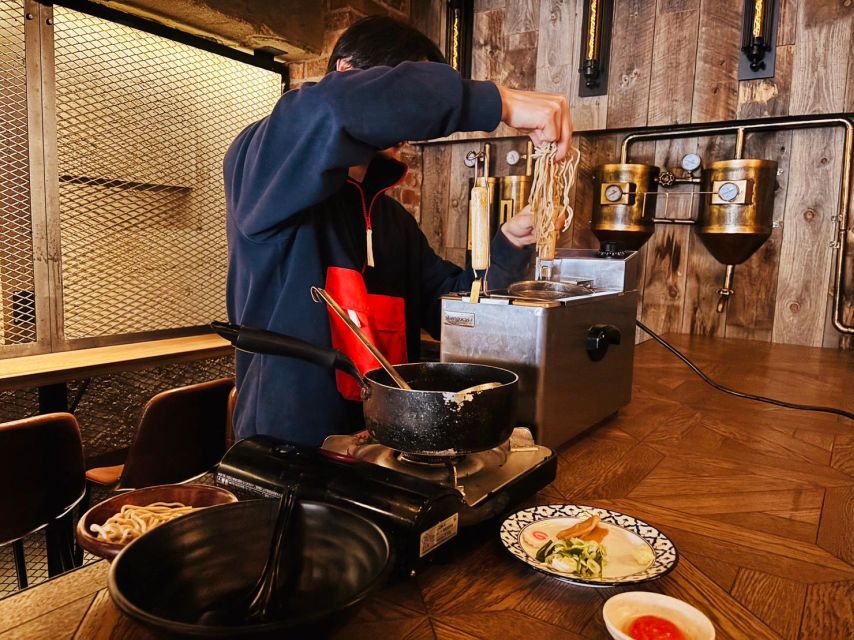
This is the fun part, and it’s also where the class stays flexible. You get to pick your soup, then you boil your noodles, and finally you add your toppings to make your bowl feel like yours.
Think of it like ramen “assembly practice.” You’re learning how the final bowl comes together step-by-step:
1) Start with the soup base flavor direction.
2) Cook noodles correctly so they don’t become mushy or underdone.
3) Add toppings in a way that makes each bite work.
That’s valuable because ramen at shops can be overwhelming. When you’re standing over a menu in Japan, you often have to decide quickly. After this class, you’ll be more confident about what to order and how you want your bowl to feel—spicy, rich, simple, or hearty.
What’s in the bowl: secret broth, meats, and dietary limits
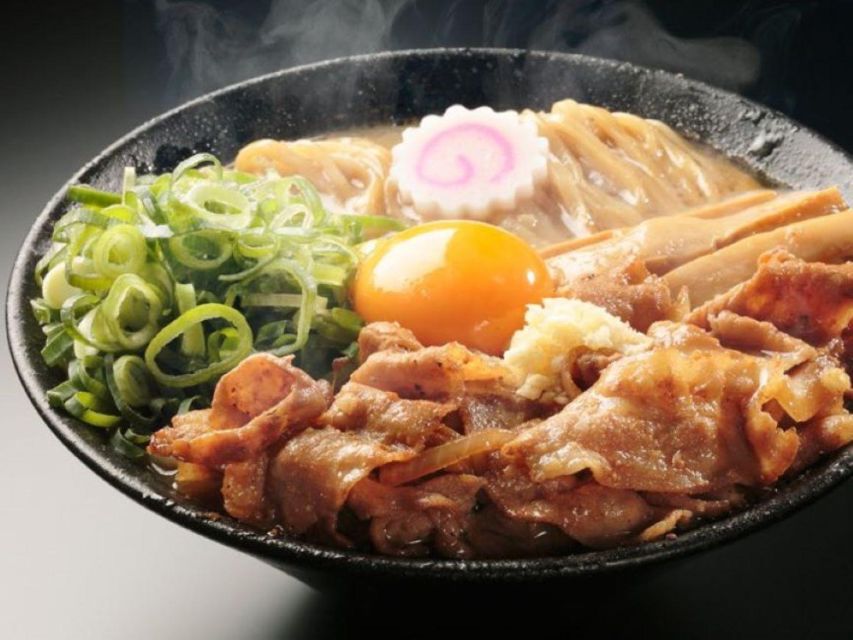
The broth is where you need to pay attention. The class notes that the ramen soup contains pork, chicken, and beef. It’s also a secret recipe, so staff can’t tell you exactly what’s in the soup.
That directly affects who should book:
- Not suitable for vegans or vegetarians
- Not suitable for gluten intolerance
- Also, the dietary rules make it important if you have allergies or strict restrictions, because ingredient transparency is limited for the broth.
If you’re someone who likes to travel light on dietary complexity and you’re happy eating Japanese comfort food made traditionally, you’ll likely enjoy this class a lot. If you avoid pork and beef, or you need full ingredient disclosure, you’ll need to skip this one.
One more realism check: some people find soup styles can be salty depending on the broth option. You don’t get a broad menu of broth bases here—what you choose is part of the class design—so if you’re very sensitive to salt, it’s smart to mention that early to your guide.





Guides, language help, and the small-group advantage
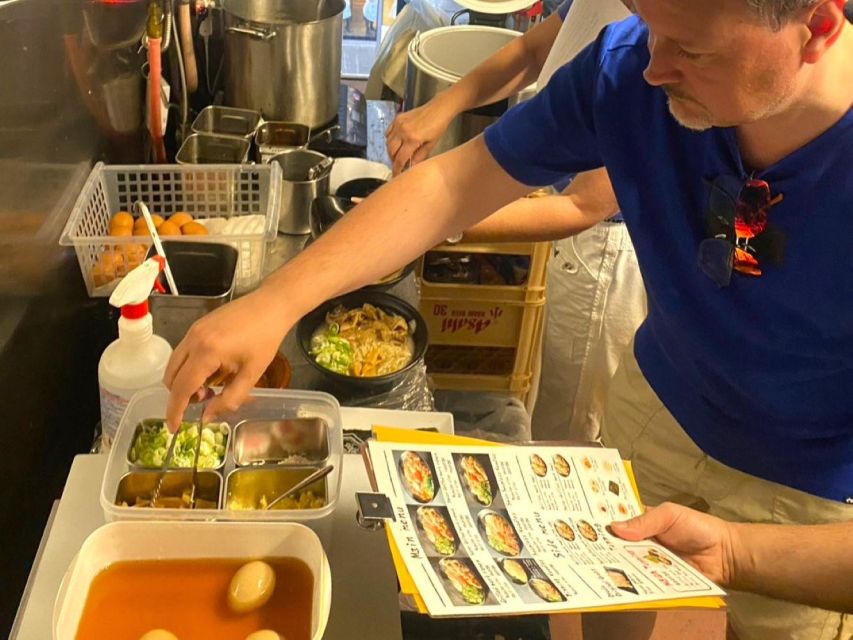
A big part of the experience is the human support. The class is designed so beginners can follow along, and you’ll be guided step-by-step rather than thrown into chaos with a pot and a timer.
Some staff members have strong English, and when English isn’t the easiest, a translator machine may be used. In practice, that means you shouldn’t worry about your language skills too much—you can still ask questions and keep moving through the steps.
Also, small group size is a real quality signal here. The group is often capped at a max of 6, so you’re not stuck watching from the back of a crowded room. A few setups can even be very small, which makes it easier to get personal help—whether it’s noodle timing or figuring out how to assemble your bowl.
You might be guided by people like Tak, Kai, Mikhail, Hinata, Shuma, or Nina. I can’t promise a specific name on your date, but the consistent pattern is clear: you’ll get friendly, interactive teaching.
Venue perks: photos, water, and takeaway
Food classes are usually about the meal, but this one adds a few practical extras that make it feel more like an event. Staff may provide water during the session, and some groups are offered takeaway containers for food, which is handy if you didn’t finish everything.
There’s also a professional photo shoot offered during the class, with an option to purchase photos at the end. If you like documenting food wins (and honestly, who doesn’t), this is a nice add-on and not the awkward kind where someone hovers while you eat.
The setting itself helps too. The upstairs bar atmosphere can be quirky and fun, with decor that leans characterful rather than corporate. In one described setup, the bar area featured items like a decorated pot still and a local-style snake wine called habushu—the kind of detail that makes you feel like you’re in a real place, not just a rented studio.
Price and value: is $29 worth it in Shinjuku?
At $29 per person for one hour, this is priced like a “do something memorable” Tokyo food activity rather than a full-day culinary workshop.
Here’s why I think it holds value:
- You get hands-on cooking plus a meal, not just a tasting.
- The shortcut format is intentional. You’re learning method and decision-making, not spending multiple days on broth and noodles.
- Small group size improves the experience quality per minute, which matters when you’re paying for guided attention.
Could you eat ramen in Shinjuku for less? Sure. But this is the difference: you’re paying for participation and for learning how ramen bowls come together, then eating what you made yourself.
The value also depends on your expectations. If you’re dreaming of fully traditional noodle-making and broth-from-scratch training, this won’t match that. But if you want a beginner-friendly class where you leave with better ordering instincts and a new ramen routine for home, it’s a strong deal.
Drinks, alcohol rules, and optional extras you might see

The core experience includes the ramen and the cooking class. The activity notes that bottled drinks are not included.
Alcohol is where you need to follow the rules. The class information states that underage drinking is prohibited under Japan’s minors law. If you’re under 20, you’ll need to follow the legal restrictions; if you’re above that, any alcohol offered would still be optional and subject to the rules staff apply.
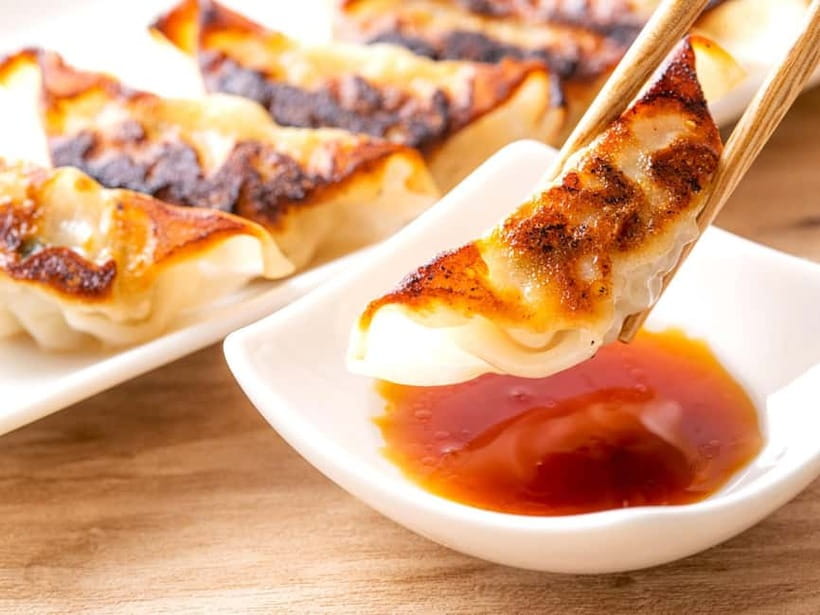
Some described options have included gyoza and an alcohol drink as add-ons for certain bookings. Since this depends on what you select, check at reservation time what’s included in your specific setup. You don’t want surprises—especially in Shinjuku, where it’s easy to get distracted by everything around you.
Who should book this class (and who should skip it)
This works best for:
- First-time ramen fans who want more than a restaurant meal
- People who like guided cooking without a long time commitment
- Anyone visiting Shinjuku and looking for a hands-on food activity with a clear finish line
Skip or rethink it if:
- You’re vegan or vegetarian (broth contains pork, chicken, and beef)
- You have gluten intolerance
- You have limited mobility or hate stairs (it’s on the second floor, no elevator)
- You need full ingredient transparency for the broth (the recipe is secret)
For families, it can be a fun option for older kids. The class rules say children under 4 years aren’t suitable, and participants under 20 must be accompanied by a parent or guardian.
Should you book this $29 Shinjuku ramen class?
If you want a one-hour Tokyo food win that mixes cooking, ramen context, and a satisfying meal, this is an easy yes. The value is strong for the time you spend, and the small-group setup makes it feel friendly rather than rushed.
I’d book it if:
- You’re comfortable eating ramen-style broth with pork/chicken/beef
- You want to learn the key steps—choose soup, boil noodles, assemble toppings
- You like interactive activities with staff who help you along (often with strong English or translator support)
I’d skip it if:
- Your diet restrictions are strict (especially gluten intolerance or avoiding all meat)
- You need a true from-scratch, multi-day broth and noodle workshop
When you arrive, remember one simple line: tell staff you’re making a trial reservation. Then let the class do what it’s designed for—get you from decision-making to a finished bowl, fast.
FAQ
Where is the meeting point for the ramen experience?
The meeting point is Shinjuku Ale in Shinjuku Kabukicho, and the map link provided is https://maps.app.goo.gl/WFQbgLjFTVA9bwdL7.
How long does the class last?
The experience lasts 1 hour.
What’s included in the price?
Included are the ramen cooking experience and a meal.
What should I bring or prepare for check-in?
You should bring an ID card. A copy is accepted.
Is the ramen suitable for vegans or vegetarians?
No. The soup contains pork, chicken, and beef, and it is not suitable for vegans or vegetarians.
Is it okay for gluten intolerance?
No. The experience is not suitable for people with gluten intolerance.
Are there age restrictions?
Children under 4 years are not suitable. Participants under 20 years old must be accompanied by a parent or guardian.
Is there an elevator at the location?
No. The experience is on the second floor, and there is no elevator.
What language support do they offer?
Some staff are not good at English, so they may use a translator machine.
Can I cancel if my plans change?
Yes. The experience offers free cancellation up to 24 hours in advance for a full refund.