REVIEW · TOKYO
Shinjuku Tokyo: Authentic Japanese Home-Style Culinary Class
Book on GetYourGuide →Operated by Wa No Kokoro Cooking Activity Class · Bookable on GetYourGuide
A Shinjuku kitchen class beats the usual tour shuffle. This Japanese home-style cooking experience near Shinjuku lets you choose a menu, prep dishes with an instructor, and sit down to a meal you helped make. I especially like how it feels hands-on and cozy, with clear English instruction from chefs like Kana and Kayo, plus the food is the star, not the lecture.
Two things I’d highlight: you get to make multiple dishes from a popular set (so you’re not just doing one small snack), and you can bring dietary preferences into the mix, including vegetarian or vegan needs. One consideration: your exact menu choice can depend on how many groups are in the studio that day, so if you have a very specific must-make dish, plan to communicate early.
In This Review
- Key things to know before you cook
- Why a Shinjuku home-style class feels different
- Pick your menu: the dishes that match what you want to learn
- Menu A: Okonomiyaki and Yakisoba set
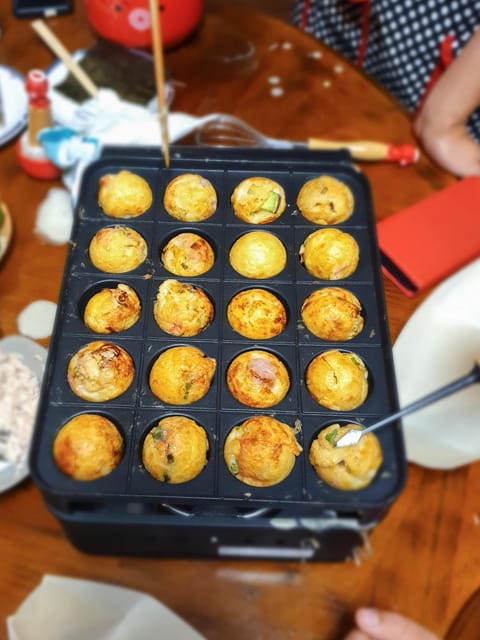
- Menu B: Gyoza and Takoyaki set
- Menu C: Rolled sushi and Teriyaki set (with miso soup)
- Menu D: Traditional gozen set
- Menu E: Ask for what you want
- What the 150 minutes actually feel like in the studio
- Dietary preferences and allergies: how the class stays flexible
- English-led instruction with real personality
- Price and value: what $88 buys you in Tokyo
- Logistics near Shinjuku: where you meet and how to avoid time sinks
- Who should book this class (and who might not)
- Should you book Wa No Kokoro Cooking Activity Class in Shinjuku?
- FAQ
- What menu options are available?
- How long is the class?
- Where is the class held?
- Is the class taught in English?
- Can the class accommodate dietary preferences?
- What if I have food allergies?
- What’s included in the price?
- Is transportation included?
- Can I cancel if my plans change?
- Is there a reserve and pay later option?
Key things to know before you cook
- Choose from set menus like okonomiyaki and yakisoba, gyoza and takoyaki, rolled sushi with teriyaki, or a traditional gozen spread
- Hands-on prep with ingredients handled in advance, so you spend more time cooking and less time hunting supplies
- Dietary options are part of the plan, and allergies can be discussed ahead of time
- English-led teaching with lots of chances to ask questions and learn technique
- You eat what you make, often enough to stick with you for hours after
Why a Shinjuku home-style class feels different
Tokyo has cooking schools. This one feels closer to a kitchen chat between friends who just happen to cook extremely well. You’re in a compact kitchen studio near Shinjuku, and the pacing is built around learning basic techniques you can actually repeat later—mix, shape, pan-cook, roll, and then plate like you mean it.
What makes it work is the format. You don’t just watch. You work at a station, you handle the ingredients, and you connect the dish to the way Japanese home cooks build flavor. In classes led by instructors such as Lulu, Miyuki, and Chieko, the tone stays friendly and practical, with room for questions about ingredients and steps.
The goal isn’t fancy restaurant plating. It’s learning how the dish comes together, step by step, so your next meal at home feels less like copying a recipe and more like understanding it.
You can also read our reviews of more tours and experiences in Tokyo

Pick your menu: the dishes that match what you want to learn
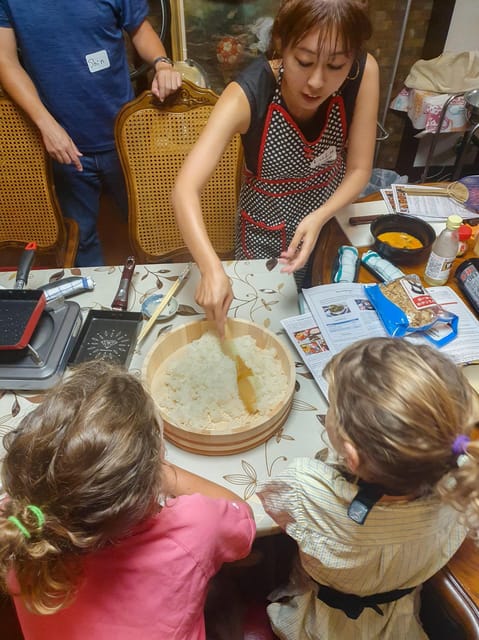
When you book, you select one menu option from the main sets. Each set is designed around a different cooking style, so choose based on what you want to practice.
Menu A: Okonomiyaki and Yakisoba set
This is the batter-and-sizzle menu. You’ll make okonomiyaki, a savory cabbage-forward pancake cooked on a grill, topped with sauces and finishing touches. You’ll also tackle yakisoba, stir-fried noodles cooked with a sweet-salty sauce and paired with typical fillings like seafood or pork and veggies.
Why it’s a great pick: it teaches heat control and timing. You’ll see how the batter sets and how the toppings change the final flavor. If you like comfort food that’s a little smoky from the grill, this set makes sense.
Menu B: Gyoza and Takoyaki set
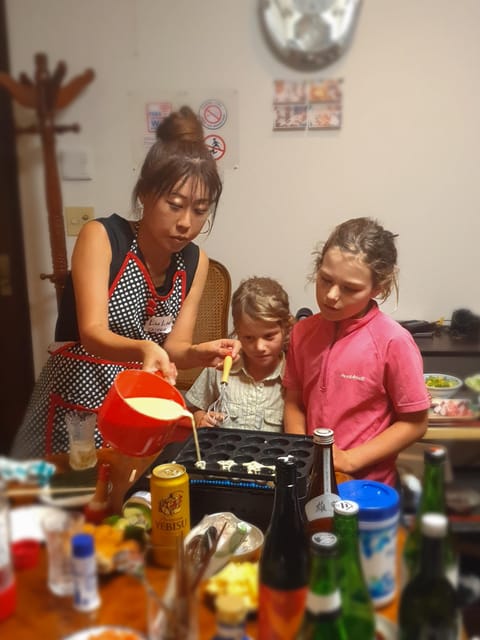
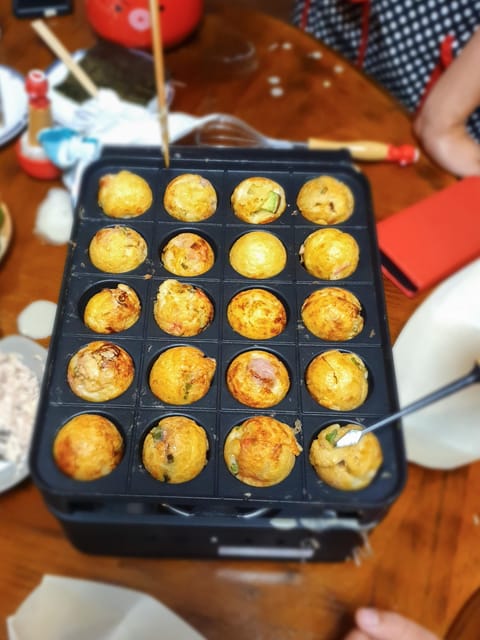
If you want snack-food energy, this is your menu. You’ll learn gyoza, pan-fried until the bottoms get crisp, and then takoyaki, the Osaka-famous octopus dumplings with a fun rolling/turning process.
Why it’s a great pick: both dishes reward practice. Even if your first try looks imperfect, you’ll quickly understand how shape and pan heat affect texture.
Menu C: Rolled sushi and Teriyaki set (with miso soup)
This is the menu for people who want hands-on food prep plus classic Japanese home flavors. You’ll roll your own sushi pieces rather than relying on store-bought shortcuts, then pair it with yellowtail or chicken teriyaki, plus miso soup.
Why it’s a great pick: you’ll learn how rolls go together and how teriyaki sauce tastes when it’s cooked with intention rather than just warmed from a jar.




Menu D: Traditional gozen set
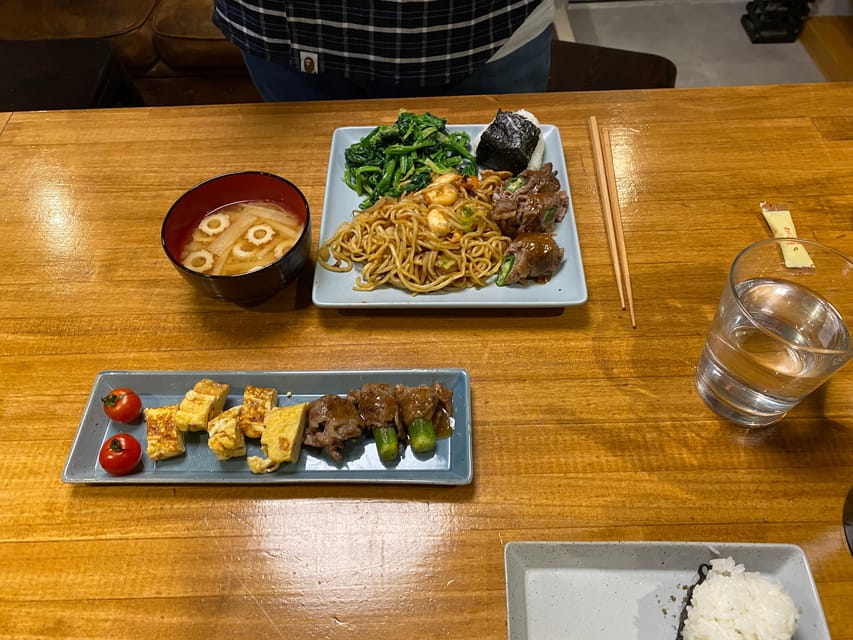
Gozen means a little of everything, Japanese style. You’ll assemble a balanced spread with a meat plate, a fish plate, a side dish, miso soup, and an onigiri rice ball.
Why it’s a great pick: it teaches structure. You’ll experience how Japanese meals balance carbs, protein, soup, and small sides—useful if you want ideas for everyday cooking, not only one signature dish.
Menu E: Ask for what you want
There’s also a request option. If you request a particular menu, you can discuss and decide together. This is handy when you don’t see your exact dream combo listed.
Important note: ingredients are prepared beforehand, but menu selection may be limited if other groups are attending the same class that day. If you’re set on a specific menu, make your choice early and message your needs promptly.
What the 150 minutes actually feel like in the studio
This experience runs about 150 minutes, and it’s built around three simple phases: get oriented, cook, then eat.
First, you meet in the kitchen studio near Shinjuku. You get set up with cooking tools and ingredients, and the instructor walks you through what you’ll make. One detail that helps: ingredients are prepared in advance, so you’re not spending your whole class doing prep drudgery.
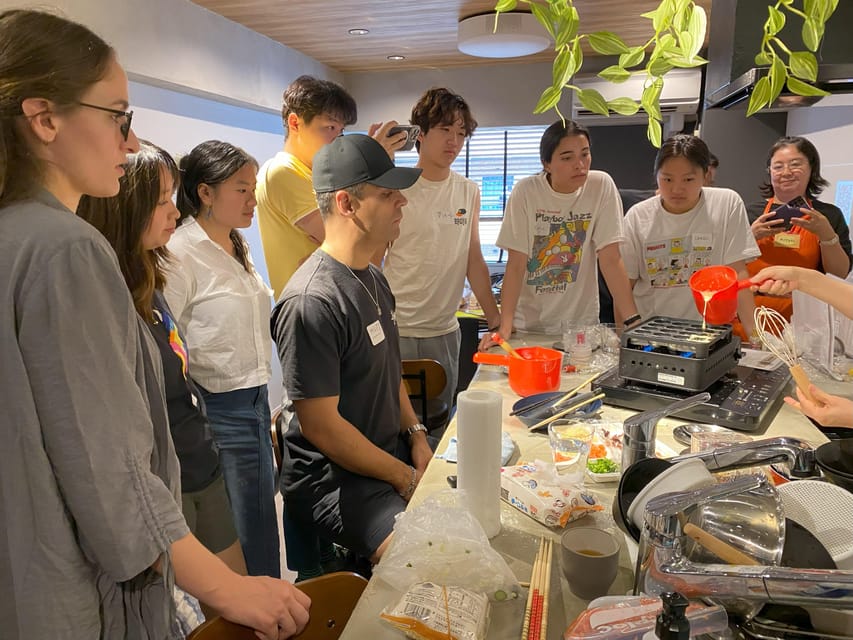
Then comes the cooking work. Depending on your menu, you’ll be mixing components, shaping items, and cooking at the right heat. Instructors guide you through technique, and they tend to pause for questions. I like this approach because it keeps you from feeling lost if your hands move at a different speed than theirs.
Finally, you eat the meal you made together. Portions are substantial. People consistently leave satisfied, not just nibbling a single dish. You should expect this to feel like a real meal, not a quick tasting.
A small practical perk: you’ll likely walk away with instructions and recipes you can use later. Some classes also include photos from your experience, which can be surprisingly helpful when you want to remember how you plated things or what order you cooked in.
Dietary preferences and allergies: how the class stays flexible
This is where the class earns trust for real life. The experience is designed to accommodate dietary preferences, including vegetarians and vegans. If you have allergies, you’re encouraged to tell the team in advance so they can discuss what menu options will be available.
In practice, that means you’re not left to improvise at the last minute. You’re communicating early, and the instructor can adjust the plan based on what’s workable in the kitchen that day.
If you’re traveling with picky eaters, this also helps. A menu set that matches most people’s needs tends to reduce the stress of everyone eating something different. Still, if your dietary needs are strict, message your instructor before arrival and be clear about what you can and can’t have.
English-led instruction with real personality
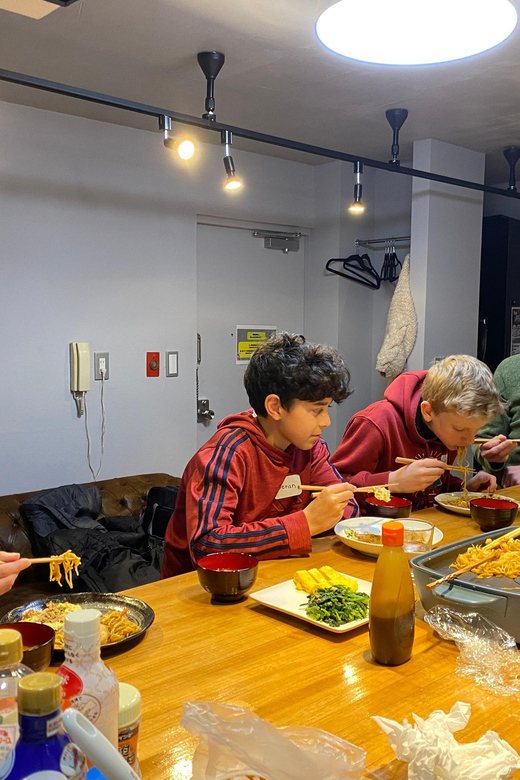
The class is taught in English, which makes a big difference in a cooking workshop. You’re not just watching words happen around you—you’re understanding why the dish is built the way it is.
Instructors like Kana, Kayo, Mika, Miyuki, and Lulu show up as friendly, patient, and willing to answer questions. More than once, the instruction style includes cultural context about ingredients and dishes, so you’re not only learning a technique—you’re learning what that ingredient is doing in the final taste.
Also, this is a good place if you’re traveling with kids. The teaching style has a way of meeting different ages at their comfort level, with humor and patience showing up in the classroom rhythm.
If you’re the kind of person who wants to do every step yourself, you might find that some parts involve short demonstrations while the instructor explains what you should watch for. It’s still hands-on overall, but go in expecting guided cooking rather than a totally independent lab.
Price and value: what $88 buys you in Tokyo
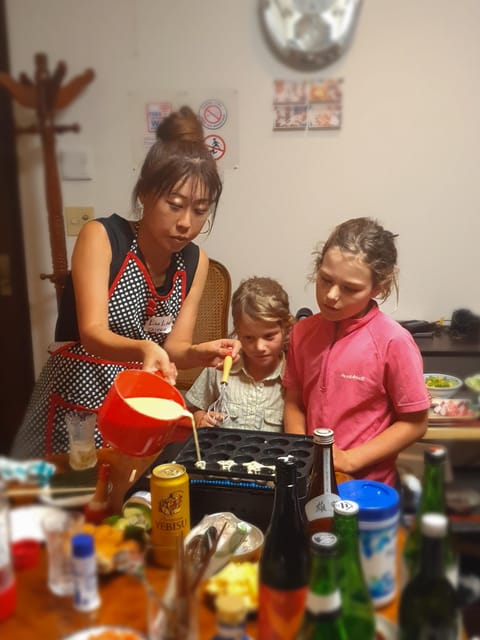
$88 for about 2.5 hours in a Tokyo kitchen sounds simple on paper. The real value shows up in what’s included and how much food you get.
You’re paying for:
- cooking tools
- ingredients
- drinking water
- instruction in English
- and the full experience of cooking your chosen set, then eating it
When a class feeds you well, it changes the math. This isn’t just a snack activity you squeeze in between attractions. You can treat it like a main meal you planned for, which often makes the cost feel less like an extra expense and more like a smart way to spend time.
One more value factor: the class encourages you to recreate dishes later. People leave with recipes and a better sense of how the dish should feel—especially helpful for okonomiyaki texture, takoyaki turning cues, or sushi rolling technique.
If you’re comparing against cooking classes that only teach one tiny dish, this one tends to give you more output for your time, because the menu sets include multiple components and side dishes.
Logistics near Shinjuku: where you meet and how to avoid time sinks
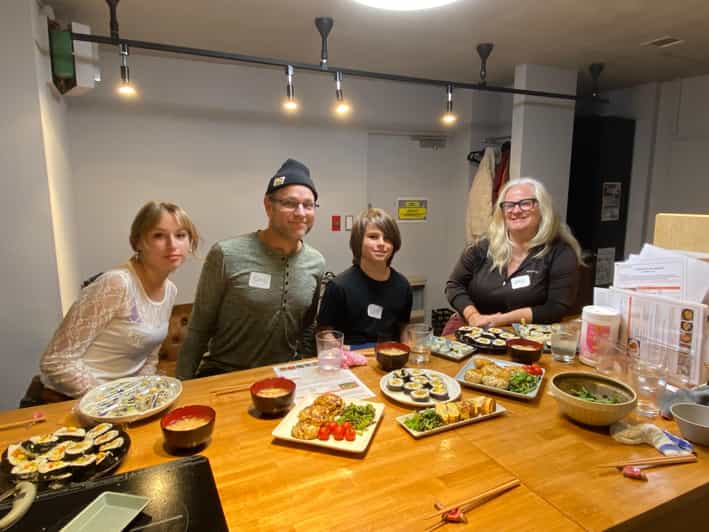
The meeting point is a kitchen studio in or around Shinjuku, and the exact address is sent after booking. That matters because the studio may be inside a building where the entrance isn’t obvious at first glance.
Here’s how to keep it smooth:
- Start early enough that you can handle a little walking and stairs.
- Watch for the message with the exact address after you book.
- If you arrive and something feels off, contact the organizer rather than guessing.
You don’t need a private driver—transport isn’t included—but you do want the time to get there without rushing. Coming from central Shinjuku, it’s usually manageable, yet having a few minutes of buffer is smart.
Also, the class includes tools and ingredients, so you don’t need to carry cooking supplies. Just bring yourself, an appetite, and whatever notes you like to take.
Who should book this class (and who might not)
This cooking experience fits best if you want:
- a hands-on Japanese cooking class in central Tokyo
- one set menu that covers a whole meal, not scattered bites
- English instruction and an environment where you can ask questions
- vegetarian or vegan options, or a chance to discuss allergies ahead of time
It also works well for couples and small groups because you’re doing the same menu together and sitting down to share the final meal.
You might think twice if:
- your #1 priority is completely independent cooking with minimal instruction. Expect guidance and demos.
- you’re trying to lock in a specific menu very late in the booking timeline. Menu choice can depend on whether other groups attend that day.
If you have special dietary needs, message early and be explicit. The studio’s flexibility is real, but kitchen reality still matters.
Should you book Wa No Kokoro Cooking Activity Class in Shinjuku?
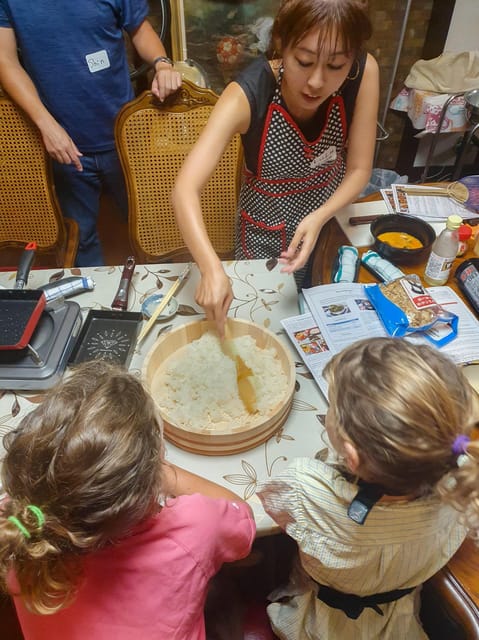
My decision is yes—if you want a practical, food-first experience near Shinjuku that teaches techniques you can repeat. For the price, you get a full meal experience, real instruction in English, and menu options that cover different styles: grill cooking, crispy pan-frying, rolling sushi, and balanced gozen plates.
Book it especially if you’re the type who likes to learn by doing. You’ll come away with better understanding, not just a photo of a dish you didn’t cook.
Only skip if you’re trying to minimize time in a kitchen or you need a guaranteed menu selection regardless of day-of-class grouping. If that’s you, reach out before you commit and confirm what’s available.
FAQ
What menu options are available?
You can choose from four main menus: (A) okonomiyaki and yakisoba, (B) gyoza and takoyaki, (C) rolled sushi and teriyaki with miso soup, or (D) a traditional gozen set. There’s also a request option if you want to discuss a different menu.
How long is the class?
The experience lasts about 150 minutes, including cooking and enjoying the meal you make.
Where is the class held?
The meeting point is a kitchen studio in or around Shinjuku, Tokyo. The exact address is sent after your booking.
Is the class taught in English?
Yes. The instructor speaks English.
Can the class accommodate dietary preferences?
Yes. The experience is designed to accommodate dietary preferences, including vegetarians and vegans.
What if I have food allergies?
Tell the team in advance. You can discuss your allergies and what menu options will be available.
What’s included in the price?
All fees and taxes are included, along with cooking tools, ingredients, and drinking water.
Is transportation included?
No. Private transportation is not included.
Can I cancel if my plans change?
Free cancellation is available up to 24 hours in advance for a full refund.
Is there a reserve and pay later option?
Yes. You can reserve now and pay later to keep your travel plans flexible.
If you’d like, tell me which menu you’re leaning toward (A, B, C, or D) and any dietary needs, and I’ll help you pick the best match for what you want to learn.