REVIEW · CHIBA
Japanese Cooking Class and Cultural Experience Around Tokyo
Book on Viator →Operated by Home-style Authentic basic Japanese Cooking Class & Experience of Japanese culture · Bookable on Viator
A meal you can actually cook. This Japanese cooking class in Chiba mixes hands-on home-style recipes with real cultural time, starting with making dashi and ending with sake tasting or an alternative. I like the straightforward, basic-but-authentic approach, and I really enjoy that you learn Japanese ingredients, not just follow steps. The only watch-out is that your menu choice (A, B, C, or D) can be limited if another group is attending the same session.
You’ll spend about 2.5 hours cooking, then settle in for roughly 0.5 hour of sake/tea/calligraphy time. I also like the small-group feel (up to 8), because it keeps the class from turning into a rushed factory line. If alcohol isn’t your thing, the good news is you can switch to Japanese tea tasting or calligraphy, but you’ll want to plan that choice when you book.
In This Review
- Key points at a glance
- Cooking Dashi and Home Dishes Around Tokyo’s Easier Side
- From Chiba Station to Your Cooking Table: Getting Started
- Menu Letters (A, B, C, or D): How to Choose Without Surprises
- The 2.5 Hours of Cooking: Basic Skills That Actually Translate
- Eating What You Make: Comfort Food With a New Baseline
- Sake Tasting After Dinner: When It’s Worth It and When It Isn’t
- Japanese Tea Tasting Option: Beyond Green Tea
- Calligraphy With Special Brushes and Ink (Plus a Personal Touch)
- Small Group Matters: Up to 8 People, Not a Crowd
- Pickup, Mobile Tickets, and Group Discounts: Small Details With Real Impact
- Price and Value: What $100.11 Buys You Here
- Who This Class Fits Best (And Who Might Want Another Option)
- Should You Book This Chiba Cooking and Culture Class?
- FAQ
- Where is the meeting point?
- How long does the experience last?
- What do we cook in the class?
- Do you learn how to make dashi?
- Can I choose the menu?
- Is pickup available?
- What happens after cooking?
- What is included in the calligraphy option?
- How many people are in a group?
- FAQ
- What if I have food allergies?
- How is booking handled after I reserve?
Key points at a glance
- Dashi basics: Learn Japanese soup stock and how it shapes flavor
- 3-4 home-style dishes: Cook and enjoy what you make in the same session
- Menu letters (A–D): Choose at booking, with options depending on group overlap
- Local sake tasting: Rare sake prepared for tasting after the meal
- Swap if you prefer: Tea tasting (not only green tea) or calligraphy with brushes and ink
- Max 8 travelers: More attention and a calmer pace
Cooking Dashi and Home Dishes Around Tokyo’s Easier Side
This class is set up for people who want real technique, not just a quick demo. You’ll cook 3-4 Japanese home-style dishes together, and you’ll learn how to make dashi, the backbone of a lot of Japanese comfort food. That alone makes the experience useful after you get back home, because dashi isn’t just a recipe. It’s a flavor system.
What makes this work especially well is the pacing and structure. You’re taught basic skills, then you cook as a group, then you eat. After that, you move into a short cultural component—sake tasting, or a swap like tea tasting or calligraphy. It’s a compact package that fits well into a Tokyo-area itinerary without making you feel like you’re running from one stop to another all day.
You can also read our reviews of more tours and experiences in Chiba.
From Chiba Station to Your Cooking Table: Getting Started
You meet at Chiba Station, specifically Shinchiba, 1-chōme (Chuo Ward). If you like transit-friendly meet points, this is a solid one: it’s near public transportation and easy to reach.
Pickup is offered, which matters more than people think. If you’re carrying groceries, dealing with jet lag, or just don’t want to figure out the exact last-mile route that day, pickup can take stress off your schedule. Still, even if you use public transport, the meeting point is straightforward enough that you shouldn’t need a complicated game plan.
The class runs about 3 hours total (approx.), with cooking taking the majority of the time. For day planning, that helps: you can usually pair it with an early lunch schedule or keep the afternoon open afterward.
Menu Letters (A, B, C, or D): How to Choose Without Surprises
When you book, you pick which menu you want using A, B, C, or D. That’s a simple system, but there’s one important detail: menu choice depends on what else is happening in the class that day. The class notes that if you’re the only attendee (or your group is the only group), you can choose freely. If another group is also attending, your menu option might be limited.
So here’s how I’d approach it. If you have dietary needs, it’s worth prioritizing clarity early rather than waiting. The operator says you should let them know about food allergies in advance, and they can discuss menus with you. That’s the right mindset for Japanese cooking classes because ingredients and substitutions can be specific.
If you’re flexible and mostly want the skills—especially the dashi technique—then you’ll likely enjoy any of the menus. They’re described as popular, well-known Japanese options.
The 2.5 Hours of Cooking: Basic Skills That Actually Translate
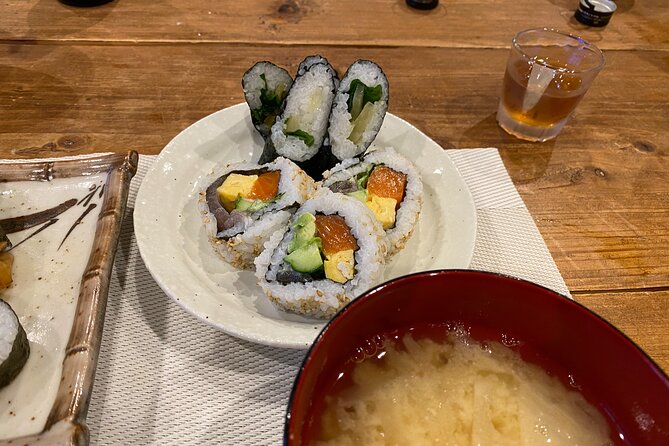
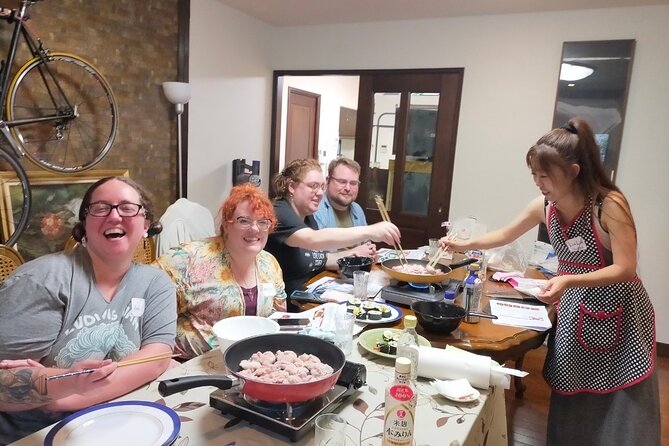
This is the core of the experience. You’ll be taught basic but authentic home-style Japanese cuisine, then you’ll cook as a group. The emphasis is on learning how ingredients work and how you cook them, so you’re not just memorizing outcomes.
A few things about the cooking portion that you’ll feel immediately:
- Dashi isn’t an afterthought. You’ll learn how to make it, and it becomes the flavor foundation for the meal.
- You’ll spend time on the rhythm of cooking: prep, cooking, and then coming together to finish dishes.
- You’ll get ingredient context—how Japanese ingredients behave compared to what you might be used to.
If you enjoy cooking because you like process, this class is built for you. If you’re hoping for something purely cultural with minimal cooking, you might find the hands-on component is the main event. The upside is you leave with technique you can repeat, not just photos.
Eating What You Make: Comfort Food With a New Baseline
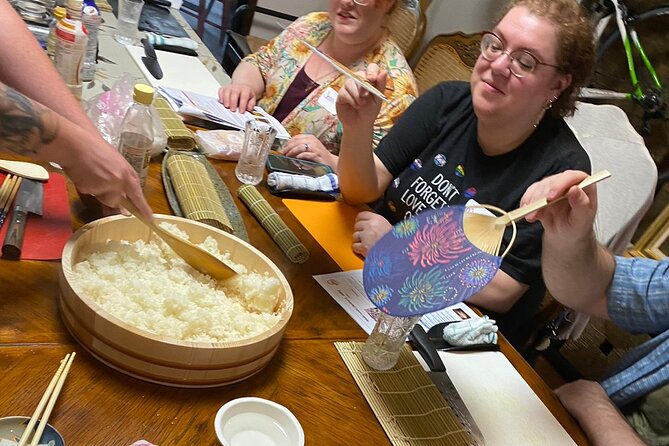
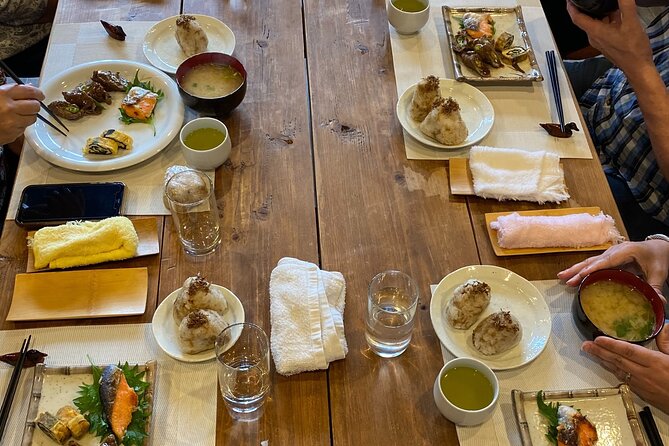
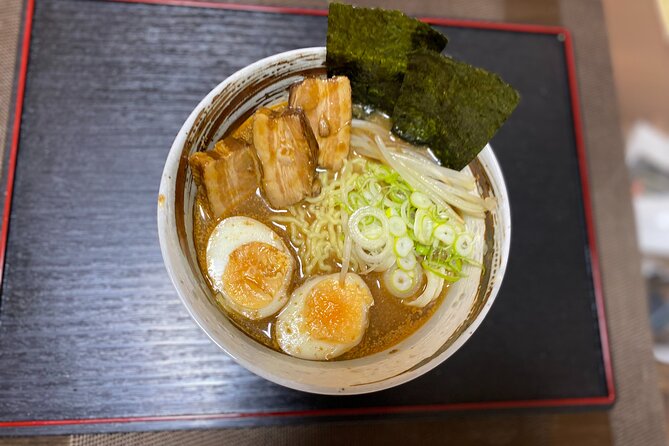
After you cook, you eat the dishes you made. That turns the class into more than a lesson—it becomes a meal built from your own work. I love this structure because you can taste what you did right away and connect flavor decisions to steps.
Also, because you’re cooking home-style Japanese food, you’re not stuck chasing fancy restaurant complexity. The dishes are described as popular and well-known in Japan, which usually means the flavors are approachable and satisfying rather than oddball.
If you’re a person who likes learning by doing, this is where it clicks. You’re not only building confidence in the kitchen—you’re also learning what good dashi-based flavor feels like on your tongue.
Sake Tasting After Dinner: When It’s Worth It and When It Isn’t
After the meal, the program shifts into a short sake tasting time (about 0.5 hour). The class notes that you’ll be served rare, high-quality sake distilled locally in Japan.
This part is brief, so it’s not trying to turn you into a sommelier. It’s more about letting you experience Japanese drinks in a structured way right after cooking, when your palate is still engaged with the flavors you worked with.
But here’s the key consideration: sake is still alcohol, so it’s not for everyone. The class specifically says they can change the program if you’re not a fan of alcohol or if you’re not an adult.
If you’re unsure, you’ll be better off making your choice upfront when booking. That way you don’t end up in a last-minute decision during the class.
Japanese Tea Tasting Option: Beyond Green Tea
Not a sake person? You can switch to Japanese tea tasting instead. The class notes that Japanese tea in Japan isn’t only green tea, so you should expect variety in the tasting experience.
This swap is a smart fit if you want something cultural that pairs well with a cooking class without the alcohol element. Since the program timing stays about the same, you still get the cooking segment and the short tasting segment, just with a different finish.
If you like tasting, comparing, and learning how flavors change from one type to another, this is a nice alternative. It also tends to work well for a wider range of ages and preferences.
Calligraphy With Special Brushes and Ink (Plus a Personal Touch)
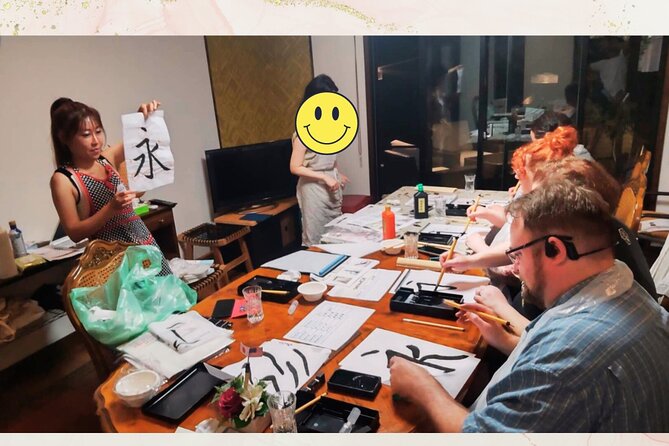
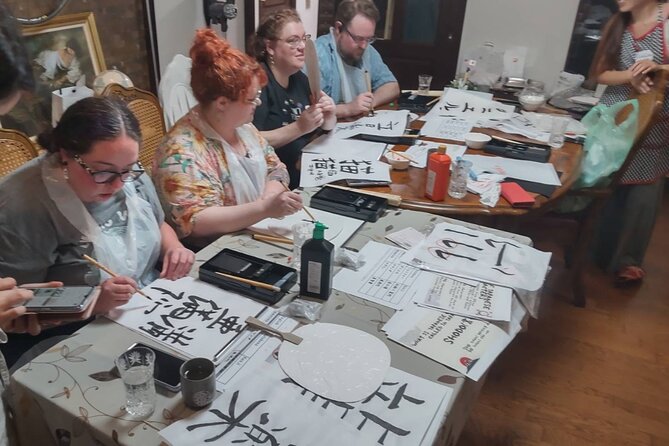
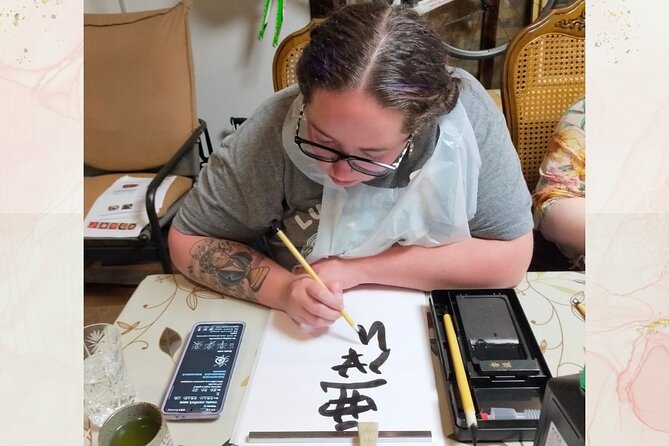
Another alternative is calligraphy. If you choose this option, you can write your name or a Kanji character using special brushes and ink. The class framing here is practical and approachable: you learn basic skills and then put them into your own writing.
One extra detail showed up in the feedback: after the calligraphy lesson and basic practice, some sessions included decorating a personal fan. If your day includes that, it’s a fun, tactile souvenir that feels connected to what you just learned rather than a generic shop buy.
Calligraphy also complements the rest of the class surprisingly well. You’ve spent the morning learning about ingredients and flavor structure, and then you end with a visual art form where control and attention matter. Even if you’re not artistic, it’s still rewarding.
Small Group Matters: Up to 8 People, Not a Crowd
This experience caps at 8 travelers. That changes the whole feel. In small groups, you get more time to ask questions while you’re cooking, and it’s easier for the instructor to notice what you’re doing.
The teaching style is described as engaging and kind, and that matches what you want in a class where you’re handling heat, measuring dashi, and learning unfamiliar ingredients. A good host doesn’t just watch the clock—they help keep the energy up and the steps clear.
And based on the positive feedback you can expect a lively atmosphere. People highlighted the fun factor and the cheerful vibe, including a moment where the class felt welcoming and easy to participate in.
Pickup, Mobile Tickets, and Group Discounts: Small Details With Real Impact
A few operational points are worth mentioning because they affect how smooth the day feels:
- Pickup offered: helpful if you want less transit friction
- Mobile ticket: convenient for last-mile check-in
- Near public transportation: you’re not dependent on one specific way of getting there
- Group discounts: if you’re traveling with friends or family, this can improve the value
None of these features are “the main attraction,” but they make it more likely you’ll actually enjoy the class instead of thinking about logistics.
Price and Value: What $100.11 Buys You Here
At about $100.11 per person, this isn’t a bargain-basement activity. But it also isn’t overpriced for what you’re getting: a full cooking session, group instruction, time to eat what you make, and a culture add-on (sake tasting, tea tasting, or calligraphy).
Think of what the price covers:
- Ingredient prep and instruction for multiple dishes (3-4)
- Teaching dashi and how to cook Japanese ingredients
- A structured tasting or cultural activity after the meal
- A small group size (up to 8), which typically means more attention
The value becomes even clearer if you’re the type who doesn’t mind paying a bit more to avoid awkward DIY cooking. Doing Japanese home-style cooking on your own without guidance is possible, but it takes real confidence and ingredient sourcing. In this class, someone else handles the setup so you can focus on technique.
Who This Class Fits Best (And Who Might Want Another Option)
This tour is a great fit if you want:
- Hands-on cooking rather than a passive food tour
- A practical skill you can repeat later, especially dashi
- A compact cultural experience that includes tasting or calligraphy
- A calmer group size (up to 8)
It may be less ideal if you’re looking for:
- A long, in-depth immersion day (this is about 3 hours)
- A fully customizable menu for every dietary need (they say allergies can be discussed, but exact accommodations aren’t listed)
- A purely alcohol-focused experience (because you can switch away, but you need to choose that option at booking)
If you’re traveling solo, you’ll likely enjoy it because the class is interactive. Couples and small friend groups can also do well, especially if you can take advantage of group discounts.
Should You Book This Chiba Cooking and Culture Class?
I’d book it if you want a real, working knowledge of Japanese home-style cooking—starting with dashi—plus a short cultural finish that you can tailor to your preferences. The small group size, the structured timing, and the option to swap sake for tea or calligraphy make it easier to match your energy level that day.
Book it especially if you:
- Prefer learning by cooking and tasting
- Want a Tokyo-area activity that doesn’t require a complicated plan
- Like food experiences where you leave with skills, not just souvenirs
My only caution: make your menu and tasting/calligraphy choice early, and if you have allergies, tell them upfront so they can discuss menus with you.
FAQ
Where is the meeting point?
You meet at Chiba Station (Chiba, Chuo Ward, Shinchiba, 1-chōme, 260-0031).
How long does the experience last?
It runs for about 3 hours (approx.): around 2.5 hours of cooking and 0.5 hour for sake/tea tasting or calligraphy.
What do we cook in the class?
You cook 3-4 Japanese home-style cuisines together.
Do you learn how to make dashi?
Yes. The class includes learning how to make dashi, Japanese soup stock, along with Japanese ingredients and how to cook them.
Can I choose the menu?
Yes. When you book, you choose a menu letter (A, B, C, or D). Menu selection depends on whether other groups are attending the same class.
Is pickup available?
Pickup is offered, and the meeting point is also near public transportation.
What happens after cooking?
After eating the dishes you made, you’ll do sake tasting. If you prefer not to drink alcohol or if you are not an adult, the program can be changed to Japanese tea tasting or calligraphy.
What is included in the calligraphy option?
You can write your name or Kanji using special brushes and ink.
How many people are in a group?
The class has a maximum of 8 travelers.
FAQ
What if I have food allergies?
Let the provider know in advance. They can discuss the menus with you.
How is booking handled after I reserve?
You receive confirmation within 48 hours of booking, subject to availability.