REVIEW · CHIBA
Lunch & Cultural Tour
Book on Viator →Operated by Japan Travel by G · Bookable on Viator
Chiba can feel surprisingly calm. This Lunch & Cultural Tour pairs a Chiba Shrine tied to the North Star with a visit to the Chiba City Museum of Art, in a route that mixes quiet worship space and real local city life. I also like that the pacing stays friendly for most people—but there’s a catch: parts of the walk involve stairs, and there are no lifts.
What makes it work is the guide, Grace. She’s lived in Chiba for about 18 years, and she runs this with the mindset of a mother of two who’s used to keeping a group moving without drama. You’ll finish with a home-style Japanese lunch at Kadoya (tonkatsu or chicken), and the tour stays compact (max 8), with pickup offered and a mobile ticket.
In This Review
- Key Things I’d Mark on Your Map
- Chiba City in Two Hours: What This Tour Feels Like
- Grace’s Small-Group Approach (and Why It Matters)
- Stop 1: Chiba Shrine and the North Star / Big Dipper Story
- Stop 2: Chiba City Museum of Art’s Sayado Hall (Old Bank, New Role)
- Stop 3: Kadoya for Home-Style Lunch (Tonkatsu or Chicken)
- Walking Route Reality: Level Sections, Stairs, and Photo Timing
- Price and Value: Why $60 Makes Sense Here
- Who This Tour Fits Best (and Who Might Want Another Plan)
- Should You Book This Lunch & Cultural Tour?
- FAQ
- How long is the Lunch & Cultural Tour in Chiba?
- What does the tour cost?
- Is pickup offered?
- Where do I start the tour?
- What’s included in the price?
- Is alcohol included with lunch?
- Do I need to pay admission for Chiba Shrine?
- How long do I spend at the museum?
- Is the walking route flat and accessible?
Key Things I’d Mark on Your Map
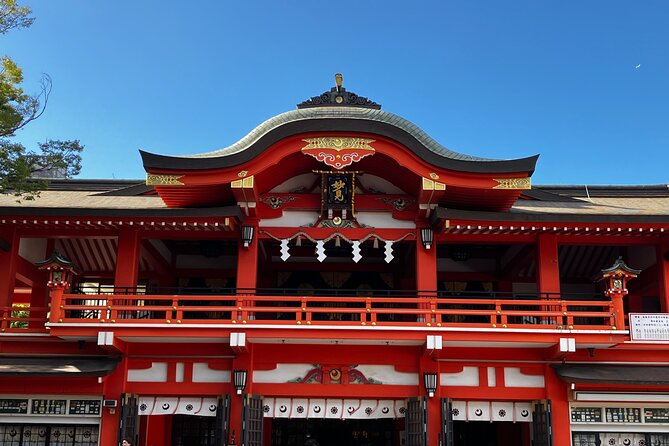
- Chiba Shrine’s North Star / Big Dipper connection gives you more than a quick photo stop.
- Chiba City Museum of Art’s Sayado Hall is housed in a century-old Neo-Renaissance style building.
- Home-style lunch at Kadoya is built into the experience, not an afterthought.
- Max 8 people means you’re not stuck listening over heads and backpacks.
- Most walking is level, but there are stairs with no lifts for parts of the route.
- Pickup + mobile ticket reduces the stress of finding the right spot at the right time.
Chiba City in Two Hours: What This Tour Feels Like
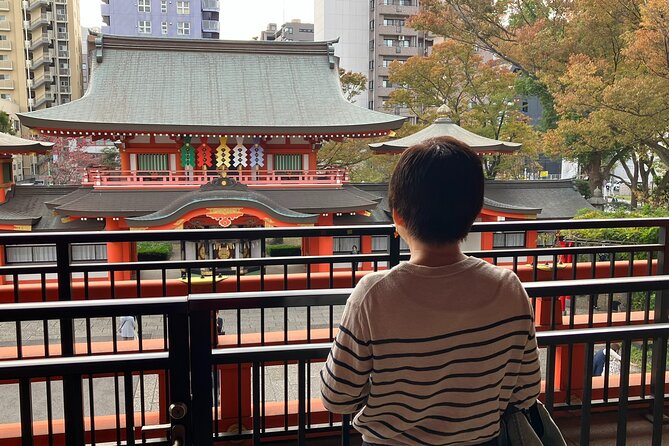
This is the kind of tour that helps you get your bearings fast in a city people often treat as a transit stop. It’s short—about 2 hours 20 minutes—but it doesn’t rush. You’re walking through a real slice of Chiba: a serene Shinto site, a museum housed in a long-standing historic structure, and then a proper Japanese meal.
I like that it’s not just “see a thing, move on.” The shrine stop comes with context (it’s dedicated to the spirit of the North Star, connected to the Big Dipper), which helps the place feel meaningful instead of decorative. The museum stop also matters because you’re not only looking at art—you’re stepping into a building with its own story.
The tour is designed for people who want culture plus lunch without spending the whole day planning. If you enjoy walking at a comfortable pace and want a local guide who’s been in Chiba for years, this fits your style.
You can also read our reviews of more tours and experiences in Chiba.

Grace’s Small-Group Approach (and Why It Matters)
Grace leads with local familiarity, and it shows in how the experience is paced. She’s in her mid-40s, a mother of two, and she’s lived in Chiba for about 18 years. That combination can translate into two big traveler-friendly benefits: she knows what’s worth your time, and she keeps the group moving without turning it into a sprint.
The group size is up to 8 travelers, which is a real quality-of-life factor. In a small group, you get clearer explanations, and you can ask practical questions about what you’re seeing (and what to do next). It also helps for timing—when your group is small, the guide can adjust more easily.
There’s also pickup offered, and a mobile ticket format, which usually means less friction when you’re starting your day. Start point is near JR Chiba Station (about a 15-minute walk), plus other nearby transit options, so you’re not stuck with just one way to arrive.
Stop 1: Chiba Shrine and the North Star / Big Dipper Story
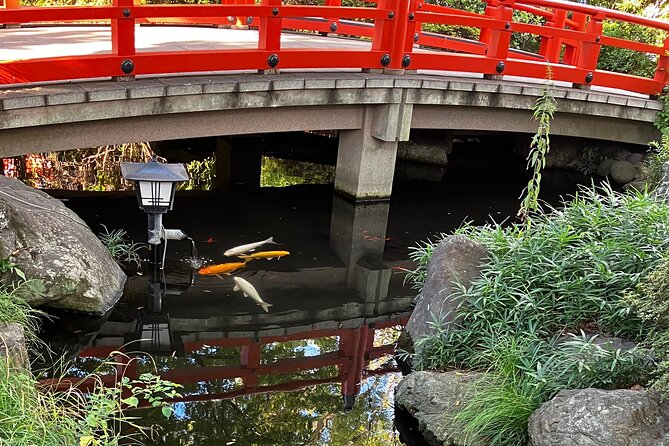
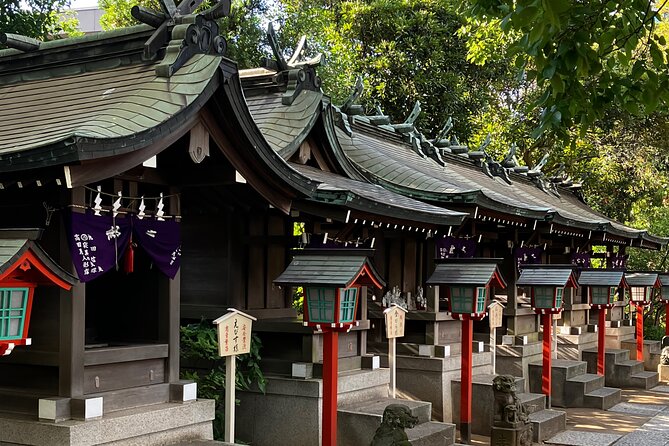
Your tour begins at Chiba Shrine, a site with a 1,000-year history. It’s dedicated to the spirit of the North Star and the Big Dipper, and that detail turns the visit into something more than a scenic pause. In many Shinto contexts, constellations and celestial markers have long been part of how people connect faith, tradition, and daily life—so you get a more “why this place” explanation right at the start.
This shrine also has a quiet, citizen-facing vibe. Worshippers come not only from around Japan but also locals who know it through everyday life in Chiba. That’s exactly what you want from a city culture stop: a sense that the place isn’t only for visitors.
Practical notes for you:
- Aim to slow down for a few minutes. If you rush, the quiet atmosphere won’t reach you.
- Bring your phone for photos, but don’t treat it like a drive-by. The shrine is described as beautiful and quiet, and the atmosphere is part of the point.
Potential drawback: depending on the day and how the route is laid out, you may encounter some steps soon after. The tour notes that most paths are level, but there are places where you have to climb stairs—and there are no lifts. If stairs make you nervous, wear supportive shoes and take your time.
Stop 2: Chiba City Museum of Art’s Sayado Hall (Old Bank, New Role)
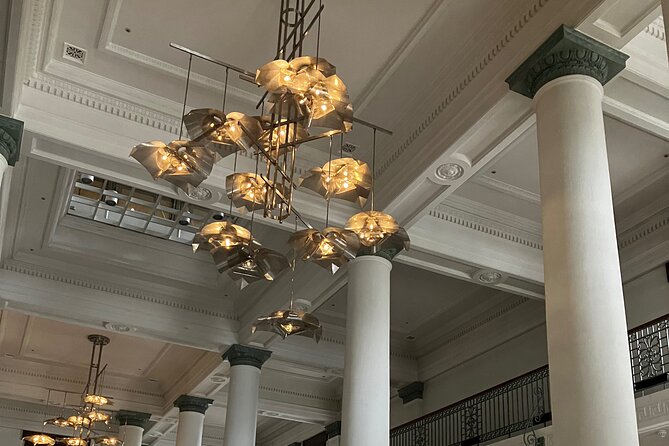
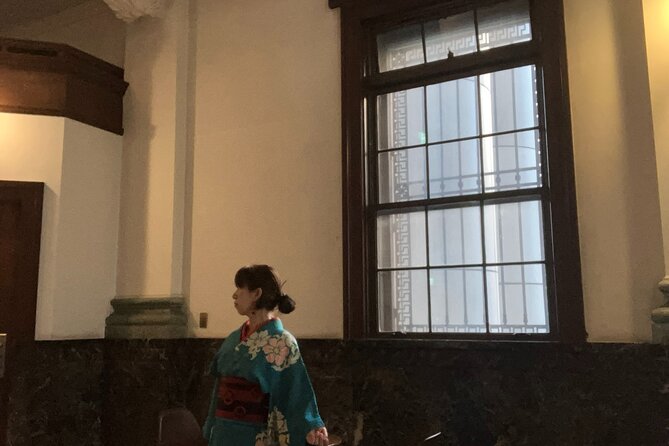
Next you move to the Chiba City Museum of Art, spending about 40 minutes inside. What makes this stop especially interesting is the building itself. The Sayado Hall on the ground floor was built about 100 years ago as the Kawasaki Bank, and later it became owned by Chiba City in 1971.
That means you’re not only viewing art. You’re also experiencing a surviving historical structure that has been repurposed—one of the ways cities keep older architecture alive instead of replacing it. The museum is home to works connected to Chiba City artists, so the focus is local and grounded.
What you can expect during the museum time:
- A chance to view art associated with Chiba’s creative circles.
- Time to look at the architecture and how the space feels, since the hall is one of the surviving historical buildings in the area.
Value angle: museum admission is included, so you’re not juggling tickets or deciding whether it’s “worth paying extra.” For $60 total, having this museum piece built in is part of why the math works.
One more practical detail: you’re on your feet and walking between stops. The museum itself is only one component; it’s best used as a calm pause that balances the shrine’s serenity with indoor art viewing.
Stop 3: Kadoya for Home-Style Lunch (Tonkatsu or Chicken)
After the cultural stops, you’ll have lunch at Kadoya, described as a Japanese homemade style restaurant. Lunch is included and usually centers on tonkatsu or chicken.
This is where the tour becomes genuinely useful. In many Japan visits, you can find food—but you can’t always find the right place without effort. Here, you get a guided meal choice that fits Japanese “everyday classic” dining: crispy tonkatsu or chicken set-style comfort food. It’s the kind of lunch that helps you recover your energy before a second half of the day.
A few value points to keep in mind:
- Alcohol isn’t included, so if you like beer or wine with lunch, budget for it separately.
- Since lunch is built into the tour time (about 1 hour), you don’t have to hunt for a restaurant that can handle a schedule.
If you’re the type who likes eating what locals actually eat on an ordinary day, this lunch stop is likely to hit the right note. And if you’re traveling with limited patience for menu translation, having the guide handle the flow is a plus.
Walking Route Reality: Level Sections, Stairs, and Photo Timing
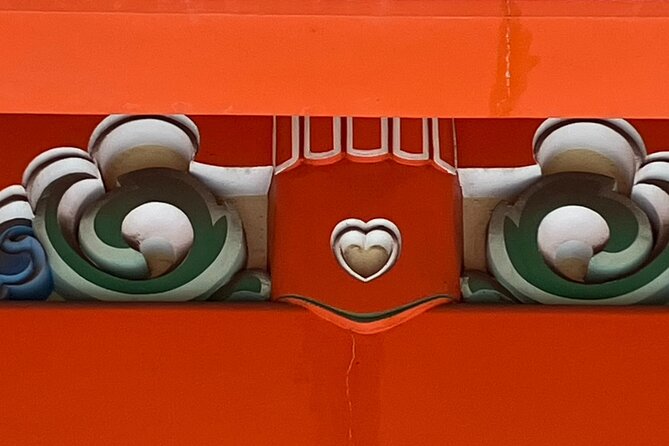
The route is described as a city stroll with mostly level path, but there are places where you have to climb stairs and no lifts. That accessibility detail matters, not as paperwork, but as how you plan your day.
Here’s how I’d prepare:
- Wear comfortable shoes with good grip. Even “short” stairs can be tiring if you’re not expecting them.
- If you’re sensitive to steps, plan extra time in your schedule so you don’t feel rushed.
- If you’re taking photos, pick a rhythm: look up for shrine details and museum views, then pause for a clear shot. Don’t stand in the middle of a walkway while everyone is moving.
Also, the tour ends at the Chiba City Museum of Art, which is convenient. You can keep exploring the museum area afterward, or transition to another neighborhood without needing to backtrack to your starting point.
Price and Value: Why $60 Makes Sense Here
Let’s be honest: $60 per person is not a bargain “hop-on, hop-off” price. But it’s also not just paying for walking and talking. The value comes from what’s included.
Here’s what you get for the price:
- Chiba Shrine admission is free
- Chiba City Museum of Art admission is included
- Lunch at Kadoya is included (tonkatsu or chicken)
- A guide-led 2 hours 20 minutes experience
- Pickup offered and a mobile ticket
When a tour bundles a museum ticket plus an actual meal, the cost starts to look reasonable. You’re paying for time, interpretation, and coordination—especially useful if you want a smooth day without ticket planning and lunch hunting.
Also, the tour is described as having a maximum of 8 travelers, which usually costs more to organize than a large group. Small-group quality is often where your money goes, and you feel it in pacing and interaction.
One more note: it’s commonly booked about 33 days in advance on average. That doesn’t mean it sells out instantly, but it’s smart to lock it in if your dates are fixed.
Who This Tour Fits Best (and Who Might Want Another Plan)
This experience is a strong match if you want:
- Culture with a built-in meal
- A Shinto site that connects to symbolism (North Star / Big Dipper)
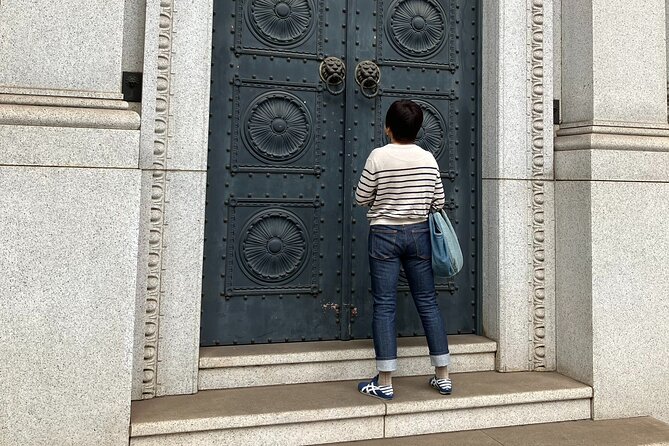
- A museum stop inside a historically meaningful building (Sayado Hall, former Kawasaki Bank)
- A small group and a local guide who knows Chiba city in depth
It’s also a good fit for people who prefer a structured walk. Even if you like exploring on your own, a tour like this can function as your “first-day template” for learning how a city works.
Who might hesitate:
- Anyone who struggles with stairs should know there are sections of the route with climbing and no lifts. If stairs are a deal-breaker, you may want a different kind of walking plan.
- If you’re the sort of visitor who wants a long day or a high number of major landmarks, this is a smaller, concentrated loop. It’s about quality of stops, not stacking ten sights.
Should You Book This Lunch & Cultural Tour?
If you’re visiting Chiba and you want a simple way to experience its local flavor—temple calm, museum culture, and a real lunch—this is worth your time. The strongest reason to book is the combination: shrine meaning + museum in a century-old historic structure + a home-style meal at Kadoya, all in a schedule that stays manageable.
Book it especially if:
- You like small-group walking
- You want a guide who has lived in Chiba for many years
- You’d rather let someone handle museum entry and lunch coordination
Skip it or rethink if:
- Stairs and no-lift routes are a problem for you
- You want a longer, more wide-ranging day with lots of stops
Overall, this tour is one of the more practical ways to get culture in Chiba without turning your day into a logistics puzzle. It’s short, it’s focused, and it ends where it starts to feel most helpful—at the museum area—so you can keep going if you want.
FAQ
How long is the Lunch & Cultural Tour in Chiba?
It runs for about 2 hours 20 minutes.
What does the tour cost?
The price is $60.00 per person.
Is pickup offered?
Yes, pickup is offered.
Where do I start the tour?
The start point is near 千葉駅1 Chome-1 Shinchiba, Chuo Ward, Chiba. It’s about a 15-minute walk from JR Chiba Station and about 10 minutes on foot from Keisei Chiba-Chuo Station.
What’s included in the price?
Admission to the Chiba City Museum of Art is included, and you’ll have lunch at Kadoya (tonkatsu or chicken).
Is alcohol included with lunch?
No, alcoholic beverages are not included.
Do I need to pay admission for Chiba Shrine?
No. The shrine admission ticket is free.
How long do I spend at the museum?
You’ll spend about 40 minutes at the Chiba City Museum of Art.
Is the walking route flat and accessible?
Most of the path is level, but there are places with stairs. The tour notes that there are no lifts.
—
If you tell me your travel dates and where you’ll be staying (near Chiba Station, Chiba-Chuo, or somewhere else), I can help you pick the easiest arrival plan.