REVIEW · TOKYO
MT.Fuji: Mount Fuji Private day Tour With Guide
Book on GetYourGuide →Operated by TheTokyoTravel · Bookable on GetYourGuide
Mt. Fuji in one focused day. This private tour packs the big landmarks—5th Station, lakeside panoramas, shrine stops, and the chilly Fugaku Wind Cave—into a smooth 10-hour loop that’s easy to manage from Tokyo. I love that you get undivided guide attention (hello, real local context, not just a bus ride), and I also love the mix of mountain views plus the quieter details like lava-formed ponds and Edo-era village streets.
The one drawback to plan for is simple: weather. Even with a great route and smart timing, clouds can hide the peak, so you’ll want flexible expectations and bring good outdoor attitude for photos.
In This Review
- Key things that make this tour work
- Private Transport From Tokyo: Why 10 Hours Feels Manageable
- Fuji Subaru Line 5th Station and Komitake Shrine: The Closest Road-Access to the Peak
- Arakura Fuji Sengen Shrine and Chureito Pagoda: Cherry-Blossom Icon, Anytime Vibes
- Oshino Hakkai Eight Ponds: Lava Water, Clear Views, and Fish That Feel Like a Secret
- Kitaguchi-hongu Fuji Sengen Shrine: Giant Torii, Ancient Cedars, and Calm Shade
- Lake Kawaguchiko: Boats, Ropeway-Style Views, and Lunch on Your Schedule
- Oishi Park: The View Pairing That Makes Mt. Fuji Feel Close
- Fugaku Wind Cave: Cold Air (About 3°C), Lava Shelves, and Ice Pillars
- Saiko Iyashi-no-Sato Nenba: Traditional Edo-Period Village Time
- Price and Value: How $761 for Up to 5 Adds Up
- Who Should Book This Mt. Fuji Private Day Tour
- Booking Decision: Should You Do It?
- FAQ
- How many people are in a private group?
- Where does pickup happen?
- Is lunch included?
- What extra fees should I expect during the day?
- Is WiFi provided during the drive?
- What language is the driver/guide?
- What should I bring for the tour?
- Is there free cancellation?
Key things that make this tour work
- Private pickup within Tokyo’s 23 wards keeps the day on schedule without fighting trains
- English-speaking guide help makes shrine history, viewpoints, and timing click fast
- Real variety of Mt. Fuji scenery: 5th Station, Oshino Hakkai, Lake Kawaguchiko, and Oishi Park
- Optional lakeside activity time (boat choices plus ropeway/gondola-type add-ons) helps you match your mood
- Cold, unusual stop at Fugaku Wind Cave breaks up the sightseeing pace in the best way
- Saiko Iyashi no Sato Nenba gives you a slower, human-scale look at traditional life near the lakes
Private Transport From Tokyo: Why 10 Hours Feels Manageable
This tour is built for people who don’t want to spend the day calculating transfers, track changes, and which station is closest to which photo spot. You get an air-conditioned vehicle with onboard WiFi, bottled water, parking fees, and highway/toll costs handled. That matters because the Fuji Five Lakes area is spread out, and a delay early can snowball fast.
It’s also priced as a private group: $761 per group up to 5. If you’re traveling with two to five people, it often works out better than you’d expect because the guide + comfortable car become shared value. If you’re solo or just a couple, it’s still a fair way to buy stress-free logistics, especially on a day when you want to maximize daylight and avoid last-minute scrambling.
A final practical note: bring cash. Some key experiences have extra admission fees on top of the tour price (more on that below). Wear comfortable shoes because the day includes shrine steps, cave walking, and lakeside promenade time.
You can also read our reviews of more guided tours in Tokyo
Fuji Subaru Line 5th Station and Komitake Shrine: The Closest Road-Access to the Peak
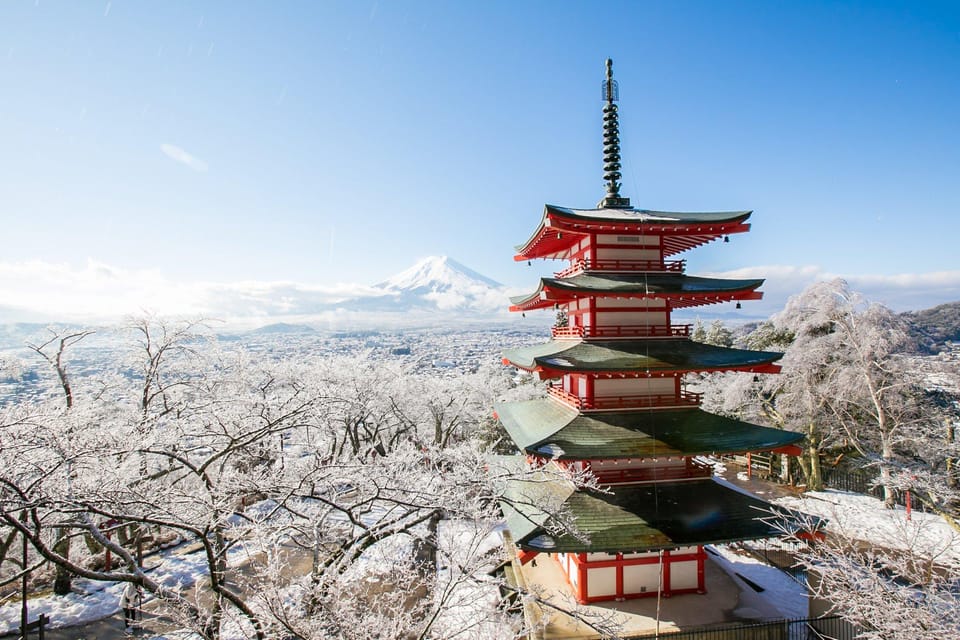
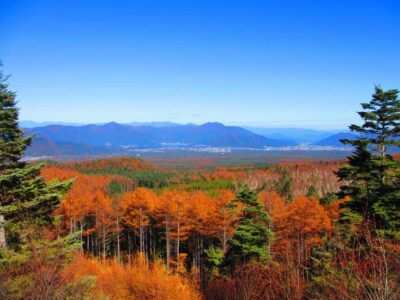
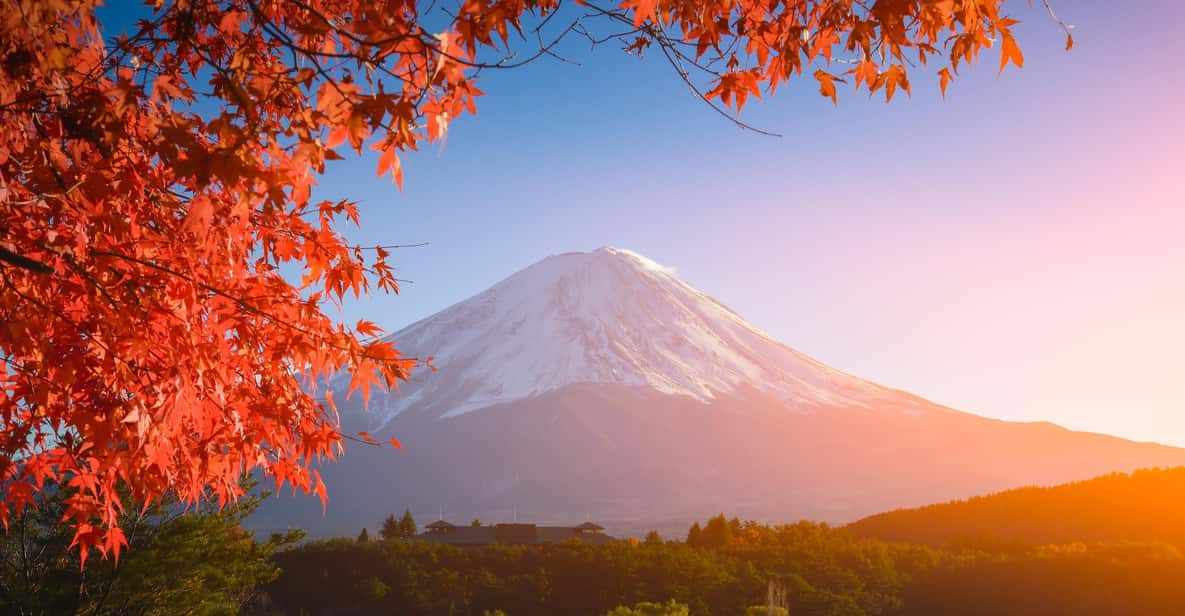
The day kicks off with the drive up to Fuji Subaru Line 5th Station, stopping for photos and a chance to take in the view as you approach. This is the highest point you can reach by road on Mount Fuji, which is why it’s such a magnet for hikers and photographers. Even when the summit is clouded, the station area still gives you that “you’re really there” feeling—cool mountain air and a dramatic sense of scale.
Once you’re up there, you can visit Komitake Shrine, browse souvenir shops, and grab local snacks. Small note: this is where being with a guide helps. A good guide can point out what’s worth doing in the time you have and what’s mostly just extra foot traffic.
If you’re hoping for a crystal clear summit shot, don’t bet only on luck. Ask your guide how the route is timed for visibility and whether you’ll get better chances later around the lakes.
Arakura Fuji Sengen Shrine and Chureito Pagoda: Cherry-Blossom Icon, Anytime Vibes
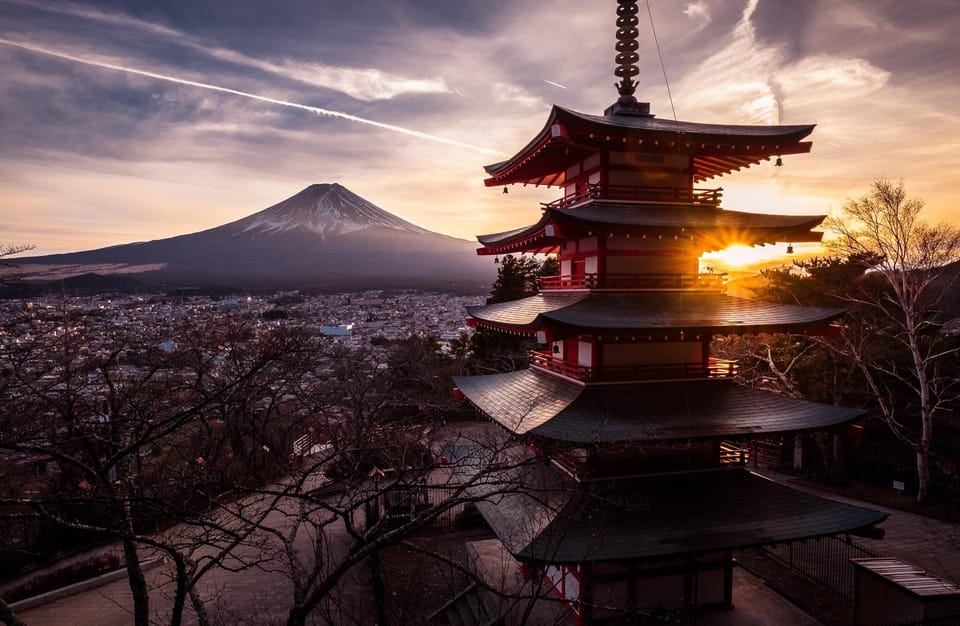
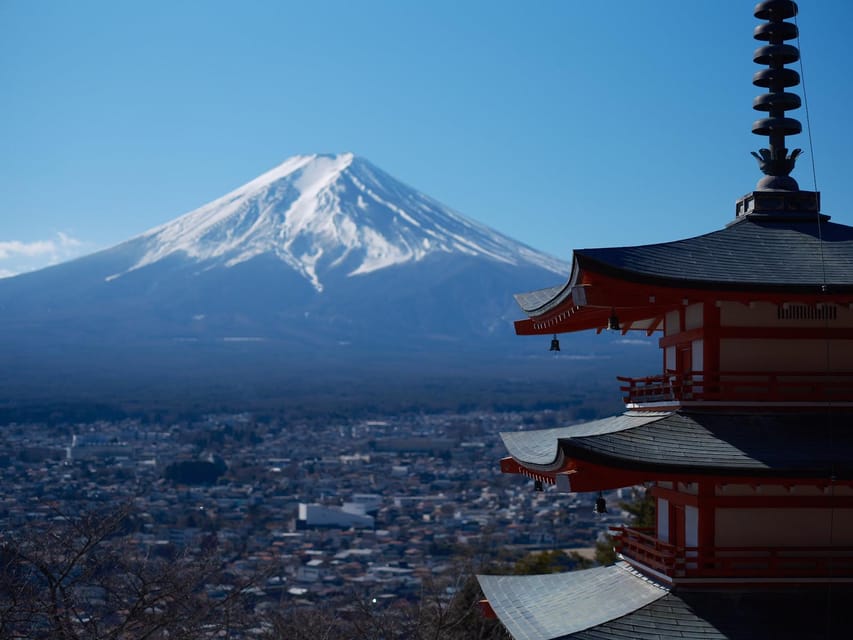
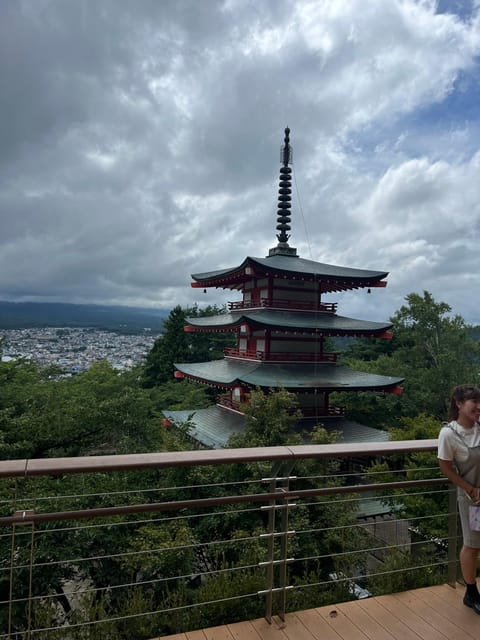
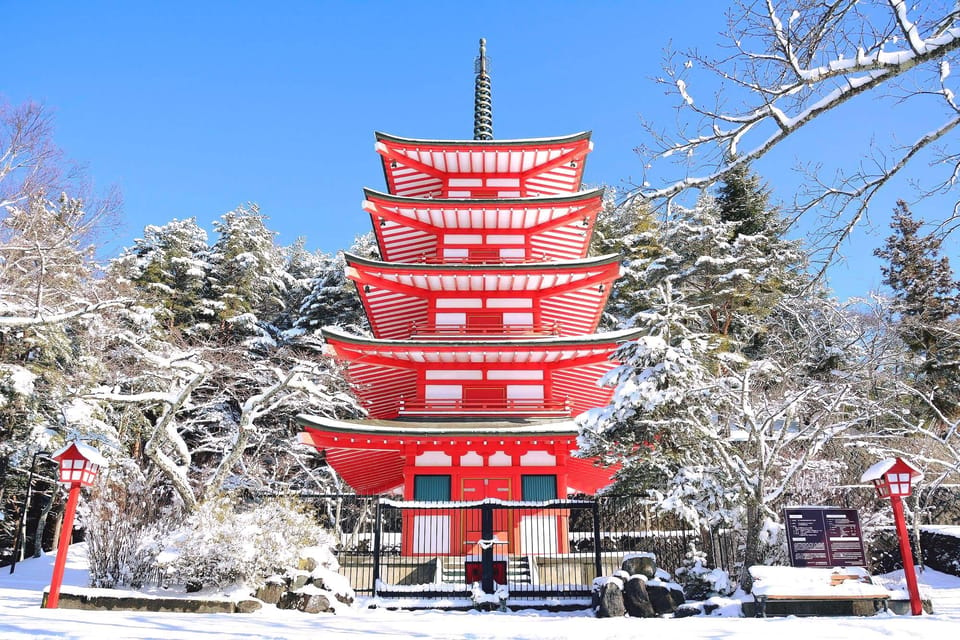
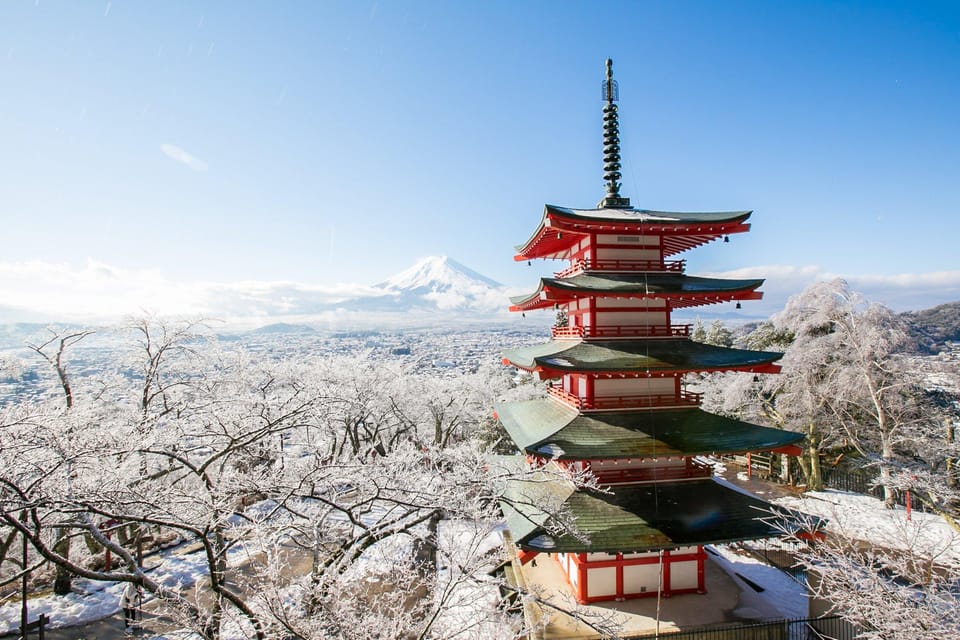
Next comes Arakura Fuji Sengen Shrine, the place where the famous Chureito Pagoda view happens. The pagoda sits in a spot that photographers love because Mt. Fuji lines up behind it in a strong composition. During cherry blossom season, the contrast of pink blossoms and the mountain turns this into a headline moment. But even outside peak blooms, the setting is still photogenic—because the viewpoint is the point.
What I like about this stop is that it’s short but high impact. You don’t need a long hike to get the signature picture, and the shrine grounds give you a cultural context right alongside the view.
Practical tip: wear shoes with grip. The walk from the approach areas to viewpoint spots can involve steps and uneven surfaces, especially if you’re there in busier seasons.
Oshino Hakkai Eight Ponds: Lava Water, Clear Views, and Fish That Feel Like a Secret
Then you head to Oshino Hakkai, famous for its eight crystal-clear ponds. This is one of those places where the scenery looks simple until you learn why it’s special. The water comes from snowmelt from Mount Fuji. It filters down through porous lava layers, and that filtering is part of what keeps the ponds so clear.
You’ll have time for photos, browsing, and shopping around the area. It’s a popular stop, but it still feels grounded because the ponds are genuinely beautiful in real life, not just on a screen. And yes, there are fish—small details, but they add movement and life.
The best strategy here is to slow down. Stand near the ponds and watch the surface. In photos you only capture one moment, but in person you notice how the water behaves with light and breeze.
Kitaguchi-hongu Fuji Sengen Shrine: Giant Torii, Ancient Cedars, and Calm Shade
After Oshino, the tour hits Kitaguchi-hongu Fuji Sengen Shrine, a major site tied to Fuji worship. Highlights for this stop include the largest torii gate in Japan, plus the experience of walking among ancient cedar trees—some over 1,000 years old.
If you only care about views, you might miss why this stop is worth your time. But the shrine offers a different kind of Fuji connection: not just mountain “wow,” but a sense of how people historically approached the sacred mountain through ritual spaces.
You’ll also get a chance to see the main shrine building, known as the honden, and soak up the slower rhythm of the grounds. This is a good place to take a breather before you move on to the lakes.
You can also read our reviews of more private tours in Tokyo

Lake Kawaguchiko: Boats, Ropeway-Style Views, and Lunch on Your Schedule
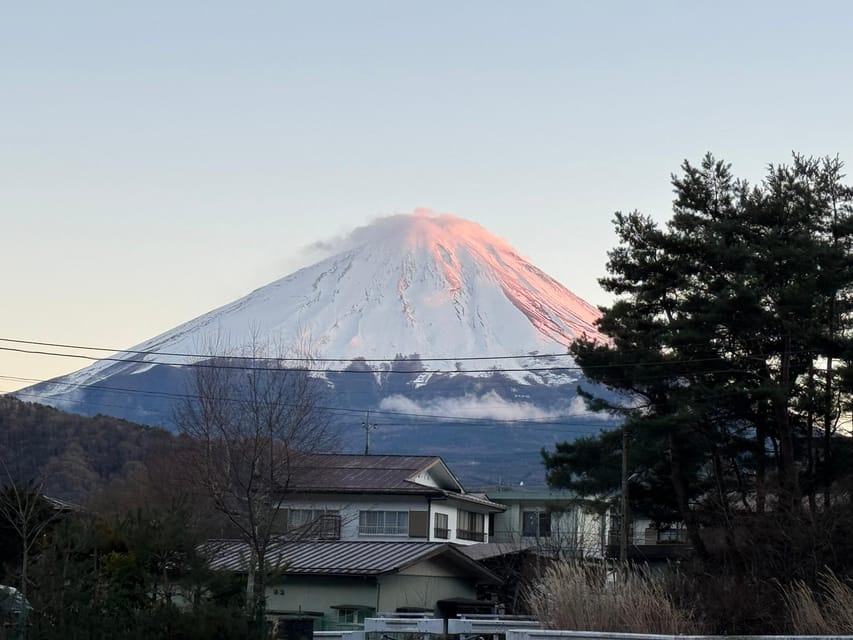
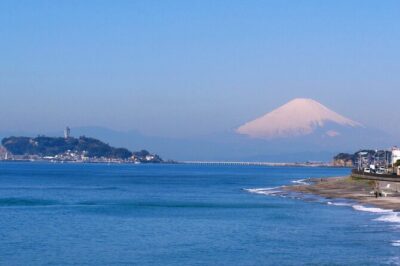
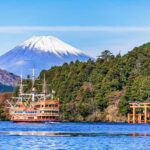
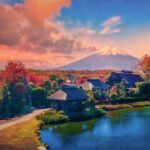
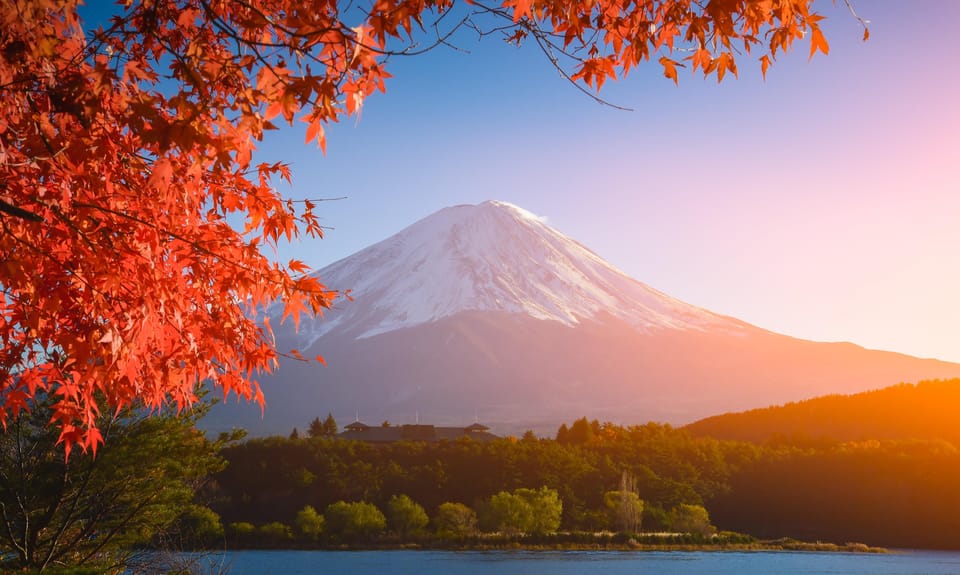
The day shifts to Lake Kawaguchiko, which is one of the best places to look for wide, dramatic Mount Fuji reflections. The big idea here is viewpoint choice. The tour focuses on the northern shores, where you often get the most consistent sightlines.
You’ll have lunch time here (45 minutes), and since lunch isn’t included, this is where the guide’s local advice matters. People repeatedly praise guides for recommending food that actually hits the mark for what’s around that area.
Then you get into optional lake fun—boat experiences and view rides. The tour’s not vague about the kinds of add-ons you can do. You can expect opportunities like ferry or similar rides, plus the chance to use a ropeway/cable car-style option (round-trip ropeway admission is 900 yen, and ferry is listed as 1,000 yen per person, leaving about every 30 minutes). There’s also mention of a gondola ride and boat cruise time in the flow, so your guide should help you pick the best match for your timing.
The key value for you: this isn’t just “look at a lake.” You get enough structure to combine views with movement, without wasting time hunting tickets.
Oishi Park: The View Pairing That Makes Mt. Fuji Feel Close
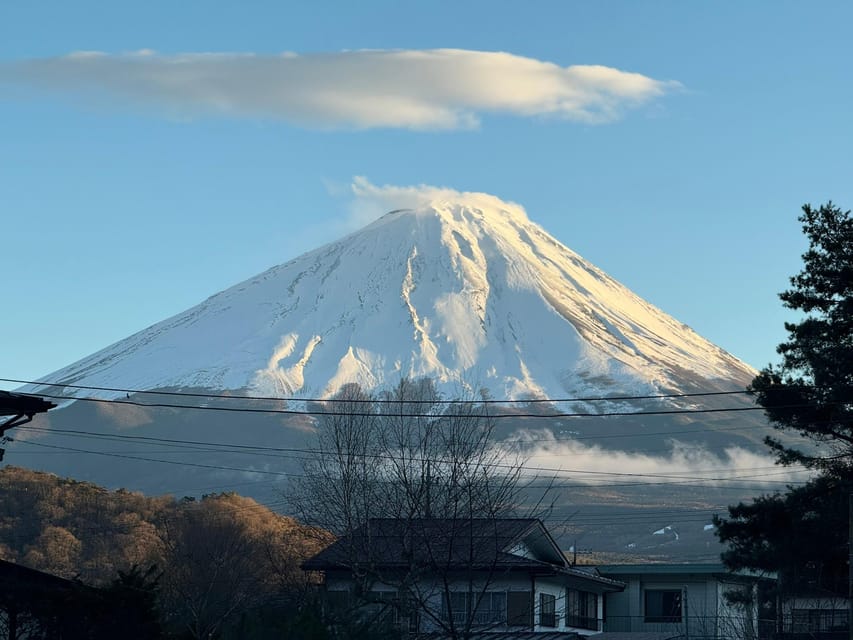
After the lake activities, the route includes Oishi Park, where you get a strong “lake + Mt. Fuji together” scene. This is one of those parks where you can do a quick circuit and still feel satisfied because the framing is the star.
You’ll also find seasonal flowers along the promenade. If you’re the type who likes small rewards, don’t skip the food. Oishi Park is known for charcoal cone soft serve, and there’s a Mount Fuji replica made of 256 volcanic rocks—a quirky detail that works well for photos and for anyone who enjoys learning-by-looking.
This stop is a good pace-reset. It’s scenic, but it doesn’t require stamina. After shrine walking and pond viewing, this feels like a more relaxed outdoor break.
Fugaku Wind Cave: Cold Air (About 3°C), Lava Shelves, and Ice Pillars
One of the smartest parts of this day is Fugaku Wind Cave. It’s a real change of temperature and tempo. Once you enter, it’s pleasantly cool even in summer, with an average temperature around 3°C.
Inside, you’ll see formations like lava shelves, rope-like lava, and ice pillars that do not melt even in summer. That last detail sounds almost too good to be true, but it’s exactly the kind of weird-and-wonderful stop that keeps the day from turning into “more viewpoints, more photos” all afternoon.
For you, this cave stop adds variety and also helps with fatigue. Your eyes get a break from bright outdoor glare and constant camera framing. Plus, it’s one of the few places on the route where the experience isn’t weather-dependent in the same way.
Saiko Iyashi-no-Sato Nenba: Traditional Edo-Period Village Time
Later you’ll visit Saiko Iyashi-no-Sato Nenba, a restored traditional village near Lake Saiko in the Fuji Five Lakes region. This is where the tour gives you a human scale view of the area.
The village is set up to show the lifestyle and architecture from the Edo period. In practice, this means you get photo time, some browsing, and the chance to slow down and walk through streets that feel more like a place than a checklist.
There’s also time for street food, shopping, and a bit of free wandering. If your brain is starting to feel overloaded from all the Fuji visuals, this section helps bring things back to earth.
Price and Value: How $761 for Up to 5 Adds Up
Let’s talk money honestly.
You pay $761 per group up to 5 for a full 10-hour private day with pickup within Tokyo’s 23 wards, plus the vehicle, WiFi, bottled water, parking, and fuel/highway/tolls. You also get passenger insurance, which is worth noting for a long day out of the city.
The big value lever is private guide support. People who do well with this kind of tour usually want more than a route—they want context, timing help, and someone to adjust the plan based on what they’re feeling that day. In this case, guides like Imran, Khan, and Zeshan are highlighted for being attentive and friendly, and for making sure the experience feels cared for rather than rushed.
What’s not included (and you should budget for):
- Lunch
- Ropeway admission at Lake Kawaguchiko: 900 yen round trip
- Ferry ride: 1,000 yen per person
- Mt. Fuji 5th Station entry fees
- Pickup/drop-off outside Tokyo’s 23 wards (extra)
So the real question isn’t just the sticker price. It’s: will you use those extras and will you appreciate the time saved and guidance gained? If you’re traveling as a group and you want everything handled, this is the kind of value that makes a long day feel calm.
Who Should Book This Mt. Fuji Private Day Tour
This tour is a strong fit if:
- You want a private day with an English-speaking guide and don’t want to juggle transit
- You have limited time in Tokyo and want to see multiple Fuji-related highlights in one go
- You like a mix of big sights and smaller, more meaningful stops (shrines, ponds, a cave)
- You’re traveling with up to five people and can split the group cost
It’s also a good choice if you care about learning. The day is built around specific cultural and geological sites: torii gates, cedars, Fuji pond water, and lava formations. With a guide, those details don’t just become background noise.
If you’re the type who doesn’t care about context and only wants one viewpoint, you might prefer a cheaper, simpler day. But most first-time Fuji visitors do better with this structure.
Booking Decision: Should You Do It?
If you’re weighing a DIY Fuji day versus a guided private day, my advice is simple.
Book this tour if you want less stress, better pacing, and someone to help you make the most of your limited daylight. The route hits the major points you’d otherwise spend hours coordinating, and the guide support can help you adapt when the mountain is hiding behind clouds—because the day still has plenty to enjoy even when the summit view isn’t perfect.
Skip it or rethink if you’re traveling solo with a tight budget and would rather spend only on transport and a couple of paid sights. For most groups of two to five, the private format tends to feel like a practical upgrade, not a luxury.
FAQ
How many people are in a private group?
The tour is listed as a private group for up to 5 people.
Where does pickup happen?
You can be picked up from any hotel, apartment, or train station within Tokyo’s 23 wards. Pickup outside the 23 wards is extra.
Is lunch included?
No. Lunch is not included in the tour price.
What extra fees should I expect during the day?
Lake Kawaguchiko has ropeway admission at 900 yen round trip, and ferry rides are listed at 1,000 yen per person. Mt. Fuji 5th Station entry fees are also not included.
Is WiFi provided during the drive?
Yes, WiFi is provided on board.
What language is the driver/guide?
The driver is English-speaking.
What should I bring for the tour?
You should bring comfortable shoes and comfortable clothes, and it’s recommended to have cash.
Is there free cancellation?
Yes. You can cancel up to 24 hours in advance for a full refund.