REVIEW · HAKONE
Hakone Adventure: Explore Nature’s Beauty and Tranquility
Book on GetYourGuide →Operated by DeepExperience, Inc. · Bookable on GetYourGuide
One day in Hakone can feel like four different worlds. You get the big-ticket sights by rail, cable car, ropeway, and cruise with an English guide steering the day, plus context on the volcanic caldera that made this area famous. I really like that it’s built for easing the stress of route planning while you focus on the views and the stories.
I especially like the ride on the Hakone Tozan Railway, Japan’s only mountain railway, and the calm rhythm of the Lake Ashi cruise with those iconic torii gates drifting by. The only real catch: the schedule is fairly full, so if the weather turns (or lines run long) you may have to move quickly at the end of the day to fit everything in.
In This Review
- Key highlights worth caring about
- First stop: getting to Hakone without losing your morning
- The mountain train: Hakone Tozan Railway and why it matters
- Cable car and ropeway: high views into the caldera
- Owakudani: steam, sulfur air, and the famous cultural tie-ins
- Lake Ashi cruise: torii gates, calm water, and Fuji if the sky cooperates
- Hakone Shrine: the spiritual anchor, not just a photo stop
- Getting back: using the guided flow to avoid end-of-day chaos
- Price and value: what you pay for, and what you still pay separately
- Crowd timing and weather reality: your two big variables
- Who this tour fits best
- Should you book?
- FAQ
- FAQ
- Where are the meeting points for this Hakone tour?
- How long does the tour take?
- What’s included in the tour price?
- Do I need to pay for transportation fares during the tour?
- What language is the guide?
- What should I bring, and what’s not allowed?
Key highlights worth caring about
- Hakone Tozan Railway: switchbacks through forested slopes on Japan’s only mountain railway
- Volcano views from above: cable car and ropeway give you a high, airy look into the caldera
- Owakudani geothermal reality: steam and sulfur-scented vents with guide-led context (and yes, black eggs come up)
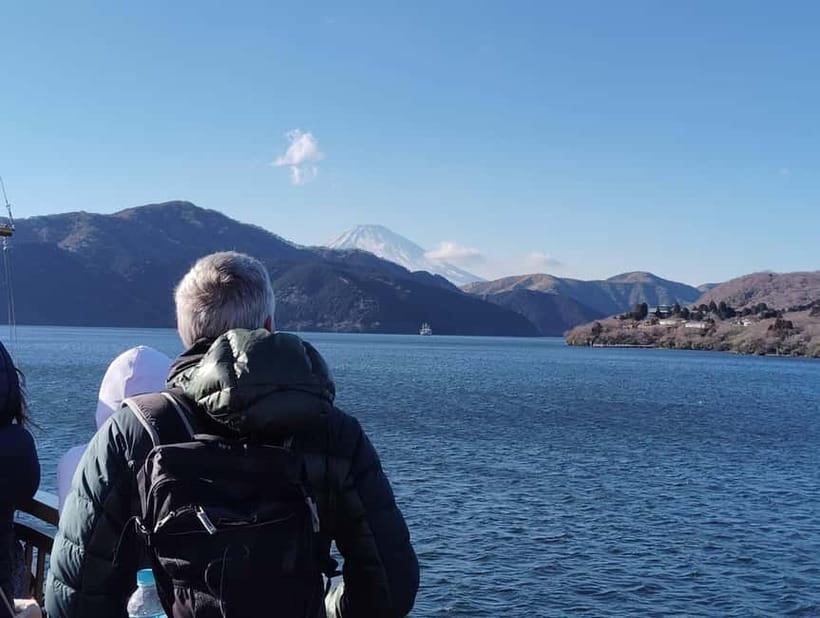
- Lake Ashi cruise: a water-level perspective with torii gates and Mt. Fuji when skies cooperate
- Hakone Shrine time: a proper stop at Hakone’s spiritual anchor rather than a quick photo break
- Guides who keep it human: I’ve seen names like Yumiko, Taku, and Yuuki mentioned for being prompt and considerate
First stop: getting to Hakone without losing your morning
This tour starts with one of several meeting points, so you’re not stuck doing the most annoying part of a Hakone day trip: backtracking through Tokyo transfers. Your options include locations around Shinjuku and also spots on the Hakone side like Odawara and Hakone Yumoto. That matters because timing is everything when you’re trying to pack in Hakone’s main draws in one go.
Once you meet your guide, the day has a clear flow: you’ll move from one transport mode to the next, with someone helping you stay on schedule. I like this format because Hakone can be confusing if you’re tired. Here, you get the practical benefit of a guide who understands the “what’s next” logic.
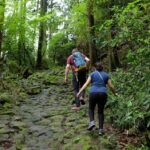
Do wear comfortable shoes. There’s walking at viewpoints and around sightseeing stops, and this is not a sit-and-glide whole-day ride. Warm clothing also helps, since you’re in elevation and you can feel it—especially on ropeways and in open areas by the lake.
You can also read our reviews of more tours and experiences in Hakone.

The mountain train: Hakone Tozan Railway and why it matters
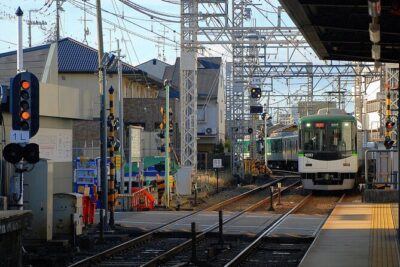
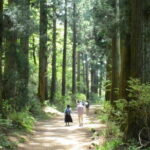
The day kicks off with the Hakone Tozan Railway, which is Japan’s only mountain train. The experience isn’t just “transport.” It’s a scenic intro to how Hakone works: rising through wooded slopes, then bending into narrow valleys with that switchback feeling that makes you look out the window even when you think you’ve already seen enough trains.
It’s also a good primer for the rest of the route. When you ride up into the caldera region by rail first, the later cable car and ropeway views feel connected rather than random. Your guide shares how Hakone developed as a historic mountain resort and a gateway between regions, so the scenery starts to mean something beyond postcard angles.
If you’re someone who likes travel with a little structure, this is where you’ll feel it. And if you’re lucky with visibility, you might catch big-distance views that make you understand why people talk about Mt. Fuji here so much.
Cable car and ropeway: high views into the caldera
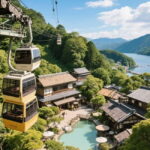
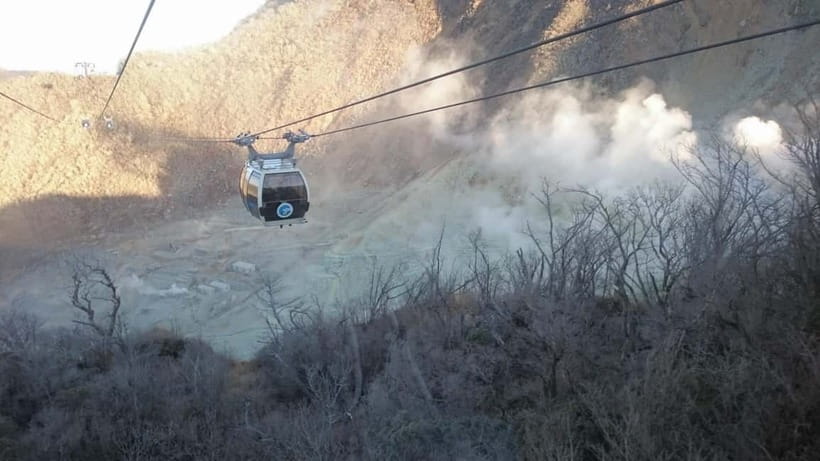
After the mountain train, you switch to the cable car and ropeway. This part is where Hakone’s volcanic setting becomes obvious. You’re lifted above valleys and rugged geothermal terrain, with panoramic views you can take in from up high.
This is also where the day turns from “scenery” into “geology you can feel.” Your guide explains how the Hakone caldera was shaped by ancient eruptions and how the terrain you’re looking at is still active in places. That background is genuinely useful. Without it, you might just think you’re looking at a weird, dramatic mountain. With it, you start seeing the landscape as a living system.
Practical note: ropeway lines can happen. One traveler had to queue for ages on a crowded Monday, and it squeezed time later in the day. So even though the route is well organized, plan to stay flexible if crowds stack up at the lift points.
Owakudani: steam, sulfur air, and the famous cultural tie-ins
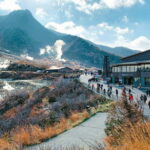
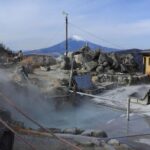
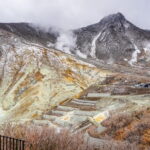
Next comes Owakudani, Hakone’s active geothermal valley. This is the stop where you stop imagining volcanism and start noticing it. Steam rises from active vents, and the air can carry that sulfur scent that makes the region feel very present and very real.
Your guide turns this from a viewpoint stop into a story stop. They share cultural connections and local traditions linked to the volcanic activity, which makes a big difference because Owakudani can look intimidating if you go in cold. With the explanations, you understand why this area is treated like more than just a natural attraction.
One extra thing you might run into here: black eggs. A French review specifically mentioned them, and Owakudani is where that tradition shows up in conversation. I’m not promising a certain tasting or any specific egg timing on your day, but it’s a good reminder that this place has cultural rituals tied to the geothermal scene.
Timing is tight enough that you’ll want to keep your pace steady. You’ll have guided time for sightseeing, but this isn’t a slow stroll through a museum. Bring your camera, and don’t overthink it—look around, then decide quickly where you want your best photos.
Lake Ashi cruise: torii gates, calm water, and Fuji if the sky cooperates
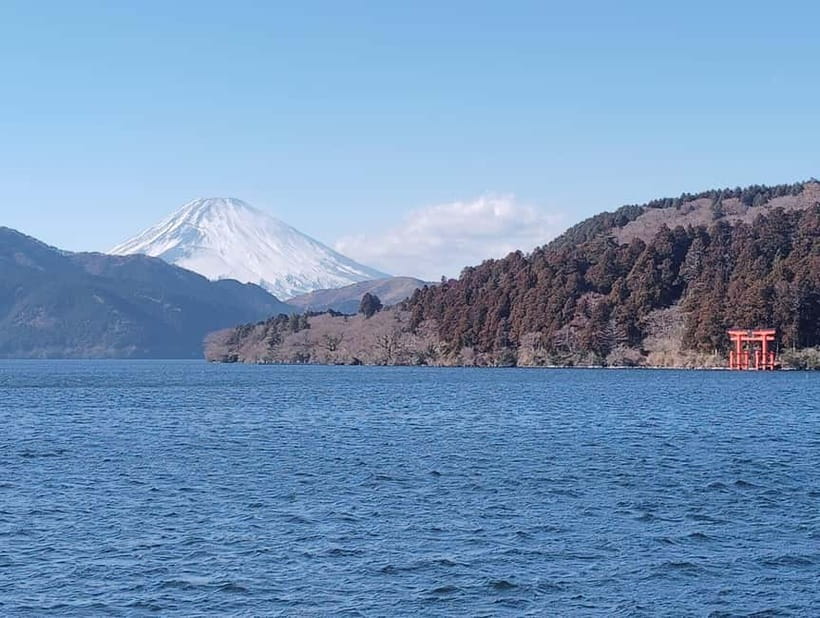
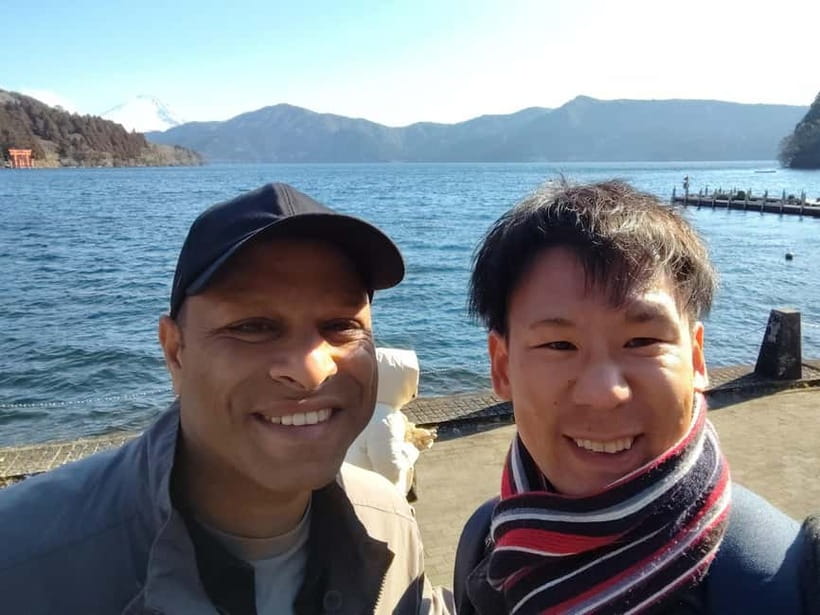
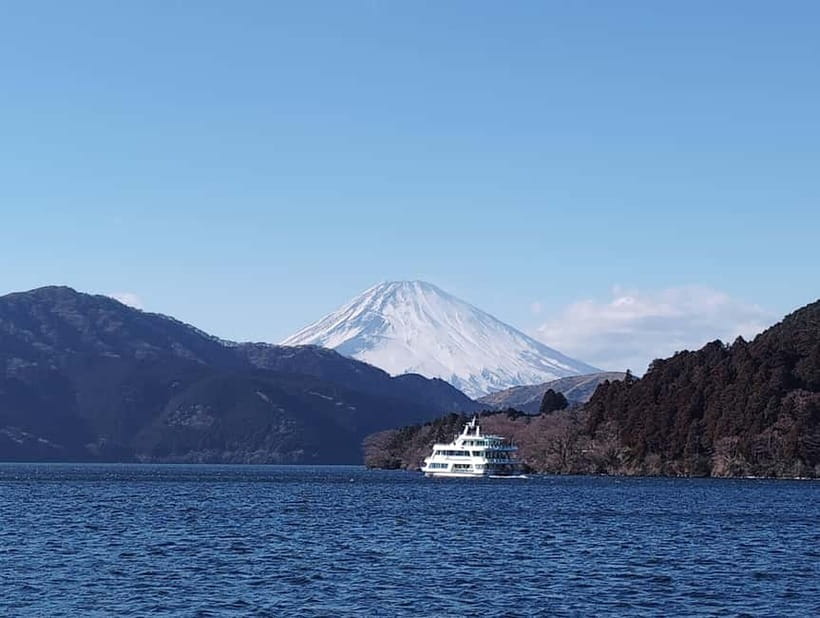
From steam to water. Lake Ashi sits inside Mount Hakone’s caldera, so you’re still in the same volcanic story—but the mood flips to quiet. You’ll board a sightseeing cruise, which is one of the nicest ways to see this area without fighting bus schedules or crowded platforms.
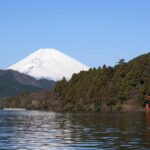
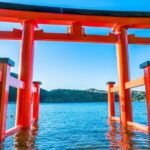
What makes the cruise special is the combination of sights at eye level. Forested hills frame the lake, and iconic torii gates show up in the background. On clear days, Mt. Fuji can appear as a dramatic silhouette. When it doesn’t, you still get the lake’s changing light and those lakeside views that feel very Hakone.
I like this stop because it’s the one part of the day where you’re not climbing or transferring. You sit, you look, you breathe. And because the cruise is guided within the flow of the day, you’re less likely to get stuck doing last-minute sprinting between connections.
One caution: if you’re counting on Mt. Fuji, treat it as a bonus, not a guarantee. Cloud cover is a real factor in this region, and when it happens, you’ll still enjoy the lake and torii views, just without that signature mountain backdrop.

Hakone Shrine: the spiritual anchor, not just a photo stop
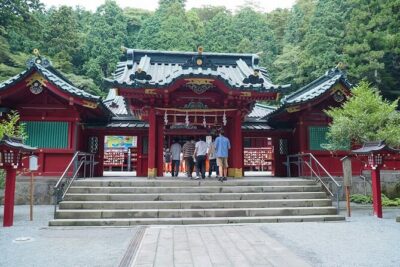
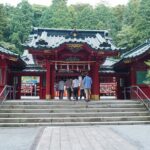
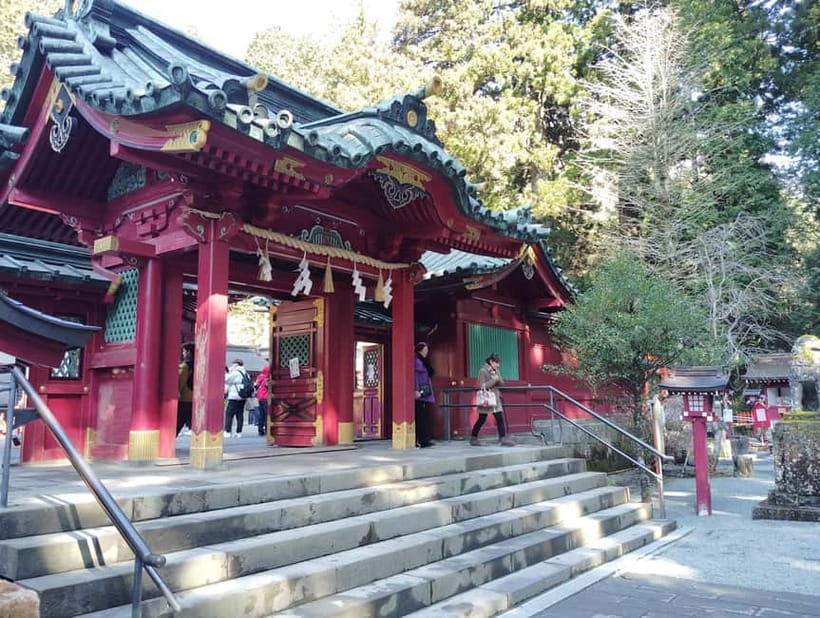
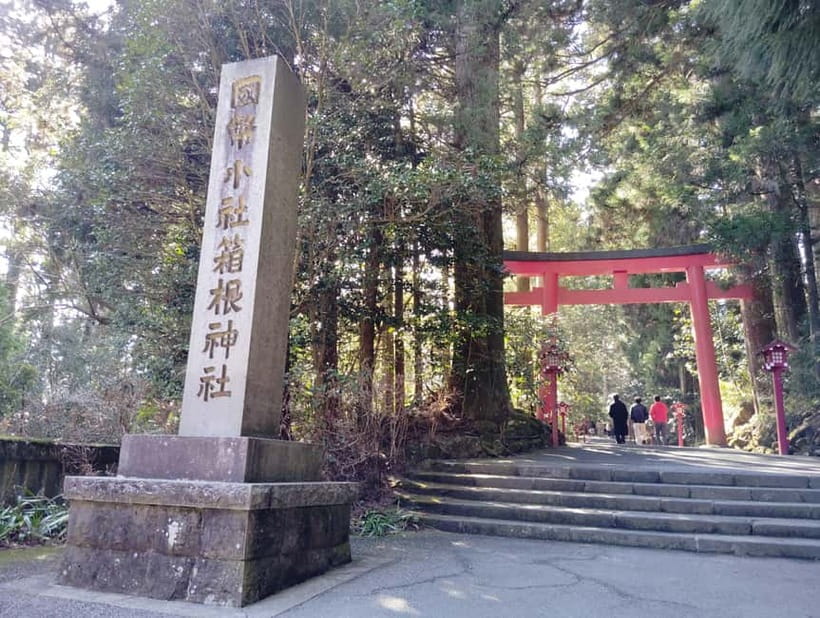
After the lake, you’ll visit Hakone Shrine. This is one of those moments where Hakone feels less like a theme park of viewpoints and more like a place locals take seriously.
You’ll have guided time here for sightseeing, so it’s not just a quick walk past the gate. A guide can also help you connect the shrine to the broader spiritual tradition of the region—a thread your guide has been pulling since the earlier explanation about Hakone’s role in Japanese tradition.
If you’re trying to fit a train back to Tokyo the same day, this is also where you have to watch the clock. One traveler reported that heavy crowding earlier in the day meant they ran out of time and missed the shrine. That doesn’t mean it will happen to you, but it’s a reminder to keep your pace and don’t plan any huge detours.
Getting back: using the guided flow to avoid end-of-day chaos
At the end of the day, you’ll head back by bus/coach and be dropped off at either Hakone Yumoto or a Shinjuku-area location (depending on your starting option). This closing leg matters. Many DIY Hakone days get messy near the end, when your energy is low and schedules don’t line up.
Here, the guide’s job is partly to keep the day from unraveling. You still share public-transport space with other people, but the planning and timing are handled. I found that valuable on days when I’m traveling with someone who needs predictability, or when I just want to keep the day moving without stress.
The day runs about 270 to 570 minutes depending on the starting point and the flow of connections. That range is big, so check your start time and expected finish time if you have a reserved Tokyo train.
Price and value: what you pay for, and what you still pay separately
The price is listed at $139 per person, and that number can look like a lot until you notice what’s included versus what you handle on the ground.
What you get in the tour price:
- An English-speaking guide for the full day
- A route that hits the core Hakone highlights in one flow
- Help moving across transport modes
What you typically pay separately:
- Transportation fares during the day
- Food and drinks
So the value question becomes: is it worth paying for a private-guided structure when you’ll still buy the rides? For many people, yes, because you’re paying for time savings and reduced friction. You’re also paying for someone to explain what you’re seeing, not just drive you to the next platform.
Where it can feel less worth it:
- If you love DIY and you’re comfortable mapping out Hakone on your own
- If crowding creates delays and the day feels rushed near the end
- If you only care about one or two stops and would rather do a shorter route
My practical take: if you want Hakone’s highlights plus context, and you’d rather avoid the headaches of coordinating multiple transport types, this kind of guided day tends to be money well spent. If you’re a fearless planner with lots of buffer time, you can sometimes build a cheaper plan, but it’s more work.
Crowd timing and weather reality: your two big variables
Hakone can be crowded even on weekdays. One traveler described long ropeway queues on a Monday, which affected how much time they had at the end. You can’t control that crowd level, but you can control your attitude and your pacing.
Also, Mt. Fuji depends on cloud cover. Clearer skies can give you that signature silhouette during the Lake Ashi cruise. When skies are cloudy, the day is still worth it for volcanic sights, steam at Owakudani, and the lake’s views—just don’t anchor your expectations on Fuji being visible.
If you’re photo-focused, dress for both warm and cool conditions. Warm clothing is listed for a reason, and it helps on higher transport and around open viewpoints.
Who this tour fits best
This works well if you:
- Want a one-day plan that covers multiple big-name Hakone sights
- Prefer an English guide who explains the why behind the scenery
- Like scenic transport experiences, especially the Hakone Tozan Railway
- Want less stress moving between train, cable car, ropeway, and cruise
It may not fit if you:
- Need step-free or mobility-friendly routing (the tour is not suitable for people with mobility impairments)
- Have heart problems or are pregnant (not suitable per the tour’s guidance)
- Want a slow, flexible day with lots of free time to linger at each stop
Should you book?
I think you should book this if you want Hakone’s highlights in one organized day and you’d rather spend your energy looking out the window than researching connections. The mix of mountain rail + volcanic geothermal valley + Lake Ashi cruise + Hakone Shrine is a strong combo, and the guide-led context (from volcanic caldera explanations to the old Tokaido Road checkpoint role and local tradition) makes the stops feel connected.
I’d hold off or plan carefully if your schedule is tight for a strict return and you’re worried about missing the final sights. Ropeway lines and weather can squeeze time, and this day runs full.
If you go, come prepared: good shoes, warm layers, and a camera ready for steam, torii gates, and those high caldera viewpoints.
FAQ
FAQ
Where are the meeting points for this Hakone tour?
Your meeting point can vary by the option you book. Options listed include 向山公園, 新宿警察署 新宿駅東口交番, 箱根湯本駅, and 小田原駅観光案内所.
How long does the tour take?
The duration is listed as 270 to 570 minutes. You’ll need to check availability for the specific starting time you choose.
What’s included in the tour price?
Included are an expert English-speaking guide, a curated route covering Hakone’s top sights, and seamless navigation across train, cable car, ropeway, and cruise. Food and drinks are not included.
Do I need to pay for transportation fares during the tour?
Yes. Transportation fares are not included and are paid separately during the tour.
What language is the guide?
The guide is English-speaking.
What should I bring, and what’s not allowed?
Bring comfortable shoes, warm clothing, a camera, and sunscreen. Smoking is not allowed. You should also arrive at the meeting point 15 minutes before the scheduled departure time.