REVIEW · HAKONE
Hakone 8 hour Private Tour with Government-Licensed Guide
Book on Viator →Operated by Japan Guide Agency · Bookable on Viator
Hakone feels bigger when you walk it. This private 8-hour tour lets a government-licensed English guide shape your day around your interests, with multiple morning start times and the freedom to pick 4 to 5 stops from a menu of lake views, temples, hot-volcano areas, and art spots. I especially like the way the guide keeps things practical—how to move efficiently through Hakone’s zones—while still making room for questions and detours.
My second favorite part is the customization. You might end up with the classic Hakone lineup like Lake Ashinoko plus the shrine, or you can lean art-forward with stops such as the Hakone Open-Air Museum and one of the private museums. A key drawback to plan for: it’s a walking tour with no vehicle, and most entrances and rides cost extra, so you’ll want comfy shoes and a realistic budget beyond the $201.46 per person.
In This Review
- Key points at a glance
- Hakone in one day: what an 8-hour private pace actually buys
- Choose 4–5 stops: building your own Hakone highlight reel
- Lake Ashinoko and Hakone Shrine: where the day feels calm
- Owakudani and volcanic walking: eggs, steam, and trail rules
- Ropeway, temples, and the art-museum rhythm
- Price and logistics: is $201.46 per person good value?
- Weather and Mt. Fuji: manage expectations, not the day
- Who should book this private walking tour
- Should you book this Hakone 8-hour private tour?
- FAQ
- What is included in the tour price?
- Do I pay for museum and attraction tickets separately?
- Is this tour done by vehicle?
- Can I choose which attractions to visit?
- Does the tour include Hakone Ropeway or other transit?
- What about seeing Mount Fuji?
Key points at a glance
- Government-licensed English guide who helps you get the most out of every stop without herd-style pacing.
- Pick 4–5 sites from a big menu, so you’re not stuck seeing things you’d rather skip.
- Morning start-time flexibility helps you match your day to weather and crowds.
- Strategic routing around timed activities, which really matters in Hakone where lines can eat time.
- Volcano experience options like Owakudani and a research-trail segment that requires advance reservation.
- Art and garden stops included as choices, from the Open-Air Museum to wetlands and multiple private collections.
Hakone in one day: what an 8-hour private pace actually buys
Hakone can swallow time fast. Between getting from Gora to the lakeside areas, waiting for transport, and dealing with crowds at the big icons, a day can turn into a “where did the time go?” blur.
This tour is built to prevent that. With a licensed English guide, you’re not just getting facts—you’re getting help deciding where to spend your limited daylight. Guides like Ryuta, Hide, and Yoshi are repeatedly praised for timing and for adjusting the plan when conditions change, including rainy weather when you still want something worthwhile to do.
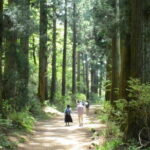
You’ll also get a clean, simple structure: your guide meets you within a designated area on foot, and then you move through Hakone at a pace that fits your group. It’s still active (it’s walking), but it’s not aimless.
You can also read our reviews of more guided tours in Hakone

Choose 4–5 stops: building your own Hakone highlight reel
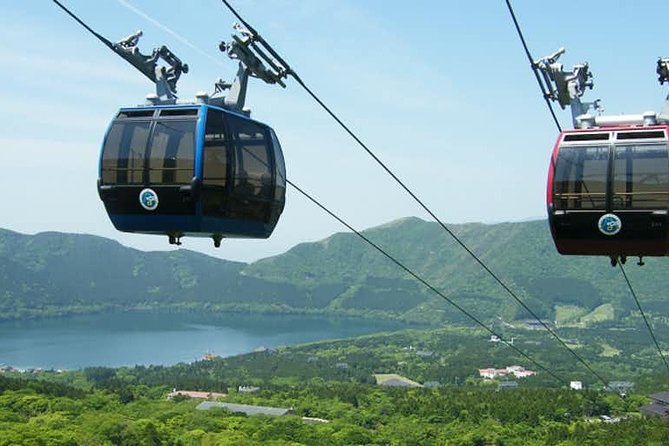
The tour works because you get choice. You’re not locked into a rigid checklist; you select what you want to see from a set of well-known Hakone experiences.
Here’s how to think about your 4–5 stops, based on what each option offers:
Lake Ashinoko and Hakone Shrine = classic “Hakone postcard” mood.
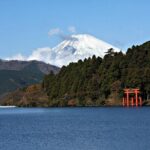
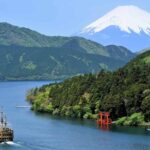
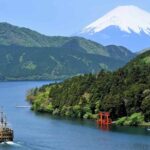
If you want the iconic lake view with Mount Fuji potential and the calm, old-temple feeling, this combo is a solid anchor. Lake Ashinoko is tied to Hakone’s volcanic origin and Hakone-jinja Shrine brings the historical, spiritual side in a quiet setting.
Owakudani = the volcano-adventure stop.
This is the place for black boiled eggs and for seeing active geothermal activity up close. Even if you don’t care about eggs as a souvenir, the steam-and-sulfur atmosphere is pure Hakone.
Art museums and sculpture outdoors = good if you hate rushing.
You can build a calmer, culture-heavy day with stops such as the Hakone Open-Air Museum. You can also choose among multiple private museums depending on what you’re into—Western-style art collections, Japanese-style painting (nihonga) at Narukawa, or themed experiences like a dollhouse museum.
Gardens and nature = a breather between transports.
If you want less crowd pressure, consider options like Sengokuhara (famous for pampas grass in autumn) or Hakone Shisseikaen, a wetlands botanical garden. These stops give you a different texture of Hakone—still beautiful, but less “everyone take the same photo.”
Your guide can help you select the right mix so you don’t end up scheduling three long-transfer segments back-to-back. That’s where the private format pays off.
Lake Ashinoko and Hakone Shrine: where the day feels calm
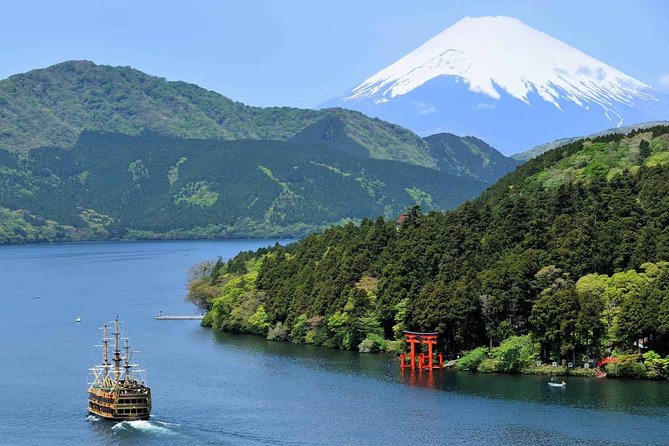
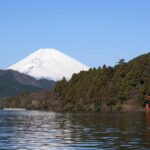
Even when the weather isn’t perfect, Lake Ashinoko is the mental reset button of Hakone. It’s the centerpiece of the area’s volcanic story, formed after Mount Hakone’s last eruption long ago. And the lake’s viewpoint is where Mount Fuji may show up—when it does, it looks like Hakone’s whole sales pitch is justified.
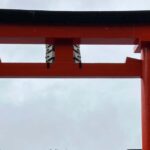
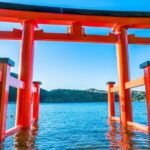
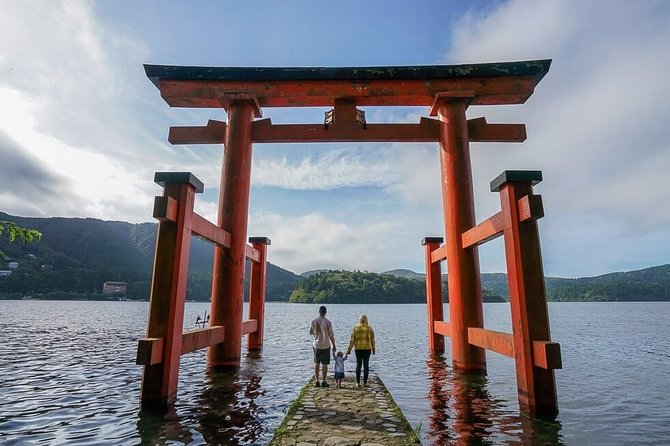
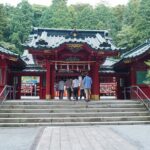
A short stop at Hakone Shrine pairs well here. Hakone-jinja is peaceful, with a history stretching back more than a dozen centuries. You’re not looking at something modern and flashy; you’re standing in a place that has survived fires and rebuilds and still feels quietly rooted.
Practical note: if Fuji visibility matters to you, plan your timing around conditions. Your guide can also steer you toward the best moment to check the view, but fog can beat all of us.
Owakudani and volcanic walking: eggs, steam, and trail rules
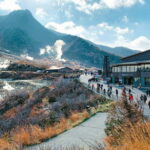
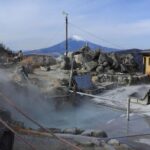
Owakudani is where Hakone turns from scenic to a little bit intense—in a good way. The valley sits in an active volcanic zone and it’s famous for the black boiled eggs. The eggs are a simple pleasure, but the geothermal setting is the real draw.
If you want a more active, close-up nature segment, there’s also an Owakudani Nature Research Trail option. It’s a walking trail through the active volcanic area with close views of geothermal activity. One big thing: advance reservation is required and there’s an entrance fee (listed at 800 yen). If this is on your list, don’t treat it as an afterthought. It can shape how your 8 hours flow.
Also, because the area is geothermal and active, you should expect conditions to change quickly with wind and weather. Your guide’s job is to keep you safe and to steer your timing so you’re not standing around waiting for a best moment that never comes.
Ropeway, temples, and the art-museum rhythm
Hakone’s best day design usually alternates between “views” and “quiet indoor time,” especially in shoulder seasons or bad weather.
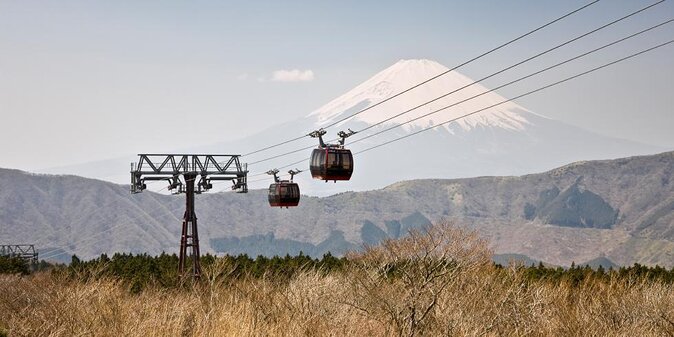
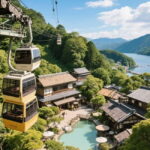
If you choose the Hakone Ropeway, it connects Sounzan Station (connected to the Hakone Tozan Cablecar) and Togendai Station on the lake side. Even a short ride can change how you experience the terrain, and it breaks up long walking stretches.
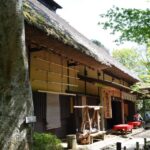
Choanji Temple is another calm, atmospheric option in the Sengokuhara area. It’s Soto Zen, established in the 14th century, and it tends to feel like a pause rather than a stop. These are the places where a guide’s explanations help: you’re not just looking at buildings, you’re understanding why the quiet matters here.
For art, the best part is that you can tailor it. Some people want one art stop as a breather. Others want art as the main storyline. The Hakone Open-Air Museum is a standout choice because it’s designed to mix art with the outdoors, with works placed across a large site.
Other art options let you go more niche:
- Hakone Museum of Art in Gora
- Okada Museum of Art (opened in 2013)
- Pola Museum of Art (opened in 2002)
- Narukawa Art Museum for nihonga-style painting
- Dollhouse Museum Hakone for something unusual and light
There are also themed choices like the Hakone Venetian Glass Museum (glass, Italian-style buildings, and a garden with a canal-like pond) if you want a stroll-with-shops vibe.
Key takeaway: in Hakone, art isn’t just “inside.” It can be walking, viewpoints, gardens, and themed design. Your guide helps you pick the right style for your group.
You can also read our reviews of more private tours in Hakone

Price and logistics: is $201.46 per person good value?
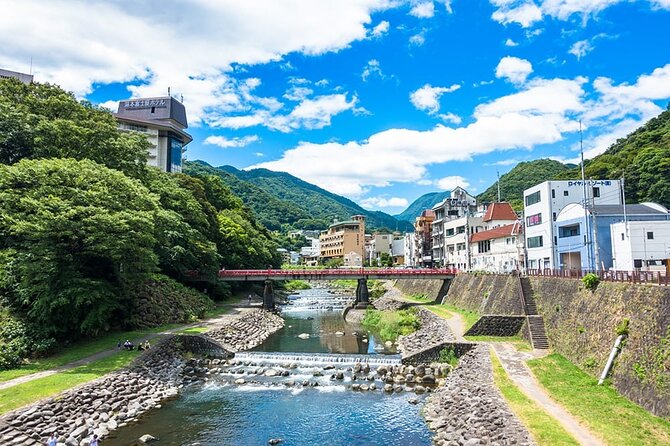
At $201.46 per person for an 8-hour private experience, the price makes sense only if you’re using the private format the right way.
Here’s how to judge value:
You’re paying for the licensed guide + the planning brain.
The guide is government-licensed, and that matters because they can explain what you’re seeing, not just translate directions. Guides such as Hiro and Fumiko are praised for staying organized and flexible, including helping groups adjust when weather changes.
You’re also saving time versus improvising alone.
Hakone has multiple nodes (lake, Gora, Sengokuhara, volcano areas). When you’re moving by foot and local transport, it’s easy to mis-time things. Having a guide who can help you line up the day reduces dead hours.
But there are costs you should expect on top of the tour price:
- Transportation fees are not included.
- Entrance fees are not included for most stops (some are free, like Lake Ashinoko and certain shrine/temple options).
- Lunch isn’t included, so you’ll need a meal plan.
- There’s no private vehicle. It’s a walking tour, and your energy will matter.
If your group is comfortable with extra costs and wants an efficient, human-led day, the $201.46 becomes easier to justify. If you’d rather keep everything fully booked into a single price, you may prefer a different kind of all-in-one package.
Weather and Mt. Fuji: manage expectations, not the day
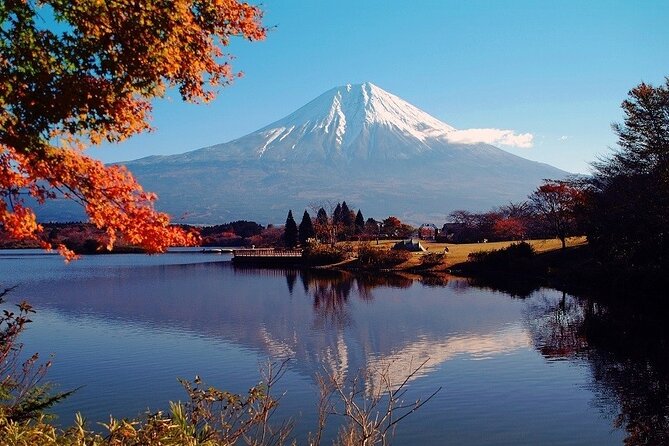
Hakone weather can change fast. Even on a “good” day, fog can steal the view. That’s why this tour’s flexibility is important.
In practice, strong guides use the day like a puzzle. Some will adjust by adding an art museum when the weather turns, then pivot back to outdoor areas when it clears. Others time the view-checks around the parts of the day that make sense for visibility.
If Mt. Fuji is a top goal, think of Fuji as a bonus, not a promise. Build your day so you’re still happy even if the mountain stays hidden.
Also, keep an eye on lines. One guide-focused experience stands out in the feedback for getting people ahead of bottlenecks and finding smoother ways through crowded transport points. That’s the difference between a “we saw a lot” day and a “we actually felt relaxed while moving” day.
Who should book this private walking tour
This fits best if you want one of these outcomes:
- You have limited time in Hakone and want maximum value from that time.
- You care about choosing the right mix of icons, nature, and art without feeling trapped.
- You’d rather ask questions than read a sign and guess.
- Your group includes kids or multi-generational travelers who benefit from pacing and guidance (some guides are specifically praised for handling families well).
It may be less ideal if:
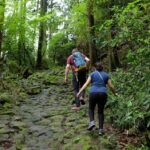
- You dislike walking and long days with stairs or uneven terrain.
- You want a fully ticketed, all-inclusive bundle where no extra costs appear.
- You’re planning a super tight schedule and can’t handle weather shifts.
Should you book this Hakone 8-hour private tour?
I’d book it if you value choice, a licensed guide, and a plan that can adjust when Hakone refuses to cooperate. For $201.46 per person, you’re paying for intelligent routing, clear explanations, and the ability to tailor your day with 4–5 stops instead of suffering through a fixed route.
Choose it especially if art, museums, temples, and volcano-adjacent nature are all on your list. You’ll get a Hakone day that feels like yours, not like a conveyor belt.
If walking plus extra entrance and transport costs sound tiring, consider whether you’d rather do fewer stops on a shorter visit.
FAQ
What is included in the tour price?
You get a licensed local English-speaking guide, a customizable selection of 4 to 5 sites, and a meeting on foot within a designated area in Hakone. Entrance fees, transportation costs, and lunch are not included.
Do I pay for museum and attraction tickets separately?
Yes. Most attractions and rides have entrance fees or ticket costs that are not included. Some stops listed are free (like Lake Ashinoko, Hakone Shrine, and Choanji Temple).
Is this tour done by vehicle?
No. It’s a walking tour, and there is no private vehicle included.
Can I choose which attractions to visit?
Yes. You can customize the day and choose your 4 to 5 stops from the options provided.
Does the tour include Hakone Ropeway or other transit?
The itinerary options include stops connected to things like the Hakone Ropeway, but ticket costs are not included. You’ll handle those transportation fees separately.
What about seeing Mount Fuji?
Mount Fuji may be visible from classic Hakone viewpoints like Lake Ashinoko, but it’s not guaranteed because weather can hide it. If you care about Fuji, plan to be flexible and let your guide adjust when conditions change.