REVIEW · HAKONE
Hike Japan Heritage Hakone Hachiri with certified mountain guide
Book on Viator →Operated by Coconuts Hike Japan · Bookable on Viator
Hakone Hachiri turns a walk into a time machine. You’ll follow the old Tokaido-era travel corridor through forest trails and stone paths, then connect between key spots with local buses and short taxi rides. Two things I really like: the small group size (max 6) keeps things calm, and the guide (Aki/Akihiro, depending on the day) explains what you’re stepping on—checkpoint life, travel routes, and how Hakone travelers moved. One thing to consider: it’s about 7 hours with roughly 8km of hiking plus walking transfers, so it’s not a stroll day.
The route is built for real sightseeing, not just mileage. You’ll hit the Hakone Amazake Tea House, pass the cedar-lined old road area, see Lake Ashi views from the Motohakone-Ko Pier area (including the Heiwa no Torii), and then continue through the Hakone-machi area before reaching the Yamanaka Castle ruins and finishing in Mishima. My second favorite part is how the day is paced: enough hiking for atmosphere, but buses help you skip awkward distances so you keep your energy for the views and storytelling. A possible drawback is weather reliance—Mt Fuji sightings are explicitly weather-permit, and fog can change what you see.
If you want the Edo-period feeling without doing homework, this is a strong fit. The national certified pro guide also carries a wilderness first-aid certificate, which matters when you’re hiking in mountain terrain. Just make sure you’re ready for moderate fitness and some uneven outdoor footing.
In This Review
- Key Things That Make This Tour Worth Your Time
- Planning Your Day on Hakone Hachiri: What You’re Really Doing
- Meet-Up, Start Line, and How You’ll Move Between Stops
- Hakone Amazake Tea House: The Edo-Style Start
- Lake Ashi and Motohakone-Ko Pier: Torii Views and Fuji Angles
- Cedar Trees of the Old Road and the Hakone Checkpoint Story
- Hakone-machi Lunch Area and the Bus Skip Through Change
- Yamanaka Castle Ruins: Fuji Views If You’re Lucky
- Mishima Finish: Mishima Taisha and Genba River
- Price and Value: What $158.52 Really Buys You
- Weather, Mt Fuji Odds, and What to Wear
- Who This Tour Is Best For (And Who Might Prefer Something Else)
- Should You Book Hakone Hachiri With a Certified Guide?
- FAQ
- How long is the Hakone Hachiri hike?
- How much hiking distance should I expect?
- Where does the tour start and end?
- How big is the group?
- What’s included in the tour price?
- What costs are not included?
- Is the tour affected by weather?
Key Things That Make This Tour Worth Your Time
- Hakone Hachiri as a Japan Heritage Edo-route experience: you’re walking part of the Old Tokaido Highway corridor and steep travel-era landscapes.
- Small group hike (up to 6): easier questions, better pacing, and a less crowded feel on quieter trail sections.
- Lake Ashi views and the Heiwa no Torii: you’ll get major photogenic moments, plus Mt Fuji angles if conditions cooperate.
- Cedar trees and the Hakone checkpoint story: you learn why this place mattered for travelers, not just where it is.
- Bus-and-walk strategy between regions: the route uses transport to keep the day flowing and reduce wasted time.
- Certified mountain guide with wilderness first aid: added confidence when you’re moving through mountain paths.
Planning Your Day on Hakone Hachiri: What You’re Really Doing
This is a guided hike along Hakone Hachiri, a Japan Heritage route tied to the Old Tokaido Highway—the big travel artery connecting Edo-era Japan with western destinations. Think of it as a day that mixes mountain walking with smart transit so you experience the route’s logic, not just its points on a map.
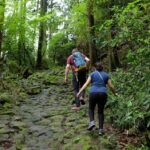
The core rhythm is simple. You start at Hakone-Yumoto Station at 9:00am, then spend the day combining hiking and local transportation to reach major heritage and scenic stops. The total is about 7 hours, and the actual hiking distance is roughly 8km. There are also short transfers by foot and by bus, plus at least one shared taxi segment to reach a trailhead area.
The group stays small (maximum 6 travelers), so the guide can set a steady pace and keep the history coming without turning into a lecture. If you’re the type who enjoys understanding what you’re seeing while you’re still there, you’ll appreciate that.
You can also read our reviews of more guided tours in Hakone

Meet-Up, Start Line, and How You’ll Move Between Stops
You’ll meet at Hakone-Yumoto Station (Yumoto, Hakone). The end point is Mishima Station, where you can continue onward by train or bus.
On transport, expect this mix:
- Shared taxi to reach a trailhead early on
- Walking segments along the heritage path and shoreline areas
- Local buses between sections, including a ride that helps you skip a part of the route that’s temporarily closed
- Finish logistics: once you reach Mishima, you’ll wrap up near Mishima Taisha and the Genba River, then end at the station
This structure matters because Hakone is mountainous, and staying on the “correct” route sometimes means connecting by transit. You’re not just hiking where you can; you’re following the practical travel path as it exists today.
Hakone Amazake Tea House: The Edo-Style Start
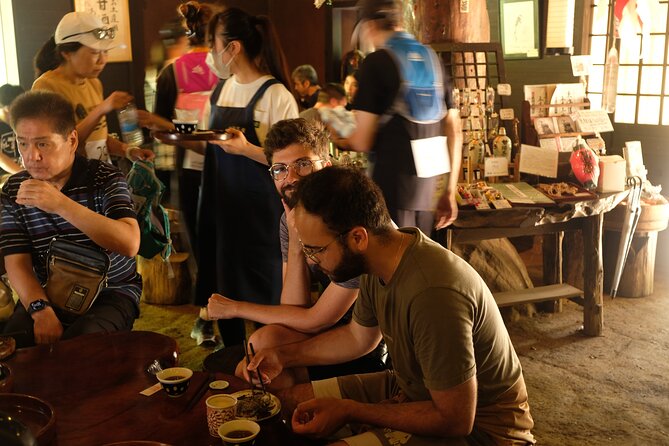
The day begins with the Hakone Amazake Tea House stop. After meeting at Hakone-Yumoto, you take a shared taxi to the start area, then walk for about an hour before reaching the village area connected to this stop.
This part feels like a gentle entry into the heritage theme. Instead of immediately climbing into tough terrain, you start with context—what travelers may have done and how these stop areas supported long journeys. You’ll also have a chance to see traditional craft-related village life in the broader area, which helps the later “checkpoint and travel” stories land better.
Two practical notes:
- You’ll likely want a bit of water before you hit the more scenic stretches.
- If the morning is misty, the early forest feeling is still enjoyable. Even when Mt Fuji hides, the route doesn’t stop being interesting.
Lake Ashi and Motohakone-Ko Pier: Torii Views and Fuji Angles
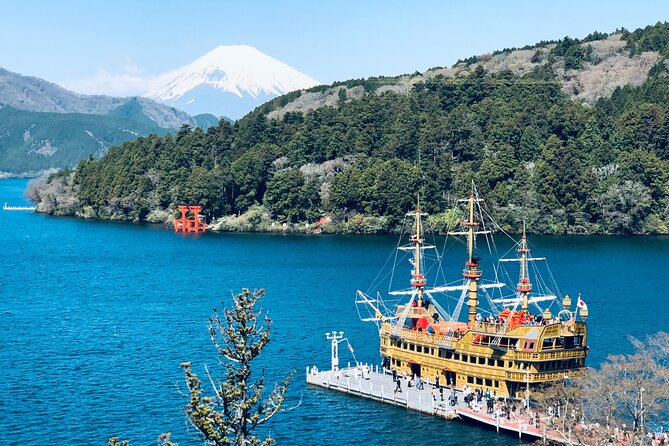
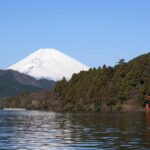
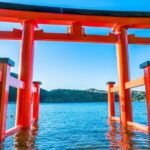
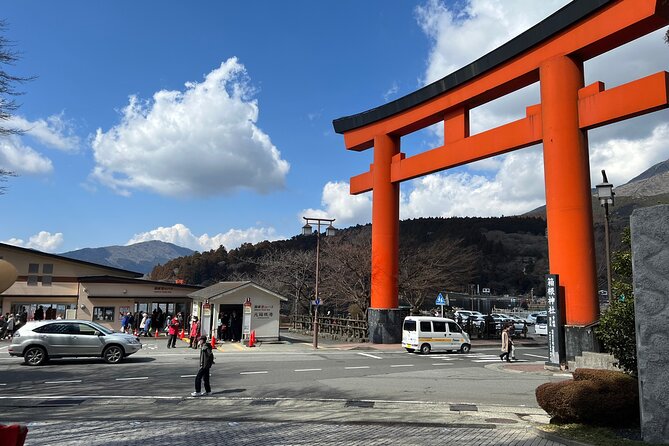
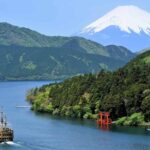
After your trail walking section, you reach the Lake Ashi area and the Motohakone-Ko Pier stop. This is one of the day’s biggest visual payoff moments. You’ll walk along the shoreline and get views of the famous Heiwa no Torii, and the plan is also to catch Mt Fuji in the background if weather permits.
This is where Hakone’s geography does the heavy lifting. Lake Ashi makes long-distance views possible, and the sightline to Fuji is a reason so many people time visits here. When the sky is clear, the torii + Fuji combo is exactly the kind of “history meets scenery” moment you came for.
If it’s cloudy, don’t panic. Your guide will still help you make sense of why these locations were important and how travellers might have experienced similar sightlines during their journeys. The lake area also breaks up the hiking before the next heritage section.
Cedar Trees of the Old Road and the Hakone Checkpoint Story
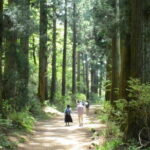
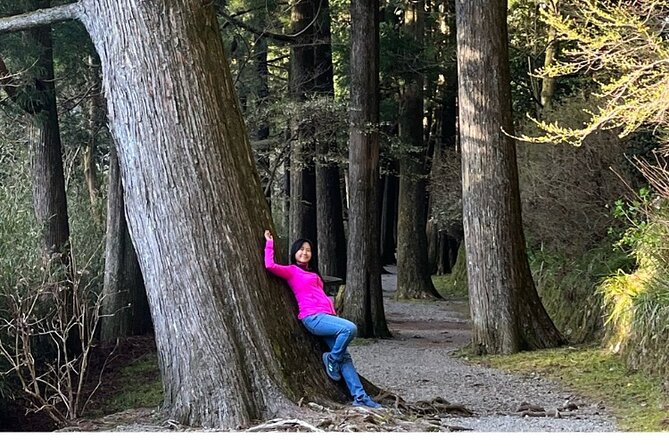
Next comes the Cedar Trees of Hakone Old Road segment and the area tied to the Hakone Checkpoint. This stop is short but meaning-heavy: you walk past a cedar avenue and reach the checkpoint area, where the guide explains why this was such a big deal in the travel system.
A checkpoint wasn’t just a gate. It was a control point tied to how movement was managed, how identities were verified, and how the rhythm of travel changed from place to place. The guide’s background is what turns a roadside stop into a moment of understanding.
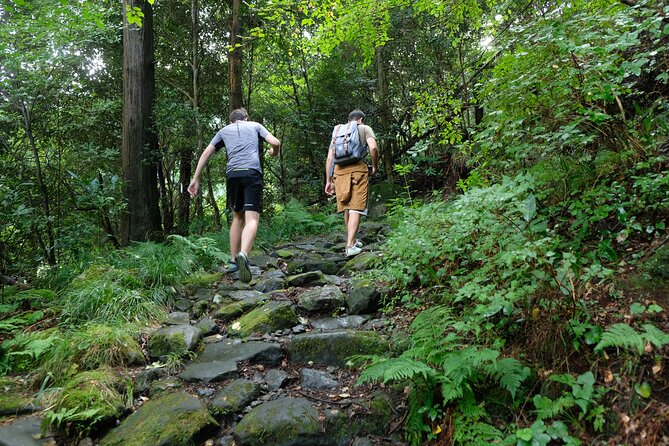
This is also a good spot to slow down. Cedar-lined stretches can feel cooler and quieter, and the ground can be uneven. I’d keep your phone accessible for pictures, but also look up—cedar corridors frame views and give the route a sense of “channeling” people along a specific way.
You can also read our reviews of more historical tours in Hakone
Hakone-machi Lunch Area and the Bus Skip Through Change
After the checkpoint zone, you’ll move toward the Hakone-machi area for lunch at a local Japanese restaurant. Then you connect by bus to reach the trailhead on the Shizuoka side of Hachiri.
One interesting detail in the plan: part of the route may be temporarily closed, so the bus helps you skip that section and keep the day on track. That’s not a weakness; it’s a reality check of hiking routes. The value here is that you’re still walking the heritage corridor intent, even when modern conditions require detours.
A practical note: lunch is not included. The tour lists it as around 2000 yen for your group. So if you’re budgeting, treat that as part of your real day cost.
Yamanaka Castle Ruins: Fuji Views If You’re Lucky
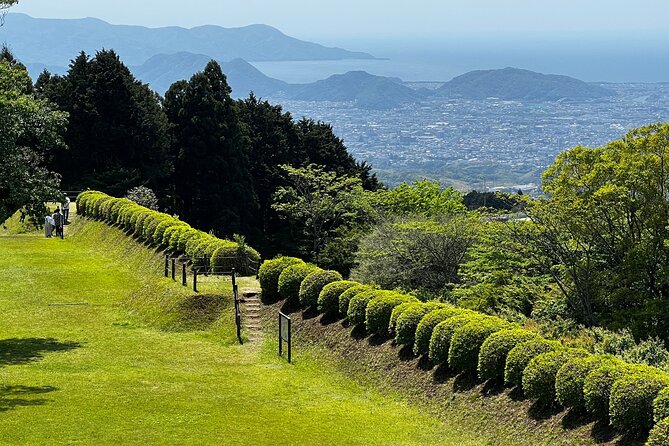
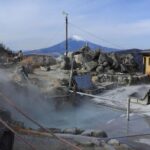
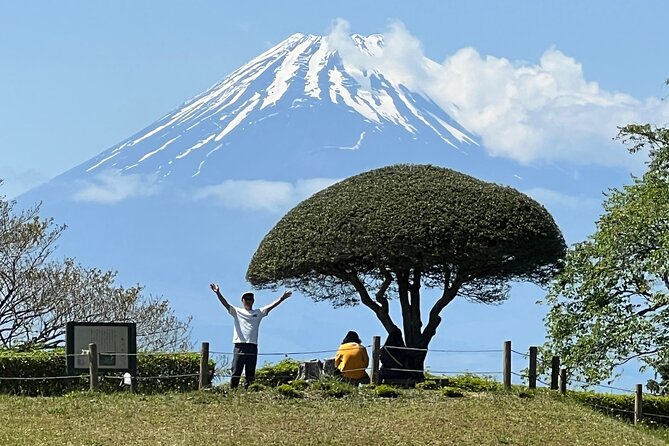
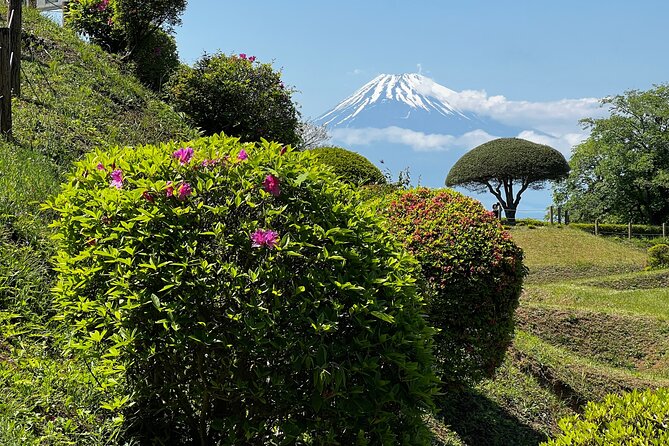
Then you reach Yamanaka Castle Ruins along the Hachiri Heritage path. This stop is designed as a viewpoint-style segment, with a specific note that Mt Fuji might be visible from this area if weather permits.
Ruins can be tricky without interpretation, but this is where having a pro guide matters. Even if you can’t see Fuji, you’ll still get the sense of what the position meant—why people would have watched and built where they did. Ruins also add variation to the walk, so you’re not only doing scenery and transport.
What to do if the weather is moody? Lean into the “why” rather than just the “what.” On overcast days, I still find these ruins moments rewarding because the guide turns empty stone into a strategic setting.
Mishima Finish: Mishima Taisha and Genba River
The final stretch brings you to Mishima. Your tour includes a stop at Mishima Taisha, described as the biggest shrine in Mishima, plus the Genba River area. Then the tour ends at Mishima Station.
This ending matters because it ties your day’s theme into a broader cultural payoff. You’re not just walking downhill and leaving; you’re finishing in a place where you can step into local life. The shrine and river combination also gives your legs a different kind of landscape after the mountain trail segments.
Once you’re done, Mishima Station is a practical transit hub. The plan notes Shinkansen options onward (including around 15 minutes to Odawara for about 2500 yen, or about 45 minutes to Tokyo for roughly 4400 yen).
Price and Value: What $158.52 Really Buys You
The listed price is $158.52 per person, for a 7-hour guided experience with:
- A national certified pro guide and wilderness first-aid certification
- A route that’s not just one attraction, but multiple heritage and scenic stops
- A small group cap (max 6)
- A mobile ticket feature
- Tickets for the listed admission stops noted as free in the plan
What’s the real value? It’s the time-and-logic advantage. Hakone Hachiri is a heritage route, and getting it right on your own can mean more planning, more transfers, and more chances to miss the best explanation points. Here, the guide handles the “how this route worked” piece while you focus on walking and viewing.
Also, note what’s not included:
- Lunch (around 2000 yen)
- Transportation to the trailhead and between sites (around 2000 yen by shared taxi or buses)
- Shinkansen fee from Mishima back (around 2500 yen to Odawara listed)
- Amasake and snacks along the way
That means your true all-in cost may rise a bit depending on how you eat and what train connection you choose. But if you want a day with guiding plus coherent routing, the price still looks fair for the time and the pro support.
Weather, Mt Fuji Odds, and What to Wear
This tour is explicitly weather dependent. It’s designed for good conditions, and Mt Fuji sightings are only promised if weather permits. The upside is that even when Fuji disappears, you still get cedar corridors, checkpoint interpretation, and the heritage walking experience.
For clothing, you’ll want:
- Shoes with grip for outdoor paths (about 8km over rough-ish terrain)
- Layers, since Hakone can feel cooler and foggier than nearby cities
- A small daypack for water and your essentials
If rain shows up, don’t assume the day is canceled automatically. The plan indicates the experience may be offered on a different date or refunded if it’s canceled due to poor weather. So keep your schedule flexible when possible.
Who This Tour Is Best For (And Who Might Prefer Something Else)
This hike suits you if:
- You like guided history while you’re actually walking
- You want Fuji views but aren’t willing to gamble alone with route planning
- You prefer smaller groups over bus tours
- You’re comfortable with moderate physical fitness
It may be less ideal if:
- You want a fully relaxed, minimal-walking day
- You hate buses and transfers (this day includes them)
- You’re very sensitive to weather changes, since Fuji is conditional
Should You Book Hakone Hachiri With a Certified Guide?
If you want a Hakone day that feels like a journey through the Edo-era travel corridor—without getting lost in logistics—this is a smart booking. The biggest strengths are the small group, the certified guide support, and the way the stops connect into a coherent story from checkpoint to lake to ruins to Mishima.
If your priority is only max sightseeing speed, you might choose a different format. But if you want to understand what you’re seeing while you’re seeing it, this hike is one of the more satisfying ways to experience the Hakone Hachiri idea.
FAQ
How long is the Hakone Hachiri hike?
It runs for about 7 hours and includes hiking plus walking and bus transfers between sites.
How much hiking distance should I expect?
You’ll hike around 8km during the trip.
Where does the tour start and end?
It starts at Hakone-Yumoto Station and ends at Mishima Station.
How big is the group?
The maximum group size is 6 travelers.
What’s included in the tour price?
The tour includes a national certified pro guide with a wilderness first-aid certificate. The plan also lists the main stop admissions as free, and you receive a mobile ticket.
What costs are not included?
Lunch (about 2000 yen), transportation fees between sites (about 2000 yen by shared taxi or buses), Shinkansen from Mishima to Odawara (about 2500 yen), and amasake/snacks along the way are not included.
Is the tour affected by weather?
Yes. The experience requires good weather. If it’s canceled due to poor weather, you’ll be offered another date or a full refund.
—
If you tell me your travel month (and whether you’re hoping for Mt Fuji specifically), I can suggest how to think about timing and what tradeoffs to expect on that day.