REVIEW · TOKYO
Tokyo: True Crime And Ghost Stories Tour
Book on GetYourGuide →Operated by Temples and Trails Tours Japan · Bookable on GetYourGuide
Tokyo has a darker map. This tour mixes grim true crime with theatrical ghost storytelling, anchored by John and the neon grime of Kabukicho. I like the way it connects street corners to real historical context, and I also like the balance of scary stories with humor that keeps the pace human. The main drawback is that this is not a gentle walk: you’ll cover sexual violence, murder, and war-crime subject matter, plus some adult language and dirty jokes.
You’ll start inside Hanazono Shrine in Shinjuku near Golden Gai, then keep moving on foot for about 3 hours, finishing at Aoyama-Itchome Station. It’s $35 per person for a guided English experience, with a little extra cost for local transportation and no entry fees along the route.
What makes it work is the tone: educational, irreverent, and very story-driven. Expect stops tied to gang history and the red-light nightlife side of Tokyo, a chilling stop at Toyama Park associated with Unit 731 human experimentation, and then ghost stories in the setting of Aoyama Cemetery (with a brief nod to Hachiko, Japan’s loyal dog). Add in the included surprise of ghost cats, and you’ve got a tour that’s meant to feel like a late-night documentary—just on real streets.
In This Review
- Quick Hits: What Makes This Tour Worth Your Time
- Entering Hanazono Shrine (Shinjuku) and Getting Your Bearings
- Kabukicho: Red-Light District Crime Stories in Shinjuku
- The Walk Toward Toyama Park: When Ghost Stories Meet Unit 731
- Aoyama Cemetery: Ghost Stories in Tokyo’s Most Atmosphere-Heavy Setting
- Golden Gai Without the Party: Why This Start Area Helps the Story
- Price and Logistics: Getting Value From $35 for 3 Hours
- Who This Tour Fits Best (and Who Should Skip It)
- Practical Tips for a Smoother, Spookier Walk
- Should You Book This True Crime and Ghost Stories Tour?
- FAQ
- How long is the Tokyo True Crime and Ghost Stories Tour?
- Where does the tour start and where does it end?
- What is the price per person?
- Is the tour in English?
- What topics and content should I expect?
- What’s included in the tour price?
- Are there any entry fees during the tour?
- Is it suitable for children or people with mobility issues?
Quick Hits: What Makes This Tour Worth Your Time
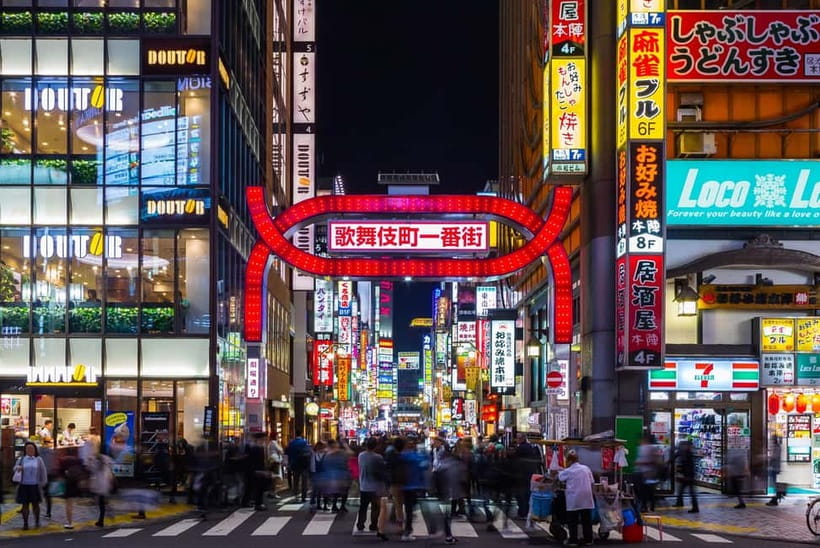
- John’s performance style: funny, dramatic, and built around clear storytelling, not just facts.
- Kabukicho first: you start in the organized-crime and red-light district instead of saving it for later.
- Toyama Park’s heavy history: the Unit 731 connection gives the “ghosts” theme real weight.
- Aoyama Cemetery at walking pace: you get atmosphere and lore in a place that naturally suits ghost stories.
- Hachiko included: it breaks the heaviness with a distinctly Japanese thread you can remember.
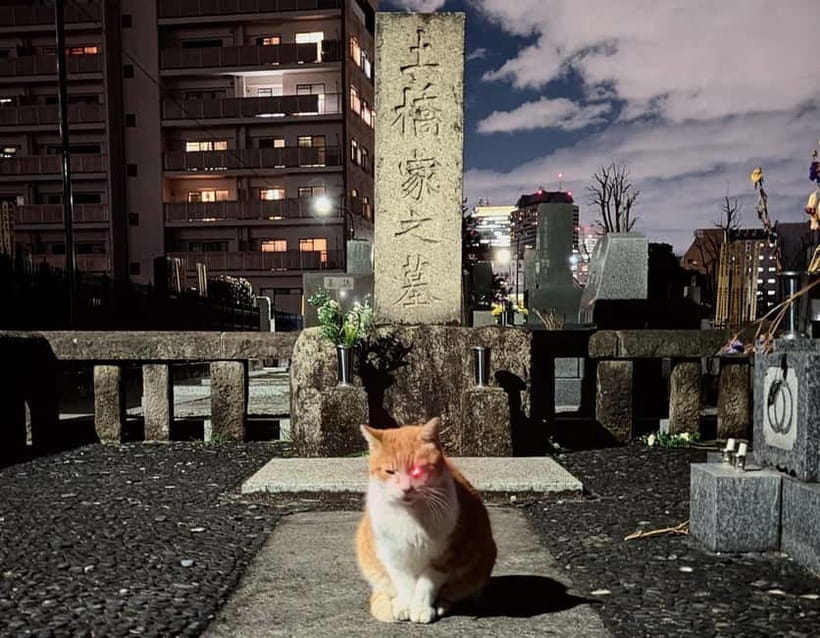
- Ghost cats are part of the deal: there’s a lighthearted element built into the presentation.
Entering Hanazono Shrine (Shinjuku) and Getting Your Bearings
The meeting point is practical and easy once you’re there: just in front of the stairs leading up to the main shrine building inside Hanazono Shrine, in Shinjuku near Golden Gai. When you arrive, you’re looking for John—thin, bald, and dressed/acting in a way that makes him easy to spot once the group gathers.
Why this start matters: Hanazono Shrine gives you contrast right away. Tokyo’s loud streets are a few steps away, but you begin in a calm, grounded place before the tour heads into the city’s darker neighborhoods. It’s a smart way to set expectations. You’re not walking into the red-light district blind; you’re being guided into it.
Two more practical notes to keep in mind:
- You should plan on walking steadily from stop to stop for the whole 3 hours.
- This is English-led, so if you prefer a fast, conversational pace with jokes threaded through the stories, this format fits.
You can also read our reviews of more tours and experiences in Tokyo.



Kabukicho: Red-Light District Crime Stories in Shinjuku
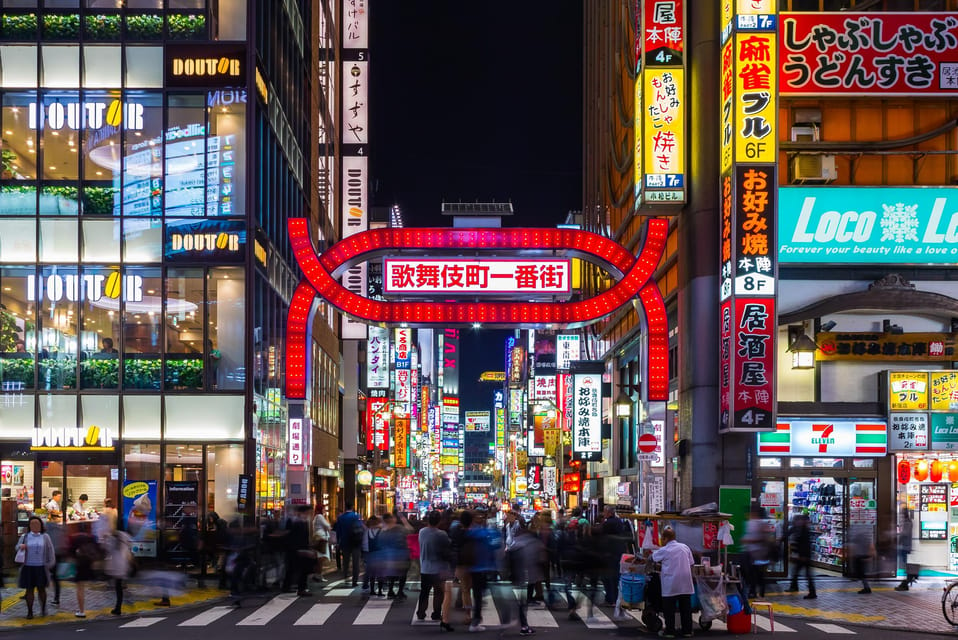
Kabukicho is Japan’s largest red light district, and the tour doesn’t treat it like a generic “nightlife stop.” You’ll get a guided walk through the neighborhood with a focus on what people built there over time: gang wars, shocking murders, and how the sex-industry ecosystem functioned in ways that weren’t fully legal on paper.
I especially like that the tour frames Kabukicho as part of a bigger system instead of a bunch of salacious anecdotes. You’ll hear about Tokyo’s quasi-legal sex industry and the social machinery around it, including the street-level consequences when rival groups collided.
What to watch for: you’re walking through a real city district. This is not a set. The content is also not “light horror.” You’ll hear about violence and exploitation in explicit enough detail that the tour’s own warning fits: if you get grossed out easily, or if sensitive topics make you uncomfortable, skip this.
If you’re coming for the atmosphere, Kabukicho delivers. If you’re coming for something gentler, you might feel the pacing turn heavy before you even reach the later cemetery stories. That’s intentional.
The Walk Toward Toyama Park: When Ghost Stories Meet Unit 731
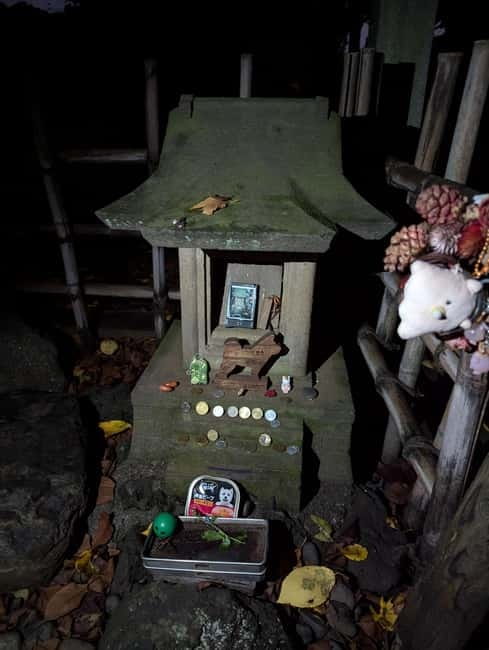
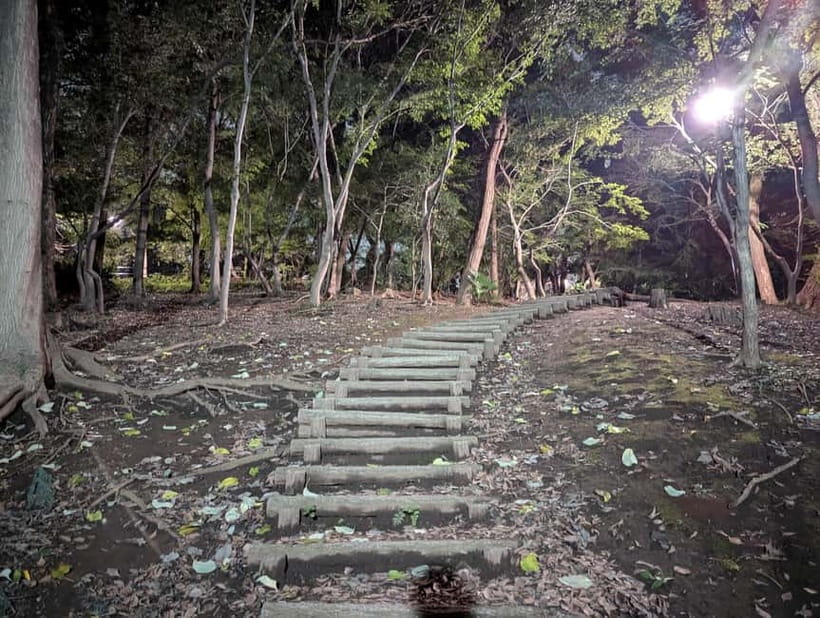
From Shinjuku, the tour keeps moving on foot until you reach Toyama Park, described as a place tied to terrible crimes against humanity. This is where the tour’s “ghost” theme shifts from spooky lore into something much darker.
The key historical anchor here is Unit 731 and the human experimentation projects associated with it. The tour talks about the kinds of crimes that would have led to severe punishment after the war, and you’re given context that makes the location feel more like evidence than scenery.
This stop can be the emotional peak of the tour. I like that it doesn’t rush past the weight of the subject, even while the guide keeps the tone readable with humor. It’s also a reminder that people turn real suffering into legend, and that the story framing matters.
If you’re on the fence, here’s the decision point:
- If you want crime history with a strong connection to physical locations, this is one of the most compelling parts.
- If you’re hoping for mostly supernatural fun, Toyama Park may feel too serious—and that seriousness is the point.
Aoyama Cemetery: Ghost Stories in Tokyo’s Most Atmosphere-Heavy Setting
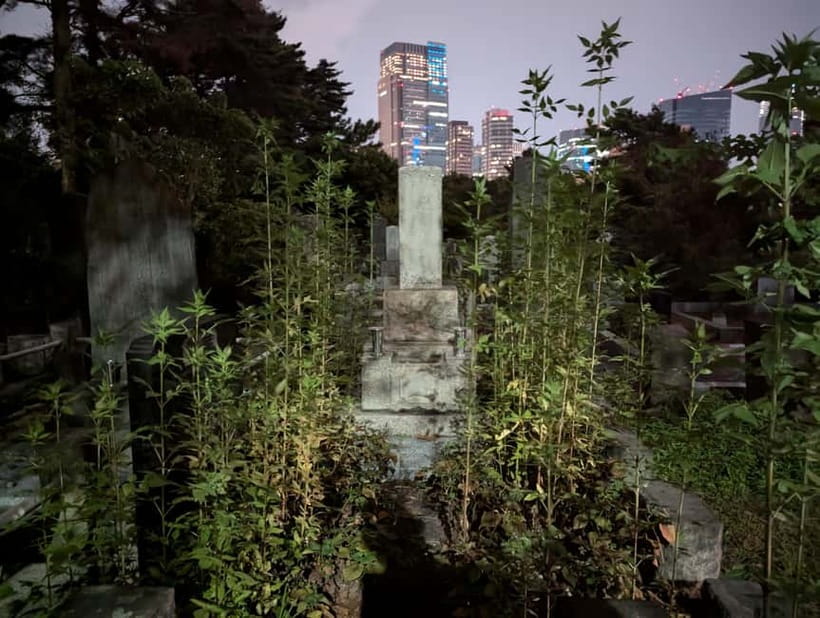
The tour finishes with ghost stories in Aoyama Cemetery, which is identified as the largest cemetery in Tokyo. Even if you’re skeptical about ghosts, the atmosphere helps you feel why people tell these stories in places like this.
This is also where you’ll hear Japanese ghost-lore styled as a guided narrative, not just random creepiness. The setting makes it easier to follow because the physical environment already feels story-shaped: quiet paths, stone markers, and the sense that time thickens when you stop walking and just listen.
A specific detail I’m glad they include: the tour includes a visit connected to Hachiko, Japan’s loyal dog. That touch matters. It’s a human-scale story that softens the heaviness before the end of the walk. It also helps you remember Tokyo as a place with tenderness as well as darkness.
One consideration: the tour involves walking and there can be stairs, so if you tire easily, save your energy for the main storytelling sections and wear shoes you trust. Aoyama Cemetery is not the place for flimsy footwear.
Golden Gai Without the Party: Why This Start Area Helps the Story
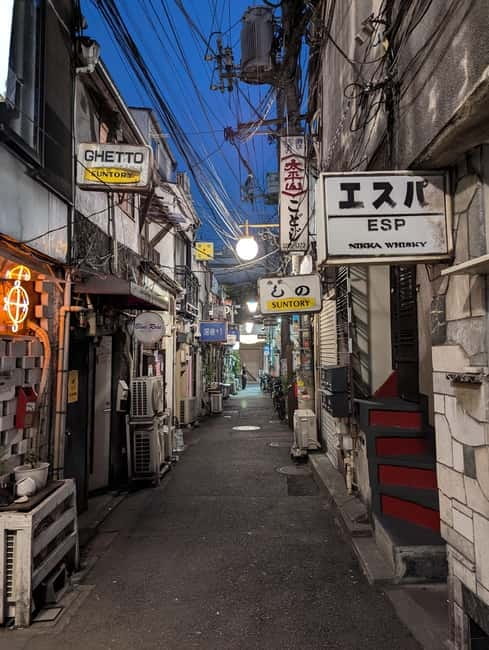
You won’t be here for dinner or a bar crawl, and the tour explicitly isn’t built around eating. Still, the meeting area is near Golden Gai, which is one of Tokyo’s best-known drinking districts.
That location isn’t an accident. It gives you a sense of Tokyo’s layers: entertainment and nightlife on one side, memorial gravity and crime history on the other. By the time you move from shrine calm into neon grit, you understand the tour’s theme: Tokyo holds many versions of itself at once.
If you’re the type who likes seeing how neighborhoods evolved—why they feel the way they do—Golden Gai’s proximity helps you appreciate the cultural mix even before the first big story.





Price and Logistics: Getting Value From $35 for 3 Hours
At $35 per person for about 3 hours, the big value question is how much of your time is spent with a real guide versus just wandering. In this case, the pacing feels intentional: multiple guided segments (45 minutes, then 30, then 45) with story content tied to each stop.
What’s included:
- the guide fee and an English live guide (John)
- a provided “ghost cats” element as part of the experience
What’s not included:
- transportation fees (listed at 200 yen)
- entry fees (none along the route)
- dinner (so you’ll want to eat separately)
For most visitors, that pricing works because it’s sightseeing plus narrative, not sightseeing only. You’re not paying entry fees or museum costs—you’re paying for someone to connect the dots between crime, places, and the stories people tell around them.
A small but important practical point: it’s a walking tour, and the topics are sensitive. If you’re comparing it to a typical “Tokyo night stroll,” this one is more emotionally demanding. The value is in the quality of storytelling and the specific locations it hits.
Who This Tour Fits Best (and Who Should Skip It)
This tour is built for adults who enjoy true crime, horror storytelling, and Tokyo’s darker side with real historical context.
You’ll likely enjoy it if:
- you like crime documentaries and want street-level context for the stories
- you enjoy guides who perform their narratives rather than reciting dry timelines
- you can handle gallows humor mixed into heavy subject matter
You should skip it if:
- you’re easily grossed out or tired by sensitive topics
- you want a family-friendly experience
- you have mobility limitations (it’s not suitable for wheelchair users, and walking plus stairs can be a problem)
- you fall outside the tour’s stated limits (low fitness or over 300 lbs / 136 kg)
The “irreverent and humorous” tone is part of the format. If that style doesn’t work for you, the tour may feel wrong even when you agree with the history.
Practical Tips for a Smoother, Spookier Walk
Here’s how to get the most out of it without losing your comfort:
- Wear shoes you could walk in for a few extra hours. The route is active, and the cemetery setting usually means uneven stone-and-path territory.
- Expect some adult humor and occasional adult language. If you’re sensitive to that, decide in advance whether you’re okay with it.
- Bring a light mindset switch for Toyama Park. You’re moving from spooky to real-world atrocity context, and the emotional tone changes.
- If you’re using transit after, don’t panic at the end. The guide is described as helping people find the right trains home, which is useful when Tokyo stations feel like a maze at night.
If you go in with the right expectations, you’ll come away with more than scares. You’ll have a sharper sense of how districts formed, how crime histories leave traces, and how folklore grows around places.
Should You Book This True Crime and Ghost Stories Tour?
Book it if you want an adult, story-driven walk through Tokyo’s real “darker map,” with a guide who mixes performance, humor, and strong place-based context. It’s especially worth it if Kabukicho and Aoyama Cemetery are on your Tokyo list and you like your sightseeing tied to human stories, even when they’re uncomfortable.
Skip it if you want a gentle, wholesome evening or if heavy topics make you shut down. This isn’t about avoiding darkness—it’s about walking through it, with humor as the pressure valve.
FAQ
How long is the Tokyo True Crime and Ghost Stories Tour?
The tour lasts 3 hours.
Where does the tour start and where does it end?
It starts at Hanazono Shrine in Shinjuku and finishes at Aoyama-Itchome Station.
What is the price per person?
The price is $35 per person.
Is the tour in English?
Yes, the live tour guide speaks English.
What topics and content should I expect?
You’ll hear about Tokyo crime history and ghost stories. The tour also includes dark and/or dirty humor and may use adult language. Topics include prostitution/sex industry history and serious crimes tied to Unit 731.
What’s included in the tour price?
Included are the guide fee, a friendly and knowledgeable guide, and ghost cats (as part of the experience).
Are there any entry fees during the tour?
There are no entry fees for anything along the route.
Is it suitable for children or people with mobility issues?
It is not suitable for children under 14, wheelchair users, people with low level of fitness, or people over 300 lbs (136 kg).