REVIEW · TOKYO
Tokyo: Samurai Adventure! Authentic Sword Experience
Book on GetYourGuide →Operated by ICHIMILE Co., Ltd. · Bookable on GetYourGuide
Samurai training in Tokyo can actually feel physical. This workshop in the Samurai Experience Photo Studio ICHI area brings you face-to-face with the real motions behind Tate-style sword work, taught with practice weapons. I especially like the hands-on rhythm of grip, stance, and basic strikes, and I really enjoyed the closeness of the live training moments led by Dai and Kume. The one catch: this isn’t real blade combat, so if you want to spar full-speed, you’ll leave with skills and moves, not a fight.
You also get choices. The public class has you watching and practicing alongside Japanese students learning samurai action, while the private option tunes the lesson to your level and goals. One more consideration: it’s not for everyone, since the activity is physical and the tour specifically lists limits around medical and balance concerns.
In This Review
- Key Things I’d Pay Attention To
- A Samurai Workout in Central Tokyo: Studio ICHI to the Dojo
- Private vs Public Course: Pick the Class That Matches Your Comfort Level
- Public course: action-movie training with a classroom vibe
- Private course: more individual attention
- What You Learn: Stance, Grip, and Basic Tate Sword Motions
- Live Demonstrations and Paired Practice: Watching Dai and Kume Up Close
- Photos, Costume Options, and the Keepsake Factor
- The Price at $24: Why This Feels Like Good Value
- How to Prepare: Clothes, Shoes, and Small Rules That Matter
- Who Should Book This (and Who Should Skip It)
- Getting the Most Out of Your Session
- Should You Book Samurai Adventure! Authentic Sword Experience?
- FAQ
- Where is the meeting point?
- What languages are used during the workshop?
- Are wooden practice swords provided?
- Do I need sword experience to join?
- Is real sword fighting included?
- Is a samurai costume included?
- What should I wear or bring?
- Who should not take part?
Key Things I’d Pay Attention To
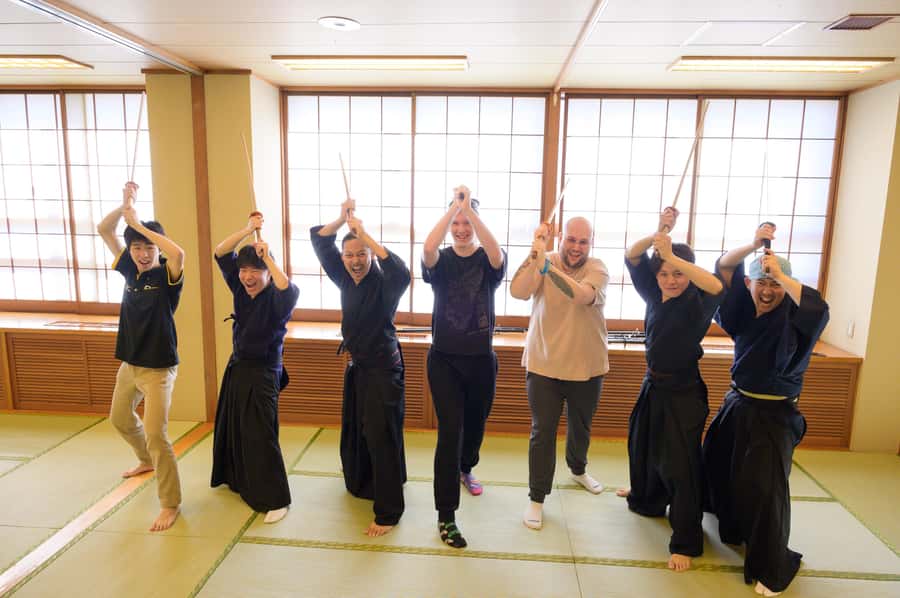
- Studio-to-dojo flow: you dress at the studio, then head to the nearby dojo area for training
- Wooden practice swords: you learn the movements safely, without actual sword fighting
- Dai and Kume instruction: friendly guidance, with detailed corrections during practice
- Paired practice and demonstrations: you see action-movie style sequences up close
- Photo keepsake: you end with a photo session, and a costume is available as an option
A Samurai Workout in Central Tokyo: Studio ICHI to the Dojo
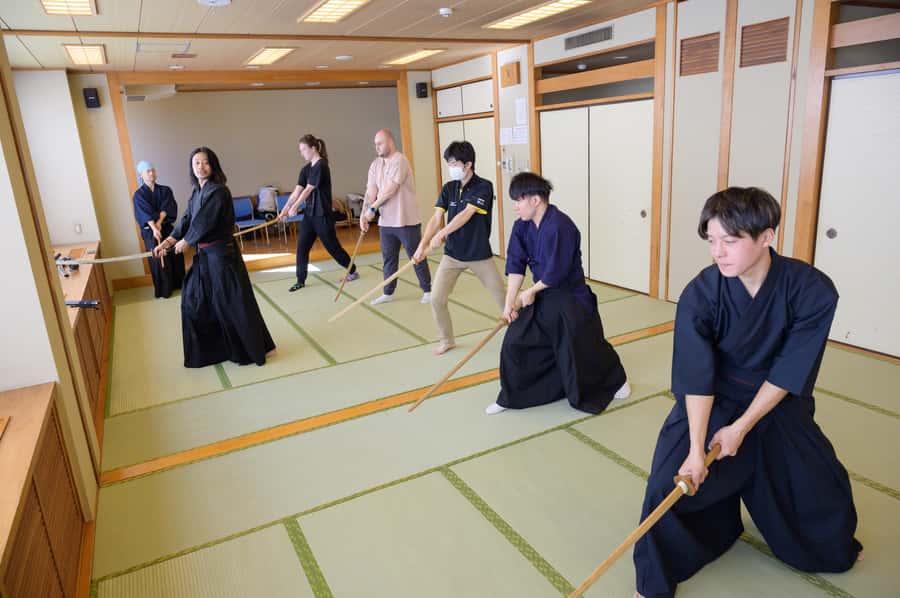
This experience is built like a real class, not a sit-and-watch show. You start at Samurai Experience Photo Studio ICHI (easy to find by searching the exact name in Google Maps). Your first moments are about getting oriented and getting into the right mindset—then you move from the photo studio area toward the training space.
One thing I like about that setup: it keeps the energy focused. You’re not traveling across the city between different stops. You’re in the same neighborhood, moving from getting ready to learning the movements.
If you choose the option to dress up, you’ll likely do that right at the studio. A session may include samurai-style clothing (and at least one account mentions a kimono moment as part of the wider experience). Either way, you’ll be in costume for the training and photo segment, which makes the day feel special without turning it into a theme park.
You can also read our reviews of more tours and experiences in Tokyo.



Private vs Public Course: Pick the Class That Matches Your Comfort Level
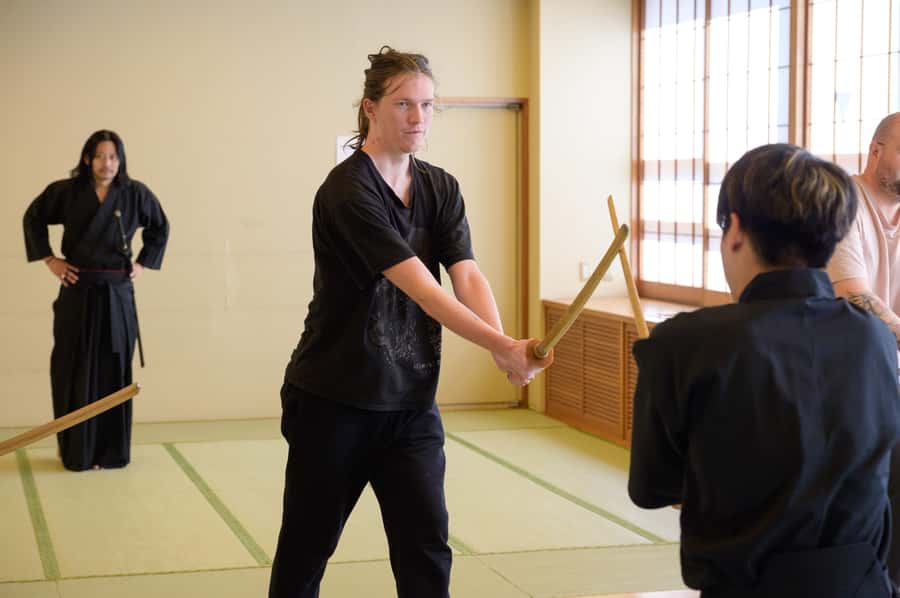
The workshop comes in two formats, and the difference matters for how you experience the lesson.
Public course: action-movie training with a classroom vibe
In the public option, you join a group where aspiring Japanese actors are learning samurai action. You’ll observe, then you can practice alongside them. That means you’re not alone in the room—there’s a shared training atmosphere, and you’ll likely learn faster by watching others get corrected and try again.
This option can be a good fit if you like being part of the group and don’t mind that the class is moving like a combined training session.
Private course: more individual attention
If you want more direct coaching, choose the private course. The day begins with a brief introduction to samurai history and culture. Then Dai (and/or the instructor team with Kume) tailors the lesson to your level and goals.
This private approach is popular with martial arts practitioners and people who already care about Japanese culture. Even if you’re a beginner, the private setup can feel less rushed because you can ask questions and get corrections that match your body and pace.
What You Learn: Stance, Grip, and Basic Tate Sword Motions
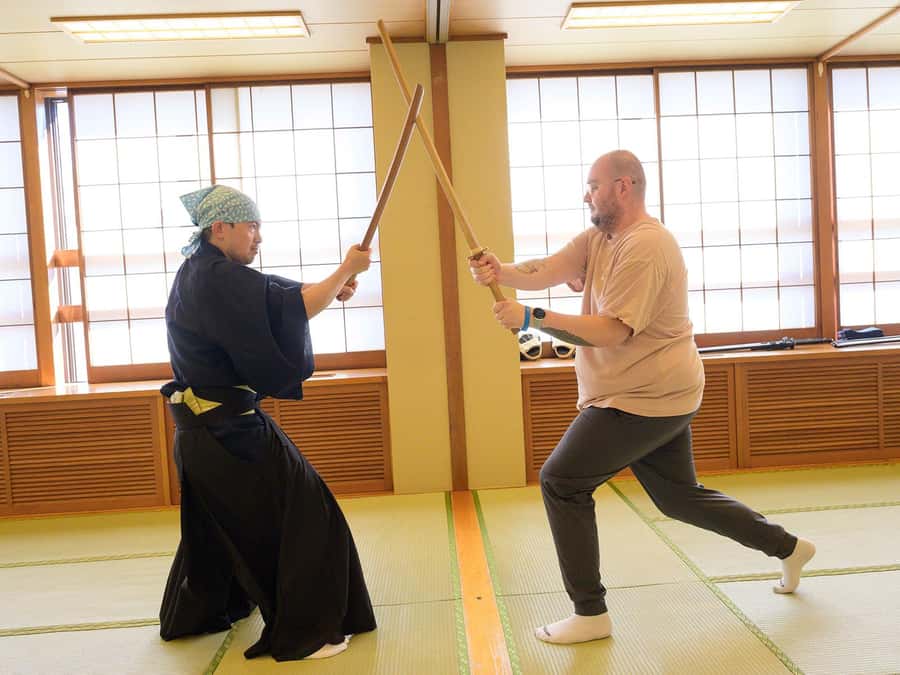
Right away, this workshop signals something important: you won’t be thrown into dangerous sword fighting. Instead, you’re taught the movements safely with practice weapons.
The lesson starts with warm-up exercises. Then the core teaching moves into the fundamentals:
- how to grip and hold the sword properly
- how to hold your body in a stable stance
- how to swing with control, not force
- how to execute basic strikes and defensive moves using practice swords
Beginners are welcome. The goal is to get you comfortable with the idea that sword movement is first about body mechanics and timing. Once you grasp the basics, you’re guided toward practice that feels more cinematic, because the motions look like the real thing.
What makes this valuable is that it gives you a framework. Even after the session ends, you can remember what you were taught—stance first, grip second, then controlled strikes. That’s much more useful than simply watching impressive technique and forgetting it ten minutes later.




Live Demonstrations and Paired Practice: Watching Dai and Kume Up Close
You get two kinds of “see it, then do it” moments: instructor demonstrations and paired training.
During the workshop, you’ll witness a powerful demonstration by the samurai instructor. The point isn’t just to show skill—it’s to help you understand why the techniques look the way they do. When you watch from close range, you notice details you can’t catch from far away: how the body transfers weight, how the blade path stays controlled, and how defensive movements are set before the strike happens.
Then you move into paired practice. You’ll work with a professional samurai in a setup that feels like an action scene. You’re not doing free-for-all combat. It’s coordinated practice, and it’s designed so you can participate while staying safe.
One consistent theme in the experience is the coaching tone. In multiple accounts, Dai and Kume come across as warm and detailed—quick to help if you’re unsure, and patient when you need a reset.
Photos, Costume Options, and the Keepsake Factor
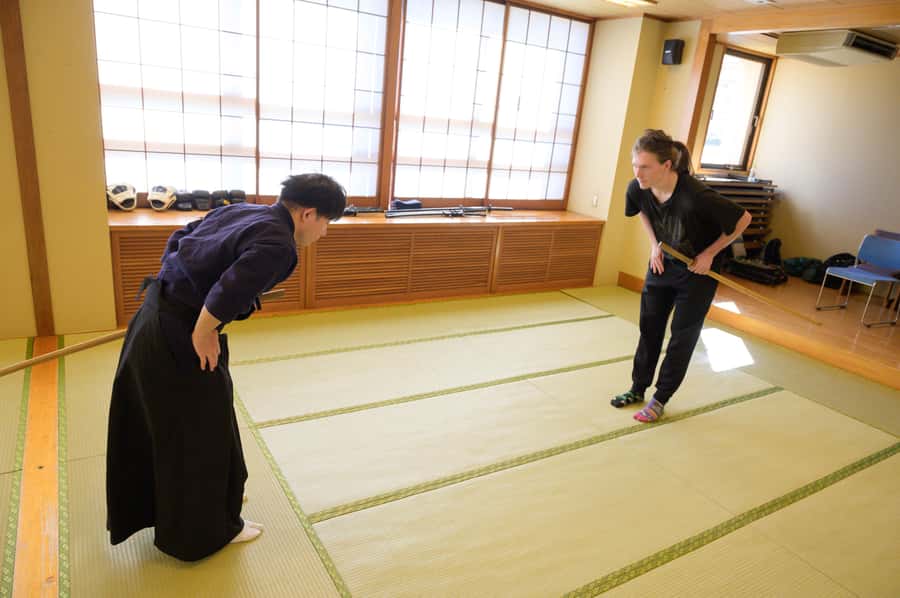
At the end, you get a photo session with the samurai. This is not just a quick snapshot. It’s part of why the studio is included in the first place.
What’s nice: the experience is still worth doing even if you’re not trying to buy into the costume version. If you’re unsure, simply watching and learning still feels complete because you’re participating in physical practice with the sword moves.
If you do choose the costume option, you’ll dress up for the class and photos. At least one account notes a session that included kimono elements alongside the wider ritual of warming up and practicing. Even if your exact details vary, the takeaway is consistent: you leave with a real visual memory of the day, not just bragging rights.
The Price at $24: Why This Feels Like Good Value
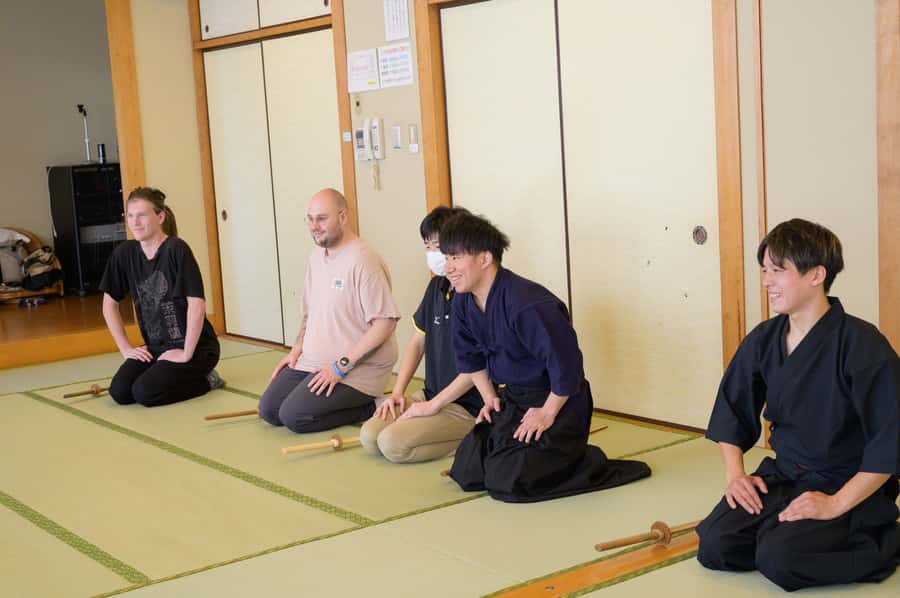
At $24 per person, this is priced like an action-focused workshop, not a full-day expensive class. What you’re paying for isn’t just entertainment—it’s instruction plus hands-on practice.
Here’s what’s included:
- an introduction to samurai history
- live training demonstrations
- hands-on swordsmanship practice with wooden practice swords
- a photo session with the samurai
Add in the fact that it’s led in English and Japanese, and you can see why it can feel like good value for Tokyo. It also saves you time. You don’t need to plan for gear rentals, extra lessons, or multiple sessions to get the basics. One structured workshop gives you enough technique to understand what you’re seeing if you later visit samurai-related exhibits or performances.
Keep your expectations grounded. One lesson is not going to turn you into a swordsman. But it can absolutely give you a clean introduction to how the motions work—and that’s the kind of souvenir you can remember with your body.
How to Prepare: Clothes, Shoes, and Small Rules That Matter
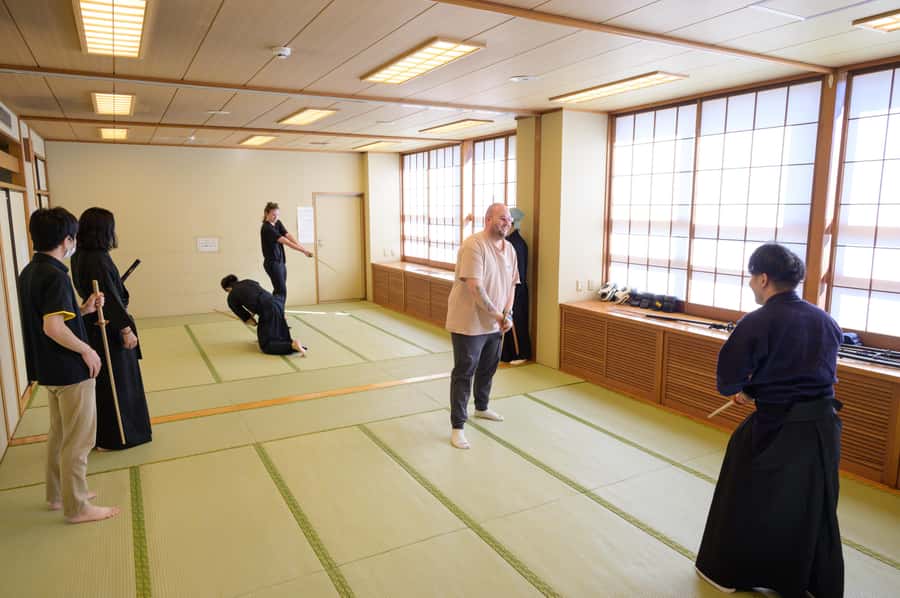
Plan to treat this like a light workout.
Wear comfortable clothes you can move in. Closed-toe shoes are required for safety. High heels are not allowed.
Also note the behavior rules:
- no smoking
- no drones
- no alcohol and drugs
- no explosive substances
If you’re sensitive to motion or getting thrown into a physical routine, this is still beginner-friendly—but you should show up feeling ready to move. Arrive about 15 minutes early so the session starts on time and you don’t feel rushed when it’s time to get set up.
Who Should Book This (and Who Should Skip It)
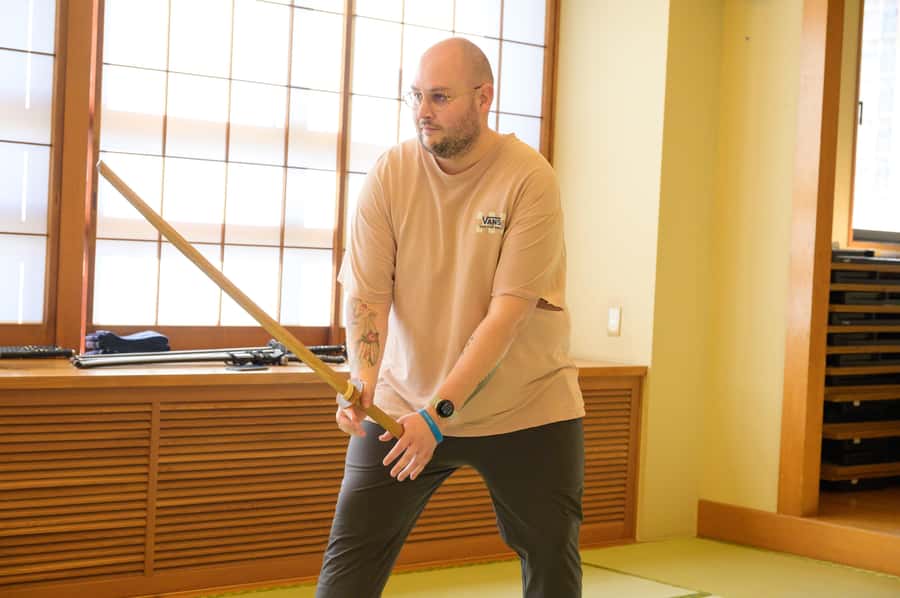
This experience is best if you want something active and culturally flavored in the center of Tokyo.
It’s a good fit for:
- first-timers who want to try sword motions safely
- people who like demonstrations that are close and real
- anyone who wants photos plus a hands-on skill moment
- families including multiple generations, since the tone described is friendly and encouraging
Skip it if you’re in any of the listed groups:
- pregnant women
- people with back problems
- wheelchair users
- people with vertigo
- people with pre-existing medical conditions
The workshop clearly involves physical movement and stance work. If that could be risky for you, choose a different kind of Tokyo experience.
Getting the Most Out of Your Session
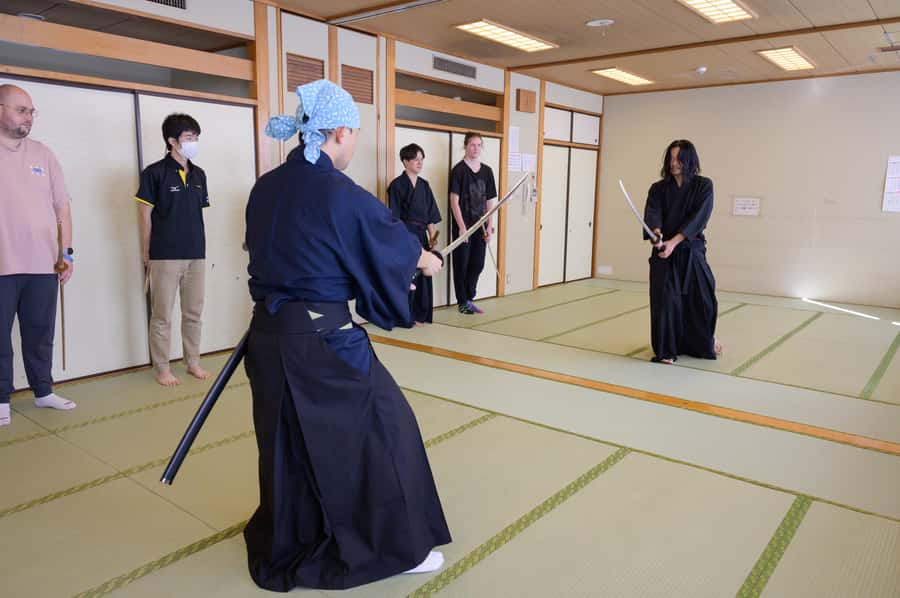
To get real value, treat the session like training, even if it’s casual. Watch the demonstration carefully, then copy the instructor’s corrections as much as you can.
A couple practical tips:
- Focus on control over speed.
- If something feels awkward, ask for guidance rather than powering through.
- Use the photo segment as motivation to get your basics right first.
That balance—do the safe fundamentals, then enjoy the performance side—makes the experience feel complete. One account even mentions water being offered and extra help when something needed fixing for a friend, which matches the overall vibe: friendly, organized, and attentive.
Should You Book Samurai Adventure! Authentic Sword Experience?
If you’re in Tokyo and you want a hands-on samurai activity that doesn’t require experience—or risky sword combat—this is an easy yes. The combo of wooden practice swords, close demonstrations, and a coached session with Dai and Kume makes it a strong value at $24.
Book it if:
- you want an active cultural experience in central Tokyo
- you’re okay with a beginner-level lesson and safety-first practice
- you’d like a photo keepsake after training
Don’t book it if:
- you have any of the listed medical or mobility concerns
- you want full-contact sword sparring
- you’re looking for a purely historical museum-style stop
One more thing: the experience is available in English and Japanese, and it uses a reserve-and-pay-later approach. That’s helpful if you’re keeping your Tokyo schedule flexible.
FAQ
Where is the meeting point?
You meet at Samurai Experience Photo Studio ICHI. You should be able to find it by searching for that exact name on Google Maps.
What languages are used during the workshop?
The workshop uses Japanese and English.
Are wooden practice swords provided?
Yes. You’ll practice using wooden practice swords provided for the session.
Do I need sword experience to join?
No. Beginners are welcome, and professional instructors guide you through basic sword handling and movements.
Is real sword fighting included?
No. During the lesson you do not engage in actual sword fighting. You learn safe movements using practice swords, then do coordinated paired practice.
Is a samurai costume included?
A photo session is included. Samurai costume use is available as an option, but it is not included in the standard package.
What should I wear or bring?
Wear comfortable clothes and closed-toe shoes suitable for physical activity.
Who should not take part?
The tour is not suitable for pregnant women, people with back problems, wheelchair users, people with vertigo, and people with pre-existing medical conditions.
If you want, tell me your travel dates and whether you’re considering public or private, and I’ll help you choose the option that fits your group and comfort level.