REVIEW · TOKYO
Traditional Antiques Market Tour Tokyo
Book on Viator →Operated by Sayuki · Bookable on Viator
Shopping at shrine markets can be pure theater. This tour pairs you with Sayuki, a geisha guide, and focuses on shrine-side antique stalls where you can hunt for memorable Japanese gifts. I like that the tour is built for practical buying help (including bargaining on your behalf), and I also like the market vibe—outside, casual, and full of items you won’t see in a mall. One real consideration: outdoor markets can be inconsistent, and one past booking reported arriving and finding no market, with refunds handled only after escalation.
What makes it interesting is the mix of culture and shopping. You’re not just looking at antiques—you’re learning how Tokyo flea markets work, and you’re shopping with someone who understands what’s worth your yen. The tour runs about 2 to 3 hours, with a max group size of 20, so it’s active but not an all-day slog.
Plan for walking and flexible shopping time. The tour starts at Tomioka Hachiman Shrine at 9:00 am, ends back there, and you’ll want comfortable walking shoes. You’ll get a mobile ticket, and the meeting area is near public transportation, so it’s pretty easy to get to.
In This Review
- Key things I’d watch for on this Tokyo antiques tour
- Tomioka Hachiman Shrine: A smart starting point for antique hunting
- Sayuki’s bargaining help is the real value
- What you’ll likely find: kimono, samurai items, and geisha-themed souvenirs
- The 9:00 am timeline and how the route usually feels
- A key drawback: market timing can be unpredictable
- Price and value: $170.60 per group up to 4
- Shopping smarter with a geisha guide doing the hard part
- Practical tips for your day (so you don’t lose time)
- Who should book this Tokyo antique market tour?
- Should you book? My honest take
- FAQ
- Where does the tour start?
- What time does the tour begin?
- How long is the Traditional Antiques Market Tour Tokyo?
- How much is it, and how many people is it for?
- What’s included in the tour?
- Are there any market entry fees?
- What’s the maximum group size?
Key things I’d watch for on this Tokyo antiques tour
- Sayuki bargains with you so you’re not stuck doing awkward price negotiations alone
- Markets near shrines are the focus, not indoor shopping centers
- Short, shop-first timing (2–3 hours) means you can still enjoy the rest of your day
- Japanese gift targets include kimono robes, samurai-themed antiques, and geisha-themed items
- Smallish group feel (max 20) makes the tour less chaotic than big bus outings
- Outdoor market reliability can vary—know that this is the nature of shrine-side markets
Tomioka Hachiman Shrine: A smart starting point for antique hunting
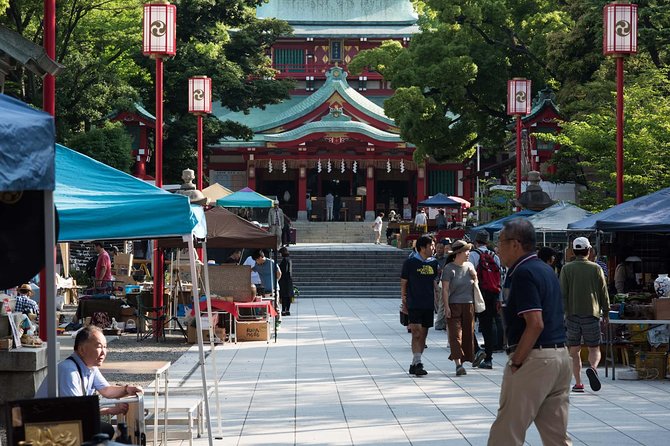
The tour begins at Tomioka Hachiman Shrine, in Koto City, right by the shrine grounds. That matters because antique and collectible selling in Japan often clusters around foot traffic—people going to a shrine, then wandering to stalls nearby. Starting here gives you that immediate “market atmosphere” instead of a slow warm-up.
Shrine-side markets also tend to feel more like everyday street life than a curated shopping district. That can be a plus if you’re after real variety—different sellers, different odds and ends, and plenty of items that look like they’ve been handled for years.
The one drawback is also tied to that outdoors factor. If a given market area isn’t operating on the day you go, you’ll feel it fast. One guest reported exactly that problem: they traveled to attend, arrived at the temple, and found no market. So while the starting point is fixed, the availability of specific market days can be a weak link.
You can also read our reviews of more shopping tours in Tokyo



Sayuki’s bargaining help is the real value
This tour isn’t trying to be a museum lecture. The headline feature is that Sayuki helps you bargain and handles the negotiation for you. In a place where language and pricing signals can be hard to read, that’s not a small perk—it’s the difference between guessing and shopping with confidence.
The tour also frames this as saving money: the experience specifically notes that letting your guide bargain can help you get a fair price and potentially save big bucks. Even if you don’t end up scoring a huge deal, bargaining support can still reduce the most stressful part of buying antiques—worrying you overpaid.
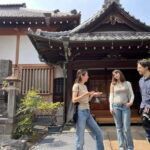
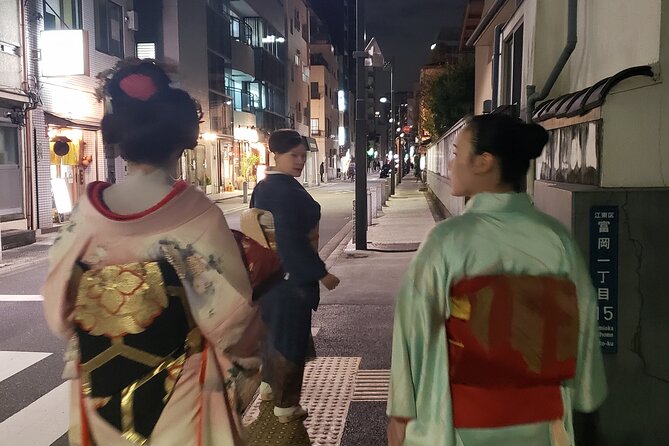
One more cultural point: the guide may be an apprentice geisha, and that adds a layer of authenticity to how you’re shopping. You’re not just following someone who knows English—you’re following someone who understands the etiquette and context around these items and sales. That often makes the whole exchange smoother, from asking questions to responding to prices.
What you’ll likely find: kimono, samurai items, and geisha-themed souvenirs
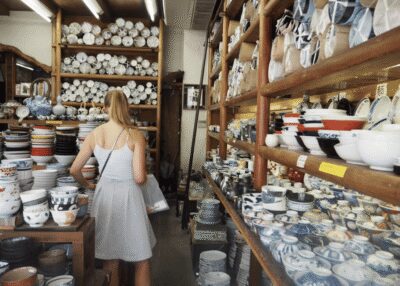
The tour is built around Japanese curiosities you can bring home. The types of things highlighted include traditional wares and recognizable souvenir categories, like kimono robes, samurai-related antiques, and geisha-themed items such as geisha pillows.
That lineup matters because it gives you a shopping goal. You’re not wandering aimlessly through random junk stalls. You have a sense of what you can reasonably expect to encounter: clothing-related textiles, historical-styled collectibles, and cultural gifts.
That said, antique shopping always comes with a reality check. Condition varies. Some items may look like souvenirs (and function like them), while others might be more genuinely antique or collectible. Your best move is to shop for what fits your use and risk tolerance:
- If it’s clothing or textiles, consider how you’ll store and transport it.
- If it’s a heavier collectible, think about carrying it for the rest of the tour.
- If it’s decorative or themed, focus on workmanship and details rather than just the price.
You’ll also have the advantage of a guide who can point you toward better stalls and help steer you away from obvious mismatch purchases.
The 9:00 am timeline and how the route usually feels
The schedule is simple. You meet at Tomioka Hachiman Shrine at 9:00 am, you shop for about 2 hours at the shrine market area, and then the experience continues within the same overall flow of shrine-adjacent flea markets and stalls before returning to the meeting point.
The exact number of stops isn’t listed in detail, but the concept is consistent: you’re moving through Tokyo’s flea market scene around shrines during daytime, with Sayuki guiding your choices and doing the bargaining part.
Here’s how to think about the timing:
- The tour is short enough that you can stay focused and still do other Tokyo plans the same day.
- Because it’s outdoors, you’ll want to arrive ready to walk and browse without expecting perfect indoor comfort.
- You’ll get the most out of it if you treat the tour as a guided shopping window rather than a sightseeing bus ride.
A key drawback: market timing can be unpredictable
One guest experience raised a big red flag: the tour operator listed the activity weekly, but the market wasn’t held on their travel day. They traveled across Tokyo to attend and ended up with no market at the temple. Communication attempts reportedly didn’t go anywhere at first, and the refund had to be handled by Viator support.
I can’t predict your outcome, but this is exactly the kind of risk you should factor in when booking a market-based tour. If you’re the type who plans around one “must-do” and hates surprises, you might want a backup activity for the same morning.
You can also read our reviews of more tours and experiences in Tokyo





Price and value: $170.60 per group up to 4
At $170.60 per group (up to 4), the price sounds steep until you do the math. If you fill the group capacity, the effective cost is about $42.65 per person for a 2–3 hour guided shopping experience with bargaining help. If you’re only one or two people, the per-person cost rises, and then you’re paying more for the guide’s negotiation role.
So when is it good value?
- When you’re traveling as a small group and can realistically share the cost.
- When you want someone to handle price haggling and direct you to better stalls.
- When you’ll actually buy something (and not just window shop). You’ll get the most mileage from the guide if you’re ready with a shortlist of gift types.
Also notice what’s included vs. not included. The tour says the admission ticket is included, and the not-included notes indicate there are no fees to enter the market. That suggests you’re mainly paying for the guided experience and bargaining, not extra entry fees stacked on top.
Shopping smarter with a geisha guide doing the hard part
Bargaining can be a skill gap, not a confidence problem. If you don’t speak the language well, you can still feel the awkward pressure: you don’t know if the first number is an honest starting point or a dramatic leap. Having Sayuki manage that exchange turns it into a guided conversation instead of a stress test.
It also changes how you shop. Instead of hyper-fixating on the first price you hear, you can focus on:
- Whether the item matches what you want to bring home
- Whether you’re buying quality or a costume-level souvenir
- Whether the stall looks legit and consistent with the cultural goods you’re seeking
And because you’re shopping around shrines, there’s often a mix of styles and eras. A guide helps you read the situation quickly—what’s “just for tourists,” what’s more traditional, and what’s likely worth your time.
Practical tips for your day (so you don’t lose time)
A few small things can make your experience smoother:
- Wear comfortable walking shoes. This is a market tour built on browsing and moving.
- Bring a plan for carrying purchases. You’ll be buying gifts you might want later in the day, so consider how you’ll transport them back to your hotel.
- Use the mobile ticket. You’ll need it at the start; don’t treat it like a nice-to-have.
- Get there on time. Starting at 9:00 am means you don’t want to be racing in after the morning market rhythm fades.
- Use the public transit advantage. The meeting point is near public transportation, which makes it easier to slot into a Tokyo itinerary.
Finally, keep your expectations honest. This is a shopping-focused tour with cultural guidance. If you’re hoping for a deep-dive into museums or indoor galleries, you may feel like you’re moving too fast and buying too much. If you love market shopping, this is right up your alley.
Who should book this Tokyo antique market tour?
This tour fits you best if:
- You want authentic gifts and don’t mind hunting for them in small stalls.
- You like the idea of having a guide do the bargaining for you.
- You’re traveling with a partner or small group so the cost per person is more manageable.
- You enjoy learning while you shop—Tokyo flea market culture is part of the experience, not an afterthought.
It may not fit you if:
- You need a specific market to be guaranteed on your exact date.
- You’re not planning to buy anything (the bargaining help only matters if you actually engage with sellers).
- You dislike outdoor activities or can’t handle a bit of walking and changing plans.
Should you book? My honest take
If you’re going for the experience of shrine-side market shopping with Sayuki doing the negotiation, it can be great value—especially if you’re traveling up to the group capacity. The tour’s biggest strength is simple: someone helps you bargain, and that makes buying antiques and cultural gifts feel less like guesswork.
But I’d book with eyes open. The outdoor market setup can be inconsistent, and at least one past booking ended with no market being held on the scheduled day. If you’re the kind of traveler who hates losing a morning, plan a backup activity nearby and avoid scheduling something critical right after.
In short: book it if you’re flexible, shopping-minded, and happy to trade a little unpredictability for a more hands-on Tokyo experience.
FAQ
Where does the tour start?
The meeting point is Tomioka Hachiman Shrine, 1-chōme-20-3 Tomioka, Koto City, Tokyo 135-0047, Japan.
What time does the tour begin?
The start time is 9:00 am.
How long is the Traditional Antiques Market Tour Tokyo?
It lasts about 2 to 3 hours.
How much is it, and how many people is it for?
It costs $170.60 per group, up to 4 people.
What’s included in the tour?
Your guide will bargain for you, and an admission ticket is included.
Are there any market entry fees?
The experience notes that there are no fees to enter the market.
What’s the maximum group size?
The tour has a maximum of 20 travelers.