REVIEW · TOKYO
Tokyo: Japanese anime stores with ramen lunch in Shibuya
Book on GetYourGuide →Operated by gotcha Corporation · Bookable on GetYourGuide
Anime shopping in Shibuya feels personal. In just 150 minutes, you get pointed toward Japanese anime-and-manga shops where the souvenirs feel specific to this neighborhood, not generic tourist items. I especially like the focus on items you can be hard-pressed to find elsewhere, and the fact that you’ll be eating real pork ramen as part of the break. One consideration: shopping costs at each store are on you, so bring extra spending money if you plan to buy.
This is built for smaller groups—up to 4 participants—so you can ask questions and actually move through the stores without feeling rushed. The tour runs in English with a live guide, and I like that the meeting point is clear: in front of SHIBU HACHI BOX, where the guide waits with a signboard showing gotcha. The vibe is a good match for both kids and adults who care about characters and collectibles.
In This Review
- Key things to know before you go
- Why this Shibuya anime-and-ramen combo works
- Meeting at SHIBU HACHI BOX: easy to find, easy to start
- The anime-and-manga store time: how you shop more like a fan
- Mario and Pokemon stops: the most practical souvenir win
- The fan-culture side: seeing what Japanese collectors actually do
- The pork ramen lunch: included noodles, big payoff
- Price and value: what $92 covers, and how to plan for the rest
- Who this tour fits best (and who should skip it)
- Should you book this Shibuya anime and ramen tour?
- FAQ
- How long is the Shibuya anime stores and ramen tour?
- What is included in the $92 per person price?
- Is pork ramen lunch included?
- Where do we meet for the tour?
- How many people are in the group?
- What language is the tour guide?
- Can I cancel for a full refund?
Key things to know before you go
- Small group size (4 max) means more time to look and ask, not just follow.
- Anime-and-manga specialty stores focus on character goods you don’t see everywhere.
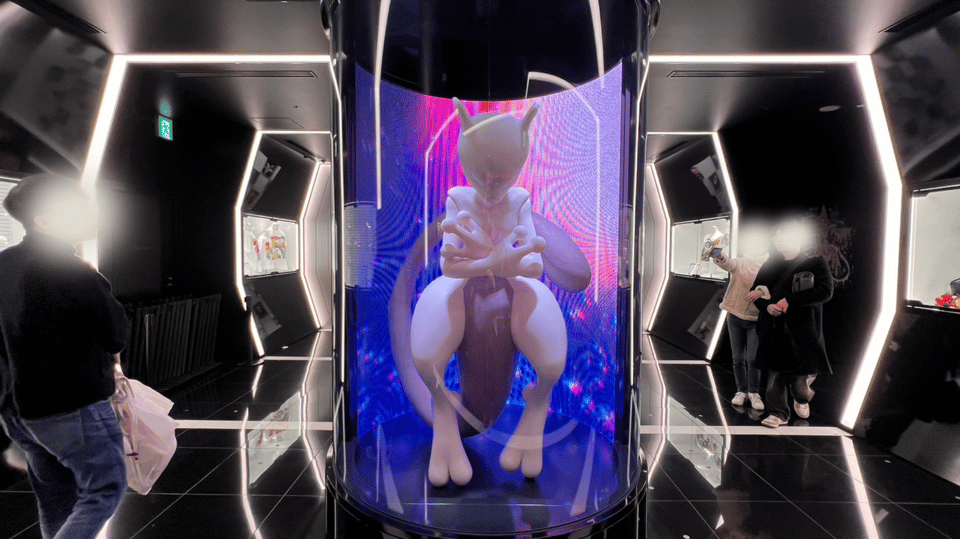
- Mario and Pokemon original-goods stops add variety beyond the biggest-name franchises.
- Pork ramen lunch is included, with the included cost covering ramen noodles.
- Shopping is extra, so you’ll want a budget ready for what you fall in love with.
Why this Shibuya anime-and-ramen combo works
Shibuya is one of those places where it’s easy to get overwhelmed fast—bright signage, crowds, and store windows yelling for your attention. This tour helps you cut through that chaos with a simple goal: hit the right anime and manga shops, then sit down for a satisfying meal before you wander off again.
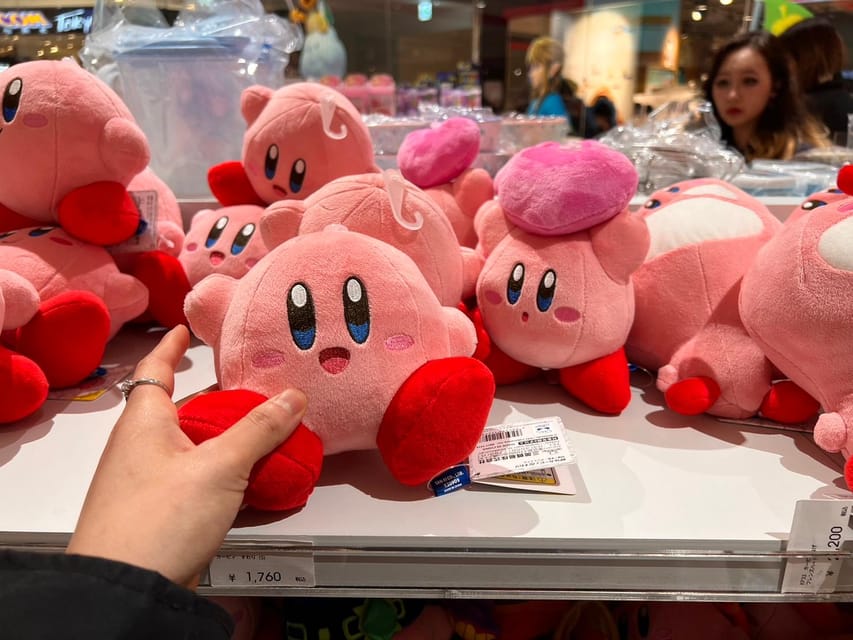
The smartest part is that the experience isn’t just “look at merch.” You’re guided toward specialty stores selling original goods for popular Japan favorites—things like Mario and Pokemon. That matters because a lot of character shopping overseas ends up being mass-produced. Here, you’re more likely to find items tied to what Japanese fans actually buy in the moment: limited runs, store-specific releases, and cute designs that are hard to translate on a website.
Then there’s the ramen. This tour includes pork ramen (made with pork bone soup), so you’re not shopping on an empty stomach or forced to hunt for food solo in the middle of character chaos. It’s a small detail, but it changes the whole feel of the afternoon.
You can also read our reviews of more shopping tours in Tokyo


Meeting at SHIBU HACHI BOX: easy to find, easy to start
Your meet-up is in front of SHIBU HACHI BOX. The guide is easy to spot—holding a signboard with gotcha. That’s exactly the kind of simple, low-stress start you want in Shibuya, where street corners can look identical and you don’t want to lose time early.
With a 150-minute length, the tour is tight enough that you’ll feel momentum, but not so short that it turns into a blur of “in and out.” You’ll have a guide keeping the pace reasonable, which helps especially if you’re not fluent in Japanese or you want to move directly toward the shops that matter most for your interests.
Because it’s a small group (limited to 4), you’ll also have an easier time keeping track of what you like. In larger groups, people often end up seeing the same shelf at different speeds, then meeting back up elsewhere. Here, the tour format makes it more realistic to compare finds and ask what something is used for or why fans buy it.
The anime-and-manga store time: how you shop more like a fan
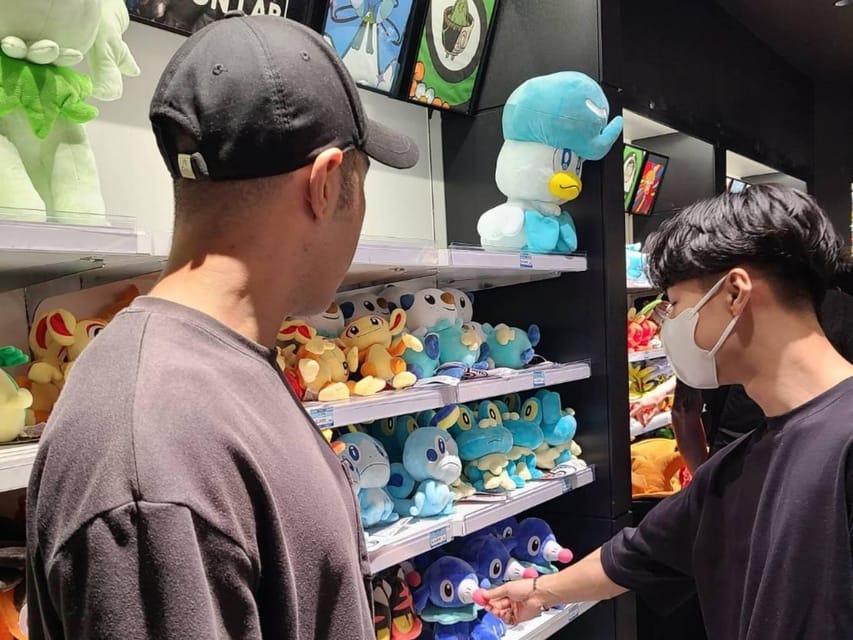
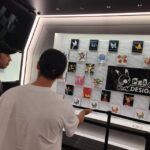
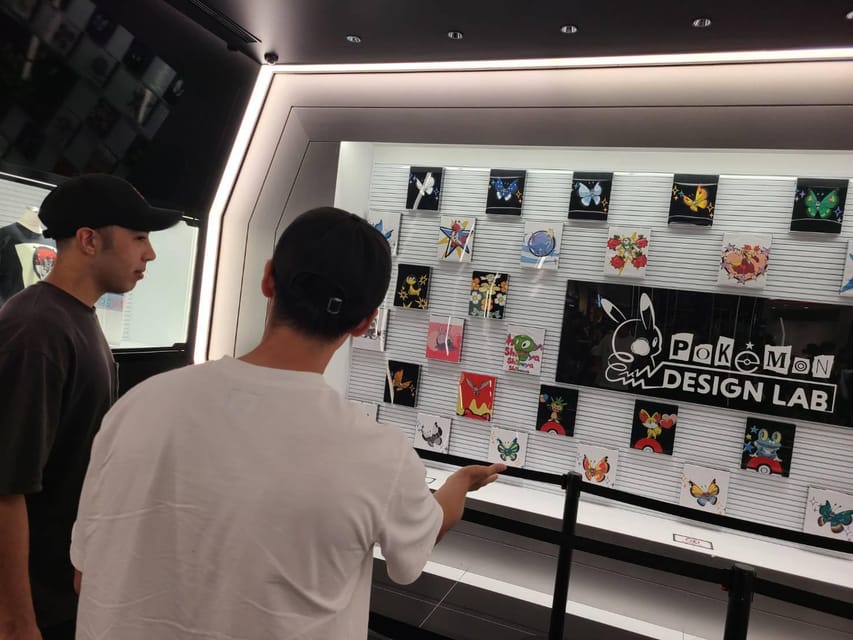
The heart of this tour is the store circuit: anime and manga shops designed for both kids and adults. You can think of it as organized browsing. Instead of wandering randomly through Shibuya’s character-heavy streets, you’re guided into shops that specialize in popular franchises, including the ones people line up for back home in Japan.
Here’s what I like about this approach. When you walk into a specialty store, the best items aren’t always the biggest items in the window. They’re sometimes tucked into small sections—collector goods, character-themed stationery, or cute accessories that feel like they belong in a fandom world, not a generic souvenir bin. With a guide, you spend more time looking at the stuff that fits the vibe of the tour: the goods that are tied to Japanese pop culture in a way that feels local.
The tour description also emphasizes that you’ll find souvenirs only available here. You should take that as a practical promise: focus your attention on store-exclusive and Japan-specific items. If something looks like it could be shipped from anywhere, it probably won’t feel special in the same way. But if it looks designed for the Japanese market—language on tags, packaging styles, or character formats that feel made for local fans—that’s where you’ll get the most “I’m really here” value.
What to watch for while browsing
- Look for items tied to current character lines, not just timeless keychains.
- Pay attention to packaging and materials. In Japan, the presentation often matters as much as the product.
- If you see something that fits what you collect already, grab it sooner rather than later. Shibuya stores can pull you in multiple directions quickly.
A possible drawback is simple: with so many cute things to choose from, you might feel temptation overload. That’s not a flaw with the tour—it’s the reality of character shopping. If you’re on a strict budget, set a limit before you arrive so you don’t end up stressed at the checkout counter.
Mario and Pokemon stops: the most practical souvenir win
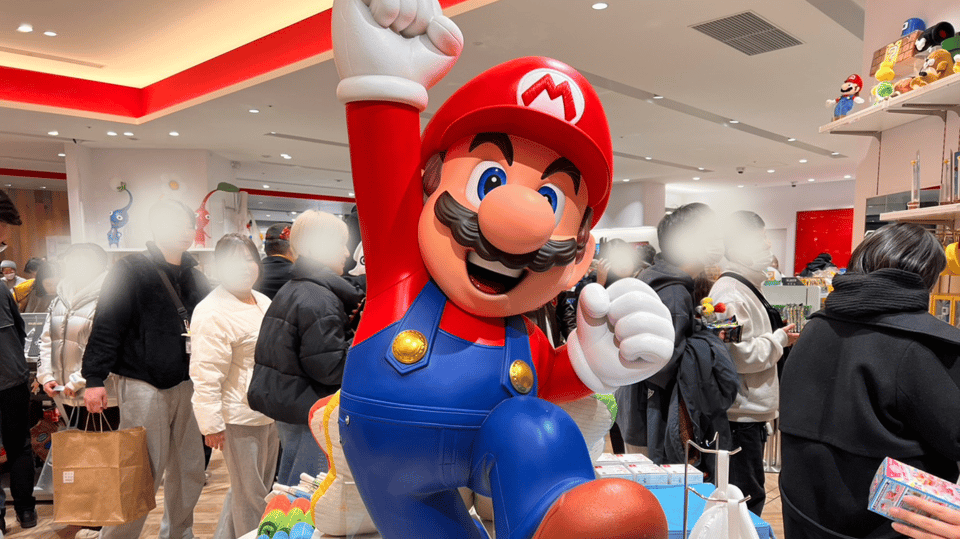
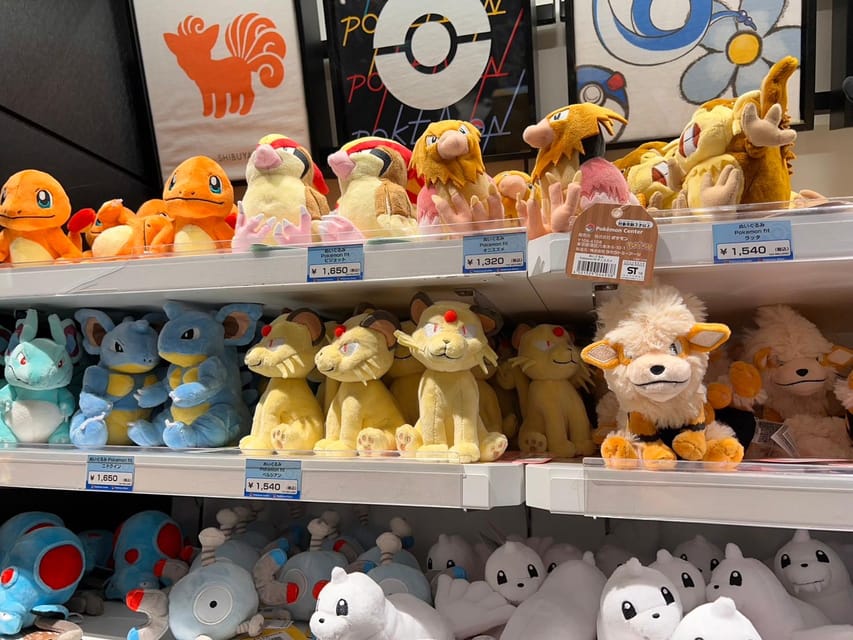
The tour makes room for specialty shops selling original goods like Mario and Pokemon. This is a smart pairing because it balances “deep anime/manga culture” with globally recognizable franchises. Even if you’re not a hardcore collector, you’ll still understand what you’re looking at—and you’ll be more likely to buy something you genuinely want.
These stops are also where you’ll usually find the kinds of items people love bringing home:
- character goods with Japan-style packaging
- designs made for Japanese buyers (colors, formats, and novelty angles)
- products that feel tied to the brand world, not generic knockoffs
In terms of value, the key is that these are themed shops, not random gift stores. Theme shops tend to stock a tighter, more relevant selection. That means less time searching and more time finding. And with your tour time capped at 150 minutes, saving minutes is saving money too—because time is exactly what you don’t want to waste if you’re paying for a guided experience.
If you’re traveling with a teen or a group member who knows exactly what they want, this section is also a good pressure valve. They’re not stuck browsing unclear shelves. They can focus quickly on the franchises they care about.
The fan-culture side: seeing what Japanese collectors actually do
The tour includes stops described as sacred places of manga and anime popular among Japanese fans. You can read that as more than a marketing line. In practice, it means you’re likely to spend time in spots where character culture is treated as normal—where fans browse, compare, and pick up goods without needing a special reason.
This matters because it changes how your shopping feels. Instead of hunting for a souvenir, you’re participating in a routine: the fun of walking into a store where people are genuinely excited to see what’s new.
It’s also a good way to understand the ecosystem behind the characters. Manga and anime culture in Japan isn’t just about watching shows—it’s about the physical world that grows around them. You’ll probably notice that some items are tied to the way fans display things at home. Others are practical—stationery, small accessories, everyday-use character goods. That variety is part of what makes Japanese fandom merch so enjoyable to shop for, even if you only casually like the series.
For anyone who worries about spending time in “tourist zones,” this part can help you feel grounded. The goal isn’t to photograph street corners and move on; it’s to see what fans shop for in the places they shop for it.
You can also read our reviews of more tours and experiences in Tokyo






The pork ramen lunch: included noodles, big payoff
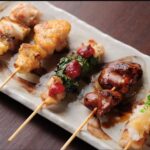
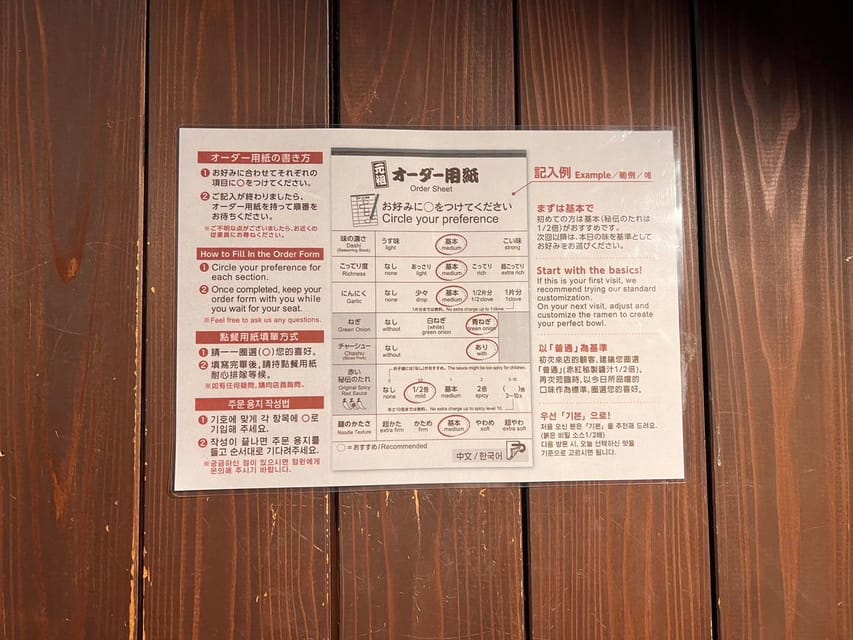
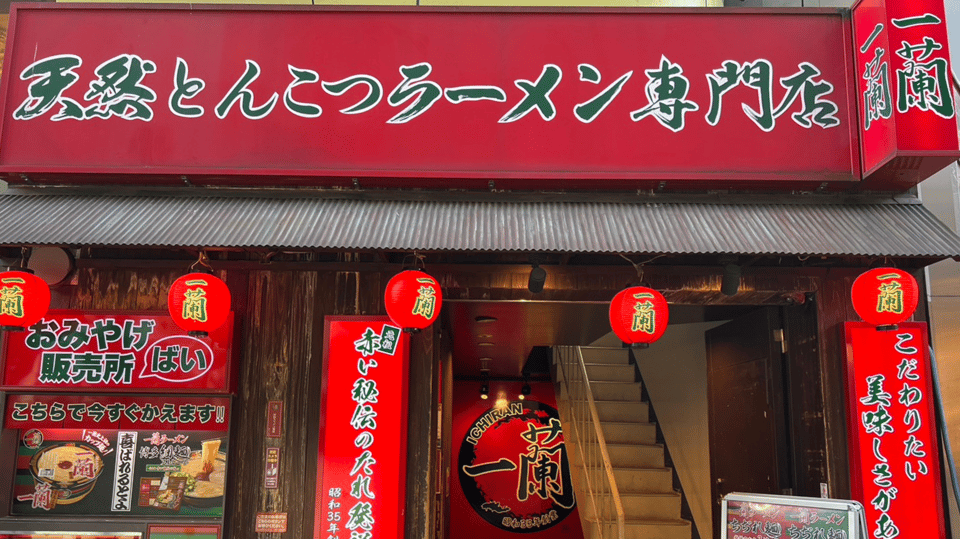
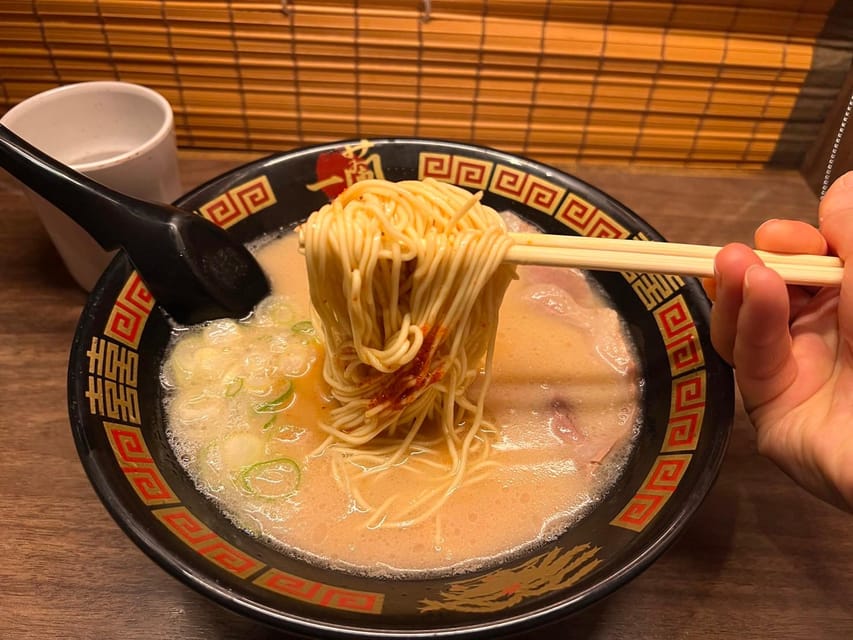
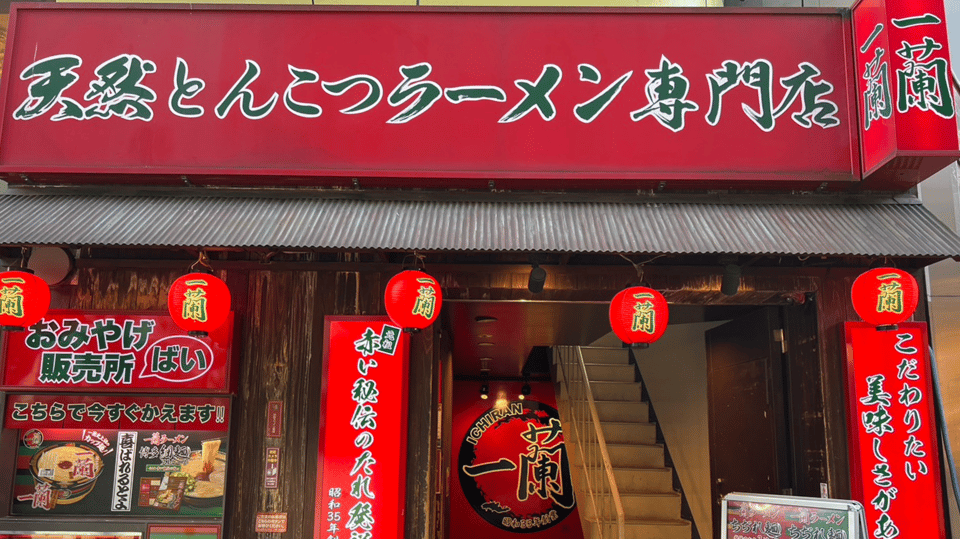
At some point during the 150 minutes, you’ll eat pork ramen. The ramen here is described as pork bone soup, and it’s included as part of the experience. The pricing detail is helpful: the tour includes the cost of ramen noodles, which suggests you’re covered for the main ramen portion, while add-ons or drink items may not be part of the inclusion.
In plain terms: you’ll still want to eat like a person in Japan, not like a person trying to stretch a coupon. Pork bone ramen is satisfying, rich, and very on-theme for a tour like this. After browsing stores full of character designs, you’ll feel calmer sitting down with something warm and familiar to Japanese food culture.
If you’re the type who likes to plan meals around energy levels, this is the kind of lunch that works well mid-afternoon. It’s filling, so you won’t crash before you finish browsing. And it gives you a natural break to reset your attention—so the second half of the tour doesn’t feel like you’re just sprinting between storefronts.
One practical consideration: since shopping is extra, you may want to use the meal as a moment to decide what your spending priorities are. If you’re buying, say, one “big” item versus a stack of small ones, you’ll thank yourself later at checkout.
Price and value: what $92 covers, and how to plan for the rest
The price is $92 per person, and it includes two major pieces:
- a tour guide
- the cost of ramen noodles
Everything else—shopping at the stores—is not included. That doesn’t make the price bad. It makes the value clear. You’re paying for guidance, time efficiency, and access to the kind of character shops where browsing can take you longer than you expect.
Where does the money really go? Into someone helping you navigate Shibuya’s dense retail environment. Without that, you can absolutely explore on your own. But you’ll spend more time figuring out which stores are worth it and sorting through options that aren’t Japan-specific. With a guide, your time gets focused on anime-and-manga culture, plus those specific original-goods stops like Mario and Pokemon.
To judge whether it’s worth it for you, ask one question: do you like character shopping, and do you want it to feel like a guided hunt rather than a random stroll? If yes, $92 can feel reasonable because the included ramen also removes one decision from your day. If you’re not planning to buy anything—or you only want a quick look—then the value shifts. In that case, you might feel the tour is more structured than you need.
A good way to think about it: the tour reduces uncertainty. You know you’re hitting anime shops, you know ramen is included, and you know you’ll be in a small group. That’s worth real money for many people, especially if Shibuya is one of your limited stops in Tokyo.
Who this tour fits best (and who should skip it)
This experience is strongest for people who want Japanese pop culture shopping done in a focused way. It works especially well for:
- anime and manga fans who want Japan-specific souvenirs
- families or groups with kids and adults who share at least one character interest
- teens who already know the franchises they want (the tour’s guide-led approach helps them find favorites faster)
It’s also a decent fit if you’re new to character shopping in Japan and you want a guided introduction. The store circuit is designed to make the culture easier to understand through what’s actually on the shelves.
You might want a different plan if:
- you dislike shopping-heavy experiences
- you’re not interested in character goods at all
- you have very limited time and just want to walk Shibuya’s streets on your own
Should you book this Shibuya anime and ramen tour?
I’d book it if you want anime-and-manga culture without wasting time guessing which stores are worth it. The small group size helps a lot, and the included pork ramen with pork bone soup turns the experience into a complete afternoon, not just a series of store stops.
I’d think twice if you’re a light spender or you hate shopping. Since shopping costs aren’t included, you’ll want to go in with a clear budget. But if you’re even a moderate fan of Japanese pop culture, this is a fun, practical way to leave Shibuya with souvenirs that feel like they came from the source.
FAQ
How long is the Shibuya anime stores and ramen tour?
It lasts 150 minutes.
What is included in the $92 per person price?
The price includes an English live tour guide and the cost of ramen noodles.
Is pork ramen lunch included?
Yes. The tour includes pork ramen made with pork bone soup.
Where do we meet for the tour?
Meet in front of SHIBU HACHI BOX. The guide will be waiting with a signboard showing gotcha.
How many people are in the group?
It’s a small group limited to 4 participants.
What language is the tour guide?
The tour guide provides live service in English.
Can I cancel for a full refund?
Yes. You can cancel up to 24 hours in advance for a full refund.