REVIEW · FUJIKAWAGUCHIKO MACHI
A class on Making Hoto, Yamanashi’s Traditional Dish
Book on Viator →Operated by Japanese Cooking Class FUJIYA · Bookable on Viator
Warm miso soup, cut by hand.
If you want something more fun than another postcard stop, this hoto-making class is a hands-on food activity near Lake Kawaguchi. You’ll learn why Yamanashi’s signature noodles feel different from udon, from dough prep to the way the soup thickens as everything cooks. I especially liked the step-by-step guidance and the clear focus on texture, not just taste.
What I really enjoyed was getting my hands involved in the process—kneading and shaping thick, rustic noodles—then watching how the broth comes together. The miso-based soup uses warming ingredients (and traditional elements like Koshu miso is part of the story), plus vegetables such as pumpkin and mushrooms, so your meal lands hearty and comfort-food ready. A small caution: it’s only about two hours, so it’s best if you want an activity with a finish line, not a long, meandering day out.
In This Review
- Key things to know before you make hoto
- Hoto 101: What Makes Yamanashi Noodles Different
- Where You Start Near Lake Kawaguchi (and why it’s convenient)
- The Class Flow: From Dough Hands to Bowl in Front of You
- 1) Mix and knead the dough by hand
- 2) Roll and slice thick hoto noodles
- 3) Cook noodles in a miso vegetable broth
- 4) Eat what you make, in a tatami room
- The Flavor Science You’ll Actually Notice in Your Bowl
- Potato starch = thicker soup, less fuss
- Miso base = depth without extra steps
- Vegetables aren’t decoration
- Noodles cooked with ingredients = unity
- Price and Value: Is $26.01 Worth It?
- Who This Cooking Class Fits Best (and who might want something else)
- Dietary Needs and Comfort Level: What You Can Plan For
- Optional Extras: Indigo Dye, Spice, Chili Paste, and Kinako Mochi
- Best Way to Book This When You’re Planning a Mt. Fuji Day
- Should You Book This Hoto Workshop?
- FAQ
- How long is the hoto cooking class?
- What dish will I learn to make?
- Is the class beginner-friendly?
- Are there English-speaking staff?
- Can they accommodate vegetarian or allergies?
- Where is the meeting point?
- Is the class indoors?
- What is the price?
Key things to know before you make hoto
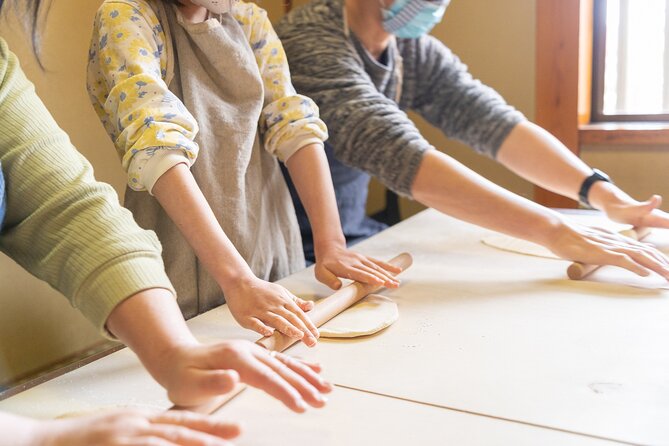
- Thick noodles, not thin strands: You’ll roll and cut a rustic, chunky noodle style.
- Potato starch does the heavy lifting: It helps thicken the soup and keep things warm.
- Miso vegetable broth, cooked with the noodles: The dish thickens as noodles and ingredients cook together.
- Beginner-friendly and guided: You’re not left alone with flour and confusion.
- Indoor tatami-room comfort: You’ll be cooking inside, which is handy in any weather.
- English-speaking staff and dietary options with notice: You can plan around vegetarian or allergies.
Hoto 101: What Makes Yamanashi Noodles Different
Hoto is a Yamanashi specialty, and the easiest way to understand it is this: it’s noodles that cook in a soup that’s meant to thicken. The dough starts simple—wheat flour and water—then you knead it until it has the right consistency for rolling and cutting. Instead of treating sauce and noodle as separate things, hoto blends them into one cooking rhythm.
The dough and soup plan matters for flavor. Potato starch is added to help thicken the soup, which means you get body and warmth without relying on heavy seasoning. That’s part of what makes hoto feel comforting: it’s a warm, thick bowl that tastes like vegetables and miso, not like a salt bomb.
The miso comes into play as the base. The traditional idea uses Koshu miso, a local style of miso associated with Yamanashi. Even if your class doesn’t spell out every traditional detail during cooking, the goal is consistent: a miso-forward broth that partners with seasonal vegetables. In your bowl, you might see vegetables like pumpkin and mushrooms, which are classic for the region because they hold up well in hot broth and bring that mellow, earthy sweetness.
If you’ve had udon before, you’ll recognize the general idea of wheat noodles and broth. But the texture and thickening process are what make hoto feel distinct. You’re aiming for noodles that are substantial and broth that becomes spoonable thick as it cooks.
You can also read our reviews of more tours and experiences in Fujikawaguchiko machi

Where You Start Near Lake Kawaguchi (and why it’s convenient)
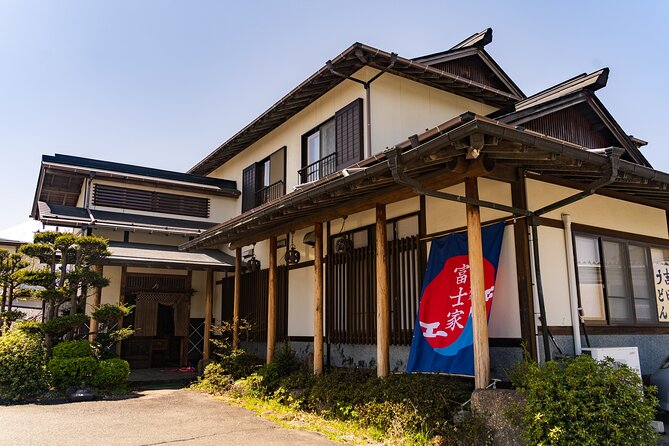
The class starts at 3376-3 Funatsu, Fujikawaguchiko, Minamitsuru District, Yamanashi 401-0301, Japan, and it ends back at the same meeting point. It’s near public transportation, which matters in a busy Mt. Fuji area where schedules can get tight.
One practical win: this is an indoor cooking class in a cozy tatami room. If the weather is gray, rainy, or just too changeable, you can still have a solid experience without trying to chase views. And since the activity is about two hours, it fits neatly between Lake Kawaguchi sightseeing stops or as a break day when your feet need less work.
The provider is Japanese Cooking Class FUJIYA, and the group size is capped at a maximum of 100 travelers for the overall activity. That doesn’t guarantee you’ll be in a tiny group, but it does mean you won’t be part of some huge factory-style line where you never feel connected to what you’re doing.
The Class Flow: From Dough Hands to Bowl in Front of You
Here’s the real sequence, the stuff you’ll likely do from start to finish. This is a guided class, so you’re not just watching and guessing.
1) Mix and knead the dough by hand
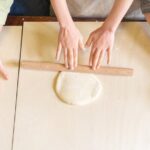
You’ll begin with the simplest ingredients and the most important step: mixing wheat flour and water. Then you knead. Kneading isn’t fancy, but it’s where you learn what “even moisture distribution” feels like. If the dough has dry spots, it won’t roll right. If it’s too wet, it won’t cut cleanly. You’ll be learning by doing, not reading.
This is also where you get that satisfying sense of ownership. By the time your dough looks smooth enough, you can start trusting that your noodles will cook the way they’re supposed to.
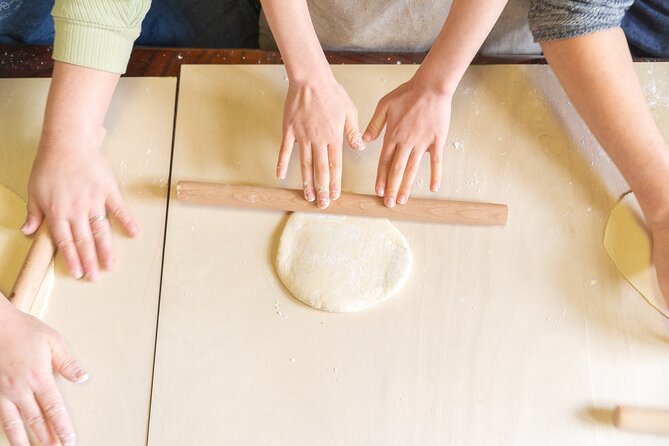
2) Roll and slice thick hoto noodles
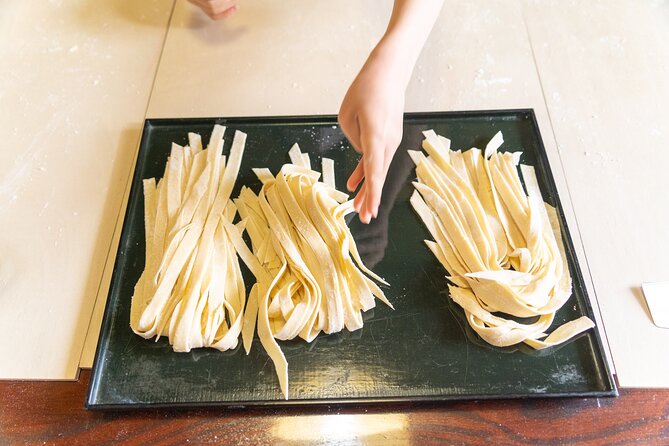
Next comes rolling and cutting. Hoto noodles are thicker and more rustic than what you might picture for some noodle dishes. That thickness matters because you’ll be cooking these noodles in soup, where you want structure, not mush.
When you cut the noodles, aim for pieces that match each other fairly well. Even without perfection, consistency helps the cooking stage run more predictably.



3) Cook noodles in a miso vegetable broth
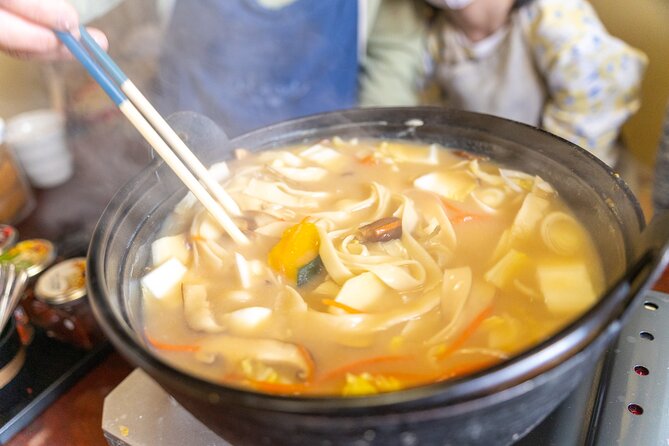
This is the heart of hoto. You’ll cook your noodles in a miso vegetable broth, and the whole dish thickens as it cooks. The dish is designed so the thickening doesn’t rely only on extra salt. Instead, it’s guided by ingredients like potato starch and the way everything simmers together.
In many versions of hoto, the broth includes vegetables that are both practical and delicious. In class, you may work with seasonal ingredients such as pumpkin and mushrooms, which bring sweetness and depth while staying good in hot broth.
4) Eat what you make, in a tatami room
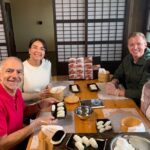
Finally, you sit down and eat your handmade meal. This part matters more than people expect. A cooking class where you don’t really get to taste what you made is just a workshop. Here, you’re eating a full bowl right there, which turns the experience into something you can remember in a very direct way.
The atmosphere is also part of the value: a cozy tatami room makes it feel like you’re stepping into a local kitchen moment, not just collecting a souvenir meal.
The Flavor Science You’ll Actually Notice in Your Bowl
Even though this class is casual and beginner-friendly, you’ll learn a few cooking ideas that stick.
Potato starch = thicker soup, less fuss
You add potato starch to help thicken the soup. The effect is that the broth becomes warm and spoonable. In the finished dish, you’ll notice a comfort-food thickness. That’s one of the reasons hoto can feel hearty without needing complicated sauces.
Miso base = depth without extra steps
The broth is primarily miso-based. The class approach also highlights that the traditional direction uses homemade Koshu miso, which is tied to Yamanashi. You don’t need to know the geography of miso to enjoy the result, but you will taste the difference between a bland broth and a broth that has real miso character.
Vegetables aren’t decoration
In hoto, vegetables do more than sit in the bowl. They lend sweetness, earthiness, and texture that balance the miso. Ingredients like pumpkin and mushrooms are practical because they hold up well during simmering, and they taste even better once they’ve soaked up broth.
Noodles cooked with ingredients = unity
One of the most distinctive things here is that hoto cooks noodles with ingredients in the same process. That changes the end result. You’re not just pouring broth over noodles. You’re getting noodles infused with the broth’s flavor while the dish thickens.
That’s the kind of difference you can taste in one bite, which is exactly why cooking classes beat lectures.
Price and Value: Is $26.01 Worth It?
The listed price is $26.01 per person, and the duration is about two hours. On paper, it’s a modest spend. In practice, you’re paying for ingredients, guided teaching, and a full meal you actually eat—plus an experience that doesn’t require much prior knowledge.
Here’s how I judge value in cases like this:
- You touch the whole process. You mix dough, roll and cut noodles, and then cook them. That’s more than a demo.
- You leave with a meal and a memory. You’re not just watching; you’re getting a bowl at the end.
- Timing is efficient. Two hours means you can fit this in without sacrificing your whole day to logistics.
- Language support helps. English-speaking staff make it easier to follow steps without guessing.
If you’re comparing this to paid meals in the same area, the difference is the participation. You’re paying for the skill-building and the hands-on cooking, not just the calories. And if you’re already spending time near Mt. Fuji, it’s also a smart rainy-day option.
Who This Cooking Class Fits Best (and who might want something else)
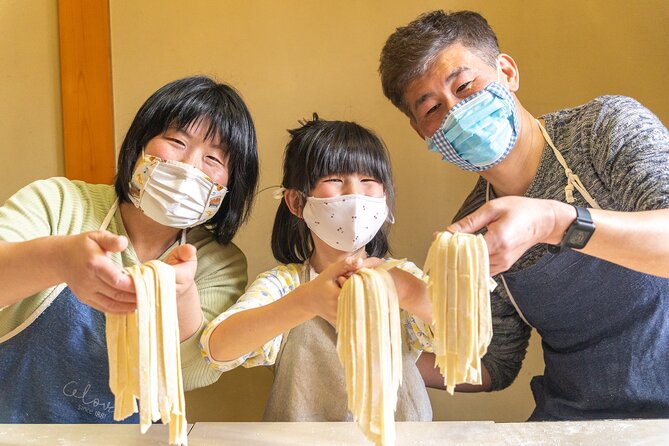
This is a strong choice if you want an authentic local cooking activity that feels interactive and not overly formal. It’s beginner-friendly and suited for all ages, which makes it ideal for families and couples. Solo travelers also tend to like these classes because you get structure and conversation without needing to build an itinerary around it.
You’ll especially enjoy it if:
- You like learning by doing, with clear steps.
- You want something indoor and weather-proof near Lake Kawaguchi.
- You’re curious about Yamanashi food culture beyond sushi and ramen.
If you’re the kind of traveler who wants an outdoor nature tour, long scenic stops, or a multi-location day, this may feel too focused. It’s a cooking class first, and the point is the meal you make in those two hours.
Dietary Needs and Comfort Level: What You Can Plan For
This class is designed to work for different needs. The key facts you can count on:
- English-speaking staff are available, which makes the teaching easier to follow.
- Vegetarian or allergy-conscious options can be arranged with notice.
- Service animals are allowed.
- It’s suitable for all ages, and the class is beginner-friendly.
For most people, the planning tip is simple: if you have any allergy or dietary needs, send notice ahead of time so the kitchen can adjust. Cooking classes live or die on timing, so giving them a heads-up is the respectful move and the smart safety move.
Optional Extras: Indigo Dye, Spice, Chili Paste, and Kinako Mochi
You can add extra experiences if you want to turn the day into more than noodles. These optional workshops include:
- Indigo T-shirt dyeing
- Shichimi (spice blend) making
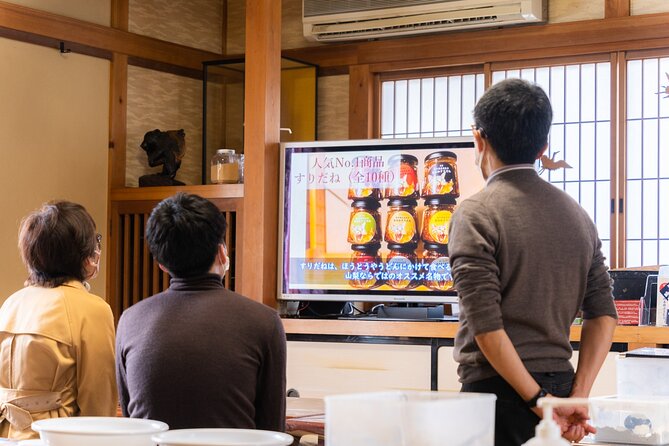
- Chili paste (Suridane) workshop
- Kinako mochi dessert class
Even if you don’t add them, it’s useful to know they exist. If you’re the type who likes taking a small piece of food culture home, shichimi and chili paste are especially practical because you can use them later in your own cooking. If you’re more interested in sweets, kinako mochi adds a dessert finish.
Best Way to Book This When You’re Planning a Mt. Fuji Day
The average booking window is about 13 days in advance, and confirmation is received within 48 hours of booking subject to availability. The ticket is mobile, which keeps things simple.
Here’s how I’d fit it into your Mt. Fuji area day plan:
- If you want maximum flexibility, place this on a day when weather could change, since it’s indoor.
- If your schedule is tight, choose this as your anchor activity. Two hours is long enough to matter and short enough to keep you mobile.
- Because it meets and ends at the same location, you won’t have to plan for complex handoffs afterward.
Should You Book This Hoto Workshop?
I think this is worth booking if you want a hands-on food experience near Mt. Fuji with a real payoff: you’ll make thick noodles, cook them in miso vegetable broth, and eat what you made in a tatami room. The class is beginner-friendly, English support is available, and dietary needs can be handled with advance notice. At $26.01 for about two hours, it’s a strong value for what you do and what you get to taste.
Skip it if you’re looking for a long sightseeing day, or if cooking doesn’t interest you at all. This isn’t a wandering tour. It’s a workshop where flour, miso, and thick noodles are the whole point.
If you have a free couple of hours and you’d rather make something than just watch it, this hoto class is an easy yes.
FAQ
How long is the hoto cooking class?
It’s about 2 hours.
What dish will I learn to make?
You’ll make hoto, a traditional Yamanashi noodle dish prepared with a miso-based vegetable broth.
Is the class beginner-friendly?
Yes, it’s beginner-friendly and fully guided.
Are there English-speaking staff?
Yes, English-speaking staff are available.
Can they accommodate vegetarian or allergies?
Vegetarian or allergy-conscious options can be arranged with notice.
Where is the meeting point?
It starts at 3376-3 Funatsu, Fujikawaguchiko, Minamitsuru District, Yamanashi 401-0301, Japan, and ends back there.
Is the class indoors?
Yes, it takes place indoors in a cozy tatami room.
What is the price?
The price is $26.01 per person.