REVIEW · FUJIKAWAGUCHIKO MACHI
Private Tour of Mt. Fuji Culture and Nature Walk
Book on Viator →Operated by Fuji Culture · Bookable on Viator
Fuji hits different when you learn the why. This private tour blends Mt. Fuji spirituality with real nature time in Aokigahara Forest, led by Momo who brings context far beyond a quick photo stop. I especially like the way the morning view at Sankodai sets the scene, and the afternoon visits explain what the sites meant to Fuji-ko pilgrims. One thing to consider: you’ll be on your feet at multiple stops, including a short walk to a hilltop, so bring realistic expectations about pace even though the guide can adjust.
Momo’s approach is also personal in a practical way. The tour focuses on meaning—shrines, caves, pilgrimage routes—not just scenery. The plan keeps moving, but it’s private, so you’re not stuck watching other people’s pace.
You’ll start and finish right where it’s easiest to orient yourself, near Kawaguchiko Station, and the tour includes lunch and a guide/driver. If you want a deeper Mt. Fuji experience, this one is built for that, not for quick sightseeing checkbox energy.
In This Review
- Key highlights at a glance
- Mt. Fuji as a lived religion, not just a big mountain
- Morning at Sankodai: the front-row Fuji view
- Aokigahara Forest walking: nature time with meaning
- Narusawa Ice Cave: cold air in a year-round spot
- Funatsu Tainai Jugata Lava Tree Mold: go inside the pilgrimage past
- Kitaguchi Hongu Fuji Sengen Jinja: seeing the shrine’s real significance
- Lunch, private transportation, and why value matters here
- Pace and who this tour is perfect for
- Should you book this Mt. Fuji culture and nature walk?
- FAQ
- Where does the tour start and end?
- What time does the tour begin?
- How long is the tour?
- Is pickup offered?
- Is this tour private?
- What’s included in the price?
- What is not included?
- Are tickets included for the main sights?
- How flexible is cancellation?
- How early do people typically book?
Key highlights at a glance
- Sankodai morning viewpoint: Mt. Fuji right in front, lakes below, and Aokigahara stretching out
- Aokigahara Forest “forest bathing”: a slower, nature-focused walking segment plus cave stops
- Narusawa Ice Cave: a year-round cold cave stop included in the tour
- Funatsu Tainai Jugata Lava Tree Mold: you go inside for a more spiritual, hands-on feel
- Kitaguchi Hongu Fuji Sengen Jinja: shrine history explained so the meaning is hard to miss
Mt. Fuji as a lived religion, not just a big mountain
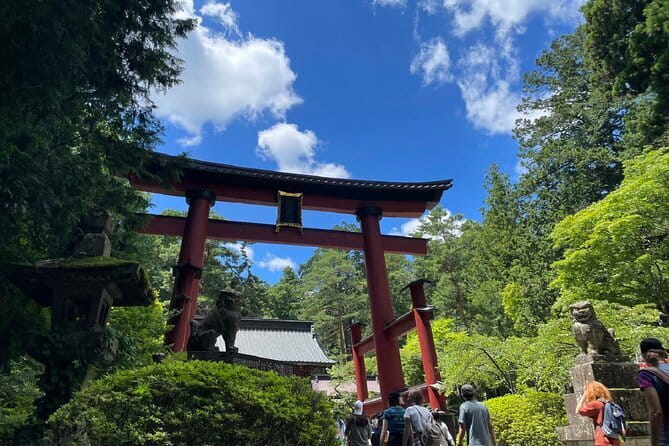
Most Mt. Fuji outings boil down to: arrive, snap photos, leave. This one treats Fuji like a presence in Japanese life. Mt. Fuji has been a spiritual symbol for over 1500 years, with the traditional belief that it is itself a god. That idea shaped pilgrimage culture: people didn’t only admire Fuji, they worshiped it and made trips to the summit.
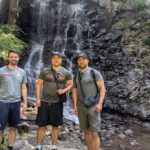
What makes this private format valuable is time and attention. You’re guided through worship sites, pilgrimage-era places, and nature that’s tied into that spiritual story. Momo is a sociology teacher, and it shows in the way he explains not only what you’re seeing, but why people cared.
If you’re the kind of traveler who likes context while you walk—culture, history, tradition—this tour fits well. If you only want a viewpoint and minimal walking, you may find the cultural stops take longer than you expect.
You can also read our reviews of more tours and experiences in Fujikawaguchiko machi.
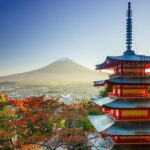
Morning at Sankodai: the front-row Fuji view
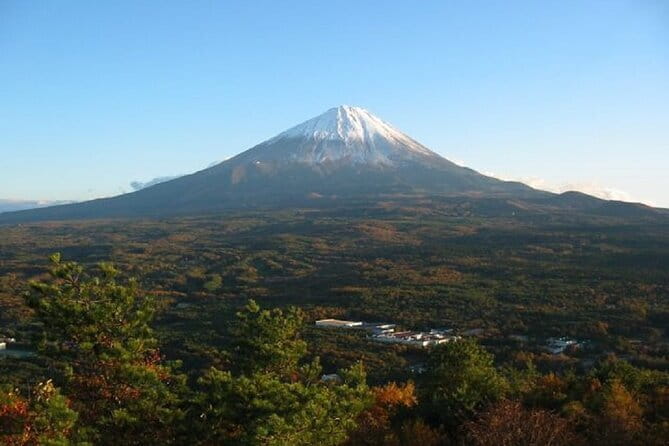
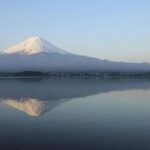
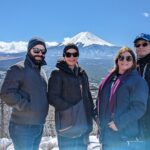
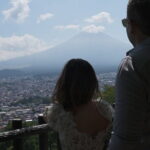
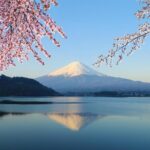
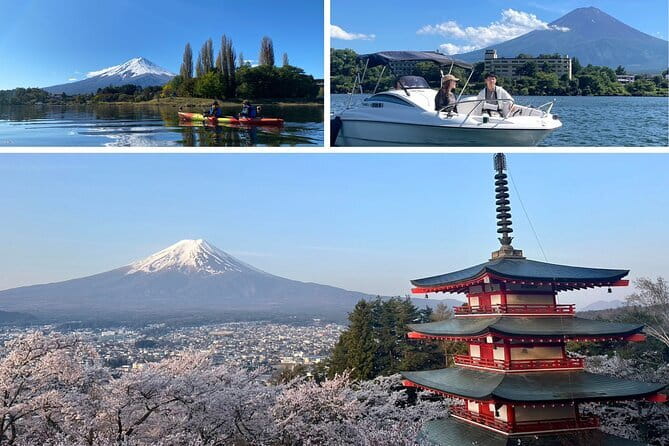
You start at Kawaguchiko Bus Station No.2 at 9:00 am, and the first stop is Sankodai. This is the kind of place where the framing matters. The promise here is a panoramic view where Mt. Fuji is right in front of you, with lakes below and a wide swath of the Aokigahara forest area stretching out.
Plan for a bit of walking: it includes about 15 minutes to a hilltop viewpoint. The time is short, but it’s enough to change how the scene feels—from roadside postcard to proper overlook.
The entry is free, and the stop is about one hour total, so it won’t swallow your day. Still, it’s the anchor. If the weather is clear, this is where your brain goes: okay, this is why people have made pilgrimages here for centuries.
A practical tip: give your eyes a minute to adjust. In clear conditions, you’ll often notice more than just Fuji—like the relationship between lakes and the forested area below. Momo’s explanations can help you read that view beyond the obvious mountain shape.
Aokigahara Forest walking: nature time with meaning
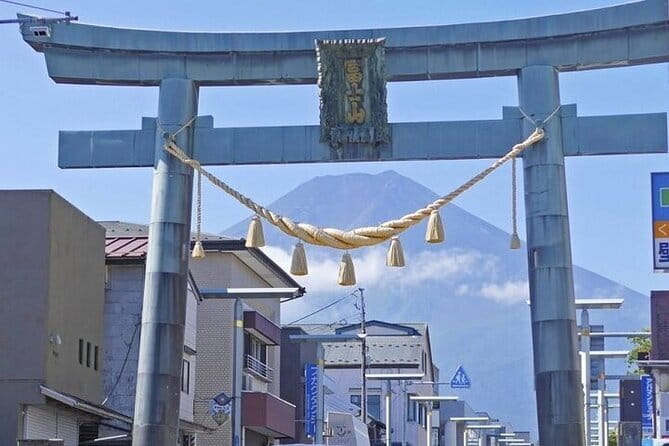
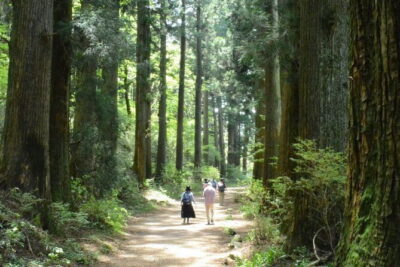
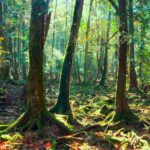
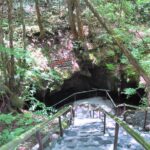
After the viewpoint, you head into Aokigahara Forest. This is where the tour shifts from scenery to experience. You’ll spend around two hours exploring the forest and visiting some caves.
The big concept here is forest bathing—a slower way to move through the woods, paying attention to the feel of the place. Even if you’ve heard the term before, you’ll likely notice the difference when the tour is designed around it rather than treated as a quick photo stop.
One strong advantage of a private guide is pacing. You can keep a steady walking rhythm without feeling rushed, and the guide can guide attention toward details that most people miss.
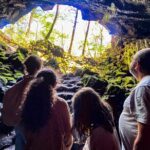
Cave time adds variety. You’re not just walking under trees; you’re entering spaces connected to pilgrimage-era storytelling and the area’s physical character. The tour entry fees for this stop are free.
What to consider: caves and forest paths can be uneven. The tour is described as something most travelers can participate in, and one review specifically noted that Momo modified the plan for a mother with difficulty walking long distances. That’s a good sign. Still, if mobility is limited, tell your guide early so adjustments can be planned.
Narusawa Ice Cave: cold air in a year-round spot
Next is Narusawa Hyoketsu Ice Cave. This stop runs about one hour, and the admission is included.
The main value here is contrast. You’ve been walking in a forest setting; now you step into a cold cave atmosphere. The tour info also notes the cave is regarded as a spot you can visit throughout the year, which helps if you’re traveling outside peak weather windows.
It’s a simple stop time-wise, but it adds physical variety to the day. And in a tour built around Fuji culture, a cave like this is more than a temperature change—it’s another piece of the terrain pilgrims and locals would have connected to the mountain’s world.
Practical thought: caves can feel cooler than you expect compared with outdoor air. If you tend to get cold easily, it’s worth planning a layer.
Funatsu Tainai Jugata Lava Tree Mold: go inside the pilgrimage past
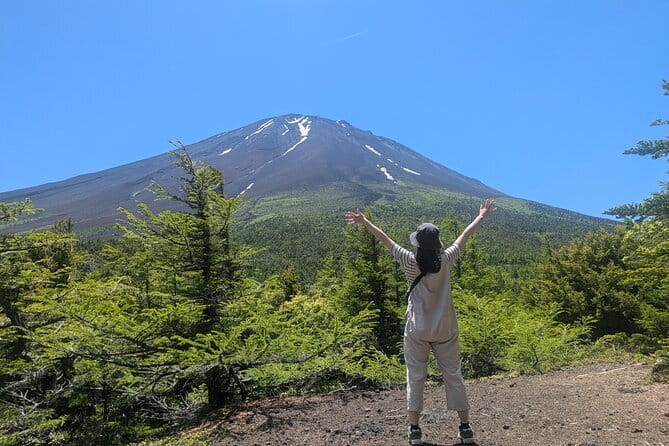
In the afternoon, you visit Funatsu Tainai Jugata Lava Tree Mold. The time on this stop is about one hour, and entry is included.
This is one of the most interesting shifts in the tour’s focus: it’s not a shrine-yard view. It’s a place where you can actually go inside a historical cave connected to Fuji-ko pilgrims. The tour frames it as a site where worship happened before people started to climb Mt. Fuji.
That inside-the-cave element matters. Photos can show you a rock opening, but going in changes how the experience lands. You’ll feel the scale differently. You’ll also understand why pilgrimage culture loved places like this—because they weren’t just places to pass through. They were part of the ritual mindset.
One more note from the tour description: you’ll have a spiritual experience guided by Momo’s explanations. This is where the sociology-and-history approach becomes practical: you’re not only absorbing atmosphere; you’re also learning what people believed and how that belief translated into behavior.
You can also read our reviews of more private tours in Fujikawaguchiko machi
Kitaguchi Hongu Fuji Sengen Jinja: seeing the shrine’s real significance
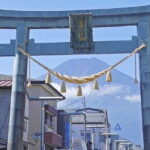
The final cultural stop is Kitaguchi Hongu Fuji Sengen Jinjya Shrine (often called Kitaguchi Hongu Fuji Sengen Jinja). This takes about one hour, and admission is free.
This shrine is described as one of the main sightseeing spots in the Mt. Fuji area—and also a place where many visitors miss the deeper meaning. That’s a common issue with sacred sites: you see the surfaces, but the story behind the rituals stays unclear.
Momo’s role is to fix that. He provides detailed explanations of the shrine’s history and cultural significance, helping you connect the physical space to the spiritual tradition that shaped centuries of devotion.
If you care about Japan’s religious culture—how beliefs shape architecture, worship sites, and pilgrimage practices—this is the strongest “why it matters” stop. You’ll likely walk away with a better sense of how Fuji sits in the culture as more than scenery.
Lunch, private transportation, and why value matters here
This tour is priced at $99.40 per person and runs about 6 hours. The itinerary includes private transportation plus lunch, and you get a guide/driver handling the day.
So where’s the value?
- Private format: you’re not negotiating a group schedule or getting swept along by strangers’ pace.
- A structured mix: a morning viewpoint, a forest walk, a cave, and shrine history in one plan.
- Context that changes your viewing: this tour isn’t just moving you between sites. It’s teaching you how those sites connect to Fuji spirituality and pilgrimage culture.
The tour also offers pickup, uses a mobile ticket, and ends back at the meeting point. That’s the kind of small logistics help that makes a day trip feel easier.
What’s not included is straightforward: drinks and snacks. If you know you snack mid-walk, plan to buy water or extra snacks before the day settles in. The included lunch covers food, but you’ll still want something to sip if the weather is warm or you’re walking at a steady clip.
Pace and who this tour is perfect for
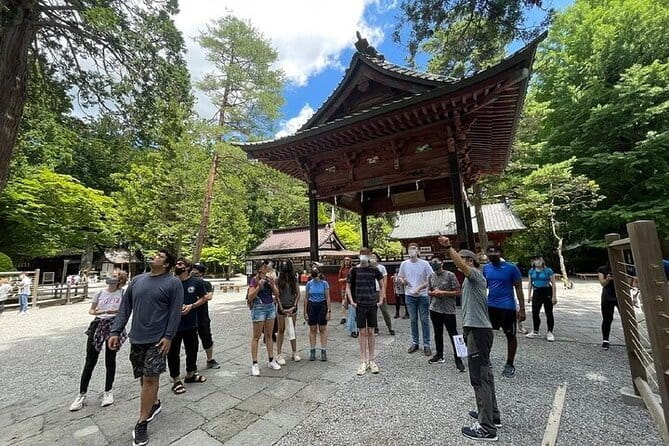
This is a private tour/activity, meaning only your group participates. That alone makes it friendlier for families, couples, and solo travelers who want a guide’s full attention.
You’ll likely enjoy it most if you:
- want Mt. Fuji as culture and tradition, not just a view
- like walking with explanations and not just standing in one place
- care about Japanese religious history and pilgrimage traditions
- want nature time that’s more than a quick stroll
For older travelers or anyone with limited walking stamina, the setup sounds adaptable. One review specifically called out Momo understanding a mobility challenge and modifying the tour so a 75-year-old mother could actively participate instead of waiting around. That’s a big practical reassurance.
Still, this isn’t a couch-tour. You should expect some walking between stops, including the short 15-minute hilltop walk at Sankodai and time spent in forest/cave areas.
Should you book this Mt. Fuji culture and nature walk?
Book it if you want a Mt. Fuji day with a point of view: spirituality, pilgrimage sites, and nature time tied to the meaning of the mountain. The private guide format plus included lunch makes it feel like a thoughtful day with a clear arc, not a random scramble.
Skip it if your priority is only the biggest possible view with the least walking and you don’t care about shrines and cave context. Also reconsider if mobility limits mean you need very short stops only, since caves and forest paths still add movement.
FAQ
Where does the tour start and end?
It starts at Kawaguchiko Bus Station No.2 in Fujikawaguchiko (Funatsu) and ends back at the same meeting point.
What time does the tour begin?
The start time is 9:00 am.
How long is the tour?
The tour is about 6 hours (approx.).
Is pickup offered?
Yes, pickup is offered.
Is this tour private?
Yes. It’s a private tour, so only your group participates.
What’s included in the price?
Included are all fees and taxes, private transportation, lunch, and a guide/driver.
What is not included?
Drinks and snacks are not included.
Are tickets included for the main sights?
Admission is free for Sankodai, Aokigahara Forest segments, and Kitaguchi Hongu Fuji Sengen Jinja. Admission is included for Narusawa Ice Cave and Funatsu Tainai Jugata Lava Tree Mold.
How flexible is cancellation?
You can cancel for a full refund up to 24 hours before the experience’s start time.
How early do people typically book?
On average, this tour is booked 75 days in advance.