REVIEW · FUJIKAWAGUCHIKO MACHI
View of Mt. Fuji is good! Sushi making experience class
Book on Viator →Operated by お寿司作り体験教室 · Bookable on Viator
Sushi lessons with Fuji views are a steal. The experience is built around hands-on sushi making, but it also leans into Japanese table manners and sushi trivia before you start shaping rice. The classroom sits near Mount Fuji, and on clear days you get that postcard view through the windows while a chef explains everything in plain, friendly steps.
The two things I really like are the instructor’s fun, easy-to-follow teaching (including engaging talk from Kadokura San) and the fact you actually make and eat your own sushi—nigiri, rolls, and more. One consideration: this is a premium class (about $228 per person for roughly 3 hours), so it’s best if you want a guided, no-stress experience rather than just a quick snack stop.
In This Review
- Key points to know before you go
- Fuji-Front Classroom Energy in Kawaguchiko
- Sushi Manners and Trivia Before You Cook
- Preparing Vinegared Rice Like a Real Sushi Step
- Four Types of Sushi You’ll Make (And Eat)
- Nigiri sushi: portion + shaping practice
- Rolls: technique that rewards patience
- Warship-style sushi: learning another form
- Then you eat your own plate
- Kadokura San’s Teaching Style: Friendly, Focused, and Engaging
- Price and Logistics: Is $228 for 3 Hours Worth It?
- Who This Sushi Class Fits Best (And Who Might Want Something Else)
- The Bottom Line: Should You Book?
- FAQ
- How long does the sushi making class last?
- Where is the meeting point?
- What sushi will I learn to make?
- Is this a private experience?
- What times does the class run?
- Can I get a refund if I cancel?
Key points to know before you go
- Fuji-view setting: a classroom near Mount Fuji with big windows when the weather cooperates
- Manners first: you’ll practice Japanese table etiquette along with sushi basics
- Hands-on cooking: you’ll make 4 types of sushi and eat what you produce
- Vinegared rice step included: learn how to prepare the rice before shaping
- Kadokura San’s teaching style: warm energy, trivia, and an engaging presentation
- Private group format: only your group joins the class
Fuji-Front Classroom Energy in Kawaguchiko
Your experience starts at Kawaguchiko Station, a practical pickup point that keeps this from feeling complicated. From there, you head to the class space in Fujikawaguchiko-machi—close enough to Mount Fuji that it feels like the mountain is part of the “welcome” to the lesson.
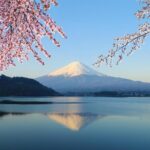
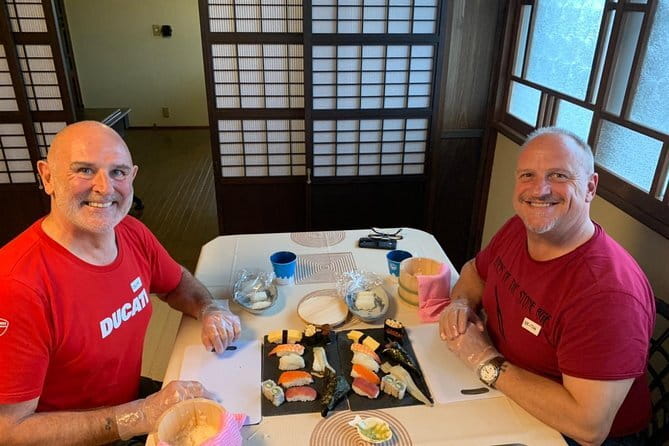
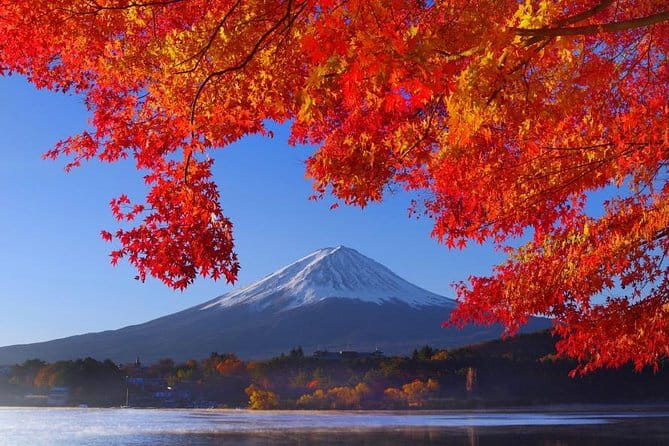
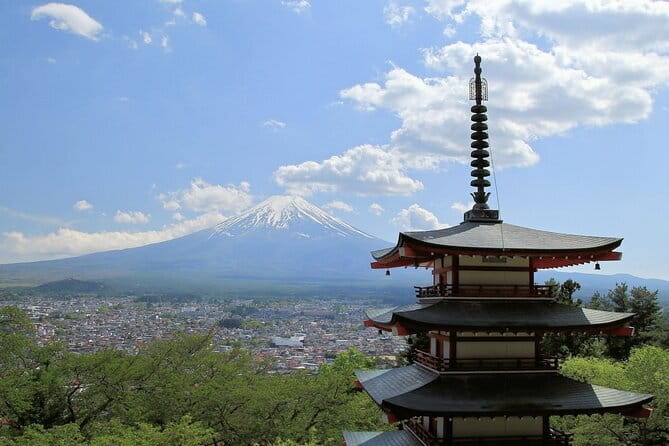
Inside, the vibe is calm and traditional. You’ll be in a tatami-style room with antique Japanese furniture, with an old-house feel that makes the whole thing more memorable than a typical kitchen demo. Then there are the windows: if the sky is clear, you can look out at Mount Fuji while you learn and cook, which changes the mood from classroom to experience.
One practical note: since the class is tied to this specific location and view, cloudy weather can soften the drama. It’s still a great setting even without the iconic sight, but if Fuji is a priority, you’ll want to be flexible with your day and timing.
You can also read our reviews of more tours and experiences in Fujikawaguchiko machi
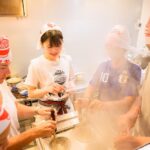
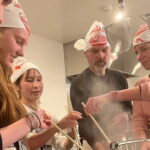
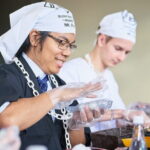
Sushi Manners and Trivia Before You Cook

A good sushi class does two jobs at once: it teaches technique and it teaches context. This one does both. Before you make anything, you’ll learn Japanese table manners and sushi-related trivia, plus the history of sushi in a way that’s meant for foreign tourists.
That matters because sushi is cultural, not just culinary. Even if you’re comfortable eating sushi, making it properly comes with small etiquette details—how to handle items, how to think about the flow of a meal, and how sushi is traditionally presented. The goal is that you leave understanding what you’re eating and why it’s done the way it is.
The teaching style from Kadokura San is also part of why this section works. In the lessons, trivia and general knowledge are mixed into the presentation, so you’re not sitting through a lecture while waiting for the fun part. There’s a friendly, engaging tone, and you get the feeling that the class is designed to keep you curious rather than intimidated.
Preparing Vinegared Rice Like a Real Sushi Step
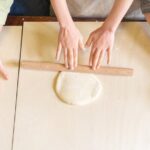
The first hands-on cooking moment is making vinegared rice. Rice is where sushi lives or dies, and learning how it’s prepared makes the rest of the process make sense. You’re not just copying shapes; you’re building the base that controls texture, flavor balance, and overall quality.
In a guided class like this, the big value is that you’re not guessing. Instead, you follow an instructor’s instructions and get corrections as you go. That’s the difference between eating sushi as a customer and understanding why sushi tastes the way it does.
Even if you’re new to Japanese cooking, you should be able to keep up. The instruction is described as easy to understand, and the overall lesson pacing is built around getting you to a finished product you can actually enjoy.
Four Types of Sushi You’ll Make (And Eat)
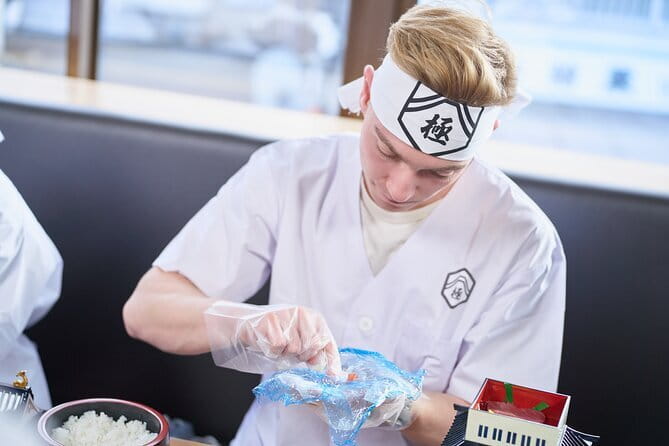
The class focuses on making 4 types of sushi, including nigiri sushi, rolls, and a warship-style sushi item. You’ll also be eating what you make, which is the best possible way to learn. If your rice feels off or your shaping is uneven, you notice immediately when you take a bite.
Nigiri sushi: portion + shaping practice
Nigiri is a smart place to start because it teaches you control. You’ll work on shaping topped pieces and understanding how the rice and topping work together. The takeaway for you is not perfection—it’s learning what “right” feels like in your hands.





Rolls: technique that rewards patience
Rolls are where you learn that sushi is more than taste—it’s also structure. You’ll practice making a roll form that holds together, which is one reason this class is fun even for beginners. You get a visible result quickly, and it helps you understand why rolls are such a popular format.
Warship-style sushi: learning another form
You’ll also make a warship-style sushi piece. This format teaches a different shaping approach and helps you see sushi as a set of techniques, not just one product. If you’ve only ever ordered sushi rolls or nigiri at a counter, this is the portion that expands your mental map of what sushi can be.
Then you eat your own plate
The final payoff is simple: you get to eat your own sushi. That turns the class into more than a cooking demo—it becomes a meal you can talk about on the train ride home. It also closes the loop on the manners and history pieces earlier in the lesson: you can connect what you learned to what you taste.
Kadokura San’s Teaching Style: Friendly, Focused, and Engaging
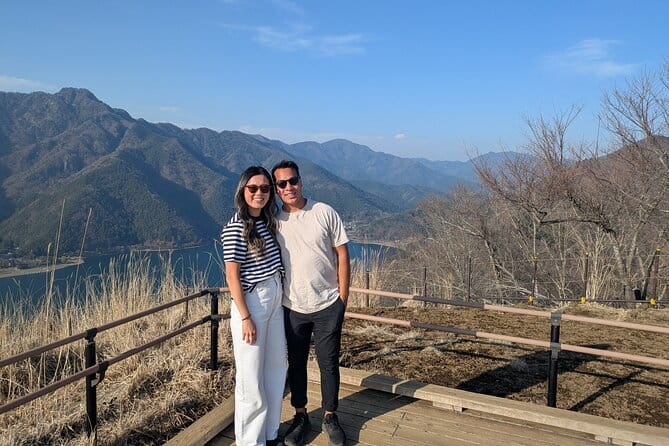
A big part of whether a cooking class feels worth it is the instructor’s energy. Here, the instruction is led by Kadokura San, and the reviews point to a teaching approach with warm personality and good momentum.
You’ll notice it in a few ways:
- The presentation blends sushi knowledge with trivia and general information, so the class stays lively.
- Explanations are described as easy to understand, which is crucial if you don’t know sushi terminology yet.
- The tone is welcoming, which matters when you’re learning something new in a kitchen environment.
There’s also mention of traditional music in the class setting, which adds to the “Japanese hospitality” feel. You’re not just doing tasks—you’re part of a small, guided moment that respects the craft.
And since this is a private tour/activity, you get the benefit of your group learning together rather than being rushed by a larger crowd. That usually means more chances to get clarification when you hit a question.
Price and Logistics: Is $228 for 3 Hours Worth It?
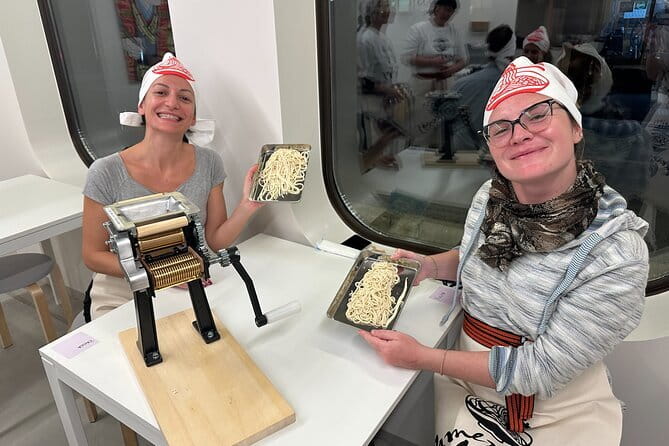
Let’s talk value, because $228.04 per person isn’t a bargain price. The trade is that you’re paying for guidance, ingredients, and a structured learning experience that ends with a meal you made.
Here’s what you get for the money:
- A pro-led class focused on real sushi making steps (including vinegared rice)
- Practice building 4 sushi types—not just rolling one sample
- Instruction on table manners and sushi history/trivia, which turns it into cultural learning, not just cooking
- A private format so your group isn’t squeezed into a bigger session
For travelers, that usually means better results. If you’ve never made sushi before, trying to self-learn at home with random kits can be messy and disappointing. This class compresses the learning curve into a few hours with corrections and a chef’s eye on your technique.
The other side of value is timing. It’s about 3 hours, and the operating window is Monday to Friday, 10:00 AM to 4:00 PM during the listed date range. If your schedule only fits evenings or weekends, you may need to adjust plans. And because the class is specifically near Mount Fuji, you’ll get the most “wow” value when the weather allows for that view through the windows.
Who This Sushi Class Fits Best (And Who Might Want Something Else)
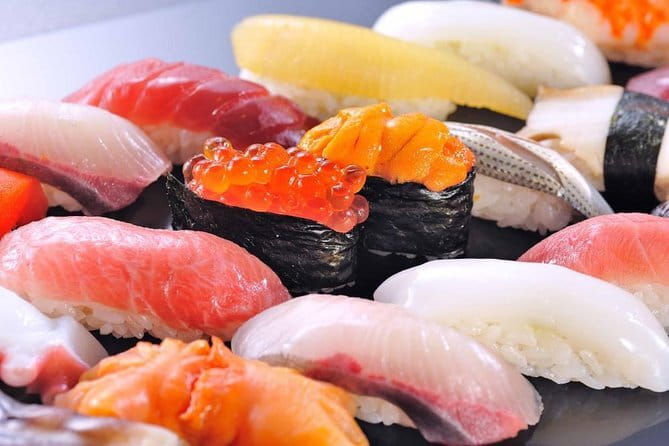
This experience is recommended for foreign tourists, and it makes sense because it’s built around easy explanations, sushi history context, and manners that help you eat like you know what you’re doing. If you’re traveling with a partner, it’s also a great choice because the setting feels intimate and the lesson ends with a shared meal.
This class is especially worth it if you:
- Want a hands-on activity near Fuji rather than another stop for photos
- Have eaten sushi but want to understand how it’s made
- Like structured classes with clear steps and supportive instruction
- Prefer a private format where you can ask questions
It might be less ideal if you’re:
- Looking for a quick, low-cost bite without instruction
- Hoping for a long, advanced workshop (this is only about 3 hours)
- Traveling on a strict timetable that doesn’t match the Monday–Friday operating hours
The Bottom Line: Should You Book?
I think you should book this sushi making class if your goal is more than eating sushi—you want to learn, shape, and then sit down with the results. The combination of hands-on sushi making, table manners, and an instructor-led approach from Kadokura San adds up to a genuinely satisfying couple-hours experience, especially in a classroom near Mount Fuji with that traditional look and (when skies cooperate) a beautiful view.
Wait before booking only if price is a dealbreaker or your schedule can’t align with the limited daily hours. If you can fit it in, this is one of those experiences that makes you feel like you left with a skill, not just a memory.
FAQ
How long does the sushi making class last?
The class duration is about 3 hours.
Where is the meeting point?
You meet at Kawaguchiko Station (3641 Funatsu, Fujikawaguchiko, Minamitsuru District, Yamanashi 401-0301, Japan).
What sushi will I learn to make?
You’ll learn to make vinegared rice and make 4 types of sushi, including nigiri sushi, rolls, and a warship-style sushi item.
Is this a private experience?
Yes. It’s a private tour/activity, and only your group participates.
What times does the class run?
The opening hours listed are Monday to Friday from 10:00 AM to 4:00 PM (within the published date range).
Can I get a refund if I cancel?
Free cancellation is offered. You can cancel up to 24 hours in advance for a full refund. If you cancel less than 24 hours before the start time, the amount paid is not refundable.