REVIEW · KAMAKURA
Kamakura: Great Buddha, Hase Temple, & Komachi Street Tour
Book on GetYourGuide →Operated by Field Trip Plus by Pastel Co., Ltd. · Bookable on GetYourGuide
Kamakura hits different when it’s all within a day. You’ll see the open-air Great Buddha, walk through Hase Temple, and ride the local Enoden line like a real commuter. It’s ancient Japan, but planned in a way that keeps the stress low.
I especially like two things: the way a professional guide connects temple details to everyday Japanese beliefs, and the smooth flow that starts with a Tokyo pickup so you don’t spend your energy figuring out trains. You get a private group (up to 6), which makes it easier to ask questions on the spot.
The main drawback is simple: you’ll walk and use public transport, and some stations may have limited elevators or escalators. If stairs are a problem for you, tell your guide early so the route can be handled as gently as possible.
In This Review
- Key Highlights Worth Waking Up For
- Kamakura Is a Perfect Tokyo Day Trip—If You Like Meaningful Walking
- Tokyo Pickup + Private Group Pace (Up to 6 People)
- The Great Buddha at Kōtoku-in: Big Presence, Open-Air Calm
- Hase-dera Temple: Hydrangeas, Kannon, and Making a Wish
- Enoden: The Small Local Train That Feels Like Japan, Not Just Transit
- Hokokuji’s Bamboo Forest: Short Visit, High Payoff
- Tsurugaoka Hachimangu: Shrine Atmosphere + Easy Shopping Momentum
- Lunch in Kamakura: Seafood Is Common, but You Can Request Other Options
- Price and Logistics: Is $530 Per Group Good Value?
- Your Guide Can Make or Break the Day (And These Names Matter)
- Who Should Book This Kamakura Tour—and Who Should Rethink
- Quick Before-You-Go Notes That Save Stress
- Should You Book It?
- FAQ
- How long is the Kamakura tour?
- Where does the tour start and is pickup included?
- What sights are included?
- Do I need to pay for transportation, entrances, or lunch?
- What’s the price and group size?
- What languages are available?
- Is the tour private?
- Is there walking or stairs?
- What’s the cancellation policy?
Key Highlights Worth Waking Up For
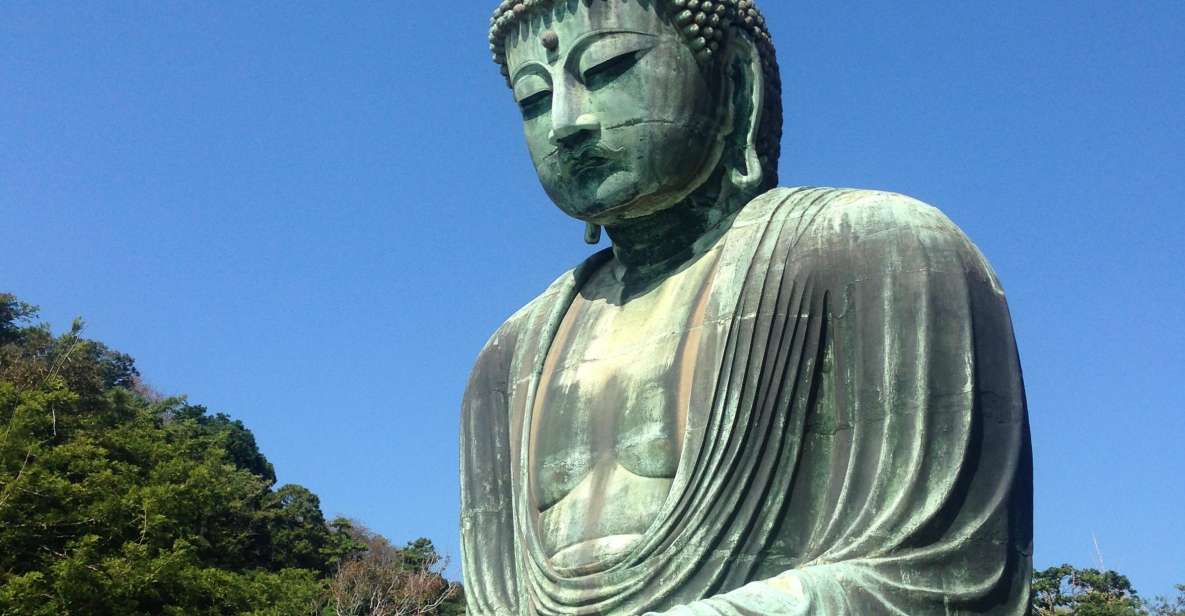
- Open-air Great Buddha at Kōtoku-in: one of Japan’s largest Buddhas, standing outside for big-sky photos.
- Hase-dera’s flowers and prayer stops: hydrangeas in season, plus Kannon and other devotional spots to make a wish.
- Enoden, the local small train: a calmer, local rhythm compared with faster rail.
- Hokokuji Bamboo Forest: quick to reach, easy to enjoy, and photo-friendly even with short time on-site.
- Tsurugaoka Hachimangu and Komachi Street: shrine atmosphere plus street shopping for snacks and souvenirs.
Kamakura Is a Perfect Tokyo Day Trip—If You Like Meaningful Walking
Kamakura is close enough to feel like a day out, but old enough to feel like you stepped sideways in time. This tour is built for that sweet spot. It runs for about 8 hours, with a guided plan that strings together the main sights without turning the day into a sprint.
Why you’ll probably enjoy it: the best Kamakura moments come from moving—between temples, across small streets, and along sea-air airflows near the sights. The tour leans into that. You’re not just doing a checklist. You’re seeing why people still come here to pray, shop, and take the local train.
One more practical thing: you start in Tokyo with pickup, so you’re not coordinating intercity transport on your own. That matters in Japan, where getting the train right is easy—until it isn’t, especially with limited time.
You can also read our reviews of more tours and experiences in Kamakura.
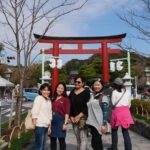
Tokyo Pickup + Private Group Pace (Up to 6 People)
This is a private group experience for up to 6 people, led by a professional local guide. That small size changes everything. You move as a unit, but you can still ask questions, pause for photos, and adjust to the group’s pace.
Pickup is included from a lobby at your Tokyo hotel (in the 23 wards). The idea is straightforward: you reduce friction before you even leave your room. Then you’re on the rails.
You’ll also have an English-speaking guide option, plus other languages depending on availability. English, French, German, and Spanish are offered, though busy seasons can tighten options. If you’re traveling in spring or autumn peak (March–May or September–November), it’s wise to lock in your language early.
The Great Buddha at Kōtoku-in: Big Presence, Open-Air Calm
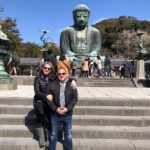
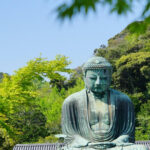
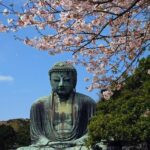
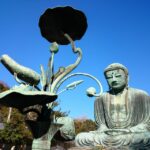
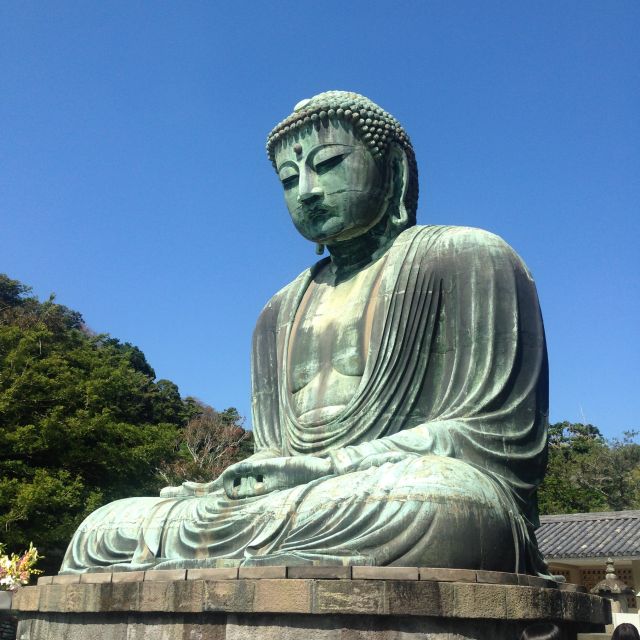
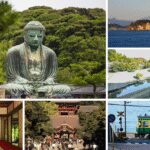
Your day’s centerpiece is the Kōtoku-in visit and the Great Buddha there. This statue is the second largest Buddha in Japan, and the shock (in a good way) is that it’s in open air. No heavy indoor limits. No ceiling blocking the sky.
What I love about this stop is the emotional scale. Even when you know it’s large, standing in front of it makes you slow down. You get that moment where your brain shifts from sightseeing to paying attention—how the face is proportioned, how the posture reads from different angles, how the surrounding temple space frames the figure.
Practical tip: wear comfortable shoes and don’t over-plan photos. If you look from one side of the viewing area to another, the Buddha can feel like a different mood. Plan a few pauses instead of one long march.
Also, because it’s open-air, weather matters. If it’s raining, bring something simple for your camera/phone. If it’s bright, you’ll want sunglasses and a bit of shade planning.
Hase-dera Temple: Hydrangeas, Kannon, and Making a Wish
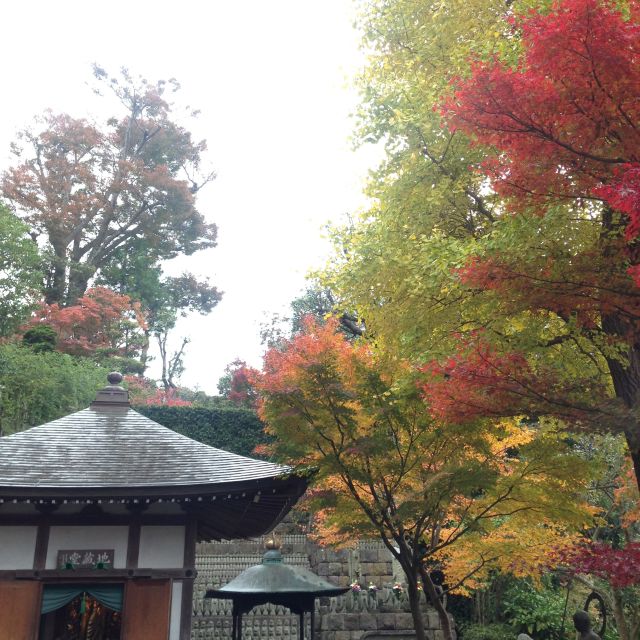
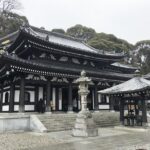
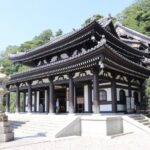
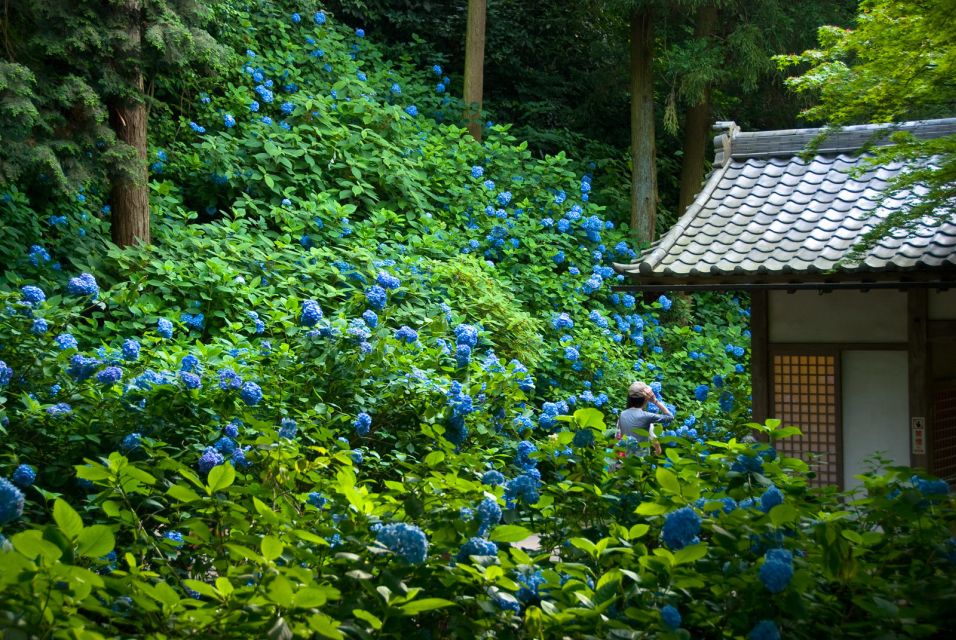
Next comes Hase-dera, a temple famous for flowers—especially hydrangeas when they’re in season. Even if you’re not there during peak bloom, the temple layout is designed for strolling. You’re walking through a place that’s built for seasonal beauty, and that changes the feel of the whole experience.
Here’s what makes Hase-dera more than pretty scenery:
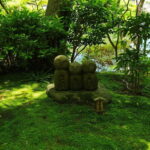
- You’ll see multiple devotional figures, including Buddha and Kannon imagery.
- There are also gods of wealth, which gives the stop a hands-on, hopeful vibe. It’s the kind of place where you can make a wish without it feeling like a tourist trick.
The tour guide angle really helps here. A good guide turns what could feel like scattered statues into a guided logic: who people pray to, why certain figures show up in daily life, and how to read the mood of the grounds.
Consideration: Hase-dera involves walking and moving between areas. If you’re sensitive to steps or long inclines, tell your guide. This is exactly the sort of day where small routing choices can reduce fatigue.
Enoden: The Small Local Train That Feels Like Japan, Not Just Transit
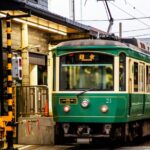
A key part of the plan is the ride on Enoden, the local small train. This isn’t just a connector. It’s the kind of ride that slows your brain down, and it gives you a real sense of daily movement in the area.
Why this matters: when you take only the fastest trains, you miss the texture. Enoden adds that commuter rhythm—short segments, local stops, and the feeling that you’re traveling with the region instead of passing it at high speed.
Practical angle: even though the time blocks are relatively short, you’ll still want to keep your schedule mindset light. Japan’s local trains are reliable, but you’ll still be adjusting to boarding flow, platform movement, and timing with your group.
Hokokuji’s Bamboo Forest: Short Visit, High Payoff
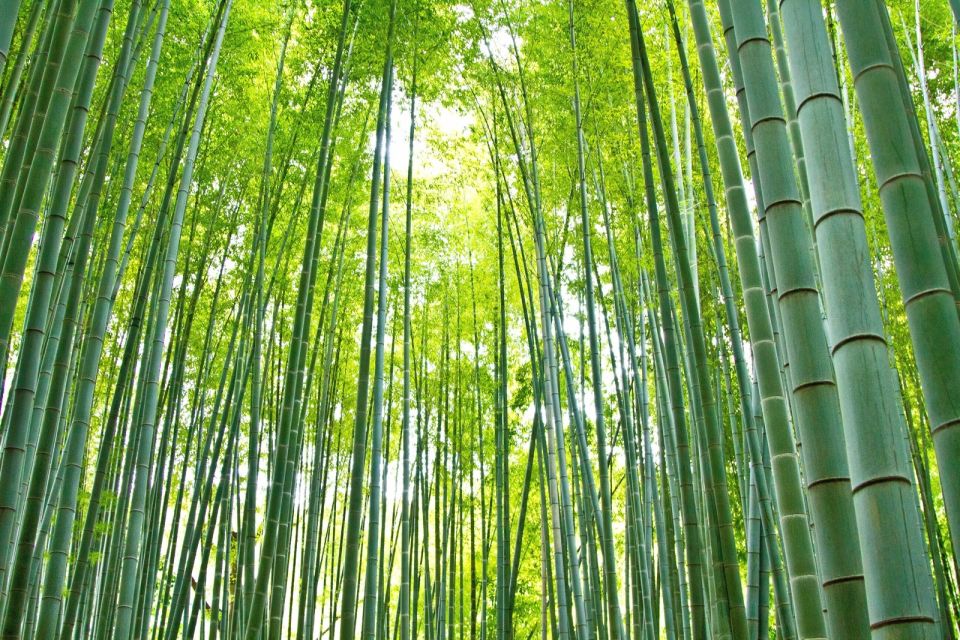
You’ll also get time at Hokokuji and its bamboo forest. It’s one of those places where you don’t need a long explanation to enjoy it. The bamboo creates a texture you can feel in your photos and your body—shadows, repeating vertical lines, and a cooler sense of air under the stalks.
The tour treats this as a real stop, not a quick “look and go.” Still, it’s not a huge time sink. That’s a smart balance for an 8-hour day, especially if you also want time to shop afterward.
If you like photography: go easy. Take a few minutes to step back and let your camera settle. In bamboo settings, lighting changes quickly depending on where you stand.
Tsurugaoka Hachimangu: Shrine Atmosphere + Easy Shopping Momentum
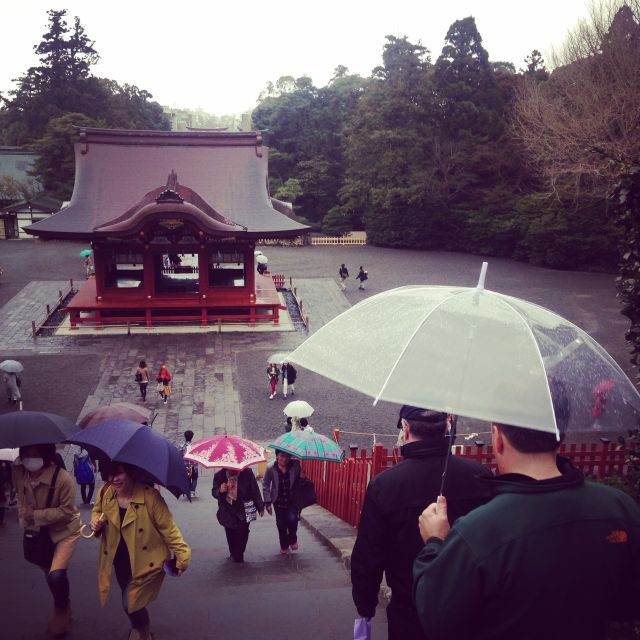
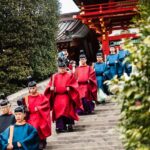
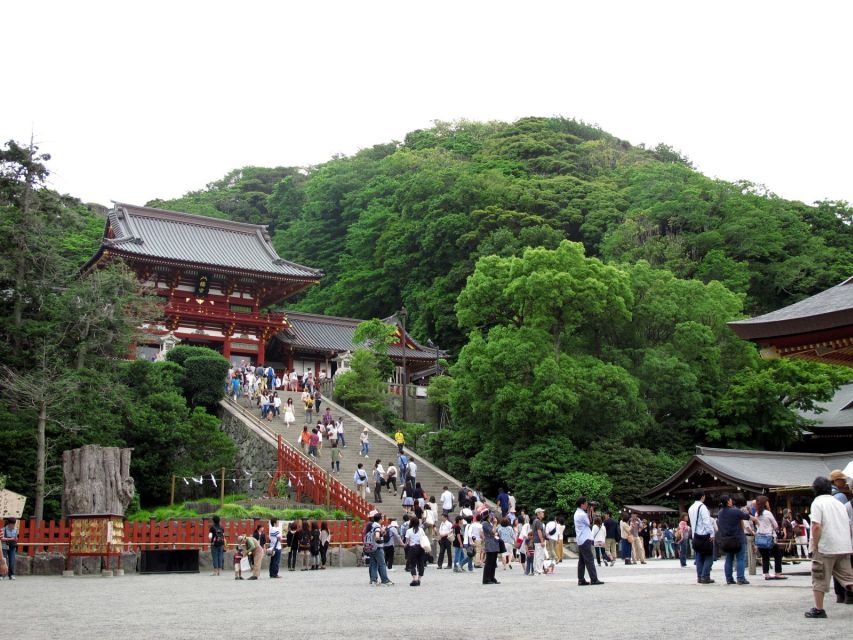
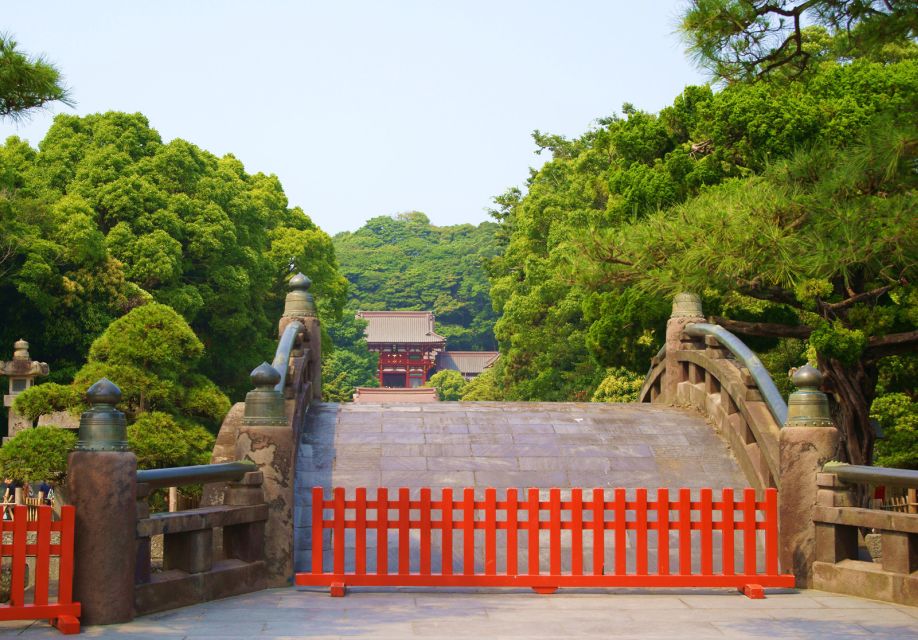
After the bamboo forest, you head to Tsurugaoka Hachimangu Shrine. This is a big name for a reason. The space encourages a slower pace and respectful behavior without requiring you to be an expert in shrine etiquette.
What I find valuable here is the rhythm shift. You’ve been outside among giant religious imagery and temple grounds. Now you get a shrine setting that feels more formal and ceremonial. The guide helps you understand what you’re seeing in practical terms—so you’re not just looking at structures, you’re making sense of them.
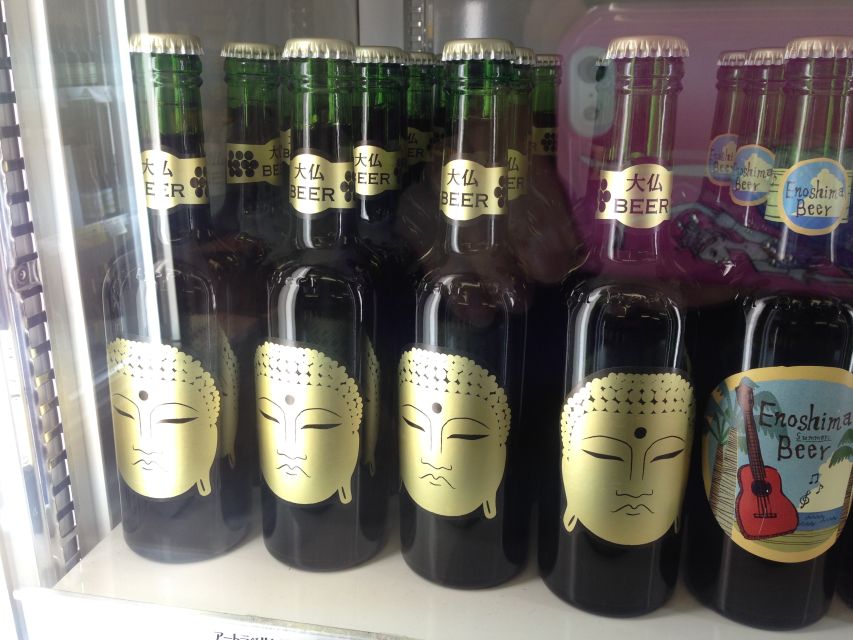
Then it flows naturally into Komachi Dori Street, where you can shop for souvenirs and snacks. This is the part many people remember because it feels like you’re taking the region home. The street shopping is also your chance to pick up gifts tied to Kamakura’s identity.
If you want extra time for shopping after the tour, you may be able to extend. That’s a nice option because Komachi Street can be fun to browse slowly once you’re not rushing between major sights.
Lunch in Kamakura: Seafood Is Common, but You Can Request Other Options
Lunch is handled at a local restaurant. Kamakura is famous for seafood, so if you’re a seafood lover, you’re set up for a classic regional meal.
If seafood isn’t your thing, the tour can arrange alternatives based on request. That flexibility matters because it keeps lunch from turning into a compromise day.
One caution: lunch isn’t included for guests and the guide. So you’ll want to budget. The upside is you can choose what fits your appetite and preferences once you’re seated, rather than being handed one set menu.
Price and Logistics: Is $530 Per Group Good Value?
The price is listed as $530 per group up to 6 for an 8-hour guided experience. That number can look steep at first glance, until you break down what’s being managed.
What you’re paying for:
- A professional local guide for the full day
- A private group format (so you’re not absorbed into a large crowd)
- A planned route that uses regional transport, including JR for the main run and Enoden locally
- A structured flow that keeps you from wrestling with timing and connections
What you’re not paying for:
- Transportation costs for guests
- Entrance fees for guests (and a guide only when needed)
- Lunch for guests and the guide
So the real value question becomes: do you want someone to handle the “what next” and “why this matters,” so you can focus on seeing and learning? If yes, this is the kind of day trip that can feel worth it. If you’re the kind of traveler who loves doing everything solo and you already know the transit plan, a DIY approach might be cheaper—but it won’t have that guide-led meaning.
Also, private group pricing tends to be fair when you spread it across your party size. With smaller groups, you get the benefit of personal attention without a huge per-person multiplier.
Your Guide Can Make or Break the Day (And These Names Matter)
The tour’s quality depends heavily on the guide. The good news is that this experience is known for strong guide performance across languages. In real bookings tied to this format, guides have included people like Ena, Rie-san, Shizuko, and Mina.
Why that’s useful for you: it signals that the tour operators staff guides who can explain temples and shrines in a clear, human way. You’re not just walking through places; you’re getting the context that helps your brain file each stop under something memorable.
A smart way to use your guide: ask one question at each major stop. For example, ask what you should notice at Kōtoku-in, what matters most at Hase-dera, and what to look for at Komachi Street. You’ll get more out of the day with minimal effort.
Who Should Book This Kamakura Tour—and Who Should Rethink
This tour is a strong fit if:
- You want an organized Kamakura day trip from Tokyo
- You like your sightseeing with explanations tied to real beliefs and symbols
- You want to use public transport without constantly calculating the next move
- You enjoy both temple atmosphere and shopping time
You might want to rethink it if:
- You have mobility limits. The day involves walking, and some stations may have limited elevator/escalator access. Tell your guide what you need.
- You’re the type who wants to roam completely unsupervised for hours. This day has a planned rhythm, plus a shopping window, so you’ll still get time—but not unlimited wandering.
- You’re traveling in peak months and need a specific language. Availability can be tighter March–May and September–November.
Quick Before-You-Go Notes That Save Stress
Bring comfortable shoes. This is a walking-heavy day. Also keep in mind you’ll be using public transportation and short bus/coach segments between areas.
Travel insurance is recommended. And if your start time shifts because of group actions, the tour still ends at the planned time. That’s not a threat; it’s just how a tightly scheduled day works in Japan.
Should You Book It?
If you want the classic Kamakura “great Buddha + temple + shrine + local train + shopping” combo, this is a sensible way to do it. The private group format, guide-led context, and the inclusion of Enoden make it more than a drive-by day trip.
I’d book it if you value meaning and guidance more than total freedom. I’d consider an alternative if mobility is a concern or if you’d rather build your own route with full control. Otherwise, this tour hits the right balance of big sights, local flavor, and a pace that fits an 8-hour window.
FAQ
How long is the Kamakura tour?
It runs for about 8 hours.
Where does the tour start and is pickup included?
It includes pickup from your hotel lobby in Tokyo’s 23 wards.
What sights are included?
You’ll visit the Great Buddha at Kōtoku-in, Hase-dera, Hokokuji bamboo forest, Tsurugaoka Hachimangu Shrine, and you’ll have time on Komachi Dori Street. The plan also includes riding the Enoden local train.
Do I need to pay for transportation, entrances, or lunch?
Transportation fees for guests, entrance fees for guests (and a guide only when needed), and lunch for guests and a guide are not included.
What’s the price and group size?
The price is $530 per group, up to 6 people.
What languages are available?
The live guide can be English, French, German, or Spanish.
Is the tour private?
Yes, it’s a private group.
Is there walking or stairs?
Yes. The tour involves walking and using public transportation. Some stations may have few elevators or escalators, so tell your guide if you prefer to avoid stairs.
What’s the cancellation policy?
You can cancel up to 30 days in advance for a 50% refund.