REVIEW · KAMAKURA
Tokyo: Kamakura & Enoshima Day Trip including Temple Tickets
Book on GetYourGuide →Operated by VIP Japan Tour · Bookable on GetYourGuide
Kamakura and Enoshima make Tokyo feel smaller. In one 9-hour day, you get shrine-and-temple highlights, then swap city noise for sea air on Enoshima, with ticketed stops at Hasedera and Kōtoku-in.
I love how the day starts at Tsurugaoka Hachimangu, where the setting helps you understand why this shrine became the samurai age’s cultural anchor. I also like that Enoshima can reward you with Mt. Fuji on a clear day, plus plenty of room for snacks along Komachi Street.
The main drawback is simple: the schedule is tight. You’ll see a lot, but you won’t have the slow, hours-long wandering you might want if you’re the type who likes to linger.
In This Review
- Key Points You Should Care About
- A 9-Hour Kamakura and Enoshima Hit: Who This Day Trip Fits
- How the Pacing Feels From Shinjuku to Enoshima
- Tsurugaoka Hachimangu and Komachi Street: The Best Place to Start
- Small planning tip
- Hasedera Temple: Eleven-Headed Kannon and the Walk That Pays Off
- Time reality check
- Kōtoku-in Great Buddha: The National Treasure You Can Enter
- Photo tip
- Enoshima Island Route: Shrine, Sea Candle, Caves, and Shopping Streets
- Cave-food advice that actually helps
- Food Strategy: Shirasu, Seafood, Dumplings, and Timing Your Stops
- The snack sweet spot
- Mt. Fuji on Enoshima: What You Can Control, What You Can’t
- Price and Value: Why $58 Can Work (or Not)
- Guides, Timing, and the Little Things That Make the Day Work
- Should You Book This Kamakura and Enoshima Tour?
- FAQ
- Where are the meeting points for this tour?
- Where do you get dropped off at the end of the day?
- What’s included in the price besides the guide?
- How long is the tour?
- What languages are available for the tour guide?
- What is the cancellation policy?
Key Points You Should Care About
- Ticketed access at Hasedera and Kōtoku-in saves you time and removes ticket-hunting stress.
- Tsurugaoka Hachimangu + Komachi Street blends big history with very practical walking-and-snacking breaks.
- Hasedera’s viewpoints and seasonal gardens make the hike up feel worth it.
- Kōtoku-in’s Great Buddha is the kind of sight that actually changes your scale sense—13.3 meters tall.
- Enoshima is built for options: gardens, shrine areas, caves, and an observation stop when you want views.
- Clear-day Mt. Fuji odds give this day trip an extra layer of payoff if the sky cooperates.
A 9-Hour Kamakura and Enoshima Hit: Who This Day Trip Fits
This is a classic Tokyo day trip where you leave the city, do the big icons, and return without needing to plan train connections all day. If you want a “greatest hits” sampler of Kamakura plus a seaside finish at Enoshima, this works.
It also makes sense if you’re traveling with limited time. Trying to cover Tsurugaoka Hachimangu, Hasedera, Kōtoku-in, and Enoshima in one go on your own is possible, but it’s harder to pull off smoothly—especially when you factor in walking distances and the time it takes to find the right entrances.
You can also read our reviews of more tours and experiences in Kamakura.
How the Pacing Feels From Shinjuku to Enoshima
You’re out for about 9 hours, with a steady rhythm of photo stops, temple visits, and free time. The day is designed for momentum: quick orientation at each stop, then enough breathing room to walk, take photos, and grab food.
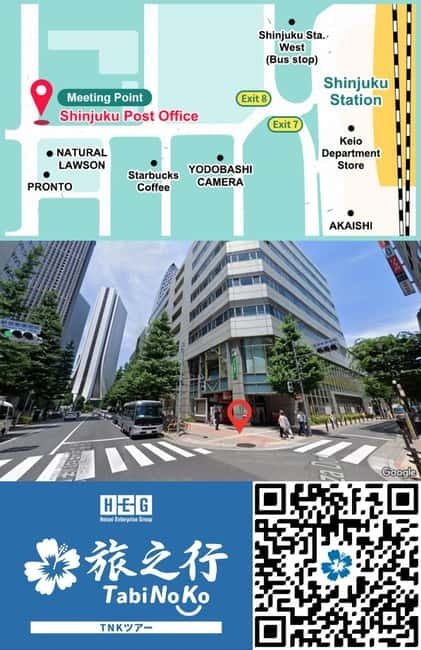
Pickup options are Shinjuku Post Office or GLOBAL RING CAFÉ. Either way, show up about 10 minutes early because the tour departs on time. If traffic slows the bus, stop times at attractions can adjust—so think of the schedule as “guided highlights” rather than perfectly fixed minutes.
In practice, you’ll get a mix of guided context and independent exploration. Several guides on this route are known for walking you through what to notice, then letting you wander during the free-time blocks—so you’re not trapped at your guide’s pace the whole day.
Tsurugaoka Hachimangu and Komachi Street: The Best Place to Start
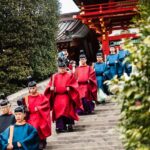
Tsurugaoka Hachimangu is one of Japan’s most visited shrines, tied closely to samurai-era identity. You’re not just looking at a pretty shrine complex—you’re entering a location that, for centuries, has been a spiritual and cultural centerpiece. Even the fact that it draws roughly 2.5 million visitors during hatsumode (New Year shrine visits) tells you how central it is.
You’ll also feel the “procession” vibe. This shrine sits at the end of a well-known approach area, so it’s easy to understand why this is such a camera-friendly start. It’s also where the day’s theme clicks: Kamakura isn’t only about temples; it’s about how power, faith, and public life braided together.
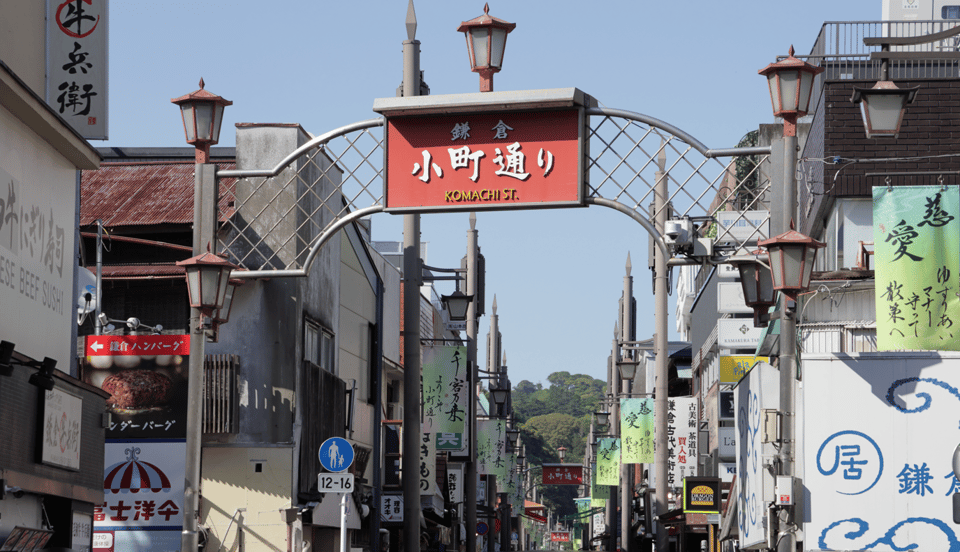
Then comes Komachi Street, a lively strip that runs roughly 360 to 600 meters from Kamakura Station toward the shrine areas. With about 250 shops, it’s part souvenir lane, part snack corridor, part casual hangout. I like that it’s not just shopping—it’s food-first friendly.
You can fill up on classic Kamakura flavors like shirasu dishes (tiny whitebait), plus dumplings and croquettes. If you want a low-effort win, grab something here rather than trying to plan meals later when you’re tired and walking uphill.
Small planning tip
Wear comfortable shoes. This isn’t a “sit most of the time” tour. You’ll walk between sights, and the terrain at temples gets steeper as you head toward the viewpoints.
Hasedera Temple: Eleven-Headed Kannon and the Walk That Pays Off
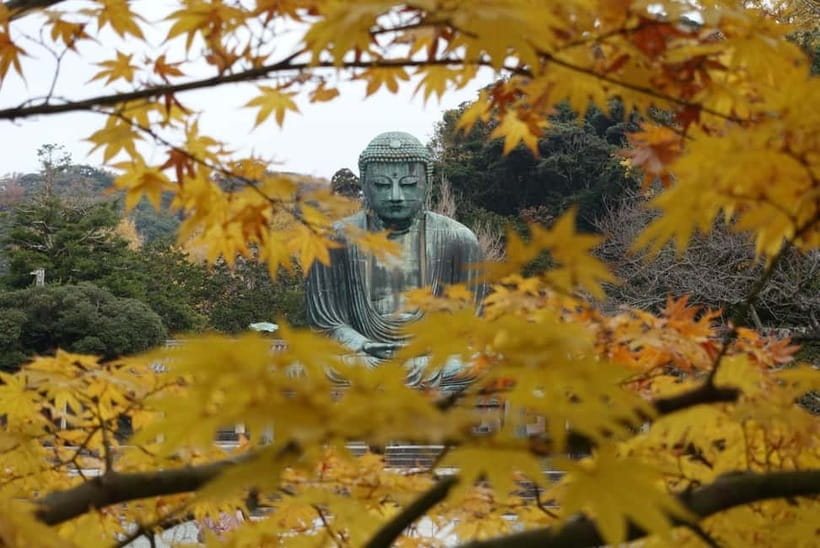
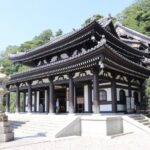
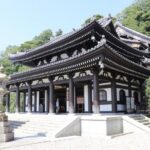
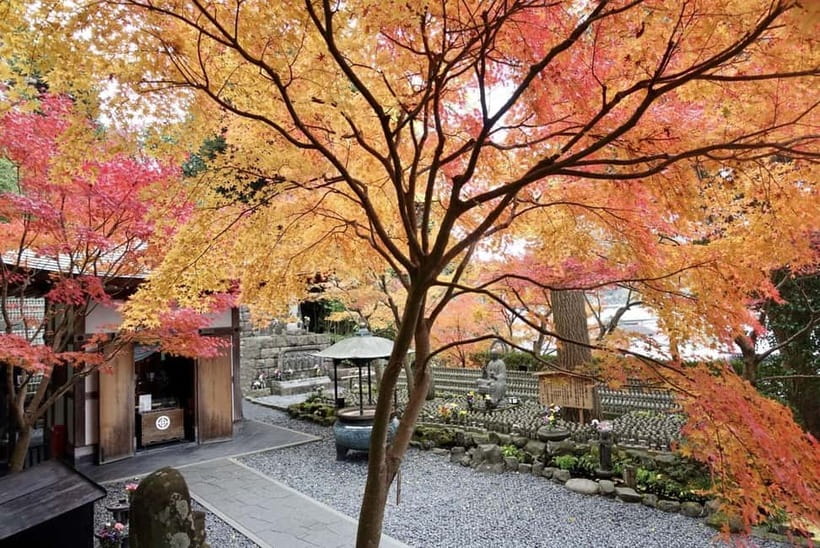
Hasedera is one of Kamakura’s oldest temples, founded in 736. The star attraction is the Eleven-Headed Kannon statue—9.18 meters tall—which gives the grounds a strong devotional center. If you like understanding how architecture and garden layout support religious life, this stop is satisfying.
What I really like about Hasedera is the way it shifts from solemn statue viewing to scenery and seasonal atmosphere. The temple grounds are known for seasonal flowers—cherry blossoms in spring, peonies, hydrangeas, and autumn leaves—so even on a non-peak day, the garden design still feels intentional.
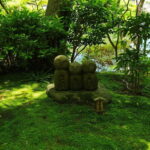
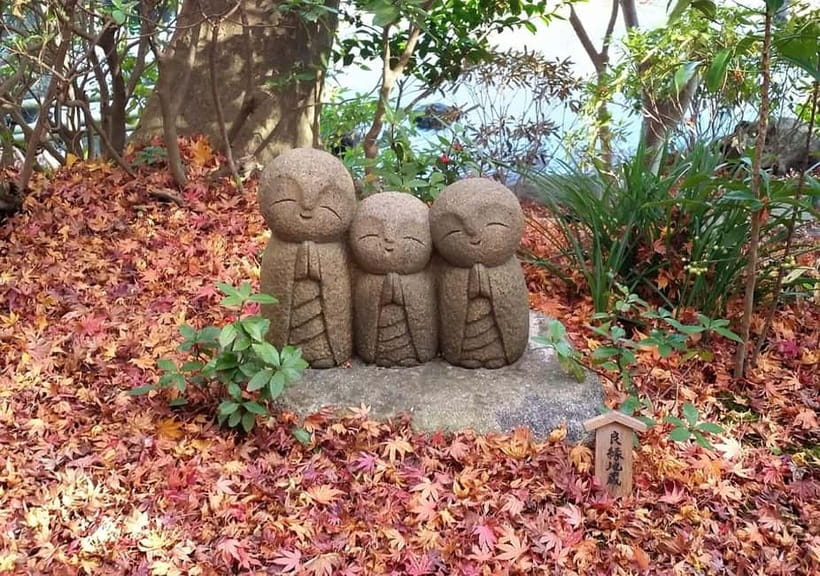
You’ll also spot Jizo statues throughout the area. They’re the kind of details that make a temple visit feel lived-in, not staged. And because Hasedera sits above the city, it naturally gives you city-and-bay views as you move around.
You can also read our reviews of more tours and experiences in Kamakura
Time reality check
You’ll have a limited window here (about 50 minutes). That’s enough to see the main highlights, but not enough to slow-walk every path. If you’re the type who wants to stop and read every plaque, you’ll want to treat this as a “see it first” visit and plan a return on a separate trip.
Kōtoku-in Great Buddha: The National Treasure You Can Enter
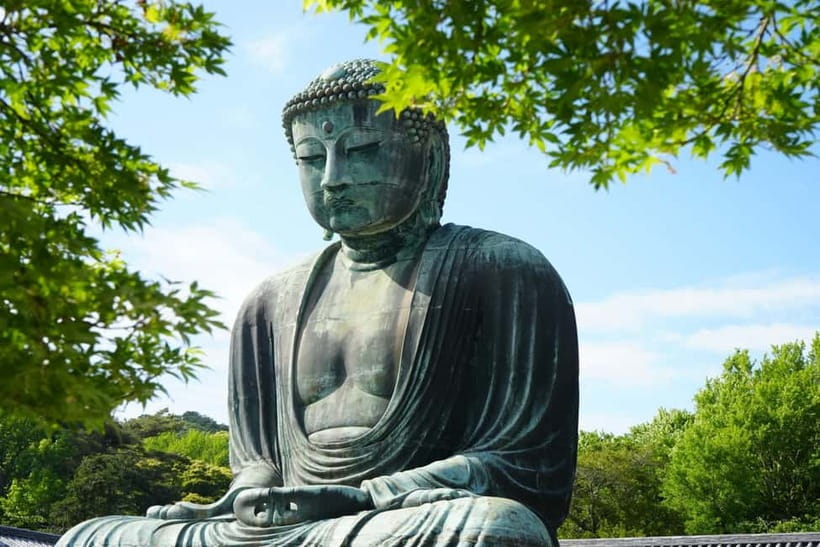
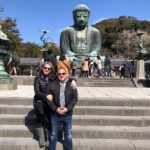
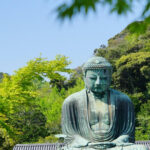
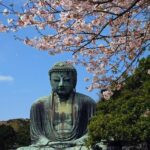
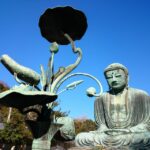
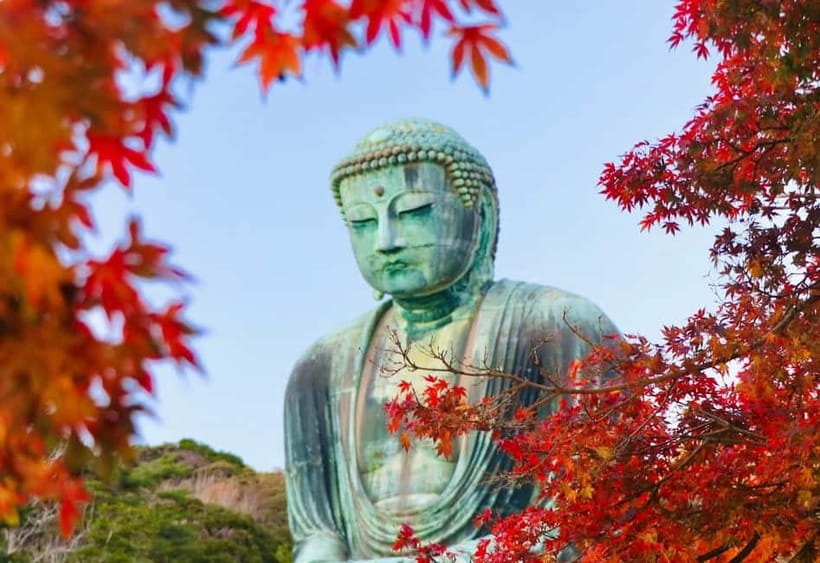
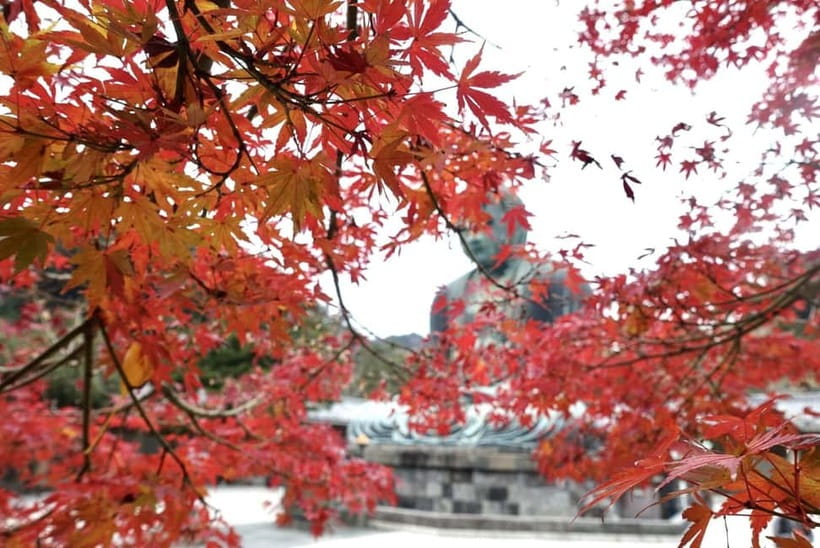
Kōtoku-in is where the tour becomes hard to fake. The Great Buddha of Kamakura is a bronze statue of Amida Buddha, about 13.3 meters tall and weighing around 121 tons. It’s designated a National Treasure, and the scale hits you the moment you step close.
This is also one of the rare “big statue” experiences where you can go inside. Being able to observe the internal structure changes it from a photo subject into a full-body experience of form and craftsmanship. You’re essentially standing in front of an object that seems impossible at human scale.
The surrounding temple area tends to feel calmer than the street-level shopping zones. That contrast matters. You can go from snack-and-souvenir energy to quiet, open space where the air feels different.
Photo tip
Take at least one close-up photo and one wider shot from farther back. Up close tells you about texture and presence. Wider framing helps you remember the actual size.
Enoshima Island Route: Shrine, Sea Candle, Caves, and Shopping Streets
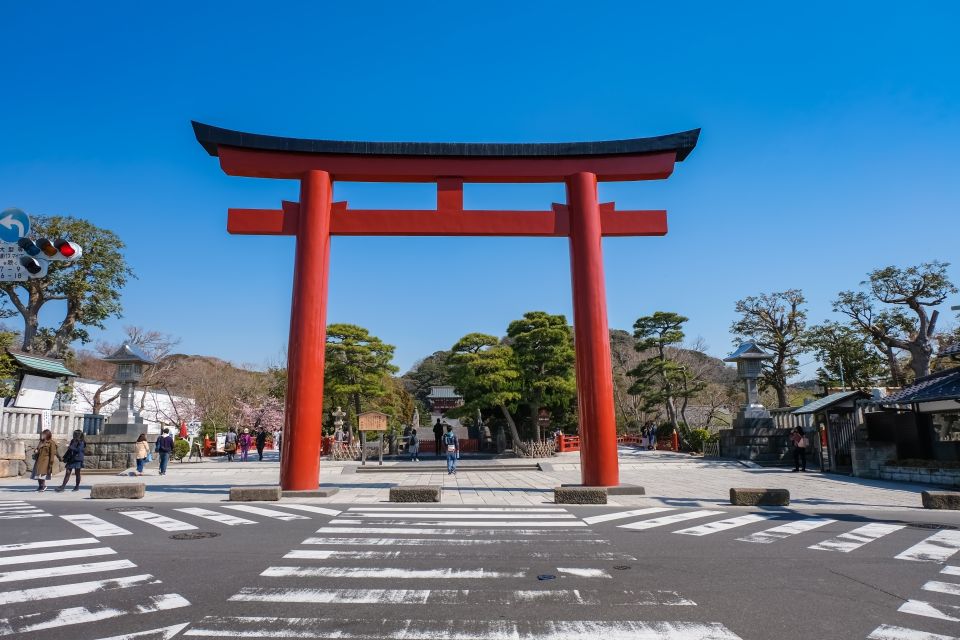
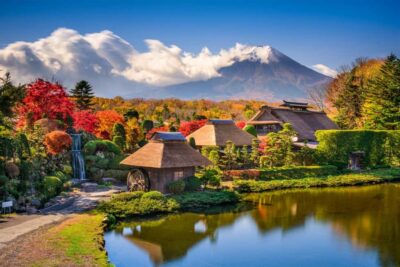
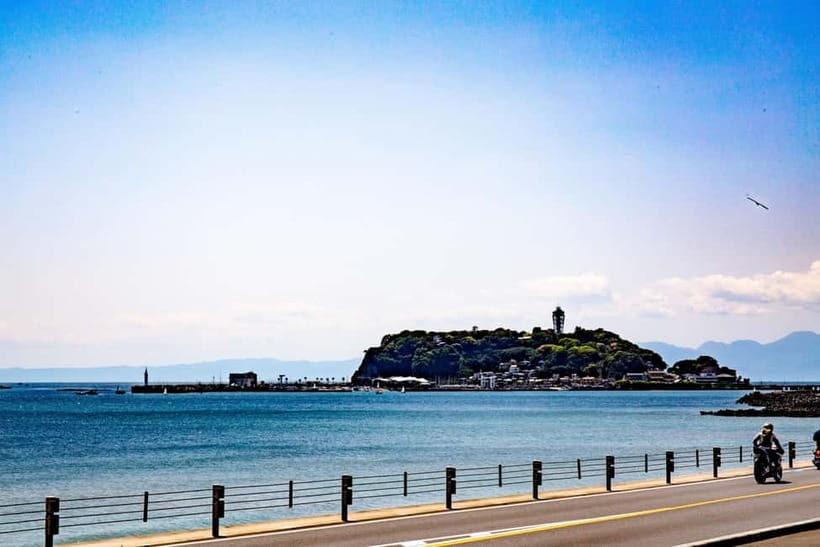
Enoshima is your payoff zone: a coastal island with a mix of religious spots, views, gardens, and walkable areas. On clear days, it can offer a view of Mt. Fuji from high points. If the sky is cooperative, this can be the moment that makes the whole day feel like more than just a checklist.
You’ll typically get about two hours on the island area, which is enough to hit several key points without feeling rushed through everything. The day’s flow is built around clusters of sights:
- Enoshima Shrine (about 1,000+ years old): a classic coastal sacred site that anchors the island.
- Enoshima Sea Candle (an observation tower): you go here when you want the best odds for big views.
- Iwaya Caves: historic caves where you’ll do a short walk and explore on foot.
- Samuel Cocking Garden: a pleasant walking garden that works well if you want a calmer pace.
After that, the route continues with Enoshima Benzaiten Shopping Street, where you can snack and browse without it feeling like a second Komachi Street. It’s a good place to pick up small souvenirs and keep energy up for the walk segments.
Cave-food advice that actually helps
If you plan to eat before the Iwaya Caves, grab something from a vendor rather than trying to sit down. It’s simply easier logistically when you’re on a timed route and you don’t want to lose your place.
Food Strategy: Shirasu, Seafood, Dumplings, and Timing Your Stops
This tour is built for eating opportunistically, and that’s a good thing. A day like this can turn into “only water for hours” if you’re not careful. The good news is you get multiple chances to eat without derailing the schedule.
Start simple at Komachi Street. Shirasu dishes are a very Kamakura move, and croquettes and dumplings are quick, portable options. You don’t need a long meal plan. You just need something satisfying enough to carry you through temple steps.
On Enoshima, food choices tend to skew toward coastal comfort. You’ll also have opportunities for street snacks and local bites near the shopping street areas, which means you can eat in smaller bursts and keep moving.
The snack sweet spot
Try to eat twice: once early-ish (Komachi Street) and once mid-to-late (Enoshima shopping areas). It prevents the late-day energy dip that happens when you’ve walked more than you expected.
Mt. Fuji on Enoshima: What You Can Control, What You Can’t
Mt. Fuji views depend on weather, and you can’t control that part. But you can control when you’re ready to look. The best chance usually comes from elevated spots like the Sea Candle observation area and other higher vantage points on Enoshima.
So here’s the smart approach: when you reach the view-focused stops, pause your scrolling, stand still for a minute, and check the horizon. Clear days can make Enoshima feel like a different planet compared to Tokyo’s usual backdrop.
If it’s hazy, don’t treat it as a loss. You still get the island walking, the shrine atmosphere, caves, and those sea-and-sky contrasts that make coastal Japan feel special even when the mountain isn’t visible.
Price and Value: Why $58 Can Work (or Not)
At about $58 per person for a 9-hour guided day, the value comes from three things:
1) You’re paying for organization. You get an air-conditioned vehicle, a live English/Chinese-speaking guide, and a route that ties together multiple sites without you doing map math all day.
2) Tickets are included for two key stops: Kamakura Hasedera and Kōtoku-in. That’s not just convenience; it reduces friction so you spend more time seeing.
3) You’re buying time. Doing this as a solo day trip can mean extra waiting, extra walking between stations, and more chances to waste time finding entrances and aligning schedules.
Where the “not perfect” angle comes in: you’re paying for highlights. If you want to spend hours inside gardens, museums, or at each religious site, you may wish you had more unstructured time. Even with free-time blocks, this is still a guided sampler.
Guides, Timing, and the Little Things That Make the Day Work
The guide experience is a major reason this tour performs well. Names like Eric, Mitsuko, Omar, Yuki, and Koji show up in strong-feedback patterns, and the common theme is clear explanations plus practical stop management.
I’d still make one assumption: you’ll get better value if you listen to the background stories while you’re walking. You don’t need to memorize dates, but knowing why Tsurugaoka Hachimangu matters makes the grounds feel less random.
Also, bring a little patience. The bus is affected by traffic, and some days can feel warmer in the vehicle at the start. That’s normal for a day trip, so I’d pack water and a light layer just in case.
Should You Book This Kamakura and Enoshima Tour?
Book it if you want a well-paced, ticket-included Kamakura and Enoshima day trip from Tokyo that covers the big names without stress. It’s especially good for first-timers who want to understand the religious and historical spine of Kamakura and then shift into coastal views at Enoshima.
Skip it or pair it with something else if you’re hoping for deep, slow temple immersion. This tour gives you highlights, not hours of wandering in every direction.
FAQ
Where are the meeting points for this tour?
You can meet at either Shinjuku Post Office or GLOBAL RING CAFÉ, depending on the option you book.
Where do you get dropped off at the end of the day?
The only drop-off location is the Shinjuku area.
What’s included in the price besides the guide?
The tour includes an air-conditioned vehicle, and it includes tickets for Kamakura Hasedera and Kōtoku-in Temple, plus an English/Chinese-speaking guide.
How long is the tour?
The duration is 9 hours (570 minutes).
What languages are available for the tour guide?
The guide is available in English and Chinese.
What is the cancellation policy?
You can cancel up to 24 hours in advance for a full refund.