REVIEW · KAMAKURA
Kamakura Private Tour: Temples, Nature, and the Great Buddha
Book on Viator →Operated by Trip Designer Inc. · Bookable on Viator
Kamakura feels like a hidden temple day. I love the quiet forest around Jochiji and the sheer scale of the Great Buddha at Kotoku-in. The one real heads-up is that this is a walk with uphill sections, including a mountain pass.
I also like that this tour is a private walking experience built around interpretation, not just checklists. Admission is included for key stops (Hasedera, Jochiji, and Kotoku-in), so you spend less time fussing and more time understanding what you’re seeing.
My only drawback, if you’re not used to walking, is simple: you’ll cover at least 5 km and you’ll want shoes made for uneven ground. Add in heat or rain and you may want more breaks than you planned—good news, the route is designed to be navigable with stops and pacing.
In This Review
- Key things that make this Kamakura tour worth your time
- Why Kamakura temples feel different when you walk the hills
- From Kita-Kamakura to Hase Station: the practical route
- Jochiji Temple: forest Zen with a shogunate backstory
- Hiking the Daibutsu Course: views, steps, and pacing
- Zeniarai Benten Ugafuku and Sasuke Inari: legends on the way
- Kotoku-in Great Buddha: the 13.35-meter reality check
- Hasedera Temple and Yuigahama: ocean views in every direction
- Pricing and what’s included in the $98.44
- Guide power: the difference between Yu, Teiko, Noriko, and others
- Who this private Kamakura walk is best for (and who should plan differently)
- Should you book this tour? quick decision
- FAQ
- How long is the Kamakura Private Tour?
- What does the tour price include?
- Is food included?
- Where does the tour start and end?
- How much walking should I expect?
- What fitness level do I need?
- Do I need to arrange transportation or tickets?
- Is hotel pickup available?
- What if my group is only one person?
- Can I cancel if the weather is bad?
- How flexible is the itinerary if we want more time?
Key things that make this Kamakura tour worth your time
- Temple tickets are handled for you at Jochiji, Hasedera, and Kotoku-in
- You’re walking, not just sightseeing—expect a mountain pass and 5+ km on foot
- You get the story behind the shrines (Zen, Shinto, and local legends) from an English guide
- The route mixes spiritual sites and nature with hiking-trail segments and ocean views
- You end at Hase Station so you’re not stuck figuring out the last leg
- Your group stays private (minimum 2 people per booking)
Why Kamakura temples feel different when you walk the hills
Kamakura isn’t just a place to drop by for photos. When you walk the older paths and hill routes, the shrines and temples feel like they grew out of the land, not like decorations placed for tourists.
The biggest reason I like this kind of route is that it changes your pace. You’re not bouncing between far-apart stops by hopping on and off trains all day. Instead, you move from forest quiet to mountain views to seaside outlooks, and the day’s mood shifts with the geography.
This tour is designed around that idea. You start in the north (Kita-Kamakura) and finish down near Hase and the coast. Along the way you hit a Zen temple, a hiking-course segment, shrines tied to legends, the Great Buddha, and then Hasedera with south-facing ocean views.
If you’re the type of traveler who wants the why behind the what, the guide’s commentary matters. Several guides on this program are specifically praised for explaining the meaning of places and local customs, which helps you notice details you’d otherwise pass right by.
You can also read our reviews of more private tours in Kamakura
From Kita-Kamakura to Hase Station: the practical route
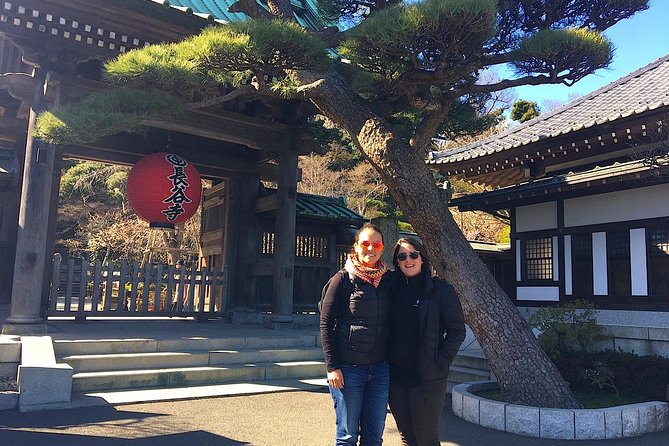
The day starts at Kita-Kamakura Station (meet near Yamanouchi, Kamakura). It ends at Hase Station, so you can plan your onward travel without guessing where the route finishes.
Because it’s a private tour, you move at your group’s speed. You still have a structured flow through the main sites, but you’re not trapped in a big group rhythm.
A couple practical notes that can save stress:
- You should plan for at least 5 km of walking, including a mountain pass. Wear shoes that handle hills and stone paths.
- Food and drink are not included, so bring a snack if you’re the type who gets hungry mid-hike.
- There’s no hotel pickup by default. If you want it, you add 8,000 yen per person.
- If you want extra time, the tour can be extended at 1,000 yen per person per half hour (paid in cash).
Jochiji Temple: forest Zen with a shogunate backstory
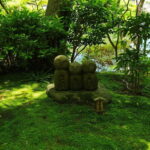
Your first major stop is Jochiji Temple, a Zen space tucked into forest. The setting is the point: you slow down almost automatically because the area feels sheltered and quiet.
This temple has a clear historical anchor too. It was built in 1281 by Hojo Tokoyori, a leader connected to the Kamakura Shogunate, to honor his son who died young. Even if you don’t memorize dates, having that human story makes the place feel less like a museum and more like living history.
You’ll have time to stroll through the grounds and take in the atmosphere. This is also a good moment to set your expectations for the whole day: the guide’s role here is to help you connect the dots between Zen practice, temple design, and the way Kamakura’s leaders shaped religion.
If you come in expecting a quick photo stop, you’ll enjoy it more if you treat Jochiji like the opening chapter—quiet, thoughtful, and a little bit cinematic.
Hiking the Daibutsu Course: views, steps, and pacing
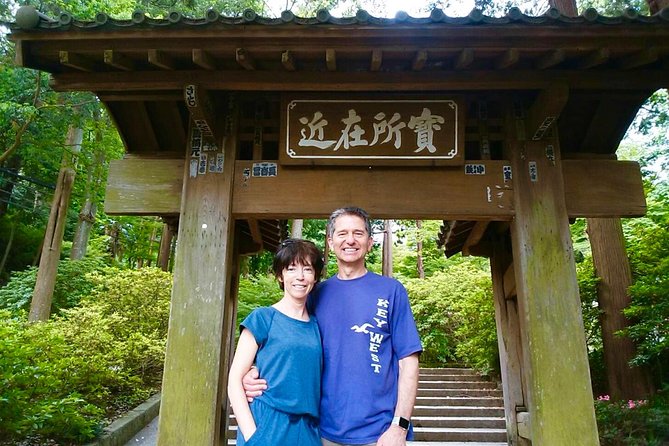
Between major religious stops, you get a hiking segment on Kamakura hiking trails around a pass. This part is what turns the tour from a temple circuit into a nature-and-spirit walk.
The key thing to understand is effort level. You’re on foot for at least 5 km, and the route includes uphill walking. In hot, humid weather the hike can feel harder than it sounds, so plan for breaks and water even though the tour doesn’t include drinks.
In cooler or drier conditions, the hiking stretch is one of the best parts. The trail passes through mountain scenery and opens up the kind of angles you don’t get when you only visit the big, flat viewpoints.
Also, don’t assume signs in English. That’s exactly where the guide earns their keep. You’re not just walking; you’re moving through a path system that may not be obvious on your own.
If you’re traveling with older legs or a knee that doesn’t love stairs, tell your guide early. A good guide can manage pacing or adjust how hard you push on the steep bits.
Zeniarai Benten Ugafuku and Sasuke Inari: legends on the way

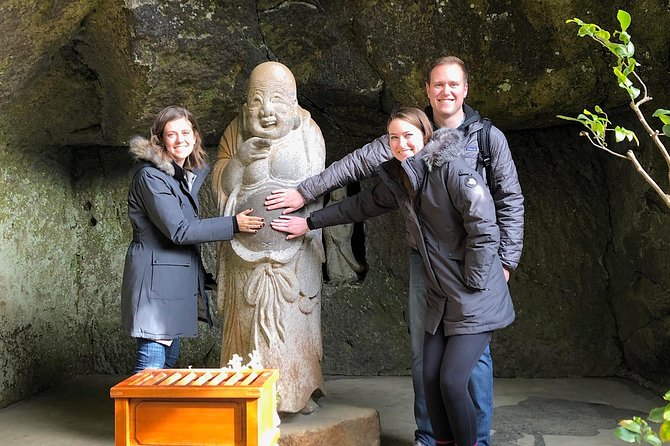
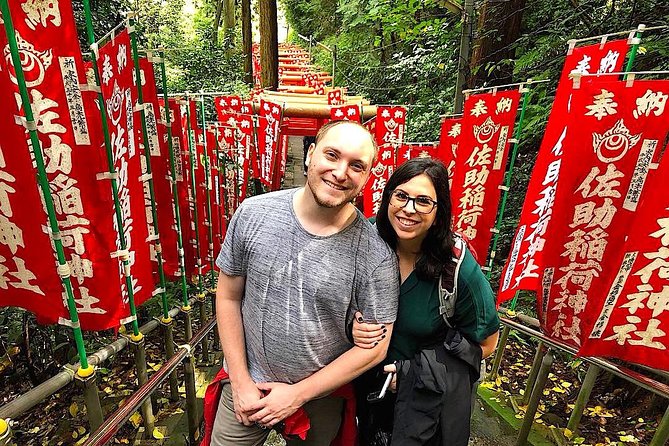
This section is where Kamakura gets a little strange—in a good way. You’ll walk along a mountain-course route through the hills and reach Zeniarai Benten Ugafuku Shrine, known for a dramatic, story-like feature: a mysterious hole in the hillside framed by a torii gate.
Your guide can explain what people believe this place is about, and why it’s meaningful enough that it’s remained a pilgrimage stop. Even if you’re not sure what every symbol means, the setting helps you feel why it earns attention.
Next comes Sasuke Inari Shrine, tied to a legend about Minamoto Yoritomo. The story goes that Yoritomo dreamed of a white fox (Inari) who advised him how to win a battle against his enemies. Legends like this are common across Japan, but Kamakura’s links to shogunate history give the tale a specific local flavor.
This is also a nice rhythm-break from big temple architecture. You get smaller spaces, more walking in between, and a sense that religion here is woven into everyday routes.
Kotoku-in Great Buddha: the 13.35-meter reality check
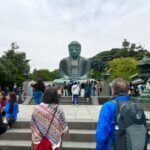
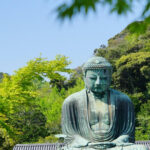
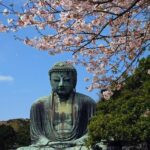
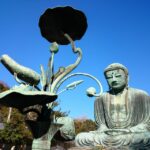
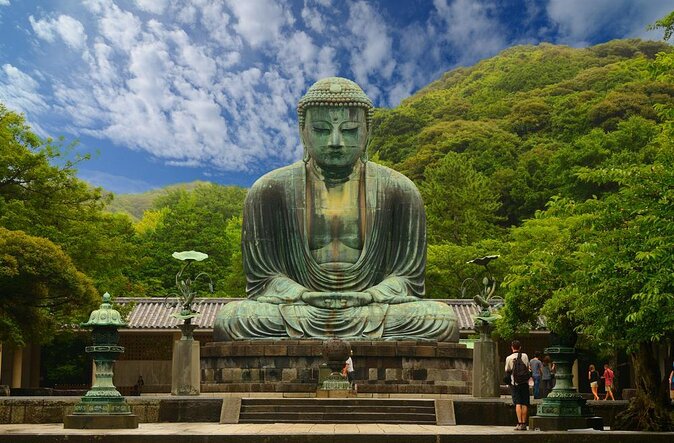
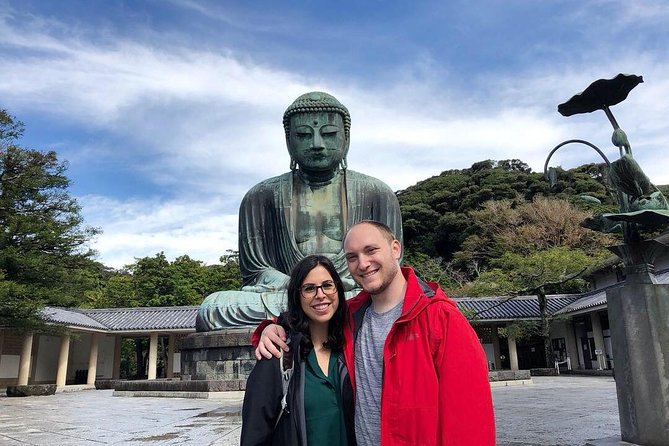
Then you hit the reason most people come: the Great Buddha of Kamakura at Kotoku-in.
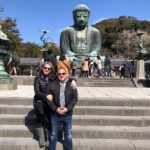
This statue is huge—13.35 meters tall and about 121 tonnes. The bronze statue configuration visible today dates to 1252, which means you’re looking at a form that’s been recognizable for centuries, even though materials and details have naturally changed over time.
What I like about this stop is the scale. When you see it in person, your brain switches from reading explanations to just absorbing size and presence. The guide’s job here is to help you understand the statue’s significance so it doesn’t become only a giant sightseeing object.
You’ll also get time to look around the grounds and settle into the atmosphere. It’s a good place to pause, take photos, and regroup for the last stretch up toward Hasedera and down toward the sea.
Hasedera Temple and Yuigahama: ocean views in every direction
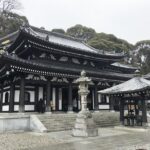
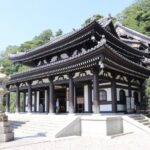
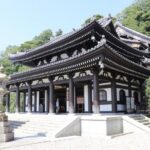
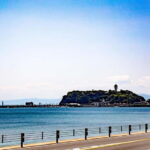
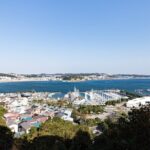
After the Great Buddha, the route climbs again to Hasedera Temple, located about halfway up Mount Kamakura. The altitude matters. You’ll be rewarded with views south over the ocean and across toward Yuigahama Beach.
This is one of those stops where the environment does a lot of the storytelling. Hasedera isn’t just a temple you walk into; it’s a viewpoint built around a coastal landscape.
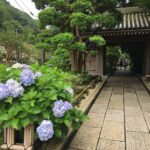
In early summer, you can also catch seasonal flower moments, and hydrangeas are specifically associated with the temple grounds. That’s a good reason to plan timing if you care about garden sights.
Then you end with a breather at Yuigahama Beach, which faces south. That orientation means you usually get the sun over the ocean from this side of the coast. If you travel in summer, there’s also an open-air market called Umi-no-ie, which can add a fun, local flavor to the finish.
This pairing—temple on a slope, then a seaside reset—is a smart way to end a hiking-heavy day. Your body cools down, your mind slows down, and the day lands with a calmer vibe.
Pricing and what’s included in the $98.44
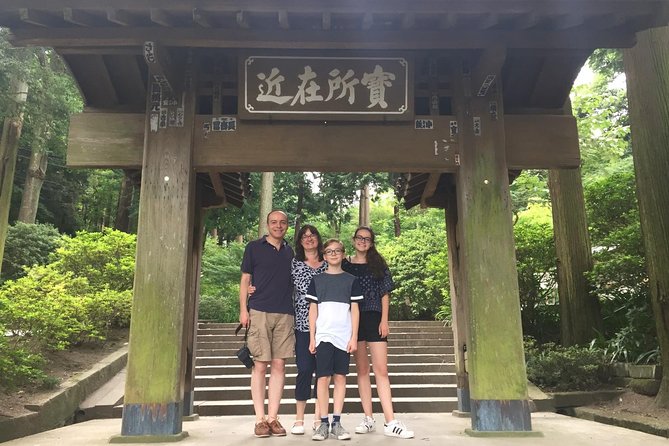
At $98.44 per person for about 5 hours, this is not cheap in the abstract. But it becomes good value fast when you look at what’s taken care of.
Admission fees included:
- Hasedera Temple
- Kotoku-in (Great Buddha of Kamakura)
- Jochiji Temple
That’s a meaningful chunk of your day that would otherwise require ticket lines, translation, and figuring out which tickets you actually need. Here, the guide handles the flow, and you get to focus on the sites instead of the paperwork.
You also pay for the experience structure:
- English-speaking guide
- All fees and taxes
- A private route for only your group
- A plan that mixes walking, viewpoints, and multiple spiritual sites
The tour does not include food and drink, and there’s no included private transportation or taxi hop unless you add hotel pickup (extra). So if you’re the type who needs a full meal built into the plan, you’ll want to budget for lunch separately.
Guide power: the difference between Yu, Teiko, Noriko, and others
This tour lives or dies by the guide, and the program’s guide team seems strong.
In the guide notes you provided, people repeatedly mention English skills, thoughtful explanations, and flexibility with weather or comfort needs. Names that come up often include Yu, Teiko, Yumi, Noriko, Naho, Yoko, and Takami. A coordinator role also shows up as Takeshi, plus an additional guide name Shijuko.
What those comments translate into for you, practically:
- You’re more likely to understand the difference between Zen temple mood and Shinto shrine traditions as you move through the route.
- Your guide can explain etiquette so you visit respectfully without guessing.
- If the day is miserable (heat, rain, slippery paths), a good guide helps you adapt so you still see the main highlights without turning the hike into a struggle.
So if you’re deciding based on value, don’t just compare price to another walking tour. Compare the type of day you want: photo stops versus meaning and context on the move.
Who this private Kamakura walk is best for (and who should plan differently)
This fits best if you want a half-day with real walking, real sites, and a guide to connect it all.
You’ll likely love it if:
- You’re visiting from Tokyo and want a Kamakura day that goes past the most obvious stops
- You like hiking trails and viewpoints, not only temple gates
- You care about religion and local legends and want them explained in plain English
You should think twice or plan carefully if:
- Your fitness level isn’t comfortable for uphill walking
- Rain and slippery ground make you nervous, or you’re traveling with someone who needs minimal stairs
The route demands moderate physical fitness. Even when the group pace is adjustable, the terrain is still terrain. Bring the right shoes and expect at least some effort.
Also remember: the itinerary assumes a weather-dependent outdoor day. If conditions are poor, you’ll be offered a different date or a full refund.
Should you book this tour? quick decision
Book it if you want Kamakura to feel like a place you walked through, not a list you checked off. The combination of Jochiji, Kotoku-in’s Great Buddha, and Hasedera’s ocean views is exactly the kind of pairing that’s hard to recreate on your own without time-wasting logistics.
Skip or switch if you want zero hiking, or if you’re traveling with limited mobility. This tour is built for walking, including a mountain pass. If you can handle that, it’s a strong way to spend a half day in one of Japan’s most atmospheric temple-and-coast settings.
FAQ
How long is the Kamakura Private Tour?
It runs for about 5 hours.
What does the tour price include?
Your price includes an English-speaking guide, all fees and taxes, and entrance fees for Hasedera Temple, Kotoku-in (Great Buddha), and Jochiji Temple.
Is food included?
No. Food and drink are not included.
Where does the tour start and end?
It starts at Kita-Kamakura Station and ends at Hase Station.
How much walking should I expect?
You will walk at least 5 km, including a mountain pass.
What fitness level do I need?
The tour is listed for travelers with a moderate physical fitness level.
Do I need to arrange transportation or tickets?
The tour is near public transportation, and you receive a mobile ticket. The included entrance fees are handled for the three main paid temples.
Is hotel pickup available?
Hotel pickup and drop-off are available for an extra fee of 8,000 yen per person.
What if my group is only one person?
There’s a minimum of 2 people per booking, so you may need to join with another traveler or group.
Can I cancel if the weather is bad?
Yes. The experience requires good weather. If it’s canceled due to poor weather, you’ll be offered a different date or a full refund.
How flexible is the itinerary if we want more time?
You can extend the tour at 1,000 yen per person per half hour, paid in cash.