REVIEW · TOKYO
Mt Fuji : Private 10-Hour Luxury Tour by Exclusive Car
Book on GetYourGuide →Operated by Monkey Adventure Kart · Bookable on GetYourGuide
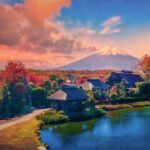
Fuji looks different when you’re not rushed. On this private luxury day trip, you get comfortable door-to-door transport plus planned photo and sightseeing stops around the Fuji Five Lakes area.
I like the premium Toyota Alphard setup: air-conditioning, bottled water, and a smooth ride while you’re doing the long Tokyo-to-Fuji drive. I also like that the itinerary is built around big-view moments like Lake Kawaguchiko and the Chureito Pagoda area, where the scenery is the whole point of the day.
The main thing to consider is also the hardest part: on foggy days, you may not see Mt. Fuji at all, so bring realistic expectations and dress for cold, changeable weather.
In This Review
- Key moments that matter on this Mt. Fuji luxury route
- Why a private Alphard day trip makes Fuji feel doable
- Pickup and the 10-hour clock: how to plan your day right
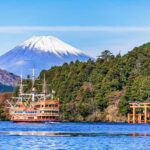
- Lake Kawaguchiko: where Fuji often looks most photogenic
- Chureito Pagoda: the classic angle (and the reason it’s famous)
- Shiraito Falls: a calm break from pure photo stops
- Fuji Safari Park: an optional detour with a lot of energy
- Mt. Fuji photo and sunset timing: your best chance depends on the sky
- Driver communication: comfort is high, language can vary
- Price and value: what $529 per group buys you
- What you should bring (and why it changes everything)
- Who this Mt. Fuji luxury tour suits best
- Should you book this Mt. Fuji luxury tour?
- FAQ
- What is the duration of the Mt. Fuji private luxury tour?
- How much does the tour cost, and how many people can fit in the group?
- Where are pickup and drop-off locations?
- What car is used for the tour?
- Are admission tickets included?
- Is lunch included?
- What languages does the driver speak?
- What is the cancellation policy?
Key moments that matter on this Mt. Fuji luxury route
- Private car comfort: Hotel pickup and drop-off, timed to keep your day calm instead of crowded.
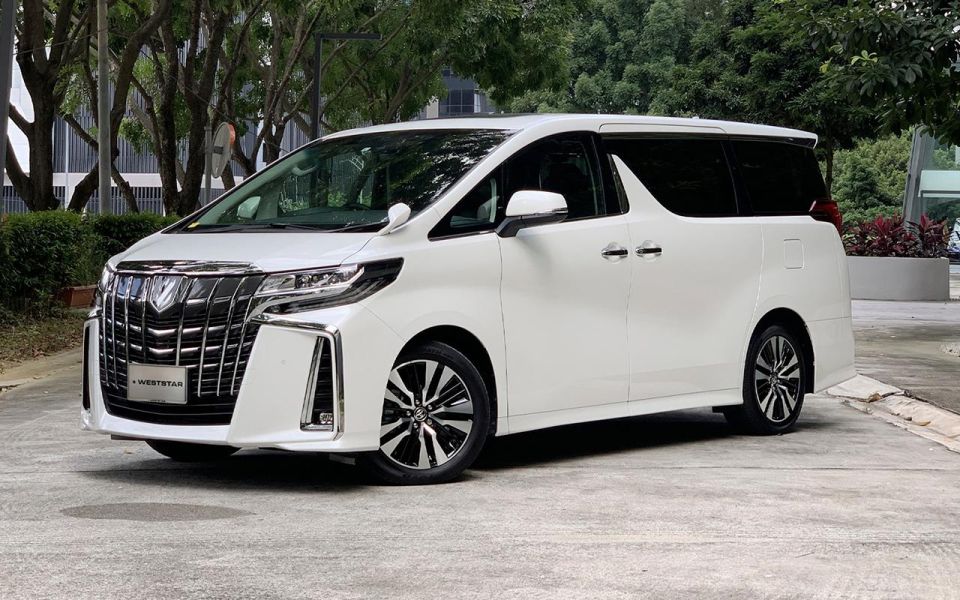
- Toyota Alphard ride quality: Spacious, air-conditioned, and built for a relaxed pace for up to six.
- Lake Kawaguchiko views: One of the best places for Fuji photo framing and lakeside wandering.
- Chureito Pagoda viewpoint: That classic pagoda-with-Fuji angle that many people plan their whole day around.
- Shiraito Falls option: A nature break with waterfall views over volcanic rock.
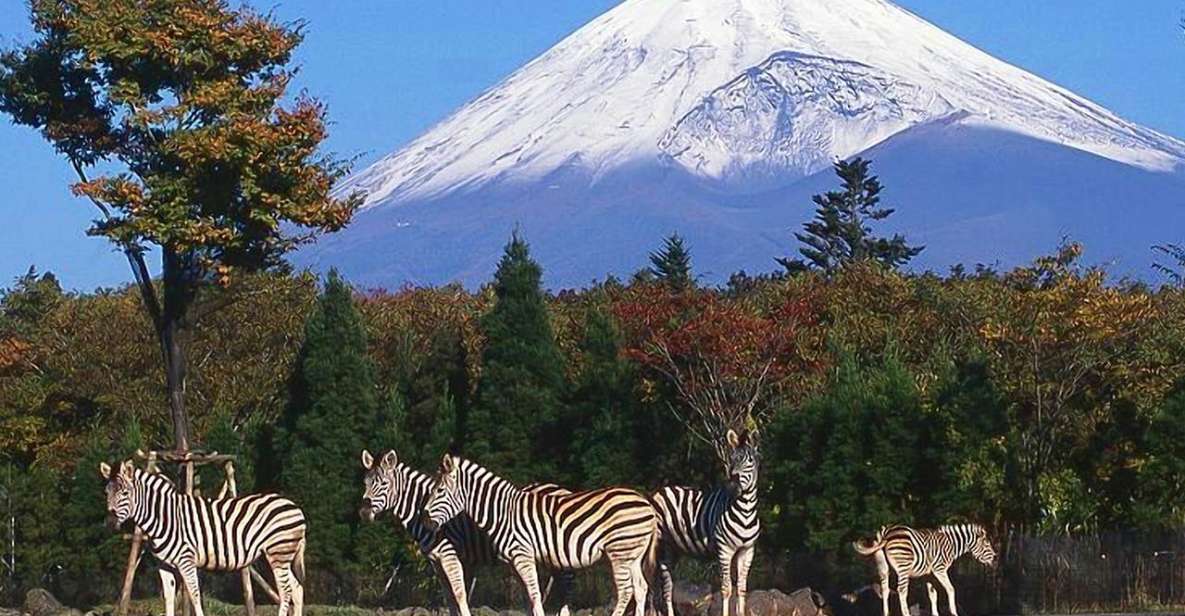
- Fuji Safari Park option: A different style of stop (animal encounters with a Fuji backdrop).
Why a private Alphard day trip makes Fuji feel doable
A Mt. Fuji day trip can be a test of patience if you’re juggling buses, trains, transfers, and walking with your phone already at 10% battery. What you’re buying here is simpler: a professional driver and a private luxury car, so you can focus on the views, not the logistics.
The Toyota Alphard matters more than you might think. This is the kind of vehicle you’ll appreciate when the day starts early, ends late-ish, and includes a few scenic pull-offs where you might spend time standing outside for photos. You’ll also appreciate the basics that make comfort real—air-conditioning for the ride and bottled water so you don’t have to solve that mid-drive.
The other big “value” piece is control. This tour is built for small parties (up to six), and you can tailor stops to your interests. If you want waterfalls over pagodas, or you’d rather see the Fuji Five Lakes first and then slow down, you’re not locked into one fixed rhythm.
You can also read our reviews of more private tours in Tokyo
Pickup and the 10-hour clock: how to plan your day right
The tour runs for 10 hours, with hotel pickup and drop-off in Tokyo (Tokyo 23 wards). You’ll want to be ready in the lobby about 10 minutes before your scheduled pickup time. That small detail makes the day smoother, because once you’re on the road, you’re on Japan time—everyone moves with purpose.
A long drive also means you’ll want a bit of strategy:
- Wear layers. Even in warmer months, Fuji areas can feel colder, especially near viewpoints.
- Bring warm clothing plus a towel and sports shoes if you plan to walk around lakeside areas, viewpoints, or waterfall paths.
- Keep your expectations flexible about photo timing. With Mt. Fuji, the sky is the boss, not the timetable.
Also, note what isn’t included: lunch and admission tickets are not part of the package. That’s a budgeting point you should plan for ahead of time. If you’re the type who likes to eat once the day settles, build that into your timing with your driver rather than assuming everything is handled.
Lake Kawaguchiko: where Fuji often looks most photogenic
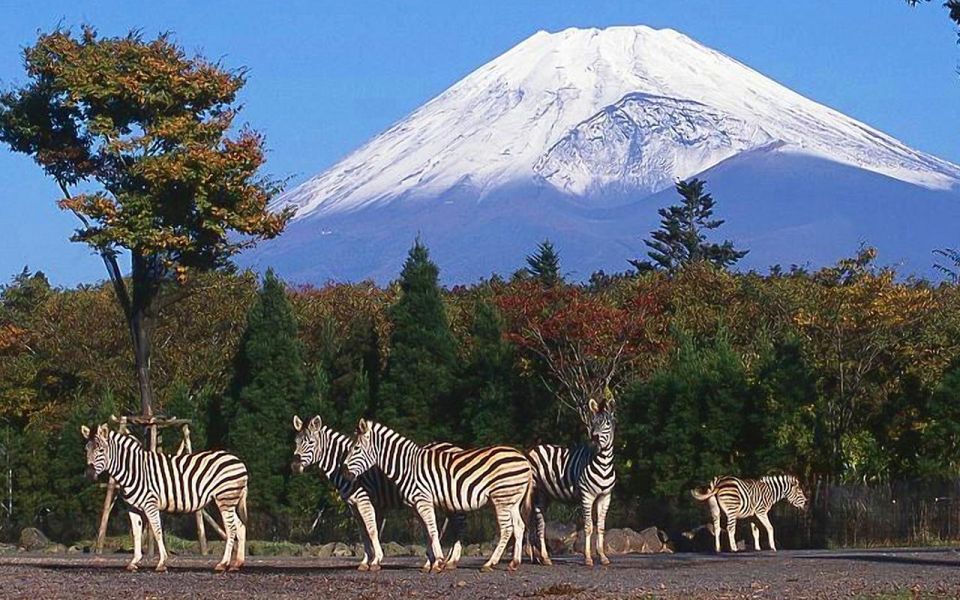
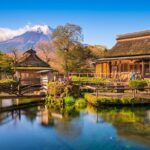
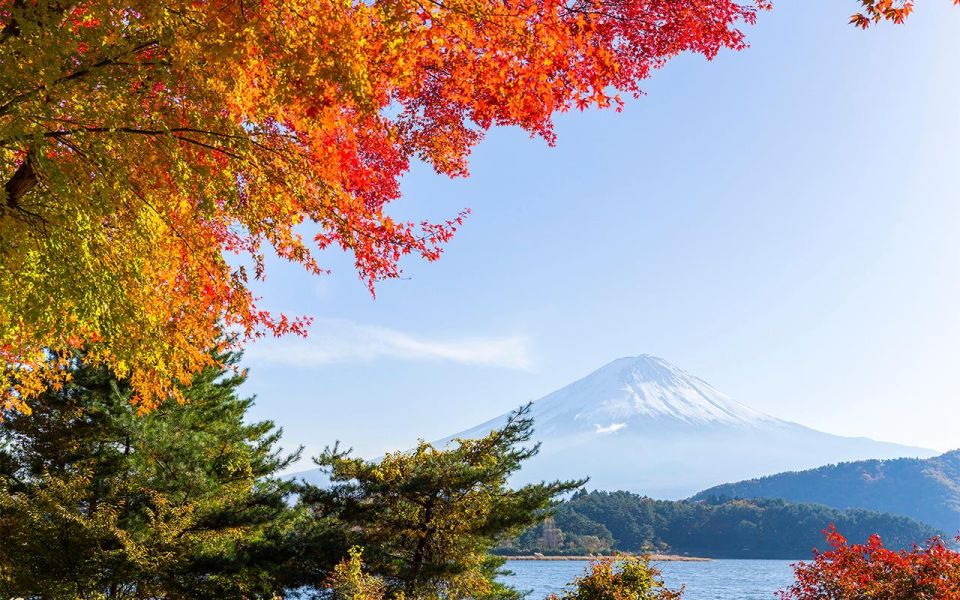
Lake Kawaguchiko is the second largest of the Fuji Five Lakes, and it’s one of the best places to start if you want wide, clear views of the mountain. This area is popular because the scenery gives you multiple ways to frame Fuji—through viewpoints, shoreline angles, and calm lakeside walking.
What you’ll enjoy most here is the mix of photo opportunities and low-pressure time. You’re not just snapping one shot and rushing away. You can slow down, take a few tries as the light shifts, and enjoy the lakeside atmosphere for a bit.
One practical tip: if the weather is even slightly uncertain, give yourself a window where you can wait 20–30 minutes. Fuji visibility can change quickly. If the cloud deck moves, you’ll be glad you didn’t treat the stop like a quick photo drive-by.
And because this is a private tour, you can ask the driver to position you for what you want most—classic wide views versus something more intimate—without having to herd anyone through a fixed group schedule.
Chureito Pagoda: the classic angle (and the reason it’s famous)
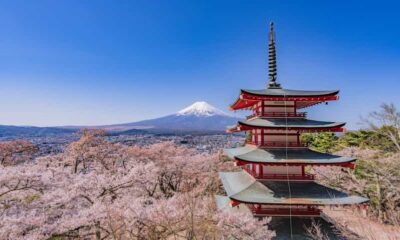
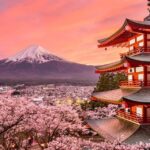
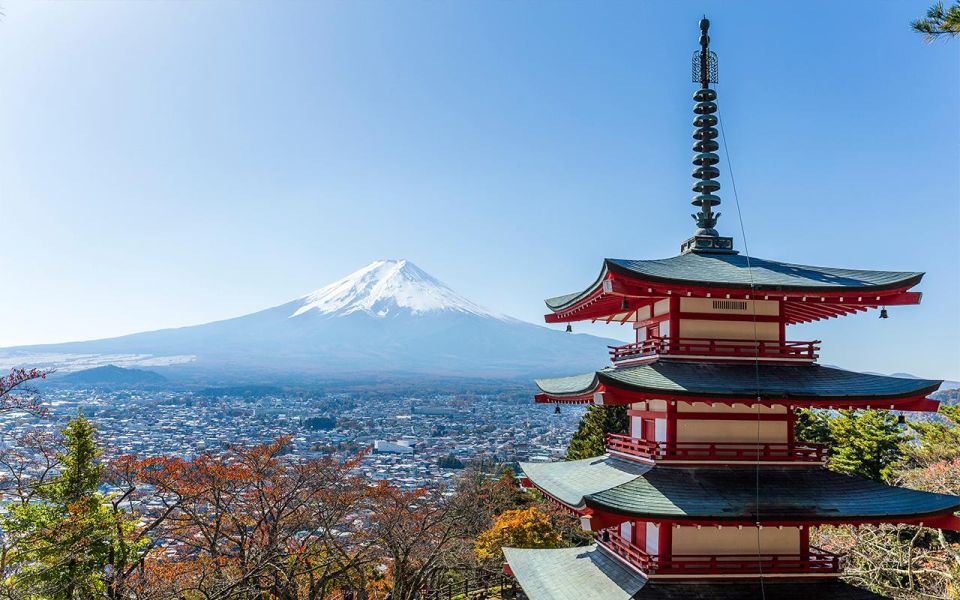
Chureito Pagoda Shrine is a five-storied pagoda on a hillside overlooking Fujiyoshida City, and it’s one of Japan’s most photographed compositions for a reason. The pagoda sits in a place where Fuji can frame the whole scene, and when the mountain is visible, the result looks “too perfect” to be real.
Here’s what makes this stop work for a luxury private day trip: you’re not forced to stand in one exact spot for one exact time. The driver can help you arrive when you want the light, and you can take your time experimenting with angles.
You should also know the tradeoff. If visibility is poor (fog or low cloud), the pagoda may still be pretty, but the payoff is smaller. This is one reason I recommend packing for the possibility that the sky won’t cooperate. Warm layers and comfort matter when you’re standing on a hillside waiting for the view to improve.
Shiraito Falls: a calm break from pure photo stops
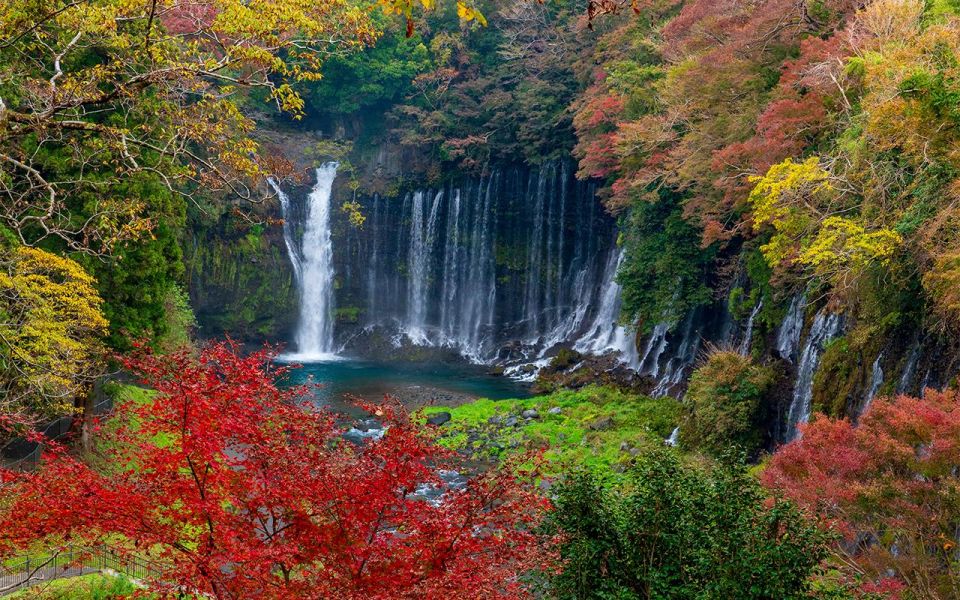
Shiraito Falls is known for its delicate streams flowing over volcanic rock. In plain terms: it’s a softer-looking waterfall scene than some of the bigger, more dramatic falls you might picture. The sound and movement can feel soothing, and the setting gives you a different type of photos than the Fuji-and-pagoda shots.
This stop is also a good pacing tool. If your plan is heavy on viewing points, a waterfall break resets your eyes. It adds variety to the day, and it gives you something interesting even if you’re having a rough visibility day with Mt. Fuji.
One practical note: waterfalls can mean damp air and slippery spots. That’s exactly why sports shoes are listed as a bring item. Even if you don’t do a long walk, you’ll be happier moving with secure footing.
You can also read our reviews of more tours and experiences in Tokyo



Fuji Safari Park: an optional detour with a lot of energy
If you want something beyond viewpoints, the optional Fuji Safari Park stop can add a memorable contrast to the day. The idea here is to see wildlife up close while enjoying views of the Fuji surroundings.
This is where you need to think like a planner. Wildlife encounters typically mean more motion and more time spent paying attention. If you’re traveling with older folks or you don’t want a more active stop, you might choose to skip it. If you love animals and don’t mind a louder, more energetic break, it can be a highlight.
Also consider costs: admission tickets are not included. Safari Park may also affect how long you spend at the other Fuji photo locations, because it takes time inside the 10-hour window. This is a good example of why the tour being customizable helps—your day can match your energy level.
Mt. Fuji photo and sunset timing: your best chance depends on the sky
Your day includes a dedicated Mt. Fuji segment with photo stop time and viewpoint sightseeing, and you may even plan around a sunset moment. This is the part you’ll care about most, so treat it like the centerpiece.
Here’s the truth you should plan for: even with the best timing, weather can block the view. A foggy day can turn Fuji into a rumor. That’s not something the car or driver can fix. What you can do is set yourself up to get the most chances:
- Build flexibility into how long you stay at view points.
- Don’t pack only light clothing. Visibility waits can mean cold air.
- Keep your camera ready and your phone charged, but also be okay with changing plans.
If you do get clear skies, the payoff is huge. The Fuji Five Lakes area plus the Chureito Pagoda angle is the kind of combination that makes people plan an entire trip just to see it once. You’ll understand why the shots are so repeatable when you experience it in person.
Driver communication: comfort is high, language can vary
The driver is listed as English and Japanese, and you’ll have a professional working with you all day. That said, the driver’s English level can vary in practice. I’ve come across situations where a driver was genuinely helpful but relied on basic English, using a mix of simple words to communicate the plan.
So here’s my practical advice: come with a short list of what you want most, and be ready to point or rephrase. Simple targets work best:
- Photo-first at Kawaguchiko
- Pagoda viewpoint time
- Waterfall stop if timing allows
- Safari Park only if visibility is okay
That approach turns language limitations into a non-issue.
Price and value: what $529 per group buys you
This tour costs $529 per group up to six, which works out to roughly $88 per person if you truly use the full group size. For a private luxury car with hotel pickup and drop-off plus tolls and fuel included, that can be good value—especially if you’re traveling with family or friends and you’d otherwise have to pay separately for taxis and guided logistics.
But it’s also not a bargain deal if you’re just one person. The price is group-based, and you’re paying for privacy and comfort first, not for a long list of included admissions or meals.
To judge value well, think about what you hate most on day trips:
- If you hate crowds and want a calm plan, this fits.
- If you want deep on-site guiding with lots of history, this may not feel like the right format because the tour experience is primarily built around the driving and stops rather than museum-style narration.
- If you care most about Mt. Fuji photos, your value depends heavily on visibility that day.
That balance is why the overall rating sits at 3.8 out of 13. When Fuji shows itself, people tend to feel great about the day. When it doesn’t, expectations take a hit.
What you should bring (and why it changes everything)
The tour explicitly calls for warm clothing, a towel, and sports shoes. I agree with all three for one simple reason: Fuji-area sightseeing often means small walks, standing outside, and quick shifts in temperature.
Add these practical items if you have them:
- Windproof layer for hillside viewpoints and open-air photo stops
- A small snack for between stops since lunch isn’t included
- A power bank for photo-heavy days
Small comfort tools can make a big difference when you’re waiting for light, and waiting is part of the Fuji game.
Who this Mt. Fuji luxury tour suits best
This private luxury tour is a strong fit if you:
- Want a relaxed, personalized pace in a premium car
- Travel as a couple, family, or small group (up to six)
- Prefer door-to-door pickup and fewer transportation hassles
- Care about photo-ready stops like Chureito Pagoda and Lake Kawaguchiko
It may not be the best match if you:
- Are traveling solo and don’t plan to share the group cost
- Expect admission tickets and meals to be fully handled
- Get disappointed easily by weather-driven viewpoint changes
Should you book this Mt. Fuji luxury tour?
Book it if you’re paying for comfort, privacy, and a driver who can take you to the key photo and scenic areas at a pace that feels human. The Toyota Alphard experience plus hotel pickup/drop-off makes the day easier, and the stop choices around the Fuji Five Lakes area are exactly where you’d want to be when the mountain is visible.
Skip it (or at least manage expectations) if your schedule is extremely rigid and you can’t handle the possibility of fog or low visibility. With Mt. Fuji, the sky can steal the show. If that happens, you may still enjoy the pagoda, falls, and optional safari stop, but you’ll feel the tradeoff more strongly when Fuji isn’t on display.
FAQ
What is the duration of the Mt. Fuji private luxury tour?
The tour runs for 10 hours.
How much does the tour cost, and how many people can fit in the group?
It costs $529 per group, up to six guests.
Where are pickup and drop-off locations?
Pickup and drop-off are available in the Tokyo 23 wards area in Tokyo.
What car is used for the tour?
You’ll ride in a premium Toyota Alphard with a professional driver.
Are admission tickets included?
No. Admission tickets are not included.
Is lunch included?
No. Lunch and brunch are not included.
What languages does the driver speak?
The driver speaks English and Japanese.
What is the cancellation policy?
Free cancellation is available up to 24 hours in advance for a full refund.