REVIEW · KAMAKURA
Kamakura: A Journey Through Medieval Japan
Book on GetYourGuide →Operated by Temples and Trails Tours Japan · Bookable on GetYourGuide
Kamakura feels like a time machine. This guided walk strings together Engaku-ji’s Zen atmosphere, Kōtoku-in’s massive Buddha, and the samurai-era power story behind Kamakura’s shrines—then caps it with a trip to Enoshima for sea air and temple views. I especially love how John turns history into a story you can follow, and how the route balances big landmarks with calm temple moments. The main catch: it’s still a walking tour, and it’s not a good fit if you need wheelchair-level accessibility.
You’ll get a good dose of the city in 4 to 8 hours without feeling like you’re grinding. Even though you walk, the pace stays manageable with public transport hops and places to sit along the way. I also like that you can tailor things with private options, rather than being forced into one rigid script.
One more practical note: the tour price starts low, but you should budget extra for temple entry, local transport, and lunch. Think of the base fee as paying for a guide who helps you see the meaning, not just the postcard.
In This Review
- Key things you’ll notice on this Kamakura tour
- Why Kamakura Works So Well for a Tokyo Day Trip
- Starting at Kita-Kamakura Station: How the Route Stays Comfortable
- Engaku-ji Temple: Zen That Explains Japan’s Politics and Art
- Tokei-ji and the Women’s Pilgrimage Spot You Might Not Expect
- Shojin-ryori Lunch: Vegetarian Buddhist Food with Real Daily Meaning
- Tsurugaoka Hachimangu: Where Kamakura-Period Power Shows Up in Stone
- Kōtoku-in and the Great Buddha: The Scale Hits Fast
- Enoshima: Holy Island Energy with Coastal Vibes
- Price and Extra Costs: Is It Worth $35?
- Who Should Book This Kamakura Tour (and Who Should Skip It)
- Should You Book This Kamakura Journey?
- FAQ
- Where do I meet the guide?
- How long is the tour?
- What are the main stops on the standard route?
- Is lunch included?
- Is the tour vegetarian or vegan-friendly?
- Are entry fees and transport included in the price?
- Is this tour good for people who want a low-effort day?
- Is it available in English?
- Does the tour have private or small-group options?
- Is this tour suitable for wheelchair users or mobility impairments?
Key things you’ll notice on this Kamakura tour
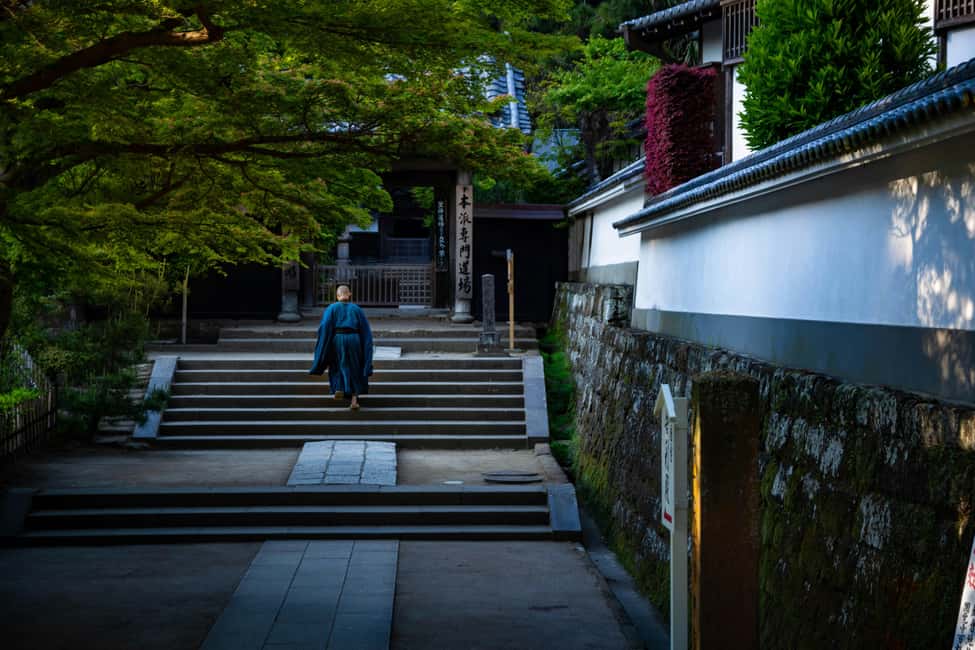
- John’s story-led guiding that connects Zen, politics, and daily life
- Engaku-ji as a top Zen temple stop (not a quick photo stop)
- Tsurugaoka Hachimangu as the heart of Kamakura-period prestige
- The Great Buddha at Kōtoku-in—big in a way your brain has to recalibrate
- Shojin-ryori lunch options that keep the meal grounded in Buddhist practice
- Enoshima for a holy island vibe mixed with seaside fun
Why Kamakura Works So Well for a Tokyo Day Trip
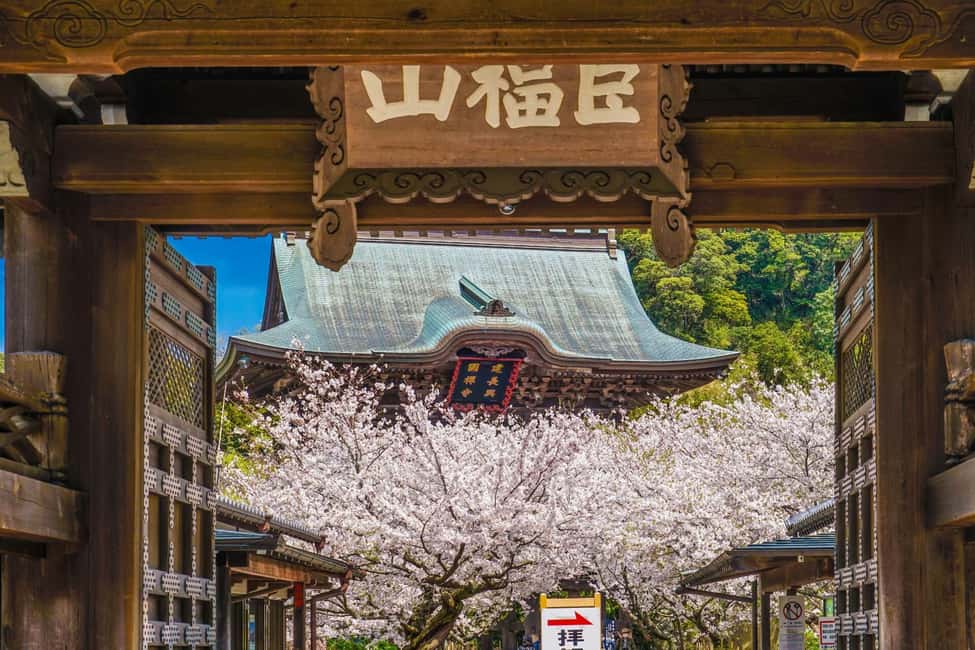
Kamakura is one of those places where “ancient Japan” doesn’t feel like a museum. You get temples and shrines, yes—but you also get the sense that this town helped shape Japan’s direction long before Tokyo became the center of gravity.
The tour is built around that idea. You start with Zen’s influence, then you swing into the samurai-and-shrine world where rulers liked to borrow spiritual authority. After that, you get the visual shock of the Great Buddha and the softer, coastal mood of Enoshima. It’s a full mood range for a half-day plan.
If you’re coming from Tokyo, this is also smart value. You’re paying for guidance that helps you connect dots across several sites. Without that, you can end up doing “temple bingo,” where you see a lot but remember little.
You can also read our reviews of more tours and experiences in Kamakura.
Starting at Kita-Kamakura Station: How the Route Stays Comfortable
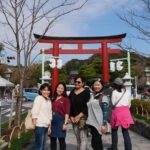
Meet outside the East Exit of Kita-Kamakura Station, and you’ll be set up for an efficient flow. The stops are spaced so you’re not stuck trudging the whole day in one straight line. You’ll use public transport between areas, including a bus/coach segment and a train ride later on.
This matters more than it sounds. Kamakura can be walkable, but it can also be tiring when you add stairs, crowd flow, and summer heat. The tour keeps you moving, but not in a “march all day” way. There are places to sit during the journey, which helps if you want to enjoy the details rather than just survive the route.
If you choose the private tour option, you have more flexibility to adjust the itinerary to your pace and interests. That can be great if you want more time at one place, or you’re traveling with people who prefer fewer crossings and more lingering.
Engaku-ji Temple: Zen That Explains Japan’s Politics and Art
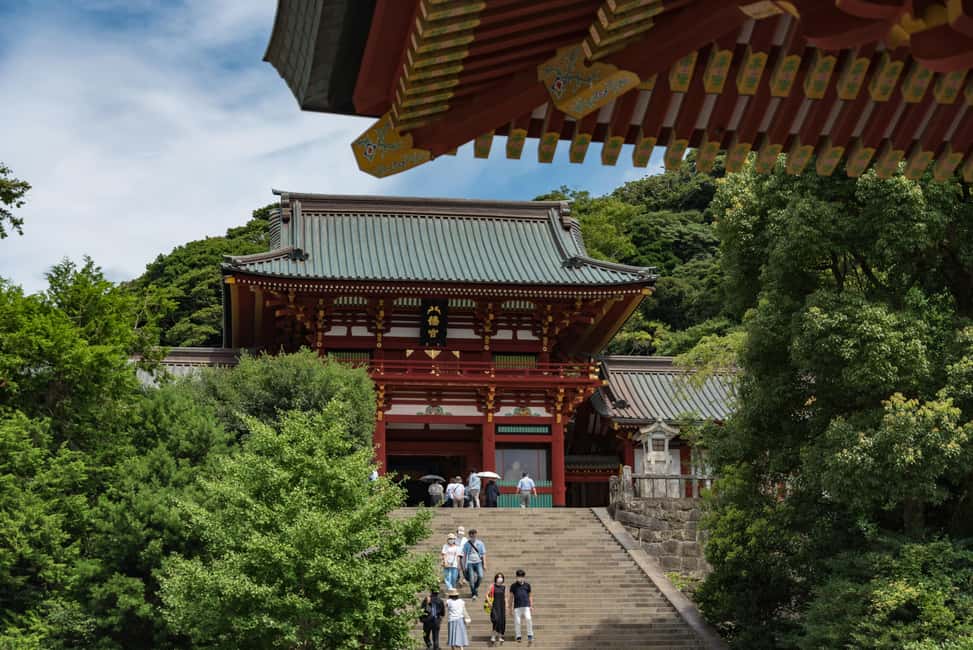
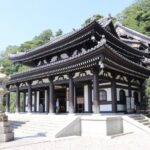
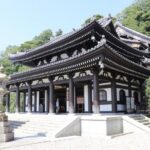
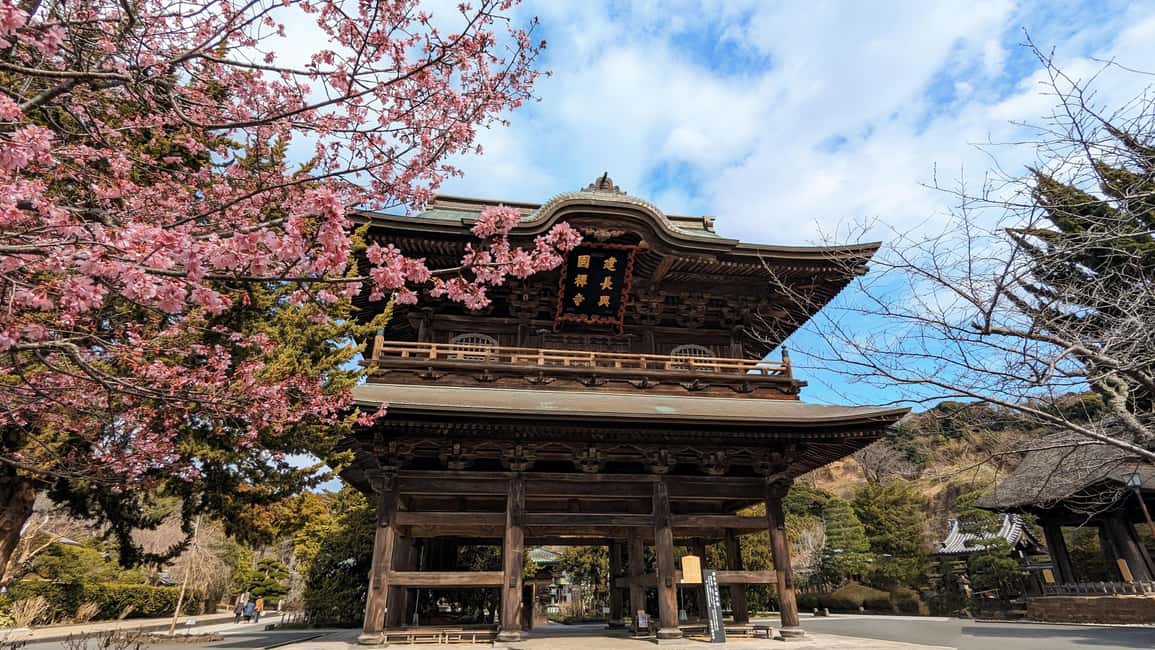
Engaku-ji is where the tour earns its name. This isn’t treated like a quick stop at the gate. You’ll spend about an hour here with guidance that connects Zen Buddhism to Japanese public life—how it influenced politics, art, and religious practice.
What I like about this approach is how it changes your eyes. You’re not just looking at architecture and statues. You’re learning why Zen mattered to people in power, and why it left a mark on the way Japan expressed spirituality through culture. That makes later stops make more sense, especially when the tour shifts toward Kamakura’s political and shrine identity.
Engaku-ji also sets a tone. The tempo slows down naturally in a temple space like this. Even if you’re the kind of person who usually rushes for photos, you’ll end up noticing the quieter textures—courtyard rhythm, the feel of the grounds, and the lived-in calm that temples have when they’re not just acting as attractions.
Heads-up: this part works best if you can stand and walk through temple areas for about an hour. It’s guided, but you still need your own mobility to move with the group.
Tokei-ji and the Women’s Pilgrimage Spot You Might Not Expect
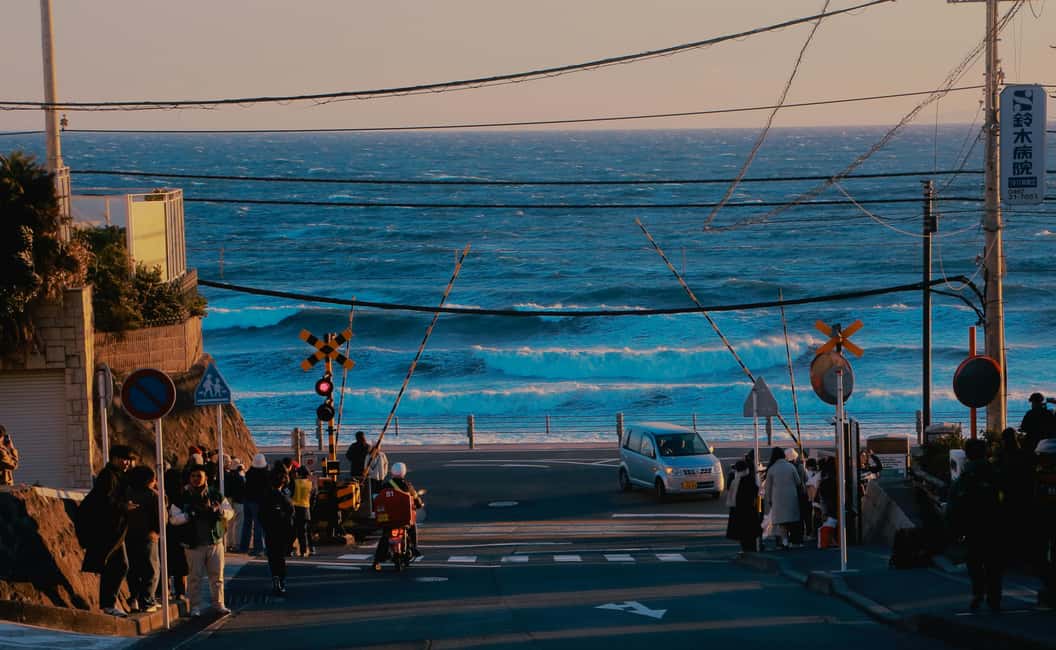
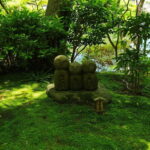
After Engaku-ji, the tour makes a short stop at Tokei-ji. It’s only about 15 minutes on the standard route, but it’s a meaningful contrast in the story of Buddhism in Japan.
You’ll learn that it was a former nunnery and that it’s a pilgrimage spot for women from all over Japan. That detail changes the lens. Instead of only thinking of temples as sites for everyone in general, you get a sense of how specific communities used religious practice to travel, find support, and stay connected across distances.
The short time here can be a win if you like efficient stops. You still get the context, and you keep momentum. If you want extra time for quiet photos or to sit and read at length, you may prefer the private tour option so you can stretch this moment.
Shojin-ryori Lunch: Vegetarian Buddhist Food with Real Daily Meaning
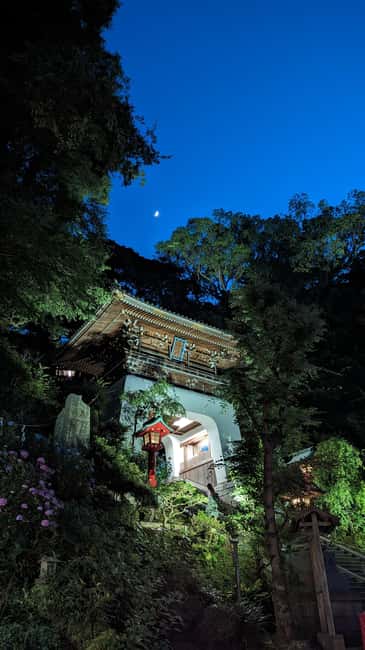
Lunch is where your day becomes personal. This tour is vegetarian- and vegan-friendly, and you should let your guide know ahead of time if you have dietary restrictions.
Here’s the big idea: shojin-ryori is what Buddhist monks eat every day. So even if you’re not a food person, you’ll likely feel the difference between meal-as-tourism and meal-as-tradition. You’re tasting a system—simple, plant-based, and tied to spiritual discipline.
Timing matters. Shojin-ryori is generally included on the longer 8-hour option, but it can be available upon request for the 4-hour version. If this is a must-do for you, ask early so the timing matches what your day can handle.
One useful detail: the guide has handled special needs such as gluten-free dining when people told him in advance. So if you have Celiac or strong restrictions, don’t just hope for the best—give clear notes before you go.
Practical tip: lunch usually takes around 45 minutes, so don’t plan a tight schedule right afterward. You’ll need that time to digest and reset before the heavier sightseeing.
Tsurugaoka Hachimangu: Where Kamakura-Period Power Shows Up in Stone
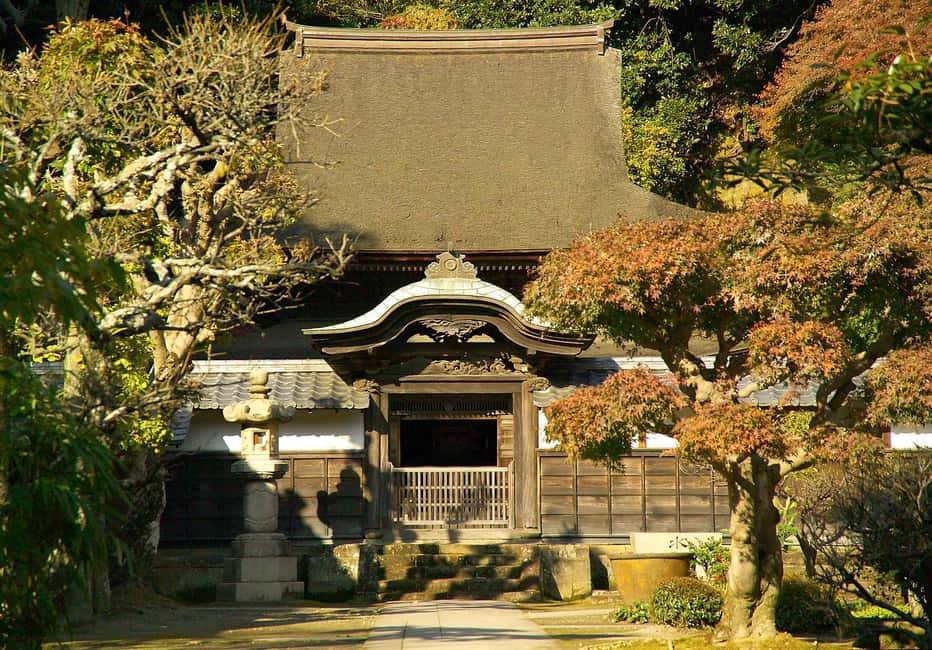
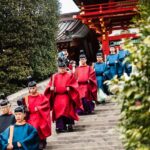
Next up is Tsurugaoka Hachimangu, one of the most popular and largest shrines in the Kamakura region. You’ll spend around 30 minutes here, and the point isn’t just size. It’s how the shrine reflects Kamakura’s political identity.
This is the stop where “history” stops being abstract. Kamakura was tied to Japan’s early warrior government era, and the shrine’s importance helps explain why samurai-era leaders leaned into religious institutions. The guide’s storytelling makes that connection feel less like trivia and more like cause-and-effect.
The atmosphere can be energetic because it’s a major shrine. That’s great if you like witnessing real public religious life rather than quiet corners alone. The downside is that crowd flow can limit where you linger for photos. The good news: a strong guide helps you choose moments and angles so you still get satisfying views without spending your whole time fighting people.
Kōtoku-in and the Great Buddha: The Scale Hits Fast
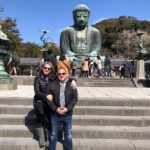
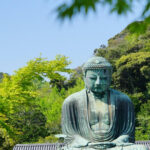
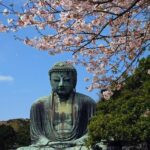
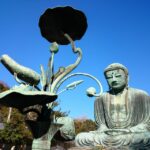
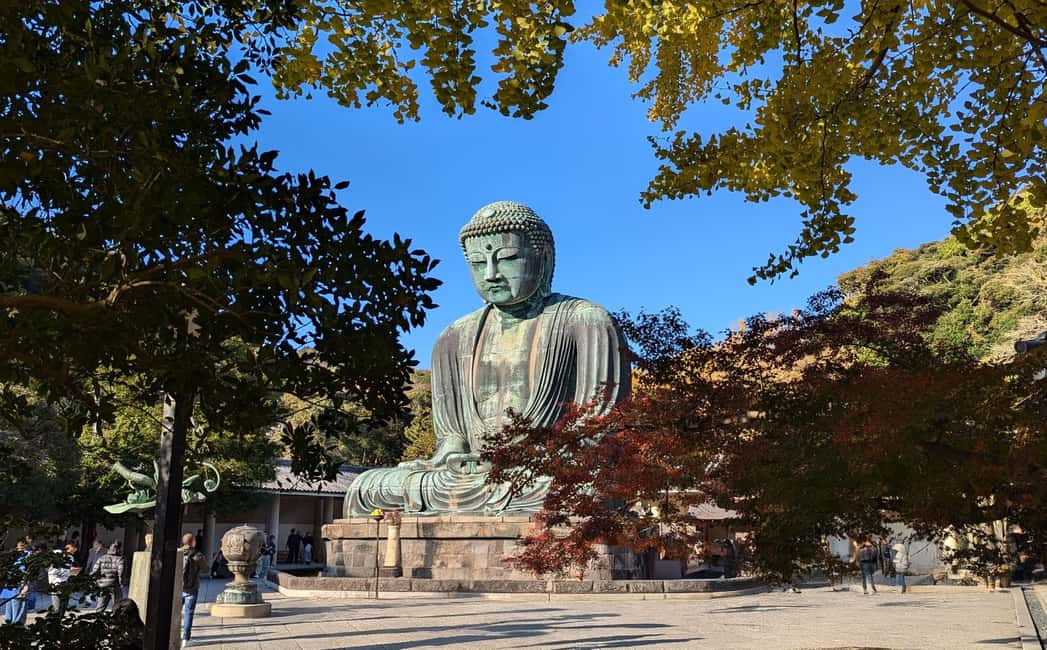
Then comes Kōtoku-in, home to the Great Buddha of Kamakura. You’ll spend about 30 minutes here, but in practice, the Great Buddha does most of the work on you. The statue is one of the largest Buddha statues in all of Japan, and it creates an immediate sense of scale that’s hard to fully capture in pictures.
What I love about this moment in a guided tour is that the context lands alongside the visuals. If you understand a bit of Zen and Buddhist practice beforehand, you’re more likely to notice how the experience is meant to be felt, not just photographed.
This stop is also where you may want a slightly slower pace. Even if your plan feels tight, pause a few extra times. Look from different angles. Notice how people naturally change their posture around big sacred spaces. You’ll see that when you stop rushing.
Enoshima: Holy Island Energy with Coastal Vibes
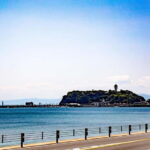
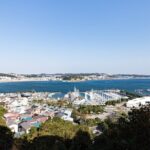
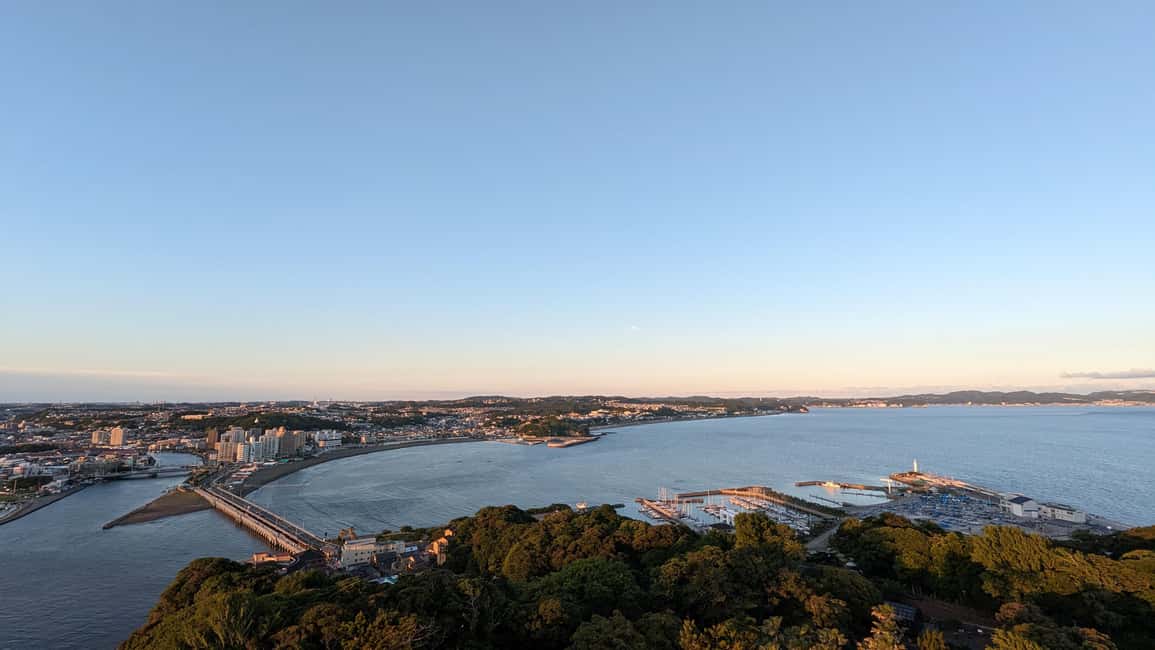
If you’re on the private 8-hour option, the day continues to Enoshima, a holy island in ancient times that’s now a popular seaside spot for couples and families. You’ll spend about 2 hours here with guidance, and it’s a very different mood from temple grounds.
Enoshima is the mix that makes Kamakura fun: holiness plus kitsch plus natural views. You get the sense of a place where people come for spiritual reasons, then stay because the setting is enjoyable.
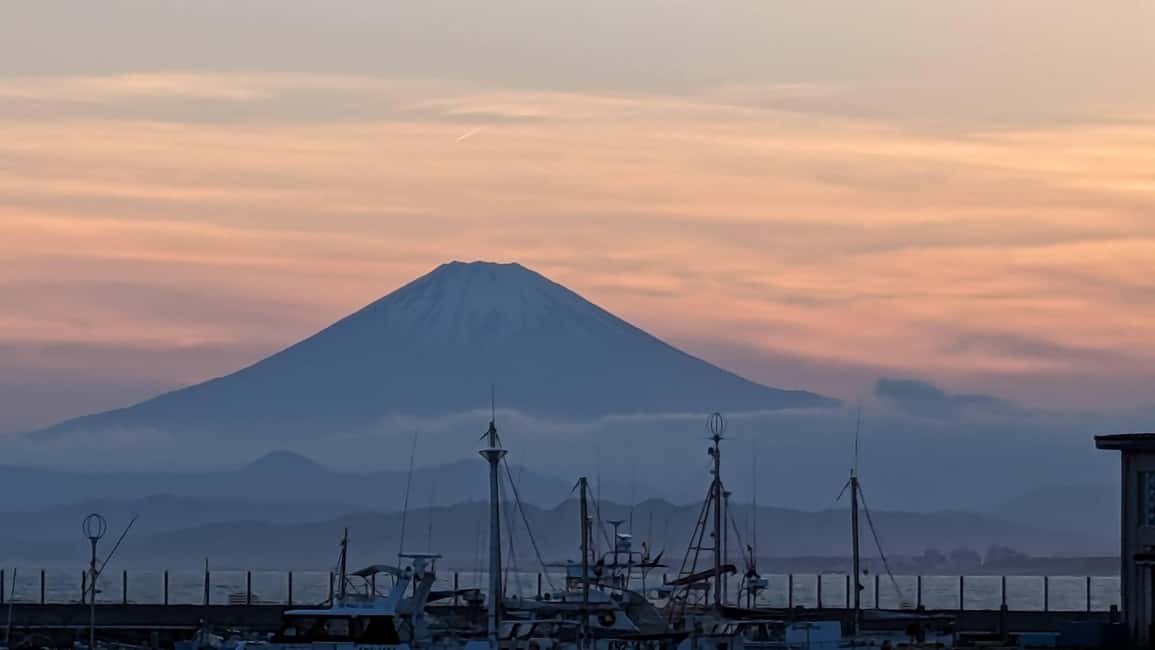
A smart highlight from the guide style here: he’s known to time the Enoshima visit for the best light, including making sure the group sees a beautiful scene during sunset. If you love golden-hour views, this is one of the parts of the day where that kind of timing really pays off.
Wear comfortable shoes. Enoshima includes walking on paths and moving through areas with changing elevations. It’s not marathon-level, but it’s enough that you’ll be grateful you didn’t pick fragile footwear.
Price and Extra Costs: Is It Worth $35?
The base price is $35 per person for a guided experience lasting 4 to 8 hours. That’s a bargain if what you want is not just a checklist of monuments, but someone to connect the story across multiple sites.
But you should plan for extra costs:
- Entry fees are roughly 800 to 1,500 yen per person
- Transportation is about 400 yen per person
- Lunch is roughly 1,000 yen per person (unless your chosen option includes shojin-ryori arrangements)
So is it worth it? I think yes—especially if you’re visiting only from Tokyo for a short time. You pay extra for access and transit anyway, and the biggest value here is the guide’s ability to make you understand what you’re looking at. Without that, you could still see the sights. With it, you remember the why.
Also, the tour offers vegetarian and vegan-friendly arrangements, which can be a big deal in Japan where food rules are sometimes easier in guided settings. Just tell your guide beforehand so the lunch plan fits you.
Who Should Book This Kamakura Tour (and Who Should Skip It)
This tour is a strong fit if you:
- want a guided story that links Zen, politics, and religious practice
- like mixing big landmarks (Engaku-ji, Tsurugaoka Hachimangu, Great Buddha) with a seaside finish
- prefer a manageable walking day with public transport hops and places to sit
It’s also a good fit for groups that benefit from flexible pacing. John has a reputation for adjusting the route to the needs of the group size and interest level, and he’s known for excellent English, which makes the experience smoother in a country where not every guide communicates easily.
It’s not for you if you:
- need wheelchair-level accessibility or have mobility limitations
- struggle with walking through temple and shrine areas
Walking is part of the experience, even though it’s not presented as an all-day grind.
Should You Book This Kamakura Journey?
If your goal is to get a real sense of Kamakura in one day—Zen temple meaning, samurai-era shrine prestige, the Great Buddha’s scale, and Enoshima’s coastal mood—then yes, I’d book it.
The deciding factors for me are simple:
- You’re paying for a guide who tells the story in a way that makes the sites click.
- The route covers the major emotional beats of Kamakura without wasting your time.
- You can handle food needs with advance notice, including vegetarian and vegan-friendly options and the possibility of shojin-ryori.
Just go in with the right mindset: this is a walking tour with real temple and shrine movement, not a seated sightseeing loop. If you’re comfortable with that, it’s a smart way to turn a half-day escape into a memorable, well-explained experience.
FAQ
Where do I meet the guide?
You’ll meet outside of the East Exit of Kita-Kamakura Station.
How long is the tour?
The duration is 4 to 8 hours, depending on the option you choose and availability.
What are the main stops on the standard route?
You’ll visit Engaku-ji Temple, Tokei-ji, Tsurugaoka Hachimangu, Kōtoku-in (Great Buddha), and then Enoshima on the private 8-hour option.
Is lunch included?
Lunch is not included. The lunch portion is about 45 minutes, and shojin-ryori is generally for the 8-hour tour (with shojin-ryori potentially available upon request for the 4-hour tour).
Is the tour vegetarian or vegan-friendly?
Yes. It’s vegetarian and vegan-friendly. Let the provider know beforehand about dietary preferences and restrictions.
Are entry fees and transport included in the price?
No. Entry fees are roughly 800 to 1,500 yen per person, and transportation fees are roughly 400 yen per person.
Is this tour good for people who want a low-effort day?
It’s a walking tour, but it uses public transport and includes places to sit. Still, it does involve walking and movement through temple and shrine areas.
Is it available in English?
Yes, the live tour guide provides the tour in English.
Does the tour have private or small-group options?
Yes. Private or small groups are available, and the itinerary can be customized with the private tour options.
Is this tour suitable for wheelchair users or mobility impairments?
No. It’s listed as not suitable for people with mobility impairments and wheelchair users.