REVIEW · KAMAKURA
Private Kimono photo shooting tour in ancient city Kamakura
Book on Viator →Operated by Oriel Tourism · Bookable on Viator
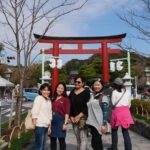
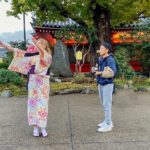
Kamakura looks different when you’re dressed for it. This private kimono photo shooting tour threads you through historic spots at a comfortable pace, with a professional photographer guiding every shot in old Kamakura. I love how the plan mixes serene temple corners with famous landmarks, so your photos don’t all look like the same postcard.
Two things I really like: you get up to 30 edited photos, so the final set feels intentional instead of a random dump of images. And the photographer (Shuhei) helps you pose and stays friendly and supportive, which matters when you’re not sure what to do with your hands.
One consideration: the tour price is $85.20, but kimono rental is not included (3800Yen), and the experience depends on good weather. You’ll also be changing and traveling between stops, so plan on the full 2 to 3 hours.
In This Review
- Key highlights to know before you go
- Why Kamakura temples are perfect for a kimono photo set
- Your shoot: kimono choice, posing help, and the 30-photo edit
- The route: Daigyoji to Komachi Street, stop by stop
- Stop 1: Daigyoji Temple (about 5 minutes, free admission)
- Stop 2: Myohonji Temple (about 20 minutes, free admission)
- Stop 3: Tsurugaoka Hachimangu Shrine (about 25 minutes, free admission)
- Stop 4: Jufukuji Temple (about 10 minutes, free admission)
- Stop 5: Komachi Street (duration not listed)
- Timing and comfort: how to make the most of 2 to 3 hours
- Price and value: $85.20 is the start, not the whole bill
- Who should book this private kimono photo tour in Kamakura?
- Should you book this tour, or DIY it?
- FAQ
- How long is the private kimono photo shooting tour in Kamakura?
- Is this tour private?
- Are the photos edited, and how many do I receive?
- Is a kimono included in the tour price?
- What places are included in the itinerary?
- Where does the tour start and end?
- What happens if the weather is bad?
Key highlights to know before you go
- A private shoot with only your group, so you’re not waiting behind other people in line
- Temple-first routing so you start in quieter spots like Daigyoji Temple
- Professional guidance from Shuhei, including easy posing suggestions
- Up to 30 edited photos you can choose from after the shoot
- Flexible customization, so you can adjust where you go within the tour style
- Non-kimono option available, if you want the Kamakura photos without the traditional outfit
Why Kamakura temples are perfect for a kimono photo set
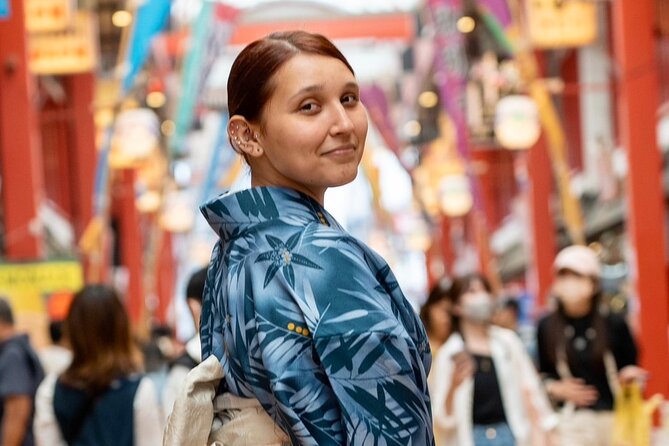
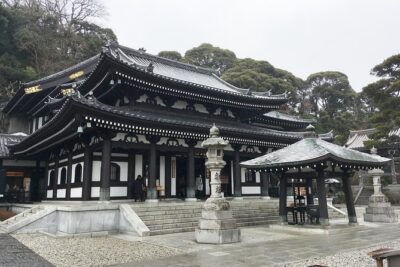
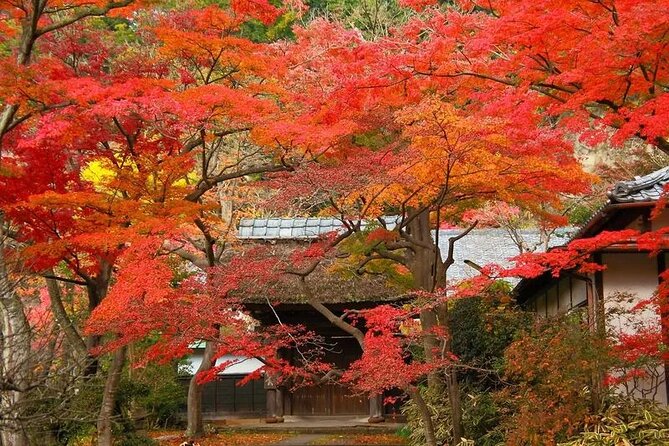
Kamakura is one of those places where the scenery does half the work for you. The tour leans into that. You’ll spend time at old temples and a major shrine, where the visual vibe is naturally photogenic: wooden architecture, tree-lined approaches, and classic Japanese temple grounds.
And timing matters. The route begins near Kamakura station at Daigyoji Temple, which is described as quiet and not crowded. That’s smart. Early on, you can settle into the experience, get comfortable in your outfit, and start shooting without feeling like you’re competing for angles.
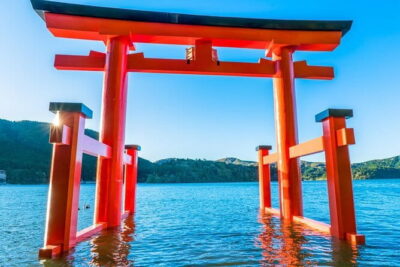
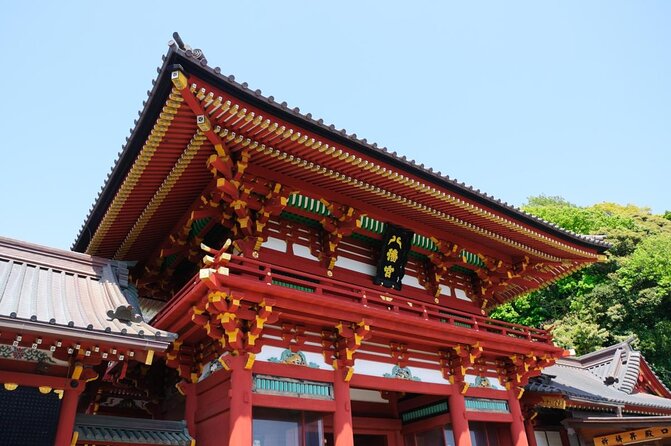
Later, you’ll hit Tsurugaoka Hachimangu Shrine, one of Kamakura’s landmark sites. You get the iconic setting—an impressive entrance gate, a long approach lined with cherry trees, and a large pond—without the need to research where the best angles are. The tour basically hands you a pre-built photo plan.
You can also read our reviews of more city tours in Kamakura
Your shoot: kimono choice, posing help, and the 30-photo edit
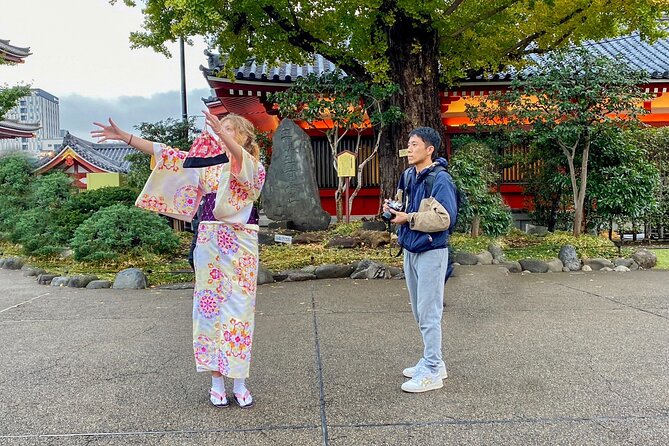
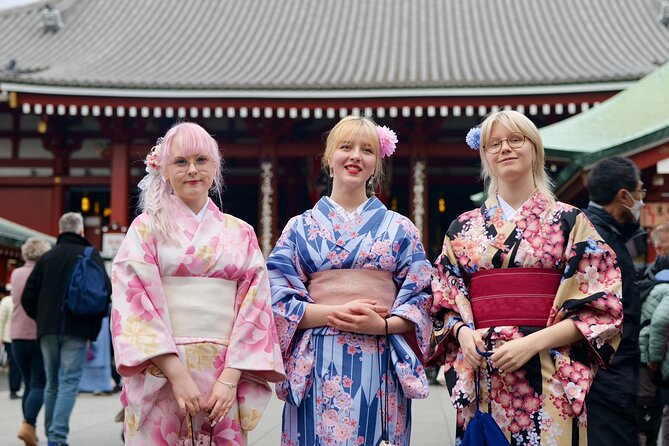
This isn’t just a walk with a camera. It’s a photo-focused private session. You’ll try on Japanese traditional wear kimono, then move through specific spots where a photographer can work with backgrounds, light, and composition.
Before you even start shooting, you can choose your outfit from different kinds of kimono. If you’d rather not wear one, there’s a non-kimono option too, so the tour isn’t locked into only one style.
What I’d call the “real value” is the photographer support. In reviews, Shuhei is described as friendly and helpful when it comes to posing. That’s huge for first-timers. When someone tells you what to do—how to stand, where to look, how to hold a fan or fabric—you stop overthinking and your photos start looking natural instead of stiff.
You’ll also receive your photos edited, with a maximum of 30 images. I like that cap because it suggests quality control. You’re not paying for a giant, unfiltered set you’ll never sort through.
Practical extras included: bottled water, WiFi on board, and a mobile ticket. Those are small, but they keep the experience smooth—especially when you’re changing clothes and moving between stops.
The route: Daigyoji to Komachi Street, stop by stop
The itinerary is built like a photo path: start calm, then move through big-name landmarks, then finish with city energy.
Stop 1: Daigyoji Temple (about 5 minutes, free admission)
You start at Daigyoji Temple, a small temple beside Kamakura station. The big advantage is comfort. It’s described as quiet and not crowded, which makes it a great place to begin—before crowds build and before your brain fully wakes up.
Because this stop is short, it works as a warm-up. You can get a few strong early images, test your pose comfort level, and then build confidence for the next locations.
Stop 2: Myohonji Temple (about 20 minutes, free admission)
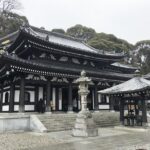
Next is Myohonji Temple, known as the oldest temple of the Nichiren Buddhism sect (日蓮宗/Nichiren), founded around 1260. The setting is especially appealing for texture and atmosphere—old historic wooden structures, plus seasonal beauty that’s called out for spring cherry blossoms and autumn leaves.
There’s a practical benefit too: you get enough time here (about 20 minutes) for multiple photo styles. You can do close-up portraits with wood and foliage textures, plus wider shots that show the path and grounds.
Drawback to consider: since this is a popular scenic temple, you might still see people depending on the season. The tour’s private nature helps, but you’ll still want to be flexible with timing.
You can also read our reviews of more private tours in Kamakura
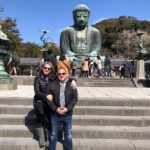
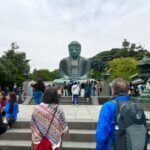
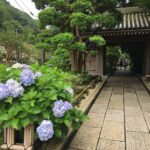
Stop 3: Tsurugaoka Hachimangu Shrine (about 25 minutes, free admission)
Tsurugaoka Hachimangu is the headline stop. It’s a Shinto shrine founded in the 12th century by Minamoto no Yoritomo, dedicated to Hachiman, the god of war and protector of the Minamoto clan.
For photos, it’s all about the approach and symmetry. Expect an impressive entrance gate, a long approach lined with cherry trees, and a large pond. There’s even a bench area near the pond for a break, which is useful if you want a more relaxed portrait after walking.
This stop can be a little busier than the first temples. That’s normal. If you want to avoid crowd chaos, let the photographer guide the timing and angles—often the best shot happens when you step aside for a moment.
Stop 4: Jufukuji Temple (about 10 minutes, free admission)
Jufukuji Temple is shorter and calmer. Established in 1200 by Hojo Masako (the wife of Minamoto no Yoritomo), it’s known for a tranquil, tree-lined approach to the main temple.
Because the time here is about 10 minutes, it works well as a breather stop—good for a few quiet portraits and photos that feel more serene. There’s also a small shrine next to it, which gives you an extra variety of background for images.
Stop 5: Komachi Street (duration not listed)
After temples, the tour shifts into city mode at Komachi Street, Kamakura’s famous shopping street. It’s named after Ono no Komachi, a poetess from the Heian period (784–1184).
This is where your photos can get more casual—think less formal temple portraits, more life-in-the-street moments with shops, cafes, souvenirs, and local treats. You can browse and pick up something small to remember the trip.
If you’re trying to keep the photo theme consistent, tell your photographer you want a few street-style shots here. You’ll usually get better results when the shoot has a clear intention.
Timing and comfort: how to make the most of 2 to 3 hours
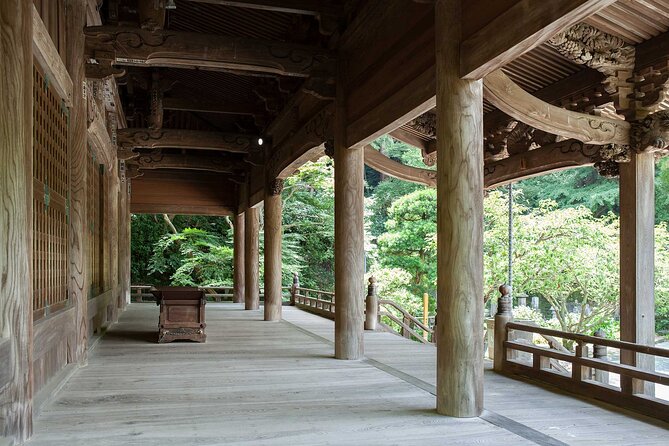
The tour duration is listed as about 2 to 3 hours, and it includes travel and changing time. That’s key. If you plan to wear a kimono, your schedule needs buffer. The tour takes that into account, but you still want to arrive with a calm mindset.
Here’s how I’d approach comfort on your side:
- Wear easy-to-manage shoes for the walking before and after kimono time.
- Bring a small bag for essentials (if allowed), since you’ll be in traditional wear and may want your hands free.
- Expect the tour to move at a steady pace. Short stops help, so you don’t get stuck in any one location too long.
Weather matters. The experience requires good weather. If conditions aren’t right, you’ll be offered a different date or a full refund. So if you’re booking around a busy itinerary day, keep some flexibility.
Season note, based on the temple descriptions: Myohonji is highlighted for spring cherry blossoms and autumn leaves. If you’re chasing seasonal beauty, those months can be especially photogenic—just be ready for more people at the scenic spots.
Price and value: $85.20 is the start, not the whole bill
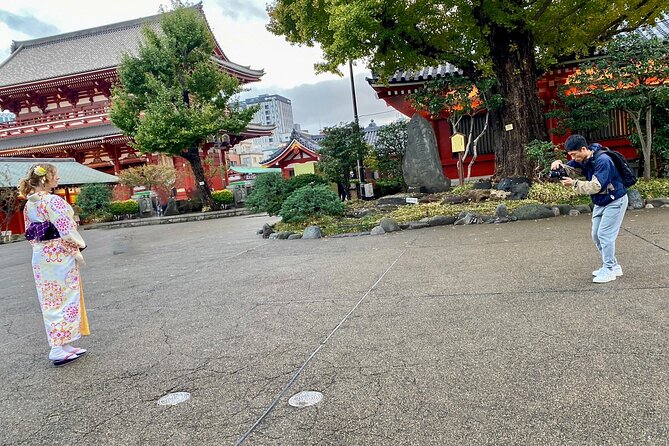
At $85.20 per person, you’re paying for a private experience plus professional photo editing. That’s the part that usually costs you time and money on your own.
What’s included:
- bottled water
- 30 edited photos (maximum)
- WiFi on board
- private guidance and the photo route plan
What’s not included:
- kimono rental for 3800Yen
So the real value question is: are you paying for convenience and results, or are you trying to do this DIY style? If you want photos that look consistent—same outfit, coordinated poses, and edited selection—this is a cost-effective way to get there without juggling camera settings and crowd timing.
Also, the tour mentions group discounts. If you’re traveling with friends or family, the per-person value can feel even better because you’re splitting the private setup while still keeping it “your group only.”
One more practical upside: all listed temple admissions are free. That helps keep the total day cost predictable.
Who should book this private kimono photo tour in Kamakura?
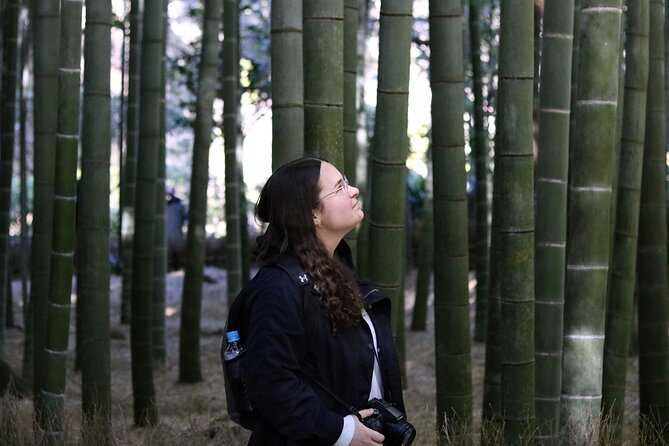
This tour is a great fit if you want a photo session that feels guided but not complicated. It’s also ideal if you care about historical scenery and want the calm temple start instead of jumping straight into the busiest streets.
You’ll especially like it if:
- you want traditional Japanese style photos without having to plan each shooting location
- you prefer a professional photographer who can help with posing
- you’d rather not deal with crowd management while trying to get clean portraits
It’s also a good option for couples and solo travelers who want the experience to feel personal. Since it’s private, you’re not stuck sharing attention with strangers.
If you’re the type who hates waiting around, this route structure helps. Short, focused stops keep things moving, and you get variety without a marathon.
Should you book this tour, or DIY it?
Book it if you want edited photos, clear posing help, and a route that mixes quiet temple settings with iconic Kamakura landmarks. The biggest reason is simplicity: you show up, choose your kimono (or non-kimono option), follow the plan, and leave with a curated set of images.
Consider DIY or a lighter approach if kimono rental is a dealbreaker for you, because the rental is an extra 3800Yen. Also consider your schedule: the experience depends on good weather, and the stated 2 to 3 hours includes changing and travel between stops.
If you can be flexible on timing and you want the photos to look intentional, this private Kamakura kimono shoot is a smart use of a half day.
FAQ
How long is the private kimono photo shooting tour in Kamakura?
It’s about 2 to 3 hours, and that total includes travel and changing time.
Is this tour private?
Yes. It’s a private tour/activity, so only your group participates.
Are the photos edited, and how many do I receive?
You can receive the photos you want, with up to 30 photos edited.
Is a kimono included in the tour price?
Kimono rental is not included. Kimono rental is 3800Yen.
What places are included in the itinerary?
You’ll visit Daigyoji Temple, Myohonji Temple, Tsurugaoka Hachimangu Shrine, and Jufukuji Temple. You also have time at Komachi Street.
Where does the tour start and end?
The tour starts at Kamakura City Tourist Information Center (1-chōme-1-1 Komachi, Kamakura, Kanagawa 248-0006, Japan) and ends back at the meeting point.
What happens if the weather is bad?
The experience requires good weather. If it’s canceled due to poor weather, you’ll be offered a different date or a full refund.