REVIEW · KAMAKURA
Kamakura Full-Day Private Tour
Book on Viator →Operated by Fulfilling Inc. · Bookable on Viator
Kamakura gets easier with a private tour. This private tour packs the main Kamakura sights into about 6½ hours and uses public transport, so you get local rhythm without the stress of planning every transfer.
I love having an English-speaking guide who connects what you’re seeing to what matters historically and visually. I also like the quick shopping break at Komachidori, so the day doesn’t feel like only temples. The main catch: admission fees, food and drinks, and the public transport rides are not included in the price.
In This Review
- Key Things to Know Before You Go
- A Private Kamakura Day That Actually Feels Doable
- Getting Started at Kamakura Station (And Staying on Track)
- Public Transport Means You’re Not Paying for Someone Else’s Schedule
- Hase-dera Temple: Start With Flowers and Sights You’ll Remember
- Kotoku-in (Great Buddha): Outdoors, Spacious, and Unmissable
- Hokoku-ji Temple: The Bamboo Garden Cool-Down
- Tsurugaoka Hachimangu: Shrine Energy in the City Center
- Kamakura Komachidori: Use the 30 Minutes for Real Stroll Time
- Price and Value: What You’re Really Paying For
- Who This Tour Fits Best (And Who Might Feel Friction)
- Should You Book This Kamakura Private Tour?
- FAQ
- How long is the Kamakura full-day private tour?
- Is this tour private?
- What’s included in the price?
- What’s not included?
- Where do we meet the guide?
- Where does the tour end?
- Is there a moderate amount of walking?
- Do I need admission tickets for the stops?
- Will I get a ticket on my phone?
- What happens if the weather is poor?
Key Things to Know Before You Go
- Private pacing means you can linger where you care and move on when you don’t
- Public-transport routing keeps things flexible and very local
- Hase-dera’s seasonal flower reputation gives you a strong, photogenic reason to start there
- Kotoku-in’s Great Buddha is outdoors, so you can experience it in open space
- Hokoku-ji’s bamboo garden is built for a cooler, calmer pause in your day
- Komachidori is built for quick eats and shopping in a short 30-minute stretch
A Private Kamakura Day That Actually Feels Doable
Kamakura can eat up time fast if you’re trying to figure out trains, entrances, and which sights are worth your legs. This tour is designed to keep you moving efficiently, but not in a rushed blur. You’ll spend about 6 hours 30 minutes on the ground, with a guide managing the flow while you still get some say in how you pace.
I especially like the “you’re here, now use it” approach. It’s public-transport based, so it feels grounded in how locals actually move around. And since it’s private, you’re not stuck sharing your guide’s attention with a crowd when a question pops up.
You’ll also cover four major sacred sights plus a short street stop for food and shopping, so the day gives you a satisfying overview without turning into a marathon.
You can also read our reviews of more private tours in Kamakura
Getting Started at Kamakura Station (And Staying on Track)
Your day begins at Kamakura Station at 1-chōme-1-15 Onarimachi. In practice, people meet at the JR Kamakura Station West Exit, then the tour ends back at the same starting point.
That matters more than it sounds. When your day starts and ends at a major station, you don’t have to fight the “where do we end up?” problem. You can also plan dinner back in town with less uncertainty.
The tour uses a mobile ticket, which is handy if you like keeping everything digital on your phone. And since it’s near public transportation, you’re not relying on a remote pick-up point.
One more practical thing: the tour notes moderate physical fitness and a moderate amount of walking. In Kamakura, “moderate” can still mean steps and uneven terrain at temple sites. Pack good walking shoes and you’ll be glad you did.
Public Transport Means You’re Not Paying for Someone Else’s Schedule
This is an economical private tour that uses public transportation to move between sights. That’s a smart fit for Kamakura because the city is compact enough that train-and-walk makes sense, while still giving you real local flavor.
The important line for your budget: public transportation to/from is not included. So you’ll need to pay your own train fares, plus whatever it takes to get around during the day. If you already know you’ll use public transit anyway, this tour doesn’t add friction. If you were hoping for a full all-inclusive “just show up” day, you’ll want to set aside a bit extra.
Also: public transit works best when you’re flexible. If you’re the type who gets stressed by delays, you may find yourself more tense than the tour deserves. But if you can handle small schedule adjustments, this setup keeps the day efficient without feeling like a bubble.
Hase-dera Temple: Start With Flowers and Sights You’ll Remember
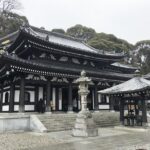
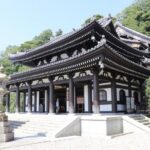
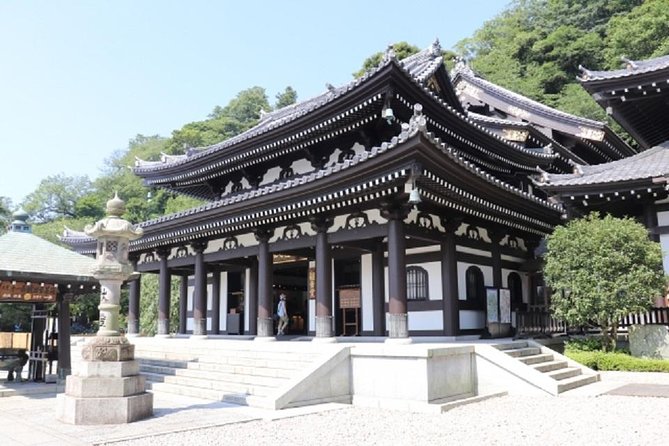
You begin at Hase-dera Temple, a place people often pair with other top Kamakura sites. It’s famous alongside Tsurugaoka Hachiman-gū and Kenchō-ji, and it has a reputation as a temple of flowers because seasonal blossoms color the grounds.
That flower focus is more than decoration. It gives your first stop a strong visual theme for the day, so you’re not just moving from one landmark to another. You can walk, look, and photograph without feeling like every moment is “another stop on a checklist.”
Expect about 1 hour here. That’s usually enough time to see the highlights without turning the morning into a full-day commitment.
A small consideration: flower seasons often mean extra foot traffic and lots of people taking pictures. Even if you don’t love crowds, you can still enjoy the place—just keep your expectations realistic and let your guide help you find calm viewing spots.
Kotoku-in (Great Buddha): Outdoors, Spacious, and Unmissable
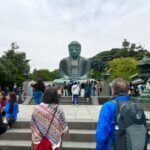
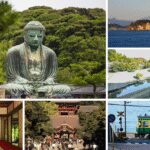
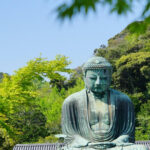
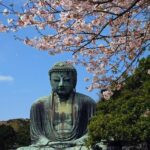
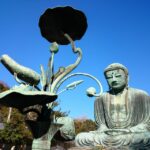
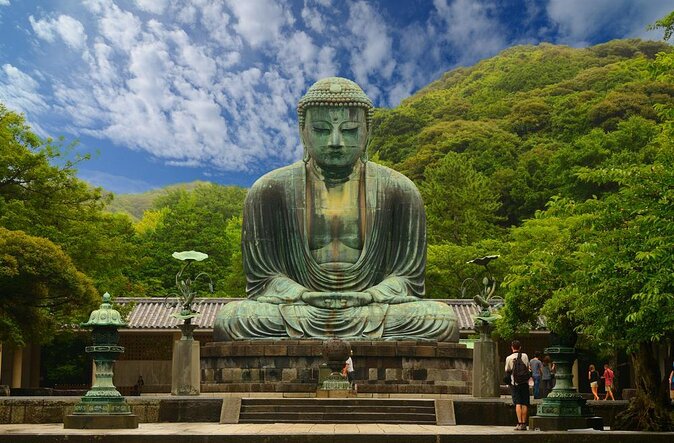
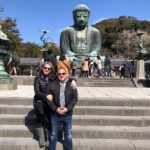
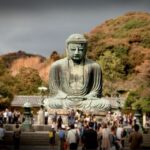
Next up is Kotoku-in (the Great Buddha of Kamakura). The centerpiece is an outdoor bronze statue of Amida Buddha, standing about 13.35 meters tall. The fact that it’s outdoors is key: you’re not just looking at a statue behind a wall. You’re experiencing scale in open air, with the sky and grounds making the monument feel even bigger.
You’ll spend about 1 hour at Kotoku-in. With a private guide, you’re not stuck doing a quick scan and moving on. Your guide can help you take in the statue and the surrounding temple grounds in a way that feels more intentional.
Admission isn’t included, so budget for the entry fee at this stop. I recommend you treat admissions as part of the day’s “choose-your-own value” moment: decide what you want to prioritize—Great Buddha viewing time, photo time, or temple-ground wandering—then let that guide your extra spending.
Practical tip: because it’s outdoors, weather matters. If the day is bright, you’ll enjoy the open views. If it’s rainy, plan for a slower pace and extra waterproof layers.
You can also read our reviews of more tours and experiences in Kamakura

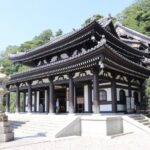
Hokoku-ji Temple: The Bamboo Garden Cool-Down
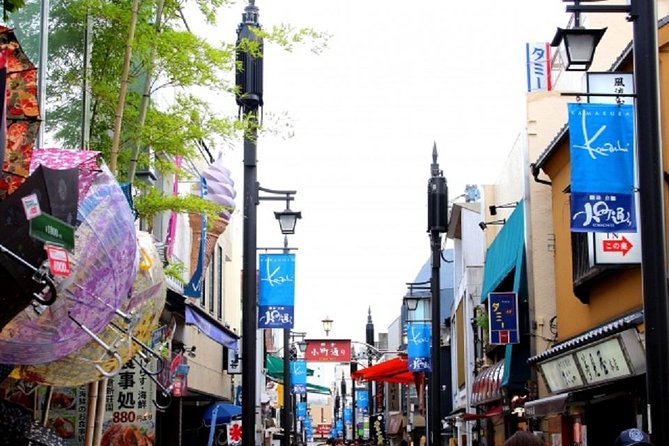
Then you head to Hokoku-ji Temple, known for being the bamboo temple. Here, you’ll find a large bamboo garden inside the precincts, and the vibe is often described as cool and mysterious—the kind of atmosphere that feels like a reset button after brighter open sightseeing.
You get about 1 hour at this stop. That’s enough time to walk the pathways at an unhurried pace and enjoy how the bamboo changes the feel of the space.
Admission fees aren’t included, so again, keep that in mind for budgeting. But even beyond the cost, this stop works because it breaks up the “major landmark” feeling. It’s a sensory change: light shifts, air feels cooler under bamboo, and you’re more likely to slow down naturally.
If you run hot easily, you’ll probably love this place. If you get cold, bring a light layer—bamboo areas can feel cooler than the rest of the day.
Tsurugaoka Hachimangu: Shrine Energy in the City Center
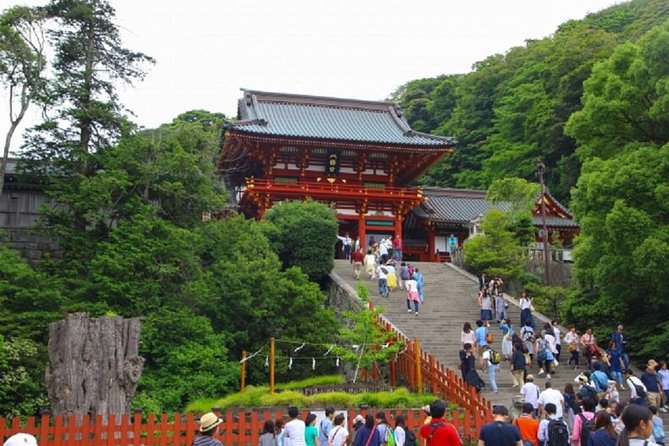
After the bamboo, you’ll move to Tsurugaoka Hachiman Shrine. It’s located in the middle of Kamakura’s city center and has been venerated for centuries as a home of the gods of war.
You’ll spend around 1 hour here. This stop adds a different kind of meaning to the day, shifting from the strong visual focus of the Great Buddha and bamboo garden into shrine-centered atmosphere and long-standing tradition.
Because it’s in the city center, the area can also feel more “alive” than the quieter temple grounds. That doesn’t mean it’s hard to enjoy—just plan to use your guide’s context so you understand what you’re seeing while the setting stays active around you.
As with most shrine visits, parts of your time may involve walking along main paths. Wear shoes that grip well, especially if the weather turns.
Kamakura Komachidori: Use the 30 Minutes for Real Stroll Time
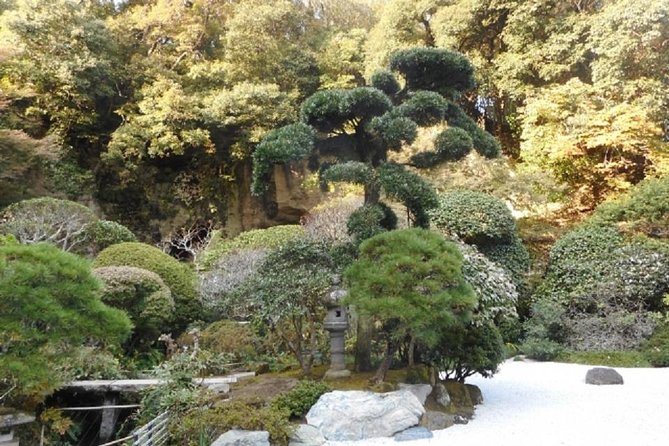
Your final highlight is Kamakura Komachidori, a street stroll for food and unique shops. You get about 30 minutes, and admission is free for the street area.
This is the stop I’d call “keep it human.” Temples are big moments, bamboo is a mood, but Komachidori is where you get small, everyday experiences—snacks, gifts, and browsing without needing to stand in line for an attraction.
Food and drinks are not included, so this is where you’ll spend on your own. If you want maximum value, pick one or two things rather than trying to sample everything in 30 minutes. Your guide can help you spot what fits your tastes fastest.
Price and Value: What You’re Really Paying For
The price is $162.59 per person for a private full-day experience of about 6 hours 30 minutes. That’s not cheap in the “free sightseeing” sense, but it’s usually fair when you’re buying three things at once:
First, you’re paying for an English-speaking professional guide. In a place like Kamakura, having someone explain what you’re looking at makes the landmarks feel less like photo stops and more like a story.
Second, you’re buying time and route sanity. Public transport is used, but the guide handles the flow so you don’t waste half your day trying to figure out the best order.
Third, you’re buying the private benefit: only your group participates, so you can ask questions, slow down when something catches your eye, and keep moving when you’re ready.
What’s not included affects your total day cost:
- Admission fees for sights
- Food and drinks
- Public transportation to/from (you pay your own fares)
If you like to plan tightly and hate paying surprise extras, you might feel a little sticker-shock at checkout. If you’re already budgeting for temple admissions and snacks, this tour feels like a practical way to get quality guidance without paying for a full private car day.
One extra planning note: the tour is booked, on average, about 19 days in advance. If your dates are fixed, I’d try not to wait until the last minute.
Who This Tour Fits Best (And Who Might Feel Friction)
This is a great choice if you:
- want a private English-speaking guide rather than a group tour
- are making a limited time stop in Kamakura and want the major sights efficiently
- like mixing big monuments with calmer spaces like the bamboo garden
- prefer moderate walking and can handle temple stairs and paths with ease
It may feel less ideal if you:
- want a fully all-inclusive day with no extra admissions or transit costs
- have mobility limitations that make temple walking uncomfortable
- want a fully self-directed day where you don’t want a guide guiding the pace
For most people who are comfortable walking on a sightseeing schedule, this tour hits a sweet spot: structured highlights plus enough freedom to make it feel personal.
Should You Book This Kamakura Private Tour?
If you want to see the core Kamakura highlights—Hase-dera, Kotoku-in’s Great Buddha, Hokoku-ji bamboo, Tsurugaoka Hachiman Shrine, plus Komachidori—while someone helps you make sense of it all, I think this is a smart book. You’ll pay a bit for guidance, but you’re also saving yourself a lot of planning energy.
Book it if you value context and pacing more than solo wandering. Skip it (or at least compare) if you’re trying to keep your day strictly budget-only or you don’t want to handle admissions and train fares on your own.
FAQ
How long is the Kamakura full-day private tour?
The duration is about 6 hours 30 minutes.
Is this tour private?
Yes. It’s a private tour, and only your group participates.
What’s included in the price?
An English-speaking professional guide and the private tour are included.
What’s not included?
Food and drinks, admission fees, and public transportation to/from are not included.
Where do we meet the guide?
You meet at Kamakura Station (1-chōme-1-15 Onarimachi, Kamakura, Kanagawa 248-0012, Japan), and reviews indicate meeting at the JR Kamakura Station West Exit.
Where does the tour end?
The tour ends back at the meeting point.
Is there a moderate amount of walking?
Yes. The tour requires a moderate physical fitness level due to walking.
Do I need admission tickets for the stops?
Admission tickets are not included, so you should plan to pay for each site’s entry fee.
Will I get a ticket on my phone?
The experience includes a mobile ticket.
What happens if the weather is poor?
The tour requires good weather. If it’s canceled due to poor weather, you’ll be offered a different date or a full refund.
Should your day start anywhere in Kamakura besides the station, tell me your hotel area and I’ll suggest the smoothest way to plan your arrival and return time.