REVIEW · KAMAKURA
Kamakura: Private History and Heritage Tour by Rickshaw
Book on GetYourGuide →Operated by Ebisuya Rickshaw · Bookable on GetYourGuide
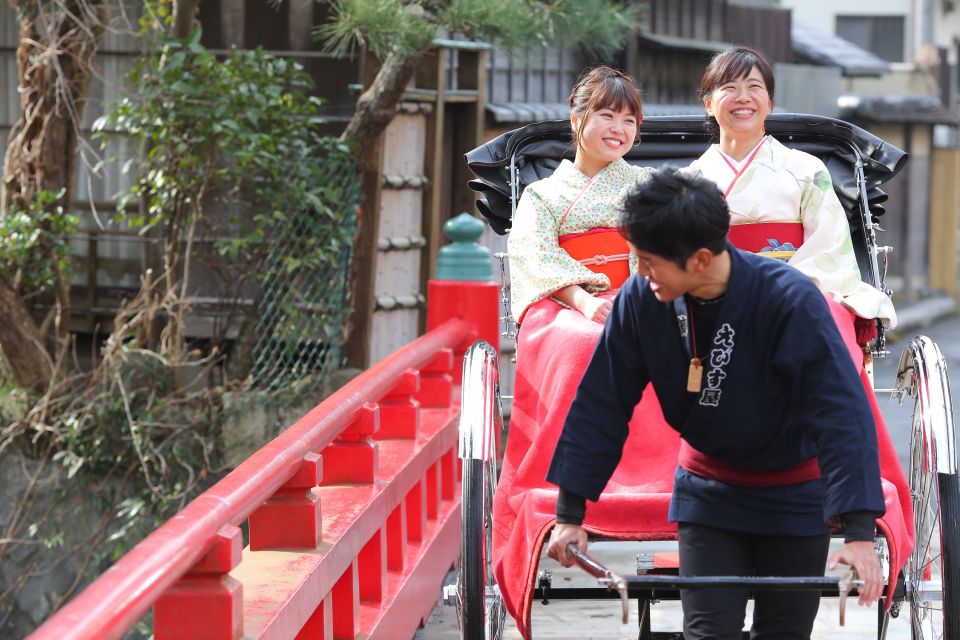
Kamakura from a rickshaw feels surprisingly intimate. You glide through the old samurai capital on a private, customizable ride, with an up-close visit to the Daibutsu (Great Buddha) and built-in photo stops designed for easy, great pictures. You also get to see the temple lanes and shrine approach roads without having to overplan every turn.
The one thing to factor in: admission fees aren’t included, so you’ll want a little extra cash for any temple/shrine entry that applies on the longer routes.
In This Review
- Key things I’d bet you’ll care about
- Why a private rickshaw works so well in Kamakura
- Pick your time slot: 45 minutes vs 3 hours 10
- Otori Gate and Tsurugaoka Hachimangu: your fast start in old Kamakura
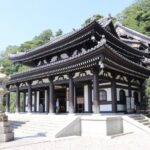
- Hokokuji Temple gardens on the 1 hour 10 itinerary
- Daibutsu (Great Buddha) and temple grounds when you have 2+ hours
- Photo stops and the classic Kamakura viewpoints
- Price and value: what $51 buys you in a private rickshaw
- Meeting point details that save you stress
- Comfort, seating, and the rules that affect your day
- Who will love this tour most (and who should skip)
- The kind of guiding you can expect on the ground
- Should you book it?
- FAQ
- How long is the Kamakura private rickshaw tour?
- Is this tour private?
- What stops and highlights are included?
- What’s included in the price?
- What’s not included?
- Where do we meet the guide?
- What language is the tour guide?
- Is the tour wheelchair accessible?
- Are selfie sticks allowed?
- What’s the cancellation policy?
Key things I’d bet you’ll care about
- Private rickshaw, adjustable route so you can focus on what you like instead of rushing a fixed checklist
- Daibutsu stop on the longer tours, including the 2 hours 10 and 3 hours 10 options
- Tsurugaoka Hachimangu Shrine viewpoints when you choose the plans that go farther up the area
- Hokokuji Temple gardens included on the 1 hour 10 option, giving you more than just storefront sightseeing
- Photo stops built into the route, plus a souvenir postcard and sticker at the end
Why a private rickshaw works so well in Kamakura
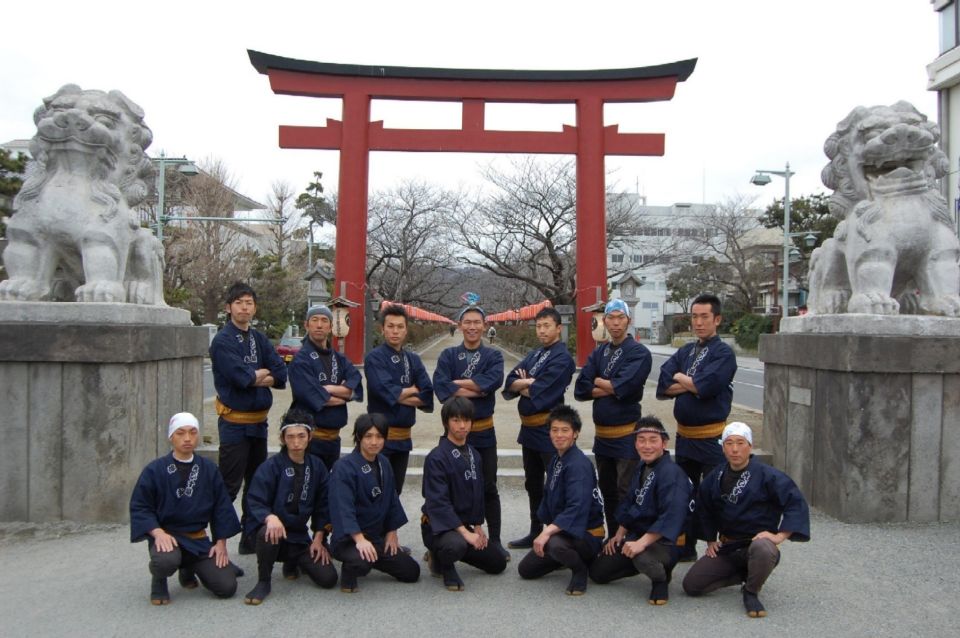
Kamakura can be intense if you’re trying to cover everything on foot. A rickshaw smooths out the day. You still get the street-level feel—shrines, temple entrances, quiet side roads—but you spend less energy marching uphill and more energy looking closely.
I like that this isn’t a rigid tour. You can customize it depending on what you care about most, whether that’s shrine scenery, temple grounds, or a slower pace for photos. And because the group is private, your guide can adjust flow on the fly when crowds or weather make things feel off.
You also get a “Kamakura rhythm.” The route is designed so you start in the town center area, then connect the major heritage points, and finally drift back through calmer lanes—rather than bouncing between far-apart stops and losing time.
You can also read our reviews of more private tours in Kamakura
Pick your time slot: 45 minutes vs 3 hours 10
This tour gives you a wide menu of time choices, from a short hit to a full heritage loop. That matters because Kamakura isn’t one-size-fits-all: some people want the must-sees quickly, others want gardens and viewpoints with breathing room.
Here’s how the experience changes by duration:
45-minute plan (quick highlight circuit)
You stay focused on the center of town, with a guide leading you past Otori Gate and through the area around Tsurugaoka Hachimangu Shrine. Then you head back toward the station via quaint side streets, passing temples with expansive grounds. This is ideal if your day is already packed or you just want the feeling of Kamakura fast.
1 hour 10 plan (add Hokokuji gardens)
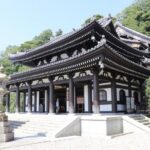
In addition to the core route, you get a stop at Hokokuji Temple, where you can wander through the famous gardens. That extra time is a real difference-maker because gardens take slow looking. If you enjoy atmosphere—stones, paths, seasonal detail—this option makes the ride feel more like a visit than a scan-and-go.
2 hours 10 plan (includes Daibutsu + deeper shrine time)
You climb all the way up to Tsurugaoka Hachimangu Shrine to enjoy views over the city. This option also includes the Daibutsu, the Great Buddha statue. If you want the biggest headline sights without stretching all the way to the longest tour, this is the sweet spot for most people.
3 hours 10 plan (do it all)
This is the most complete version, with everything: the shrine-side touring, Hokokuji Temple gardens, the Great Buddha, and the added time for viewpoints. If you only plan one Kamakura experience during your trip, this longer run tends to feel most satisfying.
Otori Gate and Tsurugaoka Hachimangu: your fast start in old Kamakura
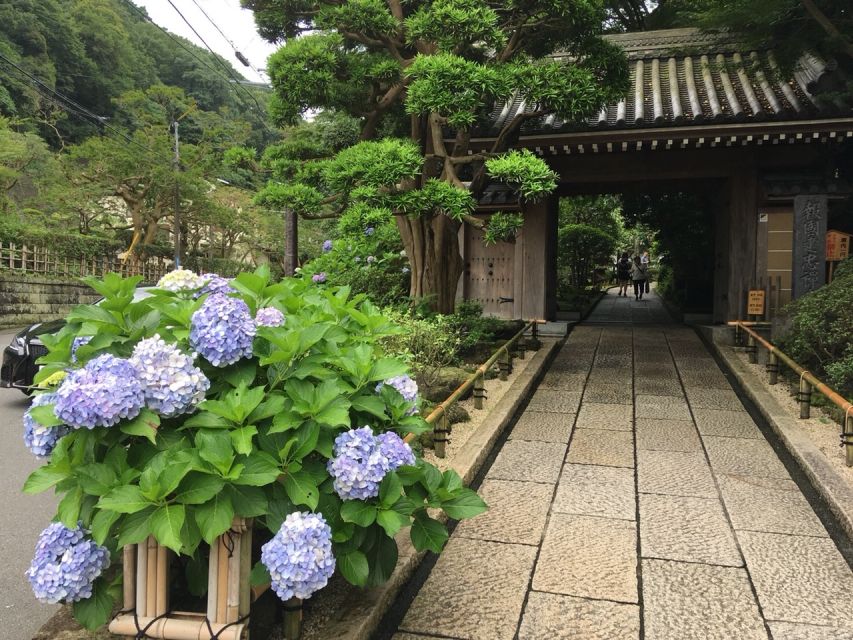
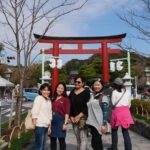
You begin with a guide pulling you into the historic core. One of the first landmarks you pass is Otori Gate, which helps you visually reset into the shrine-temple world right away. It’s a small detail, but it’s the kind of transition that makes the rest of the day easier to “get.”
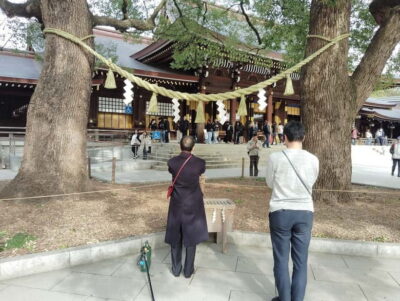
Tsurugaoka Hachimangu Shrine is the anchor. Even on the shortest tour, you’re guided through the area rather than just stopping for a quick photo. That makes a difference because shrines can feel confusing if you don’t know what you’re looking at—what’s ceremonial, what’s ceremonial approach, what’s worth lingering for.
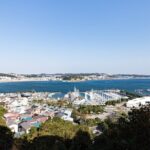
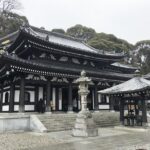
On the longer plans, you also climb farther up to enjoy the view over the city. That view is one of the most useful payoff moments in the whole day. After temple gates and stone paths, it’s the change in perspective that makes the ride feel complete.
Hokokuji Temple gardens on the 1 hour 10 itinerary
If your ideal travel day includes slow wandering, choose the 1 hour 10 option. Hokokuji Temple is part of the reason: you get time to wander through the gardens, not just stand at the entry.
Gardens are tricky on group tours. Too often you’re herded like it’s a check-in line. Here, the time is set aside so you can actually look. You’ll likely find yourself pacing the paths, taking in the layout, and stepping into small sightlines that you’d never notice from a single standing point.
This is also a good choice if your group includes someone who doesn’t want only big famous statues and prefers calmer, quieter scenery. The gardens give your day contrast.
Daibutsu (Great Buddha) and temple grounds when you have 2+ hours
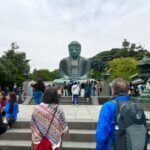
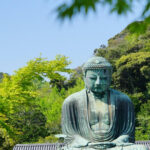
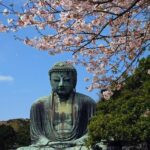
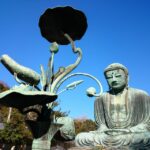
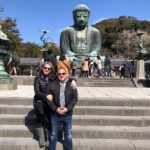
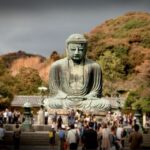
When you go longer, the big headline moment shows up: the Daibutsu, the Great Buddha statue. It’s the kind of sight that feels better up close than in photos, because the scale hits you once you’re there. And since the tour is private, you can usually take your time without feeling like you’re constantly stepping out of line.
This is also where Kamakura’s temple grounds start to matter more. Even when you’re riding between stops, you’re passing through temple areas with expansive grounds. That’s useful: it gives you a sense of how much space the old religious sites had—and how today’s streets and sidewalks grew around those spaces.
I’d pick the 2 hours 10 option if you want the Great Buddha plus the elevated shrine viewpoints, but you still need to keep your day moving. I’d choose the 3 hours 10 option if you want the full chain with enough time to enjoy the scenery rather than rushing from one “photo objective” to the next.
You can also read our reviews of more historical tours in Kamakura
Photo stops and the classic Kamakura viewpoints
The tour includes photo stops, and that sounds small until you realize how helpful it is. You don’t have to hunt for angles or worry about getting the timing wrong while you’re walking. A guide can point you to the spots where the light and sightlines typically work best.
There’s also a specific mention of an Instagram-style photo location. You won’t need a selfie stick (and they’re not allowed anyway), so bring a normal camera or phone and let the rickshaw route do the work.
The viewpoint element—especially when your plan includes climbing up to Tsurugaoka Hachimangu—adds a second “photo style.” Temple shots are one thing. City-overlook shots are another. Getting both in one ride makes the day feel richer, even if you’re only here briefly.
Price and value: what $51 buys you in a private rickshaw
At $51 per person, the big value isn’t just transportation. It’s the combination: private guiding + a rickshaw ride + photo stops + a souvenir postcard and sticker. For many travelers, that turns into better value than piecing together tickets, self-guided wandering, and accidental detours.
But here’s the honest part: admission fees aren’t included. So you should budget for any entry costs tied to the temples/shrines you visit on your chosen route. If you pick the longer itinerary, you’re likely to encounter more paid sites (or at least more places where admission might apply), so plan a little extra.
You also pay for time control. With multiple duration options, you can match the tour to your schedule instead of paying for more minutes than you can comfortably use. That’s one of the reasons this format often feels worth it compared with fixed all-day tours.
Meeting point details that save you stress
Your guide waits just outside their office building. It’s less than 90 meters down the street from Tsurugaoka Hachiman-gu Shrine. That proximity matters because it makes the start easier to find without a long trek or complex transfers—especially if you’re already in the shrine area.
You’ll want to arrive a little early so you can meet smoothly and get seated without rushing. Kamakura is easier when you walk in calm, not late.
Comfort, seating, and the rules that affect your day
This tour is wheelchair accessible and stroller-friendly, and the rickshaw setup is designed to accommodate mixed groups. Still, comfort depends on how many people you pack into one rickshaw.
A key detail: each rickshaw is 21.1 inches (74 centimeters) wide. That can feel snug if you’re sharing space. If your group includes more than one passenger and you’re worried about comfort, booking individual rickshaws can be a smarter call.
Group limits also matter:
- Maximum of 2 adults per rickshaw
- Up to 2 children aged 5 and under can ride with 2 adults (children sit on an adult’s lap)
- Children aged 6 and over use adult pricing
- If a child under 6 wants their own seat (not on an adult’s lap), they must pay adult price
Two more practical rules: selfie sticks aren’t allowed, and the tour isn’t recommended for expecting mothers in the first 16 weeks. It also isn’t suitable for people with back problems.
Who will love this tour most (and who should skip)
I’d steer you toward this experience if you want a guided Kamakura day that’s flexible and photo-friendly. It works especially well if you:
- Want the major heritage highlights without trying to build a route from scratch
- Prefer seeing multiple shrine/temple areas in one smooth session
- Enjoy having a guide help you connect what you’re seeing to the setting around it
It’s also a good fit for families who want a private ride and structured stops. The seating rules for children are specific, so you’ll want to plan ahead for lap-sitting vs separate seats.
I’d think twice if you have pregnancy in the first 16 weeks or back issues, since the tour is flagged as not recommended/suitable for those situations. Also, if you rely on selfie sticks, you’ll need a different plan.
The kind of guiding you can expect on the ground
The tour uses a live tour guide in Japanese. In real-world scenarios, some guides have been described as well spoken in both English and Japanese, which is a big help if your Japanese is limited.
What I like about this style of guiding is the balance between explanation and motion. You’re not stuck in a classroom; the guide gives context while you’re passing key sites. And because the tour is private, you can ask questions that match your curiosity level instead of waiting for a group schedule.
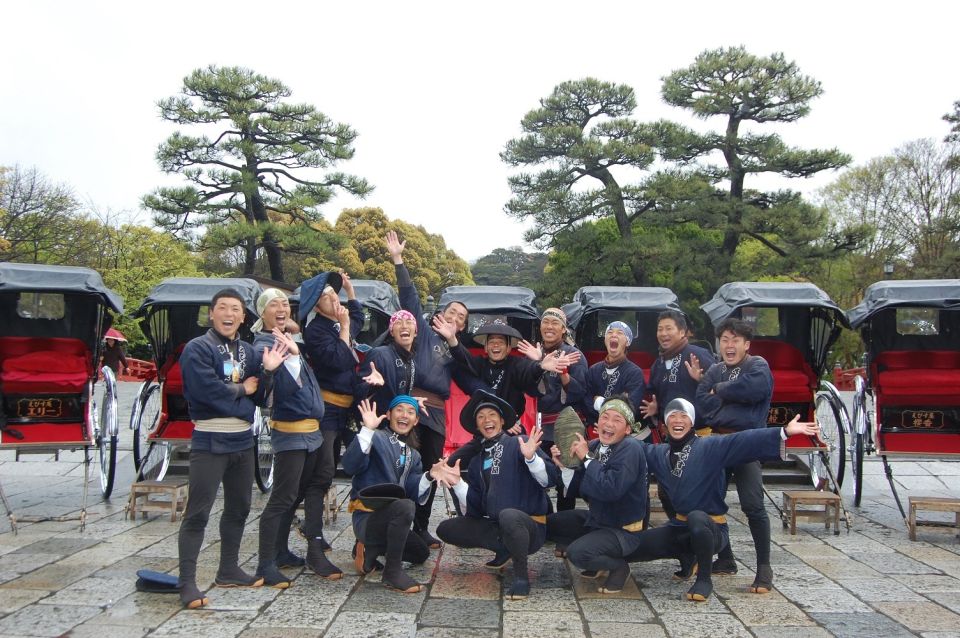
One review mentioned a rickshaw puller named Satoshi, described as pleasant and friendly with information along the way and photo stops included. That’s the kind of energy you want from a heritage-focused ride: calm, local, and tuned in to the route.
Should you book it?
If you’re deciding whether to book this Kamakura private rickshaw tour, here’s the shortcut.
Book it if you want maximum heritage per hour with minimal planning, and you like the idea of seeing Tsurugaoka Hachimangu, Hokokuji (on the 1 hour 10 option), and the Daibutsu (on the 2 hours 10 and 3 hours 10 options) without feeling rushed. The price makes sense because it includes the rickshaw and guide work plus photo stops and a small souvenir.
Consider skipping or choosing a shorter option if admissions costs would feel like a hassle for you, or if you’re sensitive to tight seating and comfort on a narrow rickshaw. And if you’re in the first 16 weeks of pregnancy or dealing with back problems, look for alternatives better suited to your comfort needs.
FAQ
How long is the Kamakura private rickshaw tour?
The tour options range from 45 minutes up to 190 minutes, depending on which route length you choose.
Is this tour private?
Yes. It’s a private group tour.
What stops and highlights are included?
The included highlights depend on the duration you select, but they include stops such as Otori Gate, Tsurugaoka Hachimangu Shrine, Hokokuji Temple gardens (on the longer option), the Daibutsu (Great Buddha) (on the 2 hours 10 and 3 hours 10 options), and photo stops.
What’s included in the price?
Included items are the private rickshaw tour, photo stops, and a souvenir postcard and sticker.
What’s not included?
Not included are hotel pickup and drop-off, transportation to Kamakura, food and drinks, and admission fees.
Where do we meet the guide?
You meet your guide just outside the office building, less than 90 meters down the street from Tsurugaoka Hachiman-gu Shrine.
What language is the tour guide?
The live tour guide speaks Japanese.
Is the tour wheelchair accessible?
Yes. The tour is wheelchair accessible and stroller-friendly.
Are selfie sticks allowed?
No. Selfie sticks are not allowed.
What’s the cancellation policy?
Free cancellation is available up to 24 hours in advance for a full refund.