REVIEW · KAMAKURA
Kamakura Heritage Bike or Walk Tour with ex-Rickshaw guide
Book on Viator →Operated by Ichi · Bookable on Viator
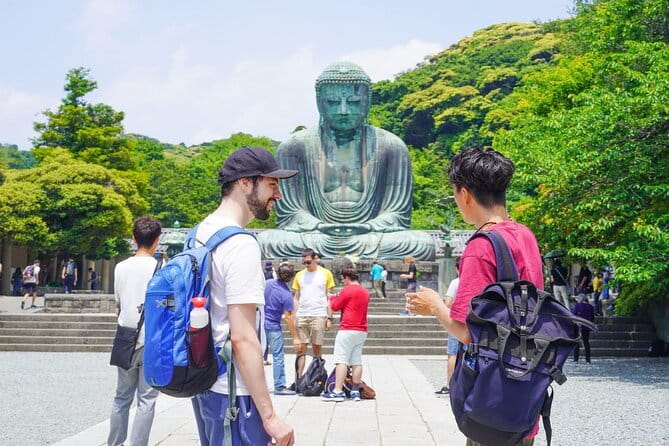
Four hours in Kamakura, on two wheels. This private bike-or-walk tour with Ichi (an ex-rickshaw driver guide) is built for seeing the city’s biggest hits without the usual chaos, and you’ll also get stop-by-stop storytelling and photos along the way. I especially like the choice between biking or walking, and I like that the route tackles both famous landmarks and quieter corners like Hokokuji’s bamboo grove.
The main thing to consider is pacing: you’re moving through a lot of ground in a single half-day. If you’re traveling with anyone under 13 who can’t ride an adult-sized bike, this one may not fit, and the tour is weather-dependent, too.
In This Review
- Key highlights worth planning for
- Why this Kamakura tour feels different than a checklist
- Price and what the $150.24 per person buys you
- Getting started at Kamakura Station (and staying stress-free)
- Stop 1: Kotoku-in and the Great Buddha (why it’s the best first anchor)
- Stop 2: Tsurugaoka Hachimangu Shrine (samurai roots, gentle walking)
- Stop 3: The grave of Minamoto no Sanetomo and Hojo Masako (short, but pointed)
- Stop 4: Hokokuji Temple bamboo grove (where the day slows down)
- Yuigahama Beach and the seaside road ride (season matters)
- Stop 5: Hasedera Temple (views + Kannon statue)
- Stop 6: Egara Tenjin Shrine (a quieter finish with learning themes)
- How I’d approach the bike vs. walk choice
- Weather reality: rain can be part of the plan
- Who this tour suits best (and who might want a different option)
- FAQ
- FAQ
- How long is the Kamakura bike or walk tour?
- What is the price per person?
- Is it a private tour?
- Can I choose to bike or walk?
- Where does the tour start and end?
- Which stops are included?
- Are temple and shrine admissions included?
- What should I budget for besides the tour price?
- What if the weather is bad?
- Is the tour suitable for kids?
- Should you book this private Kamakura bike or walk tour?
Key highlights worth planning for
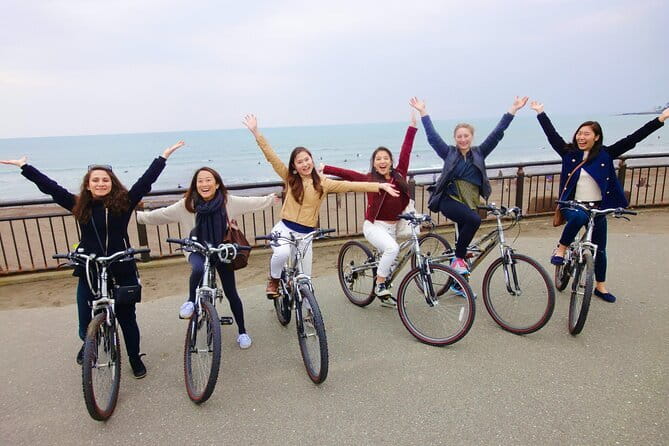
- Private group, guided start to finish with Ichi, a former rickshaw driver guide (5 years on these streets)
- Pick bike or walk, and adjust the order within the tour time window to match your pace
- Kamakura essentials in one run: Great Buddha (Kotoku-in), Tsurugaoka Hachimangu, Hasedera, and more
- Hokokuji bamboo grove stop with time to enjoy the calm (and optional matcha)
- Photo-friendly route where your guide takes photos as you go, not just at one or two spots
Why this Kamakura tour feels different than a checklist
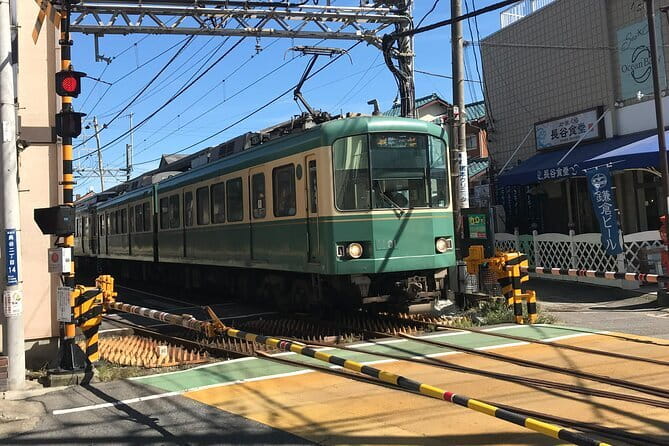
Kamakura has a way of mixing big-name sights with side streets that suddenly feel personal. What I like about this tour format is that it treats your time like a story, not a queue. Ichi’s background as a rickshaw guide matters here: he’s used to moving people through tight areas, reading crowds, and explaining what you’re actually looking at.
You get to choose bike or walking. That means you can match the day to your energy level instead of forcing one style on everyone in the group. Even better, the itinerary can flex inside the overall 4-hour window, so you’re not trapped doing everything in one strict order.
You can also read our reviews of more walking tours in Kamakura
Price and what the $150.24 per person buys you
At $150.24 per person for about 4 hours, this isn’t a budget bus tour. But it also isn’t priced like a luxury “sit and be chauffeured” experience. What you’re paying for is the private guide time plus the entry fees for two key stops (Kotoku-in/Great Buddha and Hokokuji Temple).
Here’s how I’d think about value:
- Private + guided: You’re not sharing your guide with a crowd.
- Entrance fees included for the biggest draws: That’s real money saved, and it avoids the awkward timing of finding ticket lines mid-route.
- You cover central-to-seaside Kamakura efficiently: The route includes temples, shrines, and views without you needing to coordinate trains and buses.
If your group is small and you want a half-day plan that feels guided (not scripted), the price can make sense fast.
Getting started at Kamakura Station (and staying stress-free)
The meeting point is Kamakura Station 1-chōme-1-15, Onarimachi. The activity ends back at the meeting point, which helps a lot when you’re planning lunch or the next stop in your itinerary.
A few practical notes that matter on the ground:
- You’ll have a mobile ticket, so you won’t be hunting for paper vouchers.
- The tour is near public transportation, which makes it easier if you’re arriving from Tokyo or mixing this into a longer Kamakura day.
- It’s a private tour, so your pace is your pace. That’s especially useful in temple and shrine areas where people tend to cluster around the same photo spots.
Stop 1: Kotoku-in and the Great Buddha (why it’s the best first anchor)
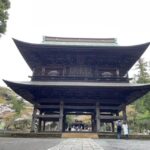
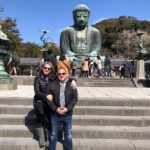
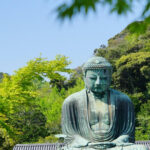
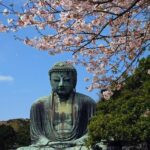
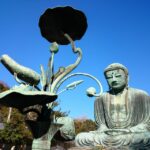
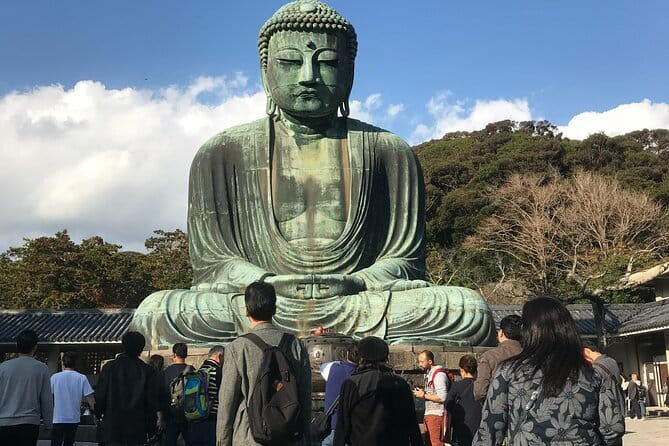
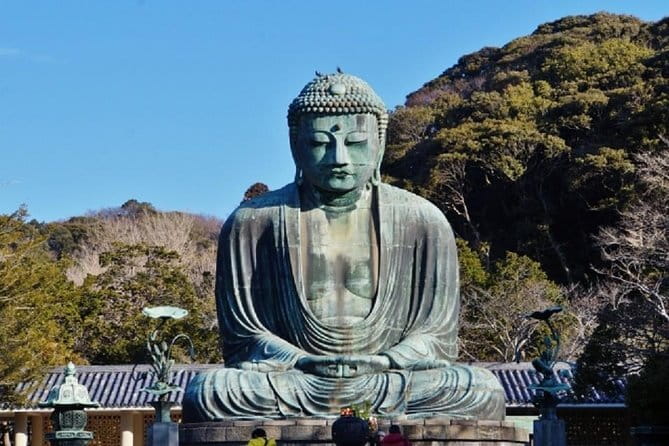
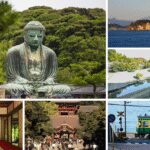
You start at Kotoku-in (Great Buddha of Kamakura), with about 30 minutes here and the admission fee included. This is the sight most people come to Kamakura for, so it makes smart sense as the anchor stop.
Why it works early:
- You get the major landmark out of the way while you’re still fresh.
- The guide can frame what you’re seeing, which makes the rest of the day feel connected rather than random.
What to expect:
- A serene but famous temple setting around one of Japan’s best-known outdoor Buddha statues.
- A chance to slow down for photos and explanations, not just pass-through time.
Time tip: Treat this as your “reset stop.” If the day gets crowded later, you’ll be grateful you already got your big photo moment and your core context.
Stop 2: Tsurugaoka Hachimangu Shrine (samurai roots, gentle walking)
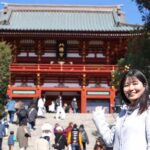
Next is Tsurugaoka Hachimangu Shrine, about 30 minutes, and entry is free. This shrine is often described as the spiritual center of Kamakura—and it’s easy to see why. The grounds feel like a ritual corridor between the city and its samurai past.
What I like about including it right after the Great Buddha:
- You shift from Buddhist iconography to Shinto spirituality without it feeling like you changed continents.
- The contrast helps you understand how Kamakura became a major center of religion and power.
Practical expectation:
- You’ll stroll the grounds and take in the architecture and atmosphere.
- Your guide’s storytelling tends to focus on how this shrine connects to the wider history of Kamakura, including the samurai era.
Stop 3: The grave of Minamoto no Sanetomo and Hojo Masako (short, but pointed)
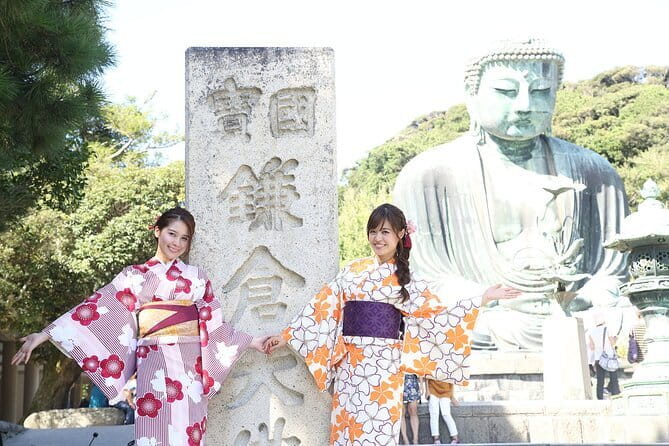
This stop is brief—about 10 minutes—and free. You’ll visit the graves of Minamoto no Sanetomo and Hojo Masako, key figures linked to Kamakura’s shogunate era.
Even though it’s not long, it’s often the most “human” stop of the day because it grounds big historical events in real names. If your brain likes connections (who mattered, how power worked, why certain families rose), you’ll probably enjoy this moment.
The only consideration is attention span. Ten minutes flies by, so go in ready to look, listen, and accept that you’re here for significance, not museum pacing.
Stop 4: Hokokuji Temple bamboo grove (where the day slows down)
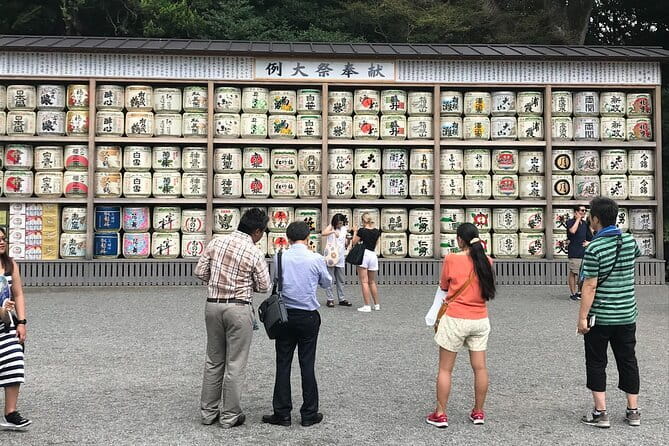
Then comes Hokokuji Temple, about 30 minutes, with admission included. Hokokuji is known for its bamboo grove, and that calm is the point. This is the stop where your day shifts gears from “big landmark energy” to quieter atmosphere.
You’ll also likely have time for a small break. The tour data notes optional green tea (about 500 yen) at a cafe in the Hokokuji area. I think that’s a smart add-on if you want a quick recharge before the coastline section.
What you’ll appreciate here:
- The temperature shift and sound difference you get walking among bamboo.
- The way the guide can explain why places like this mattered to travelers and religious communities, not just why it looks pretty.
If you’re short on time or avoiding extra spending, you can skip the tea. The grove itself still gives you value.
Yuigahama Beach and the seaside road ride (season matters)
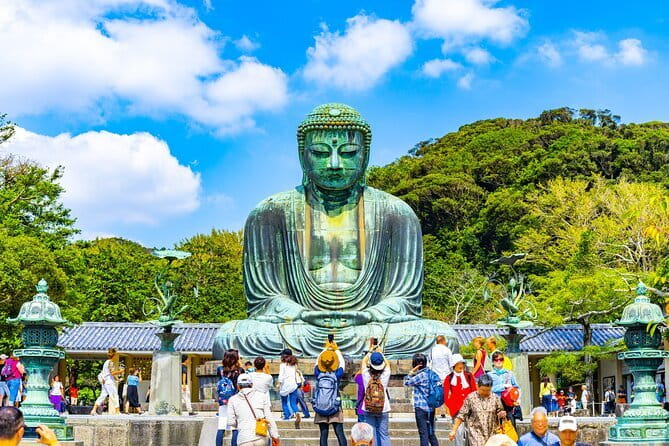
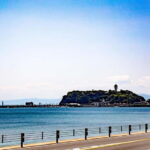
After Hokokuji, the tour brings you to Yuigahama Beach, where you can ride or walk along the charming seaside road. There’s no admission listed here, and the emphasis is clearly on atmosphere.
This is the “fresh air” and “reset your eyes” segment. Ocean light makes photos look better, and the experience feels different from temple courtyards.
One caution: summer is more crowded with people. That doesn’t mean you should avoid it—it just means your photo moment may be a little more cooperative if you’re flexible with timing.
Stop 5: Hasedera Temple (views + Kannon statue)
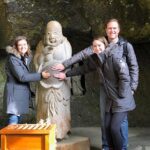
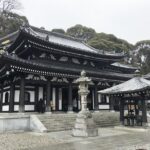
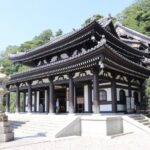
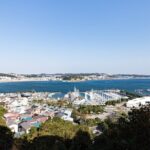
Next is Hase Temple (Hasedera Temple), around 20 minutes, and free entry. Hasedera is the kind of place where the gardens and viewpoints do a lot of work for you. You’ll also spend time around a tall wooden statue of Kannon, the Goddess of Mercy.
What makes this stop satisfying:
- It’s not just another temple stop. You get the combination of shrine/temple reverence plus coastline perspective.
- The time window is short enough that you can keep momentum without feeling rushed through everything.
A practical note: If the weather is clear, this is often where the day pays off visually. If it’s gray or rainy, you may still enjoy the quiet, but your view impact may be less dramatic.
Stop 6: Egara Tenjin Shrine (a quieter finish with learning themes)
The final listed stop is Egara Tenjin Shrine (Egara Tenjin Shrine), about 10 minutes. Admission is included here, and the shrine is dedicated to Sugawara no Michizane, associated with scholarship and learning.
This ending makes sense if you like “closing thought” energy. After several heavier history stops, this one feels like a calm bow to the day: a small shrine visit with a theme that doesn’t demand a full hour.
If your group enjoys variety, this final stop can be a relief—short, focused, and peaceful.
How I’d approach the bike vs. walk choice
If you’re deciding between biking and walking, here’s the simplest way to choose: match it to your group’s style.
Biking tends to fit you best if:
- You want to cover more ground comfortably.
- You’re okay with a little movement between stops.
- You’d rather spend your time at the sights than in transit around town.
Walking tends to fit you best if:
- You want maximum flexibility in crowds and photo pauses.
- Your group prefers slower pacing.
- Someone in the group finds bikes uncomfortable or stressful.
One extra note from the available information: one review mentions e-bikes as a bonus. That doesn’t automatically mean every departure includes them, but it’s a good thing to ask about when you book, especially if your group includes mixed fitness levels.
Weather reality: rain can be part of the plan
This tour needs decent weather, and you’ll be offered a different date or a full refund if it’s canceled due to poor conditions. That’s the honest part.
If it’s light rain, the experience can still work—especially on a bike—if your group dresses for it. One review specifically highlights the guide performing well even in the rain, and it suggests the route planning and explanation don’t stop when the weather gets messy.
What I recommend:
- Wear shoes you trust on wet surfaces.
- Bring a compact umbrella or rain layer.
- Keep your pace calm. Crowds plus slick pavement is where people get antsy.
Who this tour suits best (and who might want a different option)
This is a private tour, so it suits couples and small groups who want personalized attention and a tight, guided route. It also fits expats and friends visiting from Tokyo, since the tour has been offered to that audience and later opened up more widely.
It may be less suitable for:
- Children under 13 who can’t ride an adult-sized bike (the tour data flags this directly).
- Groups that hate moving frequently within a half-day.
It’s a great fit for you if:
- You want major Kamakura sights plus a few quieter stops like the bamboo grove.
- You like a guide who explains context in a way that doesn’t turn into a lecture.
- You want your day planned, but still flexible enough to match your mood.
FAQ
FAQ
How long is the Kamakura bike or walk tour?
The tour is about 4 hours.
What is the price per person?
The price is $150.24 per person.
Is it a private tour?
Yes. It is private, and only your group participates.
Can I choose to bike or walk?
You can choose between a leisurely bike ride or a peaceful walking tour, and the schedule can be adjusted within the tour time frame.
Where does the tour start and end?
It starts at Kamakura Station (1-chōme-1-15 Onarimachi, Kamakura, Kanagawa 248-0012, Japan) and ends back at the meeting point.
Which stops are included?
Stops include Kotoku-in (Great Buddha), Tsurugaoka Hachimangu Shrine, the grave of Minamoto no Sanetomo and Hojo Masako, Hokokuji Temple, Yuigahama Beach, Hasedera Temple, and Egara Tenjin Shrine.
Are temple and shrine admissions included?
Admission is included for the Buddha at Kotoku-in and for Hokokuji Temple. Other stops listed (like Tsurugaoka Hachimangu and Hase Temple) are marked as free.
What should I budget for besides the tour price?
The optional green tea at a cafe near Hokokuji is not included (about 500 yen). Lunch is also not included.
What if the weather is bad?
If the tour is canceled due to poor weather, you’ll be offered a different date or a full refund. The experience requires good weather.
Is the tour suitable for kids?
It is not recommended for young travelers/children under 13 who cannot ride an adult sized bike.
Should you book this private Kamakura bike or walk tour?
Yes, if you want a half-day that actually makes sense. This is one of those rare setups where you get private time, a practical route, and key admissions handled, without needing to piece together trains, tickets, and timing on your own.
I’d book it especially if your group values stories and photos, not just photos. With Ichi’s background as an ex-rickshaw guide and the tight focus on places like Kotoku-in, Hokokuji, and Hase’s Kannon statue, the experience is designed to help Kamakura feel connected.
If you know you’ll struggle with biking or you’re traveling with younger kids who can’t ride an adult bike, consider a different format. And if your trip dates are weather-iffy, plan with flexibility since this tour depends on good conditions.

![[Self-Drive] Tokyo & Daikoku Custom Car Driving Tour - The all-important paperwork and age rules (don’t skip this)](https://b.tokyosights.com/wp-content/uploads/self-drive-tokyo-daikoku-custom-car-driving-tour-400x400.jpg)