REVIEW · KAMAKURA
Kamakura Private Tour by Public Transportation
Book on Viator →Operated by Fulfilling Inc. · Bookable on Viator
Kamakura feels like Japan in fast-forward. With hotel pickup and an escort on public transit, this private tour keeps the day efficient and helps you get your bearings fast.
I love the way you get both structure and flexibility: an English-speaking guide handles the route, while the stops line up with the city’s key spiritual sites. One possible drawback is that the day includes a lot of walking and multiple transit hops (train and buses), so you’ll want comfortable shoes and to plan for bus costs.
In This Review
- Key Points Before You Go
- Why This Kamakura Tour Works Better Than DIY
- Price and What You’re Really Paying For
- The Public-Transport Day: Trains, Buses, and Practical Timing
- Meeting Your Guide: Hotel Lobby Start and Less “Where Do I Meet You?”
- Stop 1: Hasedera Temple and the Flower Tradition
- Stop 2: Kotoku-in (Great Buddha of Kamakura) Outdoors
- Stop 3: Hokoku-ji Bamboo Temple and the Cool, Quiet Feel
- Stop 4: Tsurugaoka Hachimangu Shrine in the City Center
- Stop 5: Komachidori Street for Snacks and Shopping
- How Customization Changes the Experience (For Real)
- What the Guide Adds Beyond Directions
- Who Should Book This Tour
- Should You Book This Kamakura Private Tour?
- FAQ
- How long is the Kamakura private tour by public transportation?
- Is the tour fully private?
- Does the price include admission fees?
- Are food and drinks included?
- Will I ride public transportation with the guide?
- Is hotel pickup included?
- Do I need to pay for transportation separately?
- What if plans change and I need to cancel?
Key Points Before You Go
- Private and customizable: you can shape the day around your interests.
- Public transportation with an escort: no stress about trains and bus connections.
- Temple lineup that covers both faiths: you’ll see major Buddhist and Shinto stops.
- A shorter-stay strategy: each highlight gets about an hour, so you don’t waste your day in transit lines.
- Extras add up: admission fees, food, and some transport costs aren’t included.
Why This Kamakura Tour Works Better Than DIY
Kamakura is one of those places where highlights are close enough to chain together, but the logistics can still trip you up. This tour’s main value is that it turns a complex day of connections into a simple plan you can follow without guessing.
I like that it’s built for real life travel. You’ll be on public transit, you’ll walk, and you’ll still get clear guidance at each stop. The result is a day that feels curated without turning into a rigid schedule.
You can also read our reviews of more private tours in Kamakura
Price and What You’re Really Paying For
At $156.09 per person, the sticker price is not “cheap,” but it’s also not just you paying for sightseeing tickets. You’re paying for a private tour plus an English-speaking guide who stays with you while you travel on public transportation.
What’s not included matters for budgeting. Admission fees, food and drinks, and some transportation costs are extra. So if you want to know whether it’s worth it for you, add up those unknowns early and compare your total to the cost of doing it alone with taxis or multiple guide services.
This tour also signals demand. It’s commonly booked well ahead (often around 180 days), so if you’re traveling during peak periods, earlier planning can save you headaches.
The Public-Transport Day: Trains, Buses, and Practical Timing
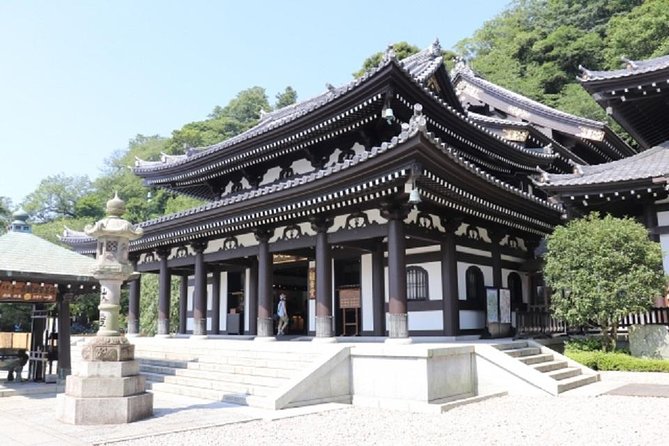
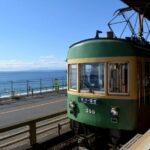
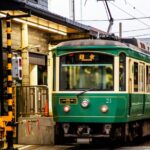
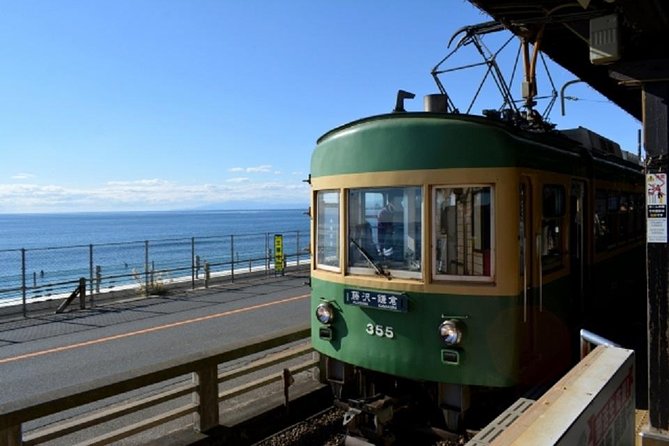
This isn’t a “sit in the van all day” tour. You’ll move on a mix of an old-fashioned commuter train, public buses, and walking between sites. That can be a plus if you enjoy riding local transit and seeing how people actually get around.
The trade-off is effort. Expect a day where legs do the work and you keep an eye on connections. If you’re hoping for a low-walking day, you might feel the pace.
One smart planning tip from how the tour runs: bring small coins for buses and budget extra time for transfers. The day is designed to reduce confusion, not reduce transit itself.
Meeting Your Guide: Hotel Lobby Start and Less “Where Do I Meet You?”
The tour starts with a meeting in the hotel lobby. That sounds small, but it’s a big deal on busy travel days. It saves you from the most stressful part of a private tour: finding the right person at the right time while you’re already tired.
You’ll also have a guide who can explain what you’re seeing as you go. In past departures, the guide Yumiko Sano (often called Yumiko, also known as Yumi) has been praised for being prompt, kind, and especially good at handling public transport smoothly.
Stop 1: Hasedera Temple and the Flower Tradition
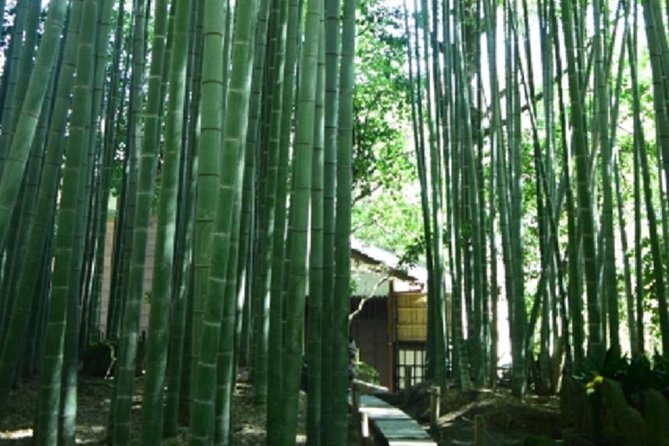
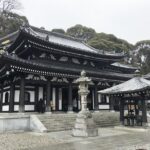
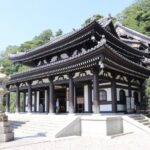
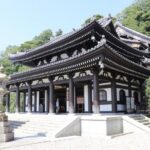
Hasedera is one of Kamakura’s major temple experiences. It’s especially known for flowers that change by season, and it’s been called a temple of flowers since long ago.
You’ll get about an hour here. That’s enough time to take in the grounds without turning it into an all-afternoon grind. The main “consideration” is seasonal expectations: if you’re traveling in a period when flowers are less showy, you may still enjoy the setting, but the wow factor can depend on the season.
If you like spiritual sites that feel lived-in (not just photographed from one corner), Hasedera tends to deliver. It’s a stop that helps you understand why Kamakura became such a magnet for temple lovers over centuries.

Stop 2: Kotoku-in (Great Buddha of Kamakura) Outdoors
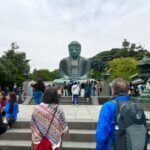
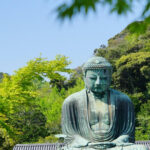
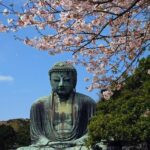
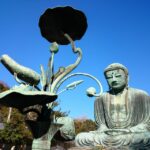
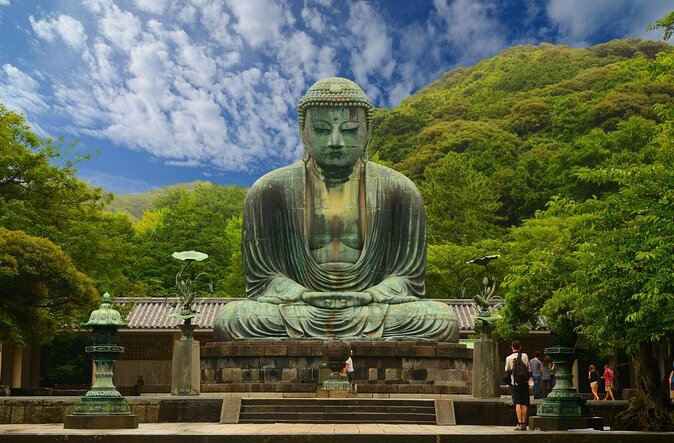
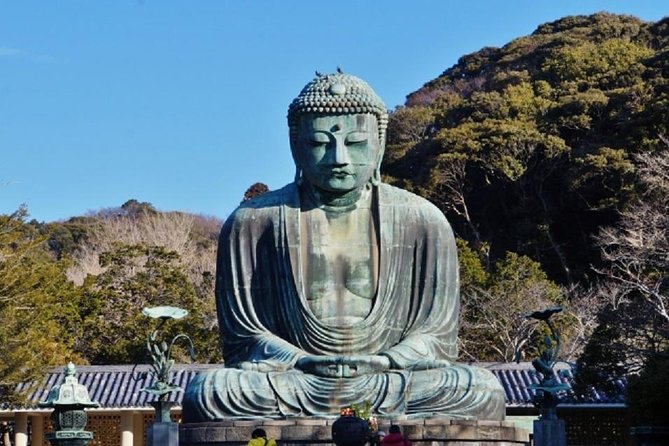
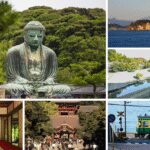
Next is Kotoku-in, famous for the Great Buddha of Kamakura. The statue is an outdoor bronze figure of Amida Buddha, standing about 13.35 meters tall.
This is the kind of highlight that benefits from seeing it in person. An outdoor giant statue has a different feel than a museum piece—light, weather, and the space around it all shape the moment. You’ll have around an hour, which is a sweet spot for taking photos, looking around the grounds, and getting a feel for the scale.
Admission isn’t included, so plan for that if you want it to be smooth. Also remember that outdoor sites mean you’ll feel the day’s temperature more directly than you would in indoor halls.
Stop 3: Hokoku-ji Bamboo Temple and the Cool, Quiet Feel
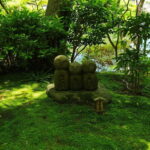
Hokoku-ji is often called the bamboo temple, and the key feature is the large bamboo garden in the precincts. The atmosphere is described as cool and mysterious, and that matches the way people tend to experience bamboo areas: sound changes, shadows shift, and you slow down without forcing it.
You’ll get about an hour here as well. That’s enough time to walk through at a comfortable pace and soak up the calmer mood that bamboo creates. If you rush, you’ll miss the point of this stop.
This is also a good contrast to the open-air weight of the Great Buddha. One site is all scale and presence; the other is about rhythm and the feeling of the garden.
Stop 4: Tsurugaoka Hachimangu Shrine in the City Center
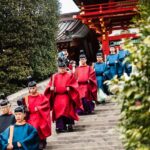
Tsurugaoka Hachimangu is one of Kamakura’s best-known shrines and it sits in the middle of the city center. For centuries, it has been revered as a home of gods of war, which gives the shrine a distinct historical flavor compared with purely decorative temple grounds.
You’ll have about an hour here, which helps you capture the core experience without getting stuck in “I’m hungry but still walking” mode. Admission also isn’t included, so budget for the site if you plan to enter any areas that require tickets.
This stop is valuable because it adds the Shinto side of Kamakura’s story. If you’re the type who likes seeing how different religious traditions coexist in one city, you’ll likely appreciate the balance.
Stop 5: Komachidori Street for Snacks and Shopping
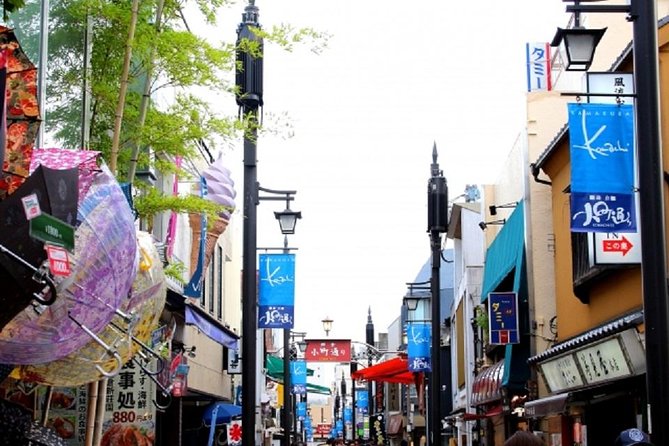
After the main shrine and temple anchors, you’ll have time on Kamakura Komachidori, a street known for food and unique shops. The tour gives you about 30 minutes here.
That short window is on purpose. It’s enough to grab something to eat, browse a few storefronts, and pick up a small souvenir. It’s not long enough to become a full shopping mission, so treat it like your bonus break.
If you care about local flavors, this is where you can spend your time wisely. If you don’t snack much, you may feel like 30 minutes is tight—though it still helps keep the day moving.
How Customization Changes the Experience (For Real)
The big promise here is that the tour can be customized to fit your needs. That can mean adjusting pacing, rethinking how much time you want at each highlight, or shaping the day around what you care about most.
Customization matters because Kamakura is not one single vibe. You can go “temples first,” or you can shift your focus toward more relaxed stops. This itinerary is strongly centered on Buddhist and Shinto sites, so if your dream is the resort side of Kamakura, you’ll want to discuss your priorities with the guide before you lock in your route.
For first-timers, this customization option can feel like a safety net: you can keep the core highlights, then tweak the edges so the day feels personal.
What the Guide Adds Beyond Directions
A private guide isn’t only about where to stand and when to board. The real value is context while you’re looking at things.
In the feedback tied to this tour, the guide’s warmth and promptness come up often. The other big theme is transport confidence—navigating public trains and buses without turning your day into a hunt for platforms and stops.
You also get history and culture explained in a way that makes the temples and shrines easier to recognize as more than just impressive photos. Even when you only have an hour at each site, you walk away with meaning instead of a blur of incense and stone.
Who Should Book This Tour
This experience is a great fit if you want:
- A private day in Kamakura without handling every transit detail yourself.
- An English-speaking guide while you ride public transportation (not a car-based tour).
- A temple-and-shrine-focused introduction that covers Buddhist and Shinto highlights in one day.
It can also work well for couples or small groups who prefer to travel like locals—train and bus included—while still having a plan.
You might want to rethink the tour if:
- You’re mainly chasing the beachy, resort-feeling side of Kamakura.
- You dislike walking and transfers and want a slower pace with fewer connections.
- You prefer everything included (this one has extra costs for admissions and food).
Should You Book This Kamakura Private Tour?
If you want a smooth, guided Kamakura day that uses local transit and hits the big spiritual highlights without stress, I think this is a solid booking. The value sits in the combination: private time, English guidance, and an escort that keeps the public-transport portion from becoming confusing.
Book it if your priority is temples and shrines, and you’re comfortable with a transit-heavy day. Skip it (or tailor it heavily) if you’re mostly after the resort vibe or you need a low-walking itinerary.
FAQ
How long is the Kamakura private tour by public transportation?
It runs about 9 hours, approximately.
Is the tour fully private?
Yes. It’s a private tour/activity, and only your group participates.
Does the price include admission fees?
No. Admission fees are not included, and you’ll need to pay them separately.
Are food and drinks included?
Food and drinks are not included.
Will I ride public transportation with the guide?
Yes. The tour includes an escort on public transportation, along with pickup and hotel transfers.
Is hotel pickup included?
Yes. Meeting happens in your hotel lobby, and hotel transfers are included.
Do I need to pay for transportation separately?
Transportation to/from customers is not included, and some transport costs during the day may be extra since transport fees are listed as additional.
What if plans change and I need to cancel?
You can cancel for a full refund up to 24 hours before the experience start time.