REVIEW · TOKYO
Awesome Private Tour: Tsukiji, Asakusa, Shinjuku, Shibuya
Book on GetYourGuide →Operated by ABU · Bookable on GetYourGuide
Tokyo changes pace fast here.
This private tour is a smart way to see classic Tokyo plus side streets, all steered by your own interests and kept moving at a human pace. I especially love the custom itinerary approach, because you’re not stuck with a rigid script.
Second, I like how the experience balances big-photo stops with real local wandering. The guide (often listed as ABU, with other named guides like Ayoub and Maruf showing up in bookings) helps you plan the rest of your trip and even adjusts for rough weather. One thing to consider: the tour price doesn’t include metro fares or attraction tickets, so your total can climb a bit if you add paid sights or rides.
In This Review
- Key things I’d book this for
- A Tokyo mash-up that hits market, temples, and neon alleys
- Private guide energy with ABU (and other named hosts)
- Is $116 good value for Tokyo private time?
- Tsukiji Outer Market: where your guide helps you eat smart
- Tsukiji Hongan-ji and the calm pause in a busy zone
- Ginza contrast: photo stop + Kabuki-za pass-by
- Asakusa and Sensō-ji: Nakamise street time without the crush
- Tokyo Skytree break: decide how high you want to go
- Akihabara and Ueno: pop culture meets museum-town pace
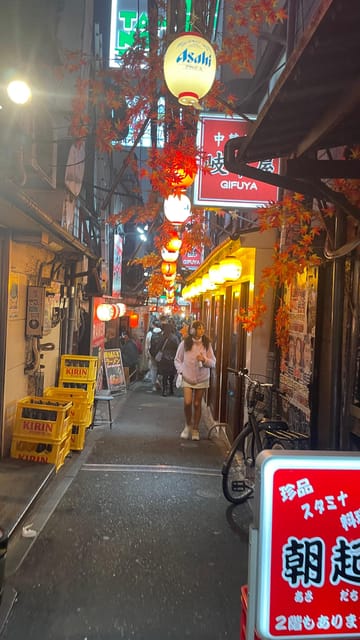
- Shibuya Crossing plus Shinjuku nightlife lanes
- How off-the-beaten-path stops like Yanaka and Kichijoji work
- What to wear and how to keep energy up
- Who this tour suits best
- Should you book this private Tokyo tour?
- FAQ
- How long is this tour?
- Where does the tour start?
- What areas are included?
- Is transportation included?
- Are entrance tickets included for attractions?
- What language is the guide?
- Is the tour wheelchair accessible?
Key things I’d book this for
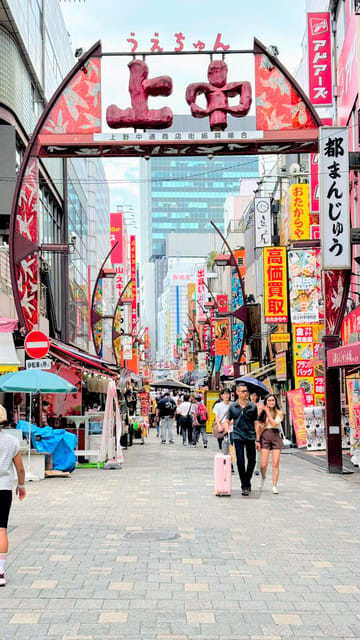
- A guide who steers the day: your route shifts to match art, food, shopping, or quiet backstreets.
- Tsukiji + old-town Asakusa in one flow: market energy followed by temple streets.
- Shibuya Crossing and Hachiko-area photos plus time to breathe between crowds.
- Shinjuku night alleys as a real send-off with stops around Omoide Yokocho, Kabukicho, and Golden Gai.
- Short metro hops you can manage (but you pay your own fares).
- Photo help and planned breaks, including adjustments during hot weather.
A Tokyo mash-up that hits market, temples, and neon alleys
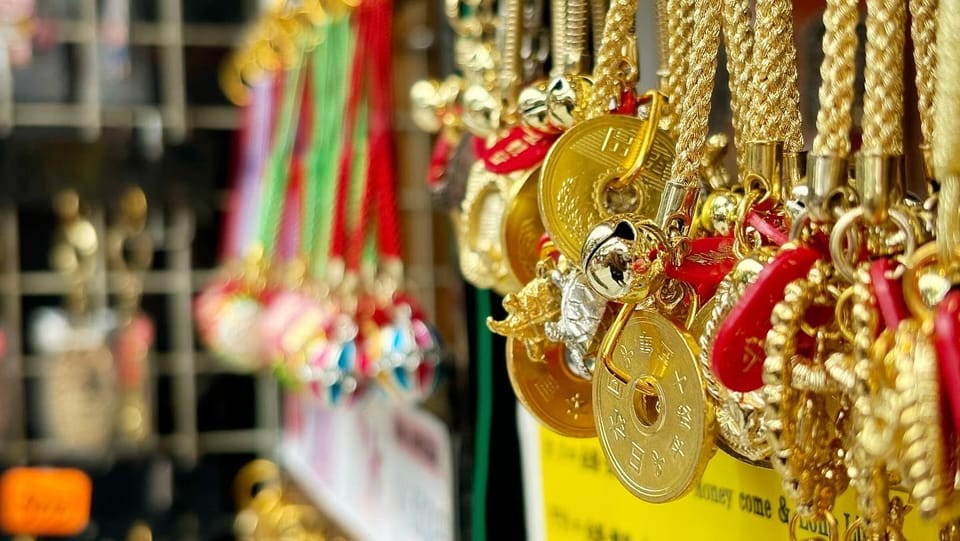
This tour works because it groups Tokyo by mood, not just by geography. You start with market sights, swing into temple streets, then shift toward skyline views and pop-culture shopping, and end with the lights and narrow lanes of Shibuya and Shinjuku.
Even better, the tour duration can be 4 to 8 hours, so the day can feel either tight and efficient or expanded and relaxed. If you choose a shorter window, you’ll naturally cover fewer districts; longer time lets you slow down and actually browse instead of just passing through.
You can also read our reviews of more private tours in Tokyo
Private guide energy with ABU (and other named hosts)
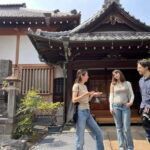
This is a private group experience with an English-speaking host. That matters in Tokyo, because the difference between seeing something and getting something is usually just context and timing.
In bookings I’ve seen, guides are often described as friendly, adaptable, and photo-oriented. Some named hosts include Abu/ABU, plus Ayoub and Maruf. I also like that the guide is not only sightseeing-focused; they help you plan what comes next after the tour, which is a huge value when you’re mapping out multiple neighborhoods in limited time.
Is $116 good value for Tokyo private time?
At $116 per person, it’s not a budget tour. Still, I think it can be a solid value because you’re buying three things at once: direction, flexibility, and time-saving routing.
What may affect the final cost:
- Transportation expenses during the tour are on you (the itinerary includes several metro segments).
- Attraction entrance tickets are not included. If you decide to go up paid viewpoints or enter specific venues, budget for that.
- Food beyond what you plan to spend is also on you.
Here’s my practical take: if you’d otherwise spend time figuring out logistics and trying to guess which streets to prioritize, a guided private day often pays for itself in reduced stress. If you’re mostly trying to follow a self-guided checklist with minimal explanation, then the added cost may feel steep.
Tsukiji Outer Market: where your guide helps you eat smart
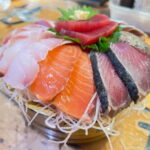
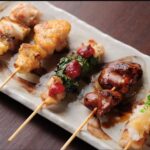
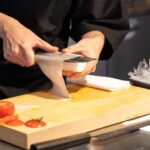
Tsukiji Outer Market is one of those places where crowds can make you feel like you’re always one step behind. With a guide, you don’t just wander stalls—you get help reading what’s worth your time and how to shop and snack without losing the thread of the morning.
Expect a guided walk around the Outer Market with photo stops and a bit of browsing. This is a great window for:
- Snacks and small tastes (the market is built for it)
- Quick souvenir shopping
- Seeing the everyday rhythm of a working-food area
A helpful detail from past experiences: the host gave strong recommendations for eating around the fish market area. If food is high on your priority list, this is where you’ll feel the guide’s value most.
Tsukiji Hongan-ji and the calm pause in a busy zone
After the market buzz, you’ll hit Tsukiji Hongan-ji, which works as a breather. You get short walking time on the way, then a photo stop and guided visit.
This stop is useful even if you’re not a temple person. It’s a reminder that Tokyo’s energy isn’t only neon and shopping. The contrast helps you reset your eyes and your legs before you go into busier retail areas.
Ginza contrast: photo stop + Kabuki-za pass-by
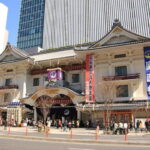
Ginza is Tokyo’s polished shopping district, and the tour treats it as a contrast stop rather than a full-day shopping marathon. You’ll have time for photos, guided context, and browsing, plus a pass by Kabukiza.
If you’re interested in performing arts, there’s a possibility of catching kabuki if timing works out. Just keep in mind: entrance tickets for any performance or attraction aren’t included, so you’d need to plan that separately if it’s a must.
Why this stop works: Ginza helps balance the day. You go from market food chaos to a more structured, high-end shopping atmosphere, and it makes the later street-life in Shibuya and Shinjuku feel even more dramatic.
Asakusa and Sensō-ji: Nakamise street time without the crush
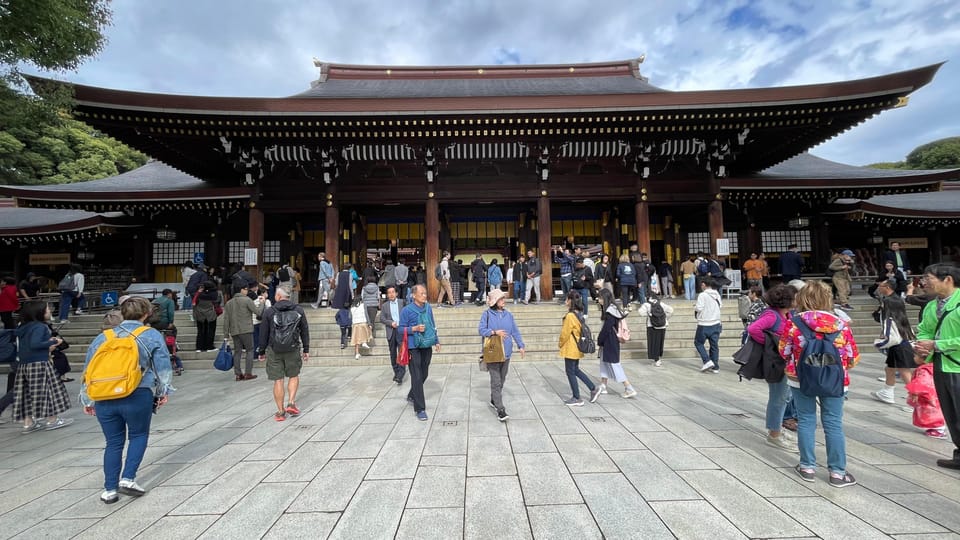
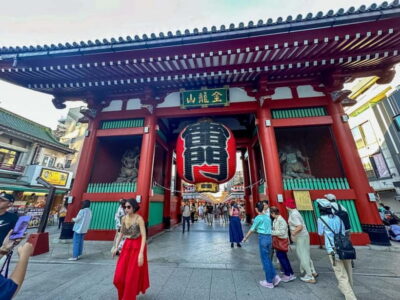
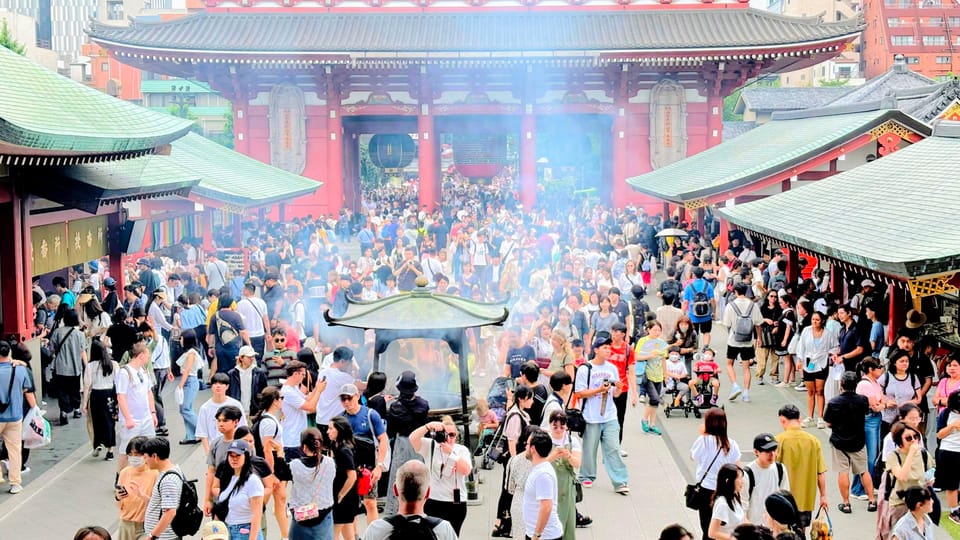
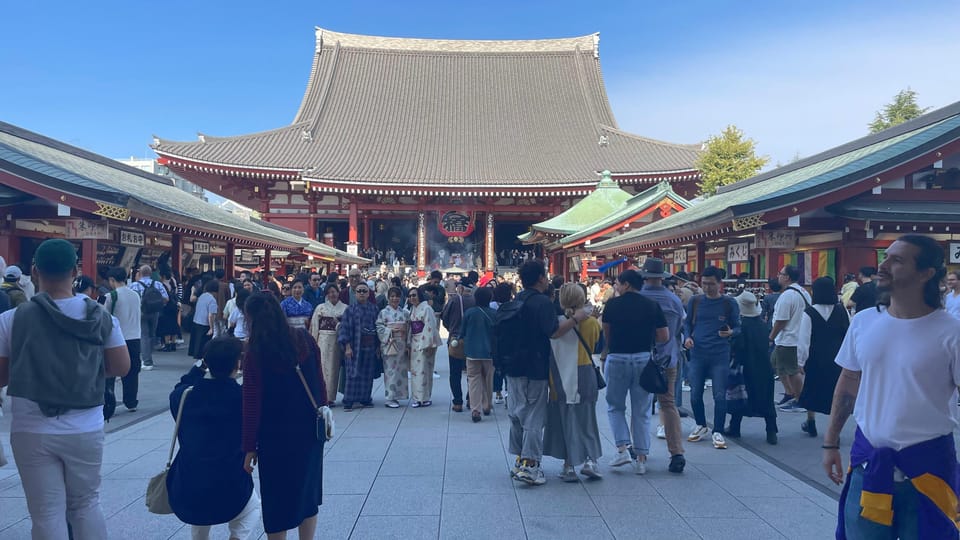
Asakusa is the Tokyo you see on postcards, but it’s also one of the best places to slow down. You’ll hit the Nakamise Shopping Street with a guided walk, photo stops, and time to browse.
Then comes Sensō-ji Temple, with a break for photos and guided visit, plus free time. This is a great mix because you get:
- The story behind what you’re seeing
- Enough free time to shop for snacks and souvenirs
- A chance to wander at your own pace once the big points are covered
One practical win: the guide can point you toward shops near the temple area and help you avoid wasting time on stalls that don’t match your interests. In hot weather, I also like that guides often build in breaks—one past booking specifically praised that kind of adjustment during extreme heat.
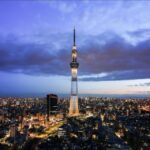
Tokyo Skytree break: decide how high you want to go
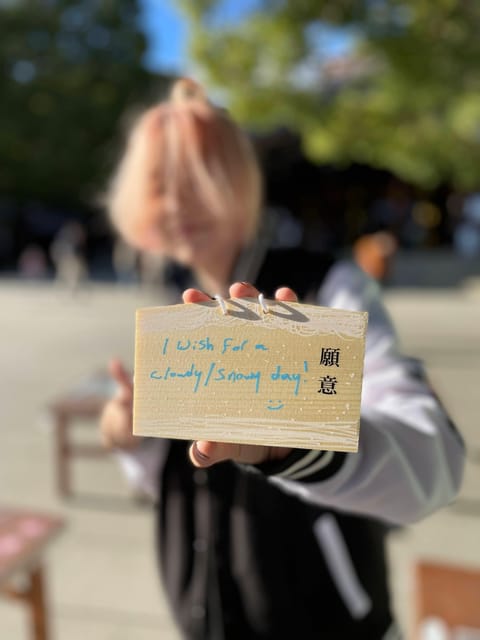
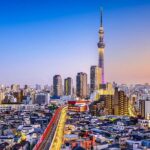
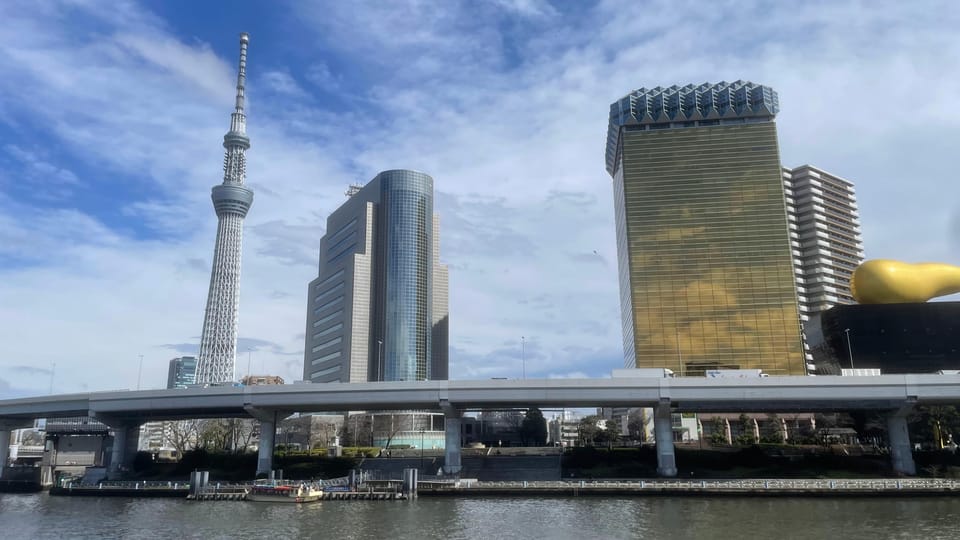
Tokyo Skytree is the skyline magnet. In this tour flow, you’ll have a longer break time here, with photo stop and guided sightseeing around the area.
Since attraction tickets aren’t included, your best move is to decide in advance what you want from Skytree:
- Want a view and you’re happy to pay for paid access? Factor that into your budget.
- Prefer photos and surrounding shopping/areas without paying for entry? You can still enjoy the district-level experience.
Either way, the real value of this stop is pacing. A longer break means you can rest, snack, and reset before pop-culture shopping and nightlife.
Akihabara and Ueno: pop culture meets museum-town pace
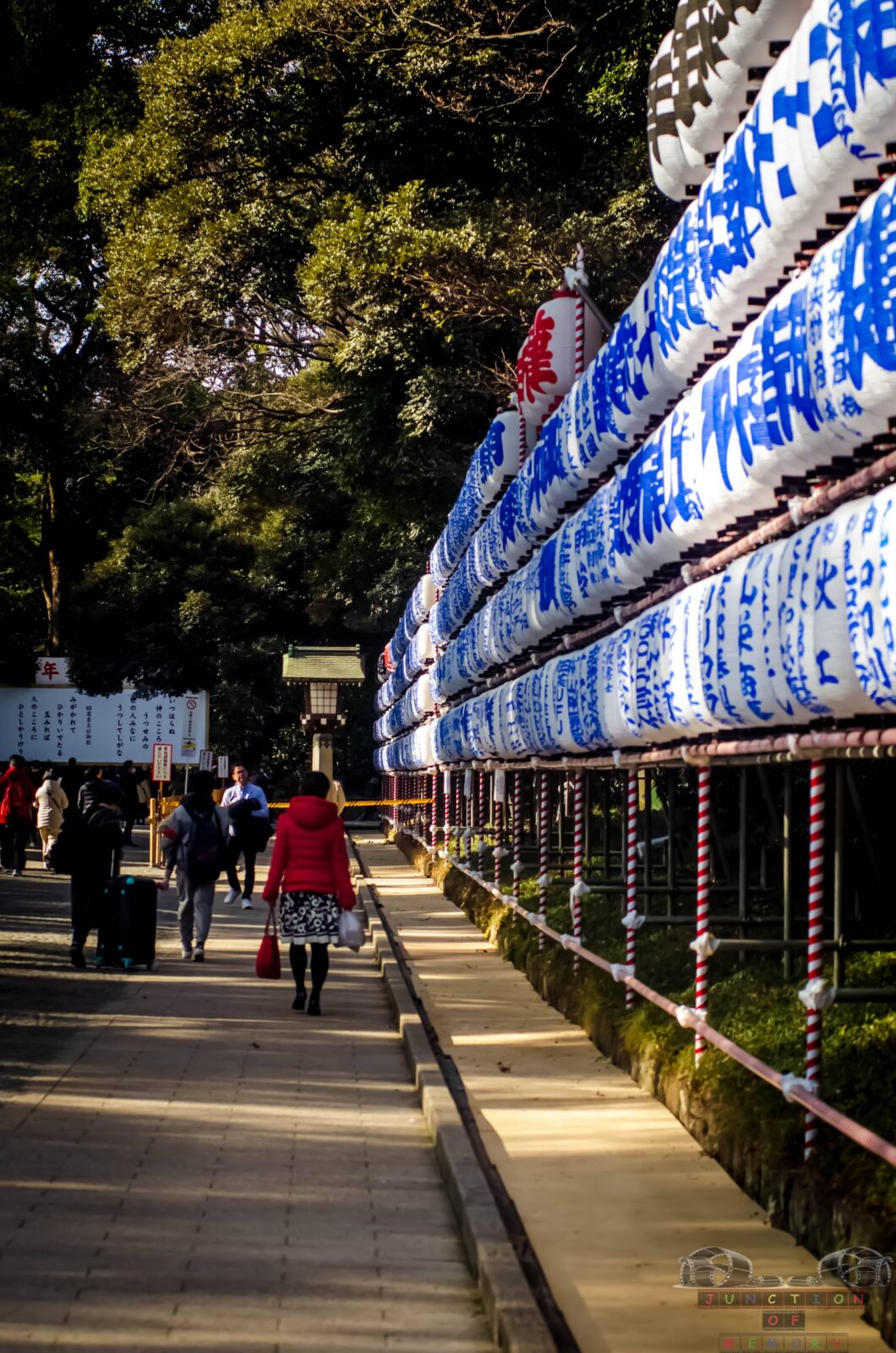
After Skytree, the tour tends to shift toward interests—Akihabara for tech and pop culture vibes, then Ueno with a shorter guided segment and free time.
Akihabara works well in a guided format because it’s easy to get lost in stores. A good host can help you target what you care about, whether that’s electronics, anime and manga shopping, or themed streets.
Ueno is a different rhythm: more space to wander, and a strong museum and park area feel. In the tour flow, Ueno is built as a break point, not a full lecture—so it’s a good stop for travelers who want variety without feeling rushed.
Shibuya Crossing plus Shinjuku nightlife lanes
Shibuya Crossing is iconic for a reason: it’s a real-life coordination challenge in pedestrian form. You’ll get a guided visit and time for photos and browsing, plus nearby landmarks like the Hachiko Statue area.
After Shibuya, the day leans into Shinjuku atmosphere, including:
- Omoide Yokocho (narrow, old-school alley vibes)
- Kabukicho (the big, bright entertainment district)
- Golden Gai (tiny bars tucked into a maze of lanes)
What I like about including these stops is the emotional arc. The day ends where Tokyo feels loud and specific, and you’re not doing it as a random night walk. The guide keeps it structured enough that you don’t feel like you’re aimlessly drifting.
How off-the-beaten-path stops like Yanaka and Kichijoji work
The best part of this tour is that it doesn’t force you into only the most famous names. The tour can be customized to add less-visited neighborhoods such as:
- Yanaka: old Shitamachi atmosphere, narrow lanes, local temples, and Yanaka Ginza for street food and small shops.
- Nakano: Nakano Broadway for manga/anime/collectibles, plus izakaya-style local nightlife.
- Kichijoji: Inokashira Park, boating lake vibes, and a laid-back area with cafes, vintage shops, and lively food markets.
In practice, you’ll feel these choices most if you want your Tokyo day to include calmer wandering and local texture instead of only famous photo corners. If you also have limited time, customization helps you trade one big stop for another that matches your personality.
What to wear and how to keep energy up
This is a walking-heavy city day, with several metro hops. Wear comfortable shoes you’d trust for long blocks, and bring water.
One reason this tour style works: guides often build in breaks, including for very hot weather. That’s a detail that can make or break the day, especially when you’re mixing markets, temple streets, and nightlife lanes all in one run.
Who this tour suits best
I’d recommend this tour if:
- You’re doing Tokyo for the first time and want a guided “greatest hits” spine.
- You like photos, but also want the meaning behind what’s in front of you.
- You want a private experience where you can linger, skip, or adjust.
- Food and shopping are priorities, and you’d like the guide to help you spend time wisely.
- You’ve got other tours planned later and want guidance on where to grab a good lunch or how to connect neighborhoods efficiently.
If you hate walking and want a mostly point-and-ride experience, you may feel more comfortable with a different format. This one is designed for active exploration.
Should you book this private Tokyo tour?
My call: book it if you want a guided Tokyo day that’s flexible, English-led, and built to mix iconic landmarks with real neighborhoods. The strongest value is the host’s ability to tailor the day, recommend what’s worth your time, and help you plan what comes next.
I’d hesitate if you’re on a tight budget, because metro fares and attraction tickets are extra and the $116 price isn’t bargain territory. Also, if you’re happy doing everything from a checklist and you don’t care about context, a self-guided day will likely feel cheaper.
If your goal is a Tokyo day that feels organized but not robotic, this is a very good fit.
FAQ
How long is this tour?
It runs for 4 to 8 hours, depending on the starting time and what you choose to cover.
Where does the tour start?
The pickup location is in Tokyo.
What areas are included?
The plan can include major spots like Tsukiji Outer Market, Asakusa (Sensō-ji and Nakamise), Ginza, Tokyo Skytree, Akihabara, Ueno, Shibuya Crossing (and Hachiko area), plus Shinjuku areas such as Omoide Yokocho, Kabukicho, and Golden Gai. The route can also be customized with options like Yanaka, Nakano, or Kichijoji.
Is transportation included?
No. Transportation expenses are not included, and you’ll cover your own metro/subway fares during the tour.
Are entrance tickets included for attractions?
No. Tickets for attractions are not included, so you’ll need to pay separately if you want to enter specific venues.
What language is the guide?
The live tour guide speaks English.
Is the tour wheelchair accessible?
Yes, the tour is wheelchair accessible.