REVIEW · TOKYO
Tokyo: Scenic Bay Cruise with Local Guide on Private Boat
Book on GetYourGuide →Operated by Tokyo Water Taxi · Bookable on GetYourGuide
Tokyo Bay looks best when you stop walking. This small-boat cruise gives you small-boat access to views bigger ships can’t reach, plus Rainbow Bridge is right overhead at close range. I like the fact it’s guided in a friendly, personal way (not a rushed land-tour script), and I also like the onboard ride-time that feels like a real break from Tokyo foot traffic. One catch: it’s not for people who get seasick easily, and there’s no wheelchair access.
The route packs major landmarks into one hour without turning into a photo marathon. You’ll start from the Tokyo Water Taxi area, then glide past the skyline highlights that most visitors see only from streets and trains. Consider it if you want calmer sightseeing, fun sky-and-water photos, and a bit of Tokyo local color from the guide.
You get a captain and an English local guide on board, plus the basics for a safe, comfortable cruise. On daytime departures, there’s also a chance to watch seabirds get fed close by as they swoop alongside the boat. If that’s what you’re after, plan for good timing and dress for wind off the water.
In This Review
- Key takeaways before you board
- Why Tokyo Bay from a small boat beats the usual skyline photo
- Getting on fast: Tokyo Water Taxi meeting point and safety briefing
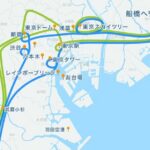
- The 1-hour route: Tokyo Tower, Skytree, Rainbow Bridge, and more
- Rainbow Bridge under-the-bridge moments (and how to photograph them)
- Odaiba from the water: futuristic waterfront, different angles
- Seabirds feeding: the fun surprise that adds energy
- Guide and crew: what you get from the local storytelling
- Sunset vs daytime: choosing the best timing for your priorities
- What to bring (and what rules you’ll actually notice)
- Price and value: why $38 feels fair for what you’re getting
- Who this cruise fits best (and who should choose something else)
- Should you book this Tokyo Bay cruise?
- FAQ
- How long is the cruise?
- Where do we meet for the cruise?
- What language is the guide?
- Is this cruise private or shared?
- Is there a safety briefing before we depart?
- Is wheelchair access available?
- What should I bring for snacks or drinks?
- Are umbrellas allowed on the boat?
- What activities are not allowed during the cruise?
- Is it okay if my child needs ID?
Key takeaways before you board
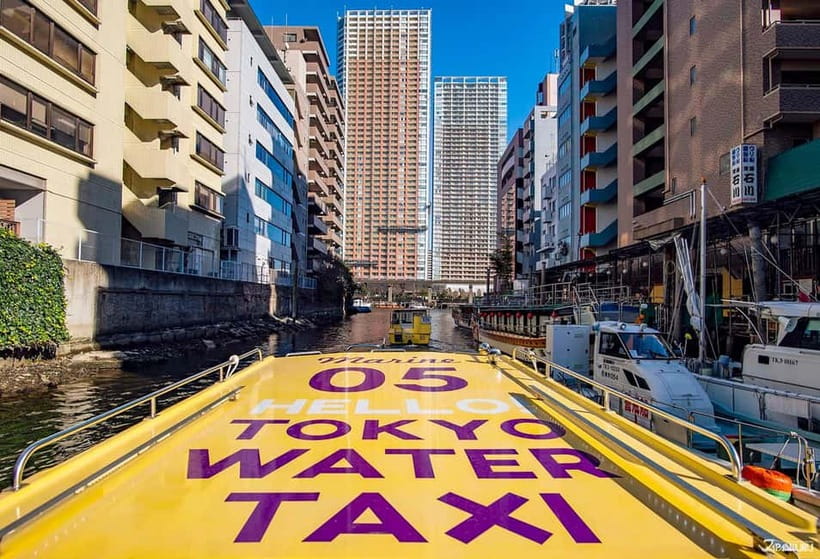
- Small-boat routing: Go where larger boats can’t, including tight passes and close-up bridge views
- Rainbow Bridge photo time: You don’t just see it from far away; you ride under it
- Odaiba views at water level: The futuristic waterfront feels more real from the bay
- Seabirds at feeding time: In daytime cruises, birds can fly right alongside the boat
- English guide with local stories: Expect questions answered and practical recommendations
- One-hour reset from Tokyo walking: A short ride that still delivers big views
Why Tokyo Bay from a small boat beats the usual skyline photo
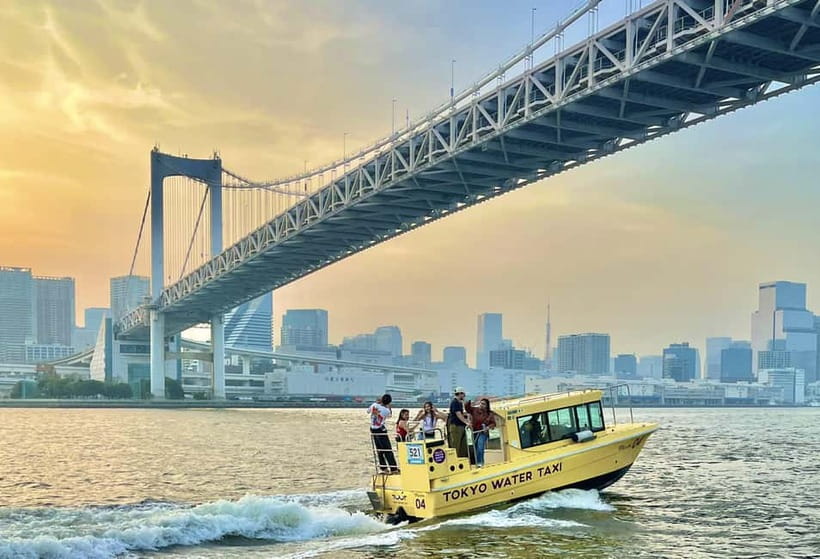
Tokyo’s skyline is easy to spot on land. What’s harder to get is the feeling of moving through it—close to towers, bridges, and waterfront architecture while the city slides by at water speed. A small boat changes the whole vibe: you feel the breeze, hear the water, and get angles that don’t exist from sidewalks.
This cruise is built around those “can’t-do-on-land” moments. You glide under the glowing Rainbow Bridge and sail past Odaiba up close, where the geometry of the bay makes the skyline look taller, sharper, and more cinematic. And because the ride is short—just one hour—you don’t spend your day commuting between photo stops. You get a real break, then you’re ready for the rest of Tokyo afterward.
There’s also a playful element that keeps it from feeling like sightseeing homework: seabirds, especially during daytime departures. When birds swoop near the boat for feeding, it adds motion and surprise to your photos and gives the guide something fun to explain beyond the landmark names.
You can also read our reviews of more boat tours in Tokyo
Getting on fast: Tokyo Water Taxi meeting point and safety briefing
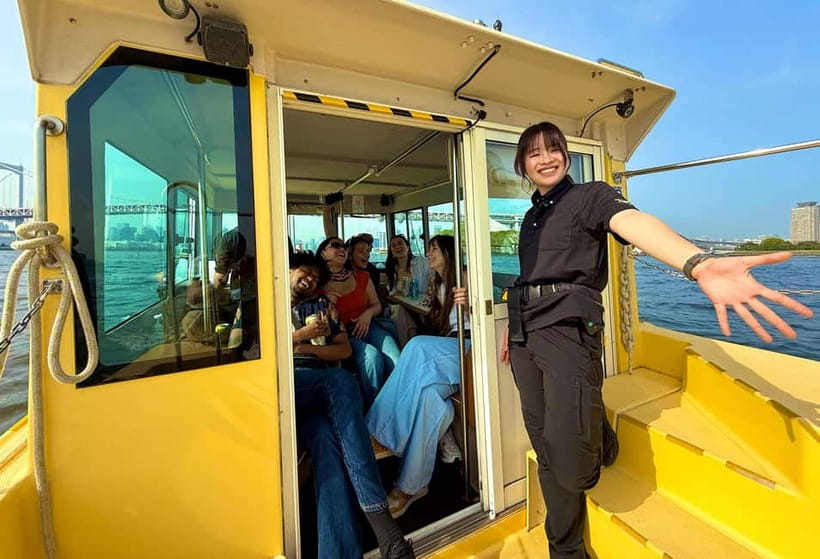
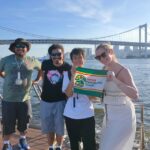
Meet right in front of the Tokyo Water Taxi office. Your meeting instructions are simple: look for staff at the front, then take a short two-minute walk to the pier. That’s helpful if you’re juggling a packed day, because you won’t lose time hunting down a hidden dock.
Once you’re on board, there’s a short safety briefing (about 10 minutes). Life jackets are included, so you can focus on enjoying the ride instead of worrying about what to bring. There’s also a JBL speaker onboard, which means you can expect some background music during the cruise, if you want that kind of soundtrack.
The practical takeaway: show up a bit early. The whole experience is timed for flow, and a smooth boarding matters on the bay where schedules can shift with harbor conditions.
The 1-hour route: Tokyo Tower, Skytree, Rainbow Bridge, and more
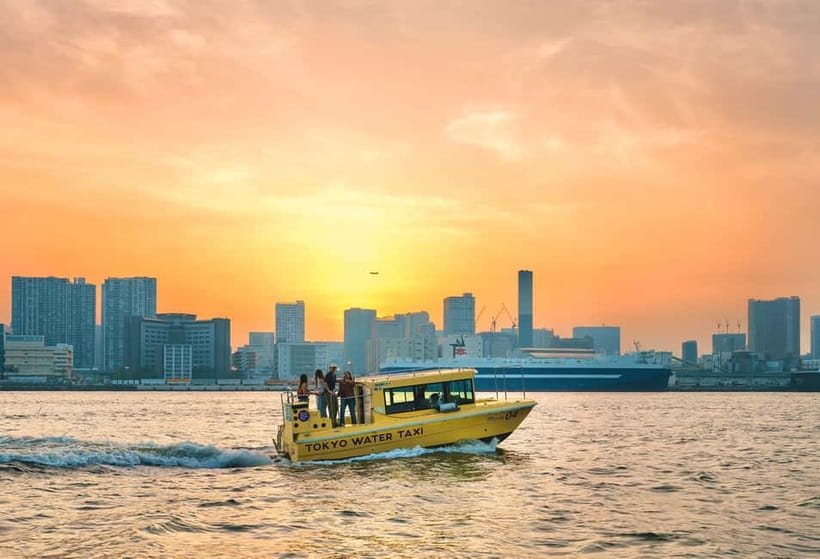
This is a tight sightseeing loop, so the best way to enjoy it is to think in sequences: identify, photograph, then relax.
You’ll start with landmarks that help you “place” Tokyo fast. Early on, you’ll pass the area around Tokyo Tower and get a quick photo stop with scenic views on the way (about 5 minutes). It’s short, but it works because Tower-area views are exactly the kind you want to catch before the light changes.
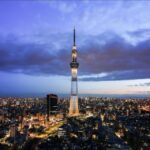
Next comes Tokyo Skytree. You get another photo stop with a little sightseeing time (also about 5 minutes). If you’ve been seeing both towers on posters and train screens, seeing them from the bay makes them feel more three-dimensional. The skyline becomes a real map instead of background noise.
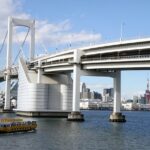
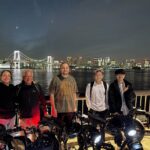
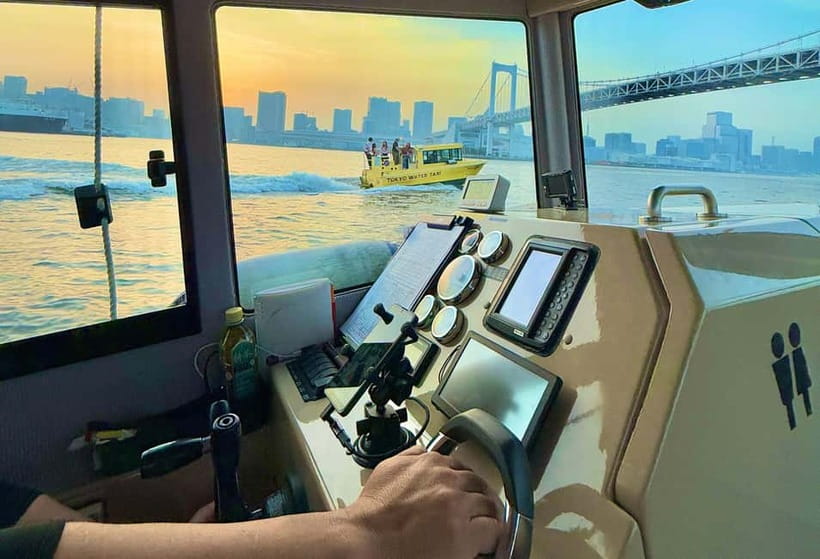
Then the star moment: Rainbow Bridge. You’ll have a dedicated pass-by/photo stop time (about 10 minutes) as you glide right beneath it. This is where the small-boat advantage really pays off. On land you can look up; on the water you pass under it and feel the scale.
After Rainbow Bridge, you’ll continue across the bay toward Odaiba-area views and then toward the Statue of Liberty area in Tokyo. You’ll get another photo stop and visit time (about 10 minutes), followed by return toward the dock to finish back where you started.
The timeline is simple: it’s designed so you see major highlights without sprinting between neighborhoods.
Rainbow Bridge under-the-bridge moments (and how to photograph them)
Most people see Rainbow Bridge from distance, framed by buildings and traffic. Here, the bridge is close enough that it becomes a shape you ride through, not a postcard object. That means your photos have depth: the bridge structure, the skyline behind it, and the water in front.
A few practical tips:
- Keep your camera ready as you approach the bridge area. The best angles happen during the pass-by time, not after you’ve moved on.
- Skip umbrellas. They’re not allowed onboard, and wind off the water can make them awkward anyway.
- If you’re doing a sunset cruise, aim for photos early enough that you still enjoy the last portion without rushing every minute.
Even the “small” photo stops can be great if you’re mindful. Instead of taking 50 near-duplicates, take a handful, then turn your attention back to the ride and the view moving past you.
Odaiba from the water: futuristic waterfront, different angles
Odaiba looks futuristic from the street. From the bay, it looks like it’s been built for boats. You’ll sail past Odaiba up close, and that closeness matters because it changes how you read the shoreline—suddenly you’re not just seeing buildings, you’re seeing the waterfront layout.
This is a good moment to take in Tokyo’s relationship with water. Tokyo is often described in terms of trains, neighborhoods, and food alleys. Watching Odaiba and the bay glide by reminds you that water is part of the city’s design and daily rhythm.
If you like photo variety, this stretch delivers. You get shots with the shoreline in the frame, plus skyline reflections and bridge lines that are much harder to create from land.
You can also read our reviews of more guided tours in Tokyo
Seabirds feeding: the fun surprise that adds energy
One of the most memorable parts is the chance to feed seabirds during daytime cruises. When it happens, birds swoop around alongside the boat, creating quick, chaotic motion that’s perfect for fun photos and adds a live “wow” element beyond landmark views.
A few things to keep in mind:
- This is tied to daytime departures, so sunset trips may feel different in terms of bird activity.
- Watch the guide’s cues. The point isn’t to chase the birds; it’s to enjoy their flight close to the boat.
- Dress for wind. If you’re looking at the birds, you’ll probably lean toward the rail, and the bay breeze can be sharp.
This is also where the cruise stops being purely visual. You get a light, playful moment that makes the hour feel less like a checklist and more like a story.
Guide and crew: what you get from the local storytelling
The cruise runs with a captain and a local guide on board, and the guide’s job is more than reading a script. Many departures feature Sho, an English-speaking guide who’s known for being helpful, friendly, and willing to answer questions. That matters because Tokyo can feel like a lot of information at once, and a good guide helps you turn that noise into something understandable.
You’ll get insider stories tied to the places you pass, plus recommendations that help you connect what you see on the water to what you do on land. And because it’s a private or small-group style setup, you’re not stuck shouting questions over a bus full of strangers.
The practical value: when a guide takes time to explain what you’re seeing, you leave with more than photos. You leave with context you can use later—especially if you’re bouncing from temples to shopping to neighborhoods without a clear “big picture.”
Sunset vs daytime: choosing the best timing for your priorities
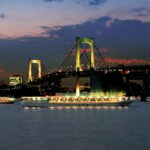
If you care about colors and skyline glow, sunset is the obvious pick. Tokyo Bay at dusk gives you long-looking shadows, warm tones on bridge lighting, and a city that feels calmer than it does at midday. The bridge pass-by becomes more dramatic when the lights are on and the sky is turning.
If you care more about activity and surprises, daytime cruises can be the better bet because of the seabird feeding opportunity. You’ll still see the same core landmarks, but the mood shifts from “evening skyline” to “bright, breezy bay with live birds.”
Either way, you’ll spend just an hour on the water, so you’re not choosing between a full-day tour and a short ride. You’re choosing between two flavors of the same experience: sunset glow or daytime movement.
What to bring (and what rules you’ll actually notice)
This cruise is refreshingly simple to prep for, especially if you’re used to carrying a lot while sightseeing.
Bring:
- Passport or ID for children (required)
- Your own drinks in plastic bottles or cans only (no glass)
- A light meal if you want it, like a rice ball or sandwich (there’s comfortable indoor space)
Plan around what you can’t do onboard:
- No smoking
- No fishing
- No umbrellas
- No littering
- No jumping
- No swimming or diving
Also take the “not suitable for” list seriously. Wheelchair users can’t use this setup, and people prone to seasickness should think twice. The bay ride is short, but you still need to feel comfortable physically to enjoy it.
One more comfort tip: layers help. Even if the day is warm, water air can cool you down fast once you’re moving.
Price and value: why $38 feels fair for what you’re getting
$38 per person for a one-hour cruise isn’t bargain-basement pricing, but it also isn’t a splurge that feels out of reach. What makes it good value is what’s included and what you avoid.
You get:
- A guided cruise with a captain and local guide
- Life jackets
- A JBL speaker
- A small-boat experience with access to close-up views
The money you pay is mostly buying time on the water plus interpretation from an English guide. If you’ve been spending Tokyo days walking between neighborhoods, an hour on the bay is a payoff. It’s also a good deal if you’re traveling in a small group, since the experience is designed for private or small-group formats.
If you compare it to doing the same sights only from land, you’re paying for angles and access you simply can’t replicate with trains and sidewalks. You’re not just buying “something to do.” You’re buying a different way to see the same city.
Who this cruise fits best (and who should choose something else)
This is a strong match for:
- Couples wanting a relaxed, scenic break with photo-worthy moments
- Families who are tired of stepping from station to station
- Anyone who wants a guided introduction to Tokyo Bay landmarks without a full-day commitment
It’s less ideal if:
- You’re prone to seasickness (water movement can affect you)
- You use a wheelchair (this isn’t wheelchair-friendly)
- You’re hoping for an all-day meal-and-activity outing (food isn’t included; you bring your own)
If you’re mid-trip and your feet are tired, this cruise is the kind of reset that keeps the rest of your itinerary from feeling like a grind.
Should you book this Tokyo Bay cruise?
Book it if you want a short, high-reward sightseeing hour with the kind of views that feel special because you’re on the water. The combination of close-up Rainbow Bridge views, Odaiba from the bay, and the possibility of seabirds in daytime is exactly the sort of “Tokyo looks different from here” experience worth planning around.
Skip it if you get seasick easily or you need wheelchair access. And if your idea of a perfect day is a long, on-foot exploration session, this won’t replace walking tours. Think of it as the break that makes your Tokyo day work better.
FAQ
How long is the cruise?
The experience lasts 1 hour, including time on the water for sightseeing and photo moments.
Where do we meet for the cruise?
You meet right in front of the Tokyo Water Taxi office, then take a short two-minute walk to the pier.
What language is the guide?
The live tour guide is available in English.
Is this cruise private or shared?
It’s offered as private or small groups, depending on availability.
Is there a safety briefing before we depart?
Yes. There’s a safety briefing on board that lasts about 10 minutes.
Is wheelchair access available?
No, it’s not suitable for wheelchair users.
What should I bring for snacks or drinks?
You can bring your own drinks in plastic bottles or cans only (no glass). You can also bring a light meal like a rice ball or sandwich, and there’s comfortable indoor space onboard.
Are umbrellas allowed on the boat?
No, umbrellas are not allowed.
What activities are not allowed during the cruise?
Smoking, fishing, littering, jumping, swimming, and diving are not allowed.
Is it okay if my child needs ID?
Yes. You’ll need a passport or ID card for children.