REVIEW · TOKYO
Tokyo Asakusa & Senso-Ji Walking tour With A Guide
Book on GetYourGuide →Operated by Guydeez Tours · Bookable on GetYourGuide
Senso-ji is only the start. I really like the private pace—no one else in your group—and I also love how the guide shares practical ideas for what to do next in Tokyo, not just facts at the temples. One thing to keep in mind: some people want a more structured “what to look for” explanation as you go, so if you’re the type who needs lots of step-by-step context, plan to ask questions.
You’ll meet at the front of Asakusa (1 Chome-8-13 Nishiasakusa, Taito City) and spend about two hours moving through the classic sights, plus the smaller lanes where daily life feels closer to the ground. Expect photo stops, short guided walks, and time to look, not just march.
This is a strong fit if you want Senso-ji and the surrounding streets explained in plain language, with a little room for your interests. If you hate crowds or want a very long visit inside the temple grounds, this short format might feel a bit quick.
In This Review
- Quick Takeaways
- Entering Asakusa From the Front Door
- The Tokyo Skytree Photo Stop: A Useful Orientation Break
- Asakusa Streets and Photo Stops: Seeing the Neighborhood, Not Just the Landmark
- Sumida Park Along the River: Where the Walk Gets a Breather
- Sensō-ji Temple and Kaminarimon Gate: What to Notice on the Approach
- What the Guide Adds (And Why It’s Worth Paying for)
- Price and Value for a 2-Hour Private Tour at $53
- Who This Tour Is Best For (And Who Might Want Something Longer)
- Simple Booking Notes That Actually Matter
- Should You Book This Private Asakusa and Senso-ji Walk?
- FAQ
- How long is the Tokyo Asakusa & Senso-ji walking tour?
- Is this tour private?
- Where do we meet the guide?
- What sights are included during the walk?
- What languages are available for the live guide?
- Is food or drink included in the price?
- Can the tour be customized?
- Is the tour wheelchair accessible?
Quick Takeaways
- Private and exclusive: you don’t share the guide with other groups.
- Guide-led orientation: you get tips for other Tokyo plans while you’re in Asakusa.
- Senso-ji focus: you’ll see the Kaminarimon Gate and spend real time on the temple approach.
- Street-level Asakusa: Nakamise Street and backstreets give you more than the postcard version.
- Sumida River pause: Sumida Park adds space and scenery, with seasonal cherry blossoms possible.
- Tokyo Skytree photo stop: you get a recognizable view break during the walk.
Entering Asakusa From the Front Door
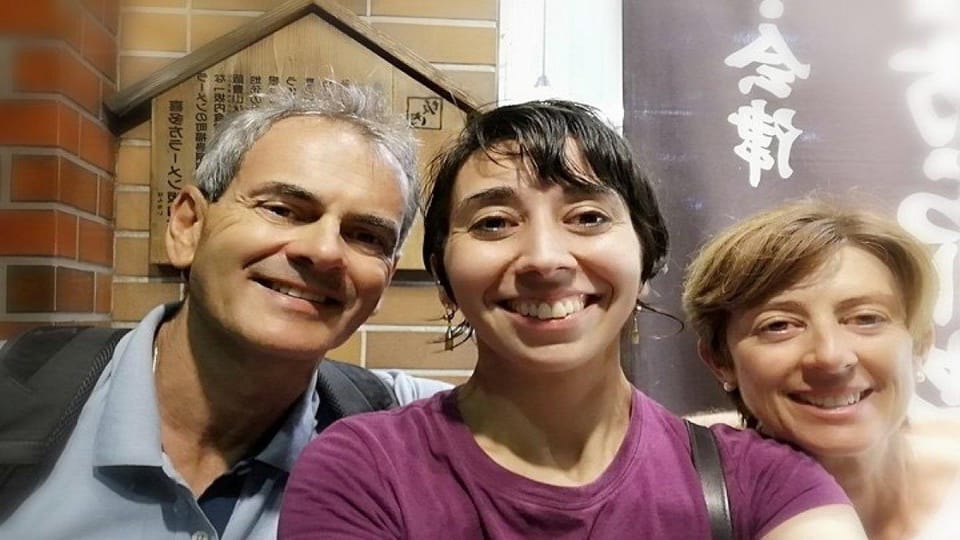
Asakusa starts fast. You’re not just arriving at a temple area—you’re stepping into a whole neighborhood, where older Tokyo traditions sit right beside everyday errands. Your meeting point is the front of Asakusa at 1 Chome-8-13 Nishiasakusa, Taito City. If you want things to feel easy on arrival, get oriented here first: this is the kind of spot where streets converge and signage matters.
I like that this tour is built around being outdoors and moving in manageable chunks. You’re looking at famous landmarks, but you’re also getting the feel for how people actually pass through this area day to day.
Because it’s a private tour, you can also shape the pace. The “customization” detail isn’t just marketing fluff—if your priority is photography, temple details, or simply getting the lay of the land, you can steer the walk in that direction.
You can also read our reviews of more walking tours in Tokyo

The Tokyo Skytree Photo Stop: A Useful Orientation Break
You’ll get a photo stop for Tokyo Skytree early in the experience, with about 30 minutes allocated to this segment. Even if you’ve already seen Skytree from afar, this kind of stop works because it anchors your mental map. You start connecting the dots between modern Tokyo’s skyline and the older cultural center you’re heading toward.
This isn’t presented as a long Skytree visit where you’d need tickets, time slots, and patience. It’s more of a visual way to say: you’re in Tokyo, but you’re also in a very specific part of Tokyo.
Practical tip: if you care about photos, use this stop to check the light. Later, you’ll be in more shaded lanes and under gate structures where lighting can be trickier. A quick photo check here saves you frustration later.
Asakusa Streets and Photo Stops: Seeing the Neighborhood, Not Just the Landmark
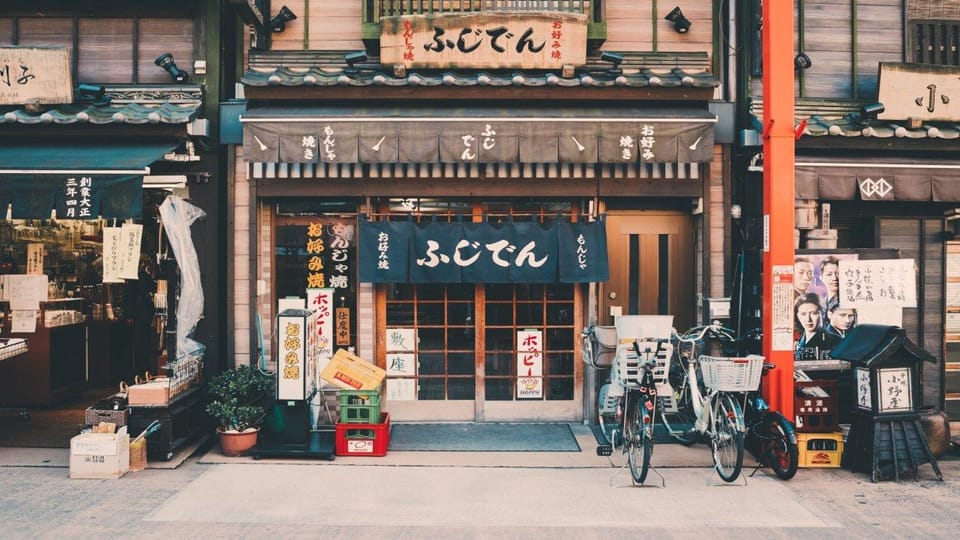
After Skytree, you transition deeper into Asakusa with another 30-minute segment. This is where the tour shifts from “big sights” to “how Asakusa actually feels.”
You’ll have a photo stop and a guided walk through the area. This is the part I find most helpful if you don’t want to spend your trip aimlessly wandering while trying to figure out what you’re looking at. A good guide can point out why certain storefronts, street shapes, and pedestrian flows exist—small details that turn a walk into understanding.
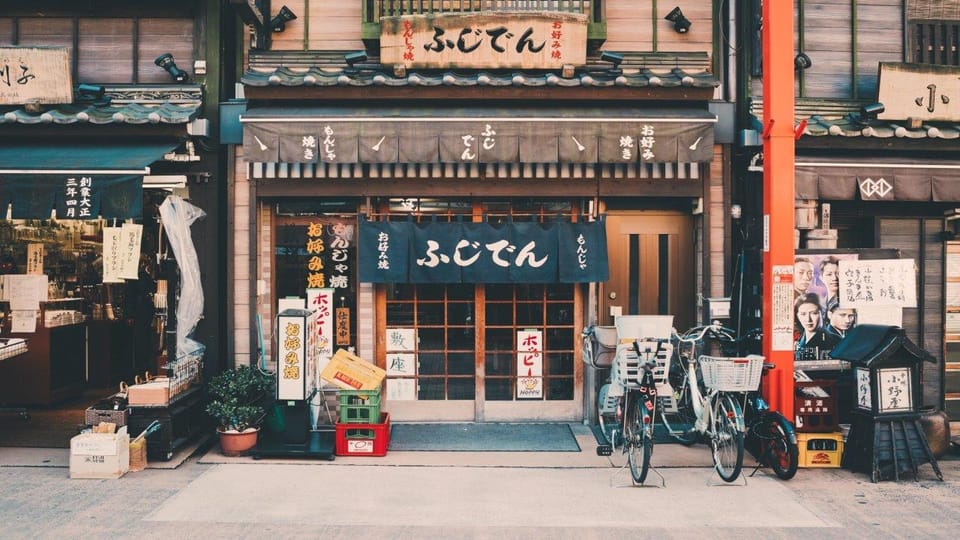
The route also leads into the classic market atmosphere around Nakamise Shopping Street. It’s known for traditional stalls selling things like Japanese souvenirs, snacks, and craft items. The value here isn’t just shopping; it’s watching how the area functions during the day—how people move, what gets attention, and what feels genuinely local versus touristy.
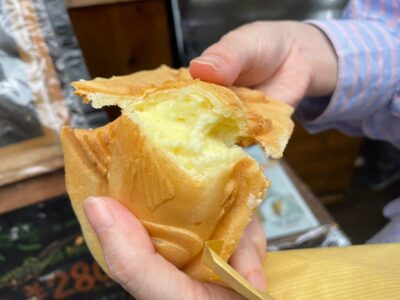
If you’re a “taste-first” person, Nakamise is where you’ll naturally be tempted. Just note: food and drinks aren’t included, so plan to buy on your own if you want snacks while you walk.
Sumida Park Along the River: Where the Walk Gets a Breather
Next comes Sumida Park, again with about 30 minutes to explore. This stop matters more than it sounds. Asakusa is concentrated—streets, gates, crowds, signage, and sensory input. Sumida Park gives you a reset.
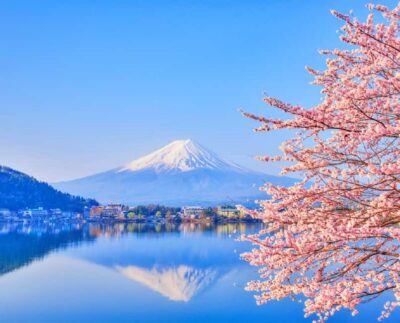
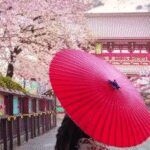
You’re along the Sumida River, and the scenery can change a lot depending on the season. The tour info notes that in season you might see cherry blossoms in the park. Even when it’s not cherry blossom time, the riverfront tends to offer more open sightlines than the temple lanes.
Why I like this segment: it helps you pace the experience. You’re not constantly in “see the next thing” mode. Instead, you get a moment to look outward, take photos without squeezing through tight flows, and let your brain absorb what you just learned.
Practical tip: if you’re traveling in cooler months, bring a layer. River areas can feel colder than you expect even when the city feels comfortable.
Sensō-ji Temple and Kaminarimon Gate: What to Notice on the Approach
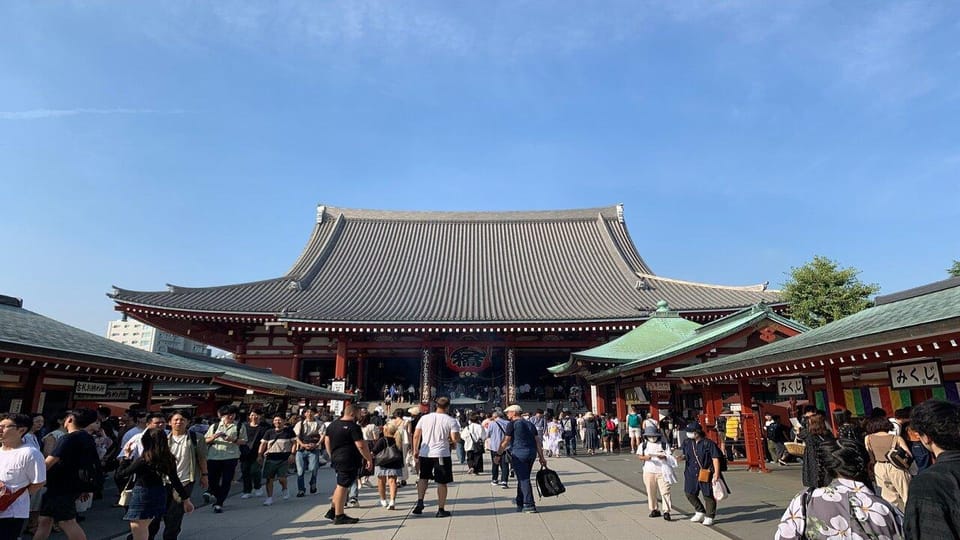
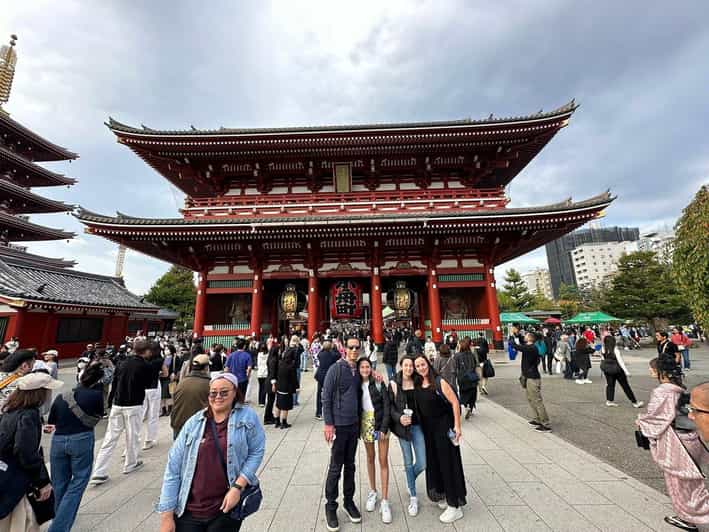
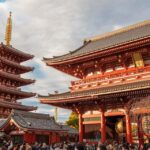
Then you reach the main event: Sensō-ji Temple. You’ll spend about 30 minutes here, including a photo stop and guided time as you approach and experience the temple area.
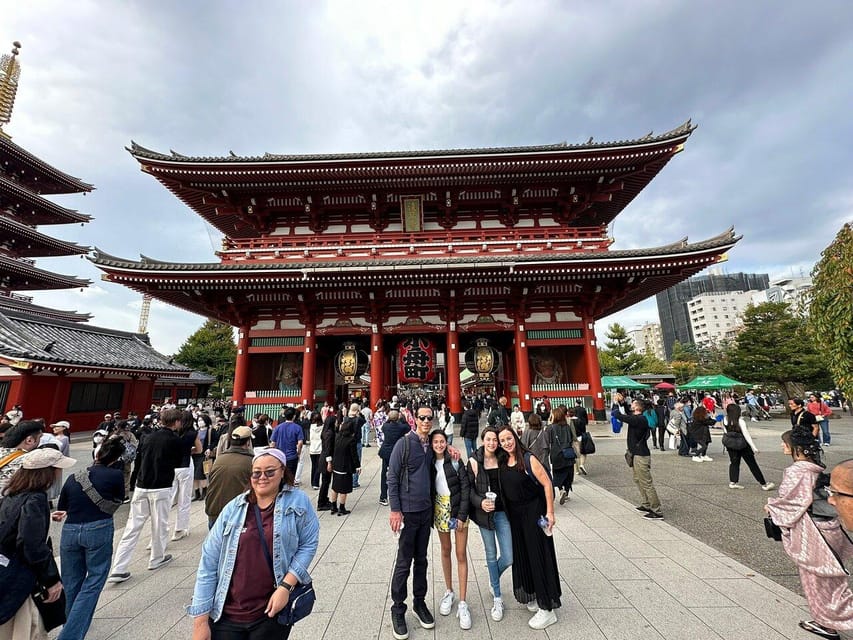
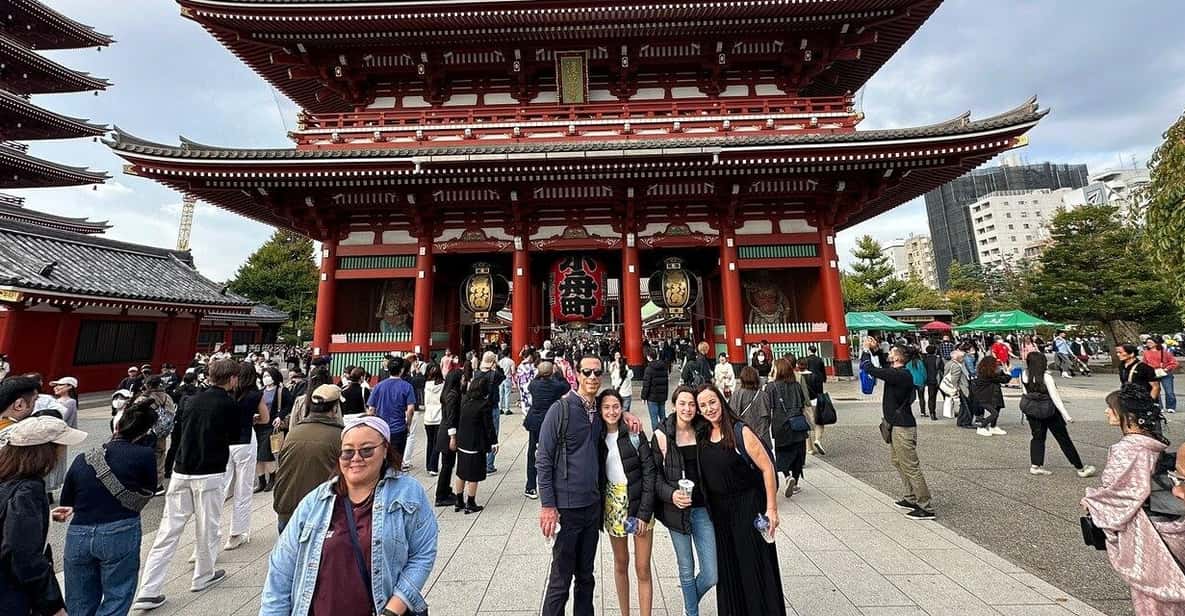
The tour centers on the Kaminarimon Gate, famous for its huge red lantern. If you only see the lantern and rush inside, you miss the point. The magic is in the approach itself—the way the gate frames the temple view and how the street changes character as you get closer.
Sensō-ji is described as Tokyo’s oldest temple, and you’ll likely feel that “old Tokyo” atmosphere immediately. That doesn’t mean it’s stuck in the past. It’s still a working, visited place. What makes the guide valuable here is not just history dates—it’s the cultural cues: what people do, how they move through the space, and what’s meaningful about the rituals and design you’re seeing.
This is also one of the areas where the “guide quality” factor can show up. The tour feedback includes a range of experiences, from people who felt the walk explained the culture and history really clearly to others who wanted more framework. If you’re in the second category, solve it the same way you would with any good guide: ask targeted questions as you approach the gates or key structures. For example, ask what to look for first, or what a certain part of the grounds represents.
Practical tip: wear shoes you can walk in comfortably. Temple approaches include a lot of foot traffic and uneven pacing, especially around photo moments.
You can also read our reviews of more guided tours in Tokyo
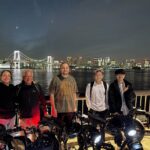
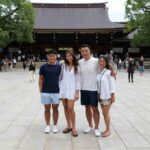
What the Guide Adds (And Why It’s Worth Paying for)

A walking tour can be “just walking,” or it can turn into something smarter. This one tries to do the second.
Here’s what you’re paying for beyond the route:
- Local storytelling tied to what you’re seeing: not just dates, but cultural nuances in plain language.
- Advice about other things to do: the tour highlights that the guide will share valuable suggestions beyond Asakusa.
- A private pace that respects your questions: you can pause, ask, and adjust without feeling rushed.
One thing that came through from real experiences: some guides handle flexibility well. In one case, the start time was shifted due to an unforeseen situation, and the guide still handled it smoothly. That matters because Japan schedules can run tight, and small changes happen. A flexible guide can help you keep your day from unraveling.
Another real detail: Nicolas was mentioned as an especially strong guide who kept the visit instructive and helped visitors learn more about Japanese culture and history. That’s exactly the kind of guide you want for a place like Asakusa, where it’s easy to miss meaning while you’re busy just taking photos.
Still, there’s also a consistent warning worth repeating: if you need a very structured explanation of every curiosity as you go, you might not feel fully satisfied with the level of detail. The fix is simple—ask for more specifics early. A good private guide can often adapt on the spot.
Price and Value for a 2-Hour Private Tour at $53
At $53 per person for about 2 hours, the price lands in the “reasonable, not cheap” zone. But for a private and exclusive tour, it makes more sense than it looks on paper.
Your value comes from two things:
- No shared group: you’re paying for one guide working for your pace.
- Customization: the tour isn’t locked into one rigid script, at least in how it’s offered.
Is it the best deal if you only want a quick photo circuit? Maybe not. You can probably cover Senso-ji, Nakamise Street, and Sumida Park on your own. But the question isn’t whether you can do it. The question is whether you’ll understand what you’re seeing fast enough to make your time feel worthwhile.
If you’re time-limited, prefer a guided plan, and want ideas for the rest of Tokyo while you’re already in Asakusa, this price can feel fair.
Who This Tour Is Best For (And Who Might Want Something Longer)
This tour shines for:
- First-timers who want Asakusa and Senso-ji explained without doing a ton of pre-reading
- People who like private experiences and don’t want to squeeze around other groups
- Photo-minded travelers who want key photo stops without guessing where to pause
- Anyone who wants local guidance for the rest of their day in Tokyo, not only the temple sights
It may not be ideal if:
- You want a deep, hour-after-hour temple experience where you can wander independently at length.
- You expect a very detailed, point-by-point lecture for every stop. In that case, plan to ask lots of questions, or consider pairing your tour with extra self-guided time afterward.
Simple Booking Notes That Actually Matter
This experience is offered with multiple guide language options: English, French, Spanish, and Italian. That helps a lot if you want clear explanations rather than “tour guide gestures and hope.”
Also, you’ll want to remember that food and drinks aren’t included. If you want snacks from Nakamise, budget for it. And if you’re sensitive to weather, plan layers—because you’ll be outdoors for the full walk.
Wheelchair accessibility is listed, which is a meaningful detail if you need a route that works for mobility needs.
If your schedule is flexible, the booking options include reserve now and pay later and free cancellation up to 24 hours in advance. Keep that in mind if you’re juggling other Tokyo plans.
Should You Book This Private Asakusa and Senso-ji Walk?
Yes, if you want a smart, time-efficient way to experience Asakusa with a guide who can connect what you see to cultural meaning—and help you with the rest of your Tokyo day. The combination of Kaminarimon Gate, Nakamise Street, Sumida Park, and backstreet moments is a solid sampler, especially in a 2-hour private format.
I’d especially book it if you:
- like having a plan but still want flexibility,
- care about understanding the place beyond the photos,
- and prefer a private guide over shared groups.
I’d think twice if you want a long, self-paced temple wander or if you need extremely detailed explanations without having to ask. In that case, you can still book—but go in ready with questions, and leave extra time to explore on your own after the tour.
FAQ
How long is the Tokyo Asakusa & Senso-ji walking tour?
The tour lasts 2 hours.
Is this tour private?
Yes. It’s a private and exclusive walking tour, so there won’t be anyone else in your group.
Where do we meet the guide?
You meet at the front of Asakusa, located at 1 Chome-8-13 Nishiasakusa, Taito City, Tokyo 111-0035.
What sights are included during the walk?
You’ll cover Tokyo Skytree (photo stop), Asakusa, Sumida Park, and Sensō-ji Temple, including the Kaminarimon Gate area.
What languages are available for the live guide?
The guide is available in English, French, Spanish, and Italian.
Is food or drink included in the price?
No. Drink or food isn’t included.
Can the tour be customized?
Yes. The tour is listed as customizable.
Is the tour wheelchair accessible?
Yes, wheelchair accessibility is listed as available.