REVIEW · TOKYO
Tokyo: 60min Panoramic Open Top Bus Tour with Audio Guide
Book on GetYourGuide →Operated by Hato Bus Co., Ltd. · Bookable on GetYourGuide
Tokyo from above feels like a cheat code. This double-decker open-top bus gives you GPS automated guidance in eight languages as you roll past Tokyo’s biggest landmarks, so you get the overview without needing to study a map all day.
I especially like the way the route frames Tokyo Tower from angles you normally miss, then keeps the action moving toward Tokyo Bay and Rainbow Bridge. The main drawback to plan around: this is not a hop-on hop-off ride, so you’re there for the passing views, not for long stops, and rain can mean the roof closes or the tour gets canceled.
In This Review
- Quick Hits
- One Hour, Big Views: Starting at Tokyo Station and Staying on Track
- How the GPS Audio System Works (and what you must bring)
- Route Walkthrough: From Hibiya Park to Ginza in One Smooth Loop
- Hibiya Park
- National Diet Building
- Toranomon
- Tokyo Tower
- Rainbow Bridge and Tokyo Bay Area
- Odaiba
- Toyosu
- Tsukiji Outer Market
- Kabuki-za
- Ginza
- Comfort and Etiquette on an Open-Top Bus
- Value for $14: What You Get for the Price and What You Don’t
- Who Should Book This Bus Tour (and who should skip it)
- Should You Book This Hato Bus Panoramic Tour?
- FAQ
- FAQ
- How long is the Tokyo panoramic open-top bus tour?
- Where does the tour start and end?
- Is this a hop-on hop-off bus tour?
- What landmarks will the bus pass?
- What languages are available for the audio guide?
- Is there a live guide on the bus?
- What do I need to bring for the GPS/audio system?
- Can I eat or drink on the bus?
- What happens in rain?
- Can children join for free?
Quick Hits
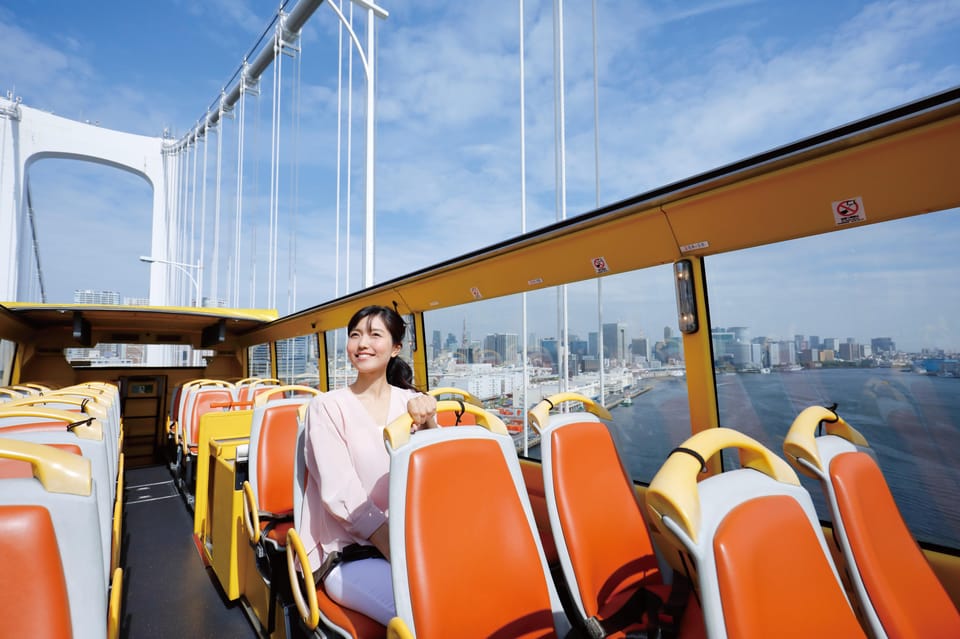
- GPS automated guidance in 8 languages keeps you oriented through major sights
- Open-top double-decker views (weather permitting) are made for skyline watching
- Not hop-on hop-off means a steady, uninterrupted circuit
- Tokyo Station start point makes it easy to plug into a first-day plan
- Route mix of classic and modern covers areas like Tsukiji and Odaiba
- Bring your own smartphone and earphones since nothing is rented on board
One Hour, Big Views: Starting at Tokyo Station and Staying on Track
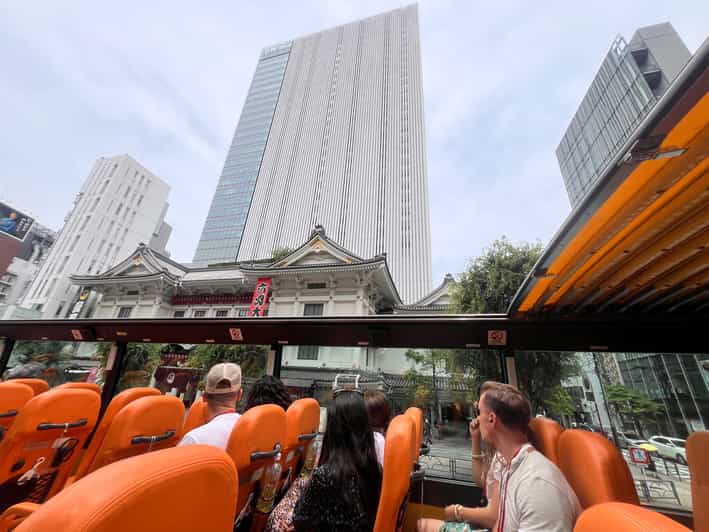
This is a straight-ahead sightseeing format: one hour on a double-decker open-top bus, departing and returning to the Hato Bus stop by Tokyo Station. If you like getting your bearings fast, this style works because the route is built to connect major clusters of Tokyo—government, skyline icons, bay scenery, and shopping streets—without making you hop trains or change buses.
The ride is also set up for “keep your eyes up” sightseeing. Since the bus is designed to pass landmark after landmark, you’re not stuck waiting for people to climb on and off. I like that it’s timed like an efficient circuit, which makes it a smart use of short travel windows.
One note for how you’ll feel during the ride: the “breeze” part is real. When the roof is open, you’ll get that cool outdoor air and the sense of moving through the city. When the roof has to close, the experience becomes more like protected bus viewing—still good, just less breezy and less cinematic.
You can also read our reviews of more guided tours in Tokyo

How the GPS Audio System Works (and what you must bring)
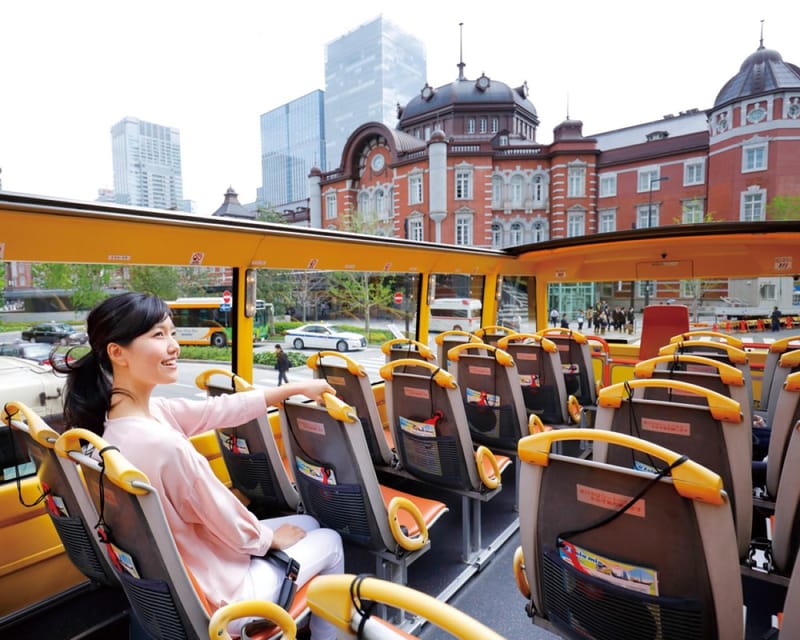
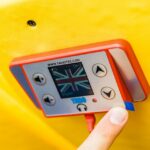
This tour includes an audio guide plus GPS automated guidance in eight languages: English, Chinese, Korean, Spanish, French, Thai, Indonesian, and Vietnamese. You also have a Japanese-speaking live guide on board, so you’re not fully locked into a device if questions come up.
The key practical point: you need to bring a smartphone you can use in Japan and your own earphones. GPS devices and earphones are not provided for rental. The tour info is also explicit that the guidance system is free of charge, but if your earphones don’t work properly or the system has a technical issue, refunds are not given for those problems. So bring reliable wired or wireless earphones you already trust.
What this means for you: the GPS audio helps you follow along even if you’re not constantly reading signage outside. You’ll get context as you pass places like Tokyo Tower, Ginza, and Rainbow Bridge, which is great if you’re trying to connect the city’s layout in your head.
Route Walkthrough: From Hibiya Park to Ginza in One Smooth Loop
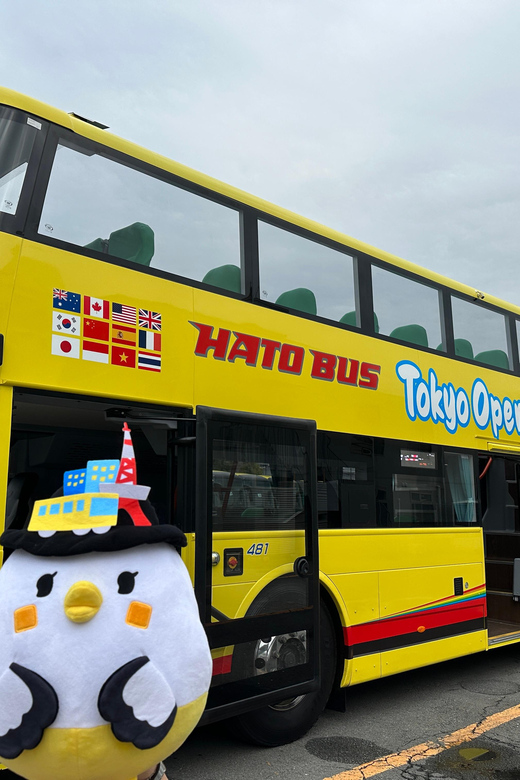
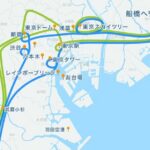
The route is built around a “pass-by” experience. You won’t get long stop-and-stroll breaks built into the schedule, so treat each stop as a viewing window from the bus. That sounds limiting, but it’s also why the tour stays tight at one hour.
Hibiya Park
You start with an area that feels like a hinge between Tokyo’s city center energy and more open space. From the bus, Hibiya Park is a quick taste of greenery and scale before the tour shifts into denser sights.
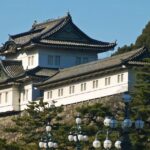
National Diet Building
This is your first major landmark that signals the city’s political core. Seeing it from the moving perspective helps you understand the broader surroundings—roads, approach routes, and how the area sits within the station-side part of town.
You can also read our reviews of more tours and experiences in Tokyo

Toranomon
Toranomon is a fast-moving chapter in the skyline story. It’s the kind of district that’s easy to miss if you’re only walking a small neighborhood, but the bus gives you the chance to catch the look and feel as you pass.
Tokyo Tower
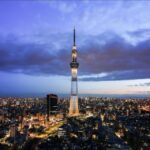
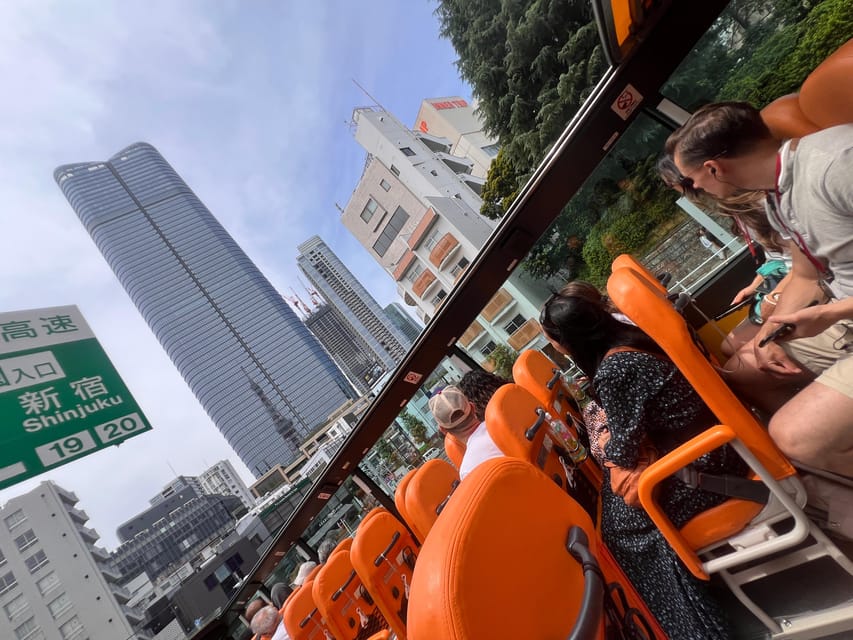
Tokyo Tower is the star stop for good reason. The experience highlights the ability to see Tokyo Tower from different angles, and that matches the strongest praise from past visitors. If you’ve seen Tokyo Tower postcards but want the real-world scale and framing, the bus-view perspective helps a lot.
I’d plan to keep one eye on the tower visuals and one eye on where the bus positions you. Even without getting out, the changing viewpoints can make Tokyo Tower feel less like a single photo subject and more like part of an entire skyline scene.
Rainbow Bridge and Tokyo Bay Area
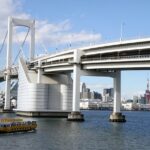
Then you hit the water-and-bridges segment. Passing Rainbow Bridge gives you that distinct Tokyo Bay mood—open air, long lines, and that sense of the city stretching beyond the traditional core. The tour also explicitly includes the idea of catching Tokyo’s breeze, which is exactly what you notice more when the bus roof is open.
This part is a great mental reset. After dense landmarks, seeing the bridge and bay helps you picture Tokyo as a coastal metropolis, not only a cluster of streets.
Odaiba
Odaiba is your next modern-feeling stop along the bay side. From the bus, it’s more about the visual sweep than deep exploration. If you’re the type who likes to understand where districts are before you return later on foot, this pass-through is a helpful first look.
Toyosu
Toyosu appears as another quick viewing stop. The advantage here is pacing: the tour doesn’t make you wait. The drawback is that you’ll probably want to research more and come back if Toyosu is a must-do for you, because the one-hour format doesn’t allow detailed wandering.
Tsukiji Outer Market
You’ll pass the Tsukiji Outer Market area, which is one of those Tokyo stops that many visitors care about. From the bus, it’s not a substitute for walking the stalls, but it does put you in the right neighborhood mentally and physically for later.
If you love food markets, this is a good way to connect the names you’ve heard with what the surroundings feel like. Just remember this is a viewing ride, not a market visit.
Kabuki-za
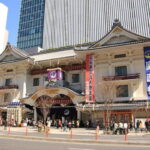
Kabuki-za is a strong cultural landmark on the route. Even if you’re not catching a show, seeing the building in context helps you place Kabuki-za in Tokyo’s theater-and-city-center geography. It’s a quick hit that adds variety beyond the purely iconic skyline stuff.
Ginza
Finally, you reach Ginza, Tokyo’s famous shopping and department-store district vibe. From the bus, the benefit is simple: you see Ginza’s scale and main-street feel without committing your whole day to that one area.
By the time you arrive back at the end point, you’ll have a connected mental map of how Ginza sits after the bay and theater neighborhoods—useful if you’re planning which direction to walk next.
Comfort and Etiquette on an Open-Top Bus
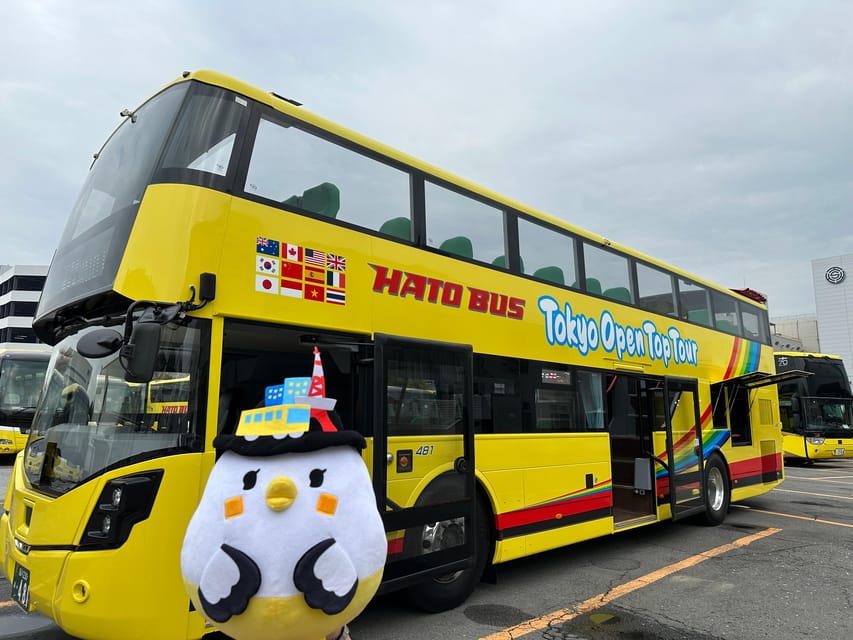
The ride is designed for comfort during a short window, and one of the repeat themes in feedback is that people found the tour comfortable over the full hour. Since it’s only 60 minutes, the experience doesn’t pretend to be a full-day adventure. It’s more like a guided panoramic overview.
Still, there are a few on-board rules you should know:
- Eating is not allowed on the bus
- Drinks in plastic bottles are permitted
That’s important if you’re used to grabbing snacks while commuting. You’ll want to either eat before you board or plan a later snack stop after you return to Tokyo Station. If you’re traveling with kids, the tour allows children under 6 years old to join for free if they don’t need a seat (one child per adult). That can make family logistics easier.
Weather is the other big comfort factor. If it rains, the bus roof may be closed, and the tour may be canceled due to bad weather or heavy rain. Since you’re promised outdoor views and breeze as part of the appeal, check the weather before you commit. If the forecast looks rough, you can still book, but have a backup day in mind.
Value for $14: What You Get for the Price and What You Don’t

At about $14 per person for a one-hour ride, the value comes from what’s included: the double-decker open-top bus plus an audio guide. You’re not paying extra for the core sightseeing format, and you’re also getting multi-language GPS support.
It’s also good value because of where the tour starts and ends. Meeting at the Hato Bus stop near JR Tokyo Station Marunouchi South Exit keeps this from becoming a complicated logistics puzzle. You avoid hotel pickup and drop-off, which is usually where costs and delays grow on tours like this.
What’s not included matters too:
- No hotel pickup or drop-off
- No food on the bus
So if you’re hoping for an all-inclusive day package with in-bus meals, this is not that. If you want a focused one-hour skyline and landmark sampler that helps you decide what to explore later, this price starts to feel very reasonable.
Who Should Book This Bus Tour (and who should skip it)
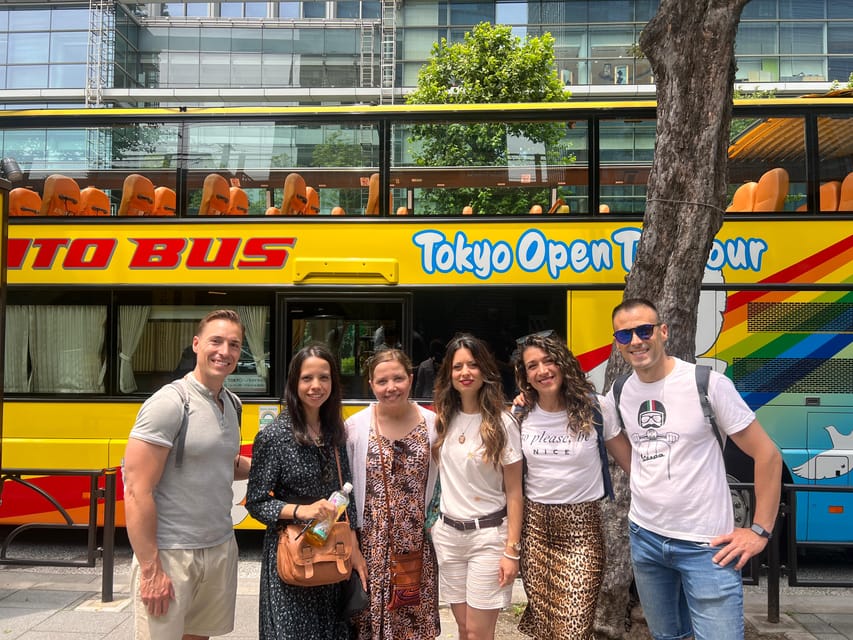
This tour fits best when you want:
- a time-efficient overview of Tokyo’s big-name sights
- strong skyline viewing, especially for Tokyo Tower and Rainbow Bridge
- audio help in multiple languages without downloading complicated apps or reading constantly
- a route that touches both classic and newer-feeling districts like Tsukiji and Odaiba
You might want to skip or reconsider if:
- you need the flexibility to get off and spend longer at each sight (because it’s not hop-on hop-off)
- you’re expecting a deep, hands-on experience at each stop (this is passing views from the bus)
- you’re traveling on a day where rain is very likely and you really need the open-top experience
Should You Book This Hato Bus Panoramic Tour?

If your main goal is a one-hour, guided-by-audio panoramic loop with standout views of Tokyo Tower and Rainbow Bridge, I think this is an easy yes. The structure is simple, the start point is convenient, and the GPS audio in eight languages plus the Japanese-speaking guide makes it feel organized rather than random.
Book it when you want a quick Tokyo map in motion, not when you want to linger at neighborhoods. And if weather is questionable, consider keeping your expectations flexible: roof closure and possible cancellation are part of the reality with open-top touring.
FAQ
FAQ
How long is the Tokyo panoramic open-top bus tour?
The tour runs for 1 hour.
Where does the tour start and end?
It starts and ends at the Hato Bus stop at Tokyo Station.
Is this a hop-on hop-off bus tour?
No. It is a pass-by bus route and not hop-on hop-off.
What landmarks will the bus pass?
The bus route includes passes by Hibiya Park, the National Diet Building, Toranomon, Tokyo Tower, Rainbow Bridge, Odaiba, Toyosu, Tsukiji Outer Market, Kabuki-za, and Ginza.
What languages are available for the audio guide?
The audio guide is included in Chinese, English, French, Indonesian, Korean, Spanish, Thai, and Vietnamese.
Is there a live guide on the bus?
Yes. There is a live tour guide who speaks Japanese.
What do I need to bring for the GPS/audio system?
You should bring a smartphone that can be used in Japan and your own earphones. GPS devices and earphones are not provided for rental.
Can I eat or drink on the bus?
Eating is not allowed on the bus. Drinks in plastic bottles are permitted.
What happens in rain?
The bus roof may be closed in case of rain, and the tour may be canceled due to bad weather or heavy rain.
Can children join for free?
Children under 6 years old without a seat can join for free (one child per adult).