REVIEW · TOKYO
Tokyo: Sumo Keiko Training Tour with Audio Guide & Photo
Book on GetYourGuide →Operated by NexSpark Co., Ltd. · Bookable on GetYourGuide
Real sumo practice is right there. You’ll watch sumo keiko from close range and learn what you’re seeing with a 10-language audio guide. It’s one of those Tokyo experiences where you stop thinking about photos and start noticing the craft.
Two things I really liked: first, the chance to see professionals doing the day-to-day training, not just performing for tourists. Second, the audio guide helps you catch the key ideas fast—ranks, techniques, and how practice works—so the sport clicks instead of staying like a mystery.
One thing to plan for: seating is not equal for everyone. Bench chairs are limited, and if you don’t get one you’ll sit on cushions for about 1.5 hours.
In This Review
- Key highlights you’ll feel right away
- Ryogoku makes sumo easy to reach and easy to understand
- Your start point: Nakamura-beya and what “watching practice” really means
- The comfortable viewing setup: aircon, Wi‑Fi, and the seat situation
- Audio guide on your phone: how to make the 10 languages work for you
- What you’ll learn while you watch: ranks, techniques, and keiko logic
- Watching the training: how to get the most from your quiet 1.5 hours
- The photo moment: a quick, memorable interaction
- After the session: Sumo Museum and Tokyo waterfront on foot
- Price and value: is $85 worth it for keiko plus tools?
- Who this tour suits best (and who should rethink it)
- Quick booking advice: make your day smooth
- Should you book this Nakamura-beya sumo keiko tour?
- FAQ
- How long is the sumo keiko tour?
- Where do I meet for the tour?
- What languages are available on the tour?
- Do I need earphones for the audio guide?
- Is a photo with sumo wrestlers included?
- Are photos allowed during the session?
- What items are not allowed?
- What’s the minimum age?
- Is pickup and drop-off included?
- Can I cancel for a full refund?
Key highlights you’ll feel right away
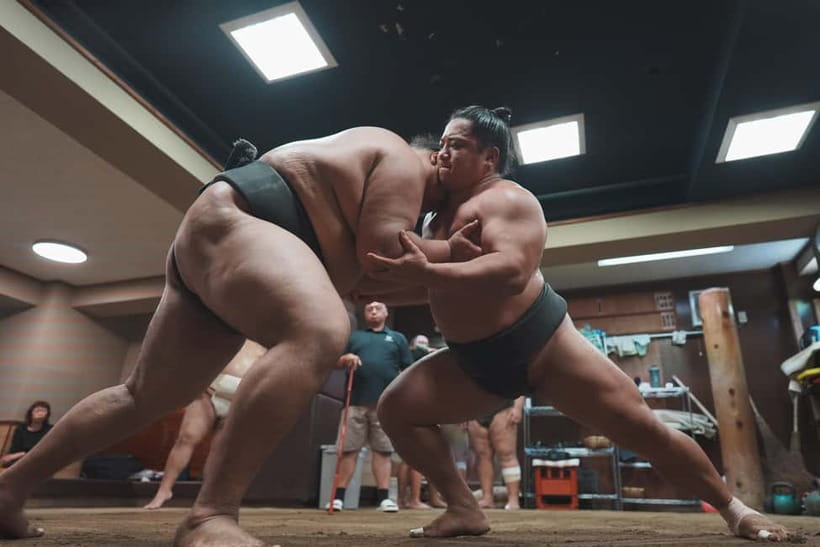
- Close-up keiko at Nakamura-beya near Ryogoku Station
- 10-language audio guide plus an on-site pamphlet
- Comfort perks: aircon, free Wi‑Fi, and charging stations
- A no-flash photo with sumo wrestlers to mark the moment
- Walkable add-ons: Sumo Museum and the Tokyo waterfront area
Ryogoku makes sumo easy to reach and easy to understand
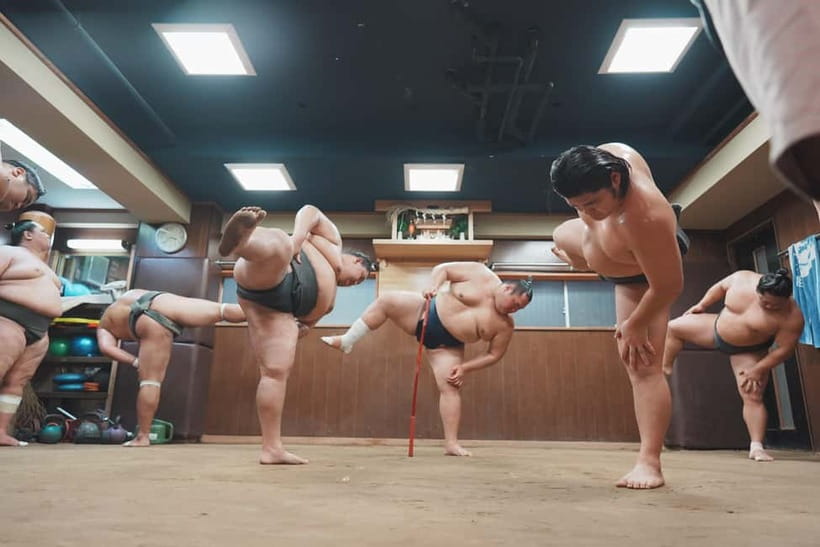
Ryogoku is the sumo neighborhood. That matters because this tour isn’t “somewhere you go to learn about sumo.” It’s a stable setting—Nakamura-beya—in the heart of where sumo lives and works.
The meeting area is about 2 minutes from JR Ryogoku Station, right next to the Ryogoku Kokugikan (National Sumo Arena). Translation for your day: you can slot this into a sightseeing rhythm without burning time on transfers. You’re already in the right place for sumo culture, and after the session, you can keep walking.
And you’ll want to keep walking. Nearby you’ll find the Sumo Museum and the Tokyo waterfront area, both within a comfortable walking range. That’s handy if you want your sumo experience to turn into a half-day instead of ending the moment the training session finishes.
You can also read our reviews of more guided tours in Tokyo

Your start point: Nakamura-beya and what “watching practice” really means
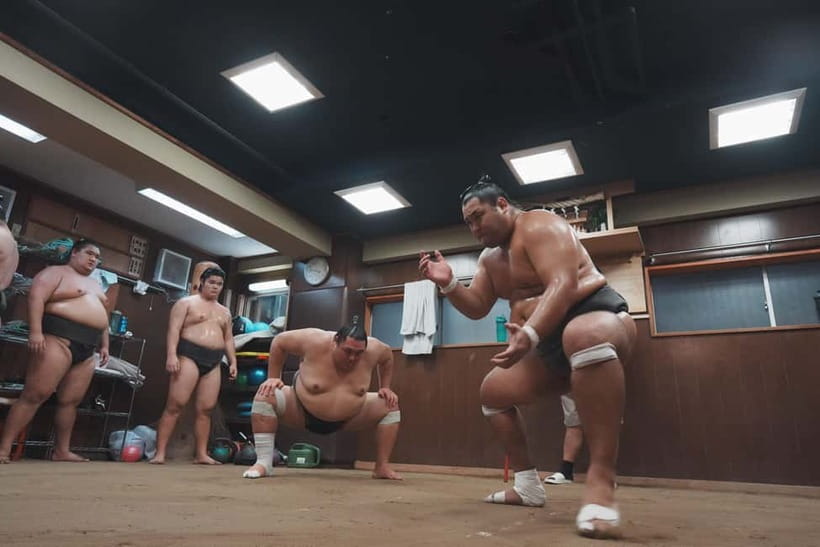
You begin at Nakamura-beya Sumo Stable. From there, you’ll spend around 1.5 hours at the viewing area during the tour portion. Exact timing can vary since the overall duration is listed as 40 to 90 minutes, but plan for a focused stretch where you watch quietly and take in what’s happening in front of you.
What makes this better than a generic “sumo show” is the training vibe. Keiko is not the same as a tournament match. You’ll likely see the rhythm of preparation, repetition, and technique-building—the things that make the bouts possible later.
Also, there’s real etiquette here. You’ll be asked to keep manners during practice: don’t speak, and watch quietly. That doesn’t sound exciting on paper, but in practice it’s the reason the experience feels respectful and authentic. You’ll pick up details because people around you aren’t chatting over the action.
The comfortable viewing setup: aircon, Wi‑Fi, and the seat situation
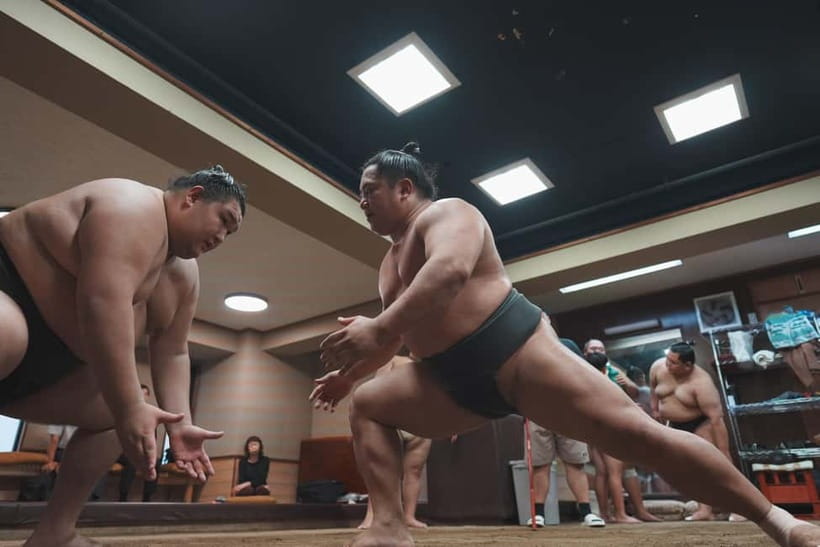
This is one of the smarter touches of the tour. You’re in a venue with air conditioning, plus free Wi‑Fi and charging stations. Tokyo can get hot or humid, and having a comfortable place where you’re not cooking while you wait makes a difference.
Then there’s the seating reality. Bench chair use is limited and prioritized for visitors with disabilities. If you’re not in that priority group, you’ll sit on cushions for about 1.5 hours. If you know you’re sensitive to sitting on the floor or on low seating, consider wearing supportive shoes and dressing for comfort. This isn’t the kind of tour where you can casually “stretch and move around” whenever you want.
A couple more practical notes:
- Use the restroom before you join. There isn’t guidance saying you can freely access facilities during the session.
- Late arrivals shorten viewing time. No extensions, so build buffer time.
Audio guide on your phone: how to make the 10 languages work for you
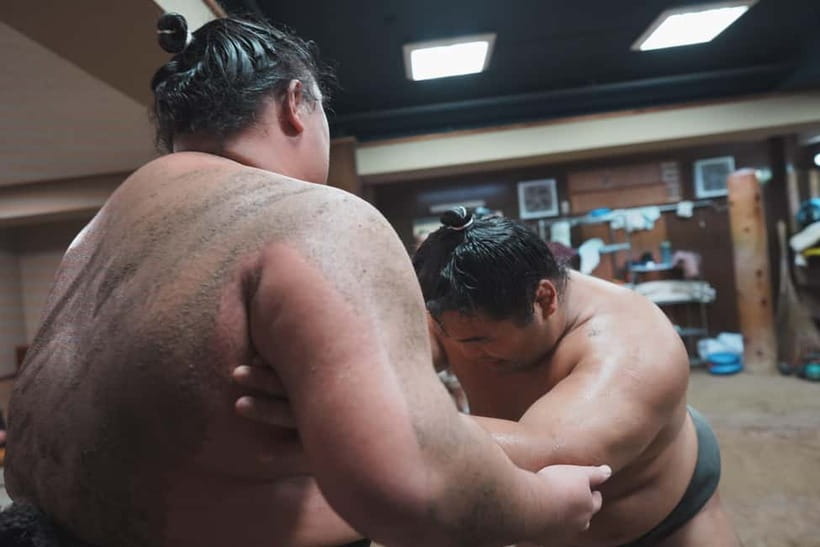
The audio guide is one of the biggest value-adds here, because sumo has layers. Without help, it can feel like “big guys doing big moves.” With help, you start noticing what those moves are trying to achieve.
You’ll get an audio guide in 10 languages: Chinese, English, French, German, Hindi, Italian, Japanese, Korean, Polish, Spanish, and Portuguese. (That’s a wide range, so most people find a comfortable option.)
You’ll also have a live guide on-site who speaks English, Japanese, and Korean, and there’s a sumo keiko explanation pamphlet. The pamphlet is useful as a quick reference while you’re watching.
One important detail: you’re told to bring your own earphones to listen on your phone. If you forget them, you can borrow a pair. Either way, it’s a good idea to arrive with earphones already set and ready—less fiddling once things start.
What you’ll learn while you watch: ranks, techniques, and keiko logic
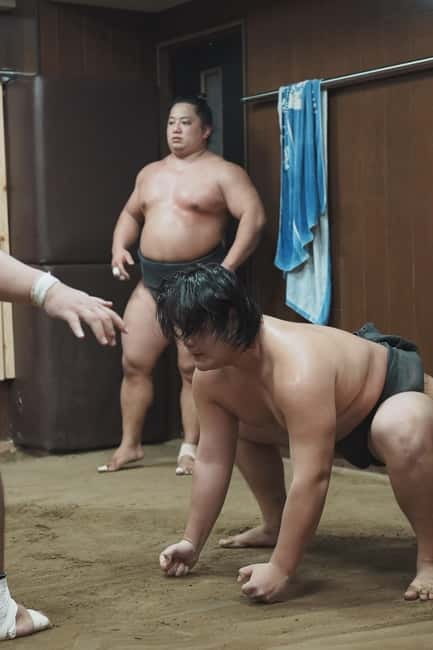
The tour’s structure is built around giving you context while you’re watching. The audio guide is designed to explain:
- sumo history
- ranks
- training techniques
Here’s why that matters. When you understand rank, you can better interpret why certain routines exist and how fighters are progressing. When you understand technique goals, you stop thinking of each exchange as random and start seeing it as training reps.
And the payoff is personal. This kind of experience has a way of changing how you see the athletes. Even if you already know the basics of sumo, watching keiko closely tends to make you appreciate the craft behind the spectacle.
You can also read our reviews of more tours and experiences in Tokyo

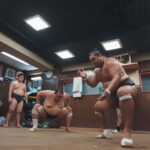
Watching the training: how to get the most from your quiet 1.5 hours
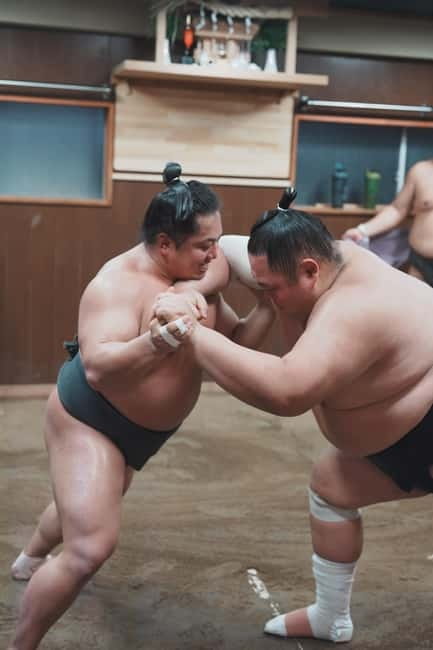
During the practice viewing, the main rule is simple: refrain from speaking and watch quietly. That’s not just for manners—it’s what lets you actually see the details.
So how do you focus during a calm, structured session?
- Keep your eyes on the hands, not just the bodies. Many techniques start with grip and stance.
- Watch what changes between repetitions. Training is about correction and refinement.
- Use the audio guide timing as your mental cue. If the guide is explaining something like ranks or a technique type, try to match that to what you see happening.
Also, photography is allowed, but with limits. You can take photos, just no flash photography. You’ll want to turn off flash on your phone/camera before you start shooting, so you’re not fumbling at the wrong time.
The photo moment: a quick, memorable interaction
A highlight is the included photo with sumo wrestlers. This is the part that usually feels most “I’m really here.” It’s also why this tour is worth considering even if you’ve been to sumo before—keiko plus a photo is a nice mix of education and memory.
Keep expectations practical. The tour data doesn’t spell out the exact photo setup beyond it being included and that flash is not allowed. So treat it as a moment that happens during the tour flow, not a long photo session.
One more reminder: no bare feet is listed among the not-allowed items. Wear footwear that’s easy and comfortable, and you’ll avoid awkward last-minute changes.
After the session: Sumo Museum and Tokyo waterfront on foot
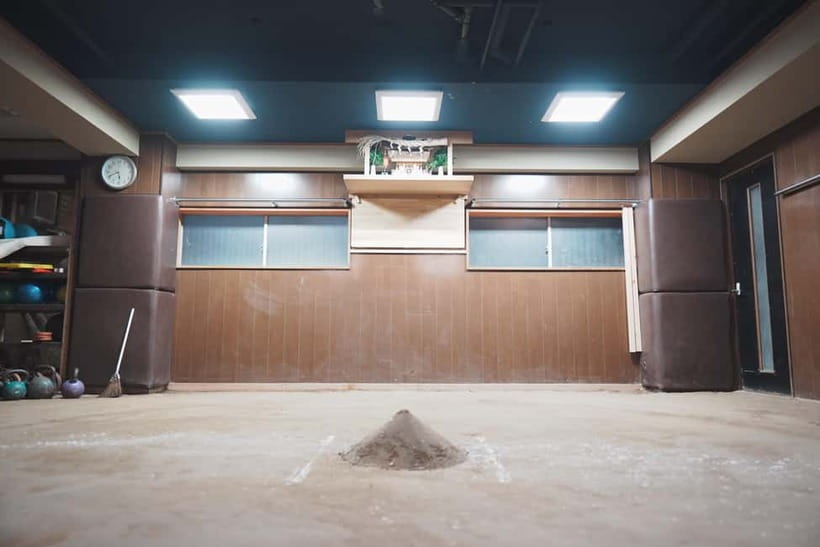
When the training viewing ends, you’re well-positioned for an easy follow-up. Because you’re in Ryogoku, you can connect your sumo experience to two nearby options without taking a taxi.
- Ryogoku Kokugikan / Sumo Museum area: This is a natural continuation if you want to turn what you just watched into deeper context.
- Tokyo waterfront walk: If you want a contrast—sport focus first, then scenery later—this walkable add-on is a pleasant way to cool down after the intensity of watching keiko.
This is one of those tours where the “done” feeling isn’t forced. You’re not stuck on the same schedule. You can keep moving like a normal Tokyo day.
Price and value: is $85 worth it for keiko plus tools?
At $85 per person, the tour isn’t the cheapest thing you can do in Tokyo. But it’s not just “entry to watch.” You’re paying for a specific mix of access and support:
- A close-up viewing experience at Nakamura-beya
- A 10-language audio guide
- An on-site keiko explanation pamphlet
- A photo included with sumo wrestlers
- Comfort perks: aircon, free Wi‑Fi, and charging stations
That combination is where the value shows. The audio guide helps you get something out of the session even if you don’t know much about sumo. The pamphlet offers a backup. And the comfort perks mean you’re not miserable while you wait.
If you love cultural experiences that translate into real understanding, this tends to justify the price. If you’re only looking for a quick photo and don’t want to sit for a quiet session, you might feel you could do something cheaper. Most people who enjoy sports and technique will likely feel it’s money well spent.
Who this tour suits best (and who should rethink it)
This tour has a clear “best fit.”
You’ll likely enjoy it if you:
- like sports and technique, not just spectacle
- want an authentic keiko experience near JR Ryogoku Station
- appreciate guided context (audio in many languages)
- want a comfortable indoor venue with practical upgrades like Wi‑Fi and charging
It may be less suitable if:
- you’re bringing kids under 6 (minimum age is 6 years old)
- you need frequent breaks or you struggle with sitting on cushions for about 1.5 hours
- you’re prone to arriving late. Late arrivals shorten the viewing time with no extensions.
Also, remember the photo and phone rules: no flash, and you’ll want to have earphones ready for the audio guide on your phone.
Quick booking advice: make your day smooth
If you book, do yourself a favor and treat this like a punctual appointment.
- Arrive early enough that you won’t risk shortened viewing.
- Bring your own earphones if you can.
- Dress for comfort since you’ll sit for a chunk of time.
- Skip sunglasses if you’re the type who never takes them off; they’re not allowed.
- Turn off camera flash before you take any photos.
If you’re thinking about adding other Ryogoku sights, build your schedule so you have time after the session for the museum area or a waterfront walk.
Should you book this Nakamura-beya sumo keiko tour?
I’d book it if you want the closest thing to training you can get as a visitor: real keiko, guided context, and an included photo, all in an air-conditioned setup with Wi‑Fi and charging. The $85 price makes sense because you’re not just watching. You’re learning while you watch, and you leave with a photo to make it stick.
I’d skip it if you want a casual, walk-in style attraction with lots of flexibility. The rules are calm and clear: quiet viewing, no flash, and sitting time matters. If that structure works for you, this is a very satisfying Tokyo choice.
FAQ
How long is the sumo keiko tour?
The duration is listed as 40 to 90 minutes, with the tour viewing portion typically around 1.5 hours.
Where do I meet for the tour?
You meet at Nakamura-beya Sumo Stable, about 2 minutes from JR Ryogoku Station and next to the Ryogoku Kokugikan.
What languages are available on the tour?
There’s a live guide that speaks English, Japanese, and Korean. The audio guide is available in Chinese, English, French, German, Hindi, Italian, Japanese, Korean, Polish, Spanish, and Portuguese.
Do I need earphones for the audio guide?
Yes. You’re asked to bring your own earphones to listen on your phone. If you don’t have them, they can lend you a pair.
Is a photo with sumo wrestlers included?
Yes. The tour includes a photo with sumo wrestlers.
Are photos allowed during the session?
Photography is allowed, but flash photography is not allowed.
What items are not allowed?
Sunglasses, flash photography, and bare feet are not allowed.
What’s the minimum age?
The minimum age is 6 years old.
Is pickup and drop-off included?
No. Pick up & drop-off is not included.
Can I cancel for a full refund?
You can cancel up to 24 hours in advance for a full refund.