REVIEW · TOKYO
Tokyo: 2-Hour Vegan and Vegetarian Ramen Guided Walking Tour
Book on GetYourGuide →Operated by Tokyo Ramen Tours · Bookable on GetYourGuide
This 2-hour Tokyo tour is a fast, food-first intro to ramen culture, with four vegan mini bowls and a guide who explains why Hokkaido and Tokyo shaped the dish. I especially like the sampling format because you get variety without committing to one massive bowl, and I like how the dietary options keep the menu flexible even if you have restrictions. One heads-up: you’re doing a walking tour and the tour is not suitable for wheelchair users, so wear shoes for city legs and pace yourself.
You’ll meet at Shibu Hachi Box, right across from the Hachiko statue, and then the guide leads you to two ramen shops in Shibuya and Shinjuku. The stops are set up so you learn something practical, not just order-following: regional ramen styles, how broth and noodles change the experience, and how dipping ramen fits into the bigger ramen story.
In This Review
- Key points to know before you go
- How this 2-hour ramen walk makes Tokyo feel doable
- Meeting point in Shibuya: where to stand and where the guide waits
- Stop 1: Hokkaido-style vegan ramen and what to watch for
- Between stops: using the train without losing momentum
- Stop 2: Tokyo tsukemen in Shinjuku and why dipping changes everything
- Four mini bowls: how variety helps you choose your future ramen
- Guides and the kind of ramen geek energy you want
- Dietary flexibility: vegan-first, but designed for mixed needs
- Price and logistics for $96: what you’re paying for
- Who should book this ramen tour?
- Should you book the vegan ramen guided walk?
- FAQ
- How many ramen bowls are included?
- Is the tour fully vegan?
- Are gluten-free noodles available?
- Where do we meet for the tour?
- How long is the tour?
- Is the train fare included?
- What language is the guide?
- Is the tour wheelchair accessible?
Key points to know before you go
- Four mini bowls let you compare styles back-to-back instead of guessing at one flavor
- Hokkaido-style ramen gets explained in the context of ramen history and the wider ramen world
- Tokyo tsukemen (dipping ramen) adds a texture-and-broth twist that’s different from standard ramen
- Vegan focus with options: non-vegan broth options can be available per bowl, and gluten-free noodles are offered
- Two neighborhoods in 2 hours with a guided train hop between Shibuya and Shinjuku
How this 2-hour ramen walk makes Tokyo feel doable
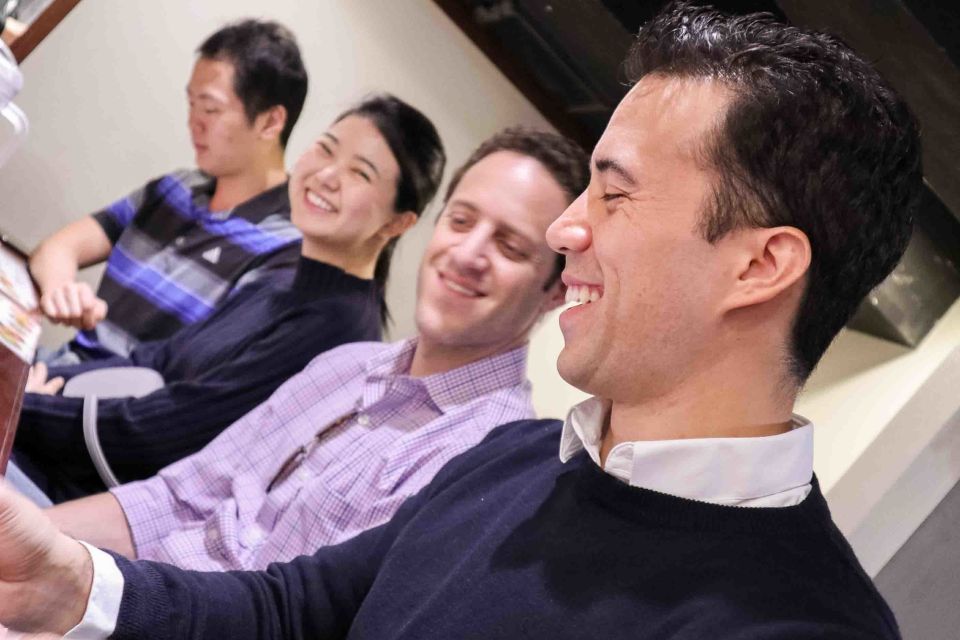
Tokyo’s ramen scene can be overwhelming. You walk past queues, check menus, and hope you can decode the right terms before your order timer starts. What I like about this tour format is that it compresses the decision-making. You’re not trying to find vegetarian or vegan ramen alone in a city where most of the default ramen options assume pork or fish broth.
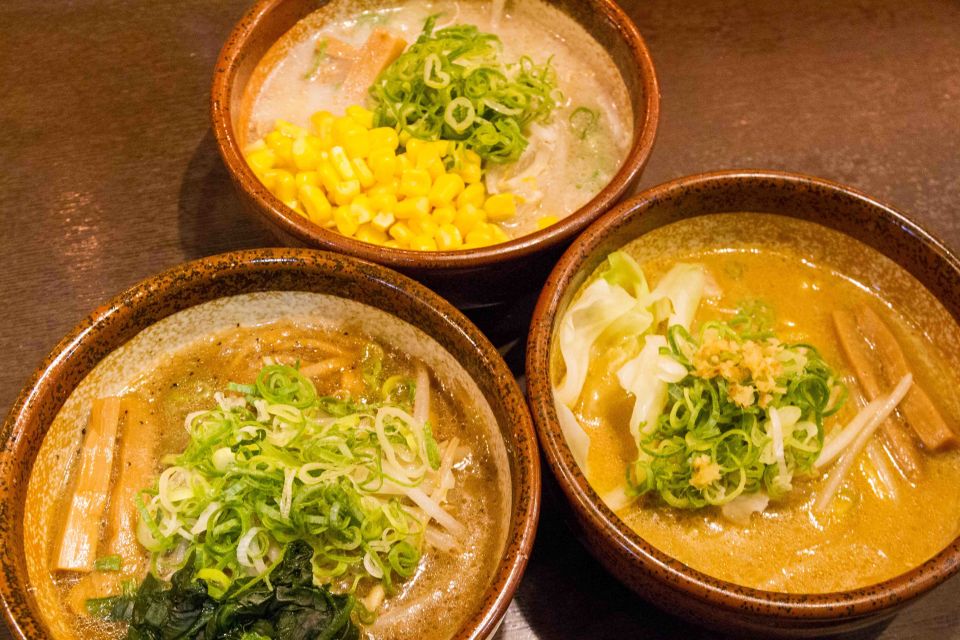
The tour is built around four mini bowls across two shops. That matters. Mini servings are not a compromise when the goal is comparison. You get to notice differences in broth thickness, seasoning direction (savory vs. slightly sweet), and noodle texture. Then, between bowls, you’re learning what you’re tasting and why.
Price is $96 per person for a 2-hour guided experience that includes four mini bowls and one drink. You still pay for the train between Shibuya and Shinjuku separately, but the big value is that you’re buying three things at once: access (you’ll likely struggle to find these specific vegan-friendly setups on your own), interpretation (the guide connects the dots), and time savings (two neighborhoods without the guesswork).
You can also read our reviews of more walking tours in Tokyo

Meeting point in Shibuya: where to stand and where the guide waits
Your day starts at the Shibu Hachi Box area, across from the Hachiko statue. The guide is waiting more to the left under the word Shibu, with a Tokyo Ramen Tours sign. This sounds minor, but it’s the kind of detail that prevents the classic travel problem: standing in the wrong “meeting spot” and doing that awkward timing dance while other groups arrive.
If you’re coming from another part of Shibuya, plan to give yourself a little buffer. Shibuya station traffic and street flow can be confusing the first time, and you’ll feel better when you’re early rather than searching.
Also note the tour is in English, and it’s run as private or small groups. That usually means less herd energy, more Q&A, and a better chance to get your questions answered about ingredients or what you should try next.
Stop 1: Hokkaido-style vegan ramen and what to watch for
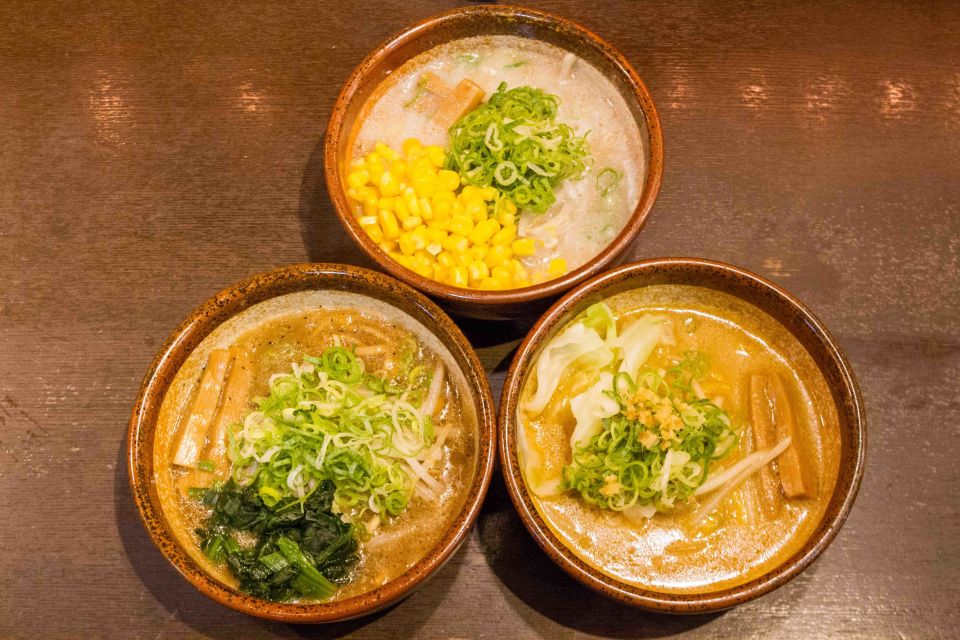
The first ramen shop specializes in Hokkaido-style ramen. Even if you’re new to ramen, you’ll understand this stop because the guide explains Hokkaido’s place in ramen history and in the broader ramen world. You’re not just told to eat; you’re taught how regional styles develop and why people keep chasing them.
What to pay attention to while you’re eating:
- Broth character: Hokkaido ramen tends to be known for its depth and richness, so even in a vegan version you’ll likely notice how the flavors build.
- Salt, fat, and umami balance: when a vegan broth replaces animal-based flavors, you can often taste how the recipe compensates.
- Noodle behavior: your perception changes when noodles are cut for a particular broth thickness.
This is where the tour’s vegan setup really helps. The tour is described as vegan, with non-vegan broth options available for each bowl. In practice, that means you can stay vegan but still have a menu structure that lets the shop tailor options. If you’re traveling with mixed dietary needs, this also makes it easier for everyone at the table to order without making the experience a negotiation.
One more practical win: gluten-free noodles are available. If you need gluten-free, you’re not stuck giving up ramen as an activity. You’ll just want to communicate your preference early so the restaurant can prepare accordingly.
Between stops: using the train without losing momentum
You’ll move between Shibuya and Shinjuku by train. The guide handles the routing, but train fare is not included. Bring a transportation card or cash for tickets.
This matters for two reasons:
1) It keeps the tour efficient. Two hours doesn’t sound like long enough for two neighborhoods unless you’re also moving fast.
2) It avoids the “walk-and-wait” problem. Tokyo walking can be rewarding, but it can also steal time. This plan trades a short train hop for a smoother schedule.
The pacing is part of the value. You’re not spending half the tour figuring out transit. You’re eating and learning, then you’re back to transit, then you’re eating again.
Stop 2: Tokyo tsukemen in Shinjuku and why dipping changes everything
The second shop focuses on classic Tokyo tsukemen, which is dipping ramen. If standard ramen is “soup first,” tsukemen is more like “broth as sauce.” The noodles arrive ready to dip into a separate bowl of concentrated flavor, and that changes the whole sensory experience.
In a guided context, this stop is especially useful because you’ll compare styles in a way that makes sense: you’re tasting two ramen approaches back-to-back, and you’re learning how ramen regional identity works. Tsukemen also tends to encourage slower eating. You’ll notice the thickness of the dipping broth and how it clings to noodles.
What I’d suggest you do during this stop:
- Take a first bite plain (dipped lightly) so you can identify baseline noodle texture.
- Dip a second portion a bit more for broth impact.
- If you have gluten-free noodles, try to notice whether the bite feels the same or if it changes the chew. That’s useful information for future ramen decisions on your own.
This stop lands in Shinjuku, and yes, it’s a popular Tokyo area. The tour uses that energy for a reason: you’re seeing a real slice of where people actually go for meals, not just a museum-style food stop.
You can also read our reviews of more tours and experiences in Tokyo



Four mini bowls: how variety helps you choose your future ramen
The star of this tour is the mini-bowl format: four different vegan ramen tastings across the two shops. I love this because you leave with actual preferences, not just “it was good.” Ramen is personal. Some people want fatty richness. Others want clearer, sharper flavors. Mini bowls let you test those preferences quickly.
It also gives you a helpful souvenir for your brain: a short list of what you should seek later. The tour nudges you toward that goal by teaching the history and the process behind regional styles. When you understand that a ramen style has a reason—broth choices, noodle choices, and how regional tastes evolved—ordering later becomes easier.
A small but important point: because the servings are mini bowls, you can keep your energy up and still enjoy Shibuya/Shinjuku after. This makes it a good first-day food activity. You get the flavor education, then you’re not overwhelmed by the rest of Tokyo.
Guides and the kind of ramen geek energy you want
This kind of tour lives or dies on the guide. The best sign here is that the experience is run by real ramen people—ramen geeks who can answer questions without acting like your curiosity is a burden.
You’ll see that in the guide names mentioned in past participants’ experiences: Brian, Makayla, Bunga, Frank, and Sahori. That range matters because it suggests you’re likely to get a guide who can explain things in a friendly, human way, not in robotic food-tour language.
What to expect from the guide style:
- friendly explanations that connect ramen to place (Hokkaido vs. Tokyo)
- clear guidance for what to taste in each bowl
- room for questions, including practical food culture tips
If you’re the type of traveler who likes asking why something is cooked a certain way, you’ll probably leave happier than with a tour that only lists dishes.
Dietary flexibility: vegan-first, but designed for mixed needs
The tour is vegan-focused, and the description also notes non-vegan broth options available for each bowl. It’s a subtle difference, but it’s useful. It means the restaurants are set up to support different broth preferences, while still keeping the tour’s central theme vegan.
Then there’s gluten-free noodles. That’s a big deal in ramen. Many places either don’t offer alternatives or treat it like a special request that turns into a “maybe.” Here, it’s part of what the tour supports, which means you can plan a ramen experience that actually fits your needs.
One more detail worth keeping in mind: customization is mentioned, so don’t be shy. If you have dietary needs, you should tell the guide so your bowl is handled correctly at the restaurant.
Price and logistics for $96: what you’re paying for
Let’s talk money in a practical way. $96 includes:
- four mini bowls of ramen
- one drink
- a live English guide
- the structure to visit two ramen shops in two different neighborhoods in about two hours
It does not include train fare between Shibuya and Shinjuku, so factor that small extra cost into your budget. Also, the tour meeting point and walking time mean you should plan for basic city movement.
So is it worth it? I think it is if:
- you want vegan ramen in Tokyo without hunting menus and translating ingredient lists
- you want to understand ramen styles instead of just eating
- you’d rather sample four mini bowls than pay for one bowl and hope it matches your preferences
If you already have strong local food intel and you’re confident ordering vegan ramen from the exact restaurants, you might not need a guide. But for most visitors, the guide’s role—finding the right spots and giving you context—turns ramen from “meal” into “lesson you can taste.”
Who should book this ramen tour?
This tour fits best if you:
- love ramen and want a taste-comparison experience
- eat vegan or vegetarian and want options that actually work in Tokyo
- like guided food context, not just a list of places
- want an easy plan for seeing Shibuya and Shinjuku without spending hours coordinating transport
It’s less ideal if you:
- use a wheelchair or need step-free route accommodations (the tour is not suitable for wheelchair users)
- hate walking or tight schedules, since this is a compact 2-hour plan
Should you book the vegan ramen guided walk?
Yes—if your goal is to leave Tokyo with a clear sense of what ramen styles you love, and you want vegan ramen without the stress of figuring everything out alone. The mini-bowl format is the real selling point: you’re tasting variety, and you’re learning what drives the differences.
I’d especially book early in your trip. When you know which style clicks for you (Hokkaido-style richness or Tokyo tsukemen dipping), you can come back later and order a full bowl with confidence—without repeating the guesswork.
If you’re traveling with someone who isn’t fully vegan, the tour’s structure around vegan bowls with broth options can also reduce friction.
FAQ
How many ramen bowls are included?
You’ll get 4 mini bowls of ramen, plus 1 drink.
Is the tour fully vegan?
The tour is vegan-focused. Non-vegan broth options may be available for each bowl, and you can choose according to dietary needs.
Are gluten-free noodles available?
Yes, gluten-free noodles are available.
Where do we meet for the tour?
Meet in front of Shibu Hachi Box, across from the Hachiko statue. The guide waits more to the left under the word Shibu with a Tokyo Ramen Tours sign.
How long is the tour?
The tour lasts 2 hours.
Is the train fare included?
No. Train fare from Shibuya to Shinjuku is not included, so bring your transportation card or cash for tickets.
What language is the guide?
The live tour guide speaks English.
Is the tour wheelchair accessible?
No, it’s not suitable for wheelchair users.