REVIEW · KAMAKURA
Buddha, Bamboo & Zen – Bespoke Kamakura Private Walking Tours
Book on Viator →Operated by Buddha, Bamboo & Zen · Bookable on Viator
Kamakura feels calmer than Tokyo; this tour proves it. If you want a day that feels human-sized, Buddha, Bamboo & Zen is a private, bespoke walking tour that lets you move at your pace between major sights like the Great Buddha of Kamakura, the Bamboo Temple tea stop, and a top Shinto shrine.
I love how the guide builds in breathing room, so temples don’t turn into a marathon. I also like the “choose-your-own-day” feel: you can share an itinerary and they tailor it, or you can hand over the reins and follow their favorite route with Zen, samurai, and even man-made cave highlights (yagura) worked in where it fits.
One thing to plan for: the day has separate costs for temple entry and meals. You’ll want to bring cash for admissions and transport, because this tour price mainly covers guiding.
In This Review
- Key highlights you should know before you go
- Why Kamakura Works for a Low-Stress Day
- Private and Bespoke: What the Walking Plan Feels Like
- Stop 1: Kotoku-in and the Great Buddha Up Close
- Stop 2: Hasedera’s Eleven-Headed Kannon and Garden Time
- Stop 3: Hokoku-ji Bamboo Temple and Your Tea Break
- Komachi Street: The Walk That Makes the Day Feel Real
- Tsurugaoka Hachimangu Shrine: Shinto Importance With a Calm Pace
- Beyond the Big Names: Yagura Caves and Samurai-Zen Connections
- Price and What It Really Costs Per Person
- Practical Tips So Your Day Flows (Not Fights)
- Should You Book Buddha, Bamboo & Zen?
- FAQ
- What does the tour cost?
- How long is the walking tour?
- Is this a private tour or a group tour?
- What sights are included?
- Are temple admission fees included in the price?
- Is lunch included?
- Is transportation included?
- Where do we meet the guide?
- Does the tour run in any weather?
- What is the cancellation policy?
Key highlights you should know before you go
- Temple fatigue is taken seriously: the guide keeps the pace gentle and you can call it a day when you’re satisfied.
- A bamboo grove with scale: Hokoku-ji is famous for its 2,000 moso bamboo plants.
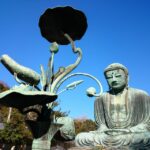
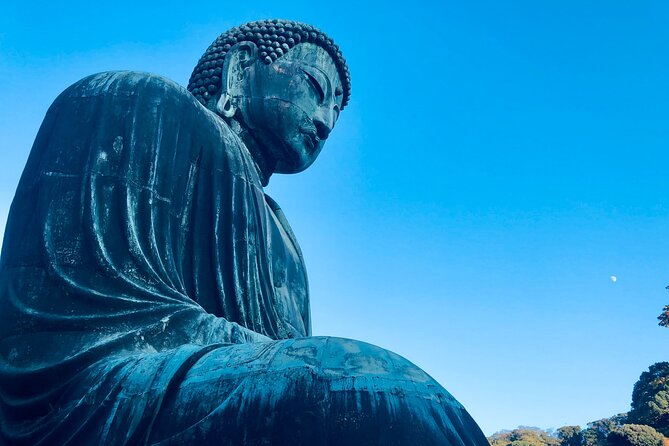
- You’ll see Japan’s big-statue flex: Kotoku-in’s Great Buddha is 13.35 meters tall.
- Zen and samurai themes connect the dots: the tour frames what you’re seeing, instead of listing facts at you.
- Shopping and shrine time are balanced: Komachi Street is built into the walk, then you switch gears at Tsurugaoka Hachimangu.
- Practical help starts before you step out: the guide advises on things like getting a Suica card and finding cash for small extras.
Why Kamakura Works for a Low-Stress Day
Kamakura is one of those places that feels like a vacation even when you’re technically “just” visiting. You’re still in Japan, still surrounded by real temples and real neighborhoods, but the mood is quieter than Tokyo’s constant motion.
This tour is designed around that feeling. It’s not a rapid-fire highlights bus route. Instead, you get a guided walk that balances big landmarks with small moments—gardens, shrine approach paths, and even the casual energy of Komachi Street. The goal is to help you leave feeling steadier, not squeezed.
You can also read our reviews of more walking tours in Kamakura
Private and Bespoke: What the Walking Plan Feels Like
This is a private tour for your group (up to 6 people). That matters because Kamakura can be walkable, but it’s also easy to spend energy zigzagging without a plan. Here, you’re not chasing a fixed schedule so hard that you stop noticing what’s in front of you.
The tour is built for flexibility in two ways:
- You can share your interests and they tailor the day.
- Or you can say, basically, guide us, and they steer you through their favorite spots.
You’ll also notice the pacing isn’t random. The day includes time for walking between areas plus breaks and food/drink stops. The tour description even flags that there’s about two hours travel time worked into the plan so you’re not constantly late to the next sacred stop.
You’ll get a mobile ticket, which is one less thing to manage at the start of your day. The meeting point is straightforward: Kamakura Station (Kamakura Eki), Higashiguchi side, at the Komachi area near 1 Chome-1 Komachi. The tour ends back at the meeting point, so you’re not trying to solve “how do we get home from here” while your feet are arguing with you.
Stop 1: Kotoku-in and the Great Buddha Up Close
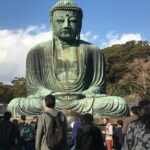
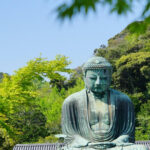
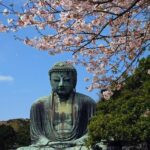
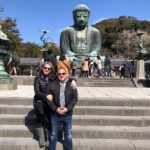
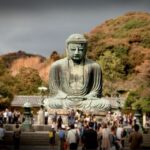
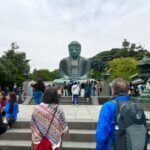
Kotoku-in is where the day immediately delivers a wow-factor you can’t really replace with photos. The Great Buddha of Kamakura is a bronze statue towering 13.35 meters tall. It’s also historically interesting because the statue was originally carved in wood before it was cast into bronze.
What I like about putting Kotoku-in first is how it sets the theme. You start with Buddhism’s physical presence—this huge, calm figure that doesn’t need a lot of interpretation. From there, the tour can gently expand into gardens, bamboo, and Zen framing without the day turning chaotic.
Practical tip: because temple admissions aren’t included, you’ll want your cash ready for the Kotoku-in entry fee (listed as ¥300 per person). If you’re budgeting, think of this as part of your “temple day” envelope rather than an extra surprise.
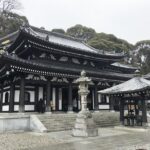
Stop 2: Hasedera’s Eleven-Headed Kannon and Garden Time
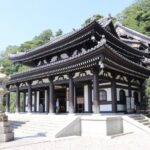
Next up is Hasedera, known for its nine-story-tall moment—well, in statue terms. You’ll see the nine-point-18-meter “Eleven-headed Kannon” wooden statue, carved in 721 AD. That’s old in a way that feels real when you’re standing there, not just reading a number.
This stop is also about atmosphere, not only sculpture. The gardens are a big part of Hasedera, with flowers blooming through the year. There’s even a hydrangea path associated with the experience when those blooms are in season.
The listed visit time is about 45 minutes, so this isn’t an all-day garden project. It’s enough time to slow down, look carefully, and still keep the day from dragging.
One more planning detail: Hasedera’s admission is ¥400 per person, not included in the tour price. If you bring a mix of coins and bills early in the day, everything feels smoother.
Stop 3: Hokoku-ji Bamboo Temple and Your Tea Break
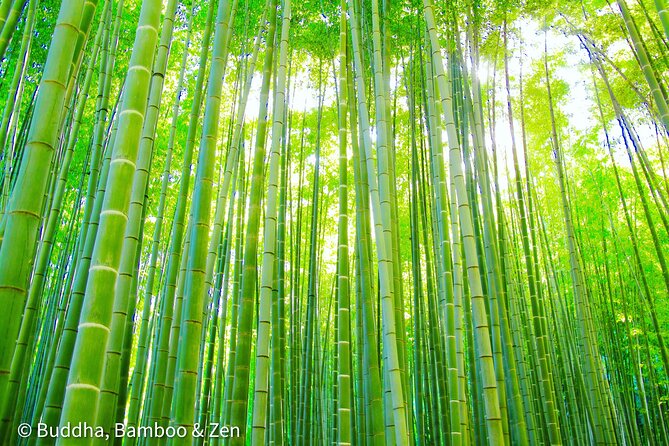
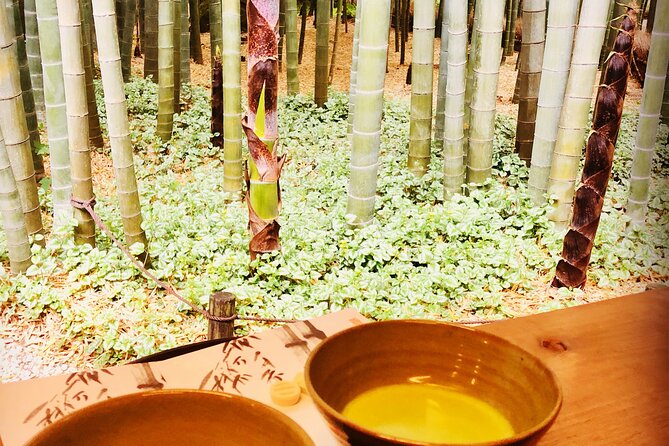
Then you hit the Bamboo Temple: Hokoku-ji, a Rinzai Zen Buddhist temple founded in 1334. Its fame is practical as well as poetic—the highlight is the 2,000 moso bamboo plants that form the grove.
This is one of those stops where the setting does a lot of work. Even if you’re not a temple person, the bamboo grove gives you a different kind of quiet: a visual rhythm that changes the way you move.
The tour description also mentions taking in green tea here, which is exactly the kind of sensible break that keeps the day enjoyable. You’re doing temples all morning; your brain deserves a reset.
Time on site is about 1 hour, and there’s an admission fee for the grove (listed as ¥600 per person, not included). If you’re trying to keep your spending predictable, treat each temple entry as a planned “layer” and not a random add-on.
You can also read our reviews of more private tours in Kamakura
Komachi Street: The Walk That Makes the Day Feel Real
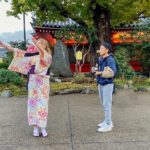
After all that sacred space, Kamakura’s Komachi Street is a smart contrast. It’s the main pedestrian shopping street running through the heart of town, with plenty of places to eat and shop at street level.
This stop is listed for about 1 hour. I like this timing because it’s not stuck at the end of the day when you’re too tired to enjoy it. It’s early enough that you can browse without feeling rushed.
And because the tour is private and flexible, you can use Komachi Street to do what you actually want: pick up a small snack, browse simple souvenirs, or just walk and watch daily life. The tour doesn’t force you into any one purchase. It just gives you the time to breathe like a local in the middle of the sightseeing.
Tsurugaoka Hachimangu Shrine: Shinto Importance With a Calm Pace
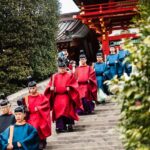
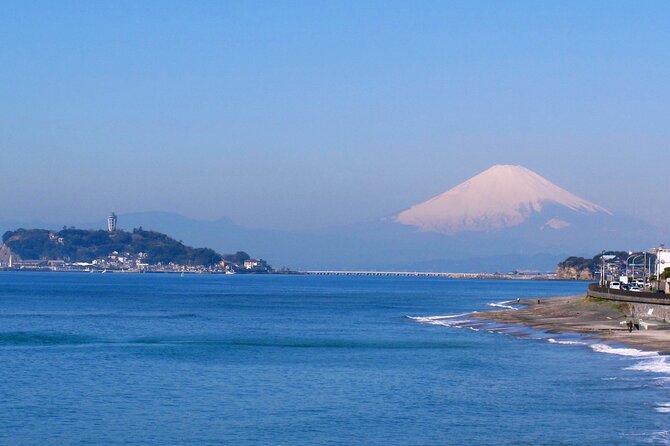
The day closes with Tsurugaoka Hachimangu, which the tour notes as the most important Shinto shrine in Kamakura. It’s dedicated to Hachiman, the tutelary god of warriors, and was established in 1063.
This stop is also about approach and presence. You don’t just read about shrines; you walk toward the shrine space as part of the experience. The listed time is about 1 hour, and admission is noted as free for this stop.
What’s valuable here is how the day’s themes can “click” into place. The tour frames what you see in terms of Zen and samurai connections, so even though you’re switching from Buddhism to Shinto, it doesn’t feel random. It feels like one coherent story of the region.
Beyond the Big Names: Yagura Caves and Samurai-Zen Connections
The tour description hints at more than the headline temples—specifically yagura, the man-made caves that are part of Kamakura’s historical landscape. You’ll also hear samurai and Zen context woven in while you walk.
Here’s the key point for you: because the tour is bespoke, these elements aren’t just “sprinkled on.” They’re positioned to match your interests and your energy level. If you want more historical texture, the guide can steer that way. If you want the quieter side, the pace and selection can shift.
This is also where the guide’s temple-awareness pays off. There’s a real risk with Japan sightseeing that one too many temples turns the day into a checklist. This tour explicitly works to avoid that by letting you slow down, stop for breaks, and not feel like you have to finish every sacred stop just because it’s on a plan.
Price and What It Really Costs Per Person
Let’s talk value without hand-waving.
The tour price is $355.80 per group for up to 6 people, and it lasts about 6 hours. If you fill all seats, that’s about $59 per person for a private, English-speaking guiding experience.
Now for the “real day budget,” because temple entry and lunch are not included.
Not included costs listed:
- Temple admissions: about ¥300 (Kotoku-in), ¥400 (Hasedera), and ¥600 (Hokoku-ji).
- Public transportation: ¥840 per person.
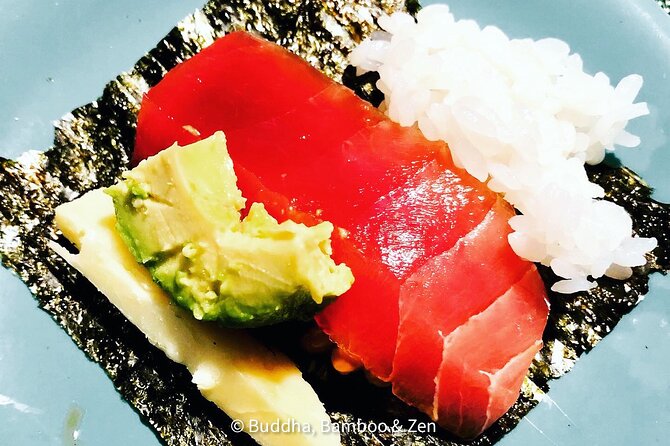
- Lunch and snacks (including matcha green tea) are on you.
The tour recommends bringing about ¥2,000 to cover temple admission fees and transportation, plus extra for food and drinks. If you add the listed admission fees (¥1,300 total) and the transport estimate (¥840), you land around ¥2,140. So that guidance is pretty practical. It’s close enough that ¥2,000 works as a “bring cash, don’t stress” number, assuming you don’t overpay for snacks.
Where the price earns its keep: Kamakura takes time to navigate well, and walking between the right sights smoothly is where a local guide earns their role. You’re not just buying someone to point things out—you’re buying reduced friction, better pacing, and a day that adapts to your group.
Practical Tips So Your Day Flows (Not Fights)
A few simple moves make a big difference in Kamakura.
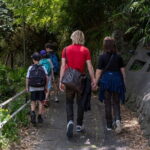
First, wear comfortable shoes. This is a walking tour with temple grounds and time spent moving between areas, plus extra time for travel and breaks.
Second, come with cash ready for temple fees and small purchases. The tour recommends around ¥2,000, and it’s smart to add a bit more so you can actually enjoy Komachi Street instead of doing math every five minutes.
Third, get your transit plan sorted early. One of the review takeaways from the guide’s support is help figuring out things like getting a Suica card and where to access additional cash if needed. Even if you’re already comfortable in Tokyo, having a local confirm the simplest route in Kamakura can save you time and stress.
Finally, decide how “temple-heavy” you want your day. The guide is conscious about people getting templed out and can adjust. If you want fewer temples and more coastal calm, say so early. If you want the full spiritual arc and extra context, also say so early. That’s the point of private and bespoke.
Should You Book Buddha, Bamboo & Zen?
You should book if you want a Kamakura day that feels personal, not packaged. This tour fits well when:
- Your group wants flexibility—stopping when you feel like it, not when a schedule demands it.
- You care about context as you go, especially connections between Buddhism, Zen, samurai stories, and local sites like yagura.
- You’d rather pay for reduced friction and better pacing than try to assemble the “right” route solo.
I’d skip it if you’re trying to do Kamakura on an ultra-tight budget. After you add temple admissions, transport, and lunch, the cost rises. Also, if you hate walking and prefer point-to-point rides, you might find the walking component more than you want, even though the day is paced with breaks.
If you’re on the fence, here’s the simplest decision rule: if your priority is a calm, well-paced day with a guide who can adapt, this is a strong match. If your priority is only the absolute cheapest way to see temples, plan to DIY and accept the extra logistics work.
FAQ
What does the tour cost?
It costs $355.80 per group (up to 6 people).
How long is the walking tour?
The duration is about 6 hours.
Is this a private tour or a group tour?
It’s a private tour/activity. Only your group participates.
What sights are included?
The tour covers Kotoku-in (Great Buddha of Kamakura), Hasedera Temple, Hokoku-ji Temple Bamboo Grove, Komachi Street, and Tsurugaoka Hachimangu Shrine.
Are temple admission fees included in the price?
No. Temple admissions are excluded and you pay separately (Kotoku-in ¥300, Hasedera ¥400, Hokoku-ji ¥600 per person, based on the tour info).
Is lunch included?
No. Lunch and snacks are excluded, including matcha green tea, and you pay separately.
Is transportation included?
Public transportation is not included. The tour lists public transport at ¥840.00 per person.
Where do we meet the guide?
You meet at Kamakura Eki (Higashiguchi), 1 Chome-1 Komachi, Kamakura, Kanagawa 248-0006, Japan. The tour ends back at the meeting point.
Does the tour run in any weather?
The tour requires good weather. If it’s canceled due to poor weather, you’re offered a different date or a full refund.
What is the cancellation policy?
You can cancel for free up to 24 hours in advance for a full refund. If you cancel less than 24 hours before the start time, the amount paid is not refunded.