REVIEW · TOKYO
Tokyo Walk through: Shinjuku, Harajuku, Omotesando & Shibuya
Book on GetYourGuide →Operated by Pinpoint Traveler · Bookable on GetYourGuide
Tokyo’s neighborhoods are a moving target.
This walk works because it jumps between Tokyo’s biggest personality swings fast: hard-charging Shinjuku to style-forward Shibuya, then pop-culture Harajuku and quietly pricey Omotesando. I like that the guide helps you read what you’re seeing, not just point at it.
What I especially like is the mix of “everyday Tokyo” and a breather. You get mainstream shopping and food streets, but also a planned pause at Shinjuku Gyoen when conditions are decent.
One thing to consider: you’re doing real walking on uneven city sidewalks, and the tour notes it isn’t set up for everyone with mobility limits, even though it’s listed as wheelchair accessible. Bring good shoes and plan for a solid stride.
In This Review
- Key takeaways before you go
- Starting on the Edge of Tokyo: Gucci Shinjuku M Square
- Shinjuku: Shopping Streets, Hidden Culture, and a Garden Reset
- Shibuya: Youth Culture, Train-Smart Tips, and Built-For-Modern Life
- Harajuku and Takeshita-dori: Pop Culture With Real Target Energy
- Omotesando: Luxury Brands, Plus the Backstreet Finds
- What You’re Really Buying With the Tour: Time, Context, and a Guide Who Adjusts
- Price and Timing: Does $67 per Person Match the Value?
- Who This Walk Is Best For (and Who Should Skip It)
- Should You Book This Tokyo Walkthrough?
- FAQ
- Where does the tour start?
- How long is the tour?
- What areas are included?
- Is the tour in English?
- What should I bring?
- Are meals included?
- Is it wheelchair accessible?
- Is cancellation possible?
Key takeaways before you go
- Shinjuku’s post-war blueprint: the guide explains how Tokyo planned major hubs as the city grew.
- Shinjuku Gyoen timing matters: the garden stop is weather-dependent and is your calm reset.
- Shibuya’s youth culture with practical context: you’ll learn how the area fits Japanese modern life.
- Harajuku’s Takeshita-dori focus: pop culture aimed at the 12–16 crowd.
- Omotesando’s two sides: luxury storefronts plus backstreets for different, less obvious finds.
- Small group size (up to 8): easier conversation and a better chance the walk matches your interests.
Starting on the Edge of Tokyo: Gucci Shinjuku M Square
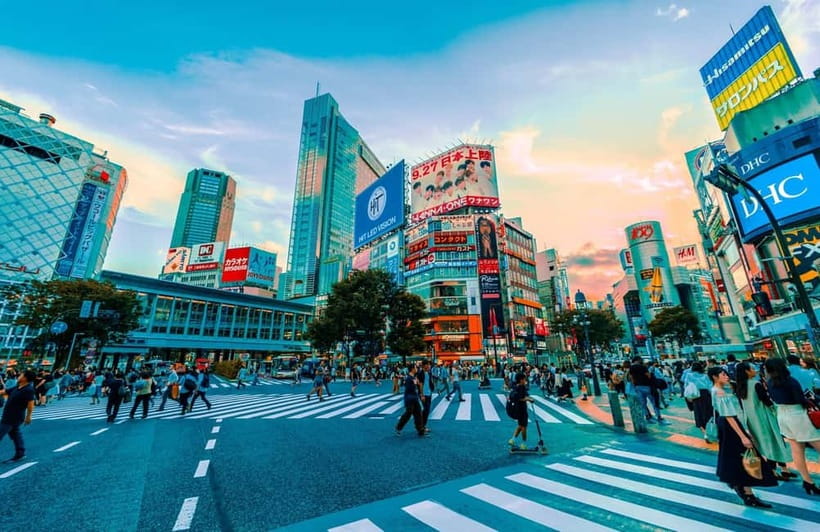
The tour begins right in front of the Gucci Shinjuku M Square Store. That’s a convenient landmark in a neighborhood where it’s easy to feel like you’re inside a maze—even before you start.
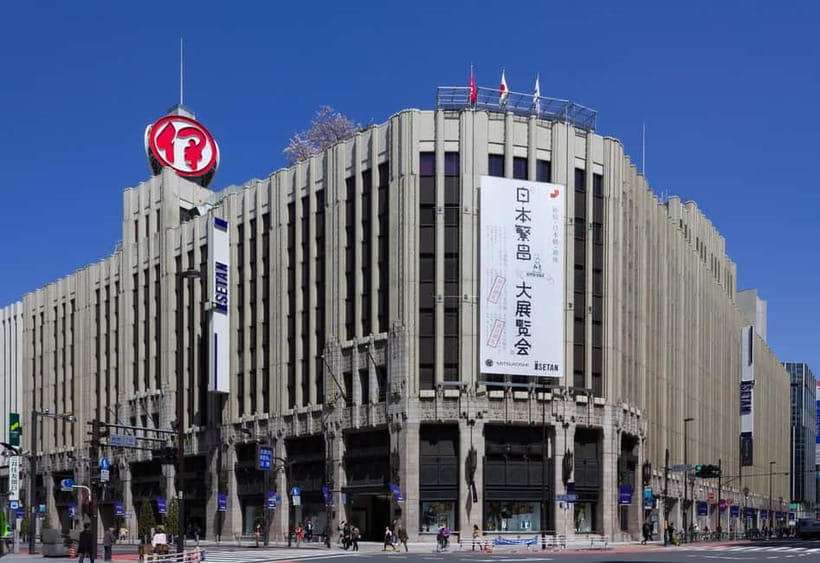
Shinjuku is also the right opening act because it forces you to understand Tokyo’s scale quickly. This area is linked to the busiest train station on Earth, and the guide uses that context to explain how post-war Tokyo was master-planned to create modern hubs like Shinjuku and Shibuya. Translation: you’re not just walking through crowds. You’re seeing how the city built itself for density, commuting, and constant change.
If you want an efficient first-day strategy, this is it. In four hours you hit four major districts that often take visitors days to piece together alone.
You can also read our reviews of more walking tours in Tokyo


Shinjuku: Shopping Streets, Hidden Culture, and a Garden Reset
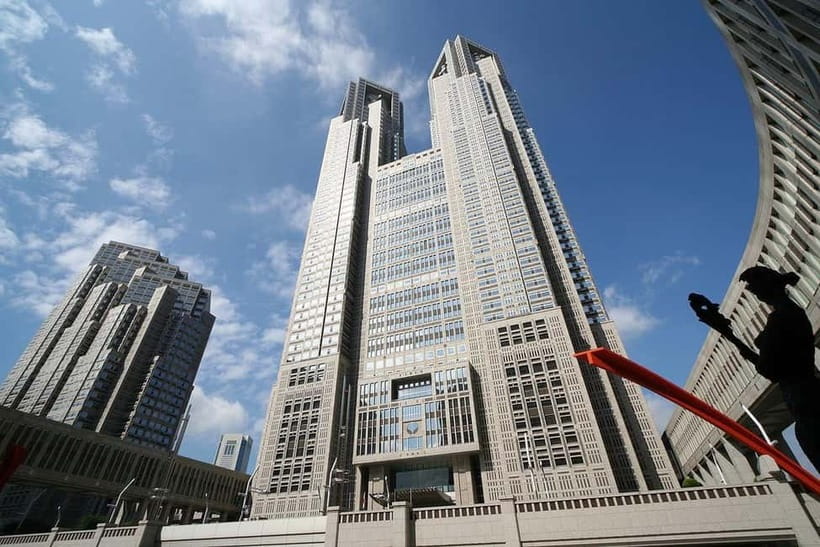
You’ll spend about an hour in Shinjuku with a guide, and the goal is to help you make sense of the mix. Expect mainstream shopping areas, plus famous eating and drinking spots nearby. The streets can feel like they’re running at high speed, but the guide’s job is to slow your thinking down just enough to notice patterns.
One of the smartest parts is how the guide points out art and cultural details that are easy to miss on your own. Shinjuku has plenty of spectacle, but it also has quieter corners that don’t scream for attention. With a guide, you can spot what’s worth your time without wandering randomly for an hour.
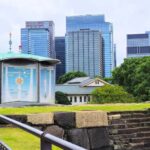
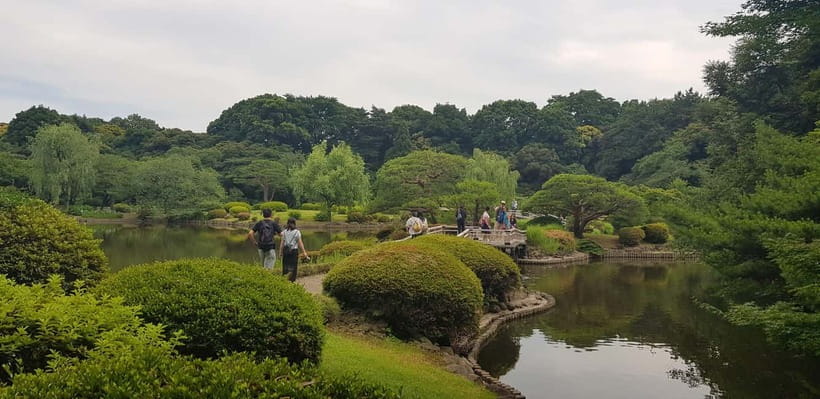
Then comes the best swing in the tour: Shinjuku Gyoen. The plan is to stop there if the weather is decent, and that’s not a minor detail. The garden is a peaceful retreat in the middle of a city that doesn’t really do “quiet” for long. You’ll see multiple garden styles and approaches packed into one place, which helps you understand why this spot matters to locals and why it’s such a useful counterbalance on a walking day.
Practical tip: if you’re the type who rushes outdoor sightseeing, this is where you slow down. Take a moment on a bench, check the light, and let your brain reset before you head back into the neon layer.
Shibuya: Youth Culture, Train-Smart Tips, and Built-For-Modern Life
After Shinjuku, you head to Shibuya, a hub of modern Japanese culture that leans toward the youthful set. This is where Tokyo’s present tense shows up: fashion-forward crowds, fast-moving energy, and lots of storefronts aimed at trends rather than traditions.
What makes this stop more valuable than a drive-by is the way the guide frames what you’re seeing. The tour is designed to show you the area’s more playful, mild avant-garde vibe, but also to connect it to daily life. You’ll get context that helps the district feel less random.
You also get practical, everyday support. One past guide, Hiroshi, shared tips on how to use the train system and explained daily life in Tokyo, which is exactly the kind of information that helps you after the tour too. Even if you’re comfortable on public transit, learning local habits can save you stress later.
And yes, there’s room for discovery. Shibuya is full of small side streets, and the tour includes time to notice the parts that reflect Tokyo’s youth culture instead of only sticking to the obvious main blocks.
Harajuku and Takeshita-dori: Pop Culture With Real Target Energy
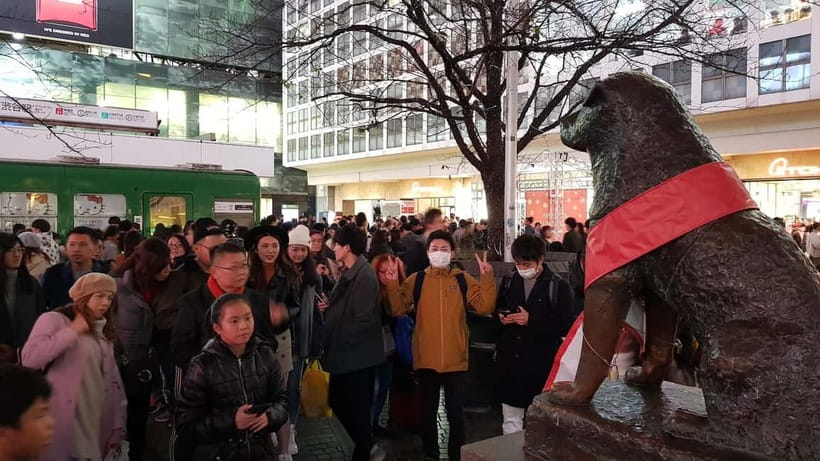
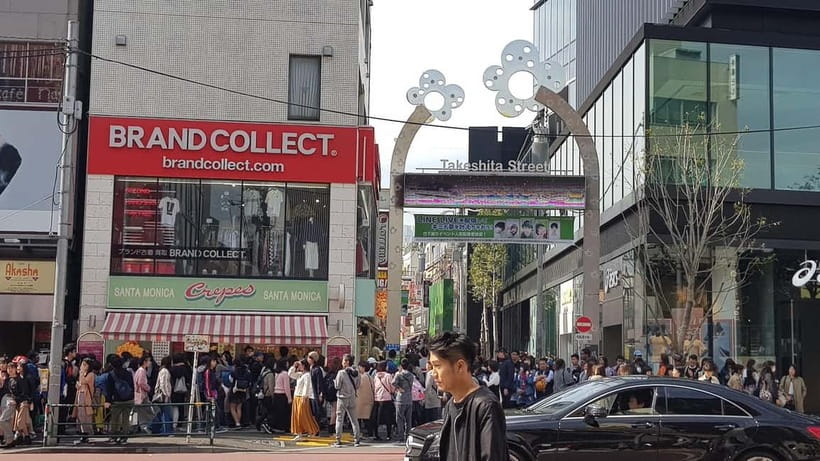
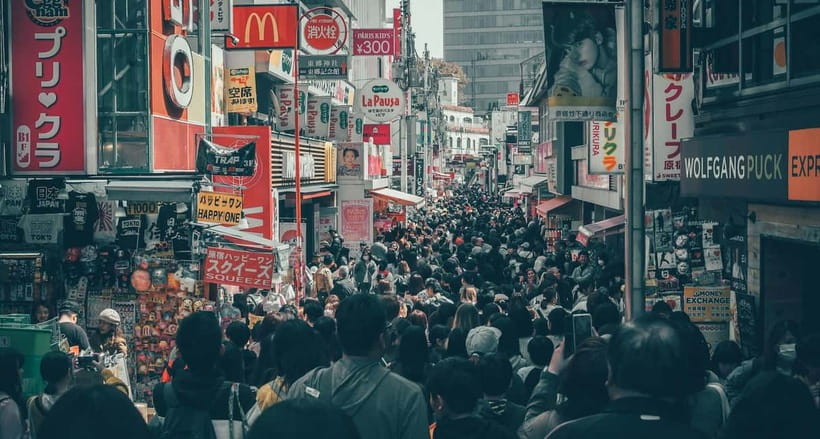
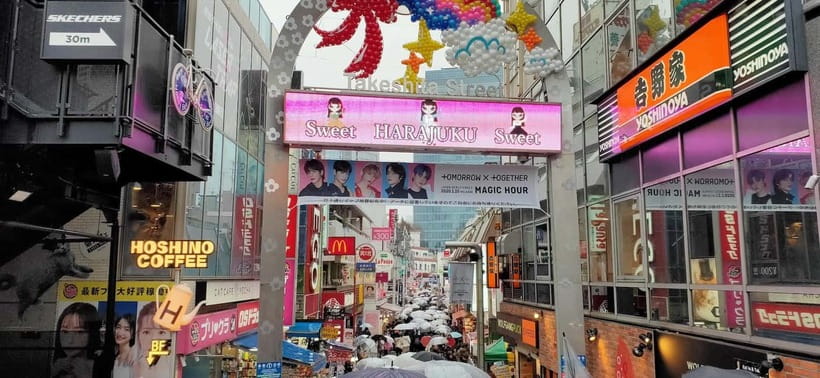
Next is Harajuku, and the star street here is Takeshita-dori. The tour highlights it for a reason: this is where Japanese pop culture shows up in the most uninhibited way, and it’s aimed at the 12–16 age market.
That detail matters because Harajuku is not trying to be tasteful or restrained. It’s trying to be fun, bold, and identity-driven. When you know the target age and style language, you’ll interpret what you see differently. You’ll stop treating it like random weirdness and start seeing it like a youth-driven fashion conversation.
A good guide helps you avoid the two common mistakes: (1) turning it into a theme-park photo session, or (2) assuming it’s all just costumes. Instead, you’ll see how Harajuku fits into the wider ecosystem of Tokyo, where trends spread quickly and where shopping, street style, and social life overlap.
This stop is about noticing, not shopping. If you do buy something, fine. But the real win is learning how to read the district’s style logic in real time.
Omotesando: Luxury Brands, Plus the Backstreet Finds
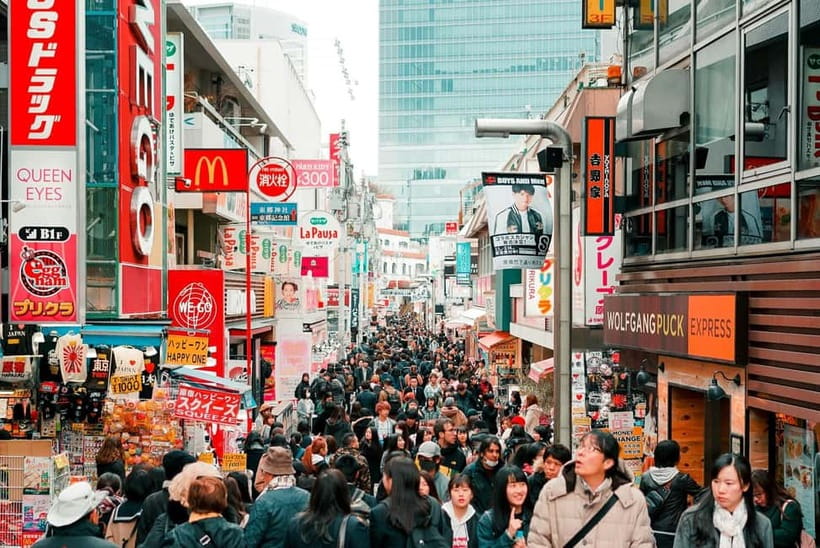
After Harajuku, you shift to Omote Sando, and the mood changes again. Omotesando is where understated wealth and well-known luxury brands sit side-by-side with smaller lanes that feel like an afterthought—until you slow down and look.
The tour includes both sides: you’ll see the main luxury presentation, but you’ll also have time to explore a maze of backstreets where unique fashion finds can pop up. This is one of those Tokyo paradoxes: a place that looks polished on the surface still has side areas that feel more exploratory and personal.
If you care about shopping, this is a great lesson in how to shop smarter. Don’t just aim for the big names. Use the side streets as your “contrast filter.” What you find there often reflects personal style more than brand prestige.
Also, if you’re tired of crowds, Omotesando can feel like a more controlled environment than the biggest train-station gravity wells. Not quiet, but easier to walk with your eyes open.




What You’re Really Buying With the Tour: Time, Context, and a Guide Who Adjusts
The listed theme is modern Tokyo in four districts, but the real product is how the walk is run. This is a small group limited to 8 participants, which makes it easier for the guide to keep the flow and still talk with you.
Some of the best feedback from earlier tours points to guides who actively tailor the walk. For example, Renault was praised for being friendly, keeping the tour informal, and customizing the route to what the group wanted to see. Scott also received credit for sharing knowledge and guiding people to places they wouldn’t have discovered alone.
And Tina’s approach stood out for balancing sightseeing with real shopping and food stops. In one case, she left the group at a ramen place and helped them order—tiny detail, big practical payoff. If you don’t read menus comfortably, that kind of help reduces the fear factor and makes dinner plans feel easier.
Bottom line: you’re paying for guidance that saves you decision time. In Tokyo, that’s a real cost saver because you’re constantly choosing between 10 good options and ending up in the wrong one if you’re guessing.
Price and Timing: Does $67 per Person Match the Value?
At $67 per person for 4 hours, this tour is positioned for efficiency. You’re covering multiple districts that are usually tackled separately, plus a garden stop designed to rebalance the day.
Here’s the value math in plain terms:
- You’re getting a live English guide through Shinjuku, Shibuya, Harajuku, and Omotesando.
- You get a specific stop that visitors often skip or fail to coordinate—Shinjuku Gyoen.
- You get small-group attention, not just audio-while-you-walk.
What isn’t included matters too. Meals and drinks are on you, and personal shopping is your call. Also, transportation to and from the meeting point is not included, so you’ll want to factor in how you’ll reach Shinjuku and how you’ll exit afterward.
Is it worth it if you’re a super-planner? Maybe not. If you’re the kind of traveler who wants quick orientation and less guessing, it’s a very reasonable use of time. You’ll leave with a mental map, not just photos.
Who This Walk Is Best For (and Who Should Skip It)
This tour is ideal if you want:
- A fast introduction to Tokyo’s modern contrasts
- A guide who can explain what you’re seeing and how it connects
- A balance of shopping streets, youth style areas, and a calmer garden interlude
It may be less ideal if you:
- Want zero walking and lots of sitting
- Have mobility needs where long city sidewalks are hard (the tour notes it isn’t suitable for people with mobility impairments, even though it’s listed as wheelchair accessible)
- Want a deep, slow museum-style itinerary (this is a city-walk format)
If it’s your first time in Tokyo, this is a strong kickoff. It also works well as a second visit if you already know the classics and want contemporary Tokyo neighborhoods with better context.
Should You Book This Tokyo Walkthrough?
I’d book it if you want a guided, time-efficient way to connect Tokyo’s biggest modern districts and come out with a clearer sense of how the city works. The Shinjuku Gyoen reset alone is a smart design choice, and the guide-led customization you’ll likely experience makes it feel less scripted than many short walks.
Skip it if you’re traveling mostly for long, seated attractions or if your mobility limits make uneven sidewalks hard. And if you hate walking with crowds, plan to go slow through the busier blocks and treat breaks like part of the itinerary.
If you’re flexible and you’re wearing comfortable shoes, this tour is a practical way to experience Tokyo’s personality shifts in a single afternoon.
FAQ
Where does the tour start?
You meet right in front of the Gucci Shinjuku M Square Store.
How long is the tour?
The duration is 4 hours.
What areas are included?
The guided walking tour covers Shinjuku, Shibuya, Harajuku, and Omote Sando, plus a visit to Shinjuku Gyoen Garden.
Is the tour in English?
Yes, the live tour guide speaks English.
What should I bring?
Bring comfortable shoes and weather-appropriate clothing. You’ll do a fair amount of walking.
Are meals included?
No. Meals and drinks are not included.
Is it wheelchair accessible?
The info says wheelchair accessible, but it also notes it is not suitable for people with mobility impairments. Because the tour involves a fair amount of walking, it’s worth double-checking your own needs before booking.
Is cancellation possible?
The tour offers free cancellation up to 24 hours in advance for a full refund, and you can reserve and pay later.