REVIEW · TOKYO
Tokyo: Authentic Food Tour in Ginza and Shimbashi
Book on GetYourGuide →Operated by Traveling Tokyo · Bookable on GetYourGuide
Ginza hides food you won’t find alone. In this 3-hour Tokyo tour, I like the secret spots feeling and I like how the guide turns a simple walk into real context about Japanese food culture as you move from Tokyu Plaza Ginza to Yurakucho and then Shinbashi. The only real drawback is that it isn’t wheelchair friendly, and you’ll be on your feet most of the time, so comfy shoes matter.
English-speaking guides from Traveling Tokyo have been praised by name, including Doren, Reo, and Ryota/Yota, and you can tell they genuinely enjoy talking about Japan. With a small group capped at 10, you get time for questions and practical help planning your Tokyo days.
In This Review
- Key things that make this tour work
- Ginza, Yurakucho, and Shimbashi: the Tokyo food walk that actually makes sense
- Finding your start: Tokyu Plaza Ginza and the BOSS store landmark
- Stop 1 in Ginza: regional flavors in a street-famous district
- The short walk to Yurakucho: why the change of neighborhood matters
- Stop 2 in Yurakucho: more local eating, fewer obvious choices
- Stop 3 in Shimbashi: finishing with Tokyo’s evening energy
- The guide factor: how English, personality, and food talk change the evening
- What you’ll actually eat: dishes plus traditional desserts
- Pace and timing: what the 3 hours feels like on the ground
- Price and value: is $146 reasonable for a 3-hour guided food tour?
- Who this Tokyo Ginza and Shimbashi tour fits best
- Should you book this Ginza and Shimbashi food tour?
- FAQ
- Where does the tour meet?
- How long is the Tokyo food tour?
- What areas do you visit?
- Is the tour guided in English?
- How big is the group?
- Is it wheelchair accessible?
Key things that make this tour work
- Easy meeting point at Tokyu Plaza Ginza: in front of the BOSS store, near Ginza Station exits C2/C3
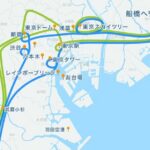
- Three neighborhoods in three hours: Ginza, then Yurakucho, then Shinbashi, with short walks between areas
- Small group (max 10) with an English live guide: better conversation, less waiting around
- Local food focus plus traditional desserts: not just snacks, but full-on Japanese flavors
- Culture talk that helps you navigate Tokyo: guides share insights and help you shape your itinerary
Ginza, Yurakucho, and Shimbashi: the Tokyo food walk that actually makes sense
If you only do big sights in Tokyo, you miss a chunk of how the city runs. This tour stitches together three very different slices of the city into one simple plan: start in Ginza, move to Yurakucho, and finish in Shimbashi. You’re not hopping across random train lines all evening. You’re walking through connected areas and letting the guide keep the flow.
What I like is the balance: Ginza is famous for shopping, but it’s also where you can find everyday eating habits that don’t feel like a theme park. Then Yurakucho brings a different rhythm, and Shimbashi shifts the mood again. The result is a food experience that feels like Tokyo, not like a checklist.
And because it’s only 3 hours long, it’s a good fit if you want food without sacrificing your whole night. You’ll get enough tastings to remember it, plus enough local context to order better and explore smarter afterward.
You can also read our reviews of more food & drink experiences in Tokyo
Finding your start: Tokyu Plaza Ginza and the BOSS store landmark
You’ll meet at Tokyu Plaza Ginza, right in front of the BOSS store. The tour notes that when you come up to the ground level from Ginza Station exits C2 or C3, you should see BOSS in front of you.
That matters more than you’d think. In Tokyo, stations can be a maze, and a food tour runs on timing. Having a clear street-level landmark keeps your “what exit is this?” stress low. If you like redundancy, you can also plug in the given coordinates (35.672245025634766, 139.7624053955078) to confirm you’re in the right spot on your map app before you head out.
Once you’re together, the group sets off on foot. Expect frequent walking, but the transfers between neighborhoods are short.
Stop 1 in Ginza: regional flavors in a street-famous district
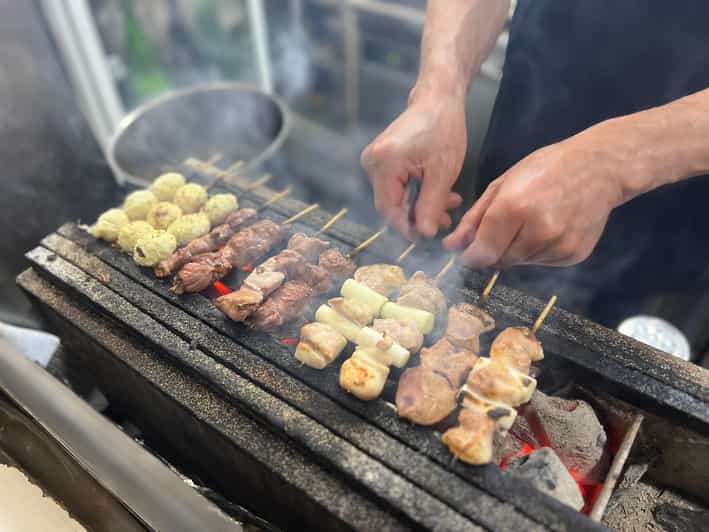
Ginza can look like it belongs to department stores and polished sidewalks, but that’s exactly why a guided food route works. You’re there to eat local foods that go beyond the obvious tourist picks.
In this first stretch, you spend about 50 minutes in Ginza for regional food. You also get the guided part here: as you walk around, your guide shares food-culture insights and helps you make sense of what you’re seeing. This is one of the reasons the tour feels more useful than just eating. You’re not only consuming; you’re learning how people think about meals in Japan.
A practical note: even if you think you know Ginza, the “secret spots” approach changes what the neighborhood feels like. The guide can also help you understand menu cues and what to pay attention to. You’ll likely leave Ginza with a clearer idea of what to look for on your own later.
The short walk to Yurakucho: why the change of neighborhood matters
Between Ginza and Yurakucho, you get a brief on-foot transfer of about 5 minutes. That’s perfect pacing. You’re not lingering in transit, but you’re also not trying to cram three areas into one nonstop sprint.
Yurakucho is where the tour’s rhythm shifts again. You spend another 50 minutes here, focused on regional food. This middle stop is important because it breaks up the evening. If you only ate in Ginza the whole time, you’d risk repeating the same style of meal and the same “department district” feeling. Yurakucho adds variety, so the overall experience stays interesting even if you’re full by the middle.
I also appreciate that the guide keeps talking during these walks. Even short segments help you connect the dots: how each area’s vibe affects what kinds of food feel normal there.
Stop 2 in Yurakucho: more local eating, fewer obvious choices
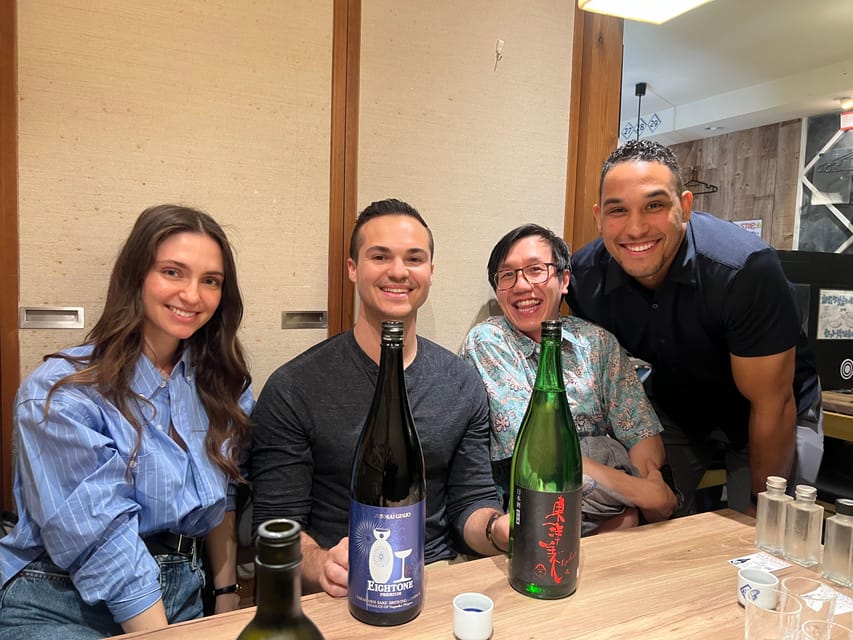
The Yurakucho portion is built around regional food again, but the point isn’t repetition. It’s variety within a coherent route.
The tour aims to show you must-try authentic Japanese foods loved by locals. Since the time is split into neighborhoods, you’re more likely to encounter different kinds of places and different meal styles than you would on a “one restaurant, then dessert, then one more stop” plan.
Another thing I like: the tour is designed to feel relaxed rather than frantic. You’re spending a focused chunk of time in Yurakucho, not rushing from spot to spot just to hit a number. That tends to make tastings more enjoyable, especially on a long day in Tokyo when your feet are already tired.
If you’re the type who gets bored when a city tour moves too fast, this pacing is a plus.
You can also read our reviews of more tours and experiences in Tokyo
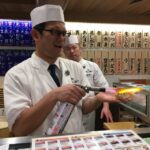
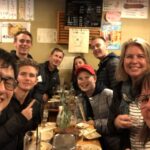
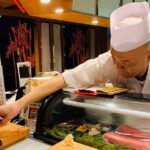
Stop 3 in Shimbashi: finishing with Tokyo’s evening energy
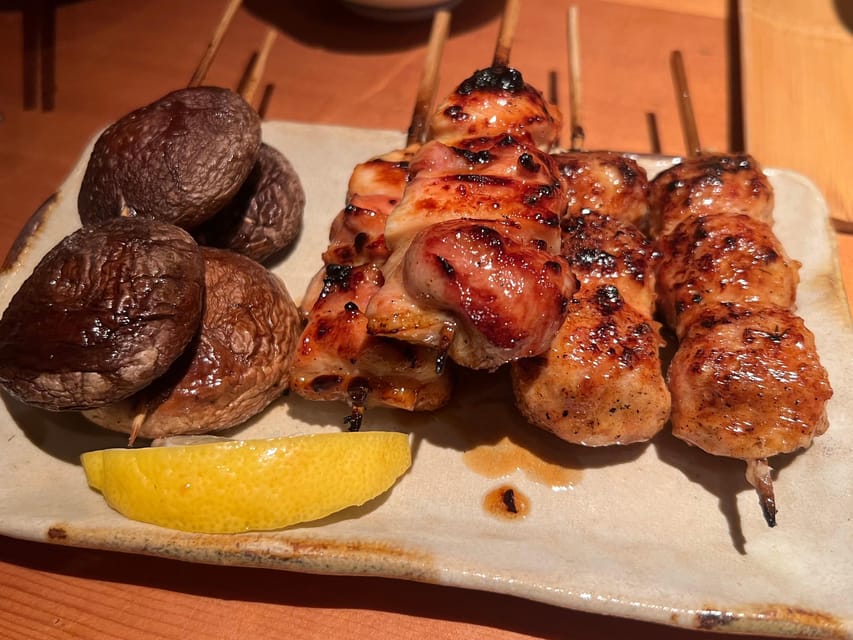
Then you move on to Shimbashi, again with a short 5-minute walk. The Shimbashi stop runs about 50 minutes and focuses on regional food.
Shimbashi often feels like a more straightforward “eat and go” area compared with polished Ginza. So the last stretch works well as a finale. By the time you get there, you’ve already learned the basics of how to read the situation from your guide’s comments, and you’re ready for the food part to land with less thinking and more enjoying.
This final stop also tends to be where a guide’s personality shows. Several guides for this tour have been highlighted by name in English-language bookings, including Doren, Reo, and Ryota/Yota. When the guide is animated, you get the kind of conversation that makes the food feel like part of a story instead of random bites.
By the end of Shimbashi, you’ll head back to Tokyu Plaza Ginza to wrap up.
The guide factor: how English, personality, and food talk change the evening
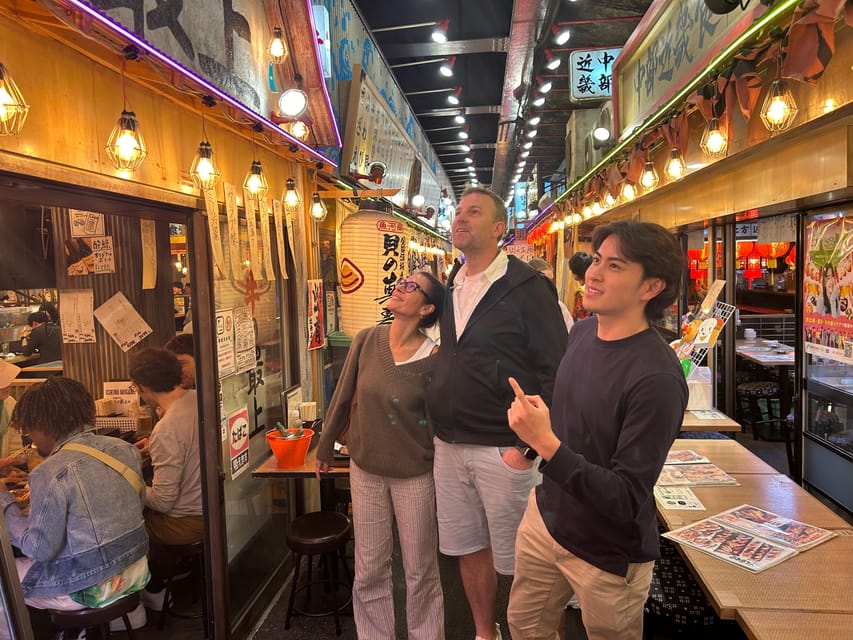
In a great food tour, the guide doesn’t just point. They explain. This one is built around a live English guide, and that language piece matters because food culture is full of tiny signals: how people order, what makes a dish feel right, and why certain places become routine for locals.
The tour explicitly includes insights into Japanese culture and help planning your itinerary. That’s valuable because Tokyo can be overwhelming. If you spend your first days bouncing between major attractions, you might miss the simple stuff that makes the city feel livable.
What I find especially helpful is that the guide-led approach can turn your remaining Tokyo time into more targeted exploring. You’re not just learning facts about what you ate. You’re learning how to make better choices afterward.
And because the group is small (limited to 10 participants), questions don’t feel like an interruption. You’re not competing with a crowd for answers.
What you’ll actually eat: dishes plus traditional desserts
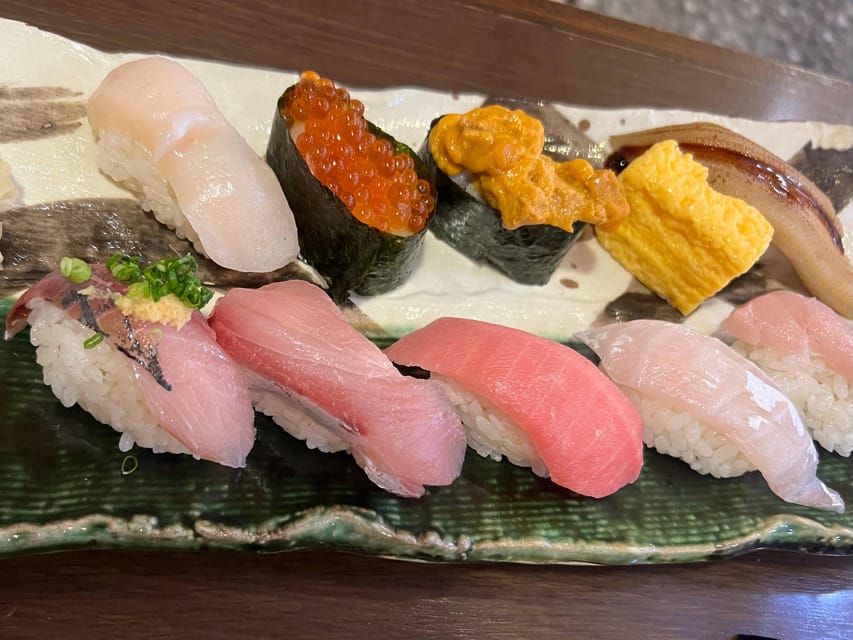
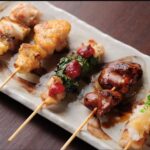
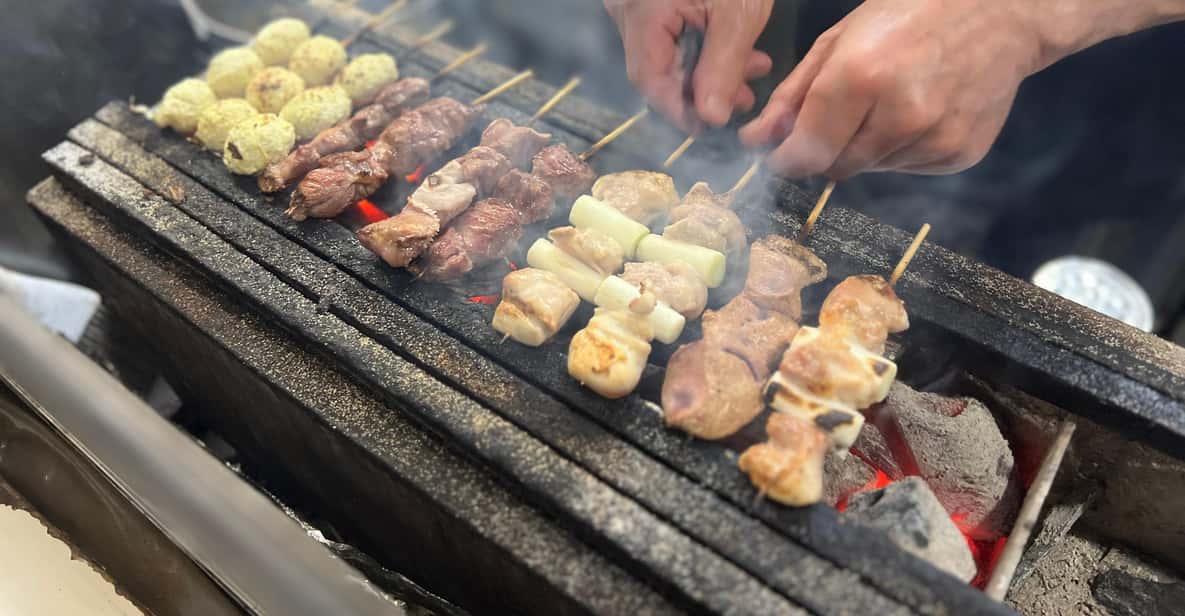
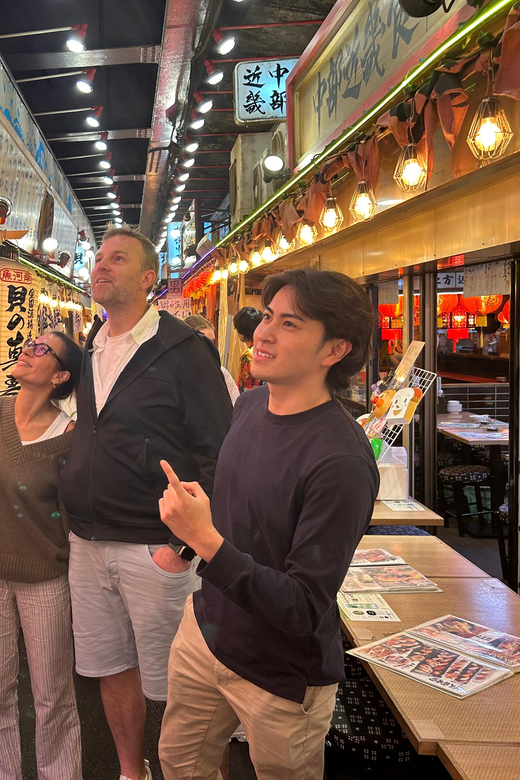
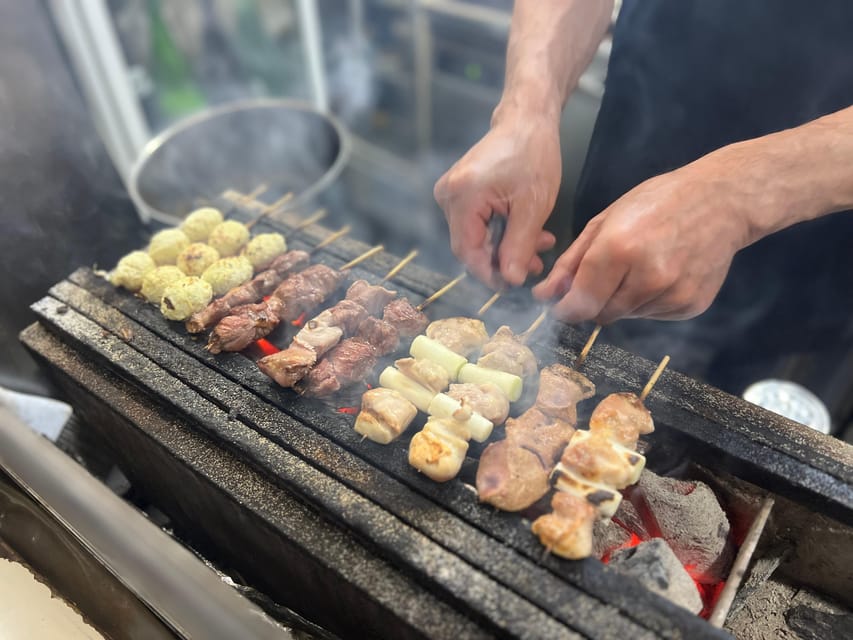
The tour description calls out tasting authentic Japanese foods, with “various amazing dishes” and “traditional desserts.” It’s safe to expect a mix of savory food and something sweet, and the route is set up to deliver that across Ginza, Yurakucho, and Shimbashi.
You should also expect the tour to focus on authenticity over showiness. This isn’t billed as a factory-style experience where you get a generic plate. The emphasis is on local foods and places most tourists miss, guided by someone who knows where the best everyday options are.
One practical tip for anyone doing a food tour in Tokyo: plan your earlier meal lightly. Even a 3-hour tour can include enough food to make a heavy late-night dinner a bad idea.
Pace and timing: what the 3 hours feels like on the ground
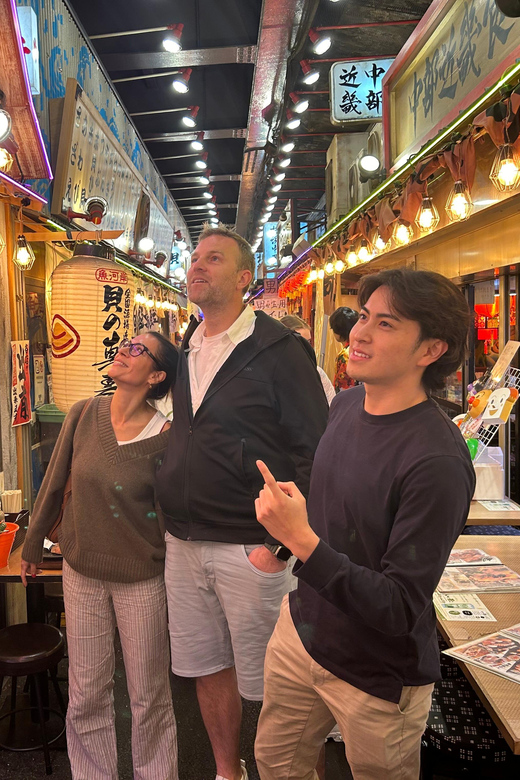
The overall structure is simple and efficient:
- Ginza for about 50 minutes
- short walk, about 5 minutes
- Yurakucho for about 50 minutes
- short walk, about 5 minutes
- Shimbashi for about 50 minutes
- return to Tokyu Plaza Ginza
In real life, that usually feels like steady movement with focused eating blocks. You’re not stuck waiting for long stretches, and you’re not running across the city. The “short transfer” design is a big part of why this tour is easy to fit into an evening.
The one consideration is physical. Since it isn’t suitable for wheelchair users and the tour is mostly on foot, you’ll want comfortable shoes and a steady pace.
Also, if you’re arriving with blisters or you’re nursing a sore ankle, Tokyo walking can turn into a bad bargain fast. This route is manageable, but it’s still walking.
Price and value: is $146 reasonable for a 3-hour guided food tour?
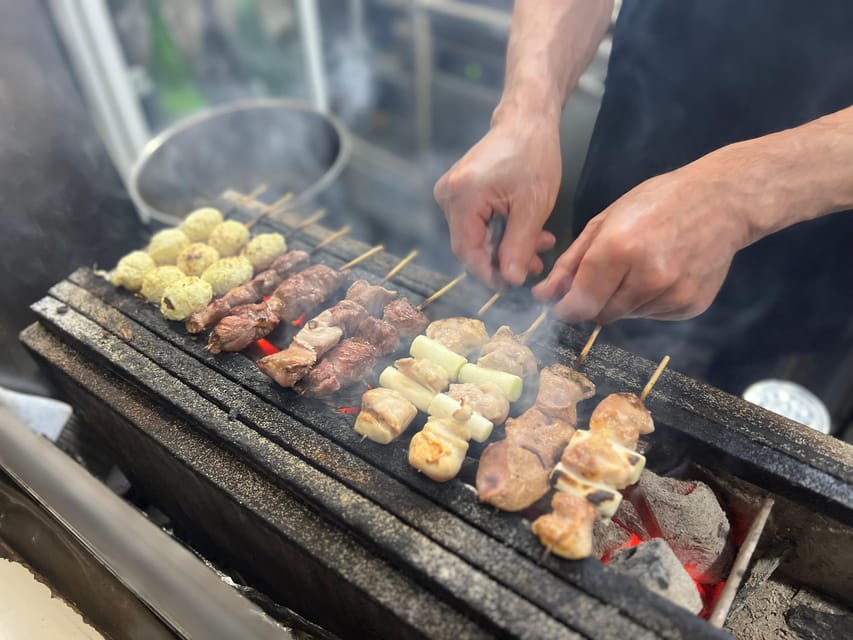
$146 per person sounds like real money. The value depends on what you’re trying to get out of Tokyo.
Here’s what you’re paying for, based on the tour details:
- 3 hours of a live English guide
- a small group limited to 10 people
- multiple neighborhood stops (Ginza, Yurakucho, Shimbashi)
- authentic local food experiences, including traditional desserts
- cultural insights and help planning your itinerary
If your goal is to eat more like a local and understand what you’re tasting, a guided format saves you time. Tokyo has tons of food options, but finding the right ones quickly is hard without local input. If you want that benefit, the price starts to make sense.
On the other hand, if you’re mostly interested in food and you’re comfortable wandering and choosing places on your own, you might decide this is better saved for when you want extra guidance. In that case, comparison shopping is smart.
My honest takeaway: if you want English support, small-group attention, and a curated route across three areas, $146 can feel fair.
Who this Tokyo Ginza and Shimbashi tour fits best
This tour is a strong match if you:
- want an English-speaking local guide rather than solo exploring
- like the idea of eating in multiple neighborhoods instead of repeating the same style of meal
- enjoy cultural context alongside food
- want a short, evening-length plan that doesn’t eat up your whole day
It’s also a decent choice for people who want something different from ramen-sushi-only Tokyo. You get both savory dishes and traditional desserts, plus neighborhood variety.
It’s not a good fit if you need wheelchair accessibility or if you can’t comfortably handle an on-foot walking pace.
And if you’re the type who likes planning ahead, the operator’s Traveling Tokyo Instagram at traveling.tokyo is there as a helpful place to get more vibes and timing cues before you go.
Should you book this Ginza and Shimbashi food tour?
Book it if you want a guided Tokyo food experience that makes the city feel smaller and more understandable. The route logic (Ginza to Yurakucho to Shimbashi) is efficient, and the small group with an English guide is the kind of setup that turns eating into learning.
Skip it if you hate walking, need wheelchair accessibility, or you’d rather spend the time picking places independently. Also consider your appetite. A food-focused evening is easier if you go in a little hungry rather than planning a big meal right afterward.
If you want one practical decision rule: choose this tour when you’d rather trust a local guide than guess your way through Tokyo’s food maze.
FAQ
Where does the tour meet?
The meeting point is Tokyu Plaza Ginza, in front of the BOSS store. If you come up to the ground from Ginza Station exits C2 or C3, you should see the BOSS store.
How long is the Tokyo food tour?
It’s a 3-hour tour.
What areas do you visit?
You visit Ginza, then Yurakucho, and then Shimbashi, before returning to Tokyu Plaza Ginza.
Is the tour guided in English?
Yes, there is a live tour guide in English.
How big is the group?
The tour is limited to a small group of up to 10 participants.
Is it wheelchair accessible?
No, the tour is not suitable for wheelchair users.