REVIEW · TOKYO
Tokyo: Private Walking Tour With Fresh Eyes, Local Hearts
Book on GetYourGuide →Operated by Exploring_Tokyo · Bookable on GetYourGuide
Tokyo clicks fast with the right local guide. I love the private itinerary focus, because you’re not stuck in a cookie-cutter loop, and I especially like the local guide’s sense of what to notice as you walk. One thing to plan for: this is a walking + public-transport experience, so comfy shoes and stamina matter, especially on longer options.
I also like how flexible this feels. You can choose a 1, 2, 4, 6, or 8-hour tour, and the meeting point is picked from areas like Shibuya, Shinjuku, or Tsukiji based on where you’ll spend time. After booking, the guide contacts you within about two weeks to shape the route around your interests, and I’ve seen guides like Toko and Momo go the extra mile to make the first day feel smooth and understandable.
In This Review
- Key points worth knowing
- Why this private Tokyo walk feels more useful than a big group day
- How the guide shapes your day (and how you set yourself up for success)
- Imperial Palace and Tsukiji: a calm start, then a sensory wake-up
- Shibuya Crossing and Meiji Shrine: street spectacle meets quiet reset
- Asakusa culture stops: where old Tokyo still feels walkable
- Shinjuku, Shinjuku Gyoen, and Golden Gai: variety without losing the thread
- Akihabara and Super Potato: tech culture for the people who like fun stops
- Gardens day in Tokyo: Hama-rikyū, Kiyosumi, Koishikawa, and Rikugien
- Yoyogi Park and Takeshita Street: people-watching with a plan
- Nezu’s quieter side plus Ueno’s classic Tokyo mix
- Temples and landmarks: Zojo-ji, Tokyo Tower, Gotokuji, and Kanda Shrine
- Walking and public transport: the comfort checklist that matters in Tokyo
- Price, included value, and what you should plan to pay for
- Who this tour is best for (and who may want a different style)
- Should you book this Tokyo private walking tour?
- FAQ
- How long is the tour?
- Is this tour private?
- What languages are the guides?
- Where do we meet, and is pickup included?
- Is the tour wheelchair accessible?
- Are meals included in the price?
Key points worth knowing
- Truly private group: only your party joins the walk.
- Route built around you: temple/shrine focus or a highlights push like Shibuya or Tsukiji.
- Long or short, your choice: options from 1 to 8 hours.
- Local guidance that helps you navigate: from train basics to neighborhood tips.
- Lots of variety, thoughtfully paced: shrines, markets, gardens, and iconic corners.
Why this private Tokyo walk feels more useful than a big group day
Tokyo can be a lot. The city is fast, the signage can be tricky at first, and a “must-see list” can still leave you confused about what matters. This tour helps because it’s designed around one simple idea: you get a guide who can steer the day toward what you actually care about.
I like that your guide doesn’t just name places. They point out what to pay attention to while you’re moving—so you’re learning Tokyo as you go, not trying to cram it after you get home. The private setup also means you can ask real questions, slow down when something catches your eye, and skip anything you don’t want to see.
The value at $25 per person comes from what’s included: a local guide, a guided walking plan, tour customization, and (optionally) hotel pickup. If you’re trying to make day one easier, or you want structure without sacrificing control, this is one of those straightforward choices that saves mental energy.
You can also read our reviews of more walking tours in Tokyo


How the guide shapes your day (and how you set yourself up for success)
Before you even meet, you’ll be in contact. The guide reaches out within about two weeks before the tour to talk through your interests and schedule. That matters because Tokyo is not one-size-fits-all. If you prefer shrines, they can build a spiritual-and-neighborhood loop. If you want shopping and street scenes, they can steer you toward those areas instead.
Pickup is also optional. The guide can meet you at your hotel or another location you request, and you’ll coordinate by WhatsApp or email before the start. If time is limited, the meeting point may be designated in one of the main areas you choose—examples given include Shibuya, Shinjuku, or Tsukiji—so you spend less time figuring out where to meet.
Practical tip: when you message your guide, be clear about two things:
- What you want more of (temples/shrines, neighborhoods, iconic sights).
- What you want less of (busy crossings, long walks, crowds).
That small clarity usually makes the day feel personal instead of generic.
Imperial Palace and Tsukiji: a calm start, then a sensory wake-up
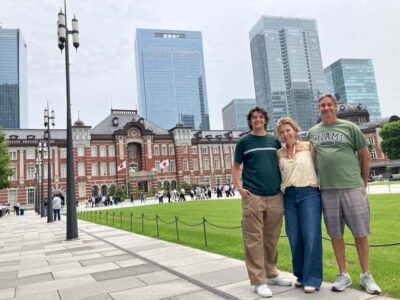
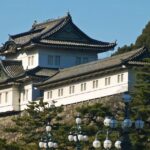
Your day can begin around the Tokyo Imperial Palace, with a guided walk and sightseeing time. This is a good starting point because it gives you a sense of Tokyo’s scale and layout early on. Even if you’re not a history person, it helps you understand how the city’s central spaces work.
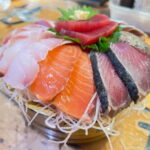
From there, the route often heads to Tsukiji Outer Market. This is where Tokyo shifts gears from structured and spacious to lively and food-focused energy. The guided approach helps you navigate the maze of stalls without wasting time guessing what’s worth your attention.
What to watch for:
- Crowds move fast. If you need slower pacing, tell your guide early.
- The best experience comes from short stops and quick comparisons, not lingering in one spot.
A consideration: because this part of the walk can be busy, you’ll want a flexible mindset and a willingness to slow down when it gets crowded.
Shibuya Crossing and Meiji Shrine: street spectacle meets quiet reset
Shibuya Crossing is one of the most iconic places in Tokyo, and you’ll see it with a local guide’s context rather than just a quick photo stop. The value here is timing and orientation—how to approach it, where to stand, and how to look at the surrounding area instead of only thinking about the crossing itself.
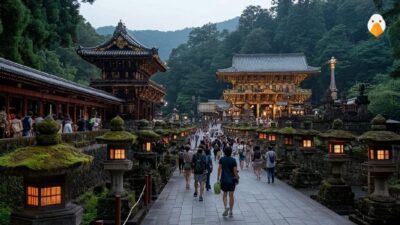
Then the walk can shift to Meiji Shrine, which acts like a reset button after big-city motion. You get guided time at the shrine plus sightseeing walking. This pairing works well because it shows two sides of Tokyo in one stretch: modern movement and older spiritual calm.
A small reality check: the contrast can be so strong that you’ll feel like the day jumps from one theme to another. That’s not a drawback—it’s just a reminder to wear layers and expect your energy level to change as you move between areas.
Asakusa culture stops: where old Tokyo still feels walkable
When the route includes Asakusa Culture Tourist Information Center and Asakusa Shrine, you’re getting a two-part approach. First, there’s a natural place to get oriented and learn what to see in the wider area. Then you move into the shrine visit, with guided sightseeing time that makes the space feel more meaningful.
Asakusa works especially well if you like neighborhoods where daily life mixes with visitors. The guided walk keeps you from wandering too long without direction, and it helps you understand what to notice—how people move through the area, how the shrine space fits into the neighborhood, and what’s worth a longer look.
Possible drawback: this area can draw lots of attention, so if you’re sensitive to crowds or want very slow strolling, you’ll want to communicate that when your guide is building the plan.
You can also read our reviews of more private tours in Tokyo


Shinjuku, Shinjuku Gyoen, and Golden Gai: variety without losing the thread
Shinjuku is Tokyo’s intensity zone, and in a guided setting it can feel surprisingly manageable. You get guided sightseeing time while you’re experiencing the area’s energy at walking speed.
Then Shinjuku Gyoen National Garden provides a noticeable change of pace. Garden time is a smart move in Tokyo because it gives your feet a break and your brain a chance to breathe. If you’ve been walking all day, this stop can turn a tiring day into a comfortable one.
From there, the route can include Golden Gai, a distinctive area known for its small, atmospheric vibe. Guided time matters here because it’s easy to feel like you’re just passing by if you don’t know what to look for. With a local guide, you’re more likely to notice how the area fits into the surrounding Shinjuku scene.
Planning note: this section can include a lot of different “types” of places—big-city streets, garden calm, then a smaller, moodier neighborhood feel. That variety is a highlight for many people, but if you prefer one consistent theme, ask your guide to focus your day more tightly.
Akihabara and Super Potato: tech culture for the people who like fun stops
If your route includes Akihabara Electric Town, you’ll be in one of Tokyo’s most recognizable areas for electronics and pop culture browsing—at least in terms of how the neighborhood is defined. The guided sightseeing approach helps you avoid aimless wandering and instead follow a path that makes sense for your interests.
The walk can also include Super Potato Akihabara. Even if you’re not deeply into the specific subculture, it’s the kind of stop that can add personality to the day—something more specific than a generic shopping street.
Consideration: this is not the best choice if you want quiet temples only. It’s fun, but it’s also a different mood from shrines and gardens.
Gardens day in Tokyo: Hama-rikyū, Kiyosumi, Koishikawa, and Rikugien
Tokyo is famous for its parks and gardens, and this tour can include multiple garden stops depending on your chosen duration. You might see:
- Hama-rikyū Gardens
- Kiyosumi Gardens
- Koishikawa Kōrakuen
- Rikugien
What I like about this kind of routing is the pacing. When you add gardens, you’re not walking nonstop through dense neighborhoods. You’re also learning how Tokyo creates relief spaces—green settings where the city feels less like a machine.
If you pick a shorter tour, you might only catch one garden stop. If you pick a longer tour, you can compare styles and settings across different areas, which makes the day feel more like a guided “Tokyo day” rather than a checklist.
Small drawback: if it’s hot or rainy, garden walking can still mean time outdoors. Wear breathable shoes and bring a practical umbrella plan.
Yoyogi Park and Takeshita Street: people-watching with a plan
A route that includes Yoyogi Park gives you space to slow down. Then Takeshita Street switches the tone toward a more youth-and-fashion street scene. This pairing can be surprisingly effective because it’s not just shopping—it’s contrast: nature-adjacent calm, then energetic street life.
Guided time here helps because it keeps you from getting stuck in only one zone. You get to see the “before” and “after” feeling of the area rather than just sprinting for photos.
Consideration: Takeshita Street can be very crowded and visually intense. If you’d rather keep that section shorter, your guide can adjust.
Nezu’s quieter side plus Ueno’s classic Tokyo mix
If your tour includes Nezu Shrine and Nezu Museum, you’re likely aiming for a gentler, more local-feeling pace. Nezu also works well if you like seeing a different slice of Tokyo beyond the biggest names.
Then the route can continue to Ueno Park, plus Ueno Ameyoko Shopping Street, and Ueno Toshogu Shrine. This combination covers a lot of ground in a structured way: park space, shopping street energy, then shrine time.
This section can be a winner if you like variety and you’re comfortable with a longer walk. But it’s also where your stamina matters most, because you may go from open outdoor areas into more crowded street zones.
Practical tip: if you want photos, tell your guide you’ll want brief pauses for shots. If you don’t care, you can keep moving and make the day feel smoother.
Temples and landmarks: Zojo-ji, Tokyo Tower, Gotokuji, and Kanda Shrine
Depending on your chosen length, you may hit a cluster of famous and distinctive spiritual or landmark stops, including:
- Tokyo Tower
- Zojo-ji Temple, Tokyo
- Gotokuji temple, Tokyo
- Kanda Shrine
I like this kind of section because it turns your walk into a sense of Tokyo’s identity. Shrines and temples give texture and meaning, while a landmark like Tokyo Tower adds a clear visual anchor.
Potential drawback: landmark stops can sometimes lead to quick “arrive, look, move on” pacing if you keep your schedule tight. The private nature here helps—if you want more time, ask for it.
Walking and public transport: the comfort checklist that matters in Tokyo
This tour is built around walking and public transportations, and private transportation is not included. That means you’re responsible for transport fees, unless your guide’s plan uses your own existing tickets or transit method as arranged.
Wheelchair accessible is listed, which is reassuring. Still, because the experience includes walking, you should consider your own pace and mobility needs early when your guide is building the route.
My best advice:
- Wear shoes you can walk in for hours.
- Carry water and basic snacks only if you’re comfortable with that.
- Tell the guide right away if you need bathroom stops or elevator routes.
In one example, guide Toko proved very practical when navigating the day with an infant—handling needs like bathroom breaks and detours. That’s the kind of flexibility you’ll want to have available if your situation includes extra constraints.
Price, included value, and what you should plan to pay for
At $25 per person, the price is easiest to justify if you compare it to how much planning and decision-making you’d do alone. You’re paying for a local guide, customization, and a guided route that’s designed to work in your time window.
What’s included:
- Hotel pickup (optional)
- Private group
- Tour customization
- Local guide with guided time and local insights
What’s not included:
- Meals and drinks
- Transportation fees
- Private transportation
So your real budget is usually: tour cost plus your own food and transit expenses. If you’re the type who enjoys structure—knowing where to go next, what to notice, and how to handle walking routes—this becomes good value fast.
Who this tour is best for (and who may want a different style)
This experience is a strong match if:
- It’s your first time in Japan and you want help with navigating neighborhoods.
- You enjoy temples and shrines but also want the “Tokyo you see in photos.”
- You want a flexible day plan based on your pace.
- You’re traveling with kids or have extra needs and want a guide who can adapt.
It may be less ideal if:
- You want a strictly vehicle-based tour with minimal walking.
- You prefer a long museum day over neighborhood walking.
- You hate crowds and don’t want any busy street sections (you can still request adjustments, but Tokyo’s famous areas will likely appear somewhere in the plan).
Should you book this Tokyo private walking tour?
If you want Tokyo that makes sense fast, I’d book it. The big win is the combination of private pacing plus a guide who can explain what you’re seeing while you’re actually in the neighborhood. With time windows from 1 to 8 hours, you can shape the day without feeling trapped.
My call: book this if you’re curious, like walking, and want your time in Tokyo to feel guided rather than improvised.
FAQ
How long is the tour?
You can choose a duration from 1 to 8 hours, with options specifically listed as 1, 2, 4, 6, and 8.
Is this tour private?
Yes. It’s a private tour/activity, so only your group participates.
What languages are the guides?
The live tour guide is available in English and Japanese.
Where do we meet, and is pickup included?
Pickup is optional. The guide can pick you up from your hotel or another requested location, and if time is limited the meeting point may be designated in an area you’re interested in, such as Shibuya, Shinjuku, or Tsukiji.
Is the tour wheelchair accessible?
Wheelchair accessibility is listed as available.
Are meals included in the price?
No. Meals and drinks are not included, and transportation fees are also not included (private transportation isn’t included either).