REVIEW · KAMAKURA
Kamakura Zen Temples and Gardens Private Trip with Government-Licensed Guide
Book on Viator →Operated by Japan Guide Agency · Bookable on Viator
Kamakura temple paths are better with a guide. This private 6-hour tour uses a government-licensed English-speaking guide to help you move through Kamakura’s Zen temples, shrine stops, and gardens with a route that you can shape as you go.
I love the customizable plan. You choose 3–4 stops from a menu that includes Engaku-ji, Kencho-ji, Meigetsuin, Hokoku-ji, the Great Buddha at Kotoku-in, and more. I also like the licensed guidance: your guide connects each place to the story of Kamakura, and points out the small details that are easy to miss when you’re just wandering.
One drawback: most of the fun costs extra. Entrance fees, lunch, and local transportation are not included, and because it’s a walking tour, you’ll want to plan for real walking.
In This Review
- Key highlights to know before you go
- Why Kamakura Zen Temples feel different with a licensed guide
- Price and value: what $153.11 per person actually gets
- The 6-hour walking format: efficient, but you still walk
- Choosing your 3–4 stops: make the menu match your mood
- Engaku-ji and Kencho-ji: the five-great-temples game
- Engaku-ji (円覚寺)
- Kencho-ji (建長寺)
- Jochiji, Jomyo-ji, and Hokoku-ji: small stops, specific moods
- Jochiji (浄智寺)
- Jomyo-ji (浄妙寺)
- Meigetsuin (明月院) – Hydrangea Temple
- Hokoku-ji Temple (Hokokuji)
- Kotoku-in’s Great Buddha plus Hasedera: the big-icon combo
- Kotoku-in – Great Buddha of Kamakura
- Hasedera (長谷寺)
- Tsurugaoka Hachimangu and Zeniarai Benten: shrine stops with ritual
- Tsurugaoka Hachimangu Shrine
- Zeniarai Benten Shrine
- Enoshima Island: a sea-air reset when you want a change of pace
- Nichiren and Jodo temples: switching sects without losing the thread
- Ankokuronji (安国論寺)
- Myohonji (妙本寺, Myōhonji)
- Zuisen-ji (瑞泉寺)
- Tokeiji, Jufukuji, Eishoji, and Kamakura hiking trails: the quieter side of town
- Tokeiji (東慶寺)
- Jufukuji (寿福寺)
- Eishoji (英勝寺)
- Kamakura Hiking Trails
- What to bring, how to time it, and small etiquette wins
- Should you book this Kamakura private trip?
- FAQ
- What does the tour include?
- Are entrance fees included?
- Is this tour mostly walking?
- How long is the experience?
- Are any stops free to enter?
- Can I customize which temples I see?
- Is a service animal allowed?
Key highlights to know before you go
- Government-licensed English guide who can tailor the route on the spot
- Choose 3–4 sites from a strong menu, so you don’t waste time
- Zen powerhouses plus side quests, like bamboo, hydrangeas, and a coin-washing shrine
- Iconic stops are built in, including the Great Buddha at Kotoku-in
- A practical walking rhythm designed for 6 hours, not a rushed hit-and-run
Why Kamakura Zen Temples feel different with a licensed guide
Kamakura can feel like a choose-your-own-adventure: temples on hills, shrines tucked into corners, and gardens that change mood depending on the light and the season. A private guide helps because you’re not just collecting photos. You’re understanding what you’re seeing while you’re standing in the place.
The big win here is the guide’s focus on meaning. At a Zen temple, that matters. Even when you’re not fluent in Japanese, you can still learn why a garden is laid out a certain way, what a statue represents, and how the different temple sects fit together. And because it’s private, you can slow down for questions, rest breaks, or the one doorway you keep noticing.
Also, the guide flexibility is real. People have had guides like Kei, Kappa, and Seky steer their day around interests and conditions—like pairing Kotoku-in with Hasedera, or finding shade and calm in bamboo areas when the weather is doing its best to drain your energy.
You can also read our reviews of more guided tours in Kamakura
Price and value: what $153.11 per person actually gets
At $153.11 per person for about 6 hours, this tour lands in the “worth it if you care” category. You’re paying for a government-licensed local guide and a private, customizable format, not for a fixed checklist.
That said, you should budget for the extras. Entrance tickets, lunch, and local transportation are not included. This means your total day cost depends on which temples you pick (some are free, some are not) and how you handle meals.
Here’s the value logic I’d use: if you want to see a handful of top sites with context—and you’d rather walk smarter than independently crisscross—this is a solid deal. If you’re happy to do temples solo with a phone app and a map, you’ll likely spend less on a self-guided day. But you’ll also miss the “why” behind a lot of the details that make Kamakura memorable.
The 6-hour walking format: efficient, but you still walk
This is a walking tour. You’ll meet your guide on foot within the designated Kamakura area, and you should expect a schedule that fits about 6 hours of movement plus short temple time.
The stop times are generally short—think 10 to 30 minutes at each place—so the guide’s route planning matters. If you pick 3–4 stops, you’ll usually get enough time to enter, look around, and ask questions without feeling like you’re sprinting.
The practical takeaway: bring comfortable shoes and plan for uneven temple ground. Even on a “gentle” day, your legs will do the work. Your guide can help you choose stops that match your walking tolerance, and that’s exactly where private customization pays off.
Choosing your 3–4 stops: make the menu match your mood
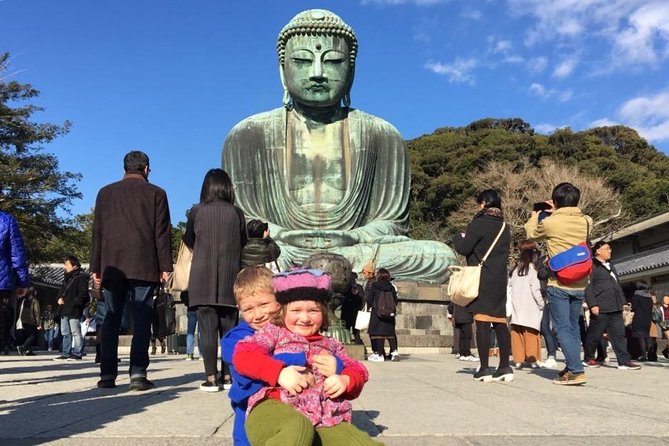
The tour’s strength is choice. You can mix Zen temples, Nichiren and Jodo sites, big famous icons, and lighter “hangout” moments like a garden or a short trail.
A good strategy is to pick a theme plus one wildcard:
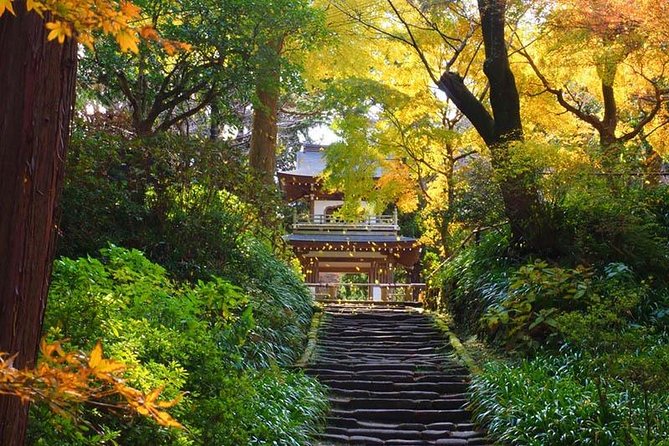
- If you want Zen atmosphere, choose from Engaku-ji, Kencho-ji, Meigetsuin, Jochiji, Jomyo-ji, Hokoku-ji, Tokeiji, Jufukuji, or Zuisen-ji.
- If you want an instant wow moment, add the Great Buddha at Kotoku-in.
- If you like gardens, Meigetsuin (Hydrangea Temple) and Hokoku-ji (bamboo grove) are prime picks.
- If you want shrines and local rituals, do Tsurugaoka Hachimangu and Zeniarai Benten.
- If you want a sea-side change of pace, consider Enoshima Island.
- If you like religious variety, sprinkle in Nichiren (Ankokuronji, Myohonji) or Jodo (Hasedera).
Pick based on what you actually want to feel that day. Kamakura is old, yes, but your experience should be personal.
Engaku-ji and Kencho-ji: the five-great-temples game
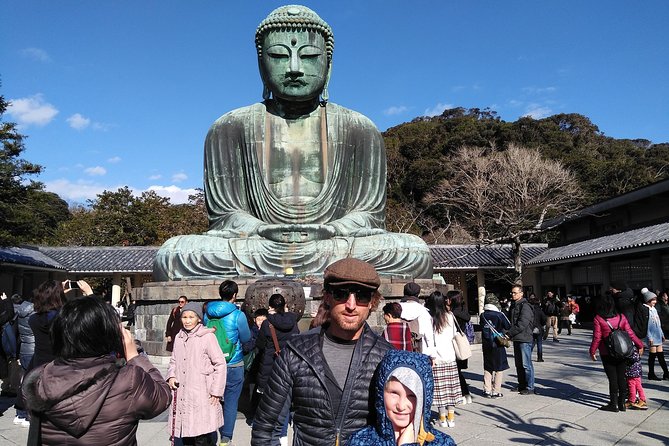
These two are the anchors for a classic Kamakura Zen loop.
You can also read our reviews of more private tours in Kamakura
Engaku-ji (円覚寺)
Engaku-ji is one of Kamakura’s leading Zen temples and is ranked number two of the five great Zen temples. It was founded by the ruling regent Hojo Tokimune in 1282, which gives you a concrete historical anchor while you walk through the grounds. If you like temples that feel like institutions—big, established, and historically loaded—this is a strong choice.
A consideration: because it’s a major site, you may spend more time just taking it in. If you’re short on time, your guide can help you focus on the key areas rather than wandering endlessly.
Kencho-ji (建長寺)
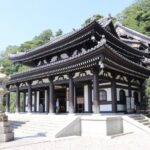
Kencho-ji is number one of the five great Zen temples and the oldest Zen temple in Kamakura. It was founded by the ruling regent Hojo Tokiyori in 1253. This is your best bet if you want the “oldest first” feeling—like you’re walking into the start of a whole chapter.
If you’re the type who likes comparing similar temples, Kencho-ji paired with Engaku-ji makes a lot of sense. Your guide can help you spot differences in tone and architecture without you having to become an expert overnight.
Jochiji, Jomyo-ji, and Hokoku-ji: small stops, specific moods
This is where you get the “I’m glad we didn’t just rush” energy.
Jochiji (浄智寺)
Jochiji is ranked number four among the five great Zen temples. It’s also a branch temple of the Engakuji school of the Rinzai sect. That relationship matters because a guide can explain the lineage link and why that might change what you notice on the grounds.
Time note: plan on a shorter stop here. It’s the kind of place where 20–30 minutes feels right if you want calm and context.
Jomyo-ji (浄妙寺)
Jomyo-ji sits in the hills of eastern Kamakura and is ranked fifth among the five great Zen temples. It was founded by the influential Ashikaga family. If you like a little elevation and a quieter feel, this is a good pick.
Possible drawback: hillside locations can mean more walking than you expect. If your legs are tired, let your guide know early so you can adjust the plan.
Meigetsuin (明月院) – Hydrangea Temple
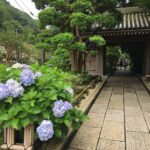
Meigetsuin is a Rinzai Zen temple founded in 1160, and it’s nicknamed Ajisaidera, or the Hydrangea Temple. The grounds are known for abundant hydrangea blooms.
Even if you’re not there during peak bloom, the nickname is still useful. It tells you the garden is designed for seasonal impact, and a guide can point out where that beauty is meant to happen.
Hokoku-ji Temple (Hokokuji)
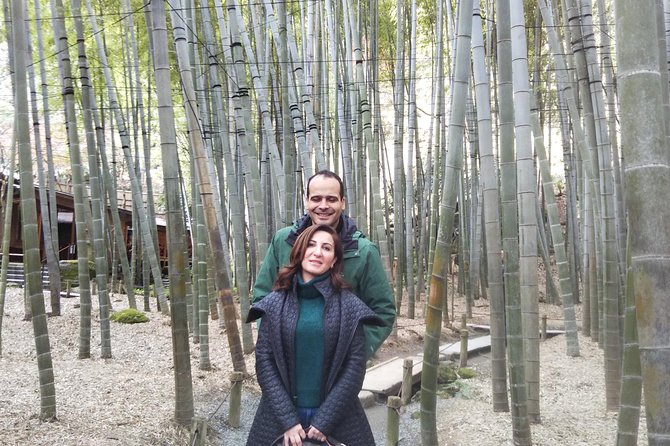
Hokoku-ji is best known for its bamboo grove behind the main hall, with over 2000 dark green bamboo stalks. If you want a sensory break from big monuments, this stop delivers. It’s also the kind of place where a shaded walk can feel like a reset.
In hot weather, bamboo areas can be a welcome relief, and having shade matters. In any season, it’s a nice contrast to the more formal temple layouts.
Kotoku-in’s Great Buddha plus Hasedera: the big-icon combo
If you want one or two “only in Kamakura” moments, build around these.
Kotoku-in – Great Buddha of Kamakura
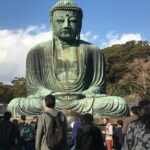
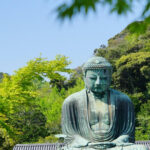
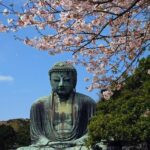
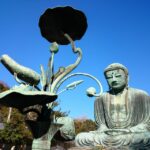
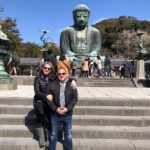
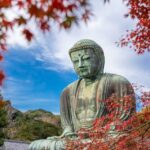
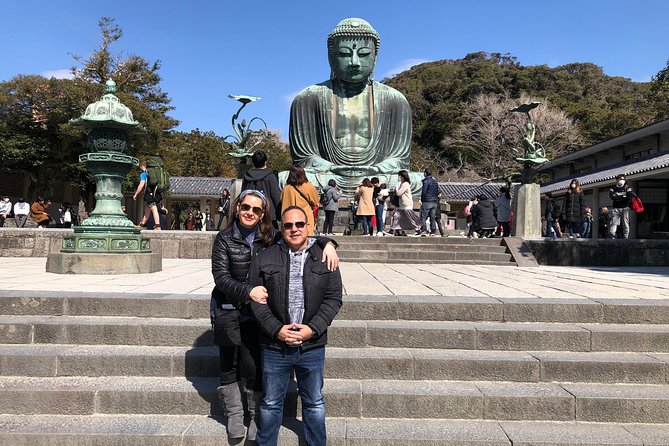
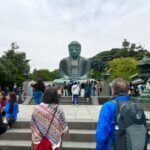
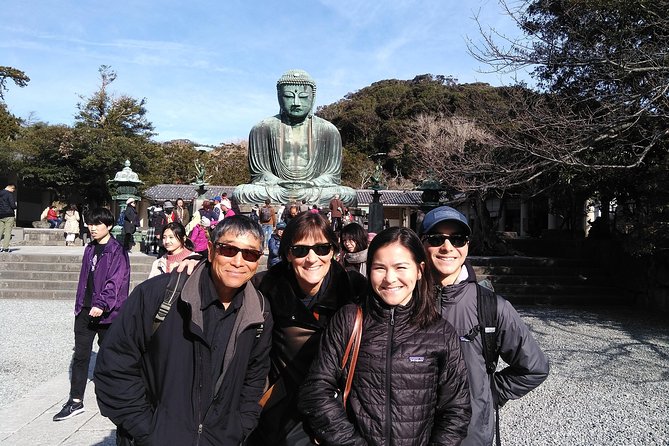
Kotoku-in’s Great Buddha is a bronze statue of Amida Buddha, standing at 11.4 meters. It’s one of those sights you can spot instantly on arrival, and it anchors the whole area’s visual identity.
A planning tip: pair this with another nearby temple stop so you don’t burn half your time getting back and forth. Guides have helped people combine Kotoku-in with Hasedera, and it’s a smart pairing because it keeps your day focused.
Hasedera (長谷寺)
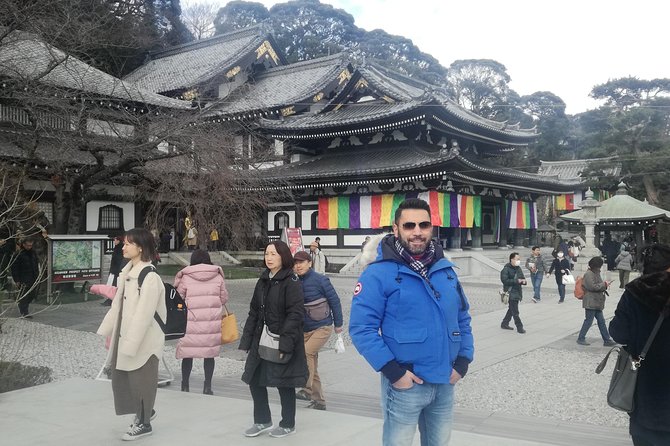
Hasedera is a Jodo sect temple famous for its eleven-headed statue of Kannon, the goddess of mercy. The gilded wooden statue is 9.18 meters tall and is regarded as one of the largest wooden sculptures in Japan.
This is where your guide’s explanations really shine. A guide can help you understand what makes Kannon iconography special and what to look for in the sculptural details, not just the scale.
Time reality: if you pick both Kotoku-in and Hasedera, you’re likely fitting in more major sights. That’s great if you want impact, but you should expect your 6 hours to feel busy.
Tsurugaoka Hachimangu and Zeniarai Benten: shrine stops with ritual
Not every stop has to be a Zen temple. These shrines add a different rhythm to the day.
Tsurugaoka Hachimangu Shrine
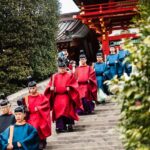
Tsurugaoka Hachimangu is dedicated to Hachiman, patron god of the Minamoto family and samurai in general. Your guide can explain why that political-religious connection matters in Kamakura’s story.
Short stop friendly: the listed visit time is about 10 minutes, which works well as a breather between heavier temple stops.
Zeniarai Benten Shrine
Zeniarai Benten is known for a ritual: people visit to wash their money. The name means coin washing, and it’s said the money washed in the shrine’s spring will bring luck.
It’s a fun stop because it’s practical and human. Even if you don’t follow the ritual, you’ll get a sense of living traditions rather than just monuments.
Possible drawback: because it’s a ritual site, it can feel more crowded than a hillside garden temple, depending on the day and season.
Enoshima Island: a sea-air reset when you want a change of pace
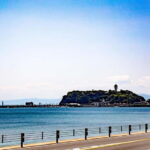
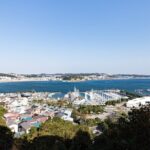
Enoshima is only a short train ride west of Kamakura. It’s a touristy island just off the coast, connected to the mainland by bridge. The island offers attractions including a shrine.
This is a smart add-on if you want your temple day to stop feeling all-temple-all-the-time. It also breaks up the walking pattern.
A consideration: because Enoshima requires transit, it can steal time from temple exploration. If you choose Enoshima, keep your temple list tight (3–4 total) so you don’t feel like you traded temples for travel.
Nichiren and Jodo temples: switching sects without losing the thread
Kamakura is a religious crossroads, and the tour can reflect that. If you like variety, these stops help.
Ankokuronji (安国論寺)
Ankokuronji is a Nichiren sect temple along the hills in southeastern Kamakura. It’s noted as being founded by Nichiren around 1253, when he first came to Kamakura.
This stop works well if you enjoy the idea of “a movement begins here.” Your guide can help you see this temple as part of a larger religious turning point.
Myohonji (妙本寺, Myōhonji)
Myohonji is another Nichiren sect temple on the southeastern hills. It was founded by Hiki Yoshimoto in 1260. If you want to compare how different Nichiren sites feel on the ground, this adds variety without sending you too far from other options.
Zuisen-ji (瑞泉寺)
Zuisen-ji is a Zen temple in the far east of Kamakura, tucked into a narrow valley surrounded by wooded hills. It’s a branch temple of Engakuji.
If you want a quieter, more enclosed feeling, this is a good fit. The trade-off is distance: “far east” usually means more walking or more time in transit.
Tokeiji, Jufukuji, Eishoji, and Kamakura hiking trails: the quieter side of town
These add texture to your day, especially if you want more than famous names.
Tokeiji (東慶寺)
Tokeiji is a small branch temple of the Engakuji school within the Rinzai sect. It sits opposite Engakuji Temple on the other side of the street, so it can be an easy add-on without a big detour.
Because it’s shorter on the schedule, it’s a good choice if you’re trying to fit in more variety with limited time.
Jufukuji (寿福寺)
Jufukuji is number three of Kamakura’s five great Zen temples. It’s a branch temple of the Kenchoji school of the Rinzai sect. It was established by order of Minamoto Yoritomo’s wife Ma (Masako), which makes it feel tied to Kamakura’s power story.
This is a nice pick if you want to see how different family figures shaped temple life.
Eishoji (英勝寺)
Eishoji is the only surviving nunnery in Kamakura, located near Tsurugaoka Hachimangu. It was founded in the early Edo period by a woman connected to the Tokugawa family.
This stop adds a perspective you don’t often get from the headline temples. It’s short, but it changes the story.
Kamakura Hiking Trails
Kamakura is surrounded by ocean to the south and wooded hills in all other directions, and hiking trails connect various atmospheric temples. A guided walking into the hills can be a strong way to feel the city’s layout instead of just clocking stops.
A practical consideration: hiking time is time. If you go this route, pick fewer temples so you’re not squeezing trails and multiple major sites into the same 6 hours.
What to bring, how to time it, and small etiquette wins
If you want the day to feel smooth, go in ready:
- Wear comfortable shoes. Temple paths can be uneven, and it’s a walking tour.
- Bring water. Even with shade stops like the bamboo grove, you’re out for hours.
- If you care about specific seasonal beauty, like Meigetsuin’s hydrangeas, build your day around that theme so you don’t feel disappointed.
Etiquette-wise, keep your voice down in temple spaces and follow posted signs. Your guide will likely remind you, but it’s also your job to help the calm stay calm.
Lunch is separate too, so don’t assume you’ll have a sit-down meal included. In one example day guided by Kei, the lunch plan included hiyashi udon (cooled white wheat noodles). That kind of local, practical meal is exactly what helps a long temple walk stay enjoyable.
Should you book this Kamakura private trip?
I’d book this if you want a guided Kamakura Zen day that stays flexible. The private format and the customizable 3–4 stop plan are what make it feel efficient rather than exhausting. If you’re the type who likes to understand what you’re seeing—why each temple exists, what sect it belongs to, and what to look for in gardens—this tour gives you that context without forcing you to study for weeks first.
Skip it (or choose fewer iconic stops) if you’re traveling light and hate paying extra for entrance tickets and transport. Also, if you can’t do much walking, remember this is a walking tour and you’ll be out for about 6 hours.
If you’re happy to plan a short, smart list of stops and let a licensed guide connect the dots, this is a strong way to experience Kamakura beyond the obvious photo spots.
FAQ
What does the tour include?
It includes a licensed local English-speaking guide, a customizable walking tour where you choose 3–4 sites, and meeting the guide on foot within a designated Kamakura area.
Are entrance fees included?
No. Entrance fees are not included, and the tour notes that guide entry fees are only covered for the sights listed under what to expect.
Is this tour mostly walking?
Yes. It’s a walking tour, and pickup is on foot, with the guide meeting you within the designated area.
How long is the experience?
It runs about 6 hours.
Are any stops free to enter?
Yes. Tsurugaoka Hachimangu Shrine and Zeniarai Benten Shrine are listed as admission ticket free. Enoshima Island is also listed as free in the provided details.
Can I customize which temples I see?
Yes. You can choose your preferred attractions, and the customizable walking tour is for 3–4 sites from the included options.
Is a service animal allowed?
Yes. Service animals are allowed.